Pineberry, Pineberries
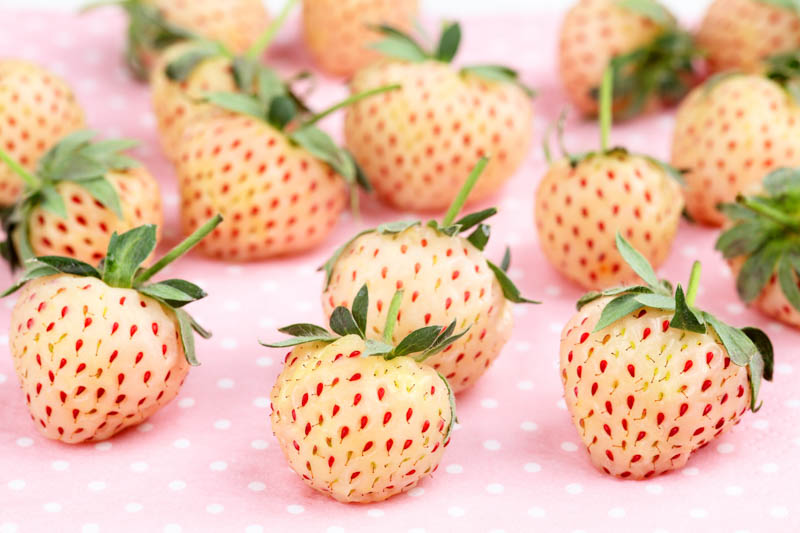
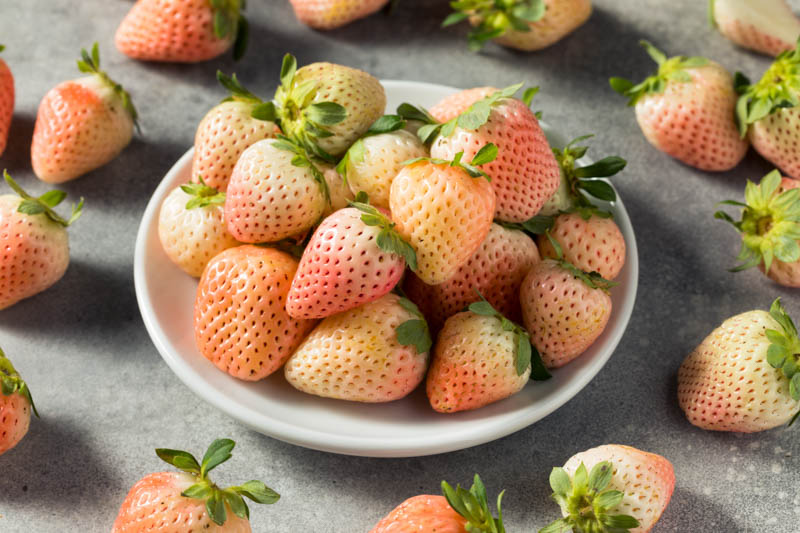
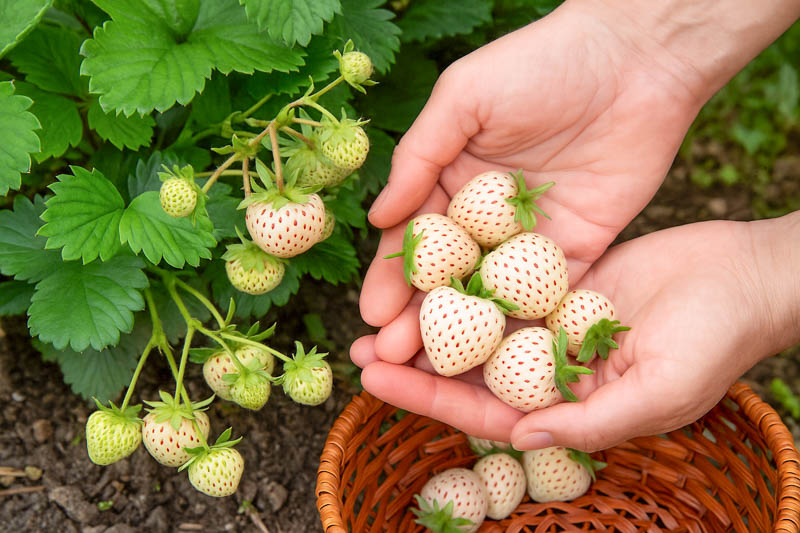
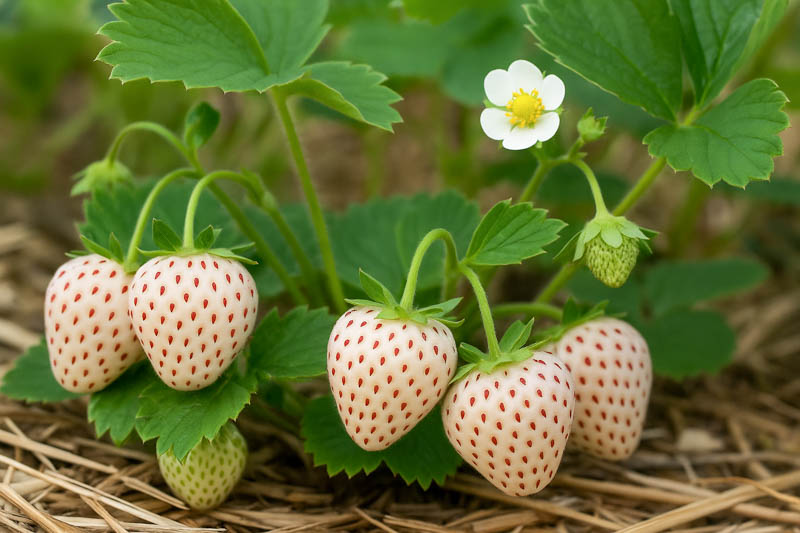


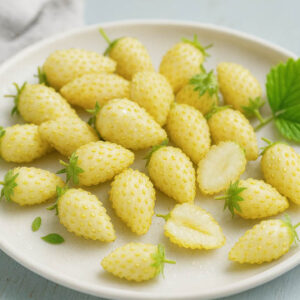
Summary: Pineberries are white-to-blush strawberries with red seeds and a tropical, pineapple-like aroma. They grow like standard garden strawberries and often benefit from a compatible red-flowered, red-fruited Fragaria × ananassa nearby for fuller, more uniform yields.
Taste: Sweet-tart, aromatic; notes of pineapple and pear.
Use: Fresh snacks, fruit boards, pastries, decorative garnishes.
Safety: Edible; treat like regular strawberries if you have strawberry allergies.
| Botanical Name | Fragaria × ananassa (white-fruited cultivars, “pineberries”) |
|---|---|
| Family | Rosaceae (Rose family) |
| Common Names | Pineberry, White strawberry |
| Plant Type & Habit | Low, herbaceous perennial sending stolons (runners); forms mats if allowed |
| Hardiness (USDA) | Generally 4–8/9 (cultivar dependent) |
| Size | Height: ~8–12 in (20–30 cm) | Spread: ~12–24 in (30–60 cm) per crown, runners extend further if unchecked |
| Sun & Exposure | Full sun (6–8 h); light afternoon shade in hot-summer climates |
| Soil | Rich, well-drained, slightly acidic to neutral (pH ~6.0–6.8); mulch to keep fruit clean |
| Bloom & Fruit | White to pale pink flowers; berries ripen white to blush with red achenes |
| Season | Varies by type (everbearing, day-neutral, or June-bearing selections exist) |
| Wildlife | Flowers support bees/hoverflies; ripe fruit attracts birds—consider netting |
| Toxicity | Edible; similar allergy considerations as red strawberries |
| Invasiveness | Runnering habit can spread; contain with edging and timely runner pruning |
| Primary Uses | Fresh eating, desserts, decorative plating; patio/border interest |
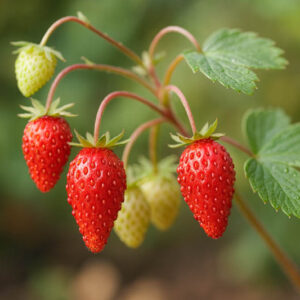
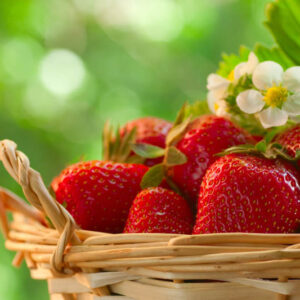
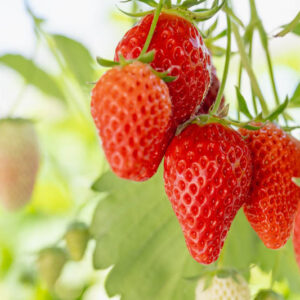
Pineberries are simply strawberries with pale flesh and skin that ripen white to soft blush, dotted with bright red seeds. The flavor is unmistakably strawberry but lighter in acidity and perfumed with pineapple-like aromas. They’re conversation pieces on the table, child-approved in the garden, and surprisingly practical outdoors because birds often overlook the pale fruit compared with classic reds.
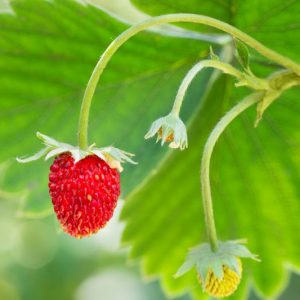
Botanically, pineberries belong to the same species complex as garden strawberries, Fragaria × ananassa. They are a hybrid cross from Fragaria virginiana and Fragaria chiloensis. That means most care instructions are identical to red strawberries, and you can grow them side by side. Where they differ is primarily in appearance, flavor, and, for many cultivars, a stronger dependence on cross-pollination with a red-fruited companion to push yields from “cute novelty” to “wow, real harvest.”
| Feature | Pineberry | Standard garden strawberry |
|---|---|---|
| Color at ripeness | White to pale pink with red achenes | Red (varies by cultivar) |
| Flavor | Sweet, low-acid, pineapple-like perfume | Classic sweet-tart strawberry |
| Pollination | Many benefit from a red-fruited pollinizer nearby | Most are self-fertile, but bees still improve set |
| Kitchen niche | Fresh, decorative desserts, fruit boards, coulis | All uses: fresh, jam, baking, freezing |
| Bird pressure | Often reported lower pecking due to pale color | Higher pecking risk as berries redden |
| Variety | Type / Bearing | Hardiness / Growing Notes | Pollination & Yield Tips |
|---|---|---|---|
| White Carolina | Everbearing | Zones 4–8; flavorful; many runners and higher yield than earlier types. | Performs well, but fruit set improves with nearby red-flowering strawberry. |
| White Pine | Pineberry / novelty | Classic pineberry look and flavor, though yields are modest. | Needs cross-pollination; yields can be low without a pollinator nearby. |
| White D | Pineberry / possibly June-bearing | Small to moderate berries; bloom timing may lean toward early season. | Fruit set inconsistent unless pollinated—many reports suggest blooms need a pollinator plant. |
| Natural Albino® | Pineberry novelty | Very small fruits, fragrant but delicate. | Requires cross-pollination; Nourse Farms recommends mixing in red strawberries like Sonata at a 1:4 ratio. |
| Wonderful | Fragaria virginiana × chiloensis hybrid (“pineberry”) | Everbearing, compact; white fruit with red seeds. | Makes a novel accent in containers or borders; fruit quality varies with pollination and climate. |
| Florida Pearl® | Day-neutral (region dependent) | Bred in Florida; white fruit with red achenes; excels in mild–warm seasons. | Plant with a compatible red strawberry for improved set and size; encourage bee activity. |
Tip: Because pineberry fruiting can be variable in dry or hot weather, it’s smart to place a pollinator strawberry plant (such as Albion, Seascape, or Honeoye) every 3–5 pineberry plants. That simple mix can boost berry set, size, and yield significantly—even turning a novelty patch into a truly productive bed.
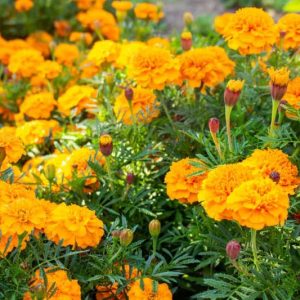
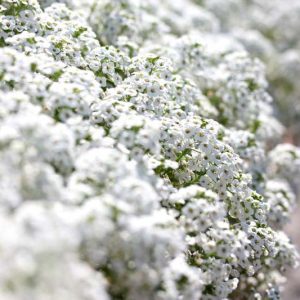
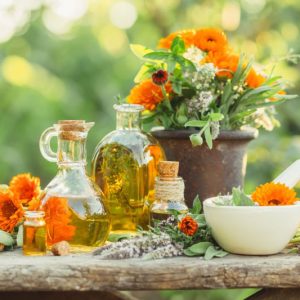
Bees do the heavy lifting. To ensure full, evenly filled berries, keep a strip of bee-friendly bloom near the bed. Good choices include sweet alyssum, calendula, and scabiosa along paths. These also support hoverflies that help suppress aphids.
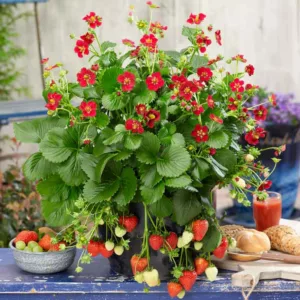
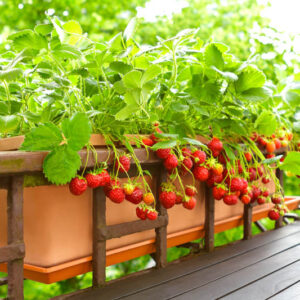
Pineberries thrive in large containers and tower planters. Use a high-drainage potting mix, a sunny exposure, and a slow, deep watering routine. Add a companion red strawberry in the same container or nearby pot for cross-pollination if your pineberry cultivar benefits from it. Growing Strawberries in Containers: The Complete, Friendly Guide
Ripe pineberries turn from green to creamy white with blushing on the sun side and vivid red seeds. The flesh softens slightly and the aroma shifts from green to tropical floral. Pick with a gentle twist, refrigerate promptly, and rinse just before serving. They shine on fruit boards, panna cotta, pavlova, lemon tarts, and as a striking white-pink coulis over cheesecake. Their low acidity makes them friendly for kids and for pairing with citrus, mint, or basil syrups.
| Season | Tasks |
|---|---|
| Late winter to early spring | Clean old leaves, top-dress compost, set drip or soaker, plant bare roots, check pollinizer placement |
| Spring to early summer | Mulch, maintain even moisture, encourage bee activity, harvest as berries blush |
| Midsummer | Trim runners you do not need, keep crowns open, remove overripe fruit to limit mold |
| Fall | Renovate rows for June-bearers, thin runners, sow white clover in paths |
| Winter | Mulch crowns where winters are cold; clear storm-soggy debris for airflow |
Pineberries are scene-stealers in patio bowls and along bed fronts. Stitch them between small clumps of thyme and chives, and edge paths with alyssum for both pollination and pretty fragrance. Keep crowns visible and free. Avoid planting right beside tall brassicas that cast heavy shade. Best Strawberry Companion Plants (and Ones to Avoid)
Nursery offerings vary by region and year. Many growers pair a pineberry with a reliable red strawberry that overlaps in bloom for cross-pollination and a full bowl. Consider these red partners already covered on Gardenia for comparison and bed-mates.
| Variety | Type | USDA | Why Pair It |
|---|---|---|---|
| Honeoye | June-bearing early | 3 to 8 | Early, abundant bloom to overlap with many pineberries in cool climates |
| Chandler | June-bearing mid | 5 to 8 | Large flowers, great fruit; good pollen partner in milder regions |
| Albion | Day-neutral | 4 to 9 | Long bloom window and repeated flowers to overlap across the season |
| Seascape | Day-neutral | 4 to 9 | Strong, steady bloom and fruiting for dependable cross-pollination |
They taste like strawberries with a tropical twist. Most gardeners describe a sweet, low-acid strawberry flavor layered with pineapple or pear fragrance.
Many pineberry cultivars set more and fuller berries with a compatible red-fruited Fragaria × ananassa nearby that blooms at the same time. Day-neutral reds such as Albion or Seascape are popular partners.
They can be, but their low acidity and pale color are better showcased fresh, in tarts, or as a white-pink coulis. For classic red jam, pair your bed with a dependable red variety.
Look for creamy white to pale blush fruit with bright red seeds, soft aroma, and a gentle give when pressed. Green-tinted fruit is underripe and less sweet.
Often less than red strawberries because the pale color does not signal ripeness to birds. Still, netting may be helpful in heavy-pressure areas.
| Hardiness |
4 - 8 |
|---|---|
| Heat Zones |
1 - 8 |
| Climate Zones | 1, 1A, 1B, 2, 2A, 2B, 3, 3A, 3B, 4, 5, 6, 7, 8, 9, 14, 15, 16, 17, 18, 19, 20, 21, 22, 23, 24, A1, A2, A3, H1, H2 |
| Plant Type | Fruits |
| Plant Family | Rosaceae |
| Genus | Fragaria |
| Common names | Pineberry, Strawberry |
| Exposure | Full Sun |
| Season of Interest | Spring (Late), Summer (Early, Late), Fall |
| Height | 8" - 1' (20cm - 30cm) |
| Spread | 1' - 2' (30cm - 60cm) |
| Spacing | 12" - 18" (30cm - 50cm) |
| Maintenance | High |
| Water Needs | Average |
| Soil Type | Loam |
| Soil pH | Neutral |
| Soil Drainage | Moist but Well-Drained |
| Characteristics | Semi-Evergreen, Fruit & Berries |
| Tolerances | Heat |
| Attracts | Bees |
| Garden Uses | Beds And Borders, Hanging Baskets, Patio And Containers |
| Garden Styles | City and Courtyard, Informal and Cottage |
| Toxic to Humans | No known toxicity |
| Toxic to Cats | Not toxic |
| Toxic to Dogs | Not toxic |
| Toxic to Horses | Not toxic |


| Hardiness |
4 - 8 |
|---|---|
| Heat Zones |
1 - 8 |
| Climate Zones | 1, 1A, 1B, 2, 2A, 2B, 3, 3A, 3B, 4, 5, 6, 7, 8, 9, 14, 15, 16, 17, 18, 19, 20, 21, 22, 23, 24, A1, A2, A3, H1, H2 |
| Plant Type | Fruits |
| Plant Family | Rosaceae |
| Genus | Fragaria |
| Common names | Pineberry, Strawberry |
| Exposure | Full Sun |
| Season of Interest | Spring (Late), Summer (Early, Late), Fall |
| Height | 8" - 1' (20cm - 30cm) |
| Spread | 1' - 2' (30cm - 60cm) |
| Spacing | 12" - 18" (30cm - 50cm) |
| Maintenance | High |
| Water Needs | Average |
| Soil Type | Loam |
| Soil pH | Neutral |
| Soil Drainage | Moist but Well-Drained |
| Characteristics | Semi-Evergreen, Fruit & Berries |
| Tolerances | Heat |
| Attracts | Bees |
| Garden Uses | Beds And Borders, Hanging Baskets, Patio And Containers |
| Garden Styles | City and Courtyard, Informal and Cottage |
| Toxic to Humans | No known toxicity |
| Toxic to Cats | Not toxic |
| Toxic to Dogs | Not toxic |
| Toxic to Horses | Not toxic |
How many Fragaria x ananassa Pineberry do I need for my garden?
| Plant | Quantity | |
|---|---|---|
| Fragaria x ananassa Pineberry | N/A | Buy Plants |
Create a membership account to save your garden designs and to view them on any device.
Becoming a contributing member of Gardenia is easy and can be done in just a few minutes. If you provide us with your name, email address and the payment of a modest $25 annual membership fee, you will become a full member, enabling you to design and save up to 25 of your garden design ideas.
Join now and start creating your dream garden!
Create a membership account to save your garden designs and to view them on any device.
Becoming a contributing member of Gardenia is easy and can be done in just a few minutes. If you provide us with your name, email address and the payment of a modest $25 annual membership fee, you will become a full member, enabling you to design and save up to 25 of your garden design ideas.
Join now and start creating your dream garden!