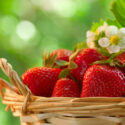
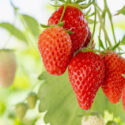
Strawberry companion planting boosts flavor and yields naturally. Pair strawberries with borage to attract bees, chives to deter pests, lettuce as a living mulch, and spinach to shade soil and suppress weeds.
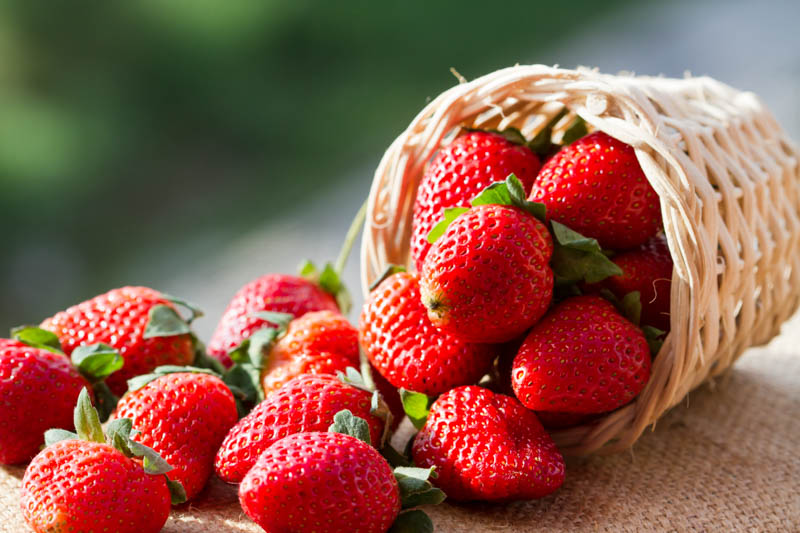


Strawberries are generous plants—sweet fruit, charming flowers, quick groundcover—but what you plant beside them can make your patch easier, healthier, and way more productive. The right neighbors invite pollinators, distract or deter pests, boost soil life, and help keep berries clean and dry.
Summary: Mix pollinator flowers (alyssum, calendula, scabiosa), deterrent herbs (rue, sage, thyme), beneficial-friendly daisies (Tanacetum coccineum), and living mulches (lettuce, spinach, white clover). Favor onions and chives over garlic (which can inhibit strawberries). Avoid brassicas and Verticillium-hosts near beds. Keep crowns clear and use drip irrigation.
| Goals | Pollinators, natural pest balance, clean fruit, moisture-smart living mulch |
|---|---|
| Top Allies | Borage, thyme, chives/onion, sweet alyssum, calendula, nasturtium, yarrow, white clover, rue, scabiosa, Tanacetum coccineum, caraway, lupins, sage, beans; under peach and plum as guild groundcovers |
| Avoid | Garlic (growth inhibition), gladiolus, Brassica oleracea (cabbage family), Verticillium-susceptibles (tomato, potato, eggplant, pepper; plus melons, okra, mint, bush/bramble fruits, stone fruits, chrysanthemums, roses), tall sunflowers/corn (shade), invasive mints, dense turf |
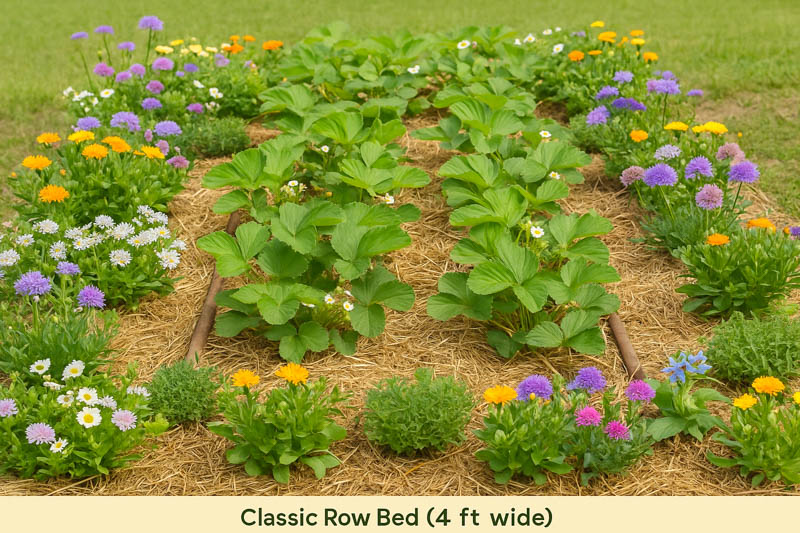
| Layout Tip | Strawberries in sunny bands; low herbs at the feet; insectary flowers on bed edges; rotate away from Verticillium hosts for 5 years |
Companion planting for strawberries isn’t magic, it’s applied ecology: you’re building a tiny ecosystem that favors berries over pests and weeds. Below is your complete, practical guide—what to plant, what to skip, and how to arrange it for tidy pathways, happy pollinators, and baskets of clean fruit.
It’s the art of pairing plants that help one another. In a strawberry bed, companions can:
Choose a few from each category. Keep the bed low and airy; plant taller companions on the outer edges or in adjacent strips.
| Companion Plant | Type / Role | Height / Spread | Key Benefit | Notes |
|---|---|---|---|---|
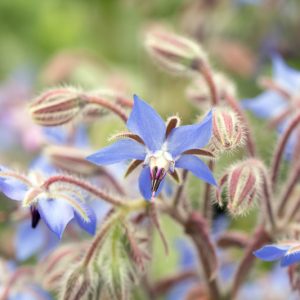
| Borage (Borago officinalis) | Annual herb / Pollinators & mineral cycling | 18–36 in. H × 18–24 in. W | Bee magnet; chop-and-drop mulch | Place at bed corners to avoid shade on crowns. |
| Beans (Phaseolus vulgaris) | Annual legume / Nitrogen fixer & seasonal shade | 12–72 in. H; bush or pole | Adds soil nitrogen; light canopy can cool soil and suppress weeds | Keep trellises to bed edges so they don’t shade berries; great as a post-harvest green mulch. |
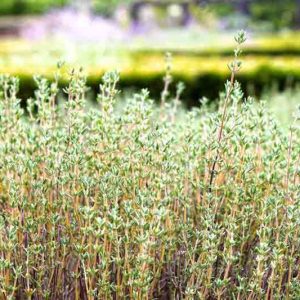
| Thyme (Thymus) | Perennial herb / Living mulch; deters worms | 4–12 in. H; spreading mats | Aromatic foliage; soft groundcover among rows | Great between planting pockets; trims easily. |
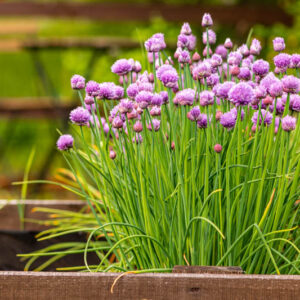
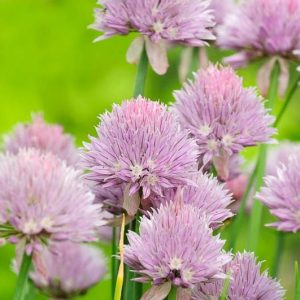
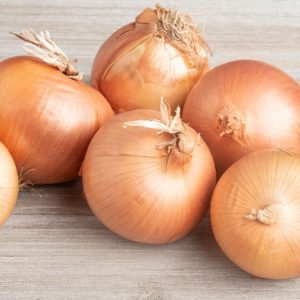
| Chives / Onion | Alliums / Pest deterrence & bee bloom | 10–24 in. H; clumps/rows | Pungent foliage discourages some pests; edible bonus | Avoid garlic near strawberries; favor chives/onions along edges. |
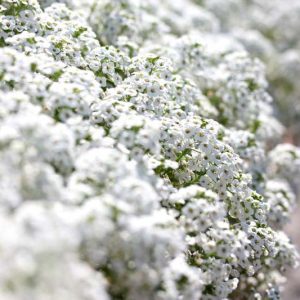
| Sweet Alyssum (Lobularia maritima) | Annual flower / Predator support | 4–8 in. H × 12–18 in. W | Feeds hoverflies that hunt aphids | Edge the paths; shear to rebloom. |
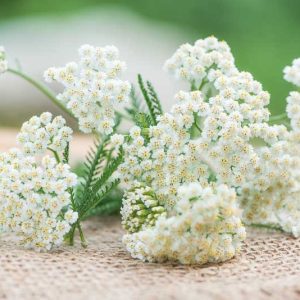
| Yarrow (Achillea) | Perennial flower / Beneficial insect magnet | 18–30 in. H × 18–24 in. W | Nectar for parasitoids, lacewings, hoverflies | Keep to the outer border to avoid shading. |
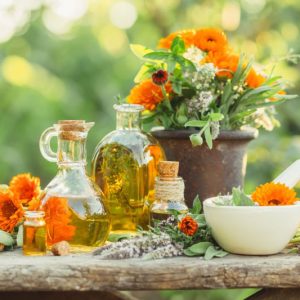
| Calendula & Scabiosa | Annual/perennial flowers / Insectary bloom | 12–24 in. H; clumps | Scabiosa attracts hoverflies & tachinid flies; calendula adds living mulch | Great along bed fronts and paths. |
| Rue (Ruta graveolens) | Aromatic herb / Pest deterrent | 18–36 in. H; bushy | Repels Japanese beetles, aphids, slugs, snails, fleas | Handle with care; some people are skin-sensitive. |
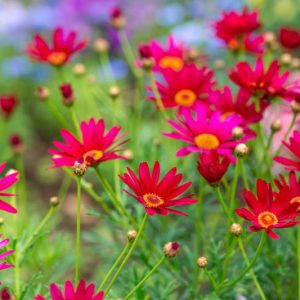
| Painted Daisy (Tanacetum coccineum) | Perennial daisy / Beneficial support & nematode deterrence | 18–36 in. H; clumps | Attracts parasitic wasps & flies; used against soil pests incl. nematodes | Plant just outside rows to preserve airflow. |
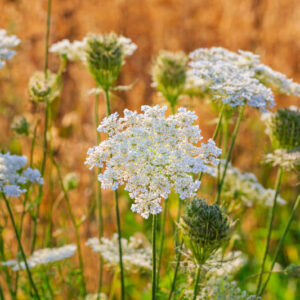
| Caraway (Carum carvi) | Biennial herb / Insectary & soil loosening taproot | 12–24 in. H; airy | Umbels draw beneficials; roots open soil | Great in border pockets; don’t crowd crowns. |
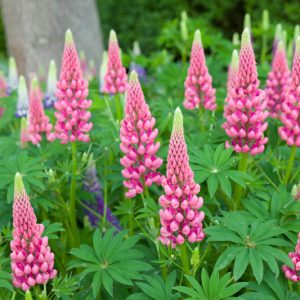
| Lupines (Lupinus) | Perennial legume / Soil enrichment & habitat | 18–36 in. H; upright | Can fix nitrogen; supports diverse insects | Site on north side to reduce shade. |
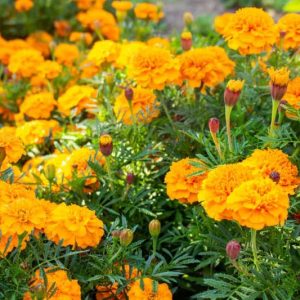
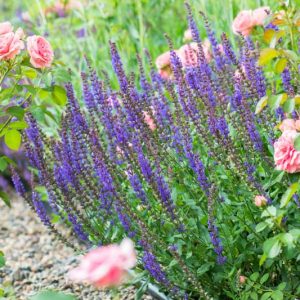
| Marigolds & Sage | Annual/perennial herbs / Nematode & pest suppression | 8–24 in. H; compact to bushy | Marigolds help with nematodes; sage adds aroma & pollinator bloom | Use as colorful, pest-savvy borders. |
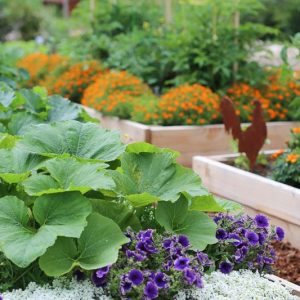
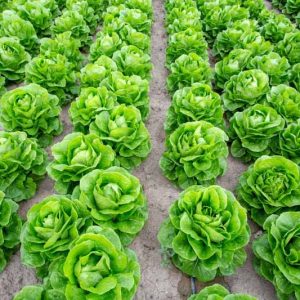
| Lettuce & Spinach | Annual veg / Cool-season living mulches | 6–12 in. H; rosettes/clumps | Shade soil, suppress weeds, keep beds tidy | Pull before bolting to keep airflow high. |
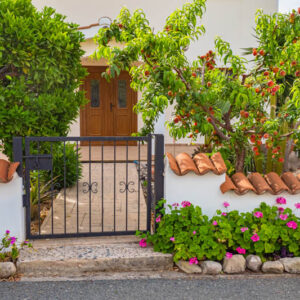
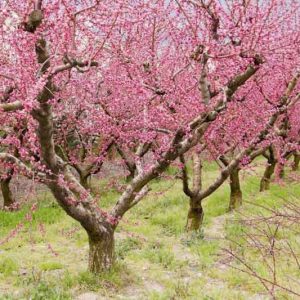
| Peach & Plum (nearby) | Overstory neighbors / Guild partners | Tree canopies; spacing varies | Strawberries make great groundcovers under stone fruit | Keep crowns out of deep shade; maintain driplines. |
| White Hellebore (Veratrum album) | Traditional control / Sawfly deterrence | 12–24 in. H; clumps | Historically used to manage sawflies | Toxic—use caution and keep out of beds with kids/pets. |
Tip: Keep the plant crown exposed (where leaves meet roots). Companions should skirt around strawberry crowns—never bury them.
Some plants compete too hard, share diseases, or create the wrong microclimate. Park these elsewhere.
| Plant | Type / Category | Reason to Avoid (or Keep Far Away) |
|---|---|---|
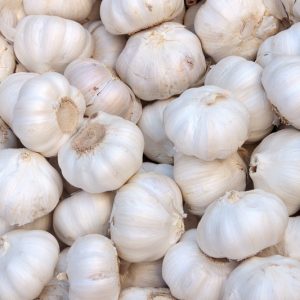
| Garlic (Allium sativum) | Allium | Can inhibit strawberry growth—choose onions/chives instead and keep them to edges. |
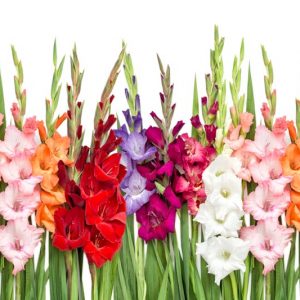
| Gladiolus | Bulb | Competes for moisture/nutrients; tall leaves shade and slow bed drying. |
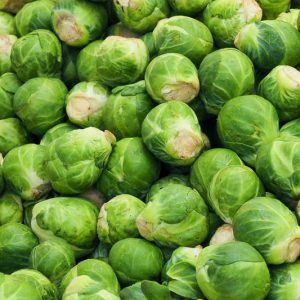
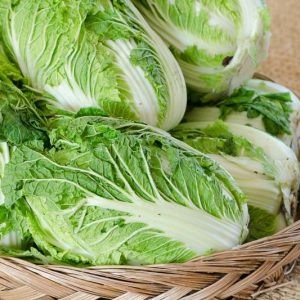
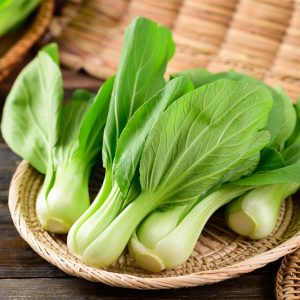
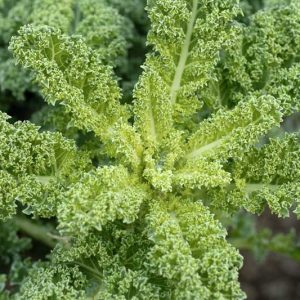
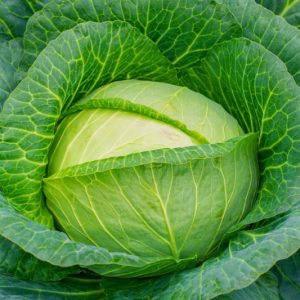
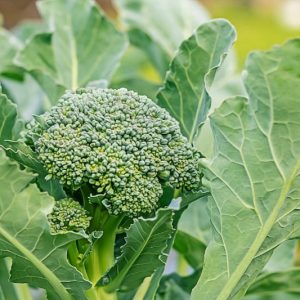
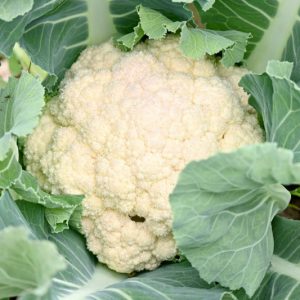
| Broccoli, Cauliflower, Brussels sprouts, Cabbage, Kale, Kohlrabi | Cabbage family | Growth of brassicas is impaired by nearby strawberries; also heavy feeders and shading. |
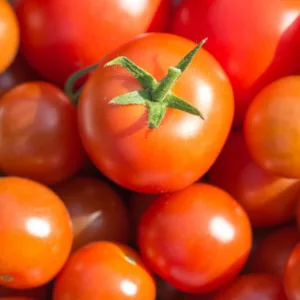
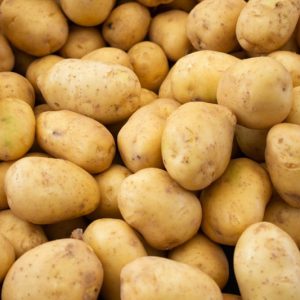
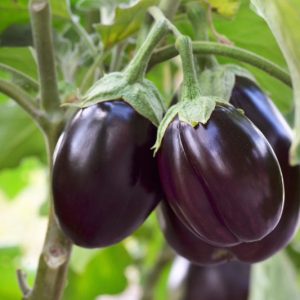
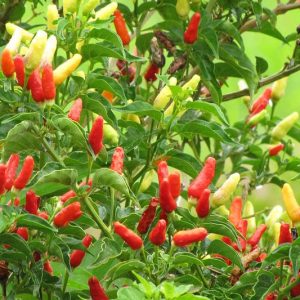
| Tomatoes, Potatoes, Eggplants, Peppers | Nightshades (Verticillium hosts) | Share soil diseases incl. Verticillium wilt. If grown here in the last 5 years, site strawberries elsewhere. |
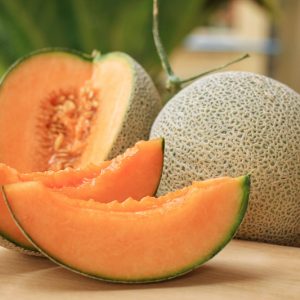
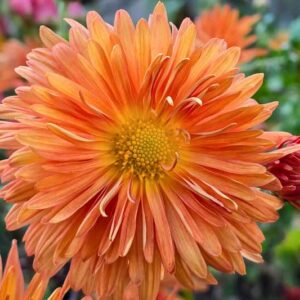
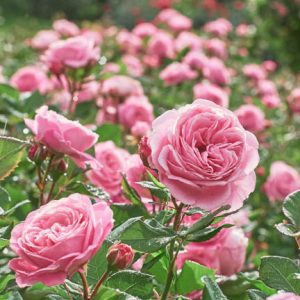
| Melons, Bush/Bramble fruits, Stone fruits, Chrysanthemums, Roses | Additional Verticillium-susceptibles | If these occupied the spot within 5 years, choose a different strawberry bed to reduce wilt risk. |
| Tall Sunflowers & Corn tight to the bed | Annuals | Shade and allelopathy; slow drying after rain/irrigation. |
| Invasive Mint; Dense Turf encroaching beds | Groundcovers | Compete for water/nutrients; harbor slugs; tangle runners—contain or avoid. |
| Season / Timing | Tasks & Companion Planting Actions |
|---|---|
| Late Winter–Early Spring | Clean up old leaves; refresh mulch. Transplant bare roots. Sow cool-season companions (spinach, lettuce, alyssum) at edges. |
| Mid–Late Spring | Thin runners; place thyme/chive clumps. Add calendula and scabiosa. Install drip lines. Encourage hoverflies with early bloom. |
| Early Summer | Sow a phacelia strip adjacent for mid-season nectar. Add nasturtiums on bed fronts. Harvest often; remove mushy berries promptly to reduce Botrytis. |
| Mid–Late Summer | Chop-and-drop borage leaves as mulch (keep away from crowns). Keep irrigation deep but infrequent; water at dawn. |
| Fall | Renovate beds (for June-bearers): trim foliage; reset rows to desired width. Sow white clover in paths; top up straw before frost. |
| Winter | Mulch crowns in colder regions. Clear soggy debris after storms to keep air moving. |
Not directly. They help by reducing splash, encouraging airflow, and supporting a more balanced insect community. Still prioritize spacing, morning irrigation, removal of spent trusses, and clean mulch.
Yes—but nearby, not right on top. Use them as seasonal edges or in an adjacent bed so their trellises don’t shade the berries. After harvest, vines make a nice green mulch.
Garlic can inhibit strawberry growth, so avoid planting it close. If you want allium benefits, use onions or chives along the edges instead.
Avoid close interplanting. Members of Brassica oleracea perform poorly beside strawberries and can shade and out-compete them.
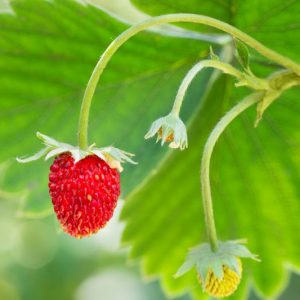
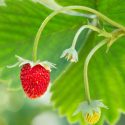
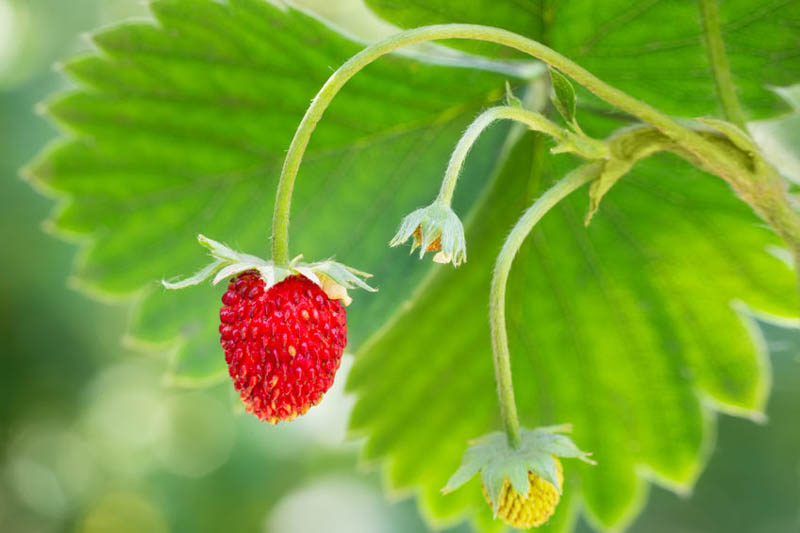
Absolutely. Fragaria vesca varieties stay small and weave among larger garden strawberries as a charming living mulch. Keep crowns exposed and thin runners where needed.
Often yes, especially the first season. A thin layer of straw or chips between plants stabilizes moisture and reduces splash. As living mulches establish, you can taper hard mulch back.
Prefer the edges and gaps so airflow stays high over fruit. Save taller blooms for side strips and bed corners.
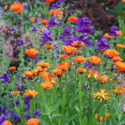
Picture a strawberry bed like a low red-and-green quilt: neat rows of crowns with straw gleaming beneath; thyme and chives stitched between pockets; a cheerful border of alyssum, calendula, and scabiosa inviting every beneficial insect in the neighborhood; borage at the corners for instant mulch; rue and painted daisies standing guard. You’ll water less, weed less, and pick sweeter fruit.
| Hardiness |
4 - 9 |
|---|---|
| Plant Type | Fruits, Perennials |
| Plant Family | Rosaceae |
| Genus | Fragaria |
| Exposure | Full Sun |
| Season of Interest | Spring (Late), Summer (Early, Mid, Late), Fall |
| Height | 6" - 1' (15cm - 30cm) |
| Spread | 1' - 2' (30cm - 60cm) |
| Maintenance | High |
| Water Needs | Average |
| Soil Type | Loam |
| Soil pH | Neutral |
| Soil Drainage | Moist but Well-Drained |
| Characteristics | Semi-Evergreen, Fruit & Berries |
| Attracts | Bees, Butterflies, Birds |
| Landscaping Ideas | Beds And Borders, Patio And Containers |
| Garden Styles | City and Courtyard, Informal and Cottage |
| Toxic to Humans | No known toxicity |
| Toxic to Cats | No known toxicity |
| Toxic to Dogs | No known toxicity |
| Toxic to Horses | No known toxicity |
| Hardiness |
4 - 9 |
|---|---|
| Plant Type | Fruits, Perennials |
| Plant Family | Rosaceae |
| Genus | Fragaria |
| Exposure | Full Sun |
| Season of Interest | Spring (Late), Summer (Early, Mid, Late), Fall |
| Height | 6" - 1' (15cm - 30cm) |
| Spread | 1' - 2' (30cm - 60cm) |
| Maintenance | High |
| Water Needs | Average |
| Soil Type | Loam |
| Soil pH | Neutral |
| Soil Drainage | Moist but Well-Drained |
| Characteristics | Semi-Evergreen, Fruit & Berries |
| Attracts | Bees, Butterflies, Birds |
| Landscaping Ideas | Beds And Borders, Patio And Containers |
| Garden Styles | City and Courtyard, Informal and Cottage |
| Toxic to Humans | No known toxicity |
| Toxic to Cats | No known toxicity |
| Toxic to Dogs | No known toxicity |
| Toxic to Horses | No known toxicity |
Create a membership account to save your garden designs and to view them on any device.
Becoming a contributing member of Gardenia is easy and can be done in just a few minutes. If you provide us with your name, email address and the payment of a modest $25 annual membership fee, you will become a full member, enabling you to design and save up to 25 of your garden design ideas.
Join now and start creating your dream garden!
Create a membership account to save your garden designs and to view them on any device.
Becoming a contributing member of Gardenia is easy and can be done in just a few minutes. If you provide us with your name, email address and the payment of a modest $25 annual membership fee, you will become a full member, enabling you to design and save up to 25 of your garden design ideas.
Join now and start creating your dream garden!