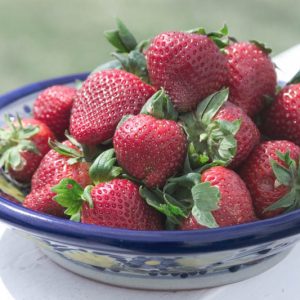
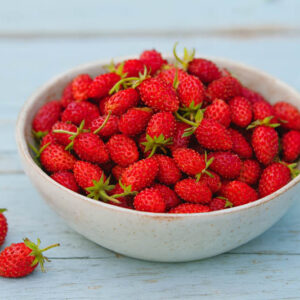
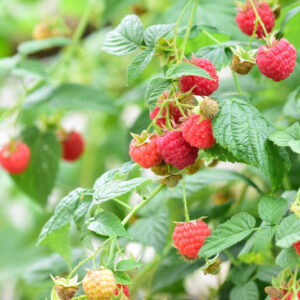
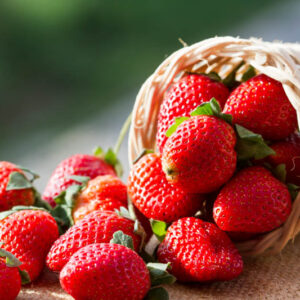
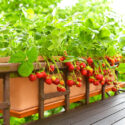
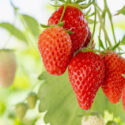
Strawberries aren’t one-size-fits-all! From juicy June-bearers to ever-bearers, day-neutrals, alpine treasures, and exotic pineberries, each variety brings its own flavor, yield, and growing style. Learn how to match strawberries to your climate, garden space, and kitchen goals—so every harvest is sweet, abundant, and perfectly yours.
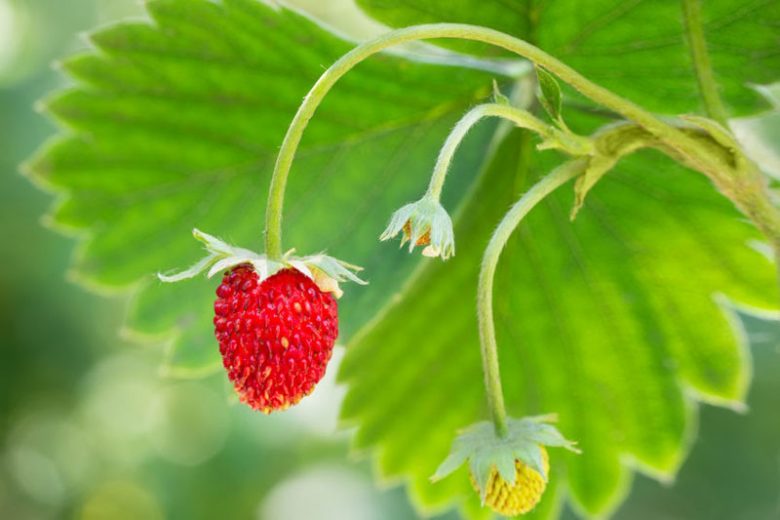


Strawberries aren’t just “strawberries.” There’s a whole world of varieties out there, each with its own personality—sweetness, size, season, even color. Whether you dream of heaping June harvests, berries that fruit all summer, or a quirky white pineberry with a pineapple tang, there’s a variety for you.
Below, you’ll find a quick-glance Answer Card, a friendly tour of the main types, and comparison tables (with links) so you can pick winners for your climate, taste, and garden setup.
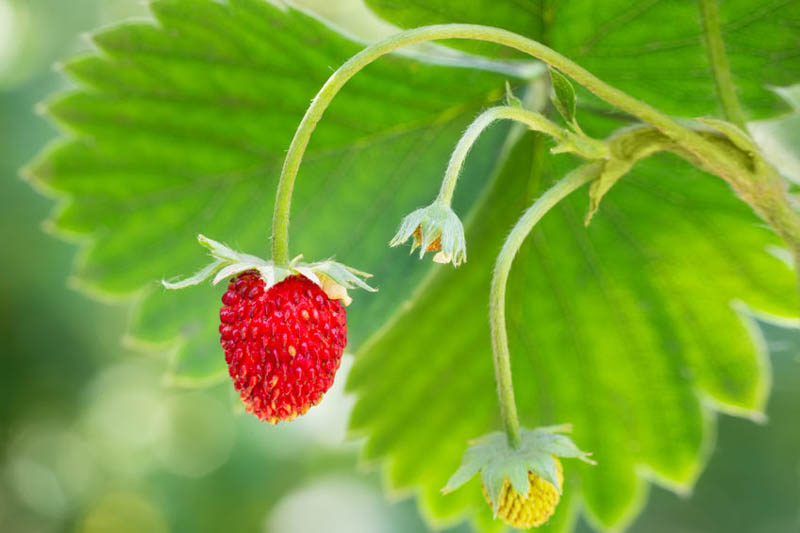
Summary: Garden strawberries (Fragaria × ananassa) are grouped into three fruiting types:
June-bearers (one big early-summer crop),
ever-bearers (2–3 flushes per season), and
day-neutrals (steady fruiting in warm weather).
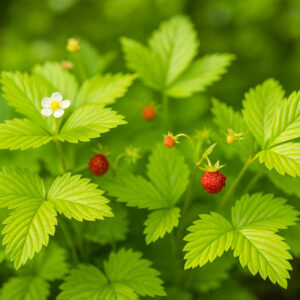
Beyond these, the distinct species Fragaria vesca—often called “wild” or “alpine”—offers petite, intensely aromatic berries.
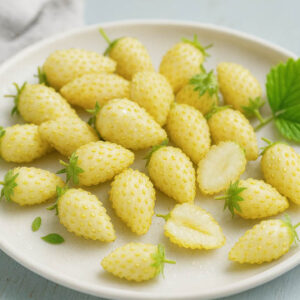
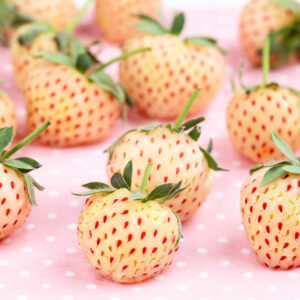
For something unusual, growers can also try pineberries and other white- or yellow-fruited cultivars with tropical flavor notes.
| Botanical |
Fragaria × ananassa (garden strawberries); Fragaria vesca (often called wild/alpine strawberry) |
|---|---|
| Types | June-bearer • Ever-bearer • Day-neutral • F. vesca • Pineberry (novelty) |
| Sun & Exposure | Full sun (6–8+ hrs). Light afternoon shade helps in very hot climates. |
| Soil | Rich, well-drained, slightly acidic (pH ~6.0–6.8). Mulch for clean fruit. |
| Water | Even moisture during bloom & set (~1–1.5 in./week). Prefer drip/soaker. |
| Spacing & Habit | 12–18 in. apart; June-bearers runner heavily; day-neutrals/ever-bearers moderate; F. vesca clumps. |
| Use Cases | Jam/freezing (June-bearer), steady snacking (day-neutral/ever-bearer), edging/containers (F. vesca), novelty (pineberry). |
| Common Issues | Slugs/snails, aphids, thrips, spider mites; gray mold (Botrytis). Keep crowns high; water mornings. |
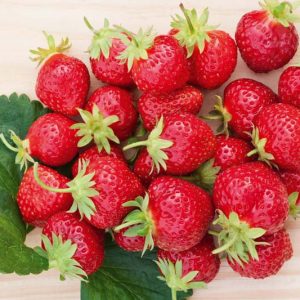
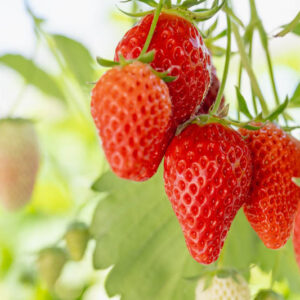
June-bearers are the workhorses of the strawberry world. They produce one big crop each year, usually in late spring to early summer, lasting about two to three weeks. If you want to fill your freezer, make jam, or host a strawberry shortcake party, these are your best bet.
Tip: Plant early-, mid-, and late-season June-bearers together to stretch your harvest window by several weeks.
Prefer regular handfuls instead of one giant flush? Ever-bearers give two–three waves (spring, summer, fall), while day-neutrals keep fruiting whenever the weather cooperates.
Day-neutrals are especially popular in home gardens and U-pick farms because they guarantee a steady trickle of berries from late spring until frost.
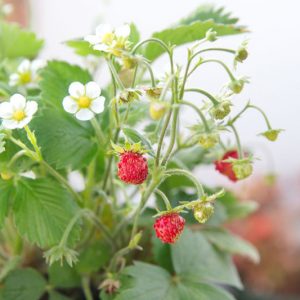
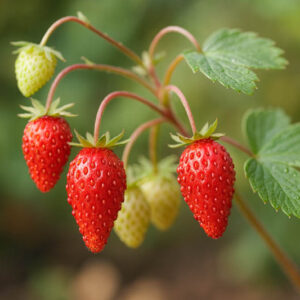
Small plants, huge charm. F. vesca makes petite, intensely aromatic fruit from tidy clumps with few runners—great for edging, raised beds, and containers. Though their fruits are small—about the size of your thumbnail—their flavor is concentrated and sweet, almost candy-like.
Wild strawberries are a great choice for gardeners who want a low-maintenance edible groundcover or a continuous snack supply.
If you love novelty, try growing an unusual strawberry. These varieties are conversation starters and can diversify your harvest:
Pro tip: Many gardeners plant a mix—June-bearers for the big harvest plus a few day-neutrals to keep berries coming later in the season.
Use the table below to quickly filter candidates, then mix a few types to cover all your needs.
| Type | Harvest Style | Best For | Space & Habit | Climate Notes | Starter Picks |
|---|---|---|---|---|---|
| June-bearers | 1 large crop (2–3 wks) | Jam, freezing, baking days | Runner-happy; great for rows & renovation | Excellent in cool–temperate; heat can shorten season | Honeoye, Chandler, Allstar, Jewel |
| Day-neutrals | Steady fruit summer–fall | Snacking, patios, dessert plates | Fewer runners; easy in beds & containers | Shine with even watering; tolerate warm summers | Albion, Seascape |
| Ever-bearers | 2–3 flushes (spring–fall) | Regular backyard harvests | Moderate runners; good in small gardens | Cold-hardy options exist for short seasons | Ozark Beauty, Fort Laramie |
| Fragaria vesca | Frequent small harvests | Garnish, snacking, edging | Tidy clumps; minimal runners | Adaptable; great in containers & partial shade | Mignonette, Alexandria, Yellow Wonder |
| Pineberries | Mid–late season | Novelty, fruit boards, kids | Like standard plants; pair for pollination | Do best with warmth and steady moisture | Pineberry types (various breeders) |
These popular cultivars are widely available and cover most garden goals. Click through for detailed profiles.
| Variety | Type | USDA | Why Grow It |
|---|---|---|---|
| ‘Honeoye’ | June-bearing (early) | 3–8 | Northern workhorse; high yield, tart-sweet; great for jam/freezing; can soften in hot summers. |
| ‘Chandler’ | June-bearing (mid) | 5–8 | Large, glossy dessert berries; superb fresh; market-quality fruit. |
| ‘Allstar’ | June-bearing (mid) | 4–8 | Dependable, disease-resistant; balanced flavor; versatile. |
| ‘Jewel’ | June-bearing (late) | 4–8 | Big, flavorful berries; excellent for desserts and freezing. |
| ‘Albion’ | Day-neutral | 4–9 | Very sweet, firm, heat-tolerant; repeated crops for fresh eating and baking. |
| ‘Seascape’ | Day-neutral | 4–9 | Productive across regions; balanced flavor; lovely for ice cream & summer snacking. |
| ‘Fort Laramie’ | Everbearing | 4–8 | Very cold-hardy; flavorful all-season snacking in short summers. |
| ‘Ozark Beauty’ | Everbearing | 3–9 | Classic backyard favorite; steady flushes; great for jam and desserts. |
Mix one June-bearer (for jam days), one day-neutral (for weekly snacks), and a small patch of Fragaria vesca (for aroma and edging). You’ll taste the full spectrum of strawberry magic—spring to frost.
June-bearers (one big early crop), ever-bearers (2–3 flushes), and day-neutrals (steady fruiting). There are also alpine/wild strawberries (Fragaria vesca) and exotics like pineberries.
At least 6–8 hours of full sun daily. More sun = sweeter berries.
Well-drained, loamy soil enriched with compost. Slightly acidic (pH 5.5–6.5). Avoid soggy spots.
About 1–1.5 inches of water weekly, ideally via drip irrigation or soaker hose to keep foliage dry.
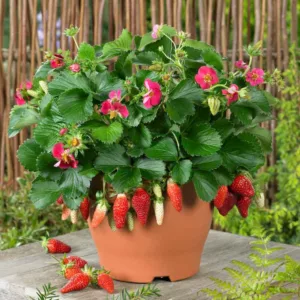
Yes! Choose day-neutral or ever-bearing types, use a large pot with drainage, and feed regularly.
Most remain productive for 3–4 years. Beds are often renovated or replanted after that.
Slugs, aphids, thrips, spider mites, tarnished plant bug, and spotted-wing drosophila. Diseases include gray mold (Botrytis), powdery mildew, red stele, and verticillium wilt.
Best to avoid. Strawberries don’t do well near cabbage-family crops or verticillium-susceptible plants like tomatoes, potatoes, peppers, and eggplants.
In cold climates, yes. Mulch crowns with straw or pine needles after the ground freezes to protect them.
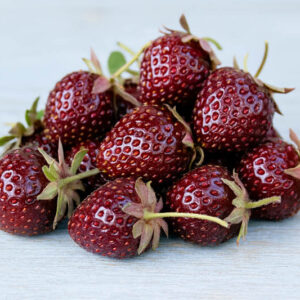
A white-fruited strawberry with red seeds and a pineapple-like flavor. They need a standard strawberry nearby for pollination.
With hundreds of cultivars worldwide, no single list is exhaustive. But start with a mix of June-bearers, ever-bearers, and a novelty like pineberries, and you’ll taste the incredible range strawberries have to offer.
| Hardiness |
4 - 9 |
|---|---|
| Plant Type | Fruits, Perennials |
| Plant Family | Rosaceae |
| Genus | Fragaria |
| Season of Interest | Spring (Late), Summer (Early, Mid, Late), Fall |
| Characteristics | Semi-Evergreen, Fruit & Berries |
| Landscaping Ideas | Beds And Borders, Hanging Baskets, Patio And Containers |
| Garden Styles | City and Courtyard, Informal and Cottage |
| Toxic to Humans | No known toxicity |
| Toxic to Cats | No known toxicity |
| Toxic to Dogs | No known toxicity |
| Toxic to Horses | No known toxicity |
| Hardiness |
4 - 9 |
|---|---|
| Plant Type | Fruits, Perennials |
| Plant Family | Rosaceae |
| Genus | Fragaria |
| Season of Interest | Spring (Late), Summer (Early, Mid, Late), Fall |
| Characteristics | Semi-Evergreen, Fruit & Berries |
| Landscaping Ideas | Beds And Borders, Hanging Baskets, Patio And Containers |
| Garden Styles | City and Courtyard, Informal and Cottage |
| Toxic to Humans | No known toxicity |
| Toxic to Cats | No known toxicity |
| Toxic to Dogs | No known toxicity |
| Toxic to Horses | No known toxicity |
Create a membership account to save your garden designs and to view them on any device.
Becoming a contributing member of Gardenia is easy and can be done in just a few minutes. If you provide us with your name, email address and the payment of a modest $25 annual membership fee, you will become a full member, enabling you to design and save up to 25 of your garden design ideas.
Join now and start creating your dream garden!
Create a membership account to save your garden designs and to view them on any device.
Becoming a contributing member of Gardenia is easy and can be done in just a few minutes. If you provide us with your name, email address and the payment of a modest $25 annual membership fee, you will become a full member, enabling you to design and save up to 25 of your garden design ideas.
Join now and start creating your dream garden!