Clary Sage, Europe Sage, Biennial Clary, Muscatel Sage
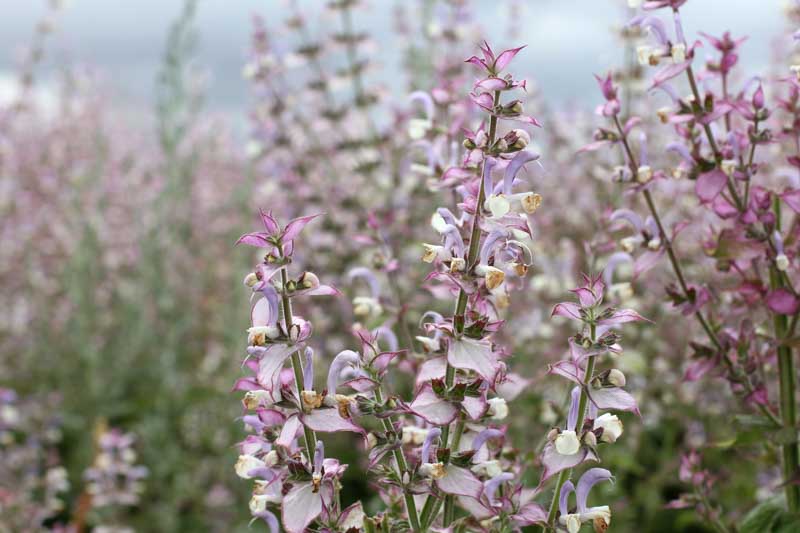
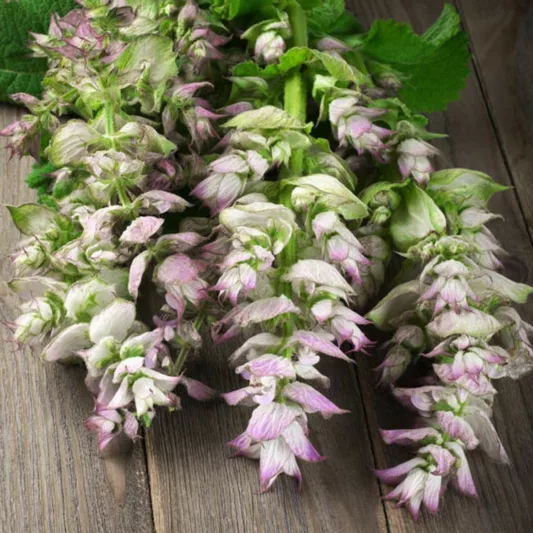


Salvia sclarea, commonly known as Clary Sage (also called Muscatel Sage or Europe Sage), is one of those plants that feels like it brings its own spotlight. It starts with a bold rosette of big, textured leaves, then suddenly (usually in year two) it shoots up dramatic flower spikes topped with papery bracts in dreamy shades of pink, lavender, or white. If you love cottage-garden drama but prefer plants that do not demand constant fussing, Clary Sage is a natural fit.
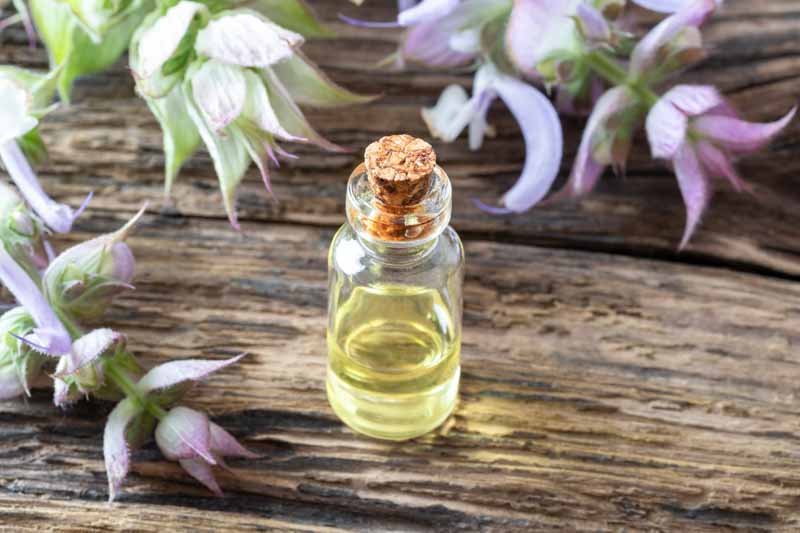
Gardeners grow Clary Sage for three main reasons: ornamental impact, fragrance, and pollinator power. Herbalists and essential-oil enthusiasts also value it for its aromatic oil (a staple in perfumes and aromatherapy), while practical landscapers like it because it thrives in sunny, well-drained soil and can handle dry spells once established.
Salvia belongs to the Lamiaceae family, which includes other aromatic favorites like basil, rosemary, mint, and and lavender. For a bigger-picture look at the group, see What is Salvia? Understanding its role in gardening and beyond.
Summary: Bold biennial or short-lived perennial with a first-year leaf rosette and second-year towering flower spikes surrounded by showy, papery bracts.
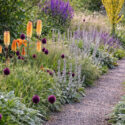
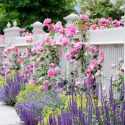
Use: Ideal for cottage gardens, herb gardens, borders, pollinator planting, and Mediterranean-style landscapes with good drainage.
Highlight: Famous for its musky, sweet fragrance and essential oil used in perfumery and aromatherapy.
Note: Can self-seed; in some regions it may behave aggressively, so manage seed heads where needed.
| Botanical Name | Salvia sclarea |
|---|---|
| Family | Mint family (Lamiaceae) |
| Common Names | Clary Sage, Muscatel Sage, Europe Sage |
| Native Range | Mediterranean basin, parts of Central Asia, and North Africa |
| Native Habitat | Dry, sunny habitats with fast-draining soil – rocky slopes, grasslands, and open woodlands |
| Plant Type and Habit | Herbaceous biennial or short-lived perennial; upright, branching flower spikes in year two |
| Hardiness (approx. USDA) | Hardy in USDA Zones 5-9 |
| Height | 3-4 ft (90-120 cm) |
| Spread | 2-3 ft (60-90 cm) |
| Sun and Exposure | Best in full sun; tolerates partial shade but flowers best in sun |
| Soil | Prefers well-drained sandy or loamy soil; avoid winter-wet or waterlogged ground |
| Water Needs | Moderate to establish, then low-water once established |
| Seasonal Interest | Blooms late spring to late summer |
| Flower Color | Pink, lavender, or white bracts with small tubular flowers |
| Fragrance | Strongly aromatic foliage; sweet, herbaceous, musky scent |
| Drought Tolerant | Yes – drought-tolerant once established |
| Deer and Rabbit Resistance | Often resistant due to aromatic foliage (deer / rabbits) |
| Good for Pollination | Yes – attracts bees, butterflies, and hummingbirds |
| Toxicity | Generally non-toxic when used appropriately; essential oil should be diluted. With most essential oils, concentrated clary sage oil should be kept away from pets and used only under veterinary guidance. |
| Invasive Status | Can self-seed; listed as a Class A noxious weed in Washington state (sale prohibited there) |
Clary Sage is a robust herbaceous plant with square stems, large wrinkled gray-green leaves, and a soft fuzz that gives the foliage a velvety feel. Crush a leaf, and you will notice the signature scent: sweet, herbaceous, slightly musky – the kind of fragrance that reads “Mediterranean hillside” even if you are standing in a suburban backyard.
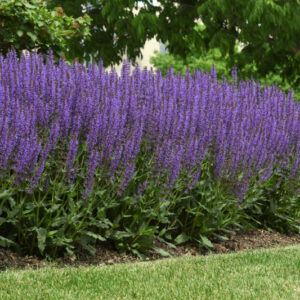
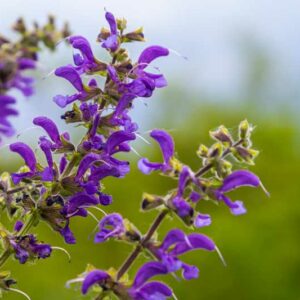
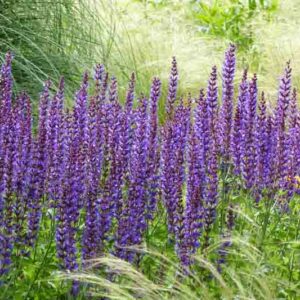
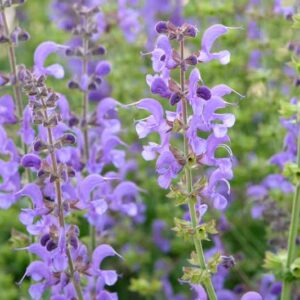
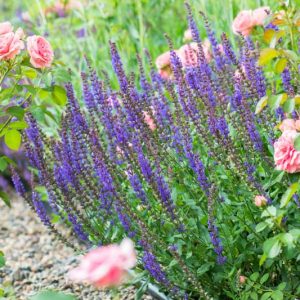
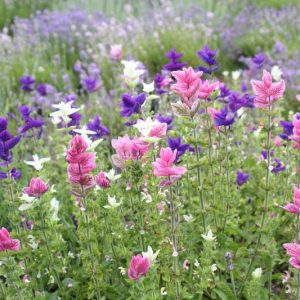
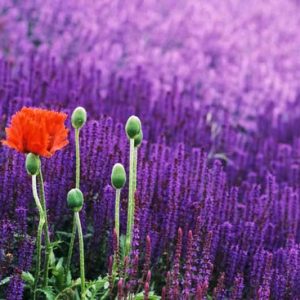
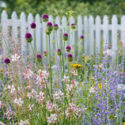
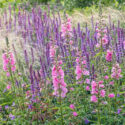
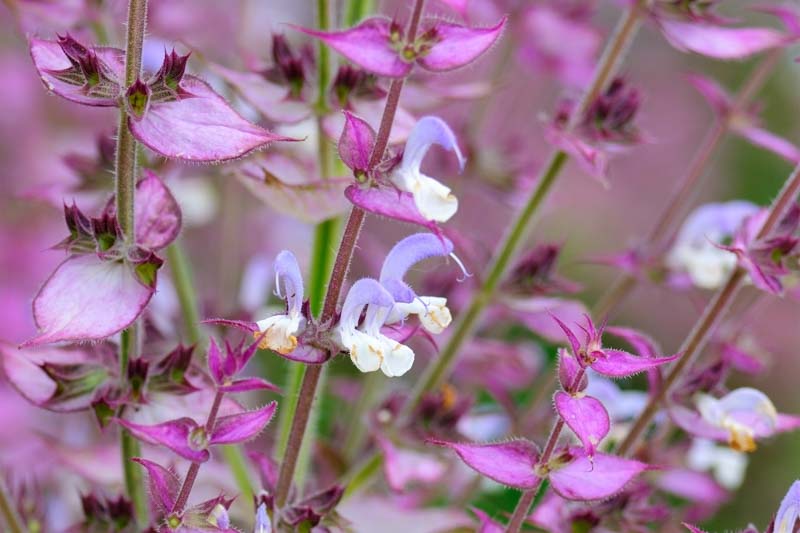
When it blooms, it is not subtle. Flower spikes rise well above the foliage, lined with small tubular, two-lipped flowers and surrounded by oversized, papery bracts that do the real visual heavy lifting. Those bracts are why Clary Sage looks so lush and romantic from a distance – even though the individual flowers are relatively small.
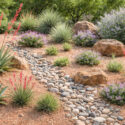
Salvia sclarea is native to the Mediterranean basin, parts of Central Asia, and regions of North Africa. In the wild, it favors dry, sunny places with quick-draining soil – think rocky slopes, open grasslands, and bright woodland edges. That background explains why it is such a good candidate for Mediterranean gardens, gravel gardens, and other water-wise designs.
Clary Sage is usually a biennial (sometimes a short-lived perennial). In year one, it forms a basal rosette of large leaves. In year two, it sends up tall, branching flower spikes, blooms, sets seed, and often finishes its life cycle. The important part: it can self-seed, which means it can behave like a long-term garden resident even though individual plants may not live many years.
Most plants grow 3-4 feet (90-120 cm) tall and 2-3 feet (60-90 cm) wide. In rich soil or with regular irrigation, it can get bigger, but “bigger” is not always better – too much fertility or water can mean softer growth that flops.
Clary Sage typically blooms in late spring to late summer. Flowers appear in dense whorls along upright spikes. The bracts – the showy, papery “flags” around the flowers – come in lavender, pink, mauve, or white and can stay attractive for a long time, even as the tiny flowers fade. The blooms are nectar-rich, so the plant often hums with bee activity when it is at peak.
The foliage is a big part of the appeal: large, wrinkled, gray-green leaves with fine hairs and a strong aroma. In herb gardens, it functions as a fragrant “base layer” even before the bloom spikes arrive. In mixed borders, it adds texture that plays well with finer-leaved companions like ornamental grasses or airy flowering perennials.
Clary Sage is generally hardy in USDA Zones 5-9. It is often described as intolerant of high heat and humidity, and it strongly prefers good airflow and dry-ish conditions rather than sticky, constantly damp weather.
Salvia: Discover 10 Key Benefits of Growing Sage in Your Garden
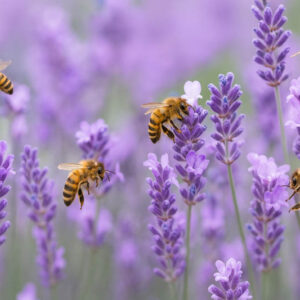
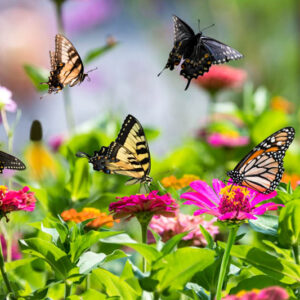
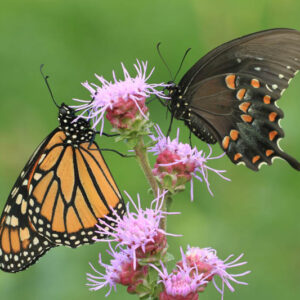
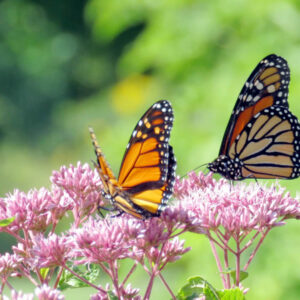
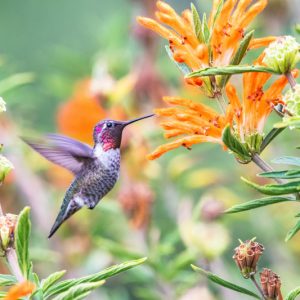
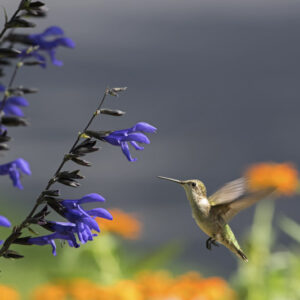
Clary Sage’s nectar-rich blooms are a reliable food source for pollinators. In bloom season, it is common to see a steady rotation of bees, butterflies, and sometimes hummingbirds working the spikes. Because the plant stands tall, it also adds “vertical habitat” – a little shelter and structure that can increase activity from small beneficial insects in and around herbaceous borders.
If you are building a pollinator-friendly planting, Clary Sage also pairs nicely with long-blooming companions that extend the nectar season after it finishes.
The leaves are strongly aromatic and slightly bitter, which is why Clary Sage is often described as naturally resistant to browsing by deer and rabbits. Resistant is not the same as “never touched,” but in many gardens it is not a preferred snack.
Once established, Clary Sage is drought-tolerant and performs well in dry, sandy, or rocky soil. Think “deep roots and occasional drinks,” not frequent sprinkling. This is one reason it shows up in Mediterranean garden design and other low-water planting styles.
Discover 20 Top Salvia Varieties for a Thriving Xeriscape
Clary Sage is generally considered non-toxic to humans and pets when used appropriately. However, like many essential oils, Clary Sage oil should be used with care: dilute it, avoid direct contact with sensitive skin, and follow product guidance, especially around children and pets.
In many gardens, Clary Sage is simply an enthusiastic self-seeder. In other places, that enthusiasm becomes a problem. It is classified as a Class A noxious weed in Washington state due to invasive tendencies in pastures, meadows, and rangelands, and the sale of this plant is prohibited there.
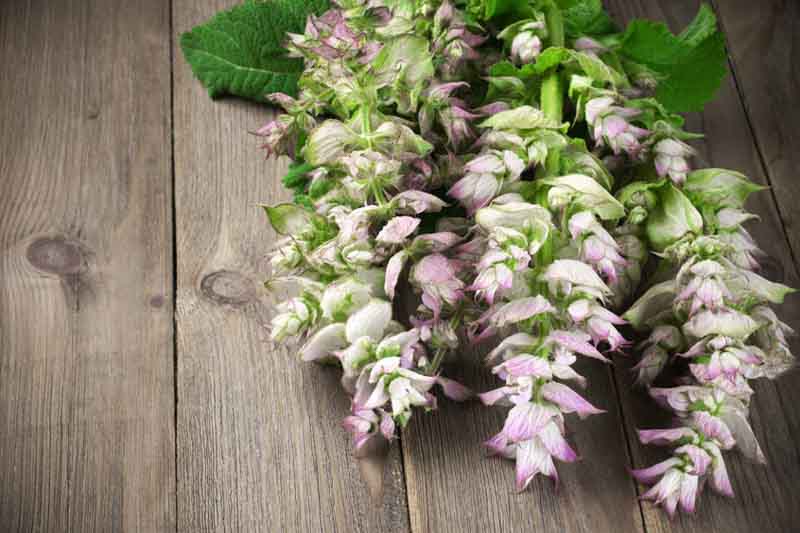
Clary Sage thrives in full sun, ideally 6-8 hours of direct sunlight daily. It can tolerate partial shade, but flowering and overall form are usually best in bright sun.
Choose well-draining soil – sandy, loamy, or gravelly is perfect. Clary Sage tolerates poor soil and does not need rich amendments. The big thing to avoid is soggy ground, which can lead to root rot. Wet winter soil is especially risky, so raised beds or a slight slope can be a real advantage.
Water well after planting, then keep moisture steady during the first growing season while roots develop. Once established, shift to a deep, infrequent watering pattern and let the top layer of soil dry between waterings. If you grow it in containers, expect to water more often, because pots dry faster.
Clary Sage rarely needs fertilizer. If soil is extremely depleted, a light application of a balanced, slow-release fertilizer in early spring can help – but keep it modest. Overfeeding can produce lush growth with fewer flowers and weaker stems.
Deadhead spent flowers to reduce self-seeding and keep the plant looking tidy. After flowering, many plants decline naturally (especially true for biennials). If you want seedlings for next season, leave a few spikes to set seed, then remove the rest.
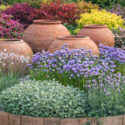
Use a container with excellent drainage and a gritty, free-draining potting mix. Repot every 1-2 years if the plant outgrows its container, and avoid saucers that keep roots wet.
In colder climates, apply a light mulch around the base to protect roots, but keep mulch from sitting directly against the crown. The goal is protection without trapping moisture.
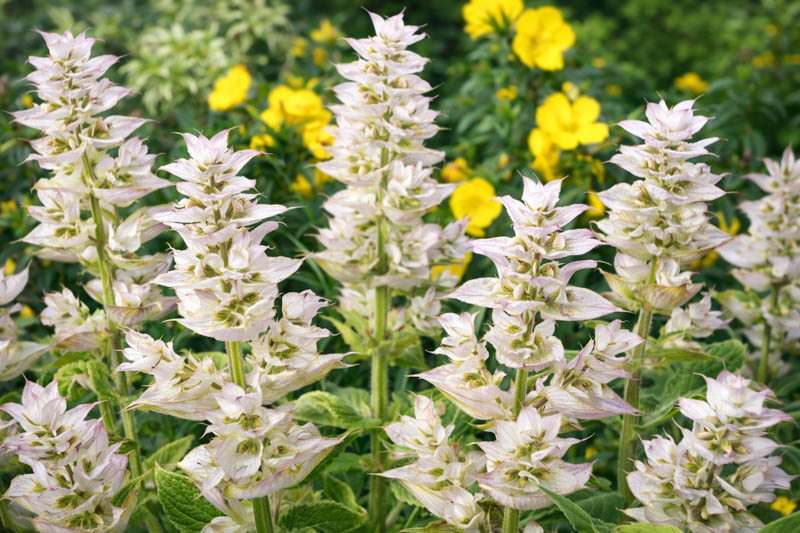
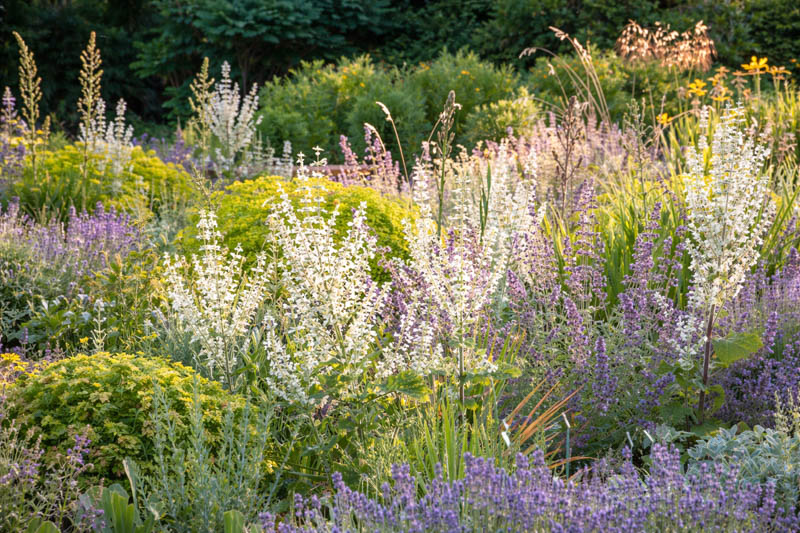
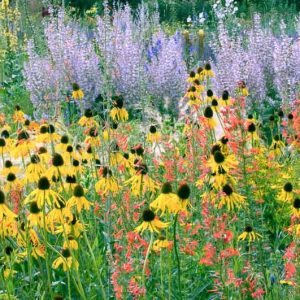
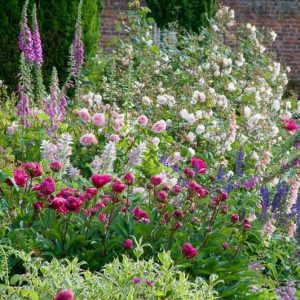
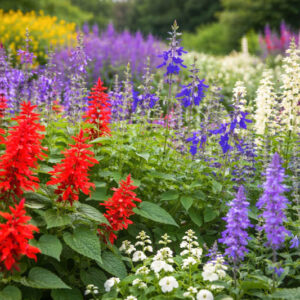
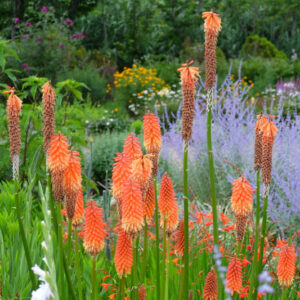
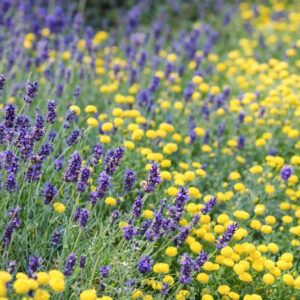
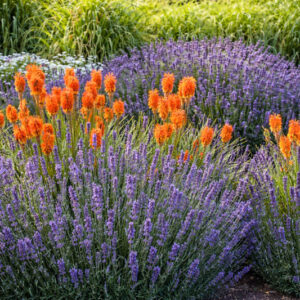
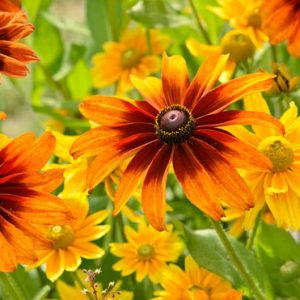
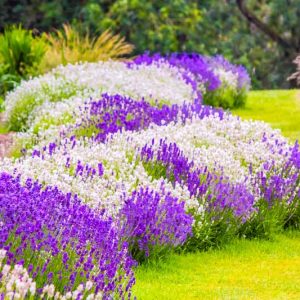
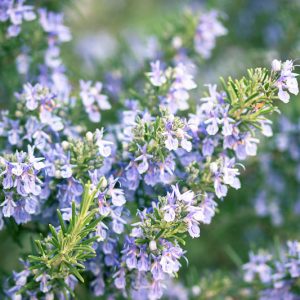
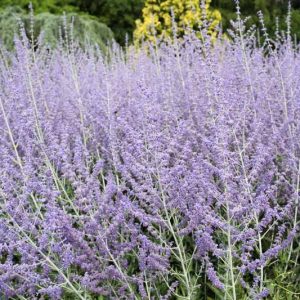
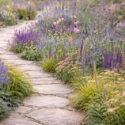
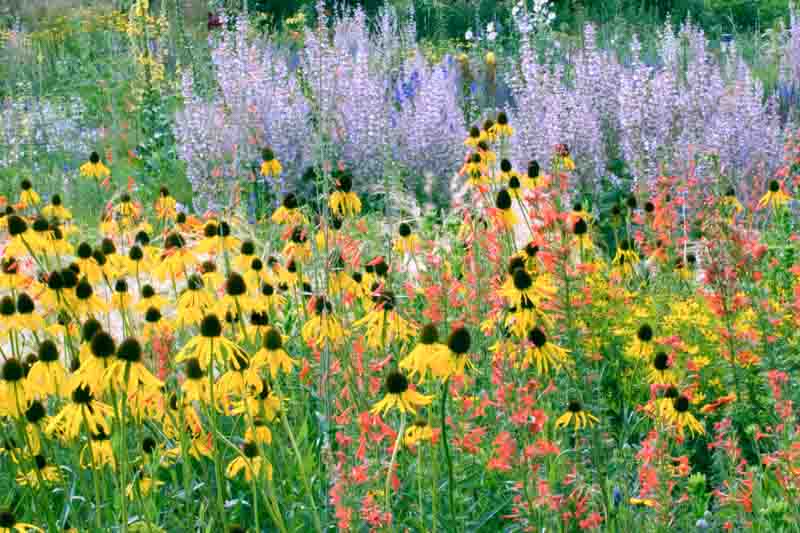
Clary Sage shines with sun-lovers that enjoy lean, well-drained soil. Think bold texture up front, airy movement around it, and a few long-bloomers to carry the display after the spikes fade.
Clary sage (Salvia sclarea) is widely used for its medicinal, aromatic, and cosmetic properties:
Aromatherapy: Its essential oil is known to promote relaxation, reduce stress, and support a calmer mood.
Hormonal Balance: Commonly used to help with menstrual cramps and menopausal symptoms in traditional and modern wellness practices.
Skincare: Added to skincare products for its aromatic profile and traditionally cited soothing properties (always dilute essential oils).
Traditional Medicine: Historically used for digestion, muscle tension, and general stress support.
Perfumery: Valued for a sweet, herbaceous, slightly musky scent that can work as a “bridging” note in blends.
Culinary Use: In some cultures, leaves have been used to flavor teas and foods.
Clary sage can self-seed and spread in favorable conditions. In Washington state, it is classified as a Class A noxious weed because it can displace native vegetation in pastures, meadows, and rangelands, and it is illegal to sell or propagate it there. In many managed gardens, it is not a problem if you deadhead spent flower spikes and monitor seedlings.
Clary sage has a sweet, earthy, herbaceous fragrance with floral and musky notes. Many people describe the scent as grounding and calming – especially when the leaves are brushed or crushed.
Salvia sclarea (Clary Sage) is a fragrant biennial or short-lived perennial that forms a leafy rosette in year one, produces tall, showy flower spikes with papery pink-to-lavender bracts in year two, attracts bees and other pollinators, tolerates drought once established, and thrives in full sun with well-drained soil.
Clary Sage cultivation notes – biennial habit, bract-heavy bloom display, drainage priorities, and self-seeding management for Salvia sclarea
Water-wise garden guidance – establishment watering, full sun performance, winter-wet avoidance, and airflow tips for aromatic sages
Pollinator and habitat gardening references – nectar value, bee attraction, and wildlife support in sunny herbaceous plantings
Updated- January 2026 – Reviewed by Gardenia Editors
| Hardiness |
5 - 9 |
|---|---|
| Heat Zones |
3 - 9 |
| Climate Zones | 2, 3, 4, 5, 6, 7, 8, 9, 10, 11, 12, 13, 14, 15, 16, 17, 18, 19, 20, 21, 22, 23, 24 |
| Plant Type | Perennials |
| Plant Family | Lamiaceae |
| Genus | Salvia |
| Common names | Clary Sage, Sage |
| Exposure | Full Sun |
| Season of Interest | Spring (Late), Summer (Early, Mid, Late) |
| Height | 3' - 4' (90cm - 120cm) |
| Spread | 2' - 3' (60cm - 90cm) |
| Spacing | 36" (90cm) |
| Maintenance | Low |
| Water Needs | Low, Average |
| Soil Type | Chalk, Loam, Sand |
| Soil pH | Acid, Alkaline, Neutral |
| Soil Drainage | Well-Drained |
| Characteristics | Cut Flowers, Fragrant, Showy |
| Tolerances | Drought, Deer, Rabbit, Rocky Soil, Heat, Fire |
| Attracts | Bees, Butterflies |
| Garden Uses | Beds And Borders, Patio And Containers, Wall-Side Borders |
| Garden Styles | Coastal Garden, Informal and Cottage, Mediterranean Garden |
| Toxic to Humans | No known toxicity |
| Toxic to Cats | No known toxicity |
| Toxic to Dogs | No known toxicity |
| Toxic to Horses | No known toxicity |

| Hardiness |
5 - 9 |
|---|---|
| Heat Zones |
3 - 9 |
| Climate Zones | 2, 3, 4, 5, 6, 7, 8, 9, 10, 11, 12, 13, 14, 15, 16, 17, 18, 19, 20, 21, 22, 23, 24 |
| Plant Type | Perennials |
| Plant Family | Lamiaceae |
| Genus | Salvia |
| Common names | Clary Sage, Sage |
| Exposure | Full Sun |
| Season of Interest | Spring (Late), Summer (Early, Mid, Late) |
| Height | 3' - 4' (90cm - 120cm) |
| Spread | 2' - 3' (60cm - 90cm) |
| Spacing | 36" (90cm) |
| Maintenance | Low |
| Water Needs | Low, Average |
| Soil Type | Chalk, Loam, Sand |
| Soil pH | Acid, Alkaline, Neutral |
| Soil Drainage | Well-Drained |
| Characteristics | Cut Flowers, Fragrant, Showy |
| Tolerances | Drought, Deer, Rabbit, Rocky Soil, Heat, Fire |
| Attracts | Bees, Butterflies |
| Garden Uses | Beds And Borders, Patio And Containers, Wall-Side Borders |
| Garden Styles | Coastal Garden, Informal and Cottage, Mediterranean Garden |
| Toxic to Humans | No known toxicity |
| Toxic to Cats | No known toxicity |
| Toxic to Dogs | No known toxicity |
| Toxic to Horses | No known toxicity |
How many Salvia sclarea (Clary Sage) do I need for my garden?
| Plant | Quantity | |
|---|---|---|
| Salvia sclarea (Clary Sage) | N/A | Buy Plants |
Create a membership account to save your garden designs and to view them on any device.
Becoming a contributing member of Gardenia is easy and can be done in just a few minutes. If you provide us with your name, email address and the payment of a modest $25 annual membership fee, you will become a full member, enabling you to design and save up to 25 of your garden design ideas.
Join now and start creating your dream garden!
Create a membership account to save your garden designs and to view them on any device.
Becoming a contributing member of Gardenia is easy and can be done in just a few minutes. If you provide us with your name, email address and the payment of a modest $25 annual membership fee, you will become a full member, enabling you to design and save up to 25 of your garden design ideas.
Join now and start creating your dream garden!