Everything You Need to Know About Salvia (Sage): From Stunning Varieties Like White Sage, Blue Sage, Clary Sage, and Purple Sage to Their Native Habitats, Uses, and Ecological Significance


Salvia, commonly known as Sage, is a diverse and fascinating genus of flowering plants in the mint family (Lamiaceae), encompassing over 900 species of shrubs, herbaceous perennials, and annuals.
The genus name Salvia originates from the Latin word salvare, meaning “to heal” or “to save,” reflecting its historical medicinal uses.
Known for their vibrant flowers, aromatic foliage, and ecological value, sage plants have a global presence, with species native to the Americas, Europe, Asia, the Mediterranean, and Africa.
This diversity makes them a staple in gardens, prized for their ornamental, medicinal, and culinary uses, as well as their ability to attract pollinators.
Salvias exhibit a wide range of growth habits, forms, and features:
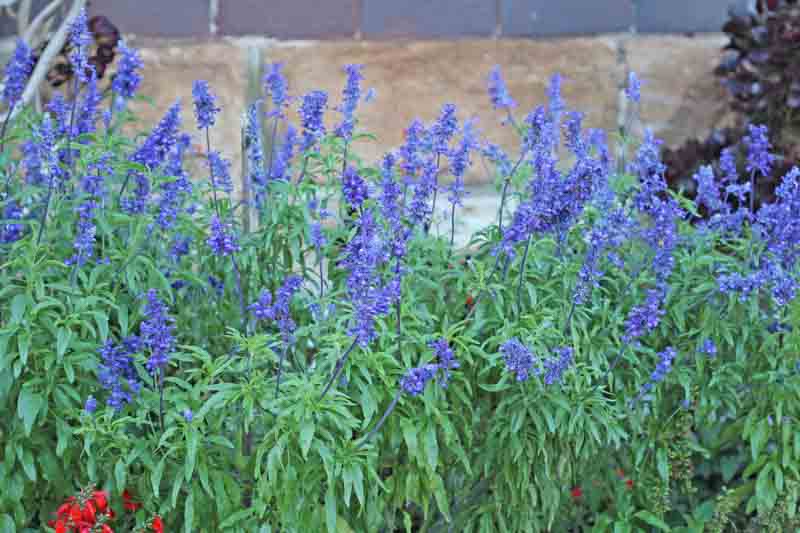
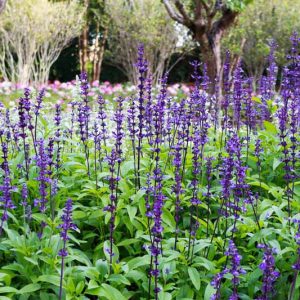
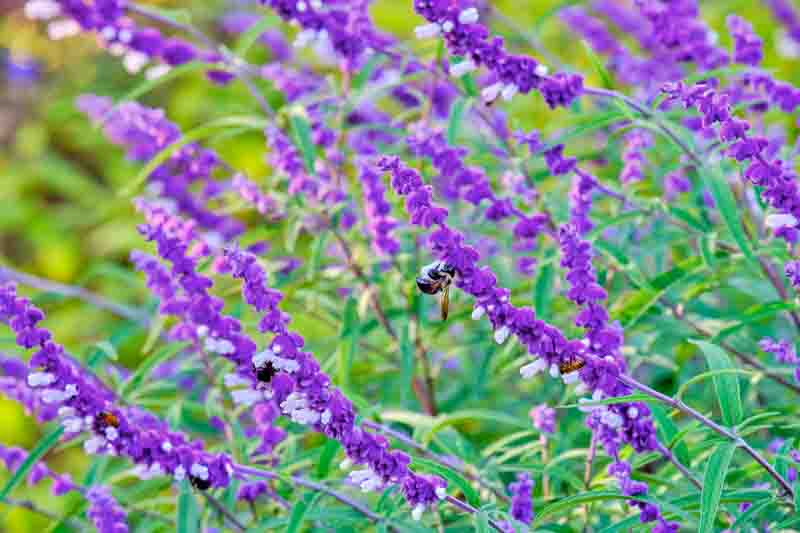 Mexican Sage – Salvia leucantha
Salvias are versatile plants with various seasonal traits depending on the species, making them a dynamic addition to gardens throughout the year. Here’s an overview of their seasonal characteristics:
Salvias are native to a wide range of climates and habitats, from deserts to grasslands and mountainous regions.
Salvia plants vary in hardiness depending on the species and cultivar, thriving in USDA zones 3-10 for some, while others are suited to zones 10-11. Selecting a species that matches your climate is essential, and winter protection may be needed in colder areas. Explore our Plant Finder to discover the perfect salvia for your garden.
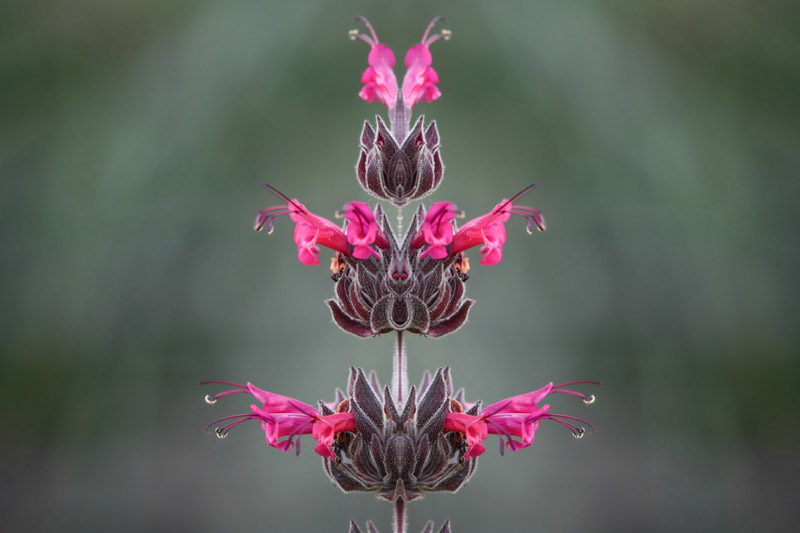 Hummingbird Sage – Salvia spathacea
Salvias are incredibly versatile and can be categorized based on their primary uses and characteristics. They are prized for their ornamental beauty, culinary flavor, medicinal benefits, and, in some cases, psychoactive properties.
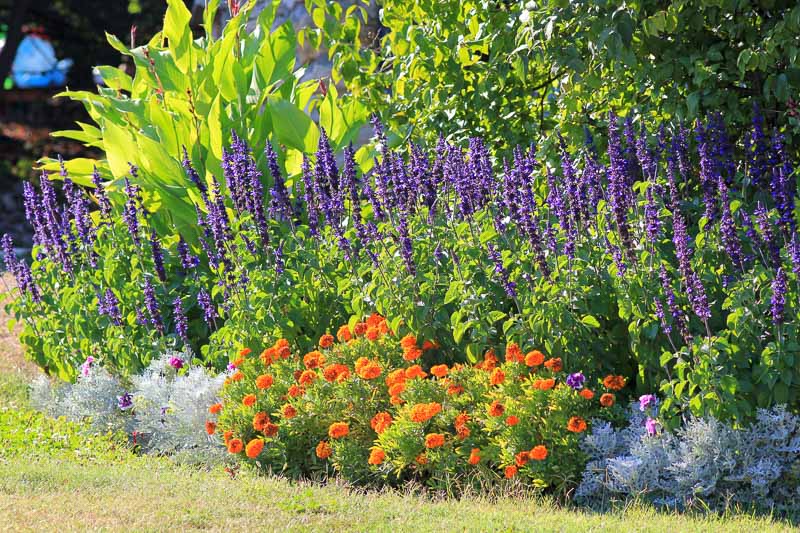
Ornamental salvias are cultivated for their vibrant flowers, adaptability, and ability to attract pollinators such as bees, butterflies, and hummingbirds. These plants are a favorite in gardens due to their extended blooming periods and drought tolerance.
Culinary salvias are grown for their flavorful leaves, which are used fresh or dried in various dishes and beverages. These species also offer ornamental and aromatic value in herb gardens.
Medicinal salvias have a long history of use in traditional medicine for treating various ailments. These plants contain bioactive compounds with anti-inflammatory, antioxidant, and other therapeutic properties.
Psychoactive salvias are rare within the genus but hold significant cultural, spiritual, and scientific importance. The most notable example is Diviner’s Sage (Salvia divinorum), native to the cloud forests of Oaxaca, Mexico. This plant contains salvinorin A, a unique compound affecting kappa-opioid receptors in the brain, leading to short-lived but intense hallucinations and altered perceptions of time and space. Traditionally, S. divinorum has been used by the Mazatec people for spiritual rituals, meditation, and healing, often consumed as a tea or chewed leaves.
In modern research, it shows potential for studying consciousness and treating conditions like depression and addiction. However, its psychoactive effects have prompted legal restrictions in many countries. While culturally significant, caution is necessary when using S. divinorum due to its unpredictable effects, legal status, and the need for respectful, informed application under supervision.
 Pineapple Sage – Salvia elegans
Beyond their ornamental appeal or culinary uses, Sage plants play a pivotal ecological role, offering benefits to ecosystems and wildlife. bees, butterflies, and hummingbirds
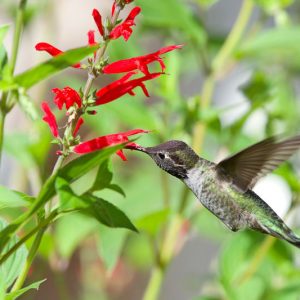
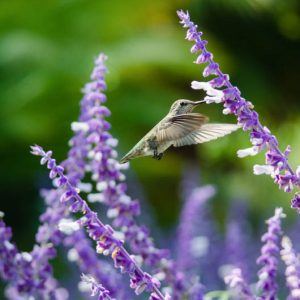
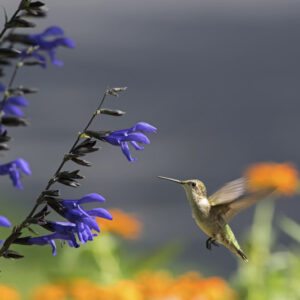
One of the most significant ecological contributions of sage plants is its ability to attract pollinators:
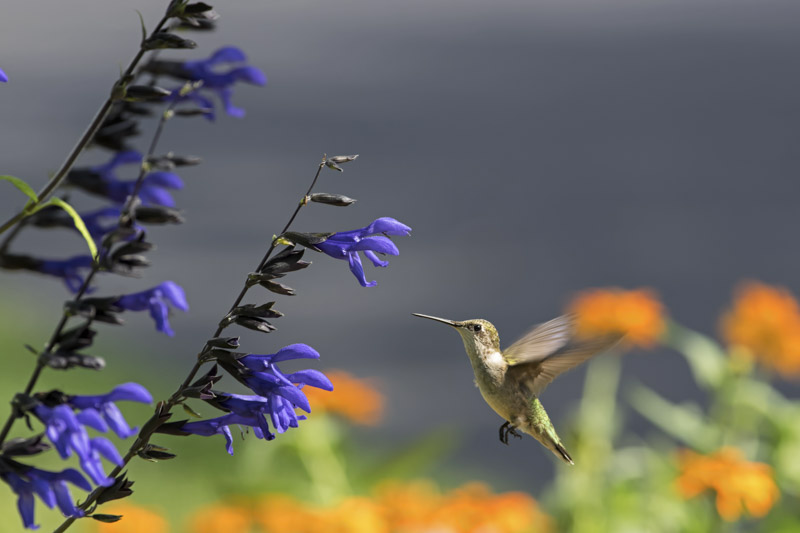 Anise-Scented Sage – Salvia guaranitica
Sage plants are generally not preferred by deer and rabbits.
Salvias contribute to ecosystem stability by:
| Hardiness |
3 - 12 |
|---|---|
| Climate Zones | 1, 1A, 1B, 2, 2A, 2B, 3, 3A, 3B, 4, 5, 6, 7, 8, 9, 10, 11, 12, 13, 14, 15, 16, 17, 18, 19, 20, 21, 22, 23, 24, A1, A2, A3, H1, H2 |
| Plant Type | Annuals, Perennials, Shrubs |
| Plant Family | Lamiaceae |
| Genus | Salvia |
| Exposure | Full Sun, Partial Sun |
| Season of Interest | Spring (Early, Mid, Late), Summer (Early, Mid, Late), Fall |
| Maintenance | Low |
| Water Needs | Average |
| Soil Type | Chalk, Loam, Sand |
| Soil pH | Acid, Alkaline, Neutral |
| Soil Drainage | Moist but Well-Drained, Well-Drained |
| Characteristics | Dried Arrangements, Cut Flowers, Fragrant, Showy |
| Tolerances | Drought, Deer, Rabbit |
| Attracts | Bees, Birds, Butterflies, Hummingbirds |
| Landscaping Ideas | Beds And Borders, Patio And Containers, Wall-Side Borders |
| Garden Styles | City and Courtyard, Coastal Garden, Informal and Cottage, Mediterranean Garden, Prairie and Meadow |









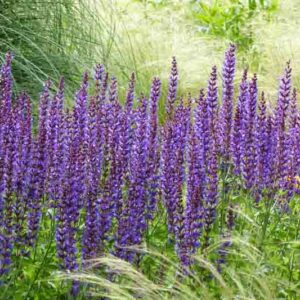
Salvia plants are generally resistant to most pests and diseases, but they can still be affected by a few common issues. Here are some of the most common pests and diseases that affect them:
Aphids: These pests can cause distorted growth and yellowing of the leaves. To control aphids, spray the plant with a mixture of water and insecticidal soap or neem oil.
Botrytis blight: A fungal disease that causes gray or brown spots on leaves and flowers. Control botrytis blight by removing infected plant material, improving air circulation, and treating with a fungicide.
Powdery mildew: This is a fungal disease that causes a powdery white coating on the leaves of the plant. To prevent this, avoid overhead watering and ensure that the plant has good air circulation.
Root rot: This is a fungal disease that can occur in poorly draining soil. To prevent this, ensure that the plant is planted in well-draining soil and avoid overwatering.
Spider mites: These tiny pests can cause yellowing and stippling of the leaves. To control spider mites, spray the plant with a mixture of water and insecticidal soap or neem oil.
Some low-growing sages, like Salvia sonomensis (Creeping Sage), are excellent ground covers. These plants spread laterally and create dense foliage.
Sage plants vary in shape, from compact, rounded shrubs to upright or sprawling forms, depending on the species or cultivar.
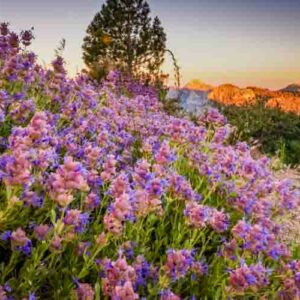
Sage plants grow worldwide, with species native to regions such as North and South America, Europe, and Asia. They thrive in sunny, well-draining soils, often in temperate, Mediterranean, or semi-arid climates.
Some tall varieties, like Salvia leucantha (Mexican Bush Sage), can act as privacy screens due to their height and dense foliage.
Sage plants are dicots because they belong to the mint family (Lamiaceae) and exhibit characteristics such as net-veined leaves.
Many perennial sage plants, like Salvia nemorosa and Salvia officinalis, can survive winter in USDA zones 4-9, depending on the species. Some tropical species, like Salvia splendens, may not tolerate frost.
Jorge Salcedo, Shutterstock
| Hardiness |
3 - 12 |
|---|---|
| Climate Zones | 1, 1A, 1B, 2, 2A, 2B, 3, 3A, 3B, 4, 5, 6, 7, 8, 9, 10, 11, 12, 13, 14, 15, 16, 17, 18, 19, 20, 21, 22, 23, 24, A1, A2, A3, H1, H2 |
| Plant Type | Annuals, Perennials, Shrubs |
| Plant Family | Lamiaceae |
| Genus | Salvia |
| Exposure | Full Sun, Partial Sun |
| Season of Interest | Spring (Early, Mid, Late), Summer (Early, Mid, Late), Fall |
| Maintenance | Low |
| Water Needs | Average |
| Soil Type | Chalk, Loam, Sand |
| Soil pH | Acid, Alkaline, Neutral |
| Soil Drainage | Moist but Well-Drained, Well-Drained |
| Characteristics | Dried Arrangements, Cut Flowers, Fragrant, Showy |
| Tolerances | Drought, Deer, Rabbit |
| Attracts | Bees, Birds, Butterflies, Hummingbirds |
| Landscaping Ideas | Beds And Borders, Patio And Containers, Wall-Side Borders |
| Garden Styles | City and Courtyard, Coastal Garden, Informal and Cottage, Mediterranean Garden, Prairie and Meadow |
Create a membership account to save your garden designs and to view them on any device.
Becoming a contributing member of Gardenia is easy and can be done in just a few minutes. If you provide us with your name, email address and the payment of a modest $25 annual membership fee, you will become a full member, enabling you to design and save up to 25 of your garden design ideas.
Join now and start creating your dream garden!