Create Your Garden

The Ultimate Guide to Drought-Tolerant Plants for a Beautiful Garden

From lavender to sedum: build a resilient, low-water garden with top drought-smart plants, design ideas & zone advice.
Drought, Drought tolerant plants, Drought tolerant flowers, Drought tolerant groundcover

If summer leaves your garden gasping, you’re not alone. Heat waves, water restrictions, sandy soils—together they can turn lush borders into crispy memories. The good news? Plenty of plants are naturally built for lean water budgets. Silvery leaves that reflect the sun, deep roots that mine moisture, aromatic oils that slow transpiration—these are nature’s drought hacks. Plant more of those, and your landscape will stay gorgeous even when the hose stays coiled.

Drought-tolerant plants are species that thrive with minimal supplemental water once established. Many feature water-storing leaves or stems, deep or fibrous root systems, reflective or fuzzy foliage, and aromatic oils that reduce moisture loss. They’re not “no-water,” but are reliably resilient with smart siting, proper soil prep, and deep, infrequent watering.

This guide highlights the best drought-tolerant plants for every corner of your garden—shrubs, perennials, grasses, annuals, bulbs, succulents, groundcovers, and trees. You’ll learn why certain plants shrug off dry spells, how to design a water-wise landscape, and how to choose by sun, shade, zone, and soil. Every section includes handpicked examples that link to Gardenia plant profiles and in-depth guides.

Quick Facts – Drought-Tolerant Plants

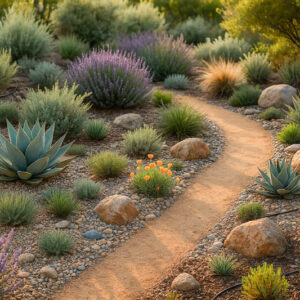
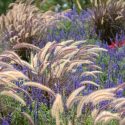
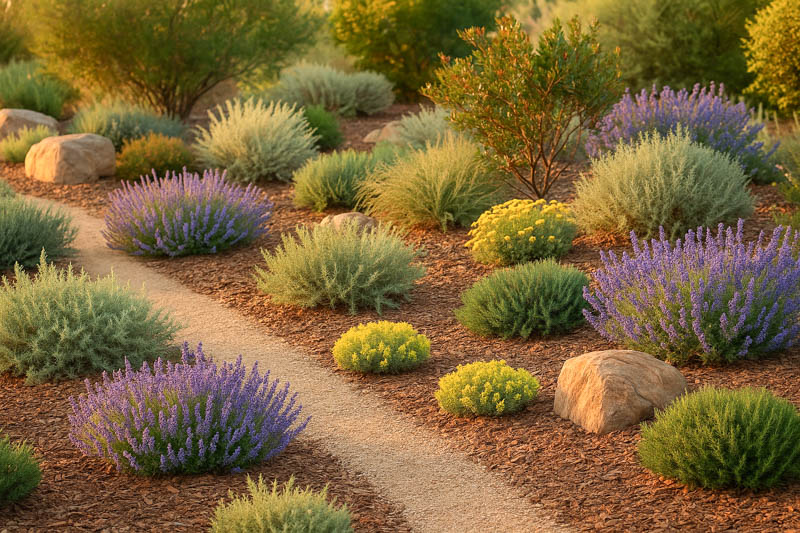
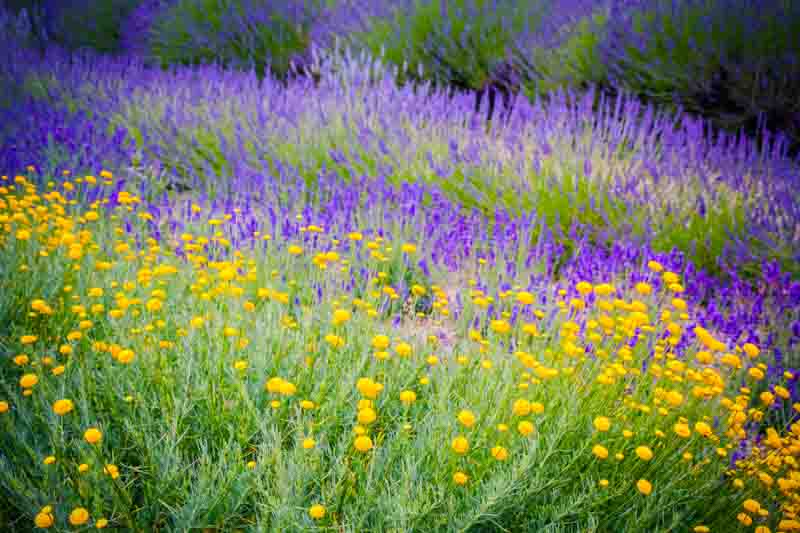
Drought-tolerant garden with lavender and grasses

Summary: Choose plants with silver or small leaves, aromatic foliage, succulent tissues, or deep roots. Group by water needs (“hydrozones”), improve drainage, mulch 2–3 in (5–7.5 cm), and water deeply but infrequently to build drought resilience. Expect a season of establishment—then enjoy a calmer water bill and a tougher landscape.

Why do some plants shrug off drought Leaf hairs, waxes, silver pigments, succulence, deep/fibrous roots, summer dormancy, aromatic oils
Reliable categories Mediterranean shrubs (lavender, rock rose), prairie grasses (switchgrass), succulents (sedum, agave), many salvias and yarrows
Caution All plants need regular water until established; poor drainage can kill xeric plants faster than drought.
Best strategy Hydrozone beds, amend only where needed, use coarse mulch, and irrigate deeply (long intervals) to train roots down.

What “Drought-Tolerant” Really Means

“Drought-tolerant” doesn’t mean “never water.” It means the plant can maintain health with low, infrequent irrigation once established—often by storing water, slowing leaf water loss, or going temporarily dormant. Expect to water thoroughly during the first growing season, then reduce. In heat waves, even tough plants appreciate an occasional deep soak.

Regionality matters: drought in Maine is not drought in Arizona. Match selections to your climate and soil, and check local extension recommendations. A Mediterranean shrub may thrive in Zone 9 but sulk in a wet Zone 5 spring. Use our Plant Finder filters for USDA zone, sun/shade, and soil.

Designer’s tip: Swap “little sips” for deep soaks. Light daily watering encourages shallow roots; long intervals train roots downward where soil stays cooler and moister.

Why Some Plants Handle Drought

  • Leaf adaptations: Silver, hairy, or narrow leaves (like lavender and lamb’s ear) reflect sun and slow evaporation.
  • Succulence: Fleshy leaves/stems store water (sedum, ice plant).
  • Root systems: Taproots (e.g., blanket flower) and fibrous prairie roots (e.g., switchgrass) access deep moisture.
  • Aromatic oils: Herbs (salvia, thyme, rosemary) reduce water loss and heat stress.
  • Seasonal strategy: Some plants slow growth or go summer dormant to ride out extreme heat (cyclamen, some bulbs).

Green Santolina, English Lavender, Lavandula angustifolia, Santolina rosmarinifolia, Drought Tolerant Garden, Mediterranean Garden, Evergreen PlantsLavender and Santolina

Drought-Tolerant Shrubs (Structure, fragrance, and year-round bones)

Shrubs create the framework of a water-wise garden. Choose evergreen bones and mix with floriferous summer stars.

  1. 1
    Lavandula (Lavender): Fragrant spires, silvery foliage; thrives in lean, well-drained soils.
  2. 2
    Cistus (Rock Rose): Papery blooms in spring, evergreen foliage; thrives on heat, wind, and poor, rocky soil.
  3. 3
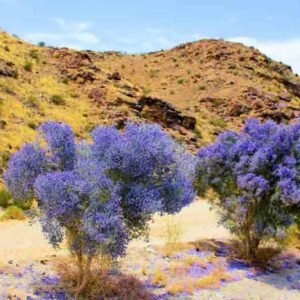
    Ceanothus (California Lilac): Clouds of blue, loved by pollinators; best in Zones 7–10 with sharp drainage.
  4. 4
    Santolina chamaecyparissus (Lavender Cotton): Aromatic cushions; button flowers; easy edging.
  5. 5
    Teucrium fruticans (Tree Germander): Silvery architecture with blue bloom; hedges beautifully.
  6. 6
    Rosmarinus officinalis (Rosemary): Culinary, bee-magnet, and bone-dry tolerant once established.
  7. 7
    Cotinus coggygria (Smoke Bush): Billows of “smoke” and rich foliage color; thrives in poor soil and heat.
  8. 8
    Myrtus communis (Myrtle): Evergreen foliage, sweet fragrance; ideal for hedges or Mediterranean borders.
  9. 9
    Chaenomeles ( Flowering Quince): Early spring blooms before leaves, tough woody structure; tolerates clay
  10. 10
    Phlomis fruticosa (Jerusalem Sage): Golden whorls, woolly leaves; architectural and durable.

See more Drought-Tolerant Shrubs

Pro tip: Many Mediterranean shrubs prefer lean soil. Over-amending or overwatering can shorten their lifespan—focus on drainage first.

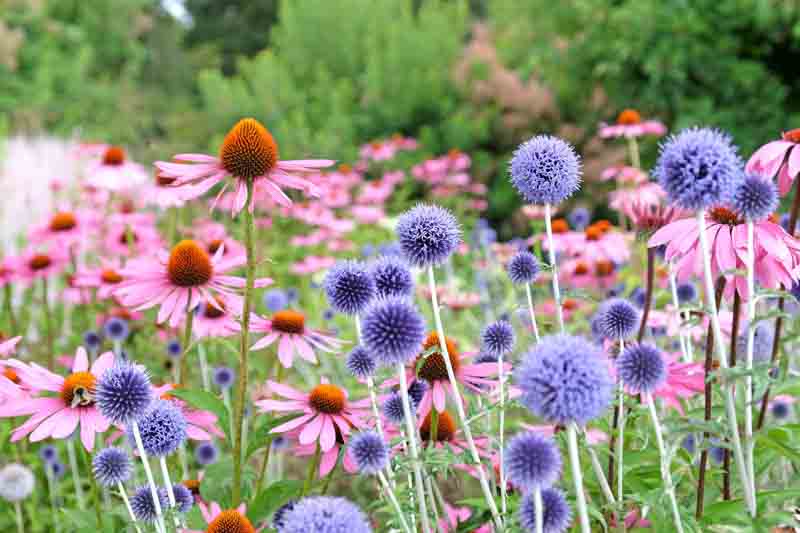
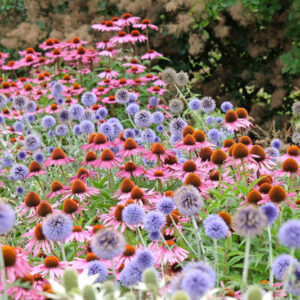
Blue Echinops globe thistle, Echinacea 'Pink Parasol' and Echinacea pallida, Echinops ritro Veitch BlueEchinacea and Globe Thistle

Drought-Tolerant Perennials (Color, pollinators, and long bloom)

Many classic perennials double as drought champions—especially those with aromatic foliage or prairie roots. Plant in drifts for impact and resilience.

  1. 1
    Salvia nemorosa: Upright spires and repeat bloom; shear once for an encore.
  2. 2
    Nepeta (Catmint): Aromatic, long-flowering edging; friendly to bees and butterflies.
  3. 3
    Achillea (Yarrow): Plate-like blooms above ferny leaves; loves poor soil and heat.
  4. 4
    Echinacea (Coneflower): Summer daisies; leave seed heads for winter birds.
  5. 5
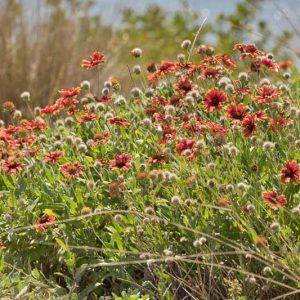
    Gaillardia (Blanket Flower): Flames of red and gold; thrives in hot, sandy sites.
  6. 6
    Perovskia (Russian Sage): Airy blue haze; a heat-and-drought stalwart.
  7. 7
    Agastache (Anise Hyssop): Licorice-scented spires; long, pollinator-rich season.
  8. 8
    Stachys byzantina (Lamb’s Ear): Velvety leaves that shrug off heat and drought.
  9. 9
    Verbena bonariensis (Tall Verbena): Airy, see-through purple wands; minimal water once settled.
  10. 10
    Gaura (Oenothera lindheimeri): Butterfly blooms that dance in the breeze; loves heat.

See more Drought-Tolerant Perennials


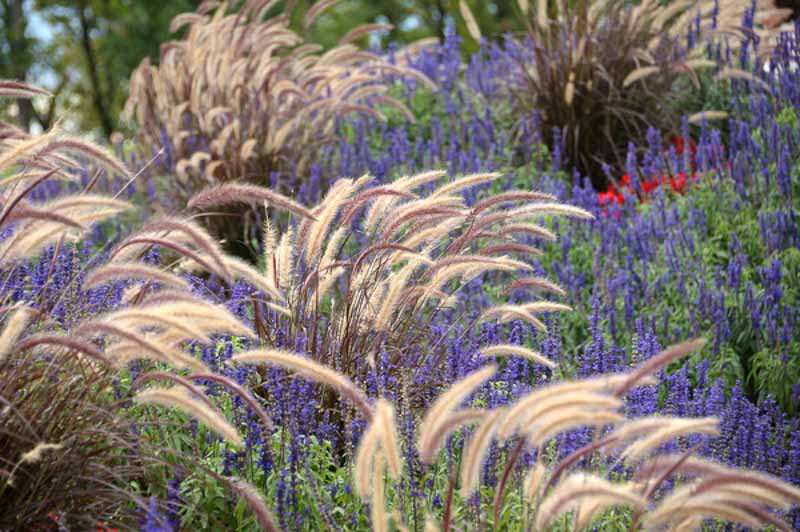
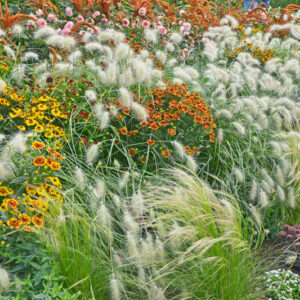
Water-wise border with salvia and grassesWater-wise border: Salvia & Fountain Grass

Drought-Tolerant Ornamental Grasses (Movement, light, and four-season form)

Grasses bring sound, shadow, and structure. Most prefer sun and good drainage—exactly what water-wise gardens offer.

  1. 1
    Panicum virgatum (Switchgrass): Native verticals, wine-red fall color; low water needs.
  2. 2
    Calamagrostis ‘Karl Foerster’: Early plumes, tidy footprint; superb in repetition.
  3. 3
    Schizachyrium scoparium (Little Bluestem): Coppery-orange fall tones; thrives in poor, dry soils.
  4. 4
    Festuca glauca (Blue Fescue): Cool-toned mounds; great edging and matrix filler.
  5. 5
    Stipa tenuissima (Mexican Feather Grass): Silky movement; thrives on neglect (check regional guidance).
  6. 6
    Pennisetum alopecuroides (Fountain Grass): Soft, arching plumes; sun-lover with low water needs.
  7. 7
    Muhlenbergia capillaris (Pink Muhly): Billowing pink clouds in fall; stunning focal point with minimal care.
  8. 8
    Bouteloua gracilis (Blue Grama): Quirky eyelash seedheads; ultra-drought-tough and prairie-native.
  9. 9
    Andropogon gerardii (Big Bluestem): Tall, dramatic clumps with red-bronze fall color.
  10. 10
    Helictotrichon (Blue Oat Grass): Steel-blue spiky mounds; year-round structure and great drainage lover.

See more Drought-Tolerant Grasses

Eco note: Some grasses can be invasive in certain regions. Verify local recommendations and select non-invasive cultivars.

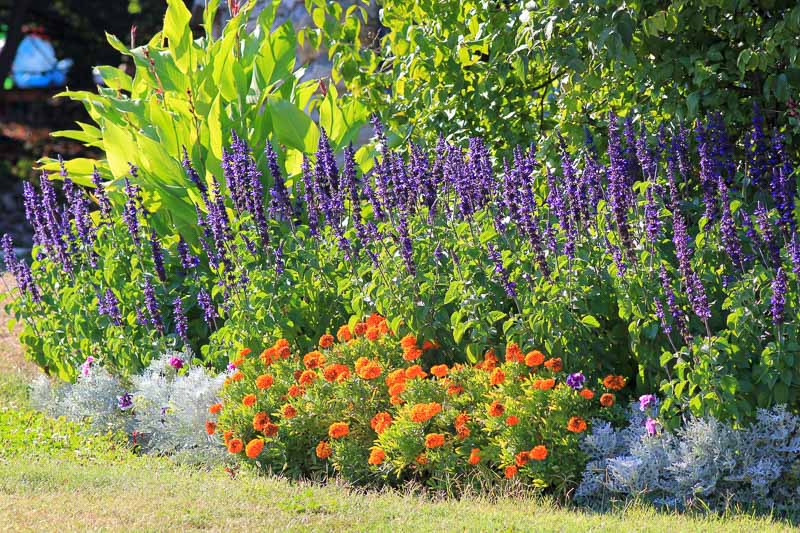
Plant Combinations, Summer Gardens, Marigold, Sage, Canna Lily, Dusty MillerSage, Marigold, Dusty Miller

Drought-Tolerant Annuals (Fast color, lean water)

Annuals deliver quick, vibrant color—choose heat lovers that keep blooming on modest water, especially in containers and curb strips.

  1. 1
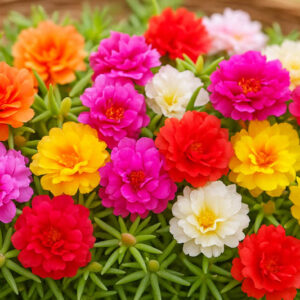
    Portulaca grandiflora (Moss Rose): Succulent, sun-loving carpet; thrives in heat and lean, dry soil.
  2. 2
    Eschscholzia californica (California Poppy): Golden blooms; effortless in quick-draining, low-water spots.
  3. 3
    Gaillardia pulchella (Firewheel): Prairie native; keeps color on scant irrigation.
  4. 4
    Coreopsis tinctoria (Plains Coreopsis): Airy daisies that thrive in sandy, dry soils.
  5. 5
    Tithonia rotundifolia (Mexican Sunflower): Tall, fiery color; revels in heat and lean soils.
  6. 6
    Gomphrena (Globe Amaranth): Papery globes; heat-and-drought stalwart, great fresh or dried.
  7. 7
    Gazania (Treasure Flower): Low-water daisies that love blazing, reflective heat.
  8. 8
    Osteospermum (African Daisy): Self-cleaning blooms; sharp drainage, minimal water.
  9. 9
    Phacelia tanacetifolia (Fiddleneck): Pollinator magnet; coasts on low water in gritty soils.
  10. 10
    Madia elegans (Common Madia): Summer-dry West Coast native; floriferous on lean soils.

See more Drought-Tolerant Annual Flowers


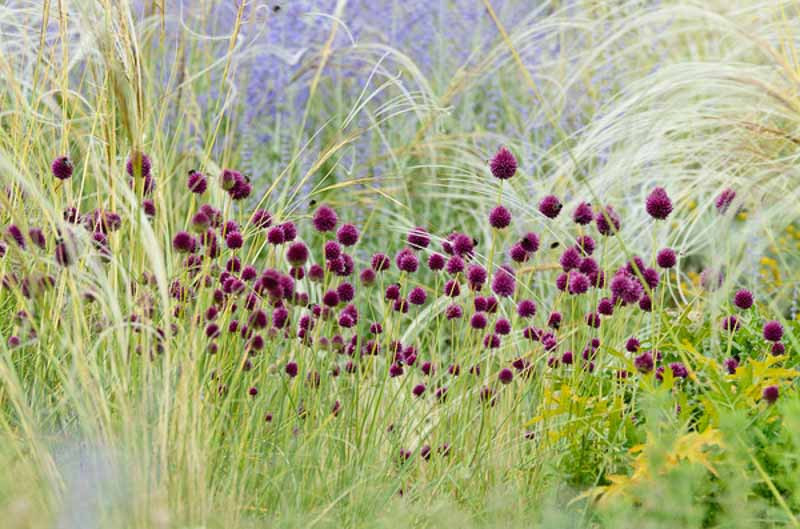
Garden Ideas, Border ideas, Perennial Planting, Perennial combination, Summer Borders, Allium sphaerocephalon,  Perovskia, Russian Sage, Drumstick Allium, Stipa barbata, Feather grassAllium and Stipa

Drought-Tolerant Bulbs (Spring sparks and summer charm)

Bulbs are natural survivalists; many store water and go dormant when it’s dry. Perfect for water-wise borders and gravel gardens.

  1. 1
    Alliums: Sculptural purple globes; bee magnets; thrive in sun and lean soil.
  2. 2
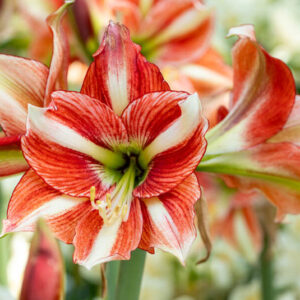
    Amaryllis belladonna: Bare stems; late-summer trumpets; loves hot, dry banks.
  3. 3
    Colchicum: Leafless goblets in fall; luminous through grasses; keep corms dry in summer.
  4. 4
    Crocus sativus (Saffron): Lilac blooms with edible saffron; autumn sparkle in gravelly soil.
  5. 5
    Tulbaghia violacea (Society Garlic): Fragrant, clumping wands; blooms for months in heat and drought.
  6. 6
    Tulipa clusiana: Elegant starry flowers; multiplies in gravel with a dry summer rest.
  7. 7
    Sternbergia lutea (Winter Daffodil): Golden cups in fall; thrives on summer dryness and full sun.
  8. 8
    Nerine bowdenii (Guernsey Lily): Candy-pink fireworks; loves warm walls and gritty soil.
  9. 9
    Triteleia laxa (Ithuriel’s Spear): Airy blue umbels; dances above dry, poor soils; easy naturalizer.
  10. 10
    Ipheion (Spring Starflower): Porcelain-blue spring stars; sweet scent; vanishes cleanly for summer.

See more Drought-Tolerant Bulbs


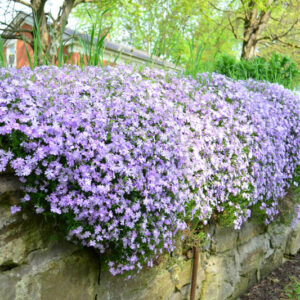
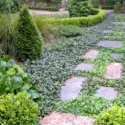
Garden Ideas, Thyme path, Ceanothus, SedumThyme, Iris, Lavender, Blue oat grass, Sedum, Blanket flower, California lilac

Succulents & Groundcovers (Low carpets, big impact)

Use succulent groundcovers and tough mats to fill gaps, suppress weeds, and stitch hardscape to planting beds.

    1. 1
      Sedum (Stonecrop): Countless forms; green roofs to rock crevices; nectar-rich.
    2. 2
      Delosperma (Ice Plant): Jewel-toned daisies; thrives in heat and grit.
    3. 3
      Thymus serpyllum (Creeping Thyme): Fragrant lawn-alternative for sunny, dry paths.
    4. 4
      Cerastium tomentosum (Snow-in-Summer): Silvery mats with white bloom; loves hot slopes.
    5. 5
      Lampranthus spectabilis (Trailing Ice Plant): Neon carpets of daisy-like blooms; thrives on heat and neglect.
    6. 6
      Dymondia margaretae: Tight, silver-green mat that shrugs off foot traffic and drought.
    7. 7
      Helianthemum nummularium (Rock Rose): Sun-loving, flowering pads that spill over stones and slopes.
    8. 8
      Salvia rosmarinus (Creeping Rosemary): Aromatic, evergreen drape; bee-magnet flowers and zero fuss.
    9. 9
      Armeria maritima (Sea Thrift): Tidy hummocks topped with rosy pom-poms; wind and salt tolerant.
    10. 10
      Thymus pseudolanuginosus (Woolly Thyme): Soft, fuzzy carpeting thyme that handles heat and drought.

    See more Drought-Tolerant Ground Covers
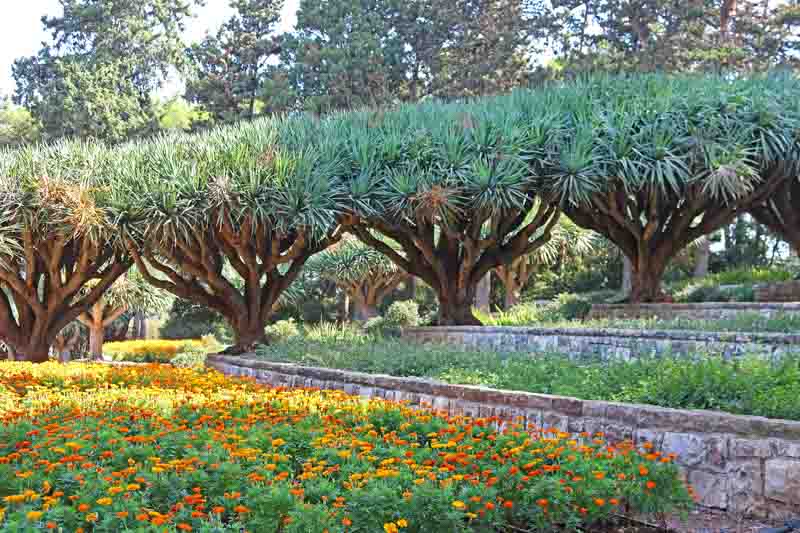


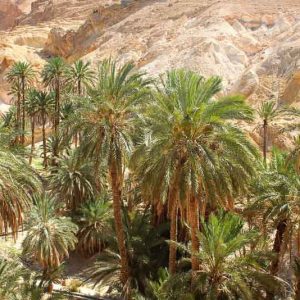
    Dracaena draco, Dragon Tree, Dragon Blood tree, Asparagus draco, Drought tolerant shrub, drought tolerant tree

    Drought-Tolerant Trees (Canopy with a light touch)

    Young trees need regular watering in their first season, but these species are notably thrifty once established. Always check local suitability.

    1. 1
      Ginkgo biloba: Urban-tough with fan leaves and glowing fall color; moderate drought once established.
    2. 2
      Olea europaea (Olive): Evergreen, sun-loving, and famously frugal with water.
    3. 3
      Chilopsis linearis (Desert Willow): Hummingbird magnet with summer blooms and minimal thirst.
    4. 4
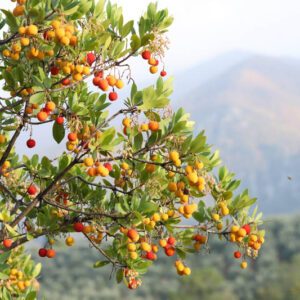
      Arbutus unedo (Strawberry Tree): Handsome bark, white flowers, red fruits, and easy care.
    5. 5
      Koelreuteria paniculata (Golden Rain Tree): Sunny panicles and papery pods; heat and city friendly.
    6. 6
      Sophora secundiflora (Texas Mountain Laurel): Compact evergreen with grape-scented spring clusters.
    7. 7
      Pistacia chinensis (Chinese Pistachio): Reliable shade and fiery fall color with sparse watering.
    8. 8
      Cupressus sempervirens (Italian Cypress): Slim, architectural columns for dry, Mediterranean sites.
    9. 9
      Pittosporum tobira (Mock Orange): Coastal-tough evergreen with sweet spring fragrance.
    10. 10
      Parkinsonia florida (Blue Palo Verde): Green-barked desert native with spring bloom and very low water needs.

    See more Drought-Tolerant Trees


    Quick Compare: Water-Wise Choices by Role

    Garden Role Top Picks Notes
    Evergreen structure rosemary, santolina, tree germander Lean soil + bright sun; clip lightly to keep shapely.
    Pollinator color salvia, yarrow, echinacea, agastache Shear once midseason to extend bloom by 6–8 weeks.
    Matrix/groundcover sedum, ice plant, creeping thyme Fill gaps, smother weeds, and connect hardscape to beds.
    Containers & curb strips portulaca, gomphrena, zinnia Use large pots, a high-quality mix, and mulch the surface.

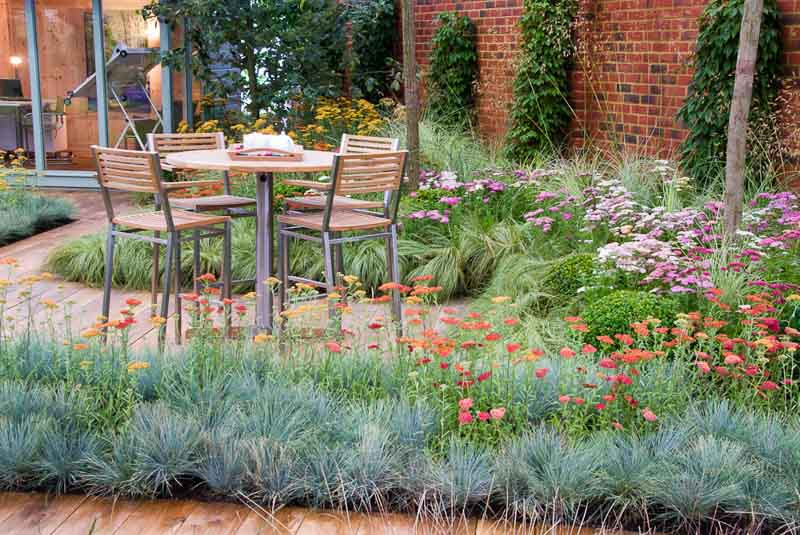
    Garden Ideas, Border ideas, Perennial Planting, Perennial combination, Summer Border, Achillea Terracotta, Festuca glauca Elijah Blue, Achillea ‘Summer Pastels', Buxus sempervirens, Carex comans forsted curls, Stipa tenuissimaYarrow, Fescue, Sedge

    Designing a Drought-Smart Garden

    • Hydrozone your plan: Group plants by water needs—dry near the perimeter, moderate close to the hose, and thirsty only where you’ll actually water.
    • Prep for drainage: Most drought-lovers hate soggy feet. In heavy soil, mound beds 6–8 in (15–20 cm) and blend in coarse mineral material (grit, crushed fines). Amend sand with compost to boost water-holding.
    • Mulch the “donut”: 2–3 in (5–7.5 cm) of coarse mulch (not piled on stems) cools roots, reduces weeds, and cuts watering by up to half.
    • Water to train roots: For new plantings, water deeply 1–2× per week for the first season; then taper to long intervals. Morning is best.
    • Right plant, right sun: Full-sun species won’t stay happy in shade (more disease, less bloom). Use the Plant Finder to match conditions.
    • Mix forms and textures: Pair silver-leaved shrubs (santolina) with fine grasses (little bluestem) and seasonal color (gaillardia) for layered interest.
    • Irrigation essentials: Drip lines beneath mulch put water where roots need it. Consider a separate zone for containers.

    Quick Water-Wise Numbers — What They Mean

    • Mulch depth: 2–3 in (5–7.5 cm) — coarse chips/gravel, keep 3–4 in off stems/trunks.
    • Soak frequency (year 1): 1–2×/week deep watering; then taper to every 10–14 days (climate dependent).
    • Bed height for drainage: 6–8 in (15–20 cm) raised/mounded beds for clay soils.
    • Container sizing: Go 18–24 in (45–60 cm) wide for summer dryness; mulch the top.

    Find Drought-Tolerant Garden Design Ideas


    Drought-Tolerant by Conditions

    Shade (or Bright Shade)

    Dry shade is challenging—but not hopeless. Choose leathery leaves, deep roots, or spring bloomers that rest in summer.

    1. 1
      Bergenia: Big, glossy pads handle root competition; spring blooms.
    2. 2
      Epimedium (Barrenwort): Elegant groundcover; thrives in dry shade under trees.
    3. 3
      Heuchera (Coral Bells): Colorful leaves; prefers bright shade and good drainage.
    4. 4
      Helleborus (Lenten Rose): Winter-spring flowers; tough, leathery leaves.
    5. 5
      Geranium macrorrhizum: Fragrant foliage; thrives in dry shade once established.
    6. 6
      Lamium maculatum (Dead Nettle): Silvery mats for bright/dry shade; spring pop of bloom.
    7. 7
      Carex pensylvanica: Native sedge for dry shade meadows and under trees.
    8. 8
      Ophiopogon (Mondo Grass): Tough edging clumps for dry, bright shade.

    🔎 Find more with our Plant Finder

    Full Sun

    This is where drought stars shine—aromatic foliage, silver tones, and deep roots built for heat.

    1. 1
      Lavandula (Lavender): Classic lavender—fragrant, silver-green, and ultra-dry once established.
    2. 2
      Muhlenbergia capillaris (Pink Muhly): Billows of pink plumes; thrives in lean, sunny sites.
    3. 3
      Echinops ritro (Globe Thistle): Steel-blue spheres; architectural and bee-magnetic in drought.
    4. 4
      Artemisia ‘Powis Castle’: Silvery mounds; superb heat and drought tolerance.
    5. 5
      Salvia nemorosa ‘Caradonna’: Spires of violet; floriferous with minimal water.
    6. 6
      Achillea millefolium (Yarrow): Long bloom, pollinator favorite; thrives in poor, dry soils.
    7. 7
      Helianthemum (Rock Rose): Sun-loving carpet with waves of flowers in lean soils.
    8. 8
      Nepeta × faassenii ‘Walker’s Low’: Drought-ready catmint; long bloom and pollinators galore.

    🔎 Find more with our Plant Finder

    Sandy or Gravelly Soils

    Fast-draining soils warm quickly and dry out fast—perfect for many Mediterranean and prairie species.

    1. 1
      Perovskia (Russian Sage): Airy blue clouds; excellent in hot, gravelly sites.
    2. 2
      Phlomis fruticosa (Jerusalem Sage): Felted leaves and yellow whorls; thrives in dry rubble and sand.
    3. 3
      Gaillardia (Blanket Flower): Sunproof daisy; blooms hard in poor, sandy soils.
    4. 4
      Cistus (Rock Rose): Sun-baked slopes specialist; drought and salt-tolerant.
    5. 5
      Santolina chamaecyparissus (Lavender Cotton): Silver cushions; thrives in hot, dry gravel beds.
    6. 6
      Thymus serpyllum (Creeping Thyme): Aromatic creeper for pavers; happiest in sandy loam.
    7. 7
      Armeria maritima (Sea Thrift): Compact tufts with pink pom-poms; coastal-wind and salt-tolerant.
    8. 8
      Stachys byzantina (Lamb’s Ear): Silvery, fuzzy leaves; needs sharp drainage to stay neat.


  1.  
  2. Clay Soils (make it work)

    Clay holds water in winter and cracks in summer—pick adaptable, deep-rooted species and use mounded beds.

    1. 1
      Panicum virgatum ‘Shenandoah’: Deep prairie roots; handles wet–dry swings in clay.
    2. 2
      Echinacea purpurea: Taprooted and tough; mound slightly where winters are wet.
    3. 3
      Hylotelephium (Stonecrop): Thrives in heavy soils if not waterlogged.
    4. 4
      Rudbeckia fulgida (Black-Eyed Susan): Dependable summer daisies; clay-tolerant and long-blooming.
    5. 5
      Baptisia australis (False Indigo): Deep-rooted, drought-ready; excellent on mounded clay beds.
    6. 6
      Schizachyrium scoparium: Little bluestem; stands tall in clay and heat with vivid fall color.
    7. 7
      Amsonia ‘Blue Ice’: Spring blue stars; adaptable, tough clumper for heavier soils.
    8. 8
      Symphyotrichum (New England Aster): Late color; sturdy clay performer when not overwatered.

    🔎 Find more with our Plant Finder

    By USDA Zone (Quick-Start Ideas)

    Match plants to your zone, then refine by soil and light. Always verify local guidance.

    🔎 Explore drought-tolerant picks for your zone


    Native-Forward (Habitat + Resilience)

    Favor regionally native species where possible—they’re adapted to local rainfall patterns and support pollinators and songbirds.

    1. 1
      Amsonia (Eastern Blue Star): Airy spring blues, golden fall color; tough once established.
    2. 2
      Echinacea (Coneflower): Drought-savvy prairie native; nonstop color and pollinators.
    3. 3
      Gaillardia (Blanket Flower): Hot, long bloom on lean soils; thrives in heat and sun.
    4. 4
      Asclepias speciosa (Milkweed): Monarch host; handles sun, wind, and dry summers.
    5. 5
      Schizachyrium (Little Bluestem): Prairie grass for lean, dry sites; stunning fall color.
    6. 6
      Coreopsis (Tickseed): Fine foliage, months of daisies; happiest in poor soils.
    7. 7
      Rudbeckia (Black-Eyed Susan): Cheerful, drought-tough daisies; great wildlife value.
    8. 8
      Antennaria (Pussytoes): Silvery, low mat for hot, dry, poor soils; excellent filler.

    🔎 Find more with our Plant Finder

    Design tip: Weave native prairie perennials (echinacea, rudbeckia) with Mediterranean shrubs (lavender, phlomis). High contrast, low water.

    Frequently Asked Questions

What makes a plant drought-tolerant?

Drought-tolerant plants have special adaptations that help them survive dry conditions — like deep roots, small or waxy leaves, silver or fuzzy foliage, and the ability to go semi-dormant during extreme heat.

Do drought-tolerant plants still need watering?

Yes — especially while they’re getting established. Most need regular deep watering for the first 4–6 weeks. Once their roots grow deep, they can thrive on rainfall or very occasional soaks.

Can I grow drought-tolerant plants in clay soil?

Yes, but drainage is key. Improve heavy clay with grit or organic matter, plant on slight mounds, and choose adaptable species like Echinacea, Sedum, or Switchgrass.

Are drought-tolerant plants the same as xeric plants?

Almost. “Xeric” plants are extremely dry-loving species suited for arid climates, while “drought-tolerant” plants include a wider range that can handle dry spells but may prefer some moisture in spring or fall.

Which drought-tolerant plants bloom all summer?

Try Lavender, Gaura, Coreopsis, Salvia, Rudbeckia, and Echinacea. These give months of color with very little water once established.

Can drought-tolerant plants grow in shade?

Some can. Look for dry-shade champions like Epimedium, Bergenia, Heuchera, and Lamium. Most, however, prefer at least a few hours of sun.

How long does it take drought-tolerant plants to establish?

Typically one growing season. During that time, deep but infrequent watering trains roots to grow downward instead of staying shallow.

Do I need to mulch drought-tolerant gardens?

Yes. Mulch helps conserve soil moisture and moderate temperature. Use gravel or coarse bark, keeping mulch away from the plant crown to prevent rot.

Can I mix drought-tolerant plants with regular ones?

It’s best to group plants by water needs. Mixing thirsty species with dry-loving ones can cause overwatering problems for the drought-tolerant plants.

What’s the easiest drought-tolerant plant for beginners?

Start with Lavender, Thyme, Sedum, Gaillardia, Russian Sage (Perovskia), or Dymondia. They’re forgiving, resilient, and thrive on neglect once settled in.

How often should I water drought-tolerant plants in summer?

Water deeply every 10–14 days during extended heat or drought. Shallow daily watering encourages weak roots and defeats the purpose.

Are drought-tolerant plants good for pollinators?

Many are! Salvia, Echinacea, Gaura, Thyme, and Lavender are rich in nectar and pollen, supporting bees, butterflies, and other beneficial insects.

Explore More Water-Wise Guides


Final Takeaway

Drought happens—but a resilient garden doesn’t just survive it, it shines through it. Lead with structure from drought-tolerant shrubs, weave in long-blooming perennials and grasses, stitch gaps with succulent groundcovers, and train deep roots with smart watering. Choose plants suited to your USDA zone, soil, and sun, group them by water needs, and mulch well. The payoff? Four-season beauty, buzzing pollinators, and a calmer water bill—no rain dance required.

Updated: October 2025 • Reviewed by Gardenia Editors

Guide Information

Hardiness 3 - 10
Plant Type Annuals, Bulbs, Ferns, Herbs, Ornamental Grasses, Perennials, Shrubs, Trees
Exposure Full Sun, Partial Sun, Shade
Season of Interest Spring (Early, Mid, Late), Summer (Early, Mid, Late), Fall, Winter
Tolerance Drought

Recommended Guides

Drought-Tolerant Trees That Thrive On Little Water
66 Drought-Tolerant Ground Covers for Low-Water Landscapes
45 Drought-Tolerant Flower Bulbs for Effortless, Low-Water Color
36 Drought Tolerant Grasses to Grow. Save Water, Add Wow
48 Perennials That Survive Drought (and Still Look Amazing)
42 Shrubs That Survive Drought (and Still Look Amazing)
Drought-Tolerant Roses: The Best Low-Water Rose Bushes for Your Garden
How Drought-Tolerant is Hydrangea?
Drought Tolerant Palm Trees and Cycads
Highly Drought Tolerant plants for your Florida Native Garden
42 Low-Water Annuals That Bloom for Months
Desert Shrubs: Essential Plants for Dry Gardens
Desert Flowers: Bringing Color to Dry Gardens
North Carolina Native Shrubs for Dry Sites
North Carolina Native Trees for Dry Sites
Mid-Atlantic Gardening: Great Perennials for Dry Soil
Great Shrubs for Dry Soils in New England
Great North American Plants for Dry Soils in New England
While every effort has been made to describe these plants accurately, please keep in mind that height, bloom time, and color may differ in various climates. The description of these plants has been written based on numerous outside resources.

Guide Information

Hardiness 3 - 10
Plant Type Annuals, Bulbs, Ferns, Herbs, Ornamental Grasses, Perennials, Shrubs, Trees
Exposure Full Sun, Partial Sun, Shade
Season of Interest Spring (Early, Mid, Late), Summer (Early, Mid, Late), Fall, Winter
Tolerance Drought

Related Items

Please Login to Proceed

You Have Reached The Free Limit, Please Subscribe to Proceed

Subscribe to Gardenia

To create additional collections, you must be a paid member of Gardenia
  • Add as many plants as you wish
  • Create and save up to 25 garden collections
Become a Member

Plant Added Successfully

Your garden is taking shape. Unlock full planning.

You’ve reached the free limit. Upgrade for $25/year to add as many plants as you wish and save up to 25 garden collections. Unlock Annual Membership

Update Your Credit
Card Information

Cancel

Create a New Collection

Sign Up to Our Newsletter

    You have been subscribed successfully

    Join Gardenia.net

    Create a membership account to save your garden designs and to view them on any device.

    Becoming a contributing member of Gardenia is easy and can be done in just a few minutes. If you provide us with your name, email address and the payment of a modest $25 annual membership fee, you will become a full member, enabling you to design and save up to 25 of your garden design ideas.

    Join now and start creating your dream garden!

    Join Gardenia.net

    Create a membership account to save your garden designs and to view them on any device.

    Becoming a contributing member of Gardenia is easy and can be done in just a few minutes. If you provide us with your name, email address and the payment of a modest $25 annual membership fee, you will become a full member, enabling you to design and save up to 25 of your garden design ideas.

    Join now and start creating your dream garden!
    Find your Hardiness Zone

    Find your Heat Zone

    Find your Climate Zone