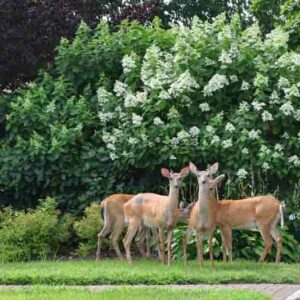
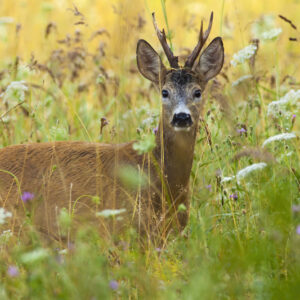
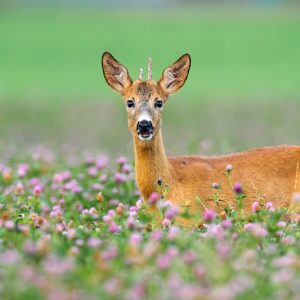
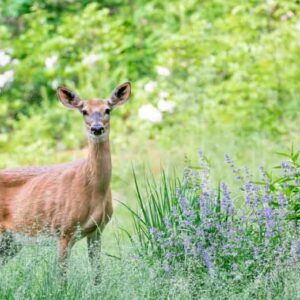
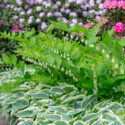
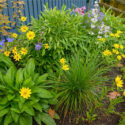
Ready to outsmart browsing? Explore proven deer-resistant plants - from aromatic lavender to sturdy boxwoods - plus smart layout ideas, zone-wise picks, and quick care tips. Build structure, add color, and keep your most delicious plants close to the house. A safer, prettier garden starts here.
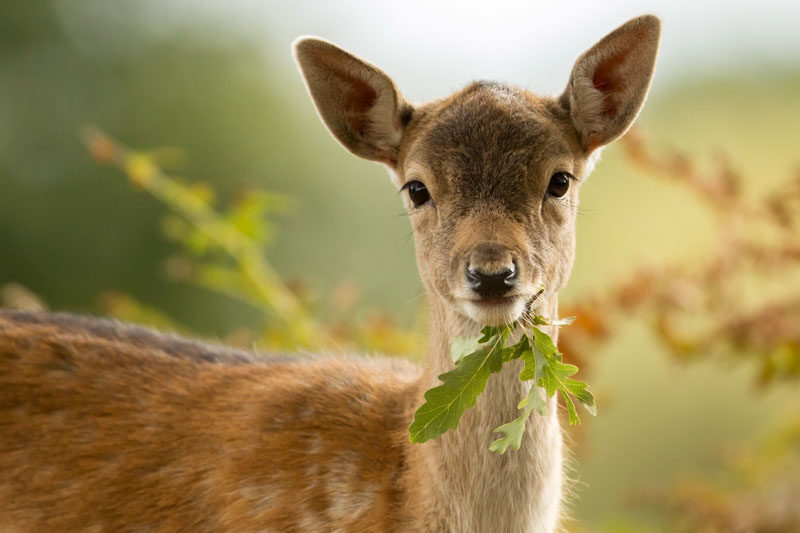


If deer treat your garden like an all-you-can-eat buffet, you’re not alone. Deer are graceful to watch, but devastating to plants. One morning, you have lush hydrangeas and vibrant perennials, and the next day… stubs. The good news? Some plants naturally deter browsing with strong scent, tough or fuzzy leaves, prickles, or simply an unappealing taste. Plant more of those, and your landscape becomes far less inviting to hungry visitors.
Deer-resistant plants are species that deer typically avoid because of strong scent, bitter taste, or tough, prickly, or irritating foliage. While not deer-proof, they’re browsed far less often. Combine several types, protect new plantings, and supplement with repellents for best results.
This guide highlights the best deer-resistant plants for every garden corner: shrubs, perennials, trees, groundcovers, grasses, bulbs, and annuals. You’ll learn why deer avoid certain plants, how to design a deer-smart landscape, and how to choose plants by sun, shade, zone, and soil. Each section includes handpicked examples that link to Gardenia profiles and in-depth guides.
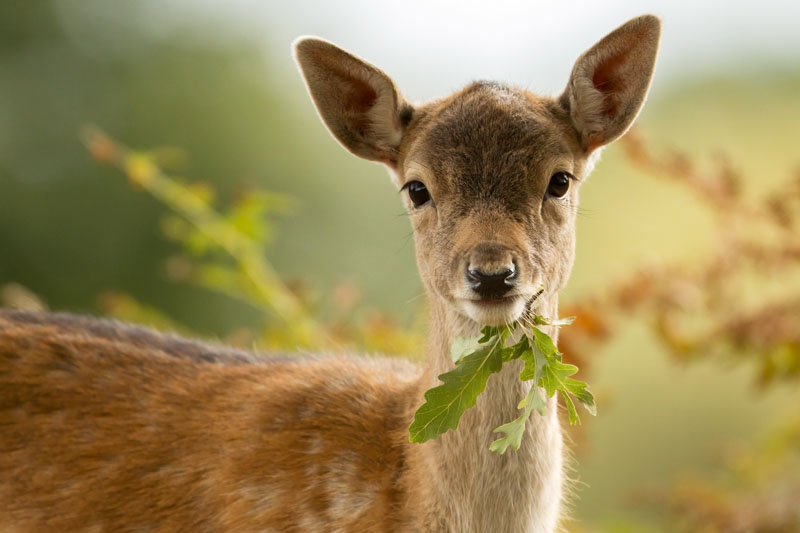
Summary: No plant is truly “deer-proof,” but many are reliably avoided. Deer tend to skip plants that are strongly aromatic (herbs), textured (fuzzy, prickly, leathery), or mildly toxic/irritating (some bulbs and euphorbias). For best results, layer multiple deer-resistant choices, keep favorites near the house, and supplement with seasonal repellents if needed.
| Why do deer avoid some plants | Strong scent, bitter taste, tough/fuzzy/prickly texture, or mild toxicity |
|---|---|
| Reliable categories | Mint-family perennials (salvias, nepeta, lavender), ornamental grasses, many ferns, some evergreen shrubs |
| Caution | In winter, drought, or high pressure, deer may sample almost anything, especially tender new growth. |
| Best strategy | Mix plant types, emphasize scent/texture, and design paths/edges that discourage browsing |
“Deer-resistant” means deer are less likely to browse a plant – not that they never will. Preference varies by region, herd pressure, and season. In spring, new growth is tender and tempting. In winter, food scarcity pushes deer to test plants they typically ignore. Your best defense is thoughtful planting plus a few practical tactics.
Regionality matters: deer preferences vary. Use local extension lists to confirm for your
Shrubs anchor borders and provide screening. Choose evergreen shrubs where pressure is high, and layer deciduous shrubs for flowers, fruit, and fall color.
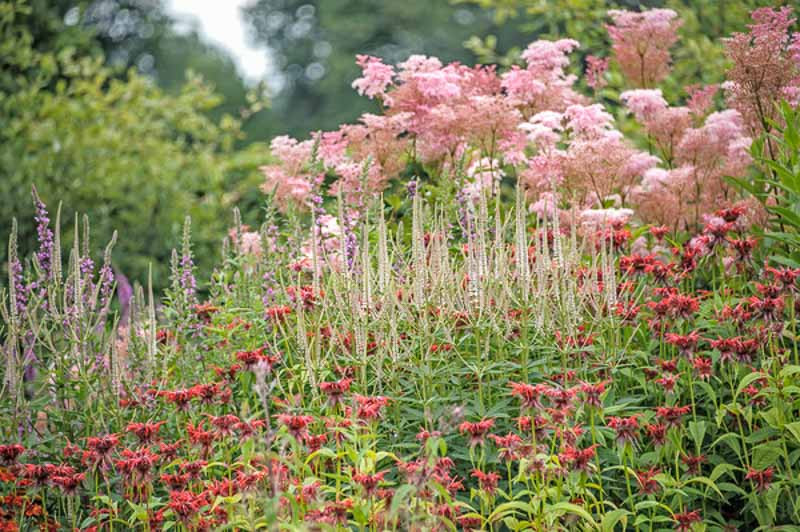 Bee Balm, Culver’s Root, Queen of the Prairie
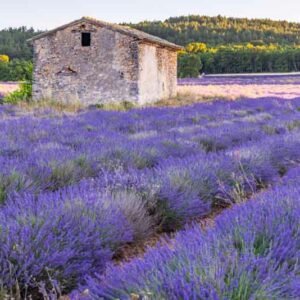
Many perennials in the mint family (Lamiaceae) are reliable: they carry strong natural fragrances and fuzzy textures that deer dislike – and pollinators adore.
Grasses offer long-season structure, sound, and light-catching plumes. Favor regionally appropriate, non-invasive selections.
For fast, reliable color, lean on pungent or textured annuals that deer usually ignore. Mix heights and bloom times for a nonstop show from spring to frost.
These bulbs bring dependable color and structure. Many are aromatic or toxic to deer, which makes them ideal for borders, woodland edges, and pots.
Young trees are vulnerable – guard trunks and cage the lower canopy for the first 2–3 years. These choices are generally lower on the deer menu (your local results may vary).
| Garden Role | Top Picks | Notes |
|---|---|---|
| Hedges & structure | Boxwood, inkberry holly, Japanese holly |
All are typically deer-resistant; choose Buxus in low-blight regions, or use the look-alikes where disease/pests are a concern. Space 24–36 inches (60-90 cm) for a solid hedge in ~2–3 seasons. |
| Pollinator color | Sage, catmint, echinacea, yarrow | Aromatic foliage + long bloom = low browse + high wildlife value; shear once to extend color by 6–8 weeks. |
| Groundcover edges | Lamb’s ear, thyme, bergenia, barrenwort | Guard bed fronts and paths with texture or scent; plant 8–12 inches (20-30 cm) apart to knit in one season. |
| Movement & winter form | Switchgrass, Karl Foerster grass, blue fescue | Most grasses are low-browse and add structure in the off-season; leave plumes standing until late winter. |
| Shade & woodland edges | Hellebores, ferns, bergenia, barrenwort | Leathery or bitter leaves resist browsing; mulch 2–3 inches (5-7 cm) to keep roots cool and moist. |
| Containers & front-door color | lavender, marigolds, dusty miller, calendula | Scent + doorstep traffic lowers risk; refresh with slow-release fertilizer every 8–10 weeks. |
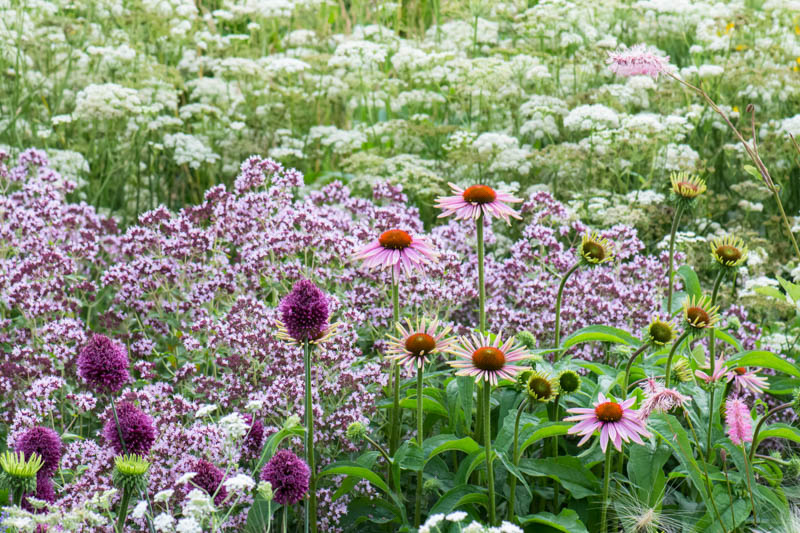 Echinacea, Allium, Anise, Oregano
Two useful categories:
Rotation plan: alternate an egg-based spray with a capsaicin/garlic product every 4–6 weeks, and reapply after heavy rain or flushes of new growth. Spot-treat “favorite” plants and all bed edges.
Lean on texture (fuzzy, leathery) and fragrance. These thrive in dappled to bright shade.
Aromatic foliage and lean-soil lovers shine here – great for low-water designs.
Favor regional natives for habitat + resilience. These are widely reliable with deer.
Choose species that tolerate heavy, moist ground – then mulch and avoid overwatering.
Match plants to your zone, then refine by soil and light. (Always check local guidance.)
No. A plant may be highly deer-resistant, but hungry deer under pressure will sample almost anything. The goal is to make your garden consistently unappealing by emphasizing scent, texture, and smart placement.
Standouts include salvia, nepeta, echinacea, yarrow, and Russian sage. They combine color, pollinator value, and aromatic foliage that deer tend to avoid. See our guide: Best Deer-Resistant Perennial Plants.
Hydrangeas are often browsed, especially new spring growth and flower buds. Protect prized plants with repellents and consider placing them near lighting or high-traffic areas. More here: Do Deer Eat Hydrangea Plants?
Daffodils and alliums are top picks. Fritillaria and snowdrops are also generally avoided. See: Flower Bulbs that Deer Will Avoid.
Use a layered approach: aromatic borders (lavender, thyme), evergreen structure (inkberry), motion lighting, occasional repellents, and trunk guards for young trees. Place favorites close to the house.
Deer will always roam – but your garden doesn’t have to be their salad bar. Combine evergreen structure with aromatic perennials, protect young trees, and place irresistible plants where you can keep an eye on them. Use our guides to fine-tune by category, and the Plant Finder to match sun, soil, and zone. With a smart mix, you’ll enjoy four-season beauty – and far fewer midnight snacks.
Updated: October 2025 • Reviewed by Gardenia Editors
| Hardiness |
3 - 10 |
|---|---|
| Plant Type | Annuals, Bulbs, Ferns, Herbs, Ornamental Grasses, Perennials, Shrubs, Trees |
| Exposure | Full Sun, Partial Sun, Shade |
| Season of Interest | Spring (Early, Mid, Late), Summer (Early, Mid, Late), Fall, Winter |
| Tolerances | Deer |
| Toxic to Humans | No known toxicity |
| Toxic to Cats | No known toxicity |
| Toxic to Dogs | No known toxicity |
| Toxic to Horses | No known toxicity |
| Hardiness |
3 - 10 |
|---|---|
| Plant Type | Annuals, Bulbs, Ferns, Herbs, Ornamental Grasses, Perennials, Shrubs, Trees |
| Exposure | Full Sun, Partial Sun, Shade |
| Season of Interest | Spring (Early, Mid, Late), Summer (Early, Mid, Late), Fall, Winter |
| Tolerances | Deer |
| Toxic to Humans | No known toxicity |
| Toxic to Cats | No known toxicity |
| Toxic to Dogs | No known toxicity |
| Toxic to Horses | No known toxicity |
Create a membership account to save your garden designs and to view them on any device.
Becoming a contributing member of Gardenia is easy and can be done in just a few minutes. If you provide us with your name, email address and the payment of a modest $25 annual membership fee, you will become a full member, enabling you to design and save up to 25 of your garden design ideas.
Join now and start creating your dream garden!
Create a membership account to save your garden designs and to view them on any device.
Becoming a contributing member of Gardenia is easy and can be done in just a few minutes. If you provide us with your name, email address and the payment of a modest $25 annual membership fee, you will become a full member, enabling you to design and save up to 25 of your garden design ideas.
Join now and start creating your dream garden!

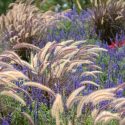
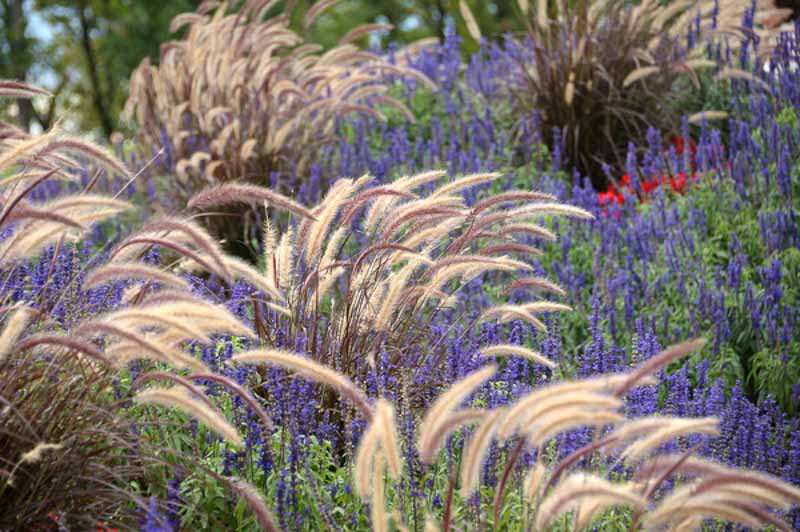 Sage and Fountain Grass
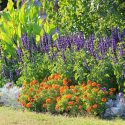
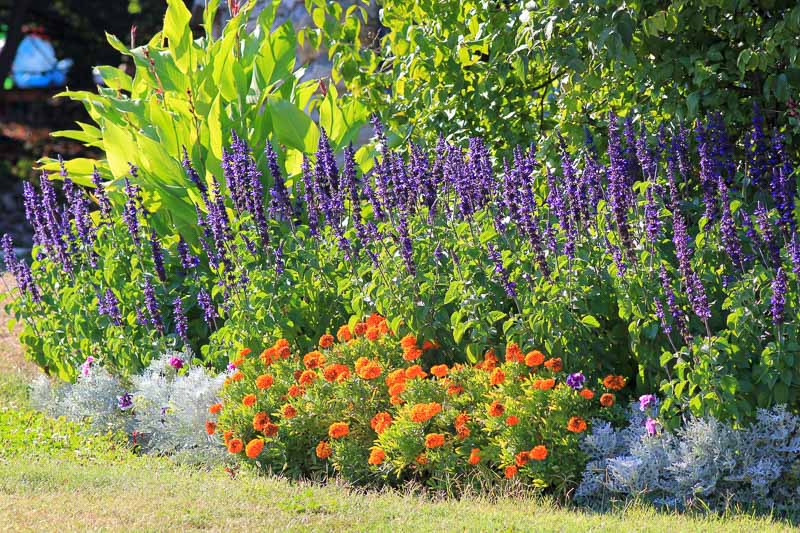 Sage, Marigold, Dusty Miller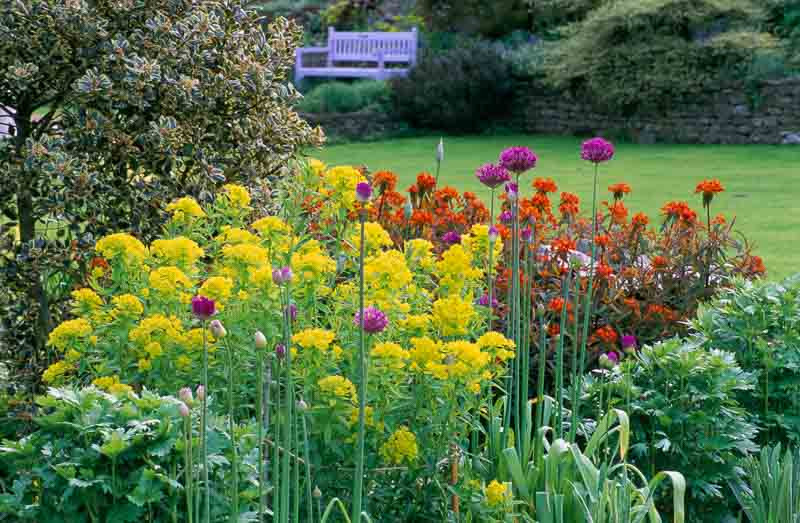
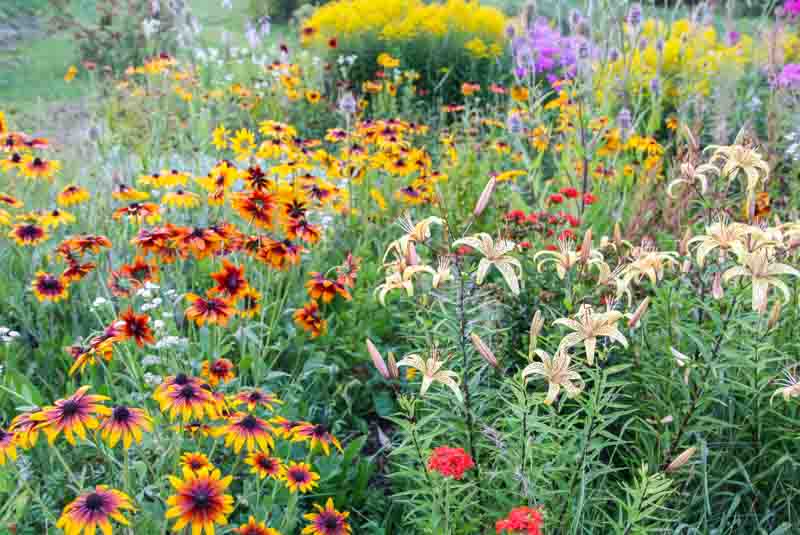 Black-Eyed Susan, Lily