Create Your Garden

Salvia ‘Wendy’s Wish’ (Sage)

Wendy’s Wish Salvia, Wendy’s Wish Sage, Hybrid Sage ‘Wendy’s Wish’, Ornamental Sage ‘Wendy’s Wish’, Salvia x hybrida ‘Wendy’s Wish’, Salvia ‘Wendy’s Wish’
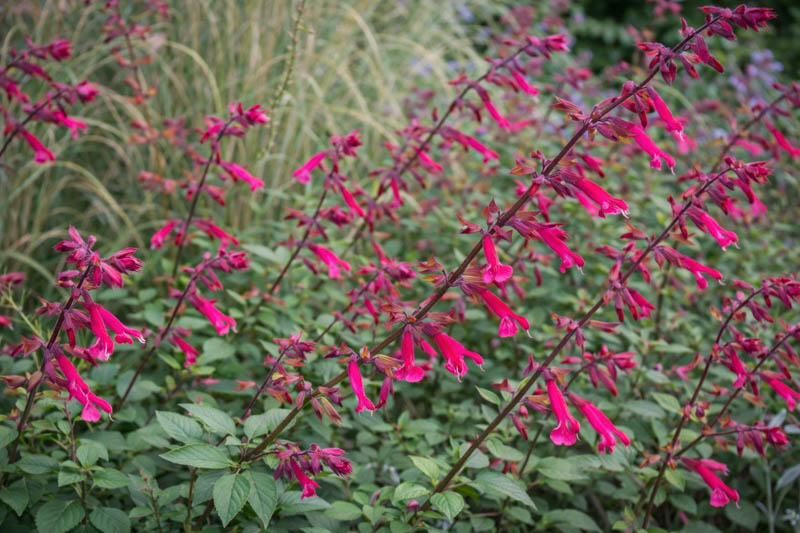
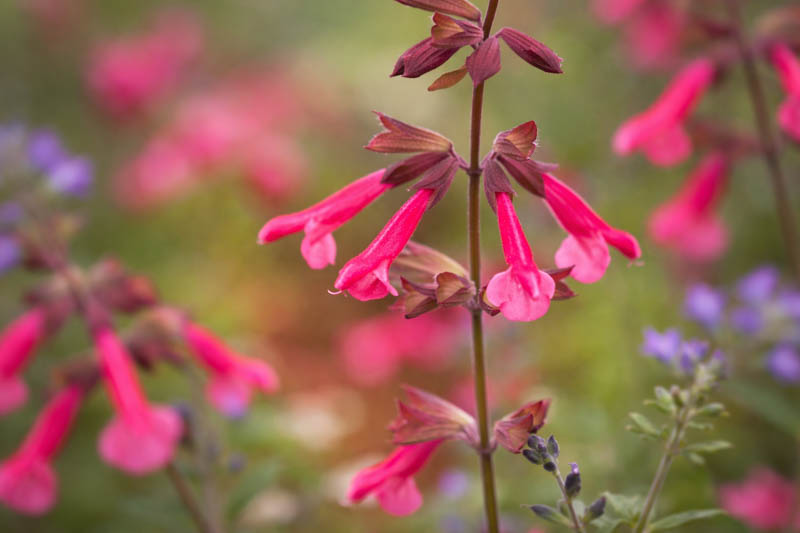
Salvia Wendy's Wish, Sage Wendy's Wish, Purple salvia, Purple sage, Pink sage, Pink salvia, evergreen salvia, evergreen sage

Salvia ‘Wendy’s Wish’ – Long-Blooming Magenta Spikes, Citrus-Scented Foliage, And A Hummingbird Favorite From Late Spring To Fall

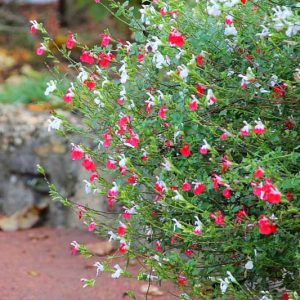
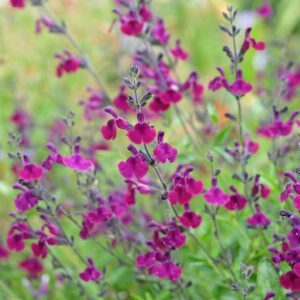
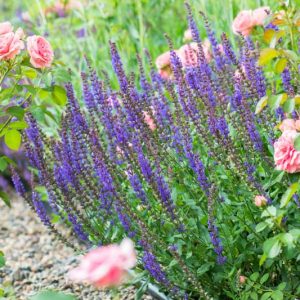
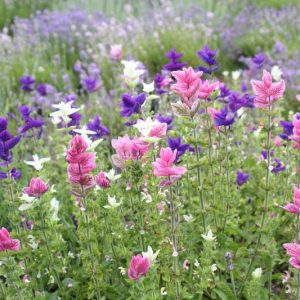
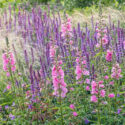
Salvia ‘Wendy’s Wish’ is the kind of plant that quietly steals the show. From the moment it settles in, it starts producing tall, airy spikes of magenta-pink flowers that seem to float above the foliage and just keep coming – from late spring well into fall. Add a subtle citrus scent when you brush past the leaves, plus a steady stream of butterflies and hummingbirds, and you have a plant that works as hard as it looks good.

Unlike stiff, formal salvias, ‘Wendy’s Wish’ has a relaxed, slightly open habit that feels natural and generous. It’s equally at home in containers, mixed borders, or informal garden beds, bringing height, movement, and vibrant color without overwhelming its neighbors.
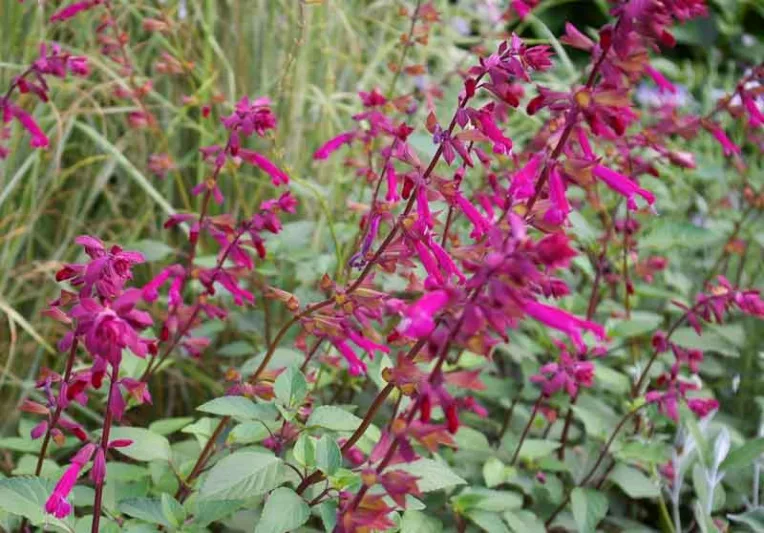
Garden shorthand: Want months of vivid color, zero fuss, and non-stop hummingbird traffic? Salvia ‘Wendy’s Wish’ delivers.

Quick Facts – Salvia ‘Wendy’s Wish’

Salvia 'Wendy's Wish', Wendy's Wish Sage, magenta-pink flowers, hummingbird plant, container salvia

Summary: A fast-growing, clump-forming tender perennial with tall, loose spikes of magenta-pink tubular flowers and lightly citrus-scented foliage.
Use: Excellent for borders, containers, pollinator gardens, and mixed plantings.
Highlight: Extra-long bloom season plus strong hummingbird appeal.
Note: Best in full sun and well-drained soil; commonly grown as an annual where winters are cold.

Botanical Name Salvia ‘Wendy’s Wish’
Family Mint family (Lamiaceae)
Common Names Wendy’s Wish Salvia, Wendy’s Wish Sage, Hybrid Sage
Native Range Garden origin – a hybrid discovered as a chance seedling in Victoria, Australia (not a wild native range).
Plant Type and Habit Tender perennial (often grown as an annual) – clump-forming with a slightly open, airy habit
Hardiness (approx. USDA) Hardy in USDA Zones 9-11; treat as an annual or overwinter indoors elsewhere
Height 3-4 ft (90-120 cm)
Spread 3-4 ft (90-120 cm)
Spacing 36-48 in. (90-120 cm) for good airflow and a full clump
Sun and Exposure Best in full sun; tolerates light shade in hot climates
Soil Prefers average, medium-moisture, well-drained soil (drainage matters more than richness)
Seasonal Interest Blooms from late spring through fall
Flower Color Magenta-pink (tubular blooms with dusty pink bracts and dark red stems)
Foliage Mid-green, glossy leaves with maroon veining; lightly aromatic when brushed
Fragrance Citrus-scented foliage (especially when handled)
Drought Tolerant Yes, once established.
Heat Tolerant Yes – thrives in warm, sunny conditions (with sensible watering in containers)
Nectar – Pollen Yes – nectar-rich tubular blooms
Attracts Bees, butterflies, and hummingbirds
Deer Generally deer resistant
Best Garden Uses Beds and borders, patio and containers, pollinator plantings
Toxicity Ornamental plant – avoid ingestion and use standard garden caution around pets and children
Invasive Status Not typically considered invasive in gardens
Care – Quick
  • Planting: Plant after frost in sun and well-drained soil; give room for its full width.
  • Water: Water regularly until established; after that, water deeply when the top couple inches dry (containers dry faster).
  • Feeding: Light feeding supports bloom; avoid heavy nitrogen that pushes leaves over flowers.
  • Pruning – Deadheading: No hard pruning required, but removing spent stems helps keep flowers coming.
  • Mulching: Mulch lightly to reduce evaporation; keep mulch off the crown.
  • Propagation: Take cuttings in warm weather to overwinter or make backup plants.
  • Winter: Perennial in warm zones; overwinter indoors or treat as annual elsewhere.
Quick promise:
Salvia ‘Wendy’s Wish’ blooms for months, thrives in sun, and reliably brings hummingbirds into the garden.

What Is Salvia ‘Wendy’s Wish’?

Description

This cultivar stands out for its tall, elegant flower spikes carried on dark red stems. The blossoms emerge from dusty pink bracts, creating a layered, textured look that feels both refined and playful. Each spike is loose rather than rigid, giving the plant movement and a natural rhythm in the breeze.

Growth Habit and Vigor

‘Wendy’s Wish’ grows quickly into a generous clump, typically reaching 3 to 4 feet tall and wide. The habit is slightly open, which allows light and air to move through the plant and helps it blend beautifully with neighboring perennials and annuals.

Flowers and Bloom Time

Blooming begins in late spring and continues relentlessly through summer and fall. Regular removal of spent stems encourages even more flowering, but even without constant attention, this salvia keeps performing.

Bloom insight: Few ornamentals offer this combination of height, color intensity, and season-long bloom with so little effort.

Foliage and Fragrance

The mid-green, glossy leaves feature subtle maroon veining and release a light citrus scent when brushed or crushed. This aromatic quality helps explain why deer usually leave it alone.

Hardiness

Hardy in USDA Zone 9-11, Salvia ‘Wendy’s Wish’ is often treated as an annual in cooler climates. In frost-free regions, it can behave as a tender perennial with year-round presence.

Landscape Uses

  • Borders: Adds height and color without stiffness.
  • Containers: A standout centerpiece for large pots.
  • Pollinator gardens: A reliable nectar source.
  • Mixed beds: Pairs easily with grasses and flowering perennials.

Wildlife Value

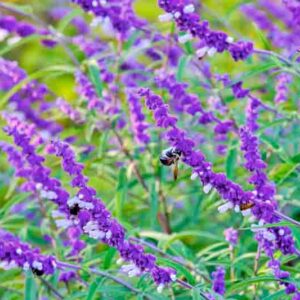
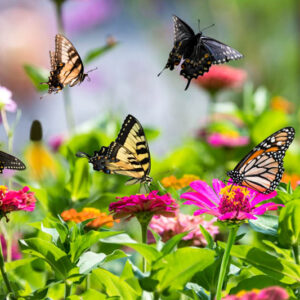
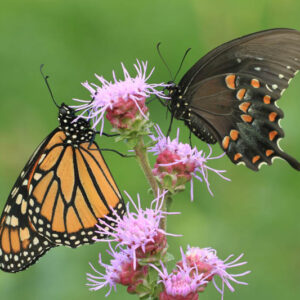
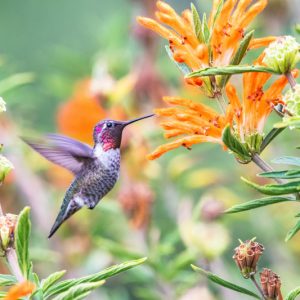
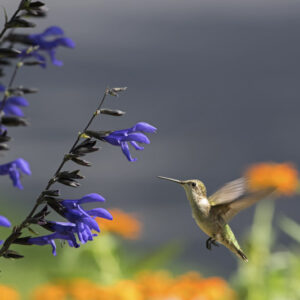
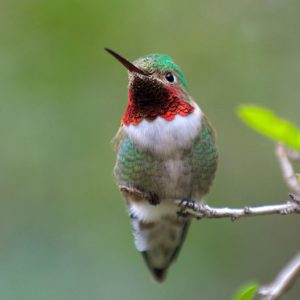
Hummingbirds are irresistibly drawn to the tubular flowers, often visiting repeatedly throughout the day. Butterflies and bees also benefit, making this plant a strong ecological contributor in ornamental gardens.

Deer Resistance

Thanks to its aromatic foliage and texture, this salvia is generally deer resistant, though no plant is completely immune when food is scarce.

Drought and Heat Tolerance

Once established, Salvia ‘Wendy’s Wish’ shows good tolerance to heat and short dry spells, making it a reliable performer through long, warm summers. That said, consistent moisture keeps plants looking lush and flowering at full strength – especially during heat waves and in containers, where soil dries more quickly.

In garden beds, occasional deep watering encourages strong root systems and improves drought resilience. In pots, more frequent watering is needed, particularly during prolonged hot weather.

Water tip: Deep, occasional watering is far better than frequent shallow watering. It trains roots to grow deeper and helps plants handle heat stress more effectively.

Toxicity

Salvia ‘Wendy’s Wish’ is grown strictly as an ornamental plant. While it is not known to be highly toxic, ingestion is not recommended. As with most ornamental salvias, use standard garden caution around pets and young children, and discourage chewing or consumption of foliage or flowers.

Invasiveness

This cultivar is well-behaved in garden settings and is not considered invasive. It grows as a tidy clump rather than spreading aggressively and does not typically self-seed in a problematic way. Any occasional seedlings are easy to recognize and remove.
Salvia Wendy's Wish, Sage Wendy's Wish, Purple salvia, Purple sage, Pink sage, Pink salvia, evergreen salvia, evergreen sage

Growing Conditions For Salvia ‘Wendy’s Wish’

Light

  • Full sun: Produces the strongest stems, best flowering, and most compact habit.
  • Light shade: Beneficial in very hot climates, especially during intense afternoon sun, though too much shade may reduce bloom density.

Soil

  • Well-drained soil is essential: Poor drainage is the fastest way to cause decline.
  • Average fertility: Rich soil is unnecessary and may promote leafy growth at the expense of flowers.
  • Container note: Use a high-quality potting mix with excellent drainage to prevent root stress.

Planting and Spacing

  • Plant outdoors after all danger of frost has passed.
  • Space plants generously to accommodate their mature width and encourage airflow.
  • In containers, choose pots large enough to balance the plant’s height and prevent frequent drying.

Maintenance

  • Deadheading: Removing spent flower spikes encourages fresh blooms and keeps plants tidy.
  • Pruning: No heavy pruning is required during the season; a light trim can refresh plants after a heat spell.
  • Feeding: A light, balanced fertilizer supports flowering; avoid excess nitrogen.
Care tip: This salvia performs best when allowed to grow naturally. Minimal interference often results in the healthiest plants and the longest bloom season.

Propagation

To keep Salvia ‘Wendy’s Wish’ true to type, propagate it by cuttings rather than seed. Named cultivars may not come true from seed, and seedlings can vary in flower color, vigor, and overall habit.
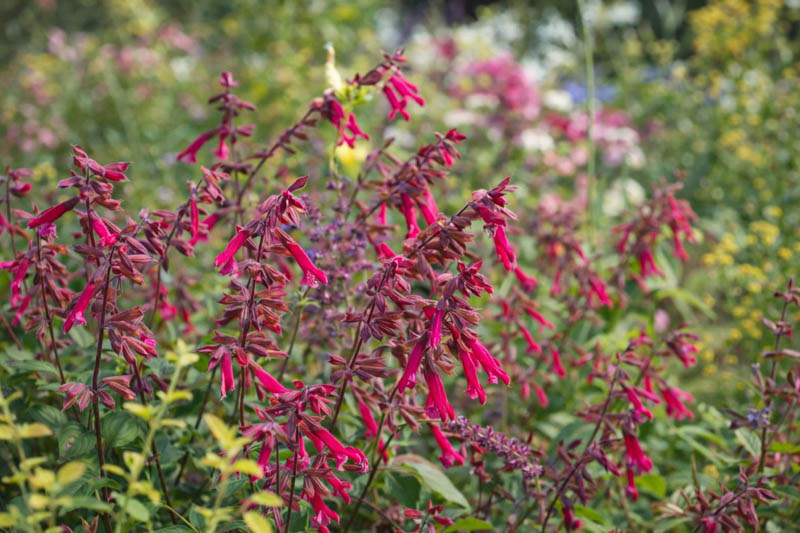
  • Softwood cuttings (best method): In late spring through summer, take 3-5 in. (8-12 cm) non-flowering shoots. Remove lower leaves, dip the base in rooting hormone (optional), and place in a free-draining mix. Keep warm, bright, and lightly moist until rooted.
  • Division: Not typically the go-to method for this salvia; cuttings are faster and more reliable for uniform results.
Propagation tip: Rooting a couple of cuttings before frost is the easiest way to enjoy Salvia ‘Wendy’s Wish’ again next year without buying new plants.

Salvia Wendy's Wish, Sage Wendy's Wish, Purple salvia, Purple sage, Pink sage, Pink salvia, evergreen salvia, evergreen sage

Pests, Diseases, And Common Issues

Pests

Salvia ‘Wendy’s Wish’ is generally trouble-free. During hot, dry weather, occasional aphids or spider mites may appear on tender growth. These rarely cause lasting damage and can usually be managed with improved airflow, regular watering, or a strong spray of water.
Diseases

  • Powdery mildew: More likely with crowding and poor airflow. Give sun, spacing, and avoid late-day overhead watering.
  • Root rot: Almost always linked to poorly drained soil or overwatering.

Common Problems

  • Reduced flowering: Often caused by excessive shade, drought stress, or skipped deadheading.
  • Flopping: May occur in overly rich soil or with excessive fertilizer.
  • Summer fatigue: Plants may slow briefly during extreme heat but rebound quickly with water and cooler nights.

Salvia Wendy's Wish, Sage Wendy's Wish, Purple salvia, Purple sage, Pink sage, Pink salvia, evergreen salvia, evergreen sage

Design Ideas With Salvia ‘Wendy’s Wish’

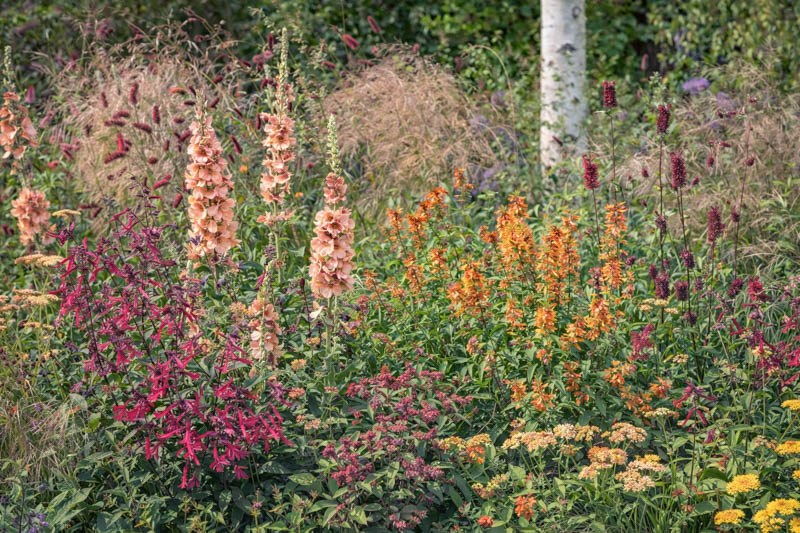
With its height, open habit, and saturated magenta-pink flowers, Salvia ‘Wendy’s Wish’ works best as a vertical accent plant rather than a filler. Its role in design is to add lift, movement, and long-season color while allowing surrounding plants to read clearly.

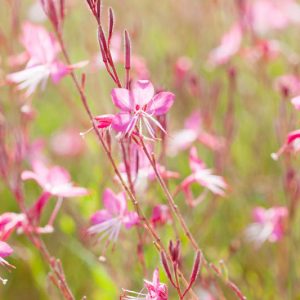
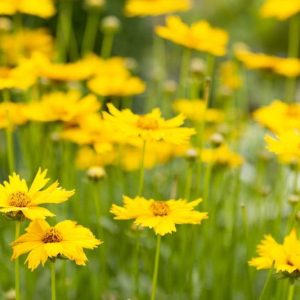
  • Vertical contrast in mixed borders: Use ‘Wendy’s Wish’ to rise above mounding or low-growing companions such as coreopsis, gaura, or verbena. The upright flower spikes break up horizontal planting lines and prevent borders from feeling flat.
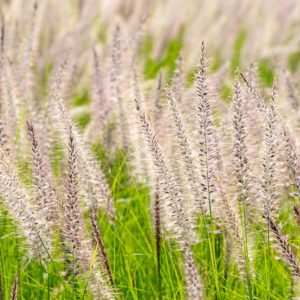
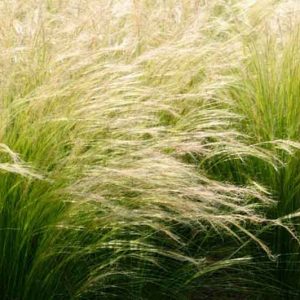
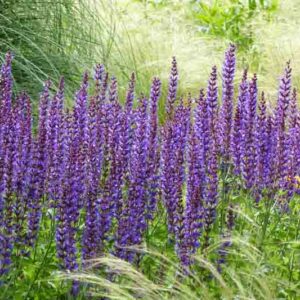
  • Softening grasses and fine textures: Pair with ornamental grasses like Pennisetum setaceum or Stipa tenuissima. The airy blooms echo the movement of grasses, creating a cohesive, wind-responsive planting.
  • High-contrast foliage pairings: Combine with silver or pale foliage plants such as Artemisia, Helichrysum, or dusty miller. The cool-toned leaves sharpen the impact of the vivid magenta flowers and prevent the color from feeling heavy.
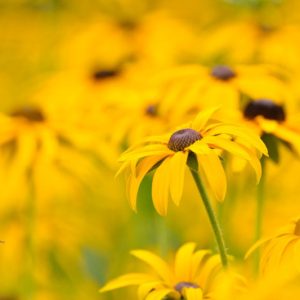
  • Pollinator-focused combinations: Blend with other nectar-rich plants like lantana, salvia greggii, rudbeckia, and echinacea to create a layered pollinator garden that offers flowers at multiple heights.
  • Container focal point: In large pots, use Salvia ‘Wendy’s Wish’ as the central “thriller,” underplanted with trailing plants such as verbena, calibrachoa, or dichondra. This highlights its height and keeps containers dynamic through the season.
  • Repetition for rhythm: Rather than one large clump, repeat smaller groups at intervals through the border. This creates visual rhythm and ties different sections of the garden together without overpowering the design.
Design note: Think of Salvia ‘Wendy’s Wish’ as punctuation, not background. Use it to lift the eye, reset the composition, and inject energy where the planting needs emphasis.

Frequently Asked Questions

Is Salvia ‘Wendy’s Wish’ a perennial or an annual?

Salvia ‘Wendy’s Wish’ is a tender perennial in warm climates (USDA Zones 9–11). In colder regions, it is usually grown as an annual or overwintered indoors to protect it from frost.

How long does Salvia ‘Wendy’s Wish’ bloom?

Salvia ‘Wendy’s Wish’ blooms from late spring through fall, often without interruption. Regular deadheading helps maintain strong flowering, but even without pruning, it remains a long-season bloomer.

Does Salvia ‘Wendy’s Wish’ attract hummingbirds?

Yes. Salvia ‘Wendy’s Wish’ is highly attractive to hummingbirds thanks to its tubular, nectar-rich flowers. Butterflies and bees are also frequent visitors.

Does Salvia ‘Wendy’s Wish’ need full sun?

Full sun produces the strongest growth and the most flowers. Light shade is tolerated, especially in hot climates, but too much shade can reduce bloom production.

Is Salvia ‘Wendy’s Wish’ drought tolerant?

Once established, Salvia ‘Wendy’s Wish’ tolerates short dry periods. However, it blooms best with regular watering, especially during hot weather or when grown in containers.

How tall and wide does Salvia ‘Wendy’s Wish’ grow?

Salvia ‘Wendy’s Wish’ typically grows 3 to 4 feet tall and wide, forming a generous, slightly open clump with flowering stems held above the foliage.

Is Salvia ‘Wendy’s Wish’ deer resistant?

Salvia ‘Wendy’s Wish’ is generally deer resistant due to its aromatic foliage, though no plant is completely deer-proof in areas with heavy browsing pressure.

Can Salvia ‘Wendy’s Wish’ be grown in containers?

Yes. Salvia ‘Wendy’s Wish’ performs very well in large containers, where it acts as a tall focal plant. Containers require more frequent watering than garden beds.

How do you propagate Salvia ‘Wendy’s Wish’?

Salvia ‘Wendy’s Wish’ is best propagated by softwood cuttings. Cuttings preserve the cultivar’s flower color and growth habit better than seed.

Does Salvia ‘Wendy’s Wish’ require pruning?

Heavy pruning is not necessary. Removing spent flower stems encourages new blooms, and a light trim can refresh plants if they become leggy.

Updated: January 2026 – Reviewed by Gardenia Editors

Salvia: Plant Care and Growing Guide


Here are some tips on how to plant and grow salvia successfully

Requirements

Hardiness 9 - 11
Climate Zones 20, 21, 22, 23, 24, H1
Plant Type Annuals, Perennials
Plant Family Lamiaceae
Genus Salvia
Common names Sage
Exposure Full Sun
Season of Interest Spring (Late), Summer (Early, Mid, Late), Fall
Height 3' - 4' (90cm - 120cm)
Spread 3' - 4' (90cm - 120cm)
Spacing 48" (120cm)
Maintenance Low
Water Needs Average
Soil Type Chalk, Loam, Sand
Soil pH Acid, Alkaline, Neutral
Soil Drainage Moist but Well-Drained, Well-Drained
Characteristics Fragrant, Showy, Cut Flowers
Tolerance Drought, Deer
Attracts Bees, Butterflies, Hummingbirds
Garden Uses Beds And Borders, Patio And Containers
Garden Styles City and Courtyard, Coastal Garden, Gravel and Rock Garden, Informal and Cottage, Mediterranean Garden
How Many Plants
Do I Need?
Explore Great Plant Combination Ideas
Salvia (Sage)
Guides with
Salvia (Sage)
Not sure which Salvia (Sage) to pick?
Compare Now

Alternative Plants to Consider

Salvia guaranitica (Blue Anise Sage)
Salvia splendens ‘Van-Houttei’ (Scarlet Sage)
Salvia nemorosa ‘Blue By You’ (Sage)
Salvia microphylla (Baby Sage)
Salvia pratensis (Meadow Sage)
Salvia nemorosa ‘Perfect Profusion’ (Sage)

Recommended Companion Plants

Pennisetum setaceum (Fountain Grass)
Stipa tenuissima (Mexican Feather Grass)
Salvia ‘Amistad’ (Friendship Sage)
Gaura (Bee Blossom)
Coreopsis (Tickseed)
Rudbeckia fulgida (Black-Eyed Susan)
Lavandula angustifolia (English Lavender)
Verbascum (Mullein)
Agastache (Hyssop)

Find In One of Our Guides or Gardens

Annual Salvias: Heat-Loving Color That Blooms All Season
Best Full Sun Perennials for Zone 8: Top Heat-Tolerant Garden Winners
Best Full Sun Shrubs for Zone 8: Heat-Loving Shrubs That Thrive in Sunshine
Top Zone 6 Full Sun Perennials – Color That Thrives in Heat & Cold
Top Zone 7 Full Sun Perennials for Long Bloom, Color & Pollinators
Native Garden Ideas – Best Native Plants for a Beautiful Yard
Mediterranean Gardens: Low-Water Design, Plants & Ideas
Drought Tolerant Gardens – The Ultimate Water-Wise Guide
Pollinator Gardens: Plants, Designs & Care Guide
Why Rosemary is Perfect for Gardens and Pots
Grow These 20 Herbs Indoors for Freshness All Year
Salvia: Discover the Top Benefits of Growing Sage in Your Garden
Salvia Varieties for a Stunning, Water-Wise Garden
Salvia nemorosa (Woodland Sage)
What is Salvia? Understanding Its Role in Gardening and Beyond
Top 70 Summer Flowers to Brighten Your Garden and Home
50 Best Fall Flowers to Color Your Autumn Garden
Desert Shrubs: Essential Plants for Dry Gardens
Desert Flowers: Bringing Color to Dry Gardens
50 Fall Wildflowers: Top Picks for a Vibrant Autumn Garden
50 Summer Wildflowers: Bright Blooms for Your Garden
50 Wildflowers that Thrive in Sun
50 Blue Wildflowers for Every Garden
50 Pink Wildflowers for Every Garden
50 Purple Wildflower to Brighten Your Garden
50 California Wildflowers: From Desert Blooms to Coastal Gems
50 Texas Wildflowers to Brighten Your Garden
Top 50 Most Beautiful Flowers Worldwide
Stunning Blue Flowers to Enhance Your Garden’s Beauty
Add a Splash of Color: Perfect Flowering Shrubs for Small Gardens
42 Best Perennial Flowers and Plants to Brighten Your Garden Every Season
30 Best Spring Flowers Every Gardener Should Grow
How to Create an Enchanting Butterfly Garden
For the Love of Butterflies: Best Flowers to Attract them to Your Garden
6 Reasons You Should Create a Butterfly Garden
Salvia (Sage)
Best Annual Flowers and Plants to Spruce up Your Garden
Hummingbird
18 Best Plants That Repel Mosquitoes
Rosemary: Learn How To Plant, Grow and Harvest
Salvia yangii (Russian Sage)
Best Annual Flowers and Plants for Full Sun
Wonderful Plants That Repel Insects
Companion Planting With Herbs
Great Rose Companion Plants: Nepeta, Salvia and Lavandula
Best and Worst Companion Plants for Rosemary
Hardy Perennial Salvias (Sage)
Salvia guaranitica (Blue Anise Sage)
Plants with Purple Flowers to Add Charm to Your Garden
Salvia: Plant Care and Growing Guide
Best Flowers to Attract Hummingbirds
While every effort has been made to describe these plants accurately, please keep in mind that height, bloom time, and color may differ in various climates. The description of these plants has been written based on numerous outside resources.
Buy Plants

Requirements

Hardiness 9 - 11
Climate Zones 20, 21, 22, 23, 24, H1
Plant Type Annuals, Perennials
Plant Family Lamiaceae
Genus Salvia
Common names Sage
Exposure Full Sun
Season of Interest Spring (Late), Summer (Early, Mid, Late), Fall
Height 3' - 4' (90cm - 120cm)
Spread 3' - 4' (90cm - 120cm)
Spacing 48" (120cm)
Maintenance Low
Water Needs Average
Soil Type Chalk, Loam, Sand
Soil pH Acid, Alkaline, Neutral
Soil Drainage Moist but Well-Drained, Well-Drained
Characteristics Fragrant, Showy, Cut Flowers
Tolerance Drought, Deer
Attracts Bees, Butterflies, Hummingbirds
Garden Uses Beds And Borders, Patio And Containers
Garden Styles City and Courtyard, Coastal Garden, Gravel and Rock Garden, Informal and Cottage, Mediterranean Garden
How Many Plants
Do I Need?
Explore Great Plant Combination Ideas
Salvia (Sage)
Guides with
Salvia (Sage)
Not sure which Salvia (Sage) to pick?
Compare Now

Gardening Ideas

Plant Calculator

How many Salvia ‘Wendy’s Wish’ (Sage) do I need for my garden?

Input your garden space dimensions

Your Shopping List

Plant Quantity
Salvia ‘Wendy’s Wish’ (Sage) N/A Buy Plants

Please Login to Proceed

You Have Reached The Free Limit, Please Subscribe to Proceed

Subscribe to Gardenia

To create additional collections, you must be a paid member of Gardenia
  • Add as many plants as you wish
  • Create and save up to 25 garden collections
Become a Member

Plant Added Successfully

Your garden is taking shape. Unlock full planning.

You’ve reached the free limit. Upgrade for $25/year to add as many plants as you wish and save up to 25 garden collections. Unlock Annual Membership

Update Your Credit
Card Information

Cancel

Create a New Collection

Sign Up to Our Newsletter

    You have been subscribed successfully

    Join Gardenia.net

    Create a membership account to save your garden designs and to view them on any device.

    Becoming a contributing member of Gardenia is easy and can be done in just a few minutes. If you provide us with your name, email address and the payment of a modest $25 annual membership fee, you will become a full member, enabling you to design and save up to 25 of your garden design ideas.

    Join now and start creating your dream garden!

    Join Gardenia.net

    Create a membership account to save your garden designs and to view them on any device.

    Becoming a contributing member of Gardenia is easy and can be done in just a few minutes. If you provide us with your name, email address and the payment of a modest $25 annual membership fee, you will become a full member, enabling you to design and save up to 25 of your garden design ideas.

    Join now and start creating your dream garden!
    Find your Hardiness Zone

    Find your Heat Zone

    Find your Climate Zone