Create Your Garden

Salvia uliginosa (Bog Sage)

Bog Sage, Bog Salvia, Sky-Blue Sage, Blue Spike Sage
AGM Award
Salvia uliginosa, Bog Sage, Blue Spike Sage, Blue Salvia, Blue Sage, Blue Flowers

Salvia uliginosa (Bog Sage) – Airy Blue Flower Spires, Long Bloom Season, And A Pollinator Magnet For Summer-to-Fall Gardens

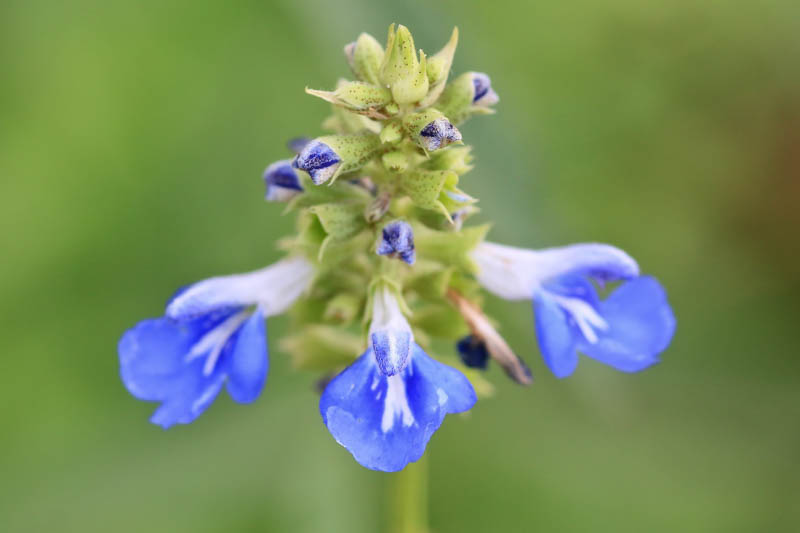
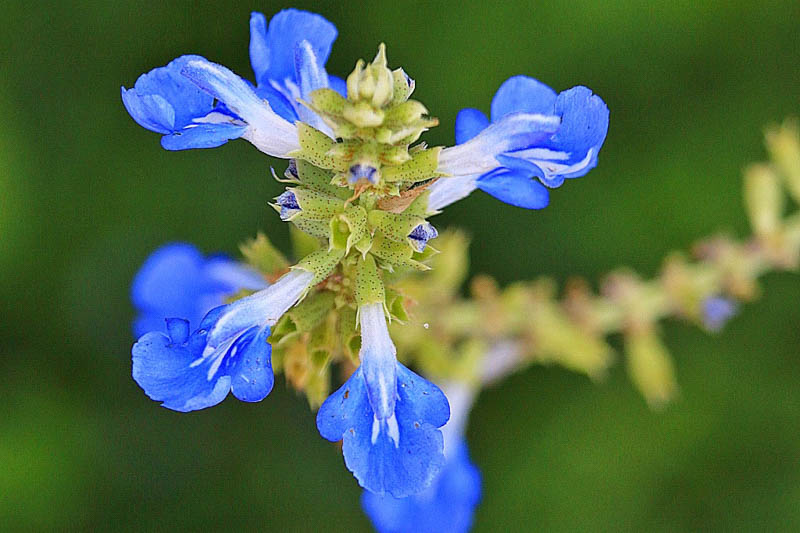
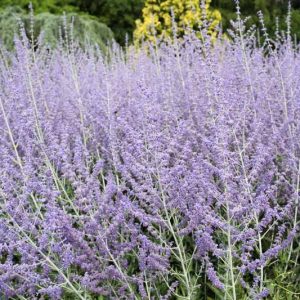
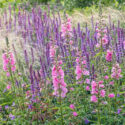
Salvia uliginosa, commonly known as Bog Sage, is one of those plants gardeners quietly fall in love with – and then wonder how they ever designed without it. Tall, slender, and wonderfully relaxed in habit, this award-winning perennial sends up graceful wands of clear sky-blue flowers that float above the border from spring through summer in warm/long-season conditions, and often starting later in cooler climates, with flowering commonly extending into fall in many gardens. The color alone is reason enough to grow it, but add its ease, vigor, and pollinator power, and Bog Sage becomes a true garden workhorse.

Despite its common name, Bog Sage is not fussy or swampy. It enjoys moisture but adapts surprisingly well to average garden conditions once established. Think of it as a naturalizer with manners: energetic, but easy to guide, and invaluable when the garden needs height, movement, and late-season blue.
Garden shorthand: If your borders fade after midsummer, Salvia uliginosa brings them back to life with tall, airy blue blooms and constant pollinator action.

Quick Facts – Salvia uliginosa (Bog Sage)

Salvia uliginosa, Bog Sage, blue salvia, late summer blue flowers, pollinator plant

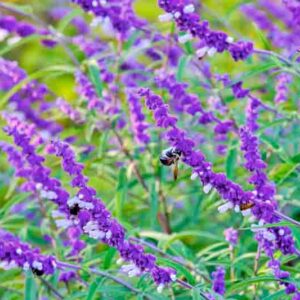
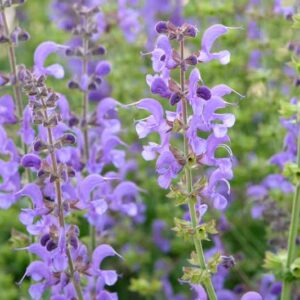
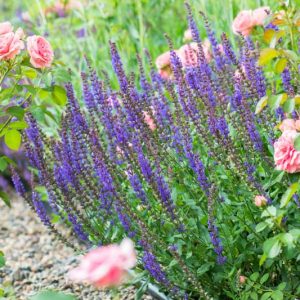
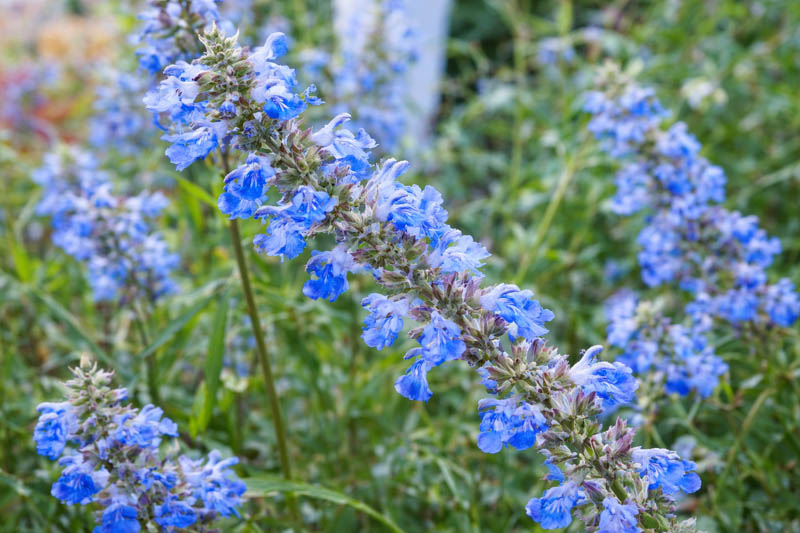
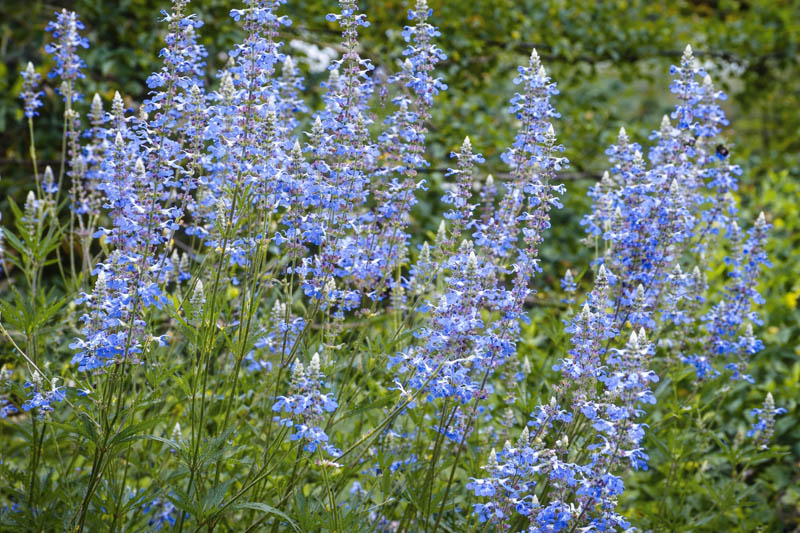
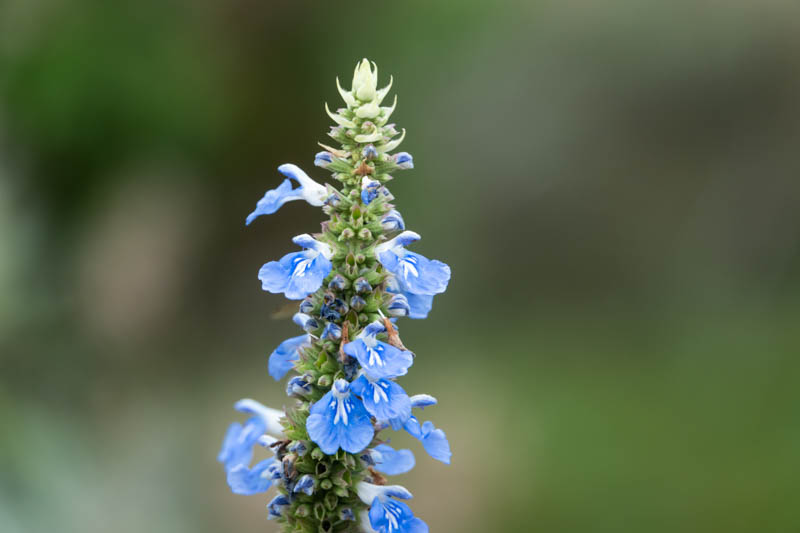
Summary: A fast-growing, upright, rhizomatous perennial with willowy stems and airy spikes of deep sky-blue flowers with white throats.
Use: Excellent for mixed borders, cottage gardens, naturalistic plantings, cutting gardens, and pollinator gardens.
Highlight: Long bloom season and “see-through” structure that adds height without heaviness.
Note: Best in full sun with humus-rich, moist, well-drained soil, but it tolerates drier conditions once established.

Botanical Name Salvia uliginosa
Family Mint family (Lamiaceae)
Common Names Bog Sage, Blue Bog Sage
Native Range Native to Brazil and Argentina.
Plant Type and Habit Herbaceous perennial; upright, clump-forming with rhizomatous spread
Hardiness (approx. USDA) Hardy in USDA Zones 6-10 (may die back in colder zones and return in spring)
Height 4-6 ft. (120-180 cm)
Spread 4-6 ft. (120-180 cm) – can spread by rhizomes
Spacing 24-36 in. (60-90 cm) for airflow and room to fill in
Sun and Exposure Best in full sun; light shade may reduce bloom and cause leaning
Soil Prefers light, moderately fertile, humus-rich, moist, well-drained soil
Seasonal Interest Blooms from spring through summer in warm/long-season conditions, and often starting later in cooler climates, with flowering commonly extending into fall in many gardens.
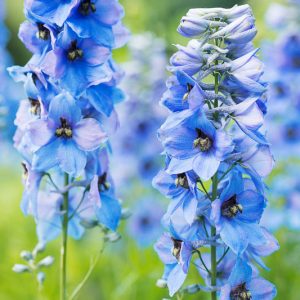
Flower Color Deep sky-blue flowers with white throats
Foliage Color Yellow-green, lance-shaped leaves; slightly sticky
Fragrance Lightly aromatic foliage when crushed
Heat Tolerant Yes (moderate water helps it thrive in heat)
Humidity Tolerant Yes (good airflow keeps foliage cleaner)
Poor Soil Tolerant Yes
Wet Soil Tolerant Tolerates poorly drained soils; best growth in moist conditions
Nectar / Pollen Yes (nectar-rich flowers)
Attracts Bees, butterflies, hummingbirds
Deer Generally deer resistant (no plant is completely deer proof)
Toxicity Ornamental plant – avoid ingestion and use standard garden caution around pets and kids
Invasive Status Not typically considered invasive; spreads by rhizomes and is easy to manage
Awards Recipient of the Award of Garden Merit (Royal Horticultural Society)
Care – Quick
  • Planting: Full sun in light, humus-rich soil; give it space to form an airy clump.
  • Water: Moderate water while establishing; then water during prolonged dry spells for best bloom.
  • Feeding: Compost in spring is usually enough; avoid heavy nitrogen.
  • Pruning: Cut back to the base if stems flop; cut down in late winter before new growth.
  • Mulching: Mulch lightly to conserve moisture; keep mulch off the crown.
  • Propagation: Basal/softwood cuttings in spring – early summer; semi-hardwood cuttings in late summer – autumn; division also works well.
  • Winter care: In colder zones, leave stems for winter interest, then cut back in late winter.
Quick promise
Salvia uliginosa produces airy sky-blue flower spikes from spring through summer, and often continues into fall, and thrives in full sun with reasonably moist, well-drained soil.
Its nectar-rich blooms reliably attract bees, butterflies, and hummingbirds to borders and pollinator plantings.

What Is Salvia uliginosa (Bog Sage)?

Description

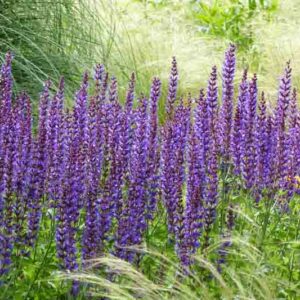
Bog Sage is prized for a specific kind of beauty: height with lightness. The stems are willowy and upright, the flower clusters are small but numerous, and the overall effect is airy rather than dense. This makes it a dream for layered planting design – it adds vertical structure without blocking the view of plants behind it.

Takeaway: Bog Sage is a “transparent” tall perennial – ideal when you want height, movement, and blue flowers without a heavy wall of foliage.

Native Information

Salvia uliginosa is native to South America, including Brazil and Argentina. In the garden, that heritage shows up as strong warm-season growth, a long flowering window, and an ability to handle both periodic moisture and short dry spells once established.

Growth Habit and Vigor

This is a rhizomatous perennial, meaning it spreads by underground stems. In good conditions it forms an airy thicket, often reaching 4-6 feet tall and wide over time. If you want a more contained clump, keep irrigation moderate and edge-spade around the plant in spring to cut wandering rhizomes. If you want a bigger drift (and you have the space), give it consistent moisture and it will happily fill in.

Flowers and Bloom Time

The flowers are a clear, almost luminous blue – one of the best blues in the perennial world. Bloom typically begins in spring in warm/long-season conditions, often starting later in cooler climates, with flowering commonly extending into fall. In warm climates, flowering can stretch longer, especially if you cut back lightly after the first big flush to encourage fresh, upright stems.

Foliage and Seasonal Interest

Leaves are narrow, lance-shaped, and yellow-green, sometimes lightly sticky. The foliage forms a soft base that keeps the plant looking natural and relaxed. Even when not in flower, the vertical stems add a gentle, meadow-like texture to the border.

Hardiness

Generally hardy in USDA Zones 6-10. In colder winters it dies back to the ground. In spring, new growth emerges from the crown and rhizomes once soils warm.

Landscape Uses

  • Beds and borders: A classic back-of-border plant for height, movement, and late-season blue.
  • Naturalistic and prairie-style plantings: Threads beautifully through grasses and informal perennials.
  • Pollinator plantings: A high-nectar favorite for long-season wildlife value.
  • Cottage and cutting gardens: Provides elegant stems for arrangements, fresh or dried.
  • Moist sites and rain-garden edges: Enjoys consistent moisture without demanding bog conditions.

Wildlife and Ecological Value

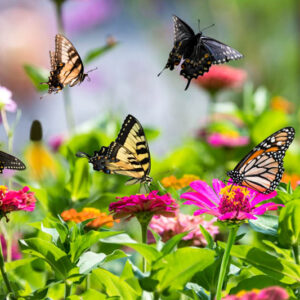
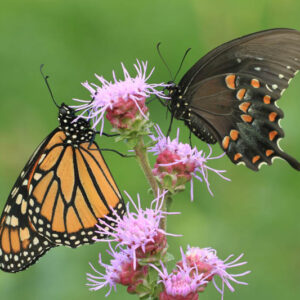
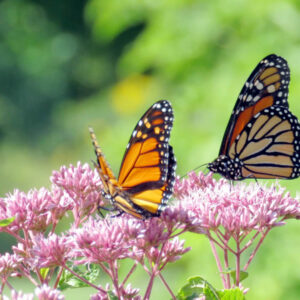
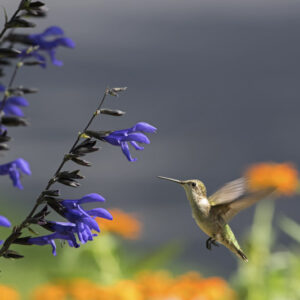
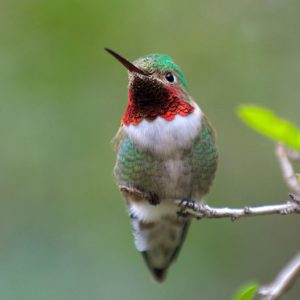
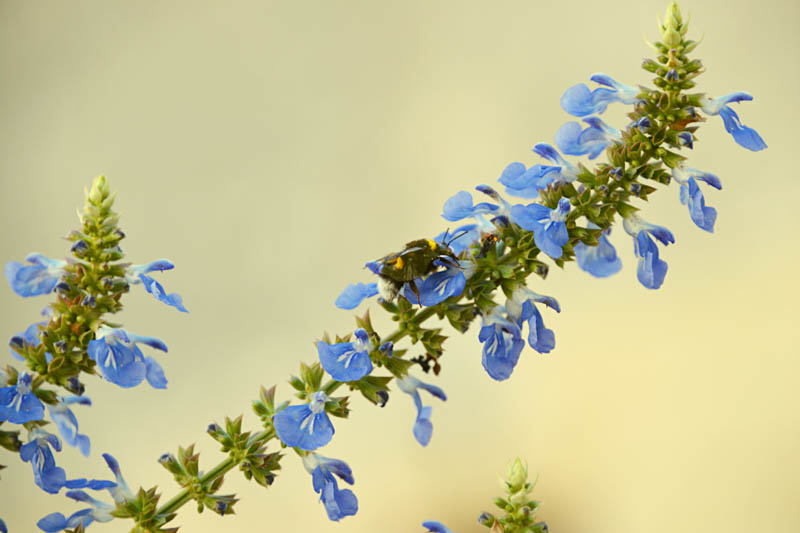
If you’re building a garden for wildlife, Bog Sage earns its space. The tubular, nectar-rich flowers support bees, butterflies, and hummingbirds, often during the late-season gap when many nectar plants slow down.

Deer Resistance

Like many salvias, Bog Sage is often avoided by deer thanks to its aromatic, textured foliage. It’s not a guarantee, but it’s a strong candidate for deer-prone landscapes. For more options, see deer resistant plant guidance.

Drought Tolerance

Once established, Salvia uliginosa tolerates drier periods better than its name suggests. That said, the best growth and bloom happen with moderate moisture. If you’re planting a low-water garden, consider pairing it with tougher companions from drought-tolerant plants lists – or use Bog Sage where it can access occasional irrigation.

Water tip: Want fewer runners – water moderately. Want a bigger drift – water more consistently. With Bog Sage, irrigation is your steering wheel.

Toxicity

Salvia uliginosa is grown as an ornamental. As a general rule, avoid ingestion and use standard garden caution around pets and children.

Invasiveness

In favorable conditions, Bog Sage can spread aggressively by rhizomes, but it is not typically considered invasive in garden settings. It’s easy to manage by digging out wandering rhizomes in spring or confining it with edging in smaller beds.
Salvia uliginosa, Bog Sage, Blue Spike Sage, Blue Salvia, Blue Sage, Blue Flowers

Growing Conditions for Salvia uliginosa

Light

  • Full sun: Strongest stems, maximum bloom, and the cleanest, most upright habit.
  • Light shade: Acceptable in hot climates, especially with morning sun – but too much shade often means fewer flowers and more leaning.

Soil

  • Drainage matters: Moist is great – waterlogged is not. If soil stays soggy, amend with compost and create slight mounds to lift the crown.
  • Humus-rich and moderately fertile: Think “garden soil improved with compost.” Overly rich, high-nitrogen soil can encourage tall, soft stems that flop.
  • Texture sweet spot: Loam is ideal, but Bog Sage is adaptable if you avoid extremes (hardpan clay or pure sand without organic matter).

Water

  • Establishment: Water regularly the first season to build a deep root system. Consistent moisture equals faster, sturdier growth.
  • After establishment: Water during prolonged dry spells for best bloom. If you’re using it as a controlled clump, reduce irrigation once it’s settled.
  • Practical rule: If the top 2-3 inches of soil are dry and the plant looks slightly less perky by afternoon, it’s time to water.

Feeding

Bog Sage does not need heavy feeding. In most gardens, a spring top-dress of compost is plenty. If growth is weak in very lean soil, use a balanced, slow-release fertilizer once in spring. Avoid frequent high-nitrogen feeding – it can produce lush foliage and fewer flowers, plus extra flop.
Mulch

  • Mulch with compost or shredded bark to conserve moisture and suppress weeds.
  • Keep mulch a few inches away from the crown to reduce rot risk.
  • In colder zones, a light winter mulch can protect crowns after the ground freezes.

Planting Tips

  • Plant in spring after frost or in early fall where winters are mild.
  • Give it space: 24-36 inches between plants supports airflow and lets the clump develop naturally.
  • Place it where it can rise behind medium-height perennials – Bog Sage is at its best when it “floats” above companions.
  • Windy site? Plant near supportive neighbors (ornamental grasses, sturdy perennials) or discreetly stake early before stems elongate.

Maintenance – Pruning – Cutback

  • Early-season shaping: When stems reach 12-18 inches, you can pinch the tips once to encourage branching (optional, but helpful for a fuller look).
  • Midseason reset for flopping: If stems lean, cut back hard (even to 8-12 inches). This often triggers fresh, sturdier regrowth and a later wave of blooms.
  • Late winter cleanup: Cut to the base before new growth starts.
  • Spread control: Edge-spade around the clump in spring and remove rhizomes that wandered outside the desired footprint.
Care tip: Treat a flop as feedback – it usually means a bit too much shade, nitrogen, or soft growth. More sun and leaner feeding typically fix it.

Propagation

  • Division: The simplest method. Divide in spring as new shoots emerge and replant divisions immediately.
  • Basal or softwood cuttings: Take in spring to early summer for fast rooting.
  • Semi-hardwood cuttings: Take in late summer to autumn with bottom heat for higher success.

Salvia uliginosa, Bog Sage, Blue Spike Sage, Blue Salvia, Blue Sage, Blue Flowers

Salvia uliginosa – Pests, Diseases, and Common Problems

Pests

Bog Sage is generally low-maintenance, but a quick weekly glance keeps it perfect. The most common issues are minor and manageable:

  • Slugs and snails: Most likely on young growth or in very damp sites. Reduce hiding spots, use iron phosphate baits if needed, and water early in the day.
  • Leafhoppers: Occasionally cause stippling or reduced vigor. Strong, healthy plants usually outgrow the damage.
  • Aphids: Sometimes show up on tender tips.
  • Spider mites: Possible during hot, dry spells.

In most cases, improved airflow, a strong rinse of water, and encouraging beneficial insects keep pest pressure low without drama.
Diseases

  • Powdery mildew: More likely in shade, crowding, or still, humid air. Give sun, space plants, and avoid overhead watering late in the day.
  • Root rot: Typically linked to poor drainage or constantly soggy soil. The real fix is drainage – amend soil, lift the crown, and avoid standing water.

Common Problems

  • Flopping or leaning: Usually caused by insufficient sun, overly rich soil, too much nitrogen, or wind exposure. Move to more sun, feed lightly, and cut back for sturdier regrowth.
  • Slow bloom: Often a sign of too much shade or drought stress during bud formation. Full sun plus moderate moisture improves flowering.
  • Over-spreading: It’s a rhizomatous plant – guide it with water management, edging, or spring division.

Salvia uliginosa, Bog Sage, Blue Spike Sage, Blue Salvia, Blue Sage, Blue Flowers

Design Ideas With Salvia uliginosa

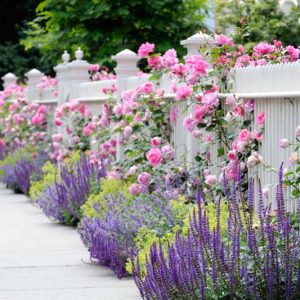
  • Use it as “blue air” in the back border: Place it behind mid-height perennials so its flowers rise like a light haze rather than a solid block.
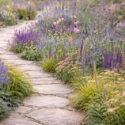
  • Pair with grasses for movement: Thread Bog Sage through ornamental grasses so blooms bob and sway in late-summer breezes.
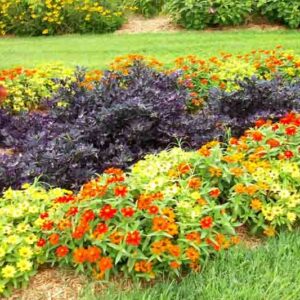
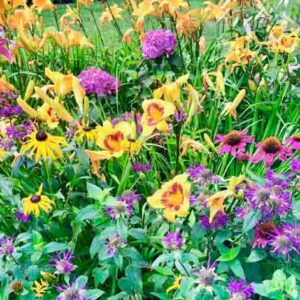
  • Cool down warm palettes: It’s outstanding behind golds, oranges, and reds, where the clear blue acts like visual relief.
  • Create rhythm with repetition: Repeat smaller clumps every 6-10 feet in long borders to stitch the design together.
  • Build a pollinator runway: Use it as a late-season nectar anchor alongside other bloomers so bees and hummingbirds have a continuous food source.
Design tip: Think of Bog Sage as punctuation, not wallpaper – it adds emphasis, height, and sparkle without visually crowding your planting.

Related Guides Featuring Salvia And Its Benefits

Frequently Asked Questions

Is Salvia uliginosa a perennial or an annual?

Salvia uliginosa is a herbaceous perennial. It is typically hardy in USDA Zones 6-10, dying back in winter in colder zones and returning in spring.

How long does Salvia uliginosa bloom?

Bog Sage typically blooms from spring through summer, and often continues into fall. Cutting back after the first flush can encourage fresh growth and extended flowering.

Does Salvia uliginosa need full sun?

Full sun produces the most flowers and the strongest, most upright stems. Light shade is tolerated, especially in hot climates, but too much shade can reduce bloom and increase flopping.

How tall and wide does Salvia uliginosa grow?

Salvia uliginosa commonly reaches 4-6 ft. tall (120-180 cm) and can spread 4-6 ft. wide over time through rhizomes. Spacing plants 24-36 in. apart improves airflow and gives the clump room to develop.

Is Salvia uliginosa deer resistant?

Bog Sage is often avoided by deer, though no plant is completely deer proof. In high-pressure areas, combine it with other aromatic selections from deer resistant plant lists.

Does Bog Sage spread?

Yes. Salvia uliginosa spreads by rhizomes and can form a wider clump over time. To restrain spread, water moderately, edge-spade around the plant in spring, or divide and reset the clump.

Updated: January 2026 – Reviewed by Gardenia Editors

Salvia: Plant Care and Growing Guide


Here are some tips on how to plant and grow salvia successfully

Requirements

Hardiness 6 - 10
Heat Zones 7 - 12
Climate Zones 6, 7, 8, 9, 14, 15, 16, 17, 18, 19, 20, 21, 22, 23, 24
Plant Type Annuals, Perennials
Plant Family Lamiaceae
Genus Salvia
Common names Sage
Exposure Full Sun
Season of Interest Spring (Late), Summer (Early, Mid, Late), Fall
Height 4' - 6' (120cm - 180cm)
Spread 4' - 6' (120cm - 180cm)
Spacing 24" - 36" (60cm - 90cm)
Maintenance Low
Water Needs Average
Soil Type Chalk, Loam, Sand
Soil pH Acid, Alkaline, Neutral
Soil Drainage Moist but Well-Drained
Characteristics Cut Flowers, Dried Arrangements, Fragrant, Plant of Merit, Showy
Tolerance Deer, Wet Soil
Attracts Bees, Butterflies, Hummingbirds
Garden Uses Beds And Borders, Rain Gardens
Garden Styles City and Courtyard, Coastal Garden, Gravel and Rock Garden, Informal and Cottage, Mediterranean Garden
How Many Plants
Do I Need?
Explore Great Plant Combination Ideas
Salvia (Sage)
Guides with
Salvia (Sage)
Not sure which Salvia (Sage) to pick?
Compare Now

Alternative Plants to Consider

Salvia guaranitica (Blue Anise Sage)
Salvia splendens ‘Van-Houttei’ (Scarlet Sage)
Salvia nemorosa ‘Blue By You’ (Sage)
Salvia microphylla (Baby Sage)
Salvia pratensis (Meadow Sage)
Salvia nemorosa ‘Perfect Profusion’ (Sage)

Recommended Companion Plants

Rudbeckia fulgida var. sullivantii ‘Goldsturm’ (Black-Eyed Susan)
Sedum ‘Herbstfreude’ (‘Autumn Joy’)
Verbena bonariensis (Purpletop Vervain)
Echinacea (Coneflower)
Solidago (Goldenrod)
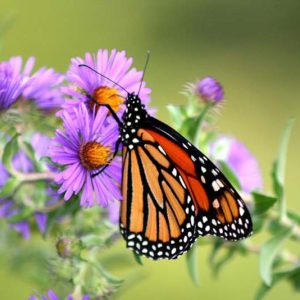
Aster novae-angliae (New England Aster)
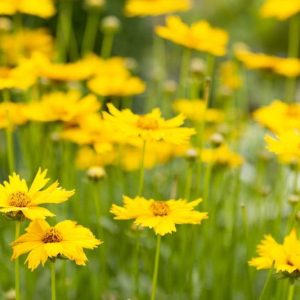
Coreopsis (Tickseed)
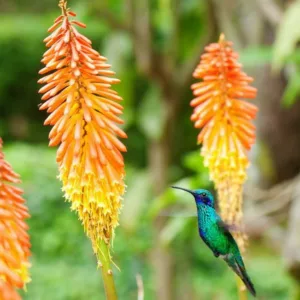
Kniphofia (Red Hot Poker)
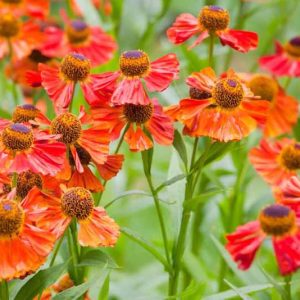
Helenium (Sneezeweed)

Find In One of Our Guides or Gardens

Annual Salvias: Heat-Loving Color That Blooms All Season
Best Full Sun Perennials for Zone 8: Top Heat-Tolerant Garden Winners
Best Full Sun Shrubs for Zone 8: Heat-Loving Shrubs That Thrive in Sunshine
Top Zone 6 Full Sun Perennials – Color That Thrives in Heat & Cold
Top Zone 7 Full Sun Perennials for Long Bloom, Color & Pollinators
Native Garden Ideas – Best Native Plants for a Beautiful Yard
Mediterranean Gardens: Low-Water Design, Plants & Ideas
Drought Tolerant Gardens – The Ultimate Water-Wise Guide
Pollinator Gardens: Plants, Designs & Care Guide
Why Rosemary is Perfect for Gardens and Pots
Grow These 20 Herbs Indoors for Freshness All Year
Salvia: Discover the Top Benefits of Growing Sage in Your Garden
Salvia Varieties for a Stunning, Water-Wise Garden
Salvia nemorosa (Woodland Sage)
What is Salvia? Understanding Its Role in Gardening and Beyond
Top 70 Summer Flowers to Brighten Your Garden and Home
50 Best Fall Flowers to Color Your Autumn Garden
Desert Shrubs: Essential Plants for Dry Gardens
Desert Flowers: Bringing Color to Dry Gardens
50 Fall Wildflowers: Top Picks for a Vibrant Autumn Garden
50 Summer Wildflowers: Bright Blooms for Your Garden
50 Wildflowers that Thrive in Sun
50 Blue Wildflowers for Every Garden
50 Pink Wildflowers for Every Garden
50 Purple Wildflower to Brighten Your Garden
50 California Wildflowers: From Desert Blooms to Coastal Gems
50 Texas Wildflowers to Brighten Your Garden
Top 50 Most Beautiful Flowers Worldwide
Stunning Blue Flowers to Enhance Your Garden’s Beauty
Add a Splash of Color: Perfect Flowering Shrubs for Small Gardens
42 Best Perennial Flowers and Plants to Brighten Your Garden Every Season
30 Best Spring Flowers Every Gardener Should Grow
How to Create an Enchanting Butterfly Garden
For the Love of Butterflies: Best Flowers to Attract them to Your Garden
6 Reasons You Should Create a Butterfly Garden
Salvia (Sage)
Best Annual Flowers and Plants to Spruce up Your Garden
Hummingbird
18 Best Plants That Repel Mosquitoes
Rosemary: Learn How To Plant, Grow and Harvest
Salvia yangii (Russian Sage)
Best Annual Flowers and Plants for Full Sun
Wonderful Plants That Repel Insects
Companion Planting With Herbs
Great Rose Companion Plants: Nepeta, Salvia and Lavandula
Best and Worst Companion Plants for Rosemary
Hardy Perennial Salvias (Sage)
Salvia guaranitica (Blue Anise Sage)
Plants with Purple Flowers to Add Charm to Your Garden
Salvia: Plant Care and Growing Guide
Best Flowers to Attract Hummingbirds
While every effort has been made to describe these plants accurately, please keep in mind that height, bloom time, and color may differ in various climates. The description of these plants has been written based on numerous outside resources.
Buy Plants

Requirements

Hardiness 6 - 10
Heat Zones 7 - 12
Climate Zones 6, 7, 8, 9, 14, 15, 16, 17, 18, 19, 20, 21, 22, 23, 24
Plant Type Annuals, Perennials
Plant Family Lamiaceae
Genus Salvia
Common names Sage
Exposure Full Sun
Season of Interest Spring (Late), Summer (Early, Mid, Late), Fall
Height 4' - 6' (120cm - 180cm)
Spread 4' - 6' (120cm - 180cm)
Spacing 24" - 36" (60cm - 90cm)
Maintenance Low
Water Needs Average
Soil Type Chalk, Loam, Sand
Soil pH Acid, Alkaline, Neutral
Soil Drainage Moist but Well-Drained
Characteristics Cut Flowers, Dried Arrangements, Fragrant, Plant of Merit, Showy
Tolerance Deer, Wet Soil
Attracts Bees, Butterflies, Hummingbirds
Garden Uses Beds And Borders, Rain Gardens
Garden Styles City and Courtyard, Coastal Garden, Gravel and Rock Garden, Informal and Cottage, Mediterranean Garden
How Many Plants
Do I Need?
Explore Great Plant Combination Ideas
Salvia (Sage)
Guides with
Salvia (Sage)
Not sure which Salvia (Sage) to pick?
Compare Now

Gardening Ideas

Plant Calculator

How many Salvia uliginosa (Bog Sage) do I need for my garden?

Input your garden space dimensions

Your Shopping List

Plant Quantity
Salvia uliginosa (Bog Sage) N/A Buy Plants

Please Login to Proceed

You Have Reached The Free Limit, Please Subscribe to Proceed

Subscribe to Gardenia

To create additional collections, you must be a paid member of Gardenia
  • Add as many plants as you wish
  • Create and save up to 25 garden collections
Become a Member

Plant Added Successfully

Your garden is taking shape. Unlock full planning.

You’ve reached the free limit. Upgrade for $25/year to add as many plants as you wish and save up to 25 garden collections. Unlock Annual Membership

Update Your Credit
Card Information

Cancel

Create a New Collection

Sign Up to Our Newsletter

    You have been subscribed successfully

    Join Gardenia.net

    Create a membership account to save your garden designs and to view them on any device.

    Becoming a contributing member of Gardenia is easy and can be done in just a few minutes. If you provide us with your name, email address and the payment of a modest $25 annual membership fee, you will become a full member, enabling you to design and save up to 25 of your garden design ideas.

    Join now and start creating your dream garden!

    Join Gardenia.net

    Create a membership account to save your garden designs and to view them on any device.

    Becoming a contributing member of Gardenia is easy and can be done in just a few minutes. If you provide us with your name, email address and the payment of a modest $25 annual membership fee, you will become a full member, enabling you to design and save up to 25 of your garden design ideas.

    Join now and start creating your dream garden!
    Find your Hardiness Zone

    Find your Heat Zone

    Find your Climate Zone