Create Your Garden

Salvia horminum ‘Pink Sunday’ (Annual Sage)

Painted sage, Annual clary, Clary sage, Annual clary sage, Pink Sunday clary sage, Pink Sunday painted sage, salvia viridis ‘Pink Sunday’, salvia horminum ‘Pink Sunday’
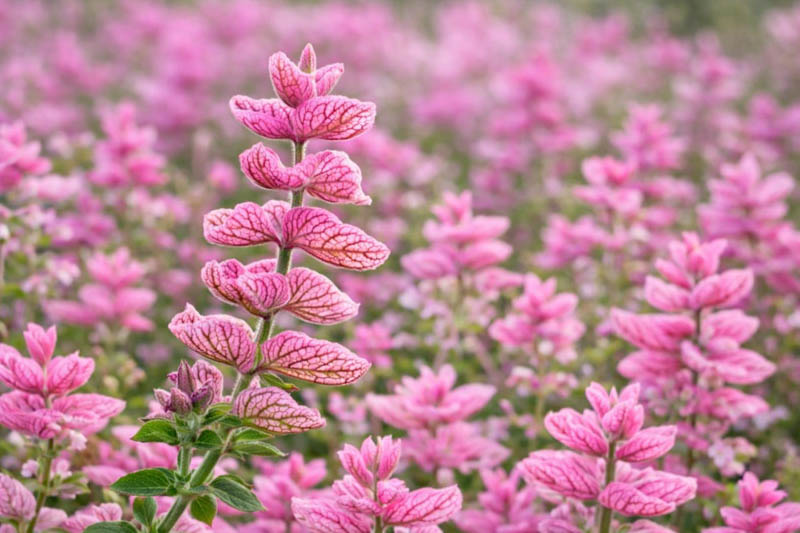
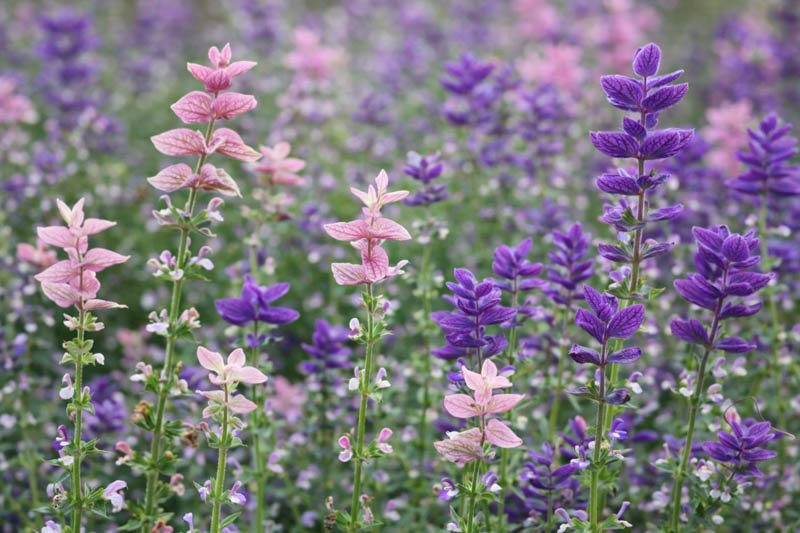
Salvia Horminum 'Pink Sunday', Annual Sage ''Pink Sunday' , Salvia Viridis 'Pink Sunday', Annual Clary 'Pink Sunday'
Salvia viridis, Salvia horminum, Annual Sage, Annual Clary, Painted salvia
Salvia Horminum 'Pink Sunday', Annual Sage ''Pink Sunday' , Salvia Viridis 'Pink Sunday', Annual Clary 'Pink Sunday'

Salvia horminum ‘Pink Sunday’ (Annual Sage, Painted Sage) – Carmine-Pink Bracts, Summer-Into-Fall Color, And An Easy, Cut-Flower Friendly Annual For Sunny Beds And Containers

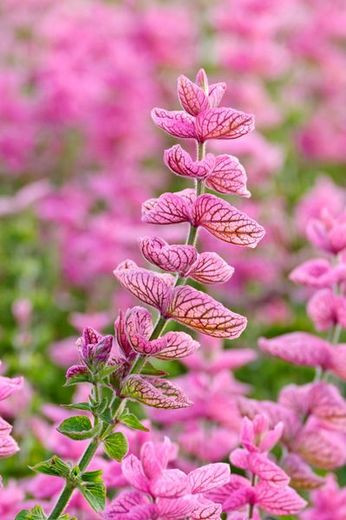
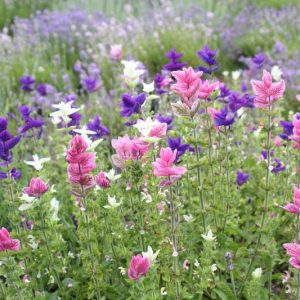
Salvia horminum ‘Pink Sunday’ is the kind of annual that makes you look like you planned your garden on purpose. From summer (and often continuing into fall), it stacks itself with bold, petal-like carmine-pink bracts that hold their color for weeks. The true flowers are small and tucked inside, but the bracts are the “wow” layer – richly veined, papery, and surprisingly long-lasting.

If you want hot-weather color that is easy to grow, looks great in photos, and doubles as a fresh or dried cut flower, this annual sage delivers. ‘Pink Sunday’ grows in multi-branched clumps, adds a clean vertical accent to mixed beds, and brings steady garden traffic from pollinators – especially bees and butterflies, and often hummingbirds too. Give it sun, well-drained soil, and a reasonable watering rhythm while it settles in, and it rewards you with a long season of rosy color that reads from across the garden.
Garden shorthand: Want vivid pink “flowers” that last and last? Salvia horminum ‘Pink Sunday’ brings carmine bracts, tidy branching, and cut-flower power to sunny borders and containers.
Takeaway: Salvia horminum ‘Pink Sunday’ is a painted sage grown for long-lasting, carmine-pink bracts from summer into fall, forming a branched, upright clump that shines in sunny beds, containers, and bouquets.

Quick Facts – Salvia horminum ‘Pink Sunday’ (Annual Sage, Painted Sage)

Salvia horminum 'Pink Sunday', annual sage, painted sage, carmine pink bracts, summer into fall blooming annual, cut flower

Summary: Showy annual sage grown for its carmine-pink bracts that color up in summer and often hold well into fall. Forms a bushy, branched clump that adds vertical structure and easy “pink impact” to mixed plantings.
Use: Excellent for beds, borders, mass plantings, containers, and cutting gardens.
Highlight: Long-lasting bracts + strong branching – looks great in the garden and in a vase (fresh or dried).
Note: Best in full sun and soil with good drainage. Often ignored by deer and rabbits.

Botanical Name Salvia horminum ‘Pink Sunday’ (often sold as Salvia viridis)
Family Mint family (Lamiaceae)
Common Names Annual Sage, Painted Sage, Horminum Sage, (often called) Clary Sage
Native Range Mediterranean region (species origin)
Plant Type and Habit Annual with an upright, bushy, strongly branched habit; grown for colorful bracts
Hardiness (approx. USDA) Tender annual (often grown as a reseeding annual in mild climates)
Height 12-24 in. (30-60 cm), often up to 2 ft. (60 cm)
Spread 10-12 in. (25-30 cm), about 1 ft. (30 cm) is typical
Spacing 9-12 in. (23-30 cm)
Sun and Exposure Best in full sun; tolerates light shade
Soil Prefers humus-rich, well-drained soil; adapts to average soils if drainage is good
Seasonal Interest Showy bracts and bloom display in summer, often continuing into fall
Flower – Bract Color Rich carmine-pink bracts (true flowers are small and secondary)
Foliage Color Mid-green, slightly hairy leaves with a mild sage-like fragrance when brushed
Fragrance Aromatic foliage (lightly fragrant)
Drought Tolerant Yes (once established; prefers deep, spaced watering)
Heat Tolerant Yes (handles summer heat well; best in full sun with good drainage)
Humidity Tolerant Moderate (does well with sun + airflow; avoid wet foliage and crowded spacing)
Attracts Bees, butterflies, hummingbirds
Deer and Rabbits Often ignored by deer and rabbits
Toxicity Primarily ornamental; avoid ingestion and use standard garden caution
Invasive Status Not typically considered invasive in gardens
Care – Quick
  • Planting: Plant after frost in sun to light shade; give it room to branch and show off bracts.
  • Water: Water regularly early on, then switch to deep, spaced watering. Avoid soggy soil.
  • Feeding: Light feeding is plenty. Too much fertilizer can mean more leaves, fewer bracts.
  • Pruning – Deadheading: Deadhead to encourage fresh spikes, or leave a few to set seed for self-sowing.
  • Mulching: Mulch lightly to reduce weeds; keep the crown airy and dry.
  • Propagation: Grown from seed. Start indoors or direct sow after frost.
Quick promise
Salvia horminum ‘Pink Sunday’ delivers carmine-pink bracts in summer and often carries the display into fall – a neat, branched annual that shines in sunny borders, containers, and cut-flower arrangements.

What Is Salvia horminum ‘Pink Sunday’?

Description

Salvia horminum ‘Pink Sunday’ (often listed as Salvia viridis) is an annual sage grown for its showy, long-lasting pink bracts. Think of bracts as colorful “flags” that look like petals but last far longer than most annual blooms. In ‘Pink Sunday’, those bracts are a warm carmine to rosy pink with noticeable veining, stacked in neat whorls along upright stems. The overall look is crisp, vertical, and very “garden designer friendly,” whether your style is cottage, Mediterranean, or modern.

Note: The real flowers are small. The bracts are the star – rosy, papery, and impressively long-lived.

Why Gardeners Choose ‘Pink Sunday’

Because it checks a lot of summer-garden boxes without acting high-maintenance:

  • Reliable color in heat: It keeps its look through warm weather instead of fading fast.
  • Vertical accent without bulk: It adds height and structure, but still fits neatly in mixed plantings.
  • Easy styling in pink: Carmine-pink can read romantic, modern, or playful depending on what you pair it with.
  • Cut and dried arrangements: Those bracts are made for bouquets, especially dried ones that hold color.
Design shortcut: When a border feels “flat,” add a few upright bract spikes. ‘Pink Sunday’ gives instant height, rhythm, and a rosy focal note.

Flowers and Bloom Time

‘Pink Sunday’ shows its best color from summer to fall. In the garden it reads as a long run of pink flower spikes, but up close you will see the secret: the bracts do the visual heavy lifting. Because bracts hold their color well, the plant looks “in bloom” for a long stretch, especially with a bit of deadheading and plenty of sun.

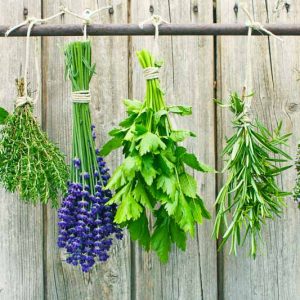
Cut-flower bonus: Harvest stems when bracts are fully colored. Hang small bundles upside down in a dry, airy place, and you will have rosy dried spikes that last for months.

Foliage and Habit

This annual sage grows in a bushy, multi-branched clump, typically reaching about 12-24 inches tall (often near 2 ft in good conditions) and about 10-12 inches wide. Leaves are mid-green, slightly hairy, and lightly aromatic when brushed. The branching is part of the charm: instead of one skinny stem, you get multiple upright stems that look full and intentional.

Seasonality and Reseeding Notes

‘Pink Sunday’ is usually grown as a warm-season annual. In mild climates or in the right spot, it may self-sow modestly. If you like that natural, meadow-ish effect, leave a few spikes to set seed near the end of the season. If you prefer strict control, deadhead more consistently and remove spent stems before seed drops.

Landscape Uses

  • Beds and borders: Adds an upright pink punctuation mark among mounding annuals.
  • Containers: A natural “thriller” plant – vertical, tidy, and colorful for a long stretch.
  • Cutting garden: Bracts last fresh and dry beautifully for arrangements.
  • Mass planting: Plant in drifts for a bold pink wave that looks professionally designed.

Wildlife and Ecological Value

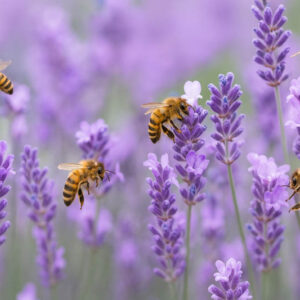
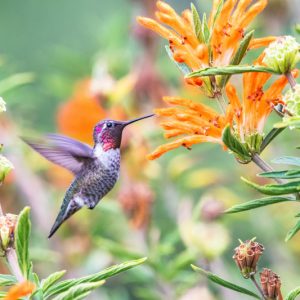
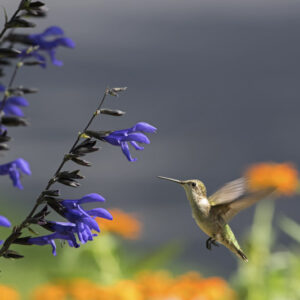
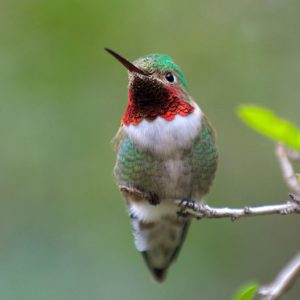
Like many salvias, ‘Pink Sunday’ is a magnet for garden activity. Expect visits from pollinators – especially bees and butterflies, and often hummingbirds too. Plant it where those vertical spikes are easy to spot, and your late-summer garden usually feels more alive.

Deer and Rabbits

Many gardeners report that it tends to be ignored by rabbits and is often considered deer-resistant. Aromatic foliage and slightly fuzzy leaves can make it less appealing. Still, if you garden in a high-pressure browsing zone, protect young plants until they establish and start pushing tougher growth.

Toxicity

This plant is primarily ornamental. Avoid ingestion and use standard garden caution around pets and children.

Invasiveness

‘Pink Sunday’ is generally well-behaved in gardens and not commonly considered invasive. If it self-sows, it is usually easy to edit by pulling seedlings where you do not want them.
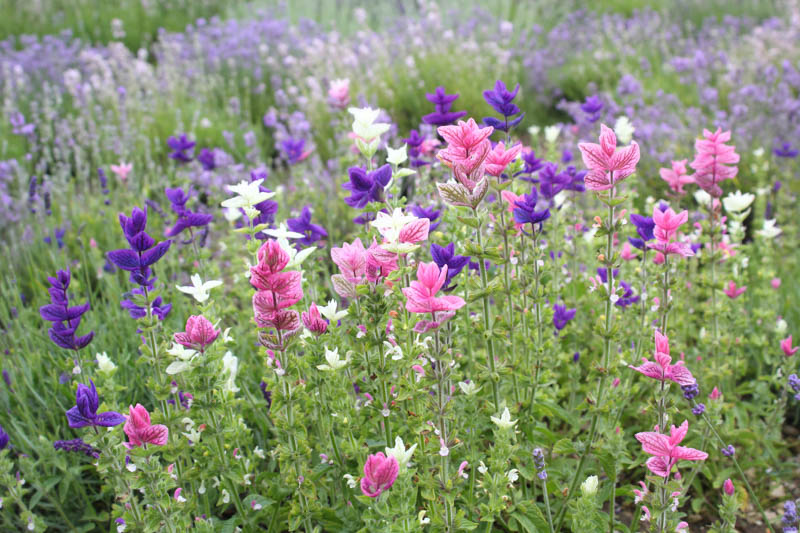
Salvia viridis, Salvia horminum, Annual Sage, Annual Clary, Painted salvia

Growing Conditions for Salvia horminum ‘Pink Sunday’

Light

  • Full sun: Best color, stronger stems, and the fullest branching.
  • Light shade: Tolerated, especially in very hot climates, but bract color and density may be slightly reduced.

Soil

  • Well-drained soil is essential: This is the fastest route to a healthy plant that keeps looking good.
  • Humus-rich is a bonus: Compost-amended soil helps with steady growth, especially in containers.
  • Heavy soil tip: If your soil holds water, mound the planting area, amend with grit, or use raised beds.
Drainage rule: ‘Pink Sunday’ loves sun and steady care, but it hates wet feet. If the soil stays soggy, the plant struggles no matter how much you cheer it on.

Water

  • After planting: Water consistently for the first few weeks so roots settle in.
  • Once established: Water deeply, then let the top layer dry slightly. Avoid frequent shallow watering.
  • Containers: Check moisture more often in heat. Pots dry faster, especially in full sun.

Feeding

A little goes a long way. Mix compost into beds or use a gentle, balanced feed in containers. Skip heavy nitrogen. The goal is a sturdy, blooming plant, not a leafy green blob.

Mulch

  • Use a light mulch to reduce weeds and keep moisture more consistent.
  • Keep mulch away from the crown so stems stay dry and airy.

Planting Tips

  • Timing: Plant after the last frost. This is a warm-season annual that appreciates settled weather.
  • Spacing: Space about 9-12 inches (23-30 cm) apart for airflow and branching.
  • Design placement: Put it where you want vertical rhythm – along a path, behind low mounds, or repeated through a border.

Maintenance – Pruning – Deadheading

  • Low maintenance by nature: It is easy to grow and does not demand constant grooming.
  • Deadheading: Deadhead to encourage fresh spikes and a tidier look.
  • Self-seeding option: Leave a few late spikes to set seed if you want volunteer seedlings next season.
Care tip: For the longest season of pink, treat deadheading like a quick weekly reset – snip a few spent stems and the plant keeps producing.

Propagation

  • Seed starting indoors: Start seeds indoors about 10 weeks before your last spring frost date for earlier color.
  • Direct sow: Sow outdoors after frost in prepared soil and keep lightly moist until germination.
Seed-starting micro-tip: Press seeds onto the surface and keep them evenly moist. Many growers find light helps germination, so do not bury them deeply.

Salvia horminum ‘Pink Sunday’: Pests, Diseases, and Common Problems

Pests

This annual sage is generally pest-free. In most sunny, well-drained garden settings, pests are rarely a major issue.

  • Aphids: Can appear occasionally on soft new growth, especially if plants are stressed.
  • Spider mites: May show up in hot, very dry conditions; look for fine webbing and speckling.
  • Whiteflies: More likely in sheltered or container situations than in open beds.
Fast diagnostic tip: Sticky residue suggests aphids. Fine webbing plus speckled leaves points to spider mites.

Diseases

This sage can be susceptible to a few diseases, especially when conditions are damp, crowded, or poorly drained. The good news: prevention is mostly about sun, spacing, and well-drained soil.
  • Powdery mildew: More likely with shade or still air; increase sun and airflow.
  • Foot and root rots: Almost always linked to wet soil; fix drainage first.
  • Leaf spot: Can occur in prolonged wet weather; avoid overhead watering and remove affected leaves.
Prevention that actually works: Sun + spacing + well-drained soil. Nail those three, and ‘Pink Sunday’ stays impressively low-fuss.

Common Problems

  • Shorter color show: Usually not enough sun or skipped deadheading. Increase light and snip spent spikes.
  • Floppy stems: Often caused by low light, crowding, or overly rich conditions. Prioritize sun and avoid heavy feeding.
  • Yellowing lower leaves: Often inconsistent watering or poor drainage. Adjust watering rhythm and improve drainage.
  • Slow start: Cool early weather can stall growth; once warmth arrives, it typically takes off.

Salvia viridis, Salvia horminum, Annual Sage, Annual Clary, Painted salvia

Design Ideas With Salvia horminum ‘Pink Sunday’

  • Vertical accent in mixed borders: Place ‘Pink Sunday’ behind low, mounding plants like alyssum, dwarf zinnias, or calibrachoa so its rosy spikes rise cleanly above softer forms.
  • Container “thriller” plant: Use one plant as the upright focal point in a large pot, then pair it with trailers such as verbena, trailing lobelia, or bacopa and a mounding filler like petunias or geraniums.
  • Romantic cottage drift: Plant in small groups and weave through airy companions like cosmos, gaura, or ammi for that effortless, just-picked look.
  • Modern pink contrast: Pair the pink bracts with silver foliage (dusty miller, artemisia) or deep purple leaves (coleus, sweet potato vine) for a sharper, contemporary palette.
  • Cutting garden companion: Grow alongside cosmos, snapdragons, gomphrena, and amaranth so you can harvest coordinated stems with complementary heights and textures.
  • Texture play: Contrast the crisp, papery bracts with airy plants or ornamental grasses like Stipa or Pennisetum for movement and lightness.
Design tip: Plant ‘Pink Sunday’ in small drifts of 3-7 plants. One plant reads as an accent, but a drift creates a bold, intentional band of pink that visually ties a planting together.

Easy pairing formulas:

  • Pink + white: ‘Pink Sunday’ + white cosmos + airy ornamental grass
  • Pink + purple: ‘Pink Sunday’ + verbena + dark-leaf coleus
  • Pink + yellow: ‘Pink Sunday’ + coreopsis + fine-textured grass
  • Pink + silver: ‘Pink Sunday’ + dusty miller + lavender

For sun-loving, water-wise companion ideas and planting inspiration, these guides can help:

Popular Cultivars of Salvia viridis (syn. Salvia horminum)

  • Blue – Intense deep blue bracts, strongly branched habit, excellent cut and dried flower.
  • Blue Monday – Similar bold blue bracts; great in mass plantings and mixed borders.
  • Pink Sunday – Warm rosy-pink bracts for a softer, romantic palette and long-lasting cut flowers.
  • White Swan – Clean white bracts that brighten plantings and pair with everything.
 

Frequently Asked Questions

When does Salvia horminum ‘Pink Sunday’ bloom?

Salvia horminum ‘Pink Sunday’ shows its best color from summer to fall. The small true flowers are secondary, while the carmine-pink bracts provide the long-lasting display.

Does Salvia horminum ‘Pink Sunday’ need full sun?

Full sun produces the strongest stems, best branching, and the richest bract color. Light shade is tolerated, but bract color intensity and density may be reduced.

How tall and wide does Salvia horminum ‘Pink Sunday’ grow?

It typically grows about 12-24 inches tall (30-60 cm) and about 10-12 inches wide (25-30 cm), forming a bushy, multi-branched clump with upright spikes.

Is Salvia horminum ‘Pink Sunday’ deer resistant?

It is often ignored by deer and rabbits, especially once established, but no plant is completely deer-proof when browsing pressure is high.

Can I grow Salvia horminum ‘Pink Sunday’ from seed?

Yes. Start seeds indoors about 10 weeks before the last frost for earlier color, or direct sow outdoors after frost. Deadhead for more spikes, or let a few stems set seed if you want self-sowing.

Updated: January 2026 • Reviewed by Gardenia Editors

Salvia: Plant Care and Growing Guide


Here are some tips on how to plant and grow salvia successfully

Requirements

Hardiness 3 - 11
Heat Zones 1 - 12
Plant Type Annuals
Plant Family Lamiaceae
Genus Salvia
Common names Sage
Exposure Full Sun, Partial Sun
Season of Interest Summer (Early, Mid, Late), Fall
Height 1' - 2' (30cm - 60cm)
Spread 10" - 1' (25cm - 30cm)
Spacing 9" - 12" (23cm - 30cm)
Maintenance Low
Water Needs Average
Soil Type Chalk, Loam, Sand
Soil pH Acid, Alkaline, Neutral
Soil Drainage Well-Drained
Characteristics Dried Arrangements, Cut Flowers, Fragrant, Showy
Tolerance Deer, Drought
Attracts Bees, Butterflies, Hummingbirds
Garden Uses Beds And Borders, Patio And Containers
Garden Styles City and Courtyard, Coastal Garden, Informal and Cottage, Mediterranean Garden
How Many Plants
Do I Need?
Explore Great Plant Combination Ideas
Salvia (Sage)
Guides with
Salvia (Sage)
Not sure which Salvia (Sage) to pick?
Compare Now

Alternative Plants to Consider

Salvia guaranitica (Blue Anise Sage)
Salvia splendens ‘Van-Houttei’ (Scarlet Sage)
Salvia nemorosa ‘Blue By You’ (Sage)
Salvia microphylla (Baby Sage)
Salvia pratensis (Meadow Sage)
Salvia nemorosa ‘Perfect Profusion’ (Sage)

Recommended Companion Plants

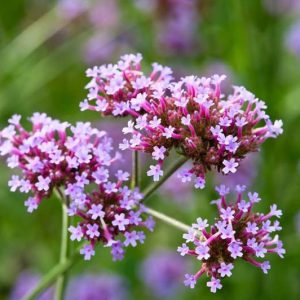
Verbena bonariensis (Purpletop Vervain)
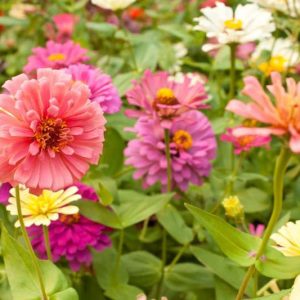
Zinnia elegans (Zinnia)
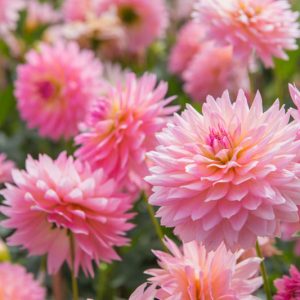
Dahlia
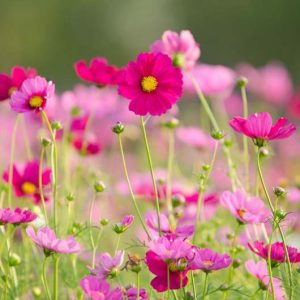
Cosmos Flowers
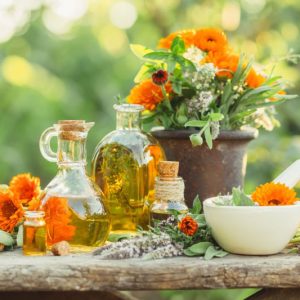
Calendula (Pot Marigold)
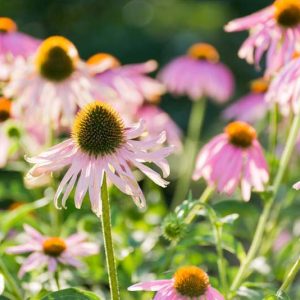
Echinacea (Coneflower)
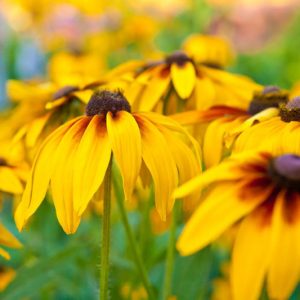
Rudbeckia hirta (Black-Eyed Susan)
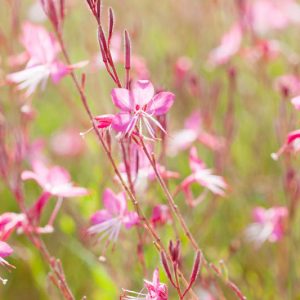
Gaura (Bee Blossom)
Lavandula angustifolia (English Lavender)

Find In One of Our Guides or Gardens

Annual Salvias: Heat-Loving Color That Blooms All Season
Best Full Sun Perennials for Zone 8: Top Heat-Tolerant Garden Winners
Best Full Sun Shrubs for Zone 8: Heat-Loving Shrubs That Thrive in Sunshine
Top Zone 6 Full Sun Perennials – Color That Thrives in Heat & Cold
Top Zone 7 Full Sun Perennials for Long Bloom, Color & Pollinators
Native Garden Ideas – Best Native Plants for a Beautiful Yard
Mediterranean Gardens: Low-Water Design, Plants & Ideas
Drought Tolerant Gardens – The Ultimate Water-Wise Guide
Pollinator Gardens: Plants, Designs & Care Guide
Why Rosemary is Perfect for Gardens and Pots
Grow These 20 Herbs Indoors for Freshness All Year
Salvia: Discover the Top Benefits of Growing Sage in Your Garden
Salvia Varieties for a Stunning, Water-Wise Garden
Salvia nemorosa (Woodland Sage)
What is Salvia? Understanding Its Role in Gardening and Beyond
Top 70 Summer Flowers to Brighten Your Garden and Home
50 Best Fall Flowers to Color Your Autumn Garden
Desert Shrubs: Essential Plants for Dry Gardens
Desert Flowers: Bringing Color to Dry Gardens
50 Fall Wildflowers: Top Picks for a Vibrant Autumn Garden
50 Summer Wildflowers: Bright Blooms for Your Garden
50 Wildflowers that Thrive in Sun
50 Blue Wildflowers for Every Garden
50 Pink Wildflowers for Every Garden
50 Purple Wildflower to Brighten Your Garden
50 California Wildflowers: From Desert Blooms to Coastal Gems
50 Texas Wildflowers to Brighten Your Garden
Top 50 Most Beautiful Flowers Worldwide
Stunning Blue Flowers to Enhance Your Garden’s Beauty
Add a Splash of Color: Perfect Flowering Shrubs for Small Gardens
42 Best Perennial Flowers and Plants to Brighten Your Garden Every Season
30 Best Spring Flowers Every Gardener Should Grow
How to Create an Enchanting Butterfly Garden
For the Love of Butterflies: Best Flowers to Attract them to Your Garden
6 Reasons You Should Create a Butterfly Garden
Salvia (Sage)
Best Annual Flowers and Plants to Spruce up Your Garden
Hummingbird
18 Best Plants That Repel Mosquitoes
Rosemary: Learn How To Plant, Grow and Harvest
Salvia yangii (Russian Sage)
Best Annual Flowers and Plants for Full Sun
Wonderful Plants That Repel Insects
Companion Planting With Herbs
Great Rose Companion Plants: Nepeta, Salvia and Lavandula
Best and Worst Companion Plants for Rosemary
Hardy Perennial Salvias (Sage)
Salvia guaranitica (Blue Anise Sage)
Plants with Purple Flowers to Add Charm to Your Garden
Salvia: Plant Care and Growing Guide
Best Flowers to Attract Hummingbirds
While every effort has been made to describe these plants accurately, please keep in mind that height, bloom time, and color may differ in various climates. The description of these plants has been written based on numerous outside resources.
Buy Plants

Requirements

Hardiness 3 - 11
Heat Zones 1 - 12
Plant Type Annuals
Plant Family Lamiaceae
Genus Salvia
Common names Sage
Exposure Full Sun, Partial Sun
Season of Interest Summer (Early, Mid, Late), Fall
Height 1' - 2' (30cm - 60cm)
Spread 10" - 1' (25cm - 30cm)
Spacing 9" - 12" (23cm - 30cm)
Maintenance Low
Water Needs Average
Soil Type Chalk, Loam, Sand
Soil pH Acid, Alkaline, Neutral
Soil Drainage Well-Drained
Characteristics Dried Arrangements, Cut Flowers, Fragrant, Showy
Tolerance Deer, Drought
Attracts Bees, Butterflies, Hummingbirds
Garden Uses Beds And Borders, Patio And Containers
Garden Styles City and Courtyard, Coastal Garden, Informal and Cottage, Mediterranean Garden
How Many Plants
Do I Need?
Explore Great Plant Combination Ideas
Salvia (Sage)
Guides with
Salvia (Sage)
Not sure which Salvia (Sage) to pick?
Compare Now

Gardening Ideas

Plant Calculator

How many Salvia horminum ‘Pink Sunday’ (Annual Sage) do I need for my garden?

Input your garden space dimensions

Your Shopping List

Plant Quantity
Salvia horminum ‘Pink Sunday’ (Annual Sage) N/A Buy Plants

Please Login to Proceed

You Have Reached The Free Limit, Please Subscribe to Proceed

Subscribe to Gardenia

To create additional collections, you must be a paid member of Gardenia
  • Add as many plants as you wish
  • Create and save up to 25 garden collections
Become a Member

Plant Added Successfully

Your garden is taking shape. Unlock full planning.

You’ve reached the free limit. Upgrade for $25/year to add as many plants as you wish and save up to 25 garden collections. Unlock Annual Membership

Update Your Credit
Card Information

Cancel

Create a New Collection

Sign Up to Our Newsletter

    You have been subscribed successfully

    Join Gardenia.net

    Create a membership account to save your garden designs and to view them on any device.

    Becoming a contributing member of Gardenia is easy and can be done in just a few minutes. If you provide us with your name, email address and the payment of a modest $25 annual membership fee, you will become a full member, enabling you to design and save up to 25 of your garden design ideas.

    Join now and start creating your dream garden!

    Join Gardenia.net

    Create a membership account to save your garden designs and to view them on any device.

    Becoming a contributing member of Gardenia is easy and can be done in just a few minutes. If you provide us with your name, email address and the payment of a modest $25 annual membership fee, you will become a full member, enabling you to design and save up to 25 of your garden design ideas.

    Join now and start creating your dream garden!
    Find your Hardiness Zone

    Find your Heat Zone

    Find your Climate Zone