Create Your Garden

Salvia ‘Amistad’ (Friendship Sage)

Friendship Sage, Amistad Sage, Amistad Salvia, salvia guaranitica ‘Amistad’, Salvia ‘Amistad’

AGM Award
Salvia Amistad, Amistad Sage, Purple Salvia, Purple Sage

Salvia ‘Amistad’ (Friendship Sage) – Royal Purple Flowers, Hummingbird Magnet Blooms From Summer To Frost, And A Bold, Easy Statement Plant For Sunny Borders And Containers

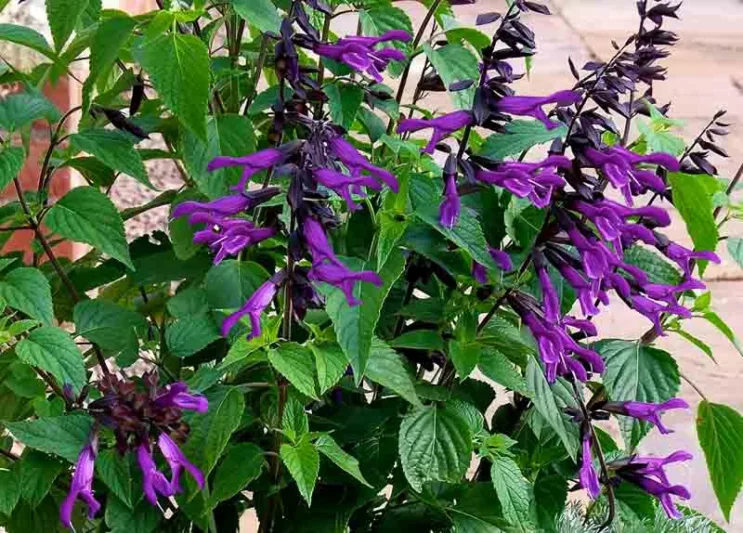
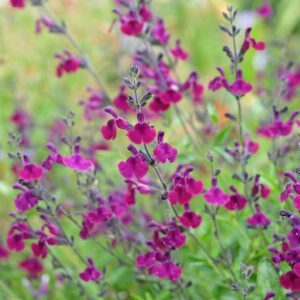
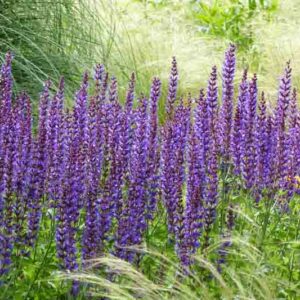
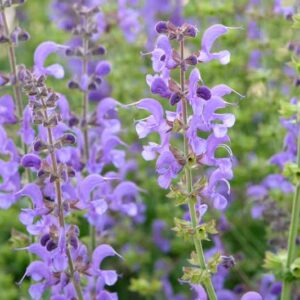
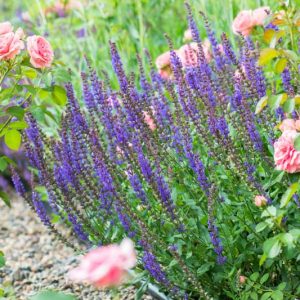
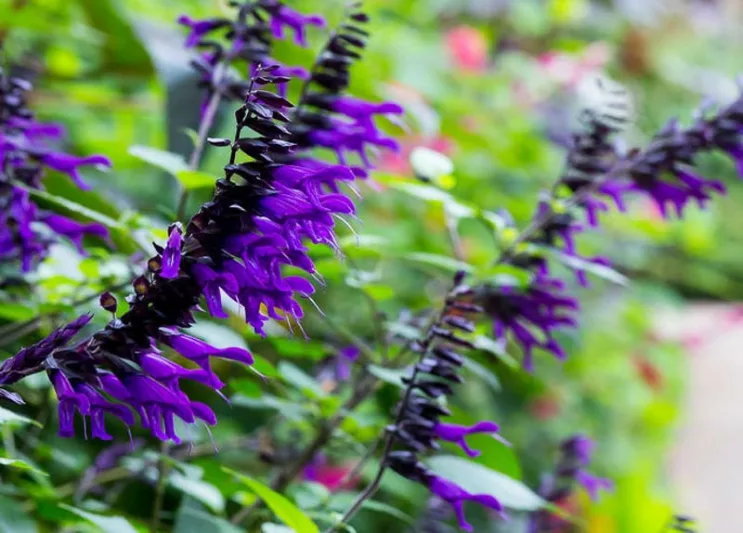
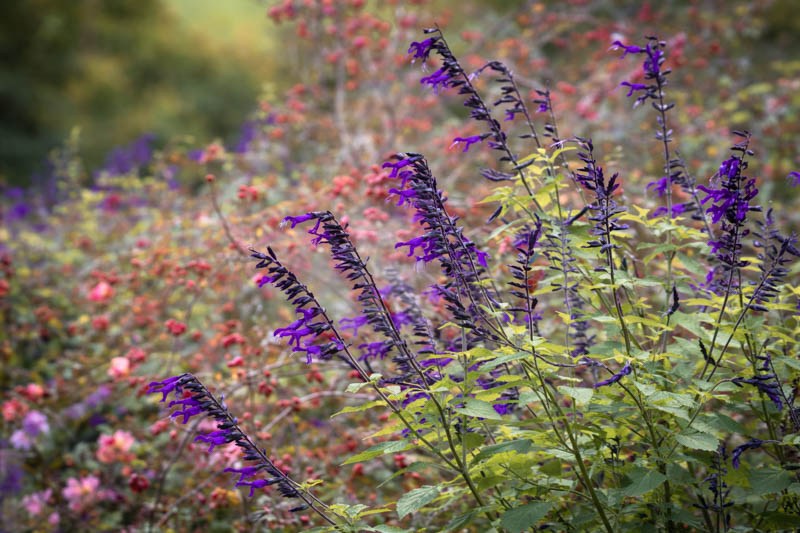
Salvia ‘Amistad’ – also called Friendship Sage – is the plant you add when you want your garden to feel instantly more alive. From early summer straight through frost, it sends up tall stems packed with velvety, rich royal-purple flowers held in nearly black calyces. The color is deep, dramatic, and surprisingly versatile – it reads bold in modern plantings, romantic in cottage borders, and downright luxurious in containers.

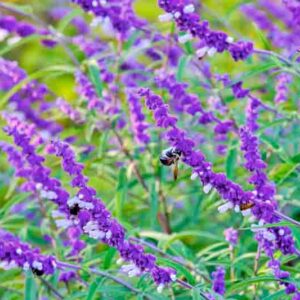
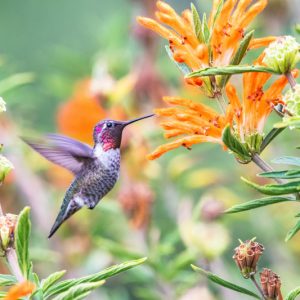
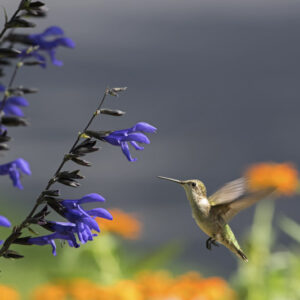
But the real superpower of Salvia ‘Amistad’ is its nonstop performance. This is a long-blooming salvia that keeps producing flower spikes when many summer perennials start taking breaks. And those blooms are not just pretty – they are a pollinator party, drawing in butterflies and especially hummingbirds, with bees often joining in too. Add the aromatic, glossy green foliage and the upright, bushy habit, and you get a plant that looks intentional from June to the first cold snap.
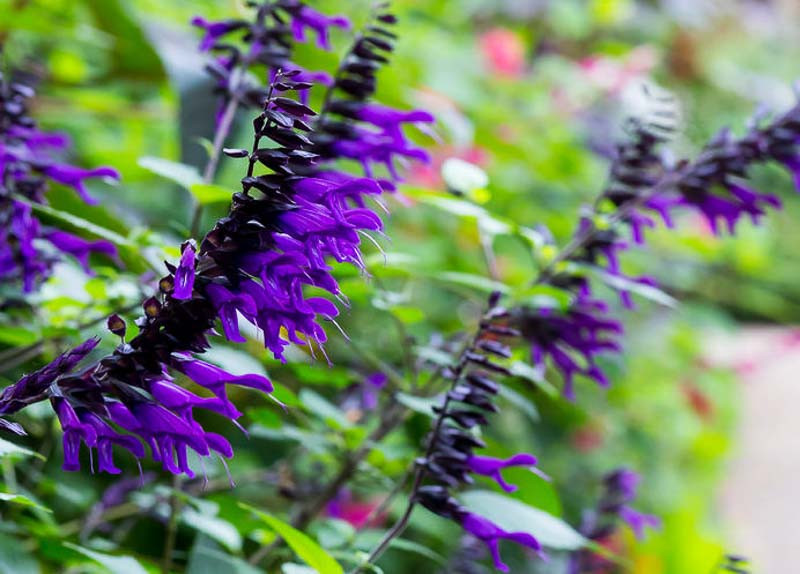
Garden shorthand: Want a long-blooming, hummingbird-friendly purple flower that looks expensive but behaves easy? Salvia ‘Amistad’ is the quick upgrade for sunny beds, borders, and containers.
Takeaway: Salvia ‘Amistad’ is a tender perennial sage with tall spikes of royal-purple blooms from early summer to frost, loved by hummingbirds and butterflies, and ideal for sunny gardens with well-drained soil.

Quick Facts – Salvia ‘Amistad’ (Friendship Sage)

Salvia 'Amistad' (Friendship Sage), royal purple flowers, hummingbird plant, long blooming salvia, tender perennial for borders and containers

Summary: Award-winning, long-blooming Friendship Sage with large royal-purple flowers and near-black calyces, blooming from early summer to frost.
Use: Excellent for beds, borders, patio containers, and pollinator gardens.
Highlight: Hummingbird magnet + months of blooms with aromatic, glossy foliage.
Note: A tender perennial in most regions – hardy in warmer climates, grown as an annual where winters are cold.

Botanical Name Salvia ‘Amistad’
Family Mint family (Lamiaceae)
Common Names Friendship Sage, Amistad Salvia, Ornamental Sage
Native Range Garden hybrid (ornamental selection)
Plant Type and Habit Tender perennial with an upright, bushy habit; fast-growing and floriferous
Hardiness (approx. USDA) Hardy in zones 8-11; often grown as an annual in cooler zones.
Height 3-5 ft. (90-150 cm)
Spread 4-6 ft. (120-180 cm)
Spacing 4-6 ft. (120-180 cm) for airflow and full shape
Sun and Exposure Best in full sun; appreciates afternoon shade in very hot climates
Soil Performs best in average, well-drained soil with medium moisture; avoid soggy sites
Bloom Time Blooms from early summer until frost (often continuously)
Flower Color Large royal-purple flowers with dark calyces for extra drama
Foliage Color Glossy bright green leaves; aromatic when brushed
Fragrance Aromatic foliage (pleasantly sage-like)
Drought Tolerant Yes (once established)
Heat Tolerant Yes – handles summer heat well; appreciates afternoon shade in very hot climates
Humidity Tolerant Moderate – best with sun + airflow; avoid crowded, still, damp conditions
Attracts Bees, butterflies, hummingbirds
Deer Often considered deer resistant
Award Recipient of the Award of Garden Merit (Royal Horticultural Society)
Toxicity Primarily ornamental; avoid ingestion and use standard garden caution
Invasive Status Not typically considered invasive in gardens
Care – Quick
  • Planting: Plant in spring after frost; choose a sheltered, sunny site with drainage.
  • Water: Water regularly while establishing, then switch to deep, spaced watering.
  • Feeding: Light feeding is enough; too much nitrogen can reduce flowering.
  • Pruning – Deadheading: Remove faded flower spikes to keep blooms coming.
  • Mulching: Mulch lightly and keep the crown airy; avoid wet, heavy mulch piles.
  • Propagation: Take softwood cuttings in spring or early summer; semi-ripe cuttings in late summer or autumn.
Quick promise
Salvia ‘Amistad’ blooms from early summer to frost, stacking royal-purple flowers on tall stems that hummingbirds and butterflies cannot ignore – a big-impact plant for sunny borders and containers.

What Is Salvia ‘Amistad’?

Description

Salvia ‘Amistad is a showy, upright, tender perennial salvia grown for its extra-long blooming season and unforgettable color. The blooms are a saturated royal purple, set off by nearly black calyces that make each flower look even richer. The stems rise above glossy green, aromatic foliage, creating a clean vertical silhouette that reads well from across the garden.

Note: In frost-free climates, the foliage can stay evergreen. In colder areas, treat it as an annual or overwinter it in a protected spot.

Why Gardeners Choose ‘Amistad’

Because it solves a common garden problem: you want color for months, not just a quick burst.

  • Long blooming season: Blooms steadily from early summer until frost with consistent deadheading.
  • High wildlife value: A reliable magnet for hummingbirds and butterflies, plus bees.
  • Big color, easy care: Dramatic purple flowers without fussy demands – give it sun and drainage.
  • Design flexibility: Works as a border anchor, a container centerpiece, or a pollinator-garden star.
Design shortcut: If your planting feels “nice” but not memorable, add one or two Salvia ‘Amistad’. That deep purple creates instant contrast and a clear focal note.

Flowers and Bloom Time

Salvia ‘Amistad’ is famous for blooming constantly from early summer to frost. The flowers form on upright spikes and keep coming if you remove fading stems. In warm climates, it can feel like it never stops. In cooler zones, it still gives a long run of bloom right up until cold weather shuts the show down.

Bloom-boost tip: Think “cut and reset.” Snip spent spikes back to a strong set of leaves, and new flowering stems usually follow quickly.

Foliage and Habit

This salvia forms a bushy, upright perennial clump with slender, glossy leaves that are aromatic when touched. In good conditions it can reach 3-5 ft. tall and 4-6 ft. wide, so give it room to shine. The overall effect is lush but structured – a soft mound of green with vertical purple wands floating above.

Seasonality and Overwintering Notes

‘Amistad’ is a tender perennial hardy in zones 8-11. In cooler zones, it is commonly grown as an annual or overwintered by taking cuttings or protecting the plant indoors. If you garden where winters are borderline, a sheltered location and dry winter conditions can make a big difference.

Landscape Uses

  • Beds and borders: A tall, flower-rich “backbone” plant that keeps borders blooming.
  • Containers: Makes a dramatic thriller plant in large pots and mixed container designs.
  • Pollinator gardens: A go-to for hummingbird-friendly planting plans.

Wildlife and Ecological Value

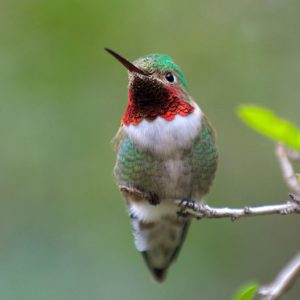
Plant Salvia ‘Amistad’ and you will notice more garden visitors. The tubular purple flowers are a natural fit for hummingbirds, while nectar also attracts butterflies and bees. If you want the garden to feel active and animated, this plant helps.

Deer and Rabbits

Like many aromatic sages, Salvia ‘Amistad’ is often considered deer-resistant, and it may be less appealing to rabbits as well. Still, in high-pressure areas, young plants can be sampled. Protect new growth until the plant is established and producing tougher stems.

Toxicity

This plant is primarily ornamental. Avoid ingestion and use standard garden caution around pets and children.

Invasiveness

Salvia ‘Amistad’ is generally well-behaved in gardens and not commonly considered invasive.
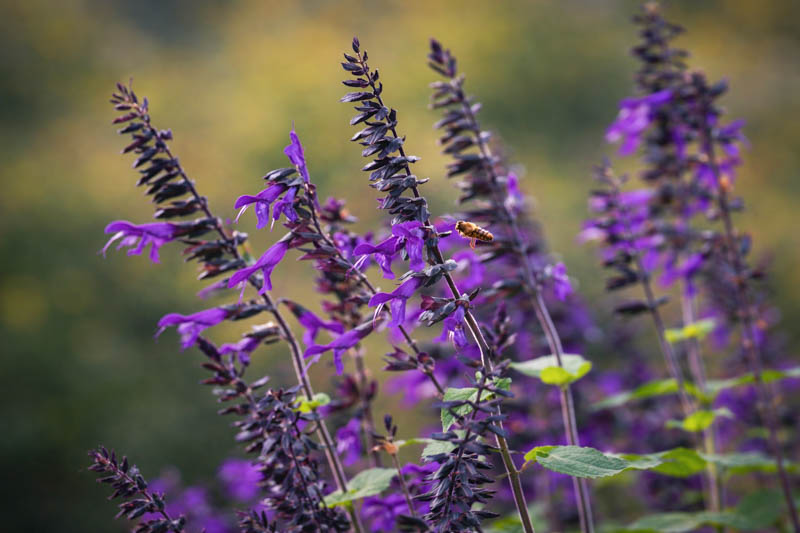
Salvia Amistad, Amistad Sage, Purple Salvia, Purple Sage

Growing Conditions for Salvia ‘Amistad’

Light

  • Full sun: Best flowering and sturdier growth.
  • Afternoon shade: Helpful in very hot climates to prevent stress and keep foliage looking fresh.

Soil

  • Well-drained soil is essential: This plant loves moisture while establishing, but it does not tolerate sitting wet.
  • Average soil is fine: You do not need perfect soil – you need drainage.
  • Heavy soil tip: If your soil holds water, use raised beds, mound the planting area, or amend with grit.
Drainage rule: Salvia ‘Amistad’ can be drought tolerant once established, but it will struggle in soggy soil. If you fix drainage first, everything else gets easier.

Water

  • After planting: Water consistently for the first few weeks so roots settle in.
  • Once established: Water deeply, then let the top layer dry slightly. Avoid frequent shallow watering.
  • Containers: Check more often during heat waves. Pots dry fast, especially in full sun.

Feeding

Keep feeding simple. Compost at planting time and a light, balanced fertilizer in containers is usually plenty. If you overfeed with nitrogen, the plant may produce more leaves and fewer flowers – and you are growing ‘Amistad’ for those purple blooms.
Mulch

  • Use a light mulch to reduce weeds and even out moisture.
  • Keep mulch away from the crown so stems stay dry and airy.

Planting Tips

  • Timing: Plant after the last frost, when nights are reliably mild.
  • Spacing: Give it room – about 4-6 ft. (120-180 cm) for airflow and full shape.
  • Shelter matters: Choose a protected position out of harsh wind for taller, cleaner stems.

Maintenance – Pruning – Deadheading

  • Deadhead regularly: Remove fading spikes to keep the plant in bloom and looking tidy.
  • Midseason refresh: If it gets leggy, a light trim can encourage bushier regrowth.
  • End of season: In cold climates, enjoy it until frost, then remove after it is finished.
Care tip: One quick weekly pass with pruners keeps ‘Amistad’ blooming hard – snip the tired spikes, and the plant stays in “new flower mode.”

Propagation

  • Softwood cuttings: Take in spring or early summer for fast rooting.
  • Semi-ripe cuttings: Take in late summer or autumn to carry plants into the next season.
Propagation win: If you love ‘Amistad’ but your winters are cold, cuttings are your easiest “save it for next year” strategy.

Salvia Amistad, Amistad Sage, Purple Salvia, Purple Sage

Salvia ‘Amistad’: Pests, Diseases, and Common Problems

Pests

Salvia ‘Amistad’ is fairly disease-free and low maintenance, but a few pests can show up, especially when plants are stressed or crowded.

  • Slugs and snails: Most likely on young growth or in damp, shaded spots.
  • Rosemary beetles: Occasionally feed on foliage in some regions.
  • Aphids: Can appear on tender new stems, especially in containers.
Fast diagnostic tip: Distorted new growth often signals aphids. Clean foliage and better airflow usually prevent repeat problems.

Diseases

Most issues trace back to moisture and airflow. If conditions are wet, crowded, or poorly drained, problems become more likely.
Prevention that works: Sun + airflow + well-drained soil. Get those right and Salvia ‘Amistad’ stays refreshingly low-fuss.

Common Problems

  • Fewer flowers: Often not enough sun or skipped deadheading. Increase light and snip spent spikes.
  • Floppy growth: Usually low light, wind exposure, or overfeeding. Provide shelter and avoid heavy fertilizer.
  • Winter loss: In borderline zones, cold plus wet is the danger combo. Keep crowns dry and consider overwintering cuttings.

Salvia Amistad, Amistad Sage, Purple Salvia, Purple Sage

Design Ideas With Salvia ‘Amistad’

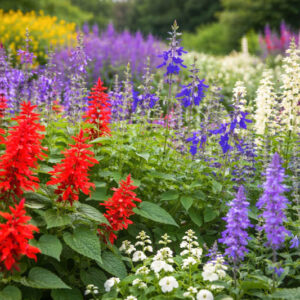
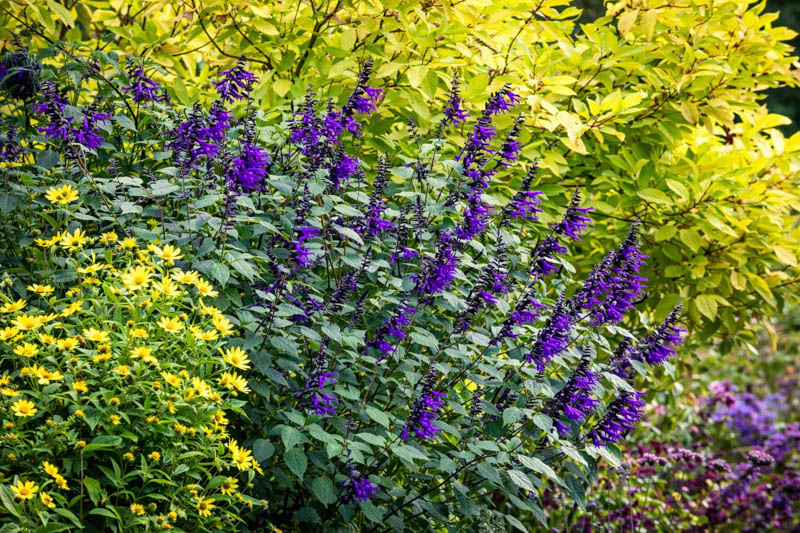
  • Border anchor with long color: Place it mid-to-back of a border so purple spikes rise above mounding companions.
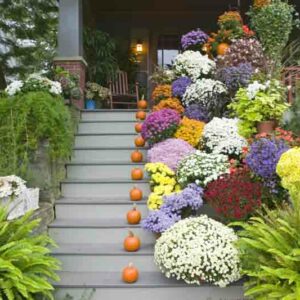
  • Container centerpiece: Use in a large pot as the “thriller,” then add trailing and mounding plants around it for a layered look.
  • Pollinator lane: Repeat plants along a path for a hummingbird-friendly corridor of blooms.
  • Dark drama pairing: Combine with silver foliage or chartreuse leaves to make the purple glow.
  • Late-season insurance: Plant near perennials that peak earlier so your garden keeps color into fall.
  • Big drifts, big impact: Plant in groups of 3-7 for the most intentional, designer-level look.
Design tip: One Salvia ‘Amistad’ looks nice. A small drift looks like a plan – and it pulls the whole border together.

Easy pairing formulas:

  • Purple + silver: ‘Amistad’ + artemisia or dusty miller + airy grass
  • Purple + chartreuse: ‘Amistad’ + chartreuse coleus or foliage plants + white blooms
  • Purple + pink: ‘Amistad’ + pink cosmos or gaura for a softer, romantic blend
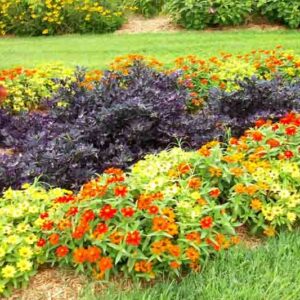
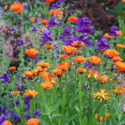
  • Purple + orange: ‘Amistad’ + orange-toned late-summer flowers for high contrast

Popular Cultivars of Ornamental Salvia

  • Amistad – Iconic royal-purple flowers with near-black calyces, an exceptionally long blooming season from summer to frost, and a top-tier hummingbird favorite.
  • Black and Blue – Deep cobalt-blue flowers backed by inky-black calyces; vigorous, tall, and one of the most reliable pollinator salvias.
  • Blue Enigma – Rich violet-blue flowers on upright stems; a robust, architectural salvia prized for strong color and garden presence.
  • Black & Bloom – Intensely saturated violet-purple flowers with very dark calyces; bred for improved branching and a long, heavy bloom display.
  • Wendy’s Wish – Vibrant warm pink blooms with excellent repeat flowering; elegant, airy habit that performs beautifully in borders and large containers.
  • Love and Wishes – A more compact, refined form with soft pink flowers; ideal for containers, patios, and smaller gardens.
  • Mystic Spires Blue – Dense, upright spikes of blue-purple flowers on a shorter, sturdier plant; excellent for tight spaces and mass plantings.
 

Frequently Asked Questions

When does Salvia ‘Amistad’ bloom?

Salvia ‘Amistad’ typically blooms from early summer until frost. With regular deadheading, it can flower almost continuously through the warm season.

Does Salvia ‘Amistad’ need full sun?

Full sun produces the most flowers and the strongest stems. In very hot climates, afternoon shade can help reduce stress while still supporting good bloom.

How big does Salvia ‘Amistad’ get?

It typically grows 3-5 ft. tall (90-150 cm) and 4-6 ft. wide (120-180 cm), forming a bushy, upright clump with tall flowering stems.

Is Salvia ‘Amistad’ hardy in winter?

It is a tender perennial, generally hardy in zones 8-11. In cooler zones, it is often grown as an annual or overwintered in a protected location or from cuttings.

Is Salvia ‘Amistad’ good for hummingbirds and butterflies?

Yes. The tubular purple flowers are especially attractive to hummingbirds, and they also draw butterflies and bees, making it a strong pollinator-garden plant.

Updated: January 2026 • Reviewed by Gardenia Editors

Salvia: Plant Care and Growing Guide


Here are some tips on how to plant and grow salvia successfully

Requirements

Hardiness 8 - 11
Plant Type Annuals, Perennials
Plant Family Lamiaceae
Genus Salvia
Common names Sage
Exposure Full Sun, Partial Sun
Season of Interest Summer (Early, Mid, Late), Fall
Height 3' - 5' (90cm - 150cm)
Spread 4' - 6' (120cm - 180cm)
Spacing 72" (180cm)
Maintenance Low
Water Needs Average
Soil Type Chalk, Loam, Sand
Soil pH Acid, Alkaline, Neutral
Soil Drainage Moist but Well-Drained, Well-Drained
Characteristics Cut Flowers, Fragrant, Plant of Merit, Showy
Tolerance Drought, Deer
Attracts Bees, Birds, Butterflies, Hummingbirds
Garden Uses Beds And Borders, Patio And Containers
Garden Styles City and Courtyard, Coastal Garden, Gravel and Rock Garden, Informal and Cottage, Mediterranean Garden
How Many Plants
Do I Need?
Explore Great Plant Combination Ideas
Salvia (Sage)
Guides with
Salvia (Sage)
Not sure which Salvia (Sage) to pick?
Compare Now

Alternative Plants to Consider

Salvia guaranitica (Blue Anise Sage)
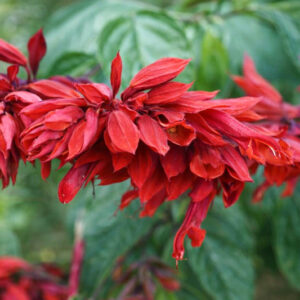
Salvia splendens ‘Van-Houttei’ (Scarlet Sage)
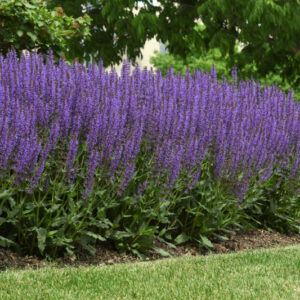
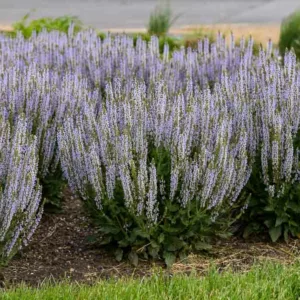
Salvia nemorosa ‘Blue By You’ (Sage)
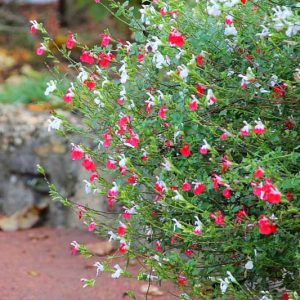
Salvia microphylla (Baby Sage)
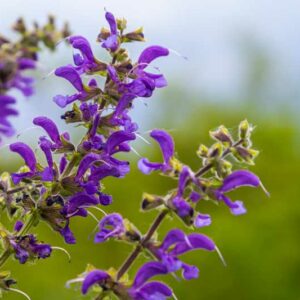
Salvia pratensis (Meadow Sage)
Salvia nemorosa ‘Perfect Profusion’ (Sage)

Recommended Companion Plants

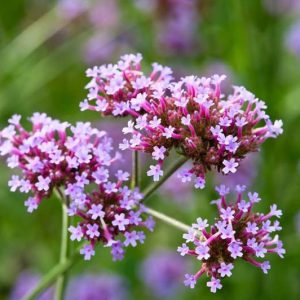
Verbena bonariensis (Purpletop Vervain)
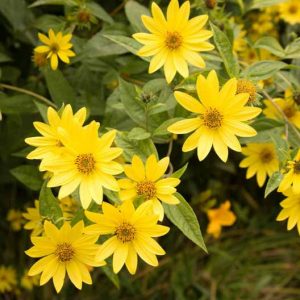
Helianthus ‘Lemon Queen’ (Sunflower)
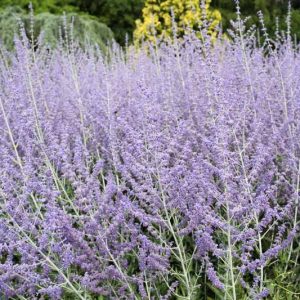
Salvia yangii (Russian Sage)
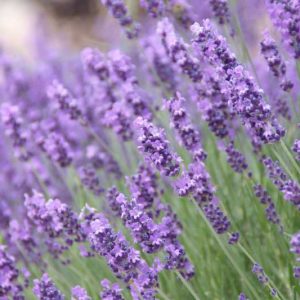
Lavandula angustifolia (English Lavender)
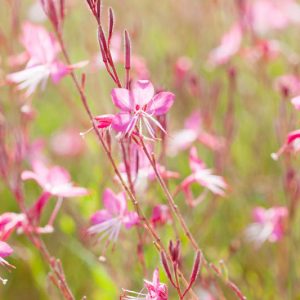
Gaura (Bee Blossom)
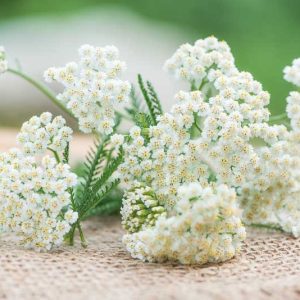
Achillea (Yarrow)
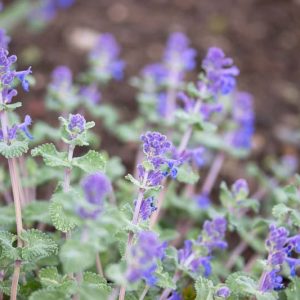
Nepeta racemosa (Catmint)
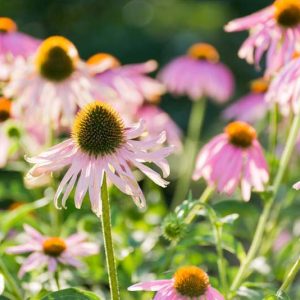
Echinacea (Coneflower)
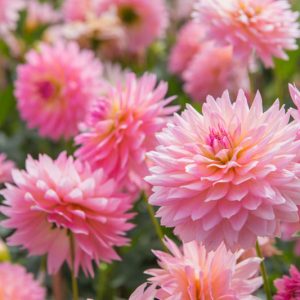
Dahlia

Find In One of Our Guides or Gardens

Annual Salvias: Heat-Loving Color That Blooms All Season
Best Full Sun Perennials for Zone 8: Top Heat-Tolerant Garden Winners
Best Full Sun Shrubs for Zone 8: Heat-Loving Shrubs That Thrive in Sunshine
Top Zone 6 Full Sun Perennials – Color That Thrives in Heat & Cold
Top Zone 7 Full Sun Perennials for Long Bloom, Color & Pollinators
Native Garden Ideas – Best Native Plants for a Beautiful Yard
Mediterranean Gardens: Low-Water Design, Plants & Ideas
Drought Tolerant Gardens – The Ultimate Water-Wise Guide
Pollinator Gardens: Plants, Designs & Care Guide
Why Rosemary is Perfect for Gardens and Pots
Grow These 20 Herbs Indoors for Freshness All Year
Salvia: Discover the Top Benefits of Growing Sage in Your Garden
Salvia Varieties for a Stunning, Water-Wise Garden
Salvia nemorosa (Woodland Sage)
What is Salvia? Understanding Its Role in Gardening and Beyond
Top 70 Summer Flowers to Brighten Your Garden and Home
50 Best Fall Flowers to Color Your Autumn Garden
Desert Shrubs: Essential Plants for Dry Gardens
Desert Flowers: Bringing Color to Dry Gardens
50 Fall Wildflowers: Top Picks for a Vibrant Autumn Garden
50 Summer Wildflowers: Bright Blooms for Your Garden
50 Wildflowers that Thrive in Sun
50 Blue Wildflowers for Every Garden
50 Pink Wildflowers for Every Garden
50 Purple Wildflower to Brighten Your Garden
50 California Wildflowers: From Desert Blooms to Coastal Gems
50 Texas Wildflowers to Brighten Your Garden
Top 50 Most Beautiful Flowers Worldwide
Stunning Blue Flowers to Enhance Your Garden’s Beauty
Add a Splash of Color: Perfect Flowering Shrubs for Small Gardens
42 Best Perennial Flowers and Plants to Brighten Your Garden Every Season
30 Best Spring Flowers Every Gardener Should Grow
How to Create an Enchanting Butterfly Garden
For the Love of Butterflies: Best Flowers to Attract them to Your Garden
6 Reasons You Should Create a Butterfly Garden
Salvia (Sage)
Best Annual Flowers and Plants to Spruce up Your Garden
Hummingbird
18 Best Plants That Repel Mosquitoes
Rosemary: Learn How To Plant, Grow and Harvest
Salvia yangii (Russian Sage)
Best Annual Flowers and Plants for Full Sun
Wonderful Plants That Repel Insects
Companion Planting With Herbs
Great Rose Companion Plants: Nepeta, Salvia and Lavandula
Best and Worst Companion Plants for Rosemary
Hardy Perennial Salvias (Sage)
Salvia guaranitica (Blue Anise Sage)
Plants with Purple Flowers to Add Charm to Your Garden
Salvia: Plant Care and Growing Guide
Best Flowers to Attract Hummingbirds
While every effort has been made to describe these plants accurately, please keep in mind that height, bloom time, and color may differ in various climates. The description of these plants has been written based on numerous outside resources.
Buy Plants

Requirements

Hardiness 8 - 11
Plant Type Annuals, Perennials
Plant Family Lamiaceae
Genus Salvia
Common names Sage
Exposure Full Sun, Partial Sun
Season of Interest Summer (Early, Mid, Late), Fall
Height 3' - 5' (90cm - 150cm)
Spread 4' - 6' (120cm - 180cm)
Spacing 72" (180cm)
Maintenance Low
Water Needs Average
Soil Type Chalk, Loam, Sand
Soil pH Acid, Alkaline, Neutral
Soil Drainage Moist but Well-Drained, Well-Drained
Characteristics Cut Flowers, Fragrant, Plant of Merit, Showy
Tolerance Drought, Deer
Attracts Bees, Birds, Butterflies, Hummingbirds
Garden Uses Beds And Borders, Patio And Containers
Garden Styles City and Courtyard, Coastal Garden, Gravel and Rock Garden, Informal and Cottage, Mediterranean Garden
How Many Plants
Do I Need?
Explore Great Plant Combination Ideas
Salvia (Sage)
Guides with
Salvia (Sage)
Not sure which Salvia (Sage) to pick?
Compare Now

Gardening Ideas

Plant Calculator

How many Salvia ‘Amistad’ (Friendship Sage) do I need for my garden?

Input your garden space dimensions

Your Shopping List

Plant Quantity
Salvia ‘Amistad’ (Friendship Sage) N/A Buy Plants

Please Login to Proceed

You Have Reached The Free Limit, Please Subscribe to Proceed

Subscribe to Gardenia

To create additional collections, you must be a paid member of Gardenia
  • Add as many plants as you wish
  • Create and save up to 25 garden collections
Become a Member

Plant Added Successfully

Your garden is taking shape. Unlock full planning.

You’ve reached the free limit. Upgrade for $25/year to add as many plants as you wish and save up to 25 garden collections. Unlock Annual Membership

Update Your Credit
Card Information

Cancel

Create a New Collection

Sign Up to Our Newsletter

    You have been subscribed successfully

    Join Gardenia.net

    Create a membership account to save your garden designs and to view them on any device.

    Becoming a contributing member of Gardenia is easy and can be done in just a few minutes. If you provide us with your name, email address and the payment of a modest $25 annual membership fee, you will become a full member, enabling you to design and save up to 25 of your garden design ideas.

    Join now and start creating your dream garden!

    Join Gardenia.net

    Create a membership account to save your garden designs and to view them on any device.

    Becoming a contributing member of Gardenia is easy and can be done in just a few minutes. If you provide us with your name, email address and the payment of a modest $25 annual membership fee, you will become a full member, enabling you to design and save up to 25 of your garden design ideas.

    Join now and start creating your dream garden!
    Find your Hardiness Zone

    Find your Heat Zone

    Find your Climate Zone