Painted Sage, Annual Clary, Annual Clary Sage, Clary Sage, Blue Monday Clary Sage, Blue Monday Painted Sage, Salvia viridis ‘Blue Monday’, Salvia horminum ‘Blue Monday’
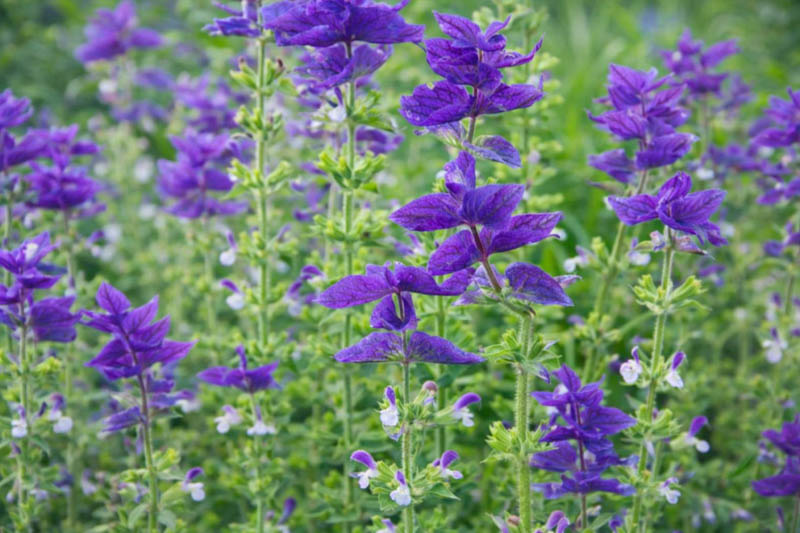
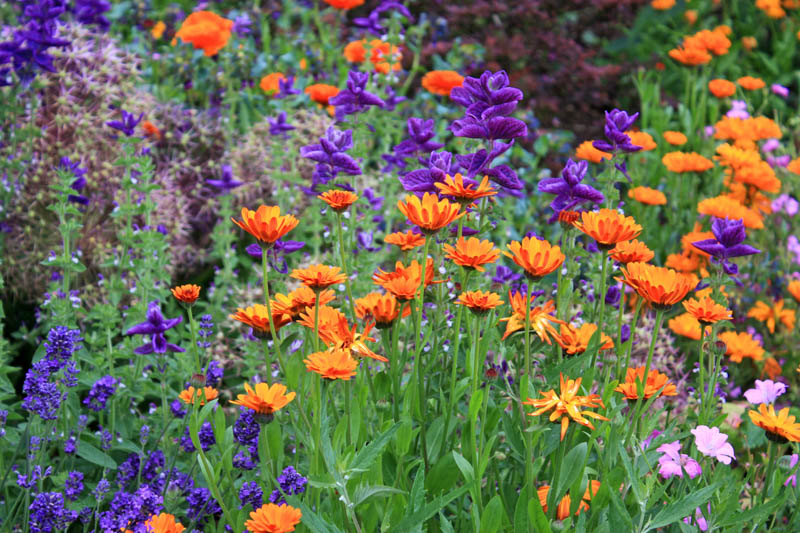
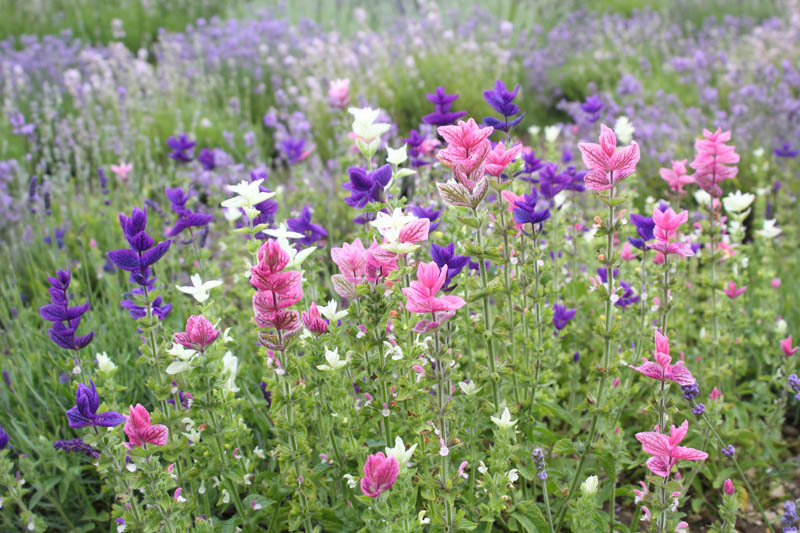
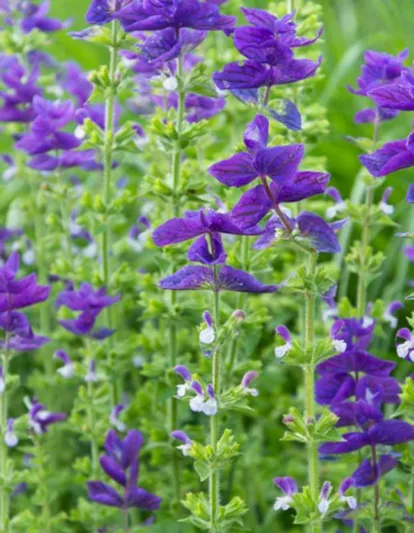
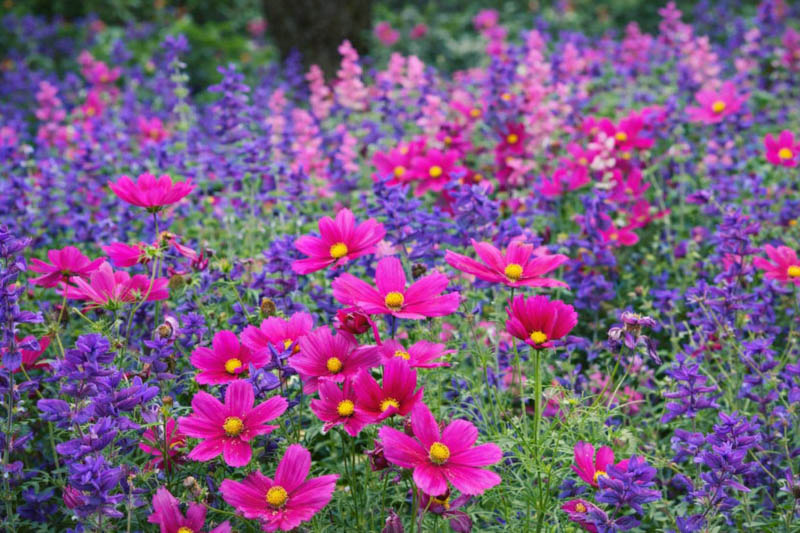
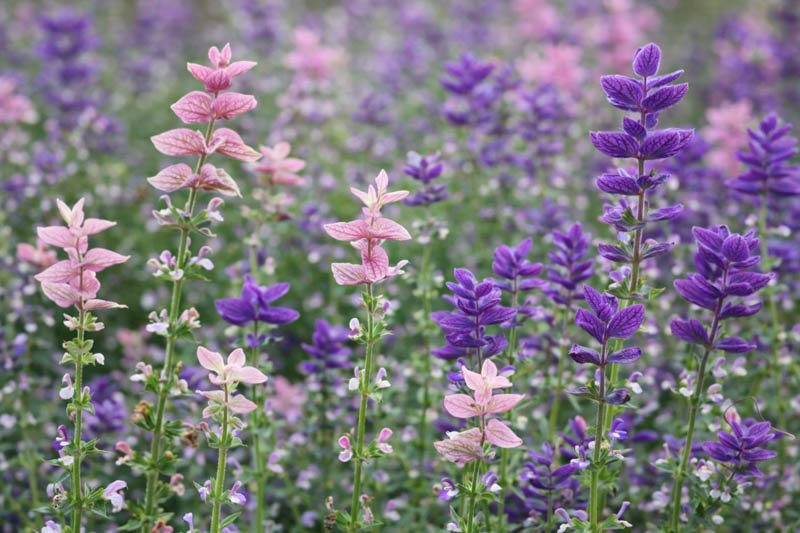


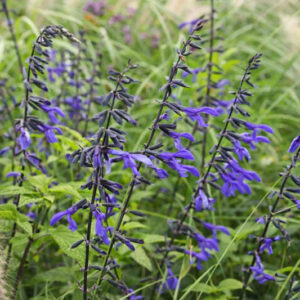
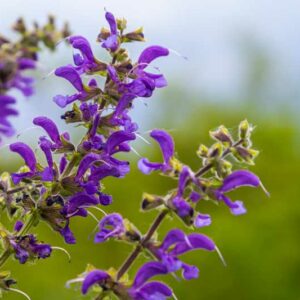
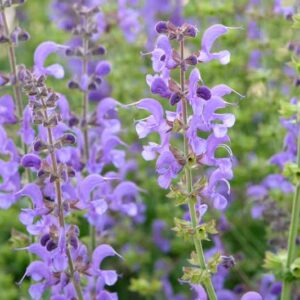
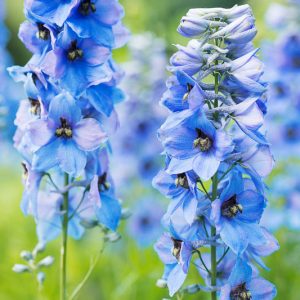
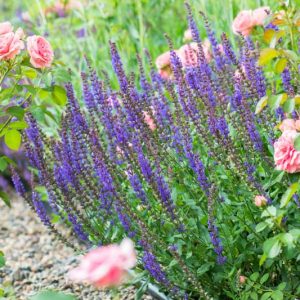
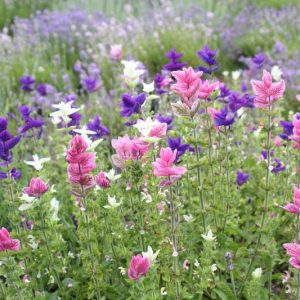
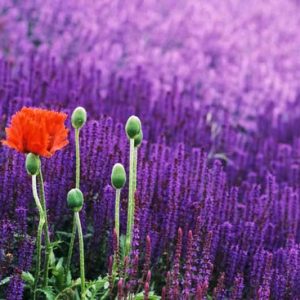
Salvia horminum ‘Blue Monday’ is the kind of annual that makes a garden look instantly more designed – even if you planted it on a whim. In summer (and often continuing into fall), it stacks itself with bold, petal-like deep blue bracts (the colorful “flags” that last and last) while the actual flowers stay small and tucked inside. The result is a long-running show of saturated blue that reads from across the yard and photographs beautifully up close.
If you have ever wished for a blue annual that is not fussy, not floppy, and not “gone in a week,” this is your plant. ‘Blue Monday’ grows in multi-branched clumps, adds a clean vertical accent to mixed beds, and pulls double duty as a fresh or dried cut flower. Give it sun, well-drained soil, and a little consistency while it gets established, and it rewards you with weeks of color plus steady visits from pollinators – especially bees and butterflies, and often hummingbirds too.
Summary- Showy annual sage grown for its intense dark blue bracts that color up in summer and often hold well into fall. Forms a bushy, branched clump that adds vertical structure and easy “blue impact” to mixed plantings.
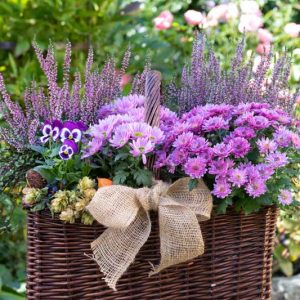
Use- Excellent for beds, borders, mass plantings, containers, and cutting gardens.
Highlight- Long-lasting bracts + strong branching – looks great in the garden and in a vase (fresh or dried).
Note- Best in full sun and soil with good drainage. Often ignored by deer and rabbits.
| Botanical Name | Salvia horminum ‘Blue Monday’ (often sold as Salvia viridis) |
|---|---|
| Family | Mint family (Lamiaceae) |
| Common Names | Annual Sage, Painted Sage, Horminum Sage, (often called) Clary Sage |
| Native Range | Mediterranean region (species origin) |
| Plant Type and Habit | Annual with an upright, bushy, strongly branched habit; grown for colorful bracts |
| Hardiness (approx. USDA) | Tender annual (often grown as a reseeding annual in mild climates) |
| Height | 18-24 in. (45-60 cm), sometimes to 2 ft. (60 cm) |
| Spread | 12-14 in. (30-35 cm), about 1 ft. (30 cm) is typical |
| Spacing | 12-18 in. (30-45 cm) |
| Sun and Exposure | Best in full sun; tolerates light shade |
| Soil | Prefers humus-rich, well-drained soil; adapts to average soils if drainage is good |
| Seasonal Interest | Showy bracts and bloom display in summer, often continuing into fall |
| Flower – Bract Color | Intense deep blue bracts (true flowers are small and secondary) |
| Foliage Color | Mid-green, slightly hairy leaves with a mild sage-like fragrance when brushed |
| Fragrance | Aromatic foliage (lightly fragrant) |
| Drought Tolerant | Yes (once established; prefers deep, spaced watering) |
| Heat Tolerant | Yes (handles summer heat well; best in full sun with good drainage) |
| Humidity Tolerant | Moderate (does well with sun + airflow; avoid wet foliage and crowded spacing) |
| Attracts | Bees, butterflies, hummingbirds |
| Deer and Rabbits | Often ignored by deer and rabbits |
| Toxicity | Primarily ornamental; avoid ingestion and use standard garden caution |
| Invasive Status | Not typically considered invasive in gardens |
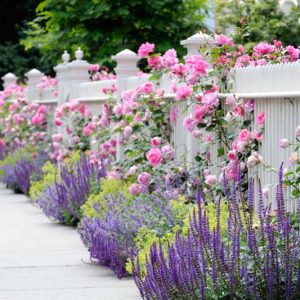
Salvia horminum ‘Blue Monday’ (often listed as Salvia viridis) is an annual sage grown for its showy, long-lasting blue bracts. Think of the bracts as colorful “petals” that stick around far longer than typical annual blooms. They are conspicuously veined, richly saturated, and arranged in stacked whorls up the stems, creating a crisp, upright look that plays well with both cottage gardens and modern designs.
Because it solves several summer-garden problems at once – and it does it without demanding constant attention.
‘Blue Monday’ colors up in summer and often continues into fall, especially if you keep it lightly deadheaded and give it decent sun. In the garden, it reads as a run of deep blue flower spikes, but up close you will notice a clever trick- the bracts do the showy work while the true flowers stay small and subtle. That is exactly why it has such a long “bloom” season – the bracts hold their color well.
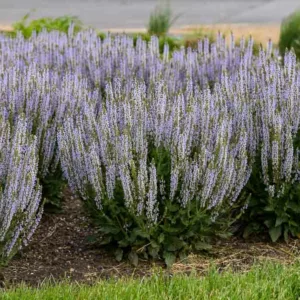
This annual sage grows in a bushy, multi-branched clump, typically reaching about 18-24 inches tall and about 12 inches wide. Leaves are mid-green, slightly hairy, and lightly aromatic. The branching is part of the appeal – instead of one skinny wand, you get multiple stems that make the plant look full and intentional.
‘Blue Monday’ is usually grown as a warm-season annual. In mild climates or in the right spot, it may self-sow modestly. If you like that natural, lightly meadow-ish effect, leave a few spikes to set seed near the end of the season. If you prefer strict control, deadhead more consistently and remove spent stems before seed drops.
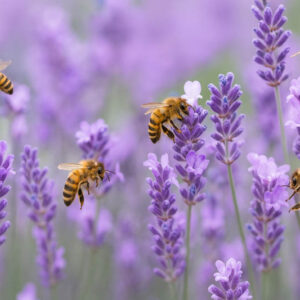
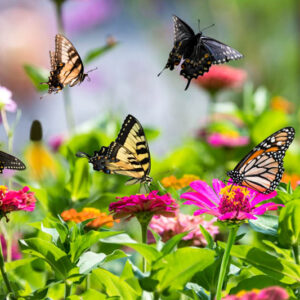
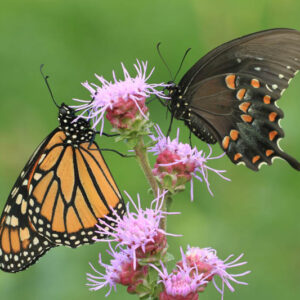
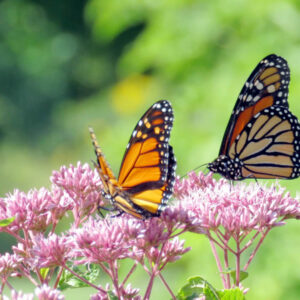
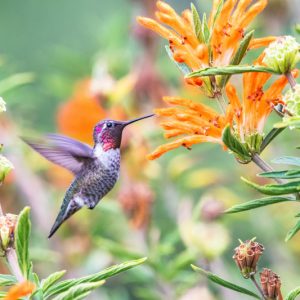
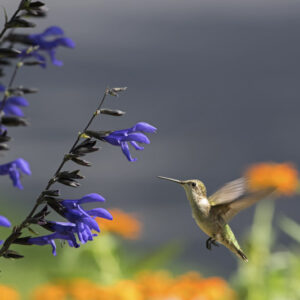
Like many salvias, ‘Blue Monday’ is a magnet for garden activity. Expect visits from pollinators – especially bees and butterflies, and often hummingbirds too – especially when it is planted where they can easily spot the vertical spikes. If your late-summer garden ever feels a little quiet, this plant helps bring it back to life.
Many gardeners report that it tends to be ignored by rabbits and is often considered deer-resistant. Aromatic foliage and slightly fuzzy leaves can make it less appealing. Still, if you garden in a high-pressure browsing zone, protect young plants until they establish and start pushing tougher growth.
This plant is primarily ornamental. Avoid ingestion and use standard garden caution around pets and children.
‘Blue Monday’ is generally well-behaved in gardens and not commonly considered invasive. If it self-sows, it is usually easy to edit by pulling seedlings where you do not want them.
A little goes a long way. Mix compost into beds or use a gentle, balanced feed in containers. Skip heavy nitrogen. The goal is a sturdy, blooming plant, not a leafy green blob.
This sage is generally pest-free. In most sunny, well-drained garden settings, pests are rarely a major issue. Still, a quick glance now and then helps you catch small issues before they become annoying.
This sage can be susceptible to a few diseases, especially when conditions are damp, crowded, or poorly drained. The good news- prevention is mostly about sun, spacing, and well-drained soil.
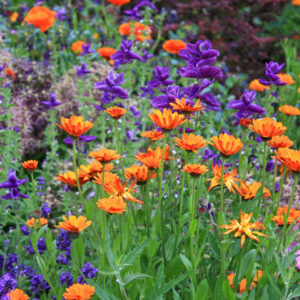
Easy pairing formulas-
For sun-loving, water-wise companion ideas and planting inspiration, these guides can help-
Salvia horminum ‘Blue Monday’ shows its best color from summer to fall. The small flowers are secondary, while the deep blue bracts provide the long-lasting display.
Full sun produces the strongest stems, best branching, and the richest bract color. Light shade is tolerated, but flowering and color intensity may be reduced.
It typically grows about 18-24 inches tall (45-60 cm) and about 12 inches wide (30 cm), forming a bushy, multi-branched clump with upright spikes.
It is often ignored by deer and rabbits, especially once established, but no plant is completely deer-proof when browsing pressure is high.
Yes. Start seeds indoors about 10 weeks before the last frost for earlier blooms, or direct sow outdoors after frost. Deadhead for more spikes, or let a few stems set seed if you want self-sowing.
Updated- January 2026 • Reviewed by Gardenia Editors
| Hardiness |
3 - 11 |
|---|---|
| Heat Zones |
1 - 12 |
| Plant Type | Annuals |
| Plant Family | Lamiaceae |
| Genus | Salvia |
| Common names | Sage |
| Exposure | Full Sun, Partial Sun |
| Season of Interest | Summer (Early, Mid, Late), Fall |
| Height | 1' - 2' (30cm - 60cm) |
| Spread | 10" - 1' (25cm - 30cm) |
| Spacing | 9" - 12" (23cm - 30cm) |
| Maintenance | Low |
| Water Needs | Average |
| Soil Type | Chalk, Loam, Sand |
| Soil pH | Acid, Alkaline, Neutral |
| Soil Drainage | Well-Drained |
| Characteristics | Dried Arrangements, Cut Flowers, Fragrant, Showy |
| Tolerances | Deer, Drought, Heat |
| Attracts | Bees, Butterflies, Hummingbirds |
| Garden Uses | Beds And Borders, Patio And Containers |
| Garden Styles | City and Courtyard, Coastal Garden, Informal and Cottage, Mediterranean Garden |
| Toxic to Humans | No known toxicity |
| Toxic to Cats | No known toxicity |
| Toxic to Dogs | No known toxicity |
| Toxic to Horses | No known toxicity |


| Hardiness |
3 - 11 |
|---|---|
| Heat Zones |
1 - 12 |
| Plant Type | Annuals |
| Plant Family | Lamiaceae |
| Genus | Salvia |
| Common names | Sage |
| Exposure | Full Sun, Partial Sun |
| Season of Interest | Summer (Early, Mid, Late), Fall |
| Height | 1' - 2' (30cm - 60cm) |
| Spread | 10" - 1' (25cm - 30cm) |
| Spacing | 9" - 12" (23cm - 30cm) |
| Maintenance | Low |
| Water Needs | Average |
| Soil Type | Chalk, Loam, Sand |
| Soil pH | Acid, Alkaline, Neutral |
| Soil Drainage | Well-Drained |
| Characteristics | Dried Arrangements, Cut Flowers, Fragrant, Showy |
| Tolerances | Deer, Drought, Heat |
| Attracts | Bees, Butterflies, Hummingbirds |
| Garden Uses | Beds And Borders, Patio And Containers |
| Garden Styles | City and Courtyard, Coastal Garden, Informal and Cottage, Mediterranean Garden |
| Toxic to Humans | No known toxicity |
| Toxic to Cats | No known toxicity |
| Toxic to Dogs | No known toxicity |
| Toxic to Horses | No known toxicity |
How many Salvia horminum ‘Blue Monday’ (Annual Sage) do I need for my garden?
| Plant | Quantity | |
|---|---|---|
| Salvia horminum ‘Blue Monday’ (Annual Sage) | N/A | Buy Plants |
Create a membership account to save your garden designs and to view them on any device.
Becoming a contributing member of Gardenia is easy and can be done in just a few minutes. If you provide us with your name, email address and the payment of a modest $25 annual membership fee, you will become a full member, enabling you to design and save up to 25 of your garden design ideas.
Join now and start creating your dream garden!
Create a membership account to save your garden designs and to view them on any device.
Becoming a contributing member of Gardenia is easy and can be done in just a few minutes. If you provide us with your name, email address and the payment of a modest $25 annual membership fee, you will become a full member, enabling you to design and save up to 25 of your garden design ideas.
Join now and start creating your dream garden!