Anise-Scented Sage, Anise Sage, Blue Anise Sage, Hummingbird Sage, Brazilian Sage, Guarani Sage, salvia ambigens, salvia coerulea, salvia coerulea var. regnellii, salvia hoveyi, salvia melanocalyx
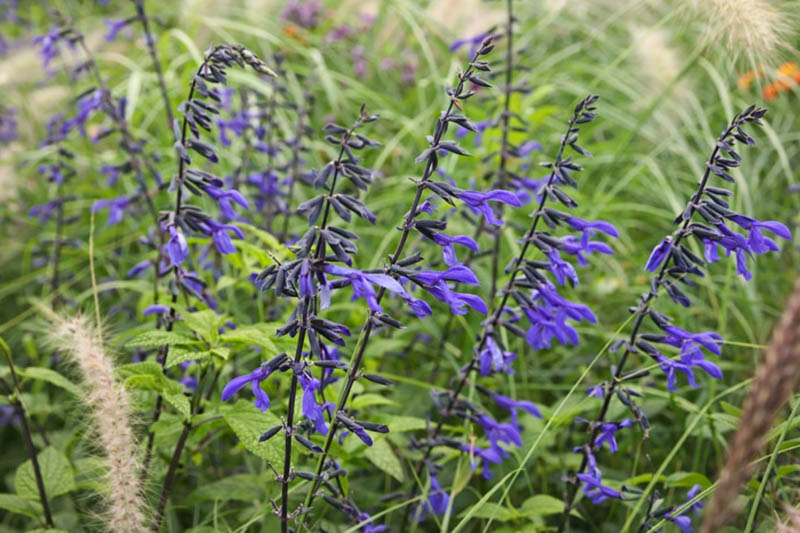
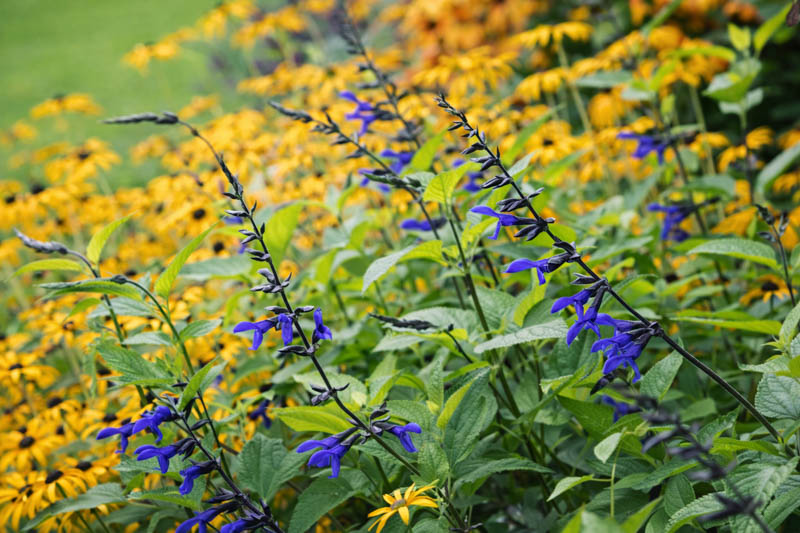
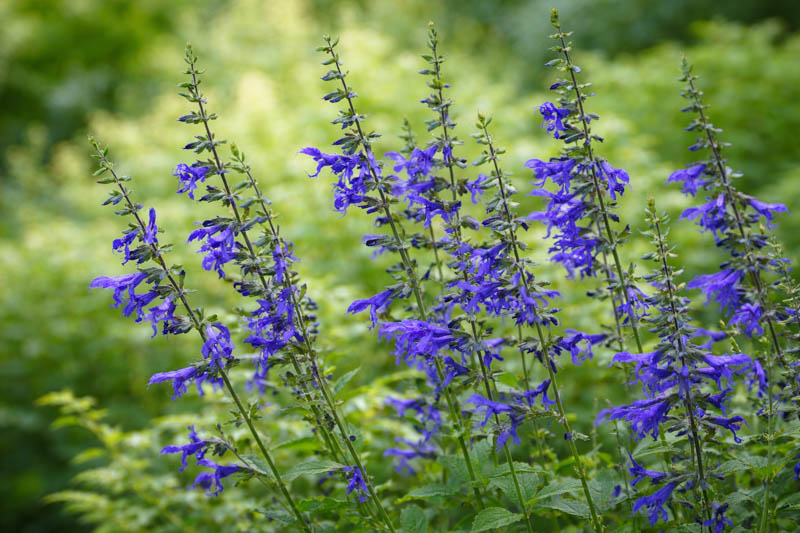
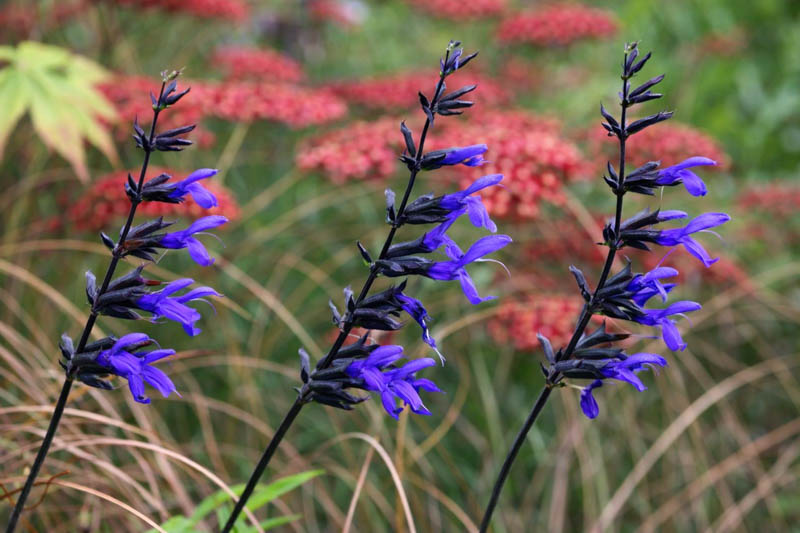
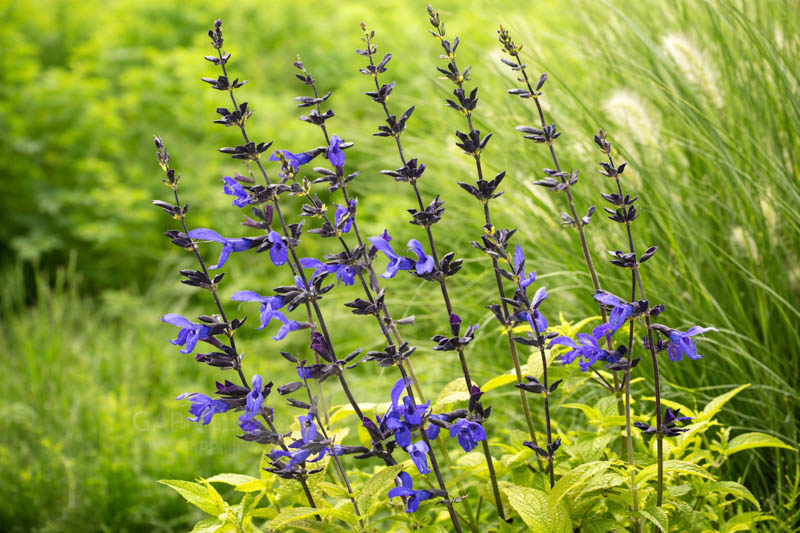
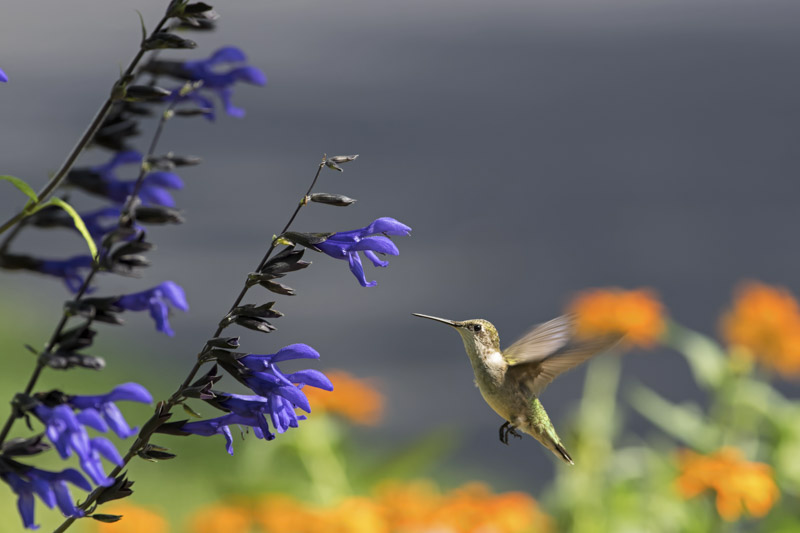


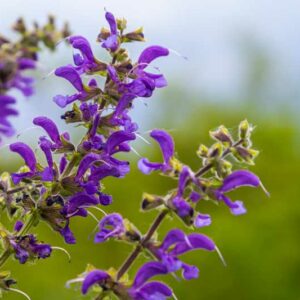
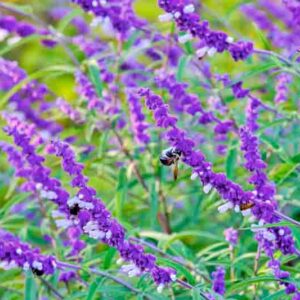
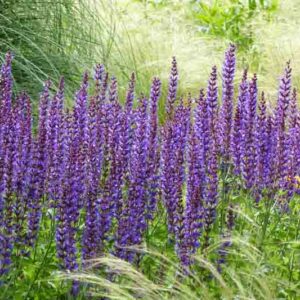
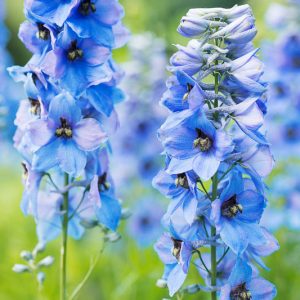
Salvia guaranitica is one of those plants that makes people stop mid-walk and ask, “What is that blue?” The flowers are intensely saturated – cobalt to sapphire – and they arrive on tall, elegant spikes that keep coming from summer right into fall. Add softly anise-scented foliage, a naturally upright habit, and constant pollinator traffic, and you get a perennial (or tender perennial, depending on your climate) that earns its space.
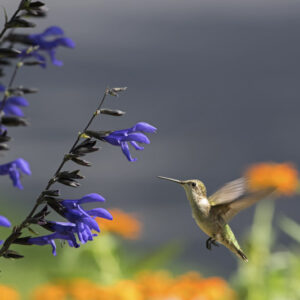
If you want long bloom, big color, and a plant that feels both lush and easy, Blue Anise Sage is a smart pick. It thrives in sun to light shade, appreciates even moisture with good drainage, and once established, it can handle short dry spells – especially in soil that is improved with organic matter. Even better, the tubular flowers are a buffet for bees, butterflies, and hummingbirds, making it a natural fit for wildlife-friendly gardens.
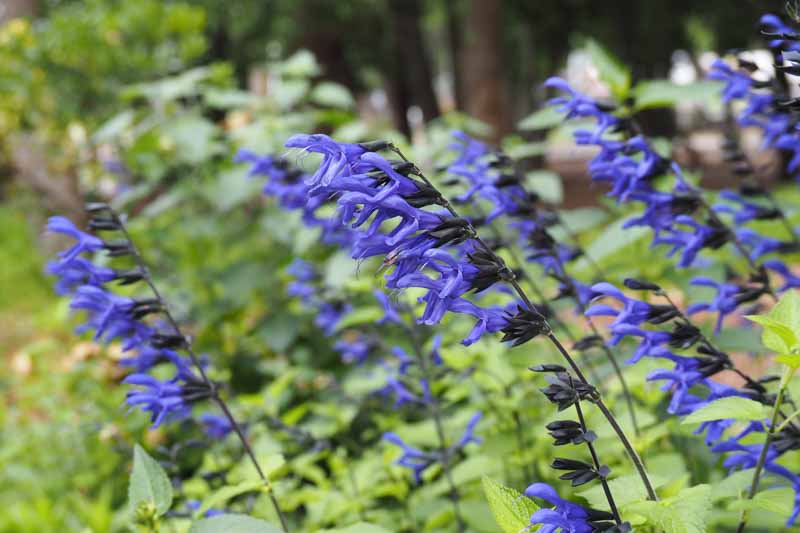
Summary: Showy, upright tender perennial (often grown as a subshrub) with aromatic, anise-scented foliage and tall spikes of vivid blue tubular flowers from summer to frost.
Use: Perfect for sunny borders, cottage gardens, patio containers, and pollinator plantings.
Highlight: Rare true-blue color plus months of bloom and nonstop hummingbird visits.
Note: Best in full sun to partial shade with even moisture and well-drained soil. Often considered deer and rabbit resistant.
| Botanical Name | Salvia guaranitica |
|---|---|
| Family | Mint family (Lamiaceae) |
| Common Names | Blue Anise Sage, Anise-Scented Sage, Brazilian Sage, Hummingbird Sage |
| Native Range | Native to South America – especially Brazil, Paraguay, Uruguay, and northeastern Argentina |
| Plant Type and Habit | Tender perennial / subshrub with an upright, clumping habit |
| Hardiness (approx. USDA) | Hardy in USDA Zones 8-10 (often grown as an annual in colder zones) |
| Height | 2-5 ft. (60-150 cm) |
| Spread | 2-5 ft. (60-150 cm) |
| Spacing | 24-36 in. (60-90 cm) |
| Sun and Exposure | Best in full sun; tolerates light shade (especially in hot climates) |
| Soil | Organically rich, well-drained soil with steady moisture |
| Seasonal Interest | Mid summer through fall (often until frost) |
| Flower Color | Cobalt blue to purple-blue (some cultivars pale blue or white) |
| Foliage Color | Medium green, aromatic leaves |
| Fragrance | Yes – leaves smell lightly of anise when crushed |
| Drought Tolerant | Moderately (once established). For broader drought-friendly options see drought tolerant. |
| Heat Tolerant | Yes (with moisture support in extreme heat) |
| Nectar / Pollen | Yes – excellent nectar plant |
| Attracts | Bees, butterflies, hummingbirds |
| Deer / Rabbit | Often considered deer resistant and rabbit resistant |
| Toxicity | Generally considered low toxicity – discourage chewing |
| Invasive Status | Not typically considered invasive in garden use (may spread enthusiastically in ideal conditions) |
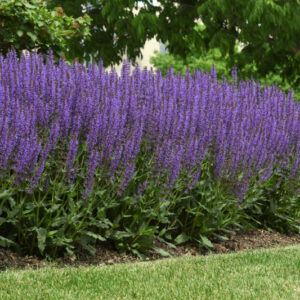
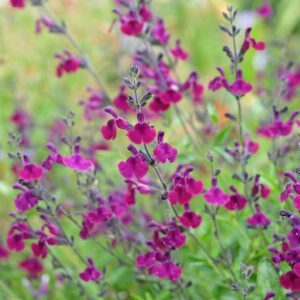
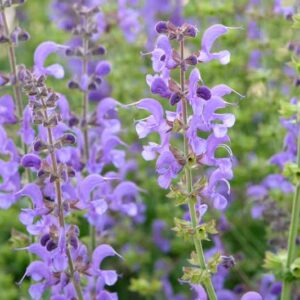
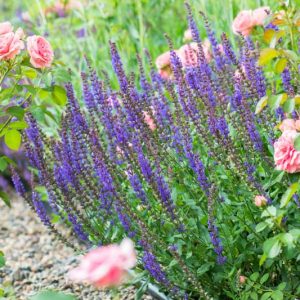
Think of Salvia guaranitica as the “electric-blue vertical accent” that keeps a garden looking alive late in the season. It forms a leafy clump at the base, then sends up slender, upright stems lined with tubular flowers. The blooms are two-lipped (classic sage family style) and often sit in darker calyces that make the blue look even richer – like eyeliner for flowers.
It’s also wonderfully kinetic. Breezes move the stems, hummingbirds zip in and out, and the whole plant gives borders that layered, lively feeling designers love.
Blue Anise Sage is native to South America, with strong roots (literally and botanically) in countries like Brazil, Paraguay, Uruguay, and northeastern Argentina. In its native habitats, it grows in sunny, open conditions where moisture is available but soils still drain.
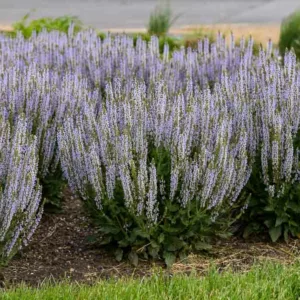
Expect a clump-forming plant in the 2-5 foot range (60-150 cm), depending on cultivar, heat, soil, and how long your season runs. In warm climates it can behave like a small subshrub. In colder climates it’s often grown as an annual, but many gardeners still get a full season of bloom because it grows quickly once the soil warms.
Give it sun and it stays more upright. Give it too much shade and it can stretch – which is the plant’s polite way of asking for brighter conditions (or a discreet support ring).
This is the headline. Salvia guaranitica blooms from mid-summer through fall, often right up to the first frost. Many cultivars are exceptionally long-blooming, producing new spikes as long as the plant is healthy and you keep it lightly tidy.
Deadheading is optional but powerful: removing spent spikes encourages the plant to redirect energy into fresh flowering stems. If you love a garden that keeps performing late season, this salvia is a strong “yes.”
The leaves are medium green, often slightly textured, and pleasantly aromatic. Brush past the plant or crush a leaf and you may notice the subtle anise scent that inspires its common name. In frost-free climates, foliage can persist longer; in colder climates, the top growth dies back when frost arrives, but the plant still earns its keep by blooming hard up to that moment.
Salvia guaranitica is generally hardy in about USDA Zones 8-10, with some cultivars performing in slightly cooler areas when planted in a protected, well-drained spot and mulched in winter. In zones with regular hard freezes, it’s commonly grown as an annual or overwintered indoors in a container.
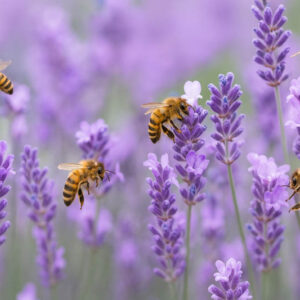
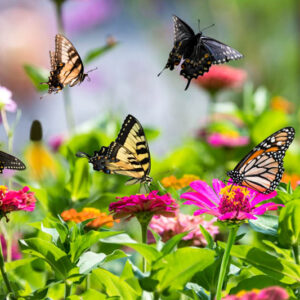
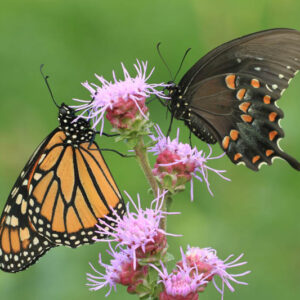
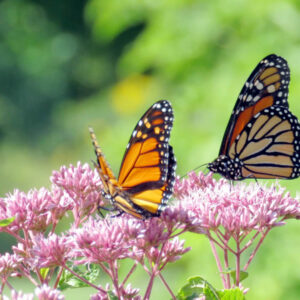
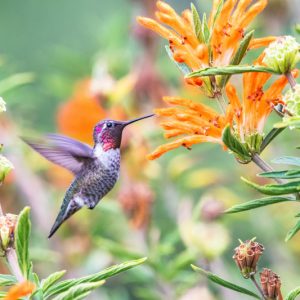
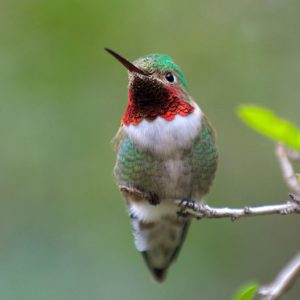
This is where Blue Anise Sage shines. The tubular flowers are built for pollinators, especially hummingbirds, and you will often see butterflies and bees working the spikes too. If you’re building a wildlife-friendly space, it pairs beautifully with other nectar plants referenced in Wildlife-Friendly Plants: Attract Bees, Butterflies & Birds.
Like many aromatic sages, Salvia guaranitica is often considered rabbit and deer-resistant. Nothing is perfectly browse-proof, but the foliage scent and texture make it less appealing than tender salad-bar plants nearby.
Once established, Blue Anise Sage can handle moderate dry periods, but it flowers best with consistent moisture. If you want a “forget to water” plant, look through broader drought tolerant options. If you want a “water a bit and get a ridiculous amount of bloom” plant, this salvia is perfect.
In ornamental use, Salvia guaranitica is generally considered low risk, but it is not a food plant. As a simple household rule, discourage pets and kids from chewing on garden plants, and place tender perennials out of nibbling range when possible.
Blue Anise Sage is not typically considered invasive in home gardens. However, in ideal conditions it can spread or self-perpetuate and look “enthusiastic.” The fix is easy: pull unwanted shoots, divide clumps when they outgrow their space, and deadhead if you want a tidier footprint.
Feed lightly. A spring compost top-dress or a balanced slow-release fertilizer is plenty. Too much nitrogen can create lots of green growth and fewer flowers – and it can make stems softer.
Blue Anise Sage is generally easy, but like many ornamentals, it can occasionally attract sap-suckers when stressed.
It is a tender perennial. In USDA Zones 8–10 it often overwinters and returns each year. In colder zones it is commonly grown as an annual or overwintered indoors in a container.
Yes. The nectar-rich tubular flowers are highly attractive to hummingbirds, and the spikes are also visited by butterflies and bees.
Full sun is best for strong stems and maximum flowering. In very hot climates, light afternoon shade is acceptable, but too much shade can lead to flopping and fewer blooms.
Most plants bloom from mid-summer through fall, often continuing until the first frost. Deadheading spent spikes can encourage even more flowering.
It is often considered deer and rabbit resistant due to its aromatic foliage, though no plant is completely browse-proof when animals are hungry.
Salvia guaranitica is a long-blooming, sun-loving tender perennial that delivers bold blue flower spikes, aromatic foliage, and exceptional pollinator value – especially for hummingbirds – from summer to frost.
Royal Horticultural Society (RHS) – species profile and flowering notes for Salvia guaranitica
Missouri Botanical Garden Plant Finder – cultural guidance, moisture needs, and landscape use
Gardenia.net – Salvia care, pollinator value, and cultivar selection
Updated: January 2026 – Reviewed by Gardenia Editors
| Hardiness |
8 - 10 |
|---|---|
| Plant Type | Annuals, Perennials |
| Plant Family | Lamiaceae |
| Genus | Salvia |
| Common names | Sage |
| Exposure | Full Sun, Partial Sun |
| Season of Interest | Summer (Mid, Late), Fall |
| Height | 2' - 5' (60cm - 150cm) |
| Spread | 2' - 5' (60cm - 150cm) |
| Spacing | 24" - 36" (60cm - 90cm) |
| Maintenance | Low |
| Water Needs | Average |
| Soil Type | Chalk, Loam, Sand |
| Soil pH | Acid, Alkaline, Neutral |
| Soil Drainage | Moist but Well-Drained |
| Characteristics | Cut Flowers, Fragrant, Showy |
| Tolerances | Drought, Deer |
| Attracts | Bees, Birds, Butterflies, Hummingbirds |
| Garden Uses | Beds And Borders, Patio And Containers |
| Garden Styles | City and Courtyard, Coastal Garden, Informal and Cottage, Mediterranean Garden |
| Toxic to Humans | LOW severity |
| Toxic to Cats | Toxic |
| Toxic to Dogs | Toxic |
| Toxic to Horses | Toxic |


| Hardiness |
8 - 10 |
|---|---|
| Plant Type | Annuals, Perennials |
| Plant Family | Lamiaceae |
| Genus | Salvia |
| Common names | Sage |
| Exposure | Full Sun, Partial Sun |
| Season of Interest | Summer (Mid, Late), Fall |
| Height | 2' - 5' (60cm - 150cm) |
| Spread | 2' - 5' (60cm - 150cm) |
| Spacing | 24" - 36" (60cm - 90cm) |
| Maintenance | Low |
| Water Needs | Average |
| Soil Type | Chalk, Loam, Sand |
| Soil pH | Acid, Alkaline, Neutral |
| Soil Drainage | Moist but Well-Drained |
| Characteristics | Cut Flowers, Fragrant, Showy |
| Tolerances | Drought, Deer |
| Attracts | Bees, Birds, Butterflies, Hummingbirds |
| Garden Uses | Beds And Borders, Patio And Containers |
| Garden Styles | City and Courtyard, Coastal Garden, Informal and Cottage, Mediterranean Garden |
| Toxic to Humans | LOW severity |
| Toxic to Cats | Toxic |
| Toxic to Dogs | Toxic |
| Toxic to Horses | Toxic |
How many Salvia guaranitica (Blue Anise Sage) do I need for my garden?
| Plant | Quantity | |
|---|---|---|
| Salvia guaranitica (Blue Anise Sage) | N/A | Buy Plants |
Create a membership account to save your garden designs and to view them on any device.
Becoming a contributing member of Gardenia is easy and can be done in just a few minutes. If you provide us with your name, email address and the payment of a modest $25 annual membership fee, you will become a full member, enabling you to design and save up to 25 of your garden design ideas.
Join now and start creating your dream garden!
Create a membership account to save your garden designs and to view them on any device.
Becoming a contributing member of Gardenia is easy and can be done in just a few minutes. If you provide us with your name, email address and the payment of a modest $25 annual membership fee, you will become a full member, enabling you to design and save up to 25 of your garden design ideas.
Join now and start creating your dream garden!