Create Your Garden

The Ultimate Guide to Native Plants for a Beautiful Garden

Explore native plants with 10 standout choices per type: shrubs, perennials, grasses, annuals, bulbs, and trees. Get design tips, zone guidance, and care basics to grow a resilient, wildlife-friendly landscape that blooms from spring to fall and looks great year-round.
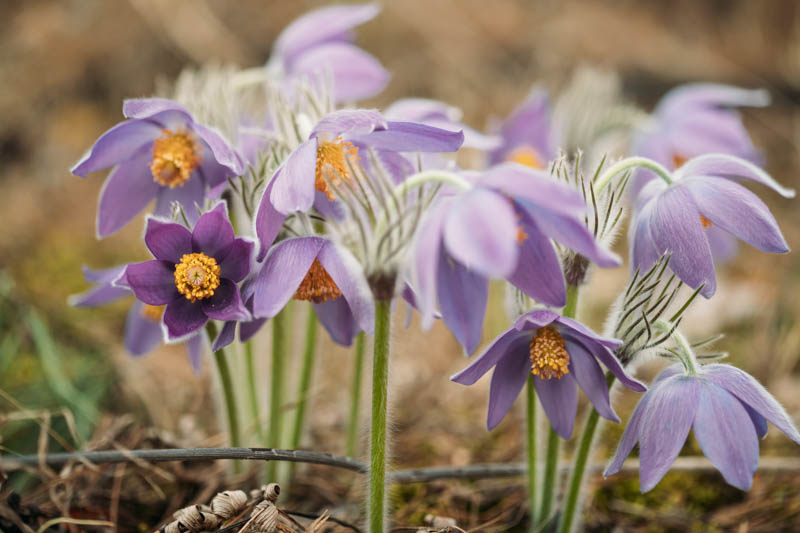
Native Plants, Pasque Flower, Pasqueflower, Pulsatilla, Native Shrubs, Native Perennials, Native Trees, Native Vines

Want a beautiful garden that mostly runs itself – bees drifting between blooms, butterflies skimming the grasses, songbirds working the berries? Go native. These plants fit your region’s rhythms, so they settle in quickly and keep wildlife fed while you do less fussing.

What are Native Plants?

Native plants are species that occur naturally in a region without human introduction. Co-evolved with local pollinators, birds, soils, and climate patterns, they deliver outsized ecological benefits – nectar, pollen, seed, and fruit, plus cover – throughout the year, typically with fewer inputs once established.

This guide explains why natives work, how to design with them, and offers curated lists of standout shrubs, perennials, grasses & sedges, annuals, bulbs, and trees – 10 picks per group – plus ideas by sun/shade and soil type, quick zone suggestions, and FAQs.
Quick Facts – Native Plants

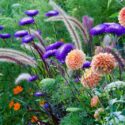
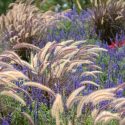
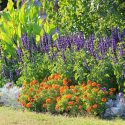
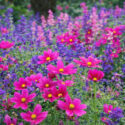
Colorful native pollinator garden

Summary: Start with your ecoregion, then match light and soil. Aim for continuous bloom (spring→fall) and year-round structure. Blend keystone species (oaks, asters, goldenrods) with regionally native grasses and shrubs for a resilient, wildlife-rich landscape.

Why choose natives Right-plant/right-place fit, high habitat value, and long-term ease after establishment
Design keys Match site (sun/soil), layer canopy–shrub–ground, mass in drifts, stagger bloom seasons
Maintenance Water to establish (1–2 seasons). After that, minimal inputs; leave some stems/leaf litter for habitat
Ecology tip Prioritize regionally native species; avoid invasive look-alikes

What “Native” Really Means

“Native” is about place and time: plants that evolved within a region before widespread species introductions. They’re woven into local food webs – caterpillars on oaks feeding nestlings, late-season asters fueling migrating pollinators.

Regionality matters: A plant native to one part of a country can be exotic elsewhere. Use ecoregion, state/provincial lists, or our Native Plant Finder to confirm what’s right for your location.
Designer’s tip: Build around keystone species – plants that support an outsized number of insects and birds (e.g., oaks, goldenrods, asters, native willows) – then layer in seasonal color and structure.

Why Natives Thrive

  • Adapted roots: Deep or fibrous systems handle local droughts and deluges.
  • Right timing: Bloom/fruit cycles sync with native pollinators and birds.
  • Less input: Once established, many natives need minimal irrigation/fertilizer.
  • Biodiversity boost: Host plants support caterpillars, bees, butterflies, and beneficial insects.

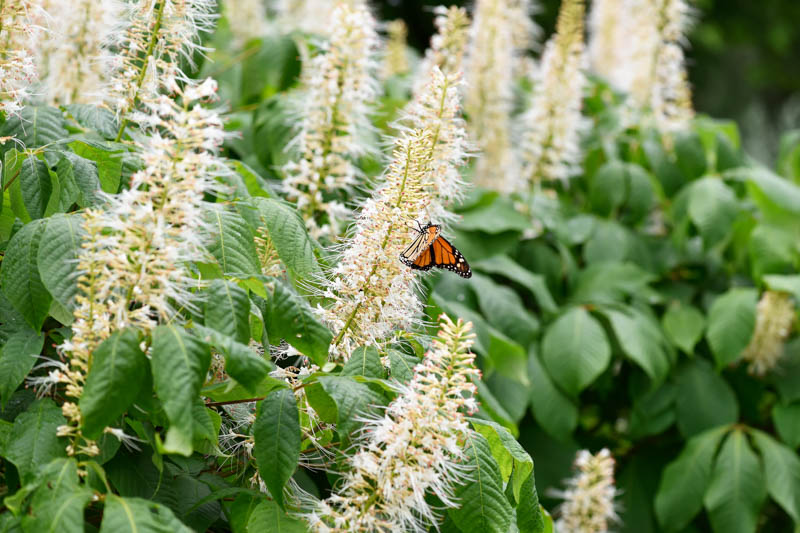
Clethra Alnifolia, Coastal Pepperbush, Coastal Sweet Pepperbush, Coastal Sweet Pepper, Alderleaf Pepperbush, Alderleaf Clethra, Clethra, Summer Sweet

Native Shrubs (Structure, berries, and four-season appeal)

Shrubs anchor beds, feed birds, and provide privacy. Choose a mix for flowers, fruit, and fall color.
  1. 1
    Ilex verticillata (Winterberry): Showy red berries on females; great for wet soils and winter birds.
  2. 2
    Aronia melanocarpa (Black Chokeberry): Spring bloom, glossy fruit, blazing fall show.
  3. 3
    Clethra alnifolia (Summersweet): Fragrant summer spikes; thrives in part shade and moist soils.
  4. 4
    Cornus sericea (Red Osier Dogwood): Red winter stems; bird-friendly white berries.
  5. 5
    Physocarpus opulifolius (Ninebark): Exfoliating bark + spring bloom; drought-tolerant once established.
  6. 6
    Vaccinium corymbosum (Highbush Blueberry): Edible fruit, fiery fall color; prefers acidic soils.
  7. 7
    Morella pensylvanica (Northern Bayberry): Coastal-tough, semi-evergreen; fragrant leaves; sandy soils.
  8. 8
    Rhus aromatica (Fragrant Sumac): Spreading, aromatic foliage; brilliant fall hues.
  9. 9
    Hamamelis virginiana (Witch Hazel): Fragrant ribbons in late fall; shade-tolerant.
  10. 10
    Sambucus canadensis (Elderberry): Umbels of white bloom and heavy fruit; wildlife magnet.

See more native shrubs

Pro tip: For a wildlife hedge, intermix bayberry, elderberry, winterberry, and ninebark. Stagger heights for a layered screen with nectar, fruit, and cover.

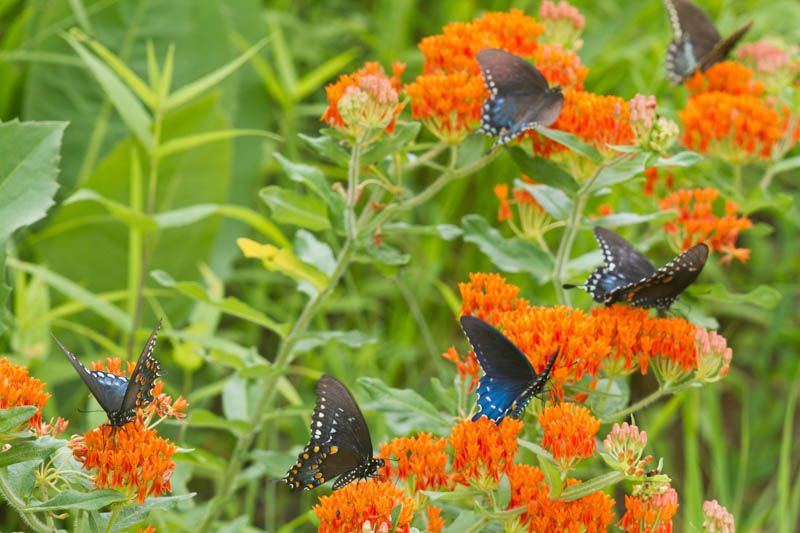
Pipevine Swallowtail, Battus philenor, Butterfly Milkweed, Asclepias tuberosa

Native Perennials (Color, nectar, and seasonal rhythm)

Choose long-blooming workhorses and host plants that keep pollinators fed from spring to frost.
  1. 1
    Echinacea purpurea (Purple Coneflower): Summer daisies; seedheads feed finches.
  2. 2
    Monarda (Bee Balm): Minty foliage; hummingbird favorite; loves sun and moisture.
  3. 3
    Solidago (Goldenrod): Late-season gold for migrating pollinators; clumping forms are well-behaved.
  4. 4
    Symphyotrichum (Asters): Violet-pink daisies in fall; essential late nectar.
  5. 5
    Asclepias tuberosa (Butterfly Weed): Milkweed for monarchs; thrives in lean, dry soils.
  6. 6
    Rudbeckia fulgida (Black-Eyed Susan): Sunny, long-blooming daisies; tough and easy.
  7. 7
    Amsonia hubrichtii (Threadleaf Bluestar): Spring blue stars; dazzling gold fall foliage.
  8. 8
    Achillea (Yarrow): Flat umbels; thrives in heat and drought-resistant gardens.
  9. 9
    Agastache foeniculum (Anise Hyssop): Licorice-mint scent; pollinator magnet; drought-tolerant.
  10. 10
    Aquilegia canadensis (Canadian Columbine): Red-yellow spurs; early hummingbird nectar; shade-tolerant.
🔎 Discover other native perennial plants

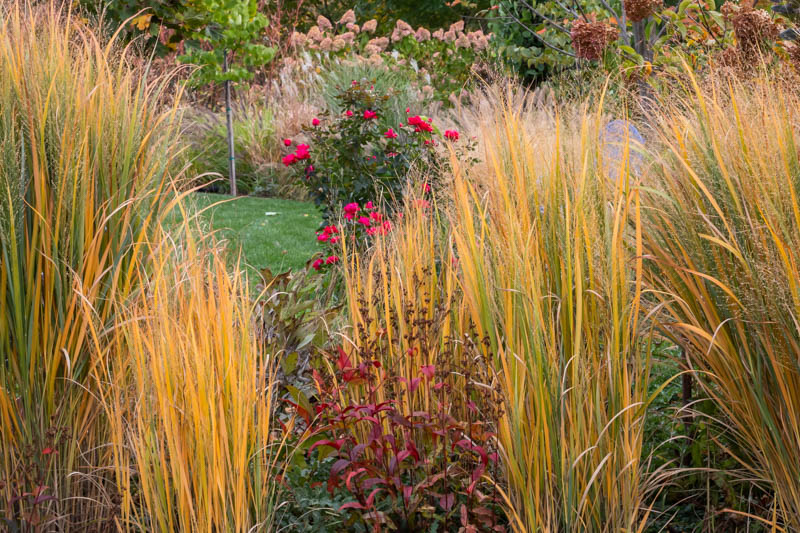
Panicum Virgatum, SwitchGrass, Switch grass, Wand Panic Grass

Native Grasses & Sedges (Movement, matrix, and soil health)

Grasses knit plantings together, feed insects and birds, and add winter beauty. Sedges (Carex) shine in shade or moisture.
  1. 1
    Schizachyrium scoparium (Little Bluestem): Coppery fall; excellent for lean soils and full sun.
  2. 2
    Panicum virgatum (Switchgrass): Airy seed clouds; drought and flood tolerant.
  3. 3
    Sorghastrum nutans (Indian Grass): Bronze plumes; prairie classic; great for meadows.
  4. 4
    Bouteloua gracilis (Blue Grama): Eyelash seedheads; thrives in heat and drought.
  5. 5
    Elymus hystrix (Bottlebrush Grass): Part-shade tolerant; woodland edges.
  6. 6
    Sporobolus heterolepis (Prairie Dropseed): Fragrant, fine-textured domes; immaculate in masses.
  7. 7
    Carex pensylvanica (Pennsylvania Sedge): Lawn-alternative in dry shade; soft, mowable once monthly.
  8. 8
    Calamagrostis canadensis: Cool-season verticals; moist meadows and pond edges.
  9. 9
    Juncus effusus (Common Rush): Architectural stems; rain garden workhorse.
  10. 10
    Andropogon gerardii (Big Bluestem): Tall prairie grass; habitat backbone.
Eco note: Many ornamental grasses sold in nurseries are non-native or invasive in some regions. Prefer regionally native species/cultivars to protect local ecosystems.
🔎 Discover native grasses in your region

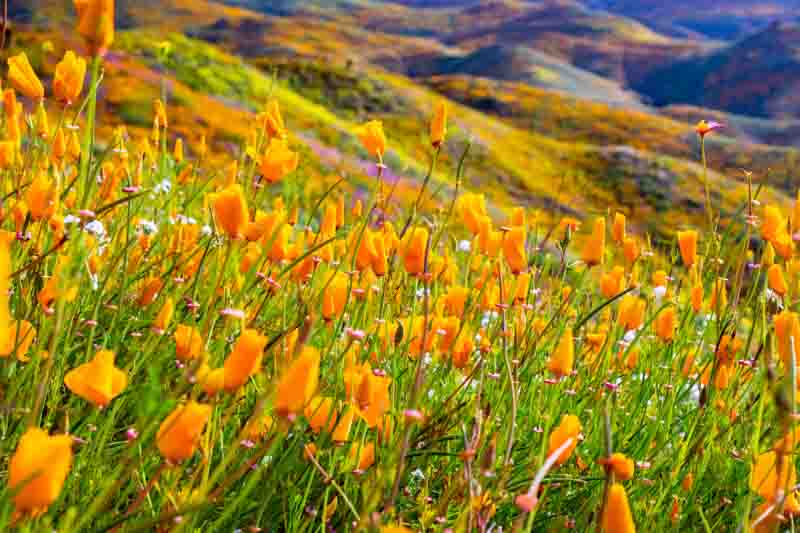
California poppy, California poppies, California Wildflowers, Wildflowers, Yellow Wildflowers,

Native Annuals (Fast color, reseeders, and wildlife value)

Native annuals bring quick bloom, support pollinators, and often self-sow lightly for effortless repeats.

  1. 1
    Helianthus annuus (Common Sunflower): Seeds for birds; bold screens; many regional ecotypes.
  2. 2
    Gaillardia pulchella (Indian Blanket): Sunset rings; thrives in poor, sandy soils.
  3. 3
    Collinsia heterophylla (Purple Chinese Houses): Tiered lavender whorls; spring bee magnet.
  4. 4
    Coreopsis tinctoria (Plains Coreopsis): Cheerful, pollinator-packed daisies; easy reseeder.
  5. 5
    Eschscholzia californica (California Poppy): Satiny cups; thrives in lean, dry soils (West).
  6. 6
    Eryngium leavenworthii (False Purple Thistle): Vivid purple bracts; drought-proof; stellar cut & dried.
  7. 7
    Centaurea americana (American Basketflower): Thistle-like, but friendly to pollinators; tall drama.
  8. 8
    Euphorbia marginata (Snow on the Mountain): Snowy white-margined bracts; heat-tough.
  9. 9
    Clarkia amoena (Farewell-to-Spring): Late-spring color; excellent for coastal West.
  10. 10
    Gilia tricolor (Bird’s Eyes): Pastel clouds; sweet fragrance; easy meadowscaping.

Find more native annual flowers and plants
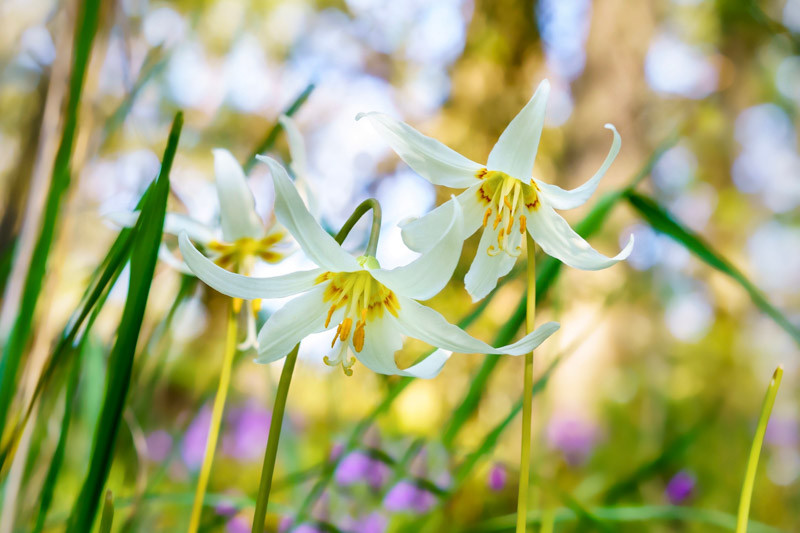

Erythronium oregonum, Giant White Fawn-Lily, Giant White Fawnlily, Oregon Fawn Lily, White flowers, shade perennials

Native Bulbs, Corms & Geophytes (Spring sparks, summer drama)

These bring dependable seasonal fireworks and many are ignored by deer and rodents.
  1. 1
    Camassia quamash (Common Camas): Starry blue spires; moist spring meadows of the West/Northwest.
  2. 2
    Allium cernuum (Nodding Onion): Graceful pink bells; sun to light shade; great with grasses.
  3. 3
    Erythronium americanum (Trout Lily): Dappled leaves, nodding yellow lilies; spring woodland beauty.
  4. 4
    Trillium grandiflorum (White Trillium): Iconic three-petaled spring perennial; rich, moist shade.
  5. 5
    Sanguinaria canadensis (Bloodroot): Early white stars; ephemeral leaves; woodland edges.
  6. 6
    Dichelostemma ida-maia (Firecracker Flower): West Coast showstopper; hummingbird favorite.
  7. 7
    Lilium philadelphicum (Wood Lily): Flaming orange, upright blooms; sandy, well-drained sites.
  8. 8
    Claytonia virginica (Spring Beauty): Candy-striped petals; early pollinator lifeline.
  9. 9
    Zephyranthes drummondii (Evening Rain Lily): Fragrant white blooms after summer rains; drought-tolerant.
  10. 10
    Triteleia laxa (Ithuriel’s Spear): Blue-purple star clusters on wiry stems; summer color for dry borders.
🔎 Learn more about these native plants

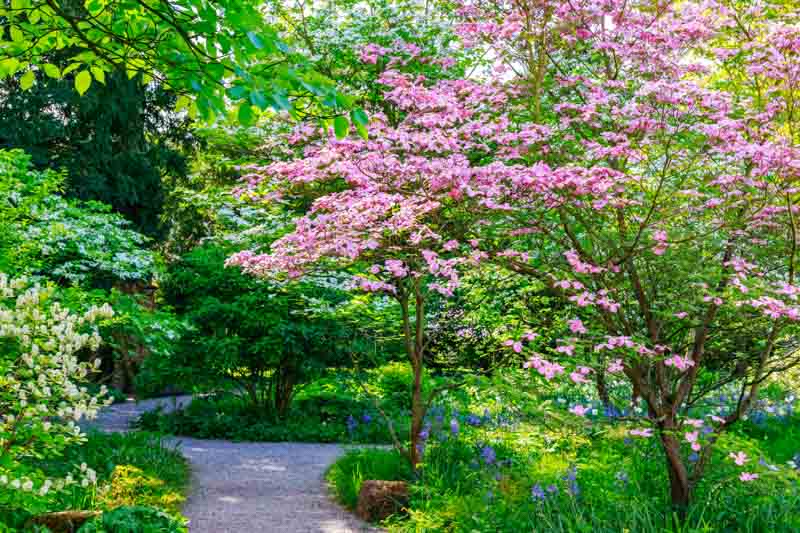
Dogwood, Flowering Dogwood, Dogwood Tree, Cornus florida rubra Tree,

Native Trees (Canopy, cooling, and keystone power)

Trees drive habitat value – oaks alone support hundreds of caterpillar species. Cage young trunks for the first few seasons where wildlife pressure is high.

  1. 1
    Quercus rubra (Northern Red Oak): Keystone canopy; fast-ish growth; superb fall color.
  2. 2
    Acer saccharum (Sugar Maple): Iconic fall blaze; deep shade in maturity.
  3. 3
    Betula nigra (River Birch): Peeling bark; flood tolerant; great near rain gardens.
  4. 4
    Cercis canadensis (Eastern Redbud): Spring pea-flowers on bare branches; small-yard friendly.
  5. 5
    Cornus florida (Flowering Dogwood): Four-season accent; shade-tolerant understory tree.
  6. 6
    Salix nigra (Black Willow): Keystone for early pollinators; thrives in moist sites.
  7. 7
    Amelanchier arborea (Serviceberry): Spring bloom, edible berries, fine fall color; great multi-stem.
  8. 8
    Larix laricina (Tamarack): Deciduous conifer with golden fall glow; cold-climate star.
  9. 9
    Nyssa sylvatica (Black Gum): Glossy leaves, brilliant scarlet fall; adaptable and tough.
  10. 10
    Ostrya virginiana (Hop Hornbeam): Hop-like seed clusters; dappled shade; urban tolerant.
🔎 Learn more about these native trees

Quick Compare: Native Choices by Role

Garden Role Top Picks Notes
Hedges & screens Bayberry,
Winterberry,
Ninebark,
Red Osier Dogwood
Mix evergreen/semi-evergreen with fruiting shrubs for cover + food.
Pollinator color Bee Balm,
Coneflower,
Asters,
Goldenrod,
Butterfly Weed
Aim for successive bloom: spring (Geranium) → summer (Monarda, Echinacea) → fall (Asters, Solidago).
Matrix/groundcover Pennsylvania Sedge,
Prairie Dropseed,
Blue Grama
Mass grasses/sedges to reduce weeds and irrigation.
Shade & woodland Trillium,
Bloodroot,
Bottlebrush Grass
Leave leaf litter for habitat; water during establishment.
Rain gardens Switchgrass,
Joe Pye Weed,
Blue Flag Iris,
Red Osier Dogwood,
Rushes
Choose species that tolerate periodic inundation and summer dry-down.

Designing a Native-Forward Garden

  • Start with site reality: Observe sun hours, soil type (sand/loam/clay), drainage, and wind. Choose plants adapted to those conditions first.
  • Layer structure: Trees (canopy) → large shrubs → small shrubs/perennials → grasses/sedges → groundcovers. Layering = beauty + habitat.
  • Mass and repeat: Plant in drifts of 5–7+ for strong visuals and easier maintenance.
  • Bloom succession: Ensure nectar from early spring to late fall. Add seed/fruit for winter birds.
  • Leave the leaves: Mulch with shredded leaves or leave some leaf litter and hollow stems for overwintering insects.
  • Water to establish: Even drought-tolerant natives need consistent moisture their first season or two.
  • Avoid invasives: Skip exotic “look-alikes” that escape cultivation; verify local guidance.
Design tip: Build a repeating palette: one canopy tree, two structural shrubs, three signature perennials, and two matrix grasses. Repeat that palette across beds for cohesion.

Find Native Garden Design Ideas

Native Picks by Conditions

Shade

Lean on woodland wildflowers and sedges; keep soil rich with leaf mold.

  1. 1
    Polystichum acrostichoides (Christmas Fern): Evergreen fronds; anchors winter shade; deer-resistant.
  2. 2
    Asarum canadense (Wild Ginger): Heart leaves; spicy groundcover; spring jug flowers.
  3. 3
    Actaea racemosa (Black Cohosh): Tall white candles; pollinator-friendly; deer-resistant.
  4. 4
    Tiarella cordifolia (Foamflower): Foamy blooms; patterned foliage; spreads gently.
  5. 5
    Maianthemum racemosum (False Solomon’s Seal): Arching plumes; red berries; woodland accent.

🔎 Find more with our Plant Finder

Full Sun & Dry

Tough, low-water natives for hot sites and lean soils.

  1. 1
    Penstemon digitalis (Beardtongue): Pearl-white spires; bees love; handles lean soils.
  2. 2
    Erigeron speciosus (Showy Fleabane): Lavender daisies for months; xeric-friendly.
  3. 3
    Salvia azurea (Blue Sage): Sky-blue wands; butterflies; drought-tough.
  4. 4
    Gaura lindheimeri (Gaura): Airy pink “butterflies”; blooms for months.
  5. 5
    Achillea millefolium (Common Yarrow): Flat umbels; aromatic; heat-and-drought tough.

🔎 Find more with our Plant Finder

Clay or Moist Soils

Embrace plants that like “heavy feet” or seasonal wetness.

  1. 1
    Iris versicolor (Blue Flag Iris): Bog-tough blue flags; rain-garden star.
  2. 2
    Eutrochium purpureum (Joe Pye Weed): Vanilla-scented domes; towering butterfly magnet.
  3. 3
    Asclepias incarnata (Swamp Milkweed): Monarch host; rosy umbels; loves wet feet.
  4. 4
    Caltha palustris (Marsh Marigold): Early golden cups; thrives in spring wet.
  5. 5
    Chelone glabra (White Turtlehead): Turtlehead blooms; late nectar; moist-border star.

🔎 Find more with our Plant Finder

By USDA Zone (Quick-Start Ideas)

Match plants to your zone, then refine by ecoregion, soil, and light.

🔎 Find regionally native plants

Planting & Care Basics

  • Timing: Plant in cool seasons (spring/fall) for best root establishment.
  • Soil prep: Loosen soil, remove weeds; amend only if needed to fix drainage. Many natives prefer lean soils – don’t over-fertilize.
  • Water: Deeply and less often; taper after the first season as roots mature.
  • Mulch: 2–3 inches (5–7.5 cm) of shredded leaves/wood chips; keep off trunks/crowns.
  • Cutback strategy: Leave some hollow stems 12–18 in (30–45 cm) for native bee nesting; delay major cleanup until spring warmth.

🔎 Find native plants by state

Frequently Asked Questions

Why plant natives?

They feed local wildlife, support pollinators, often need less water and care once established, and help restore biodiversity.

How do I find what’s native to my area?

Check your state/provincial native plant society, local extension service, regional plant lists and ecoregion guides, or our Native Plant Finder.

Do natives need less water?

Usually after the first 1–2 establishment years; they still need deep, regular watering until roots are set.

What’s the difference between “straight species” and “nativars”?

Straight species are wild types; nativars are cultivated selections. Some nativars work well for wildlife, others less so – test case by case.

Can I plant natives in containers?

Yes – choose smaller species, use well-draining soil, and water more often than in-ground.

Do natives need fertilizer?

Rarely. Improve soil with compost and mulch; avoid high-nitrogen fertilizers that spur weak growth.

When is the best time to plant?

Fall in most climates; early spring where winters are severe or soils stay wet in fall.

Can natives replace a lawn?

Yes – convert in phases with hardy groundcovers, low meadows, or no-mow mixes suited to your region.

Is it okay to dig plants from the wild?

No. It can harm wild populations and may be illegal. Buy from ethical, local nurseries.

Will natives help pollinators?

Yes – plant a sequence of blooms spring through fall, include host plants for caterpillars, and avoid pesticides.

Are native plants low-maintenance?

Yes, most native plants require less care after establishment but all plants may need initial watering and occasional maintenance depending on local conditions.

Do native plants need special soil or fertilizer?

Most native plants thrive in local soils and require little or no fertilizer once established; use mulch and compost if needed but avoid overfeeding.

How do I start a native plant garden?

Begin by assessing your climate, soil, sunlight, and garden conditions. Choose species that are locally adapted and group plants according to their moisture needs.

Final Takeaway

Native plants turn your landscape into a living ecosystem: lower maintenance for you, higher value for wildlife. Start with your site and ecoregion, layer structure, and plan for season-long bloom. Focus on keystone trees and perennials, weave in grasses and sedges, and let nature do more of the work. The result: a gorgeous, resilient garden that hums with life – today, and for years to come.

References

Updated: October 2025 • Reviewed by Gardenia Editors

Guide Information

Hardiness 3 - 10
Plant Type Annuals, Bulbs, Ferns, Herbs, Ornamental Grasses, Perennials, Shrubs, Trees
Exposure Full Sun, Partial Sun, Shade
Season of Interest Spring (Early, Mid, Late), Summer (Early, Mid, Late), Fall, Winter
Native Plants United States

Recommended Guides

Native Oak Trees: A Must-Have for Your Landscape
40 Beautiful Native Shrubs for Shade
Native Viburnums: Ideal Shrubs for Your Garden
Plant Native Annual Flowers for a Vibrant Garden
Pretty Native American Roses
Top Hardy US Native Hibiscus Plants for Your Garden
Recommended Native Ferns for Northern Virginia
Georgia Native Vines
South Carolina Native Grasses
Sun-Loving Native Shrubs for North Florida
Alabama Native Evergreen Trees
Native Groundcovers for the Northern California Coast Region
Guides with
United States
While every effort has been made to describe these plants accurately, please keep in mind that height, bloom time, and color may differ in various climates. The description of these plants has been written based on numerous outside resources.

Guide Information

Hardiness 3 - 10
Plant Type Annuals, Bulbs, Ferns, Herbs, Ornamental Grasses, Perennials, Shrubs, Trees
Exposure Full Sun, Partial Sun, Shade
Season of Interest Spring (Early, Mid, Late), Summer (Early, Mid, Late), Fall, Winter
Native Plants United States
Guides with
United States

Related Items

Please Login to Proceed

You Have Reached The Free Limit, Please Subscribe to Proceed

Subscribe to Gardenia

To create additional collections, you must be a paid member of Gardenia
  • Add as many plants as you wish
  • Create and save up to 25 garden collections
Become a Member

Plant Added Successfully

Your garden is taking shape. Unlock full planning.

You’ve reached the free limit. Upgrade for $25/year to add as many plants as you wish and save up to 25 garden collections. Unlock Annual Membership

Update Your Credit
Card Information

Cancel

Create a New Collection

Sign Up to Our Newsletter

    You have been subscribed successfully

    Join Gardenia.net

    Create a membership account to save your garden designs and to view them on any device.

    Becoming a contributing member of Gardenia is easy and can be done in just a few minutes. If you provide us with your name, email address and the payment of a modest $25 annual membership fee, you will become a full member, enabling you to design and save up to 25 of your garden design ideas.

    Join now and start creating your dream garden!

    Join Gardenia.net

    Create a membership account to save your garden designs and to view them on any device.

    Becoming a contributing member of Gardenia is easy and can be done in just a few minutes. If you provide us with your name, email address and the payment of a modest $25 annual membership fee, you will become a full member, enabling you to design and save up to 25 of your garden design ideas.

    Join now and start creating your dream garden!
    Find your Hardiness Zone

    Find your Heat Zone

    Find your Climate Zone