Scarlet Sage, Scarlet Salvia, Red Salvia, Tropical Sage, Bonfire Salvia, St. John’s Fire, Vista Red Salvia, Annual Salvia, Salvia Brasiliensis, Fenixanthes Splendens
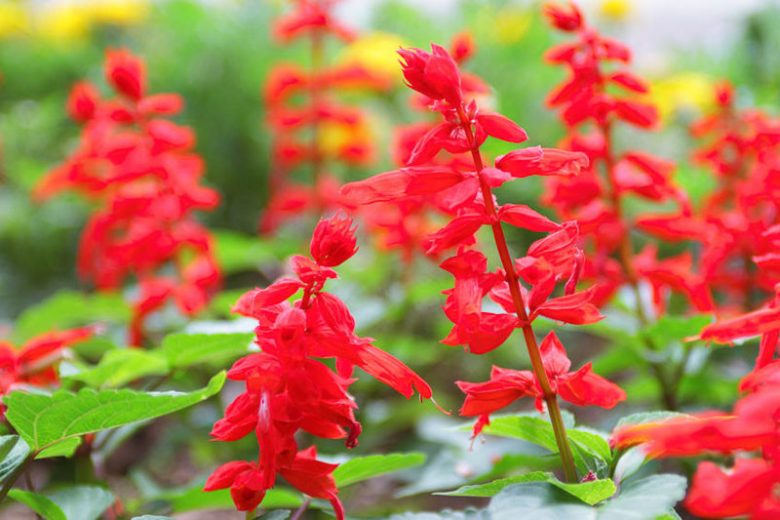
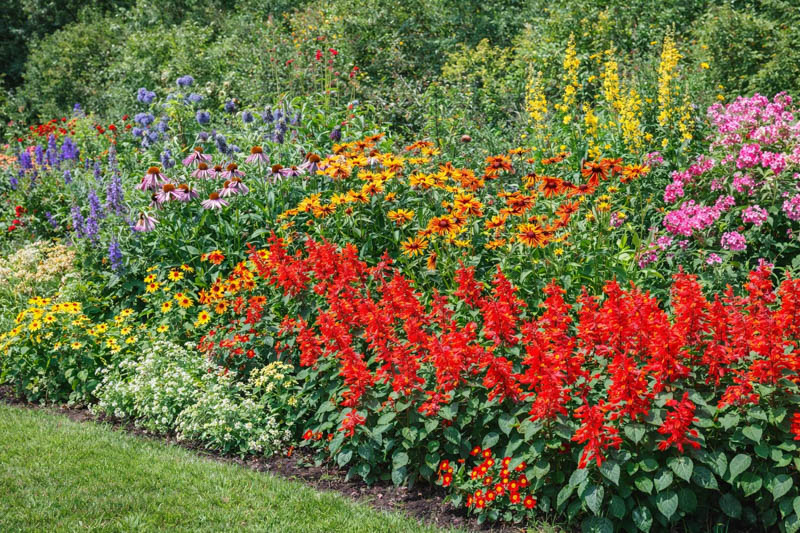
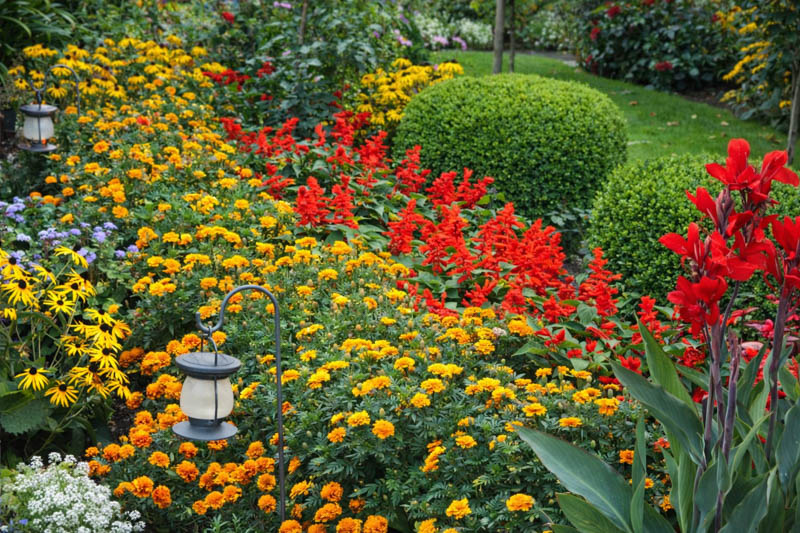


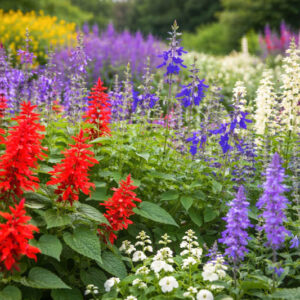
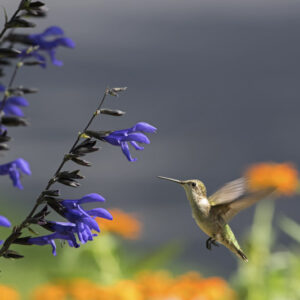
Salvia splendens, better known as Scarlet Sage or red salvia, is an “instant gratification” plant that makes a garden look designed – fast. Plant it, water it in, and it gets to work: dense spikes of long-tubed flowers rising above deep green foliage, delivering bold color from late spring to frost in many climates. It’s a classic for beds, borders, and containers – and a reliable way to draw hummingbirds.
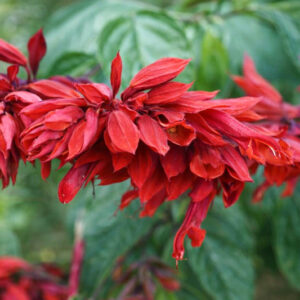
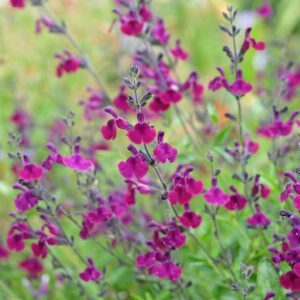
Scarlet red is the traditional look, but modern selections widen the palette with purple, pink, blue, lavender, salmon, white, and bicolor blooms. Hummingbirds go for the tubular flowers, while deer often pass it by – a combo that earns Scarlet Sage a regular spot in sunny landscapes.
Summary: A clump-forming, tender perennial (often grown as an annual) with upright spikes of long-tubed, brightly colored flowers.
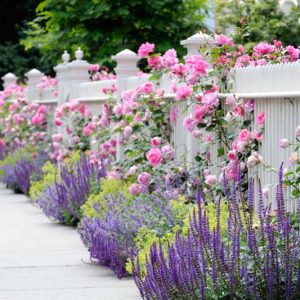
Use: Excellent for mixed borders, mass plantings, cottage gardens, cutting gardens, edging, and containers.
Highlight: Dense, showy bloom spikes that bloom for months.
Note: Best in full sun and moist, well-drained soil. Loved by butterflies and hummingbirds; often avoided by deer.
| Botanical Name | Salvia splendens |
|---|---|
| Family | Mint family (Lamiaceae) |
| Common Names | Scarlet Sage, Red Salvia, Scarlet Bedding Sage |
| Native Range | Native to Brazil. |
| Plant Type and Habit | Tender perennial (commonly grown as an annual); clump-forming, upright |
| Hardiness (approx. USDA) | Hardy in USDA Zones 10-11; grown as an annual elsewhere |
| Height | 12-24 in. (30-60 cm) – some series are more compact |
| Spread | 12-24 in. (30-60 cm) |
| Spacing | 12-18 in. (30-45 cm) for good airflow |
| Sun and Exposure | Best in full sun; light shade tolerated (especially in extreme heat) |
| Soil | Prefers humus-rich, moderately fertile, moist, well-drained soil |
| Seasonal Interest | Late spring through frost (long season) |
| Flower Color | Scarlet red is classic – also pink, purple, blue, lavender, salmon, white, bicolor (by cultivar) |
| Foliage Color | Dark green, clean-looking foliage that makes flowers look even brighter |
| Fragrance | Mild (foliage may be lightly aromatic when crushed) |
| Drought Tolerant | Not truly – best bloom with consistent moisture (see water tips below). For low-water options, explore drought-tolerant plants. |
| Heat Tolerant | Yes (best with consistent moisture during heat) |
| Humidity Tolerant | Yes (good airflow helps prevent mildew in humid weather) |
| Pollution Tolerant | Generally performs well in urban environments |
| Nectar / Pollen | Yes (nectar-rich tubular flowers) |
| Attracts | Bees, butterflies, hummingbirds |
| Deer | Often avoided by deer – see deer resistant guidance |
| Toxicity | Ornamental plant – avoid ingestion and use standard garden caution around pets and kids |
| Invasive Status | Not typically considered invasive in gardens |
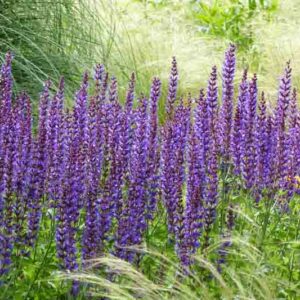
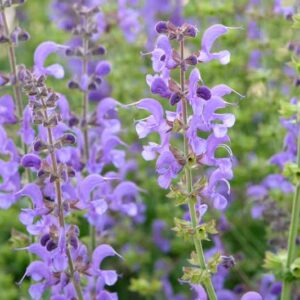
Salvia splendens is prized for bold, upright bloom spikes and a consistently bright presence in the garden. The long-tubed flowers pack into dense vertical clusters that read well from a distance, while the foliage stays dark green and tidy for clean contrast.
This species is native to Brazil and is a tender perennial in warm climates. In regions with frost, it’s commonly grown as an annual for fast growth and heavy summer bloom.
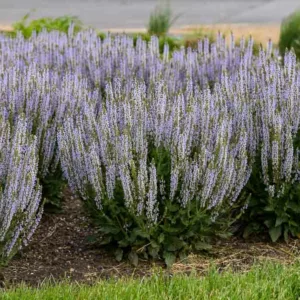
Scarlet Sage typically forms clumps around 12-18 inches tall (30-45 cm) and about 12 inches wide (30 cm), with some cultivars taller. The habit stays upright, with flower spikes held above the foliage for strong vertical color without flopping.
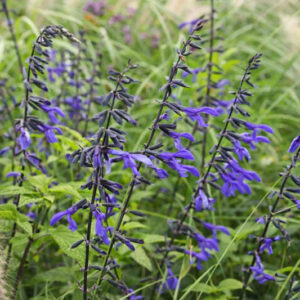
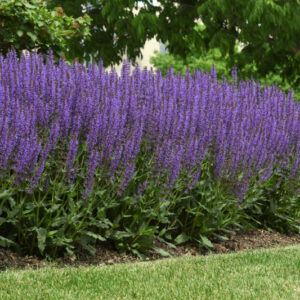
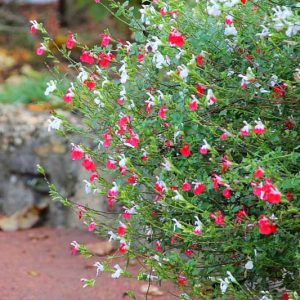
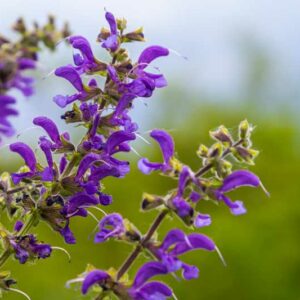
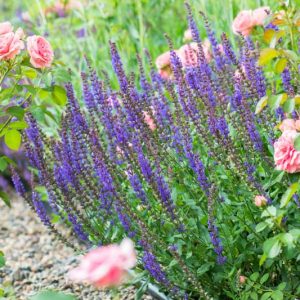
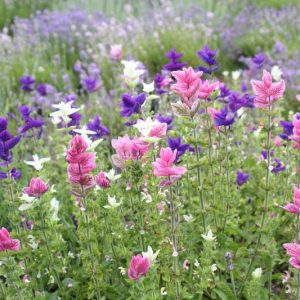
The signature look is scarlet red, but cultivars now include pink, purple, lavender, blue, salmon, white, and bicolor forms. Deadheading and steady moisture help keep plants blooming hard through the season.
The foliage is dark green and clean, making it a strong backdrop for bloom and an easy fit with other annuals and perennials in mixed plantings.
Salvia splendens is perennial in USDA Zones 10-11. In cooler zones, it’s typically grown as an annual.
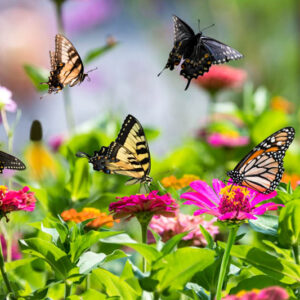
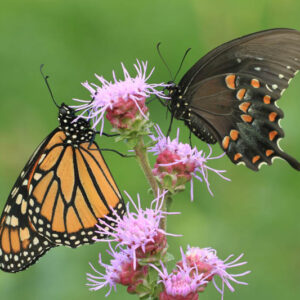
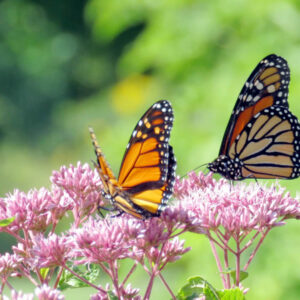
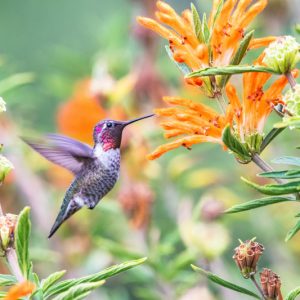
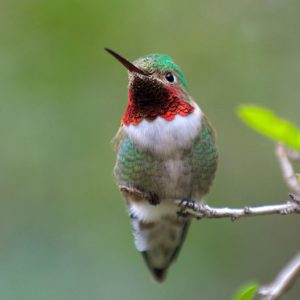
Those tubular blooms offer nectar for pollinators and nectar feeders. Scarlet Sage supports bees, butterflies, and hummingbirds, making it an easy way to add wildlife value to sunny beds.
Scarlet Sage is often avoided by deer, though no plant is completely deer proof. In high-pressure areas, pair it with other aromatic or textured choices from deer resistant lists for better overall resilience.
This is not a “plant it and forget it” salvia in midsummer. Salvia splendens performs best with consistent moisture in well-drained soil. Prolonged drying typically slows flowering and stresses plants, especially in containers. For low-water gardens, consider drought-tolerant companions (or more drought-tolerant salvias): drought-tolerant plants.
Salvia splendens is grown as an ornamental. Avoid ingestion and use standard garden caution around pets and kids.
Scarlet Sage is generally well-behaved in garden settings. It forms clumps rather than running, and any volunteer seedlings (if they occur) are usually easy to manage.
A balanced, slow-release fertilizer at planting time is often enough for steady growth. If you want continuous bloom power (especially in containers), a light feeding every 4-6 weeks can help. The trick is moderation: too much nitrogen pushes leafy growth at the expense of flowers.
Scarlet Sage is generally easy, but check plants occasionally – especially in hot, dry stretches or crowded plantings. You may see aphids on tender growth or spider mites during dry heat. A strong spray of water, better airflow, and encouraging beneficial insects usually keeps issues minor.
Salvia splendens is a tender perennial in USDA Zones 10-11. In most climates with frost, it is grown as an annual because it blooms strongly from late spring to frost.
Scarlet Sage typically blooms from late spring through frost. Deadheading spent flower spikes and keeping moisture consistent helps extend flowering and keeps plants looking fresh.
Full sun produces the most flowers and the strongest stems. Light shade is tolerated, especially in extreme heat, but too much shade can reduce bloom density.
Many garden selections grow about 12-18 inches tall (30-45 cm) and around 12 inches wide (30 cm), though some cultivars can be taller. Spacing 12-18 inches apart helps plants fill in and improves airflow.
Scarlet Sage is often avoided by deer, especially compared to many soft-leaved annuals. However, no plant is completely deer proof when browsing pressure is high.
Yes. Start seeds indoors about 6-8 weeks before the last spring frost date, then transplant outdoors after frost when nights are warm. This is a common way to grow bedding salvia affordably.
Not really. Salvia splendens blooms best with consistent moisture in well-drained soil. It can handle short dry spells once established, but prolonged drought usually reduces flowering and stresses the plant, especially in containers.
Updated: January 2026 – Reviewed by Gardenia Editors
| Hardiness |
10 - 11 |
|---|---|
| Heat Zones |
1 - 12 |
| Climate Zones | 21, 22, 23, 24, H2 |
| Plant Type | Annuals, Perennials |
| Plant Family | Lamiaceae |
| Genus | Salvia |
| Common names | Sage, Scarlet Sage |
| Exposure | Full Sun |
| Season of Interest | Spring (Late), Summer (Early, Mid, Late), Fall |
| Height | 1' - 2' (30cm - 60cm) |
| Spread | 1' - 2' (30cm - 60cm) |
| Spacing | 12" - 18" (30cm - 50cm) |
| Maintenance | Low |
| Water Needs | Average |
| Soil Type | Loam, Sand |
| Soil pH | Acid, Alkaline, Neutral |
| Soil Drainage | Moist but Well-Drained, Well-Drained |
| Characteristics | Cut Flowers, Showy |
| Tolerances | Deer, Heat |
| Attracts | Bees, Butterflies, Hummingbirds |
| Garden Uses | Beds And Borders, Edging, Patio And Containers, Wall-Side Borders |
| Garden Styles | City and Courtyard, Coastal Garden, Informal and Cottage, Mediterranean Garden |
| Toxic to Humans | No known toxicity |
| Toxic to Cats | No known toxicity |
| Toxic to Dogs | No known toxicity |
| Toxic to Horses | No known toxicity |


| Hardiness |
10 - 11 |
|---|---|
| Heat Zones |
1 - 12 |
| Climate Zones | 21, 22, 23, 24, H2 |
| Plant Type | Annuals, Perennials |
| Plant Family | Lamiaceae |
| Genus | Salvia |
| Common names | Sage, Scarlet Sage |
| Exposure | Full Sun |
| Season of Interest | Spring (Late), Summer (Early, Mid, Late), Fall |
| Height | 1' - 2' (30cm - 60cm) |
| Spread | 1' - 2' (30cm - 60cm) |
| Spacing | 12" - 18" (30cm - 50cm) |
| Maintenance | Low |
| Water Needs | Average |
| Soil Type | Loam, Sand |
| Soil pH | Acid, Alkaline, Neutral |
| Soil Drainage | Moist but Well-Drained, Well-Drained |
| Characteristics | Cut Flowers, Showy |
| Tolerances | Deer, Heat |
| Attracts | Bees, Butterflies, Hummingbirds |
| Garden Uses | Beds And Borders, Edging, Patio And Containers, Wall-Side Borders |
| Garden Styles | City and Courtyard, Coastal Garden, Informal and Cottage, Mediterranean Garden |
| Toxic to Humans | No known toxicity |
| Toxic to Cats | No known toxicity |
| Toxic to Dogs | No known toxicity |
| Toxic to Horses | No known toxicity |
How many Salvia splendens (Scarlet Sage) do I need for my garden?
| Plant | Quantity | |
|---|---|---|
| Salvia splendens (Scarlet Sage) | N/A | Buy Plants |
Create a membership account to save your garden designs and to view them on any device.
Becoming a contributing member of Gardenia is easy and can be done in just a few minutes. If you provide us with your name, email address and the payment of a modest $25 annual membership fee, you will become a full member, enabling you to design and save up to 25 of your garden design ideas.
Join now and start creating your dream garden!
Create a membership account to save your garden designs and to view them on any device.
Becoming a contributing member of Gardenia is easy and can be done in just a few minutes. If you provide us with your name, email address and the payment of a modest $25 annual membership fee, you will become a full member, enabling you to design and save up to 25 of your garden design ideas.
Join now and start creating your dream garden!