Mexican Bush Sage, Mexican Sage, Mexican Bush-sage, Mexican Salvia, Velvet Sage, Texas Sage


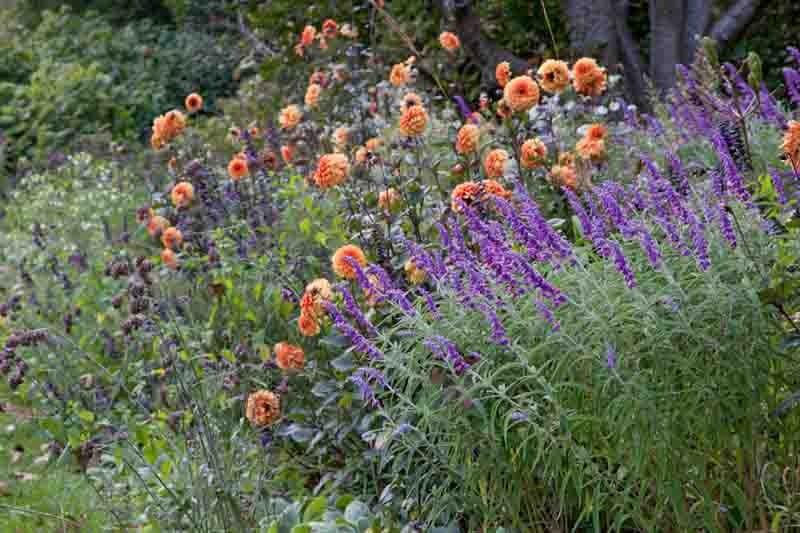
Salvia leucantha is the kind of plant that makes people stop mid-walk and ask, “What is THAT?” From late summer to first frost, Mexican Bush Sage throws up plush, velvety flower spikes when many gardens are fading. If you want bold fall color, soft texture, and nonstop visits from bees, butterflies, and hummingbirds, this is one of the easiest yes-plants you can grow.
Gardeners love Mexican Bush Sage for its showy, bicolor blooms – soft purple sepals paired with fuzzy white flowers – and its graceful, arching habit that looks natural and designed at the same time. It is also a strong performer in warm climates: give it sun, decent drainage, and a little room, and it rewards you with a long season of color. Better still, it is drought-tolerant once established, generally low-maintenance, and often ignored by hungry browsers.
Summary: Shrubby perennial that is evergreen in mild climates with arching spikes of velvety, bicolor blooms that light up the fall garden. Often grown as an annual or dies back in colder regions
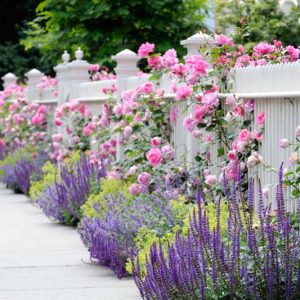
Use: Excellent for mixed borders, cottage gardens, Mediterranean and gravel gardens, pollinator plantings, and large containers.
Highlight: Late-season bloom from late summer to first frost – exactly when you want a color rescue plan.
Note: Best in full sun and well-drained soil. Drought tolerant once established and commonly considered deer and rabbit resistant.
| Botanical Name | Salvia leucantha |
|---|---|
| Family | Mint family (Lamiaceae) |
| Common Names | Mexican Bush Sage, Velvet Sage, Mexican Sage |
| Native Range | Native to Central America and Mexico. |
| Plant Type and Habit | Shrubby evergreen perennial with an arching, fountain-like habit. |
| Hardiness (approx. USDA) | Hardy in USDA Zones 8-10; grown as an annual or overwintered elsewhere |
| Height | 2-4 ft. (60-120 cm) |
| Spread | 2-3 ft. (60-90 cm) |
| Spacing | 2-3 ft. (60-90 cm) |
| Sun and Exposure | Best in full sun; tolerates partial shade |
| Soil | Prefers well-drained soil; performs in average to rich soils; avoid soggy winter wet |
| Seasonal Interest | Late summer through fall – often to first frost |
| Flower Color | Purple and white bicolor (signature look); some cultivars vary |
| Foliage Color | Gray-green above with a fuzzy, lighter underside |
| Fragrance | Aromatic foliage when brushed (classic sage-family trait) |
| Drought Tolerant | Yes (once established) |
| Heat Tolerant | Yes |
| Nectar – Pollen | Yes (nectar-rich flowers) |
| Attracts | Bees, butterflies, hummingbirds |
| Deer – Rabbit | Often considered deer resistant and rabbit resistant |
| Toxicity | Primarily ornamental; avoid ingestion and use standard garden caution |
| Invasive Status | Not typically considered invasive in gardens |
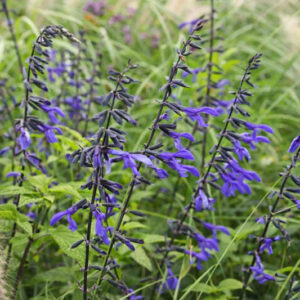
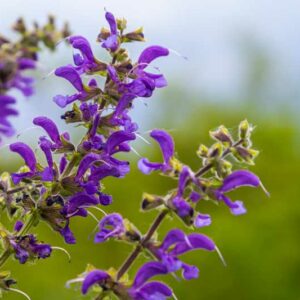
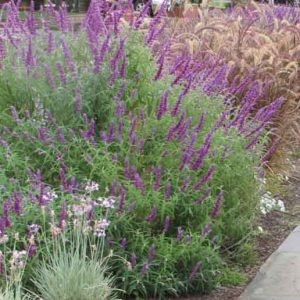
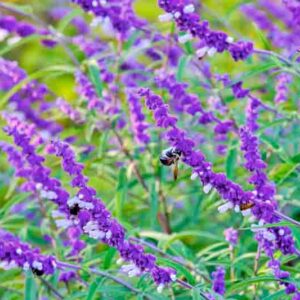
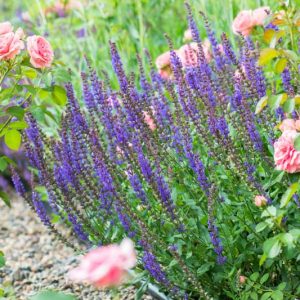
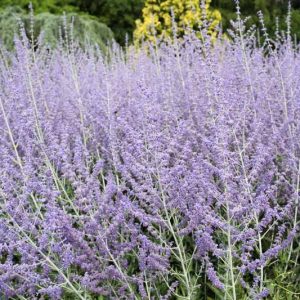
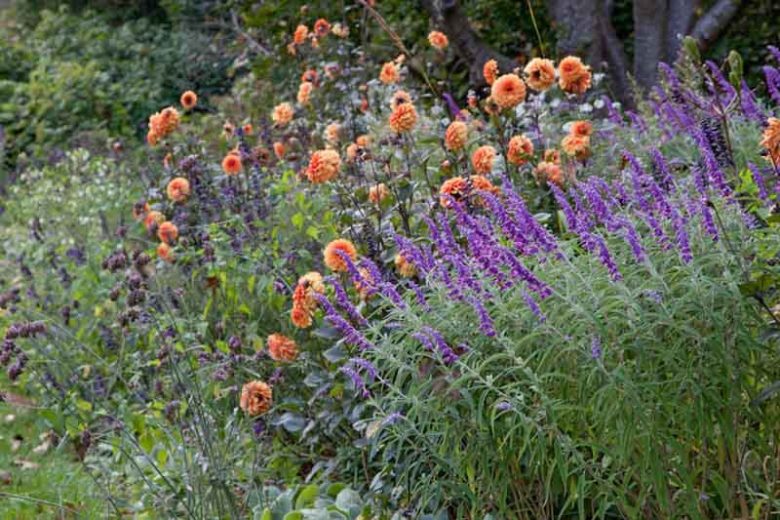
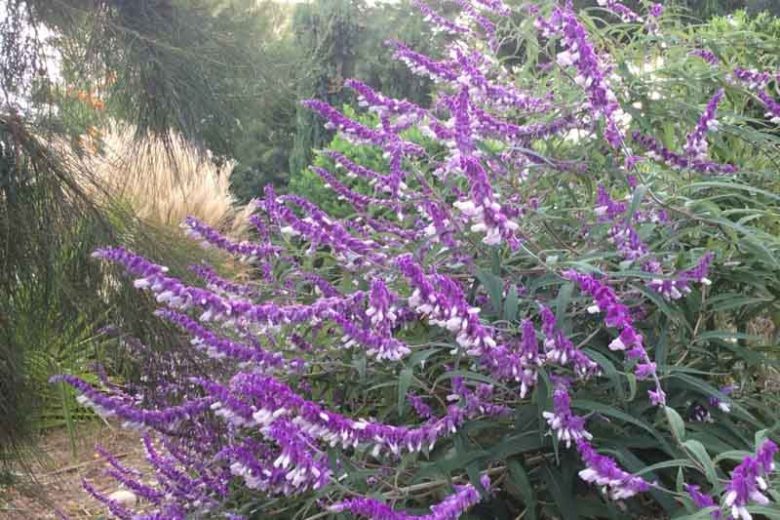
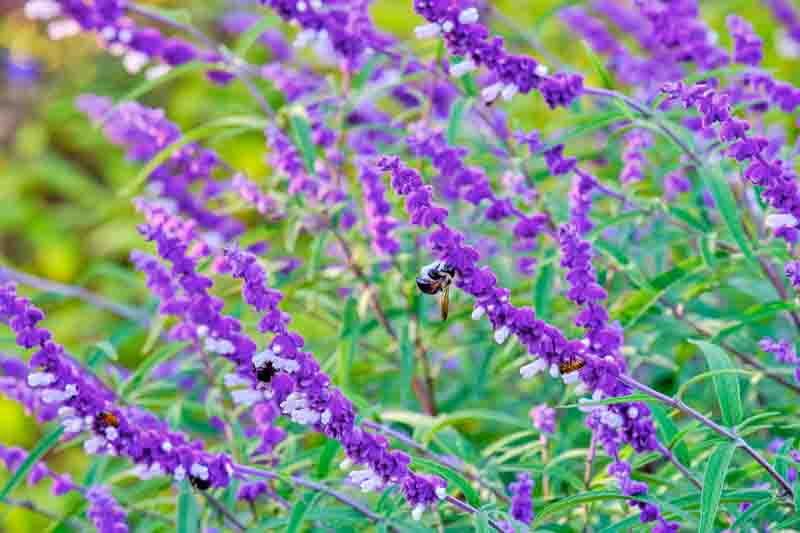
Maybe one of the most attractive salvias, Mexican Bush Sage (Salvia leucantha) is prized by gardeners for its ornamental and showy velvety flower spikes produced from late summer to first frost when other summer plants have given hope of doing anything productive. The flowers are a signature bicolor: soft purple sepals (the long-lasting “velvet” part) paired with fuzzy white flowers that peek out like tiny flags. The bloom spikes rise in dense, arching wands above lance-shaped leaves that are gray-green on top and softly fuzzy underneath.
Salvia leucantha is native to Central America and Mexico. In warm climates it behaves as an evergreen shrubby perennial, while in colder regions it is often grown as a fast, high-impact annual. Either way, it is a reliable late-season nectar plant – a big deal if you are trying to support wildlife when floral resources get scarce.
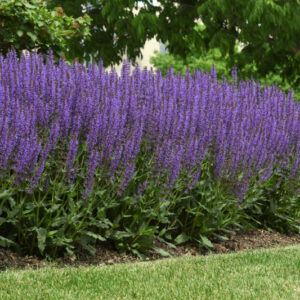
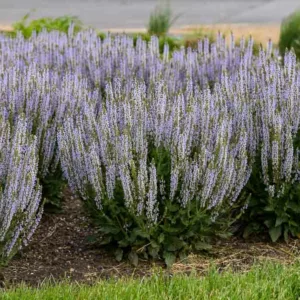
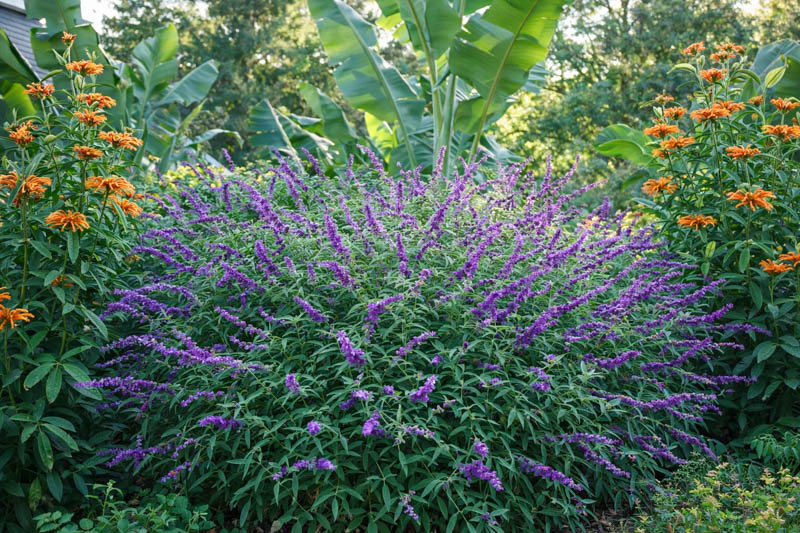
This is not a tiny edging plant. Mexican Bush Sage typically grows 2-4 ft. tall (60-120 cm) and 2-3 ft. wide (60-90 cm), forming a billowy, fountain-like mound that looks especially good when planted where it has space to arch. The overall look is soft and flowing, not stiff. Think: movement, texture, and a slightly wild elegance that still feels intentional.
The headline is the timing: late summer through fall, often right to the first frost. When your garden is begging for a second wind, Mexican Bush Sage steps in with fresh color and texture. Those velvety spikes also work as cut flowers – especially if you like arrangements with airy height and a soft, touchable look.
The foliage is quietly beautiful: narrow, gray-green leaves above and fuzzy, pale undersides below. Brush past it and you may notice that sage-family aroma – one reason it is often ignored by browsing animals. In warm regions, it stays evergreen. In colder regions, treat it like a seasonal superstar and replant each year, or overwinter in a protected spot if you are adventurous.
Salvia leucantha is generally hardy in USDA Zones 8-10. In colder zones, it is commonly grown as an annual because it grows quickly and flowers heavily in one season. If winters are wet and cold, drainage and crown protection matter as much as temperature.
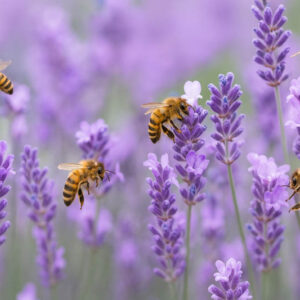
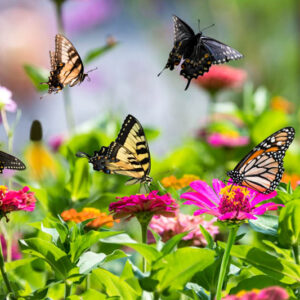
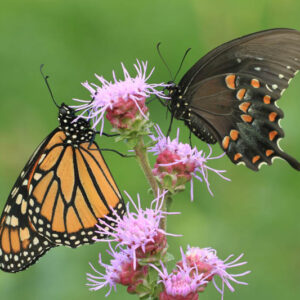
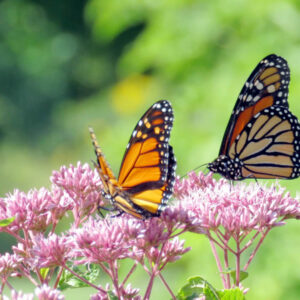
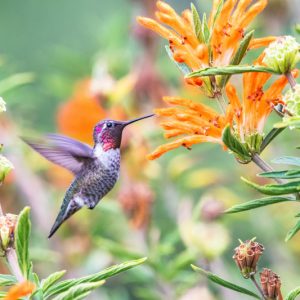
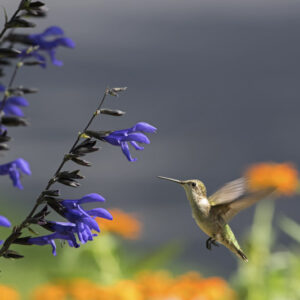
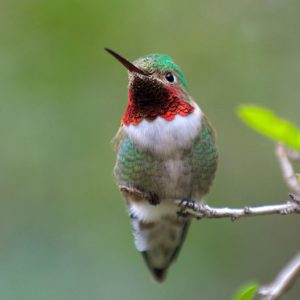
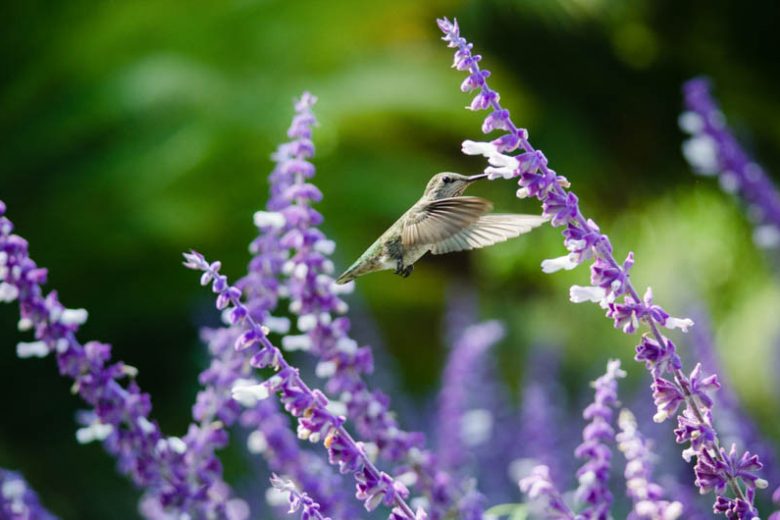
Mexican Bush Sage is loved by bees, butterflies, and hummingbirds. The long, tubular flowers are nectar-rich and perfectly shaped for pollinators, which means your garden stays active and buzzing when many other bloomers are done for the year.
This plant is commonly considered deer resistant and often ignored by rabbits too. The aromatic foliage helps. Of course, no plant is completely browse-proof when food is scarce, but Mexican Bush Sage is a smart pick if browsing is a recurring problem.
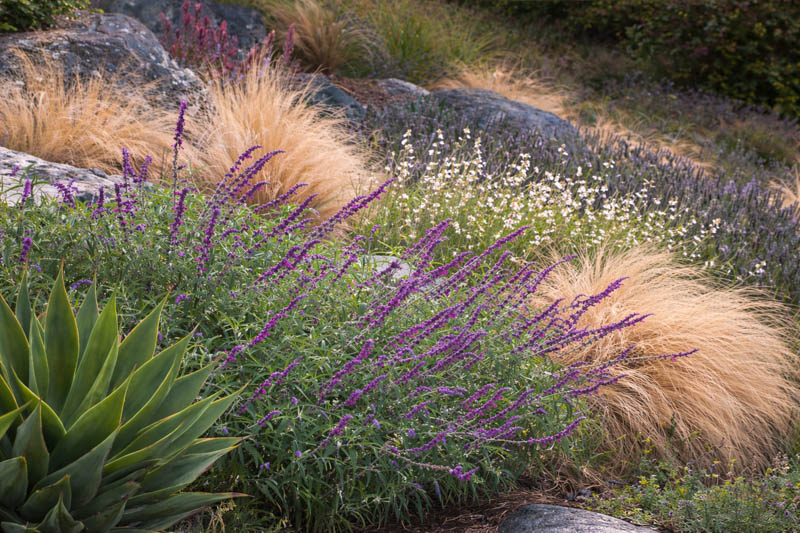
Once established, Mexican Bush Sage is drought-tolerant, making it a strong choice for hot summers, low-water landscapes, and xeriscape-style planting. It will bloom best with regular moisture, but it does not need constant pampering. For more water-wise salvia inspiration, see Discover 20 Top Salvia Varieties for a Thriving Xeriscape.
Salvia leucantha is primarily grown as an ornamental. As with most garden plants, avoid ingestion and use standard garden caution around pets and children.
Mexican Bush Sage is generally well-behaved in garden settings. It forms a clump and is typically easy to manage with seasonal pruning and spacing.
A light spring feeding is usually plenty. Too much fertilizer (especially high nitrogen) can produce leafy growth at the expense of flowers. If your goal is velvet spikes, keep feeding modest and focus on sun and drainage.
Mexican Bush Sage is generally tough, but a few sap-sucking insects can show up – especially when plants are stressed by heat, drought, crowding, or indoor overwintering. If you notice sticky leaves, pale speckling, or clusters on new growth, it is usually one of these common culprits.
Most infestations stay minor with good airflow, consistent (not excessive) watering, and regular leaf checks. A firm spray of water can knock back many pests, and encouraging beneficial insects helps keep populations in balance.
Most disease issues with Salvia leucantha trace back to two things: poor airflow and too much moisture (especially around the crown). Keep the plant in sun, space it well, and prioritize drainage to avoid most problems.
For even more inspiration when building colorful, water-wise plantings, these guides can help you choose companions that thrive in similar conditions:
Yes. Once established, Salvia leucantha is drought tolerant and performs best with deep, occasional watering. For the most flowers in late summer and fall, water during prolonged drought, especially in containers or very sandy soil.
Salvia leucantha typically blooms from late summer through fall, often continuing to the first frost. It is especially valuable for late-season color and pollinator support.
Full sun produces the strongest growth and the most flower spikes. Partial shade is tolerated, especially in very hot climates, but bloom density may be lighter.
Mexican Bush Sage typically reaches about 2-4 feet tall (60-120 cm) and 2-3 feet wide (60-90 cm), depending on climate, pruning, and growing conditions.
It is often considered deer and rabbit resistant because the foliage is aromatic and not a preferred food source. However, no plant is completely deer proof when browsing pressure is high.
Cut old foliage back in early spring. In many climates, leaving stems through winter helps protect the crown, then a spring cutback encourages fresh, vigorous growth.
Salvia leucantha prefers well-drained soil. It tolerates a range of soil types, but drainage is essential to reduce the risk of root problems, especially in winter or rainy seasons.
Updated: January 2026 – Reviewed by Gardenia Editors
| Hardiness |
8 - 10 |
|---|---|
| Heat Zones |
4 - 12 |
| Climate Zones | 12, 13, 14, 15, 16, 17, 18, 19, 20, 21, 22, 23, 24, H1, H2 |
| Plant Type | Annuals, Perennials, Shrubs |
| Plant Family | Lamiaceae |
| Genus | Salvia |
| Common names | Mexican Bush Sage, Mexican Sage, Sage |
| Exposure | Full Sun, Partial Sun |
| Season of Interest | Summer (Late), Fall |
| Height | 2' - 4' (60cm - 120cm) |
| Spread | 2' - 3' (60cm - 90cm) |
| Spacing | 24" - 36" (60cm - 90cm) |
| Maintenance | Low |
| Water Needs | Average |
| Soil Type | Clay, Loam, Sand |
| Soil pH | Acid, Alkaline, Neutral |
| Soil Drainage | Moist but Well-Drained, Well-Drained |
| Characteristics | Cut Flowers, Fragrant, Plant of Merit, Showy, Evergreen |
| Tolerances | Drought, Deer, Salt, Rabbit, Heat |
| Attracts | Bees, Butterflies, Hummingbirds |
| Garden Uses | Beds And Borders, Patio And Containers |
| Garden Styles | Coastal Garden, Informal and Cottage, Mediterranean Garden |
| Toxic to Humans | No known toxicity |
| Toxic to Cats | No known toxicity |
| Toxic to Dogs | No known toxicity |
| Toxic to Horses | No known toxicity |


| Hardiness |
8 - 10 |
|---|---|
| Heat Zones |
4 - 12 |
| Climate Zones | 12, 13, 14, 15, 16, 17, 18, 19, 20, 21, 22, 23, 24, H1, H2 |
| Plant Type | Annuals, Perennials, Shrubs |
| Plant Family | Lamiaceae |
| Genus | Salvia |
| Common names | Mexican Bush Sage, Mexican Sage, Sage |
| Exposure | Full Sun, Partial Sun |
| Season of Interest | Summer (Late), Fall |
| Height | 2' - 4' (60cm - 120cm) |
| Spread | 2' - 3' (60cm - 90cm) |
| Spacing | 24" - 36" (60cm - 90cm) |
| Maintenance | Low |
| Water Needs | Average |
| Soil Type | Clay, Loam, Sand |
| Soil pH | Acid, Alkaline, Neutral |
| Soil Drainage | Moist but Well-Drained, Well-Drained |
| Characteristics | Cut Flowers, Fragrant, Plant of Merit, Showy, Evergreen |
| Tolerances | Drought, Deer, Salt, Rabbit, Heat |
| Attracts | Bees, Butterflies, Hummingbirds |
| Garden Uses | Beds And Borders, Patio And Containers |
| Garden Styles | Coastal Garden, Informal and Cottage, Mediterranean Garden |
| Toxic to Humans | No known toxicity |
| Toxic to Cats | No known toxicity |
| Toxic to Dogs | No known toxicity |
| Toxic to Horses | No known toxicity |
How many Salvia leucantha (Mexican Bush Sage) do I need for my garden?
| Plant | Quantity | |
|---|---|---|
| Salvia leucantha (Mexican Bush Sage) | N/A | Buy Plants |
Create a membership account to save your garden designs and to view them on any device.
Becoming a contributing member of Gardenia is easy and can be done in just a few minutes. If you provide us with your name, email address and the payment of a modest $25 annual membership fee, you will become a full member, enabling you to design and save up to 25 of your garden design ideas.
Join now and start creating your dream garden!
Create a membership account to save your garden designs and to view them on any device.
Becoming a contributing member of Gardenia is easy and can be done in just a few minutes. If you provide us with your name, email address and the payment of a modest $25 annual membership fee, you will become a full member, enabling you to design and save up to 25 of your garden design ideas.
Join now and start creating your dream garden!