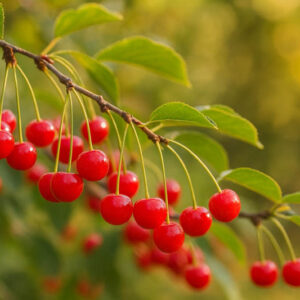
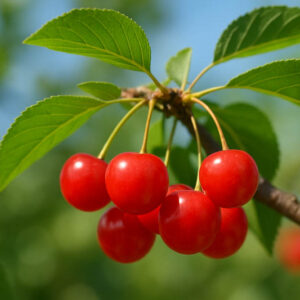
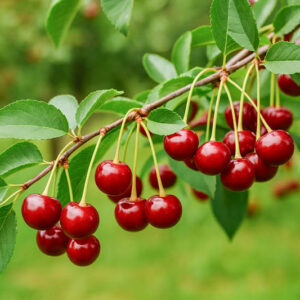
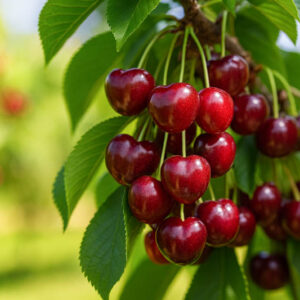
Bing Cherry, Bing Sweet Cherry, Sweet Cherry, Cherry
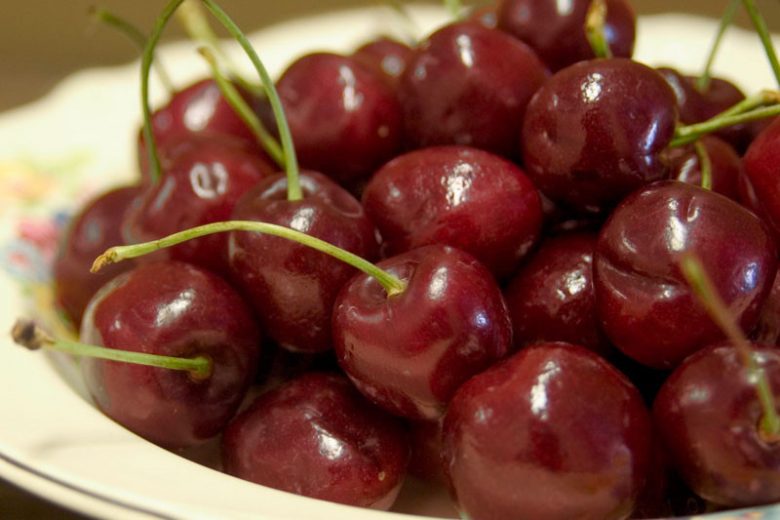


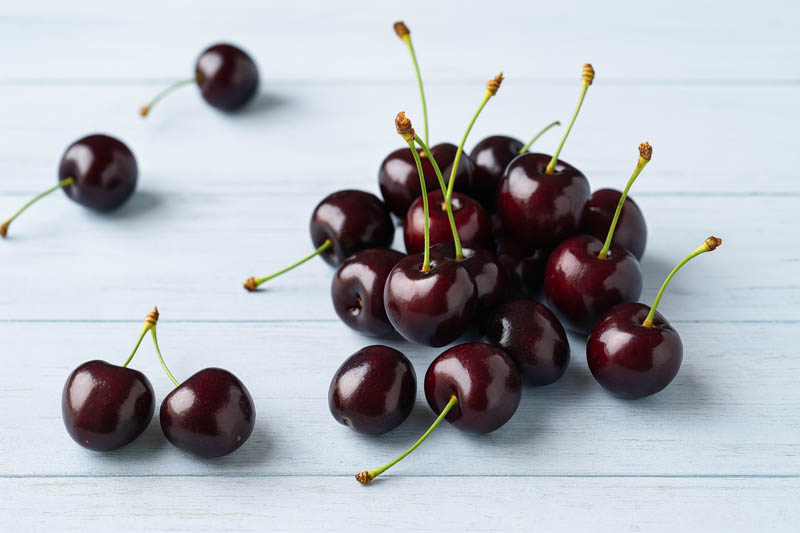
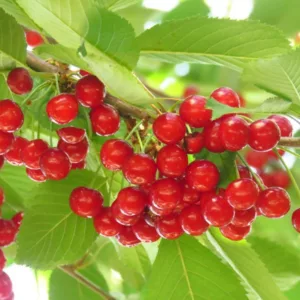
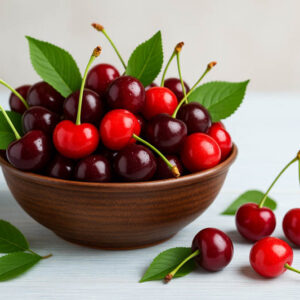
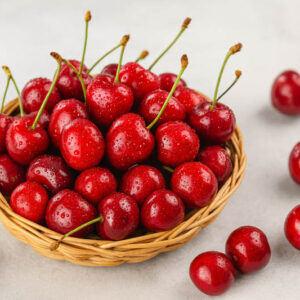
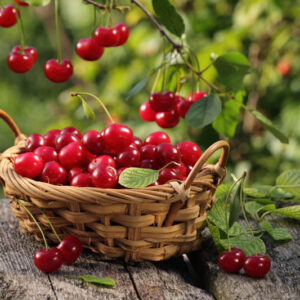
Summary: ‘Bing’ is the benchmark dark sweet cherry, famous for its rich mahogany color, firm texture, and classic cherry flavor. This is the dessert cherry most people picture when they think summer cherries.
Taste: Sweet with a lively cherry tang and plenty of juice, satisfying snap when fully ripe.
Use: Outstanding fresh and superb for pies, crisps, cobblers, jam, and freezing.
Pollination: Not self-fertile, plant with a compatible pollinizer with overlapping bloom. Check regional S-allele charts.
| Botanical Name | Prunus avium ‘Bing’ |
|---|---|
| Family | Rosaceae (Rose family) |
| Common Names | Bing cherry, dark sweet cherry |
| Plant Type and Habit | Deciduous fruit tree, rounded to spreading crown, medium vigor on standard roots, compact on dwarfing roots |
| Hardiness (USDA) | Typically Zones 5-8 with adequate winter chill |
| Size | Standard 20-30 ft tall and wide, semi-dwarf 12-16 ft, dwarf 8-12 ft, size varies with rootstock and pruning |
| Sun and Exposure | Full sun 6-8 hours or more for best color and sweetness, shelter from strong wind reduces fruit drop |
| Soil | Well-drained loam or sandy loam, slightly acidic to neutral pH, avoid soggy sites |
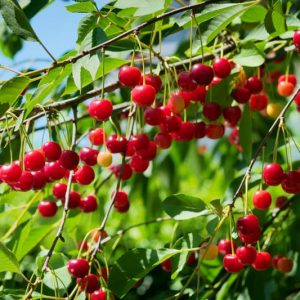
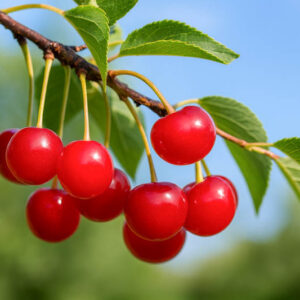
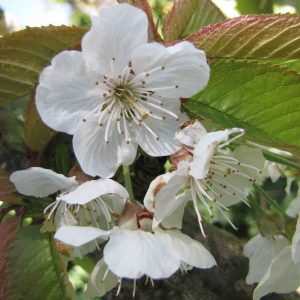
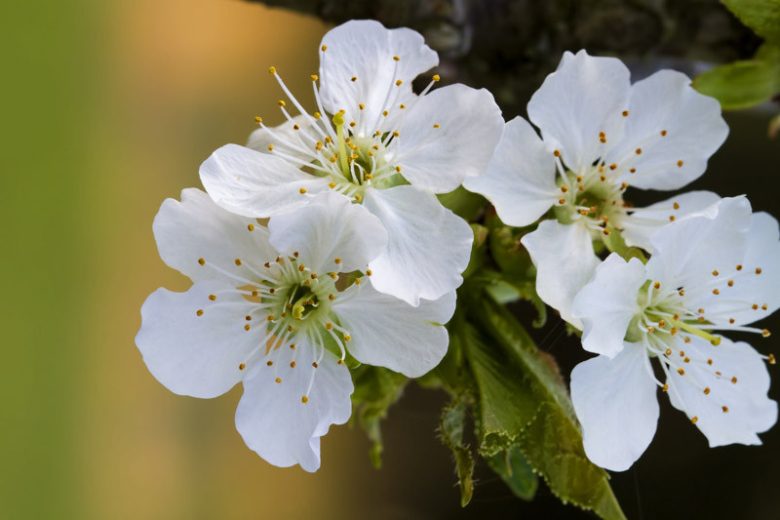
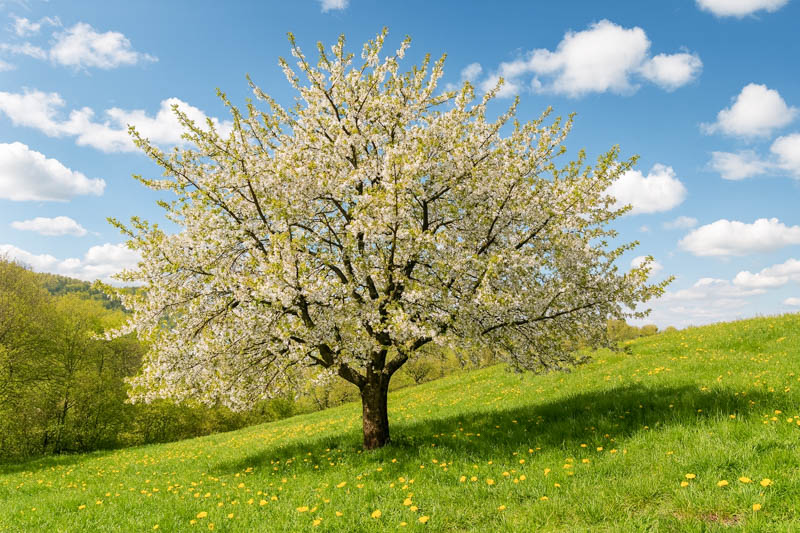
| Bloom and Fruit | Fragrant white blossoms in spring. Fruit deep red to mahogany, firm, juicy, with distinctive cherry aroma |
| Season | Mid season in many regions, often before Sweetheart and after some early types |
| Chill Hours | Generally high chill requirement, often about 700-900 hours under 45°F |
| Pollination | Not self-fertile, requires a compatible sweet cherry with overlapping bloom. Consult regional S-allele compatibility charts |
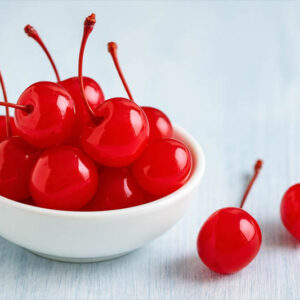
| Primary Uses | Fresh snacking, pies and galettes, crisps, preserves, freezing, chocolate-covered cherries |
‘Bing’ is the household name of sweet cherries, the glossy dark classic that fills summer fruit bowls and anchors cherry pies. Bite in and you get that perfect balance of sweetness and cherry tang, with juice that stains your fingers in the best way. No surprise it remains a farmer market star and a backyard favorite where climate suits.
‘Bing’ traces back to the Pacific Northwest in the late 1800s, credited to nurseryman Seth Lewelling and his orchard foreman Ah Bing in Oregon. That origin story hints at the cherry’s personality. It loves regions with cool winters, bright summers, and long evenings. It also set the standard for dark sweet cherry flavor. Many modern cultivars are compared to Bing for its firmness, juiciness, and classic profile. If you want the quintessential cherry experience, this is it.
Notes: Seasons vary by climate and rootstock. Pollination compatibility depends on bloom overlap and groupings; always check a local chart before planting.
| Cultivar | Color & Flesh | Flavor & Acidity | Texture/Firmness | Season* | Self-fertile? | Best Uses | Handling/Notes |
|---|---|---|---|---|---|---|---|
| Rainier | Yellow with blush; pale flesh | Very sweet, low acid, aromatic | Tender; delicate skin | Mid | No (needs pollinizer) | Fresh, clafoutis, cheesecake toppings, chocolate-dipped | Bruises and sunburns readily; birds adore it |
| Bing | Dark red to mahogany | Sweet with more tang; classic “cherry” taste | Firm, meaty | Mid | No (needs pollinizer) | Fresh, broader baking, freezing | Ships well; yard favorite where climate suits |
| Lapins | Deep red | Sweet, balanced; reliable flavor | Very firm; holds shape | Late | Yes | Fresh, canning, some pies | Heavy crops; better crack tolerance than many |
| Stella | Dark red | Sweet, rich; home-garden favorite | Medium-firm | Mid | Yes | Fresh, general kitchen use | Compact tree options; great pollinizer for others |
| Black Tartarian | Very dark purple-black | Sweet, mellow; old-school flavor | Softer; juicier | Early | No (needs pollinizer) | Fresh right off the tree | Poor shipper; fantastic “yard snack” cherry |
| Sweetheart | Dark red | Sweet with a lively tang | Firm | Late to very late | Yes | Fresh, dehydrating, jams | Big producer; extends the season |
‘Bing’ needs company. It is not self-fertile, so plan on at least one compatible partner that blooms at the same time. Reliable options in many regions include:
Pro tip: Verify compatibility with a regional S-allele chart. Plant partners within 20 to 40 feet so bees can shuttle pollen easily. Undersow with spring flowers that support pollinators before and after cherry bloom.
‘Bing’ is a cool winter cherry that expects meaningful chill. If your winters rarely reach below 45°F, cropping can be inconsistent. In low chill zones, consider self-fertile, lower chill varieties, or plant a different fruit species for reliable harvests. In colder regions, late spring frost is the main concern. Choose sites with good air drainage and avoid low pockets where frost settles during bloom.
| Season | Tasks |
|---|---|
| Late winter | Prune to open the canopy. Remove dead and crossing wood. Check ties and stakes. Avoid pruning in wet weather. |
| Spring bloom | Keep irrigation steady. Do not spray during pollinator visits. Enjoy the blossom show. |
| Fruit swell | Mulch, deep water, and thin small clusters where branches are overloaded to improve size and reduce cracking. |
| Pre harvest | Net trees as fruit turns mahogany. Pick promptly at flavor peak to outsmart birds and cracking. |
| After harvest | Light shaping prune if needed. Remove mummified fruit. Top dress with compost to feed soil life. |
| Fall | Deep water ahead of dry spells. Clean up leaf litter to reduce disease carryover into spring. |
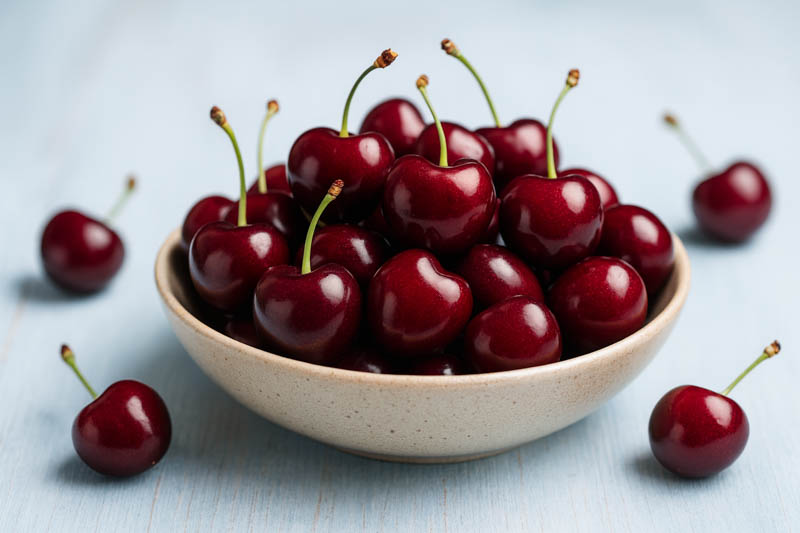
The phrase black cherry can mean two different things in everyday talk. Some people use it for very dark sweet cherries like ‘Bing’. Botanically, Prunus serotina is a North American timber tree called black cherry. It is not the same species as sweet cherry Prunus avium. Your ‘Bing’ tree is grown for fruit and spring blossom, not lumber. Learn more about Cherry Types.
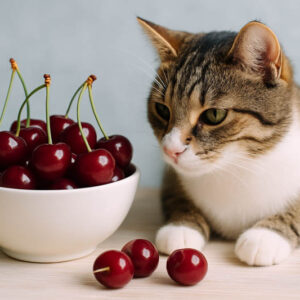
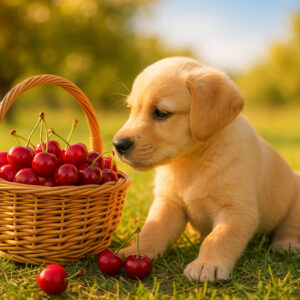
Enjoy the fruit, but respect the plant. The juicy flesh is the snack. Pits, leaves, and stems contain cyanide releasing compounds and can be choking or obstruction hazards for pets. If you live with animals, these guides help:
Prunus avium is native to much of Europe and into western Asia, with extensions into North Africa. Outside its native range it can naturalize. Birds spread seeds from gardens into woodlands and riparian edges. Seedlings sometimes form thickets that shade out native plants. In parts of the United States, especially segments of the Pacific Northwest and some Northeastern states, it is listed as invasive or naturalized with invasive tendencies. Check local status before planting, remove unwanted seedlings, treat stumps if you cut, and avoid planting beside sensitive habitats.
No. ‘Bing’ requires a compatible pollinizer with overlapping bloom. Self-fertile partners like ‘Stella’ or ‘Lapins’ often work. Always confirm with a regional chart.
Usually mid season. Exact timing varies by climate and rootstock but it commonly ripens before late varieties like ‘Sweetheart’.
Sweet and juicy with a bright cherry tang, firm texture, and lots of aroma when fully ripe.
Common choices include ‘Stella’, ‘Lapins’, ‘Black Tartarian’, and in some regions ‘Rainier’ or ‘Van’. Check your local S-allele chart to be sure.
On standard roots, about 20-30 ft. Semi-dwarf 12-16 ft and dwarf 8-12 ft keep trees smaller and easier to net and pick.
Yes. The firm texture and balanced sweetness make excellent pies, galettes, and crisps.
Refrigerate unwashed in a shallow container that breathes slightly. Eat within 3-5 days. For longer storage, pit and freeze on a tray then bag.
Rain near harvest and moisture swings cause skin to split. Mulch, even watering, and prompt picking help reduce cracking.
Yes. They provide vitamin C, potassium, fiber, and polyphenols. Dark sweet cherries like ‘Bing’ are also rich in anthocyanin pigments.
Plant ‘Bing’ where you can see it from the kitchen window. Spring is a cloud of blossoms that invite bees. Early summer brings bowls of mahogany fruit that taste like sunshine after rain. Give it full sun, good airflow, steady water, and a well chosen pollinizer, and you will have a cherry tradition worth repeating every year.
| Hardiness |
5 - 8 |
|---|---|
| Heat Zones |
1 - 8 |
| Plant Type | Fruits, Trees |
| Plant Family | Rosaceae |
| Genus | Cherries, Prunus - Fruit Tree |
| Common names | Cherry, Sweet Cherry |
| Exposure | Full Sun |
| Season of Interest | Spring (Early), Summer (Early, Mid) |
| Height | 8' - 30' (240cm - 9.1m) |
| Spread | 8' - 30' (240cm - 9.1m) |
| Maintenance | Low |
| Water Needs | Average |
| Soil Type | Chalk, Clay, Loam, Sand |
| Soil pH | Acid, Alkaline, Neutral |
| Soil Drainage | Moist but Well-Drained, Well-Drained |
| Characteristics | Fragrant, Showy |
| Tolerances | Heat |
| Attracts | Bees, Butterflies, Birds |
| Garden Uses | Beds And Borders, Wall-Side Borders |
| Garden Styles | Informal and Cottage, Prairie and Meadow, Traditional Garden |
| Toxic to Humans | Medium severity |
| Toxic to Cats | Toxic |
| Toxic to Dogs | Toxic |
| Toxic to Horses | Toxic |


| Hardiness |
5 - 8 |
|---|---|
| Heat Zones |
1 - 8 |
| Plant Type | Fruits, Trees |
| Plant Family | Rosaceae |
| Genus | Cherries, Prunus - Fruit Tree |
| Common names | Cherry, Sweet Cherry |
| Exposure | Full Sun |
| Season of Interest | Spring (Early), Summer (Early, Mid) |
| Height | 8' - 30' (240cm - 9.1m) |
| Spread | 8' - 30' (240cm - 9.1m) |
| Maintenance | Low |
| Water Needs | Average |
| Soil Type | Chalk, Clay, Loam, Sand |
| Soil pH | Acid, Alkaline, Neutral |
| Soil Drainage | Moist but Well-Drained, Well-Drained |
| Characteristics | Fragrant, Showy |
| Tolerances | Heat |
| Attracts | Bees, Butterflies, Birds |
| Garden Uses | Beds And Borders, Wall-Side Borders |
| Garden Styles | Informal and Cottage, Prairie and Meadow, Traditional Garden |
| Toxic to Humans | Medium severity |
| Toxic to Cats | Toxic |
| Toxic to Dogs | Toxic |
| Toxic to Horses | Toxic |
How many Prunus avium ‘Bing’ (Sweet Cherry) do I need for my garden?
| Plant | Quantity | |
|---|---|---|
| Prunus avium ‘Bing’ (Sweet Cherry) | N/A | Buy Plants |
Create a membership account to save your garden designs and to view them on any device.
Becoming a contributing member of Gardenia is easy and can be done in just a few minutes. If you provide us with your name, email address and the payment of a modest $25 annual membership fee, you will become a full member, enabling you to design and save up to 25 of your garden design ideas.
Join now and start creating your dream garden!
Create a membership account to save your garden designs and to view them on any device.
Becoming a contributing member of Gardenia is easy and can be done in just a few minutes. If you provide us with your name, email address and the payment of a modest $25 annual membership fee, you will become a full member, enabling you to design and save up to 25 of your garden design ideas.
Join now and start creating your dream garden!