Create Your Garden

Monarch Nectar Plants for California

Discover the best monarch nectar plants for California, tailored to your coast, valley, foothill, or desert garden. Create nonstop bloom, support migrating and overwintering monarch butterflies, and transform any outdoor space into a vibrant, climate smart wildlife haven with regionally native flowers, color, movement, life, resilience, hope, everyday magic, and connection.
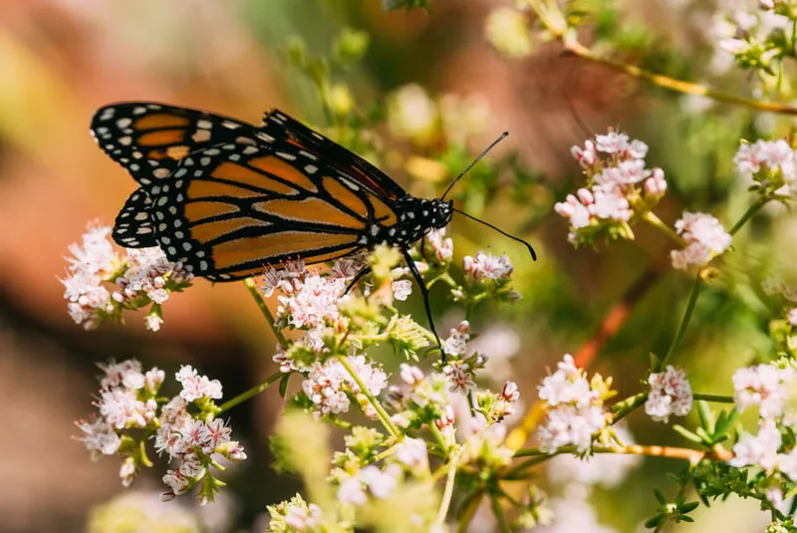
Monarch Butterflies, Monarch Plants, Pollinator Plants, Butterfly Plants, Hummingbird Plants, Bee Plants, Southwest Plants, Northern California Native Plants, Native Plants

Monarch Nectar Plants for California:

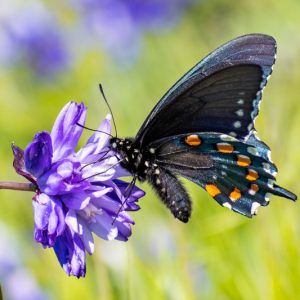
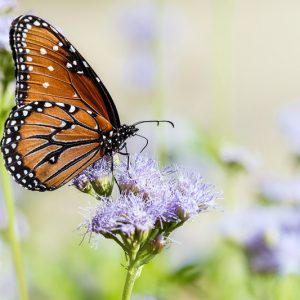
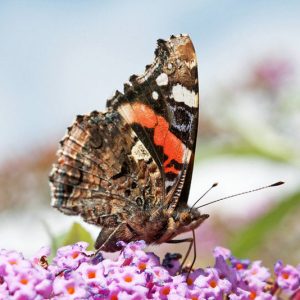
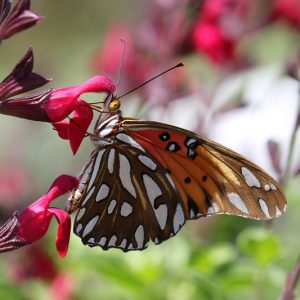
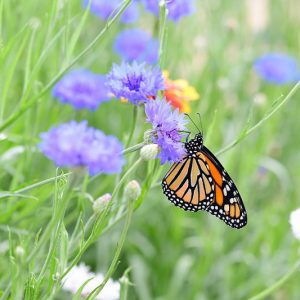
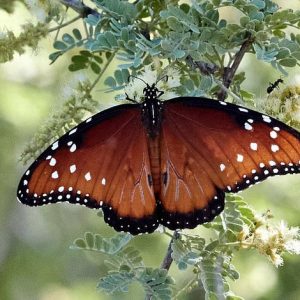
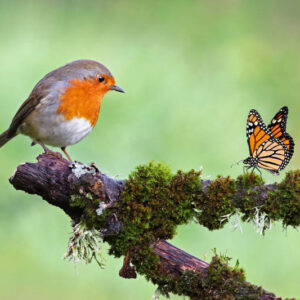
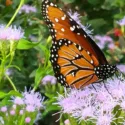
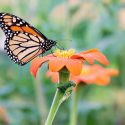
California is essential to monarch survival, not just a stop on the map. Western monarchs rely on this state to breed, refuel, and overwinter, clustering in coastal groves and fanning out through valleys, foothills, deserts, and mountain meadows in search of nectar.

When we fill our gardens, parks, farms, and balconies with the right flowers, we are directly supporting one of the most iconic migrations on the planet. By choosing regionally appropriate native nectar plants from coastal, chaparral, Sierra, Great Basin, and desert plant communities, your California landscape can function as a dependable monarch fueling station from early spring into fall, year after year.

Quick Start – Monarch Success in California

  • Match plants to place: Use the California list for most of the state, Maritime Northwest species along the north coast, Great Basin species for high desert and east side Sierra, and Southwest species in the hottest inland and desert regions.
  • Bloom from winter to fall: Pair early flowers like bluedicks and willows with long running nectar workhorses like goldenrods, rabbitbrush, and late thoroughwort so monarchs always have fuel.
  • Plant in bold patches: Clumps of 5 or more of the same species help monarchs refuel quickly and make your plantings look intentional.
  • Keep it clean but not sterile: Avoid insecticides, especially systemic products, and go easy on herbicides so milkweeds and wildflowers can spread and support wildlife.

California Regions

California spans several monarch nectar regions.

  • California: Core species for much of the state, including coastal areas, valleys, and foothills.
  • Maritime Northwest: Ideal for the far north coast and fog belt sites that feel cooler and wetter.
  • Great Basin: Suited to northeastern California and the high desert or east slope Sierra landscapes.
  • Southwest: Best for the Mojave, lower Colorado River region, and very hot, dry inland locations in the southeast corner of the state.

Below is a friendly, practical walk through these regions so you can mix and match without missing a single monarch nectar hero.

Coastal and Lowland California – Year Round Lifelines

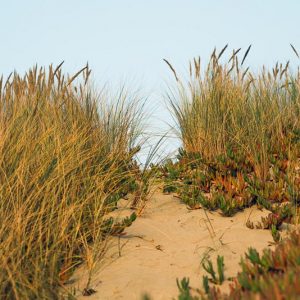
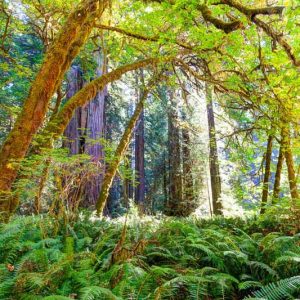
From foggy redwood country to sunny coastal bluffs and inland valleys, this band of California is where many western monarchs pass through or linger. Use these plants to build a long blooming buffet that supports breeding, migration, and nearby overwintering populations.

Guide Information

Genus Asclepias
Native Plants California, United States
Attracts Birds, Butterflies, Hummingbirds

Key Forbs and Perennials

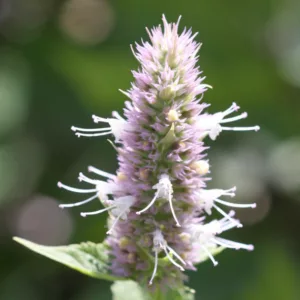
Agastache urticifolia (Nettleleaf Giant Hyssop)
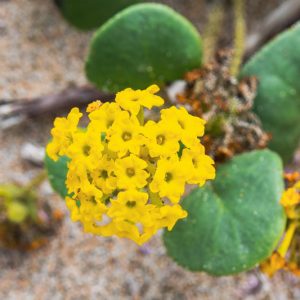
Abronia latifolia (Yellow Sand Verbena)
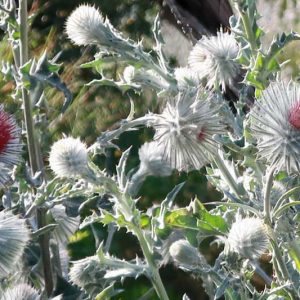
Cirsium occidentale (Cobwebby Thistle)
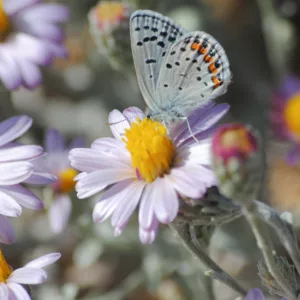
Corethrogyne filaginifolia (California Aster)
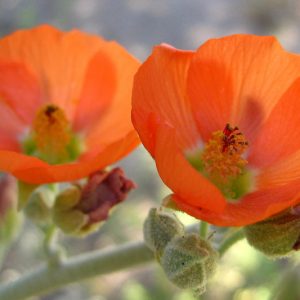
Sphaeralcea ambigua (Desert Mallow)
Asclepias cordifolia (Heartleaf Milkweed)
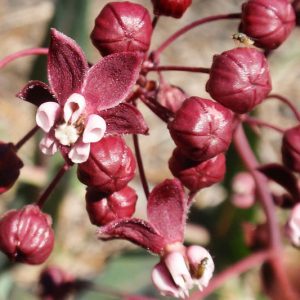
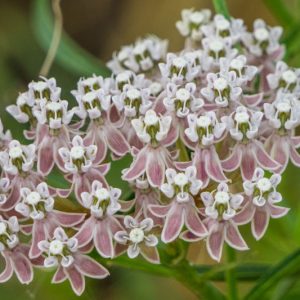
Asclepias fascicularis (Narrowleaf Milkweed)
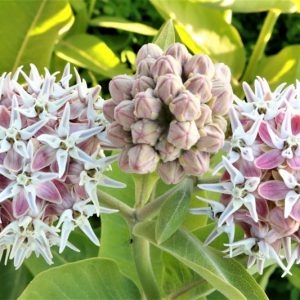
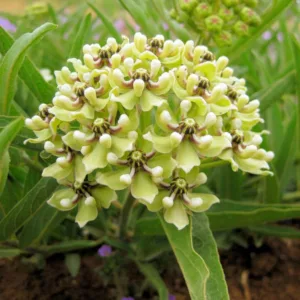
Asclepias speciosa (Showy Milkweed)
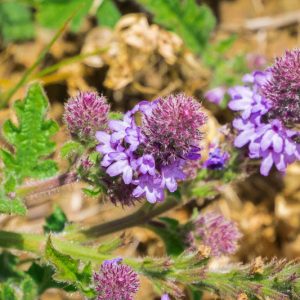
Verbena lasiostachys (Western Vervain)
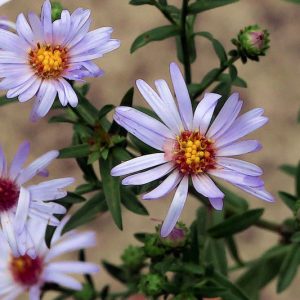
Symphyotrichum chilense (Pacific Aster)
Bidens laevis (Smooth Beggartick)
Euthamia occidentalis (Western Goldentop)
Dichelostemma capitatum (Blue Dicks)
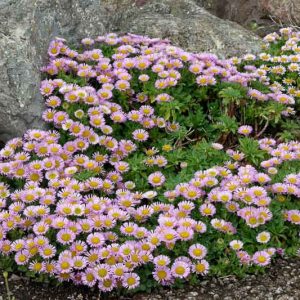
Erigeron glaucus (Seaside Daisy)
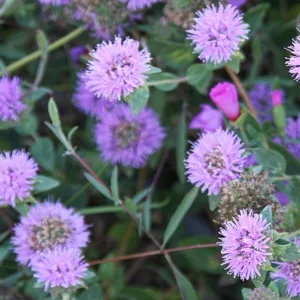
Monardella villosa (Coyote Mint)
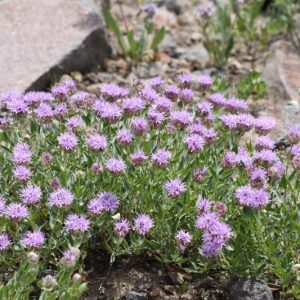
Monardella odoratissima (Mountain Monardella)
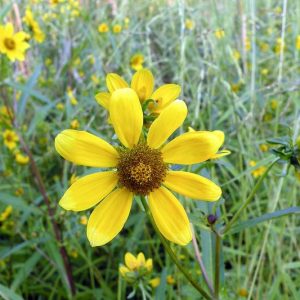
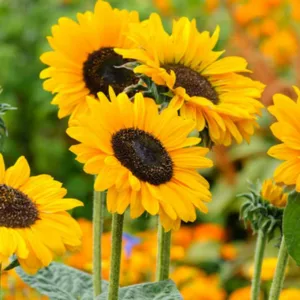
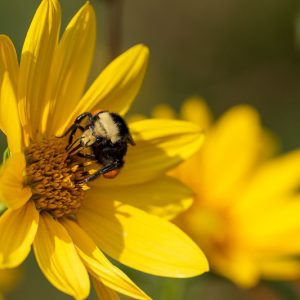
Helianthus annuus (Common Sunflower)
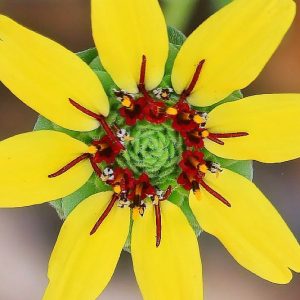
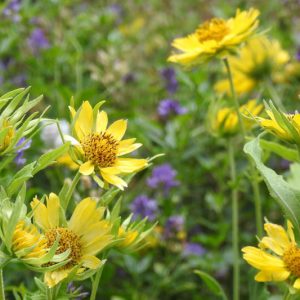
Helianthus nuttallii (Nuttall’s Sunflower)
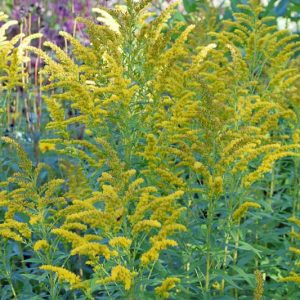
Solidago canadensis (Canada Goldenrod)

Go to Shrubs and Vines for Structure and Winter Interest

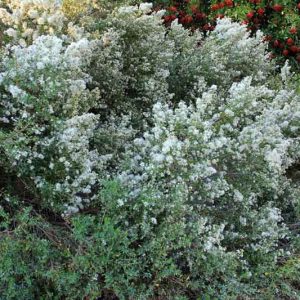
Baccharis pilularis (Coyote Bush)
Baccharis salicifolia (Mule Fat)
Baccharis sarothroides (Desert Broom)
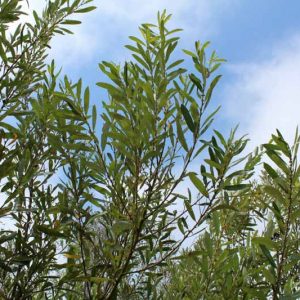
Salix lasiolepis (Arroyo Willow)
Aesculus californica (California Buckeye)
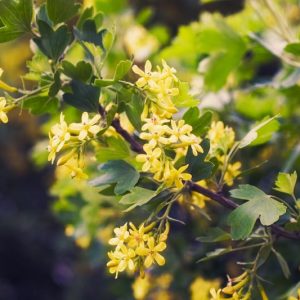
Ribes aureum (Clove Currant)
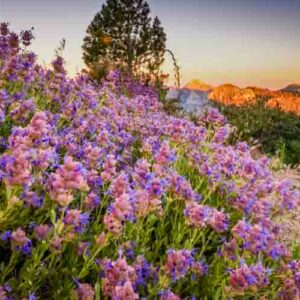
Salvia dorrii (Desert Sage)
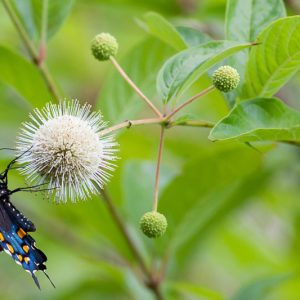
Cephalanthus occidentalis (Buttonbush)
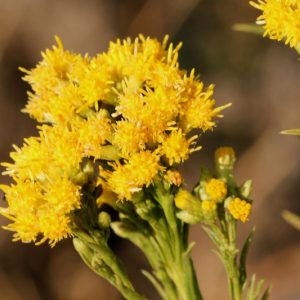
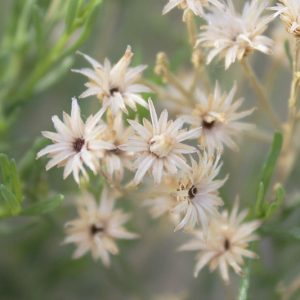
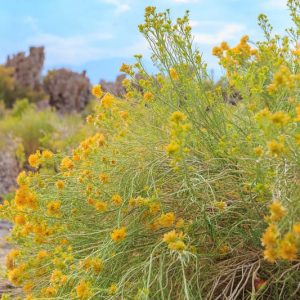
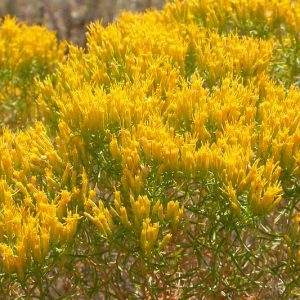
Ericameria nauseosa (Rubber Rabbitbrush)
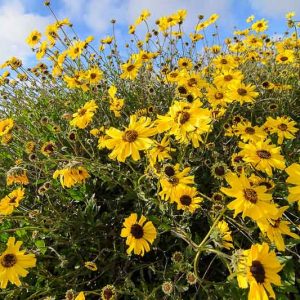
Encelia californica (California Brittlebush)

Thread these together in big sunny drifts and you get early nectar from willows and bluedicks, massive summer color from sunflowers and buckwheats, and crucial late fuel from goldenrods, rabbitbrush, and Pacific aster.

Central Valley and Foothills – Long Season Nectar Corridors

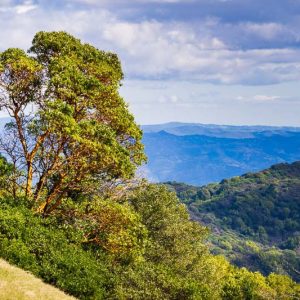
Think hot summers, cool winters, orchards, vineyards, and oak or pine foothills. Here, species keep nectar flowing from early spring into fall, tying working lands and neighborhoods into one continuous monarch corridor.
Asclepias speciosa (Showy Milkweed)
Helianthus annuus (Common Sunflower)
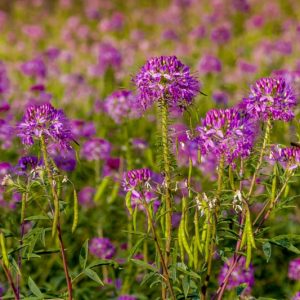
Cleome serrulata (Rocky Mountain Beeplant)
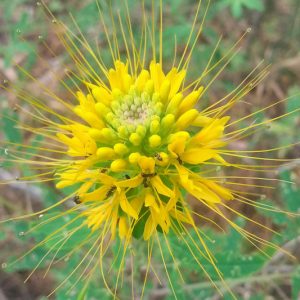
Cleome lutea (Yellow Beeplant)
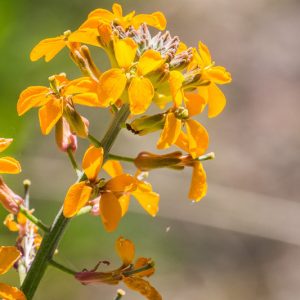
Erysimum capitatum (Coastal Wallflower)
Helianthus nuttallii (Nuttall’s Sunflower)
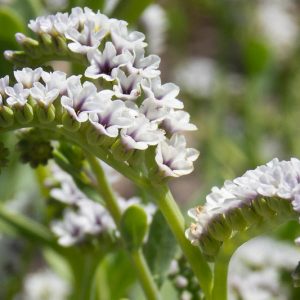
Heliotropium curassavicum (Salt Heliotrope)
Monardella odoratissima (Mountain Monardella)
Agastache urticifolia (Nettleleaf Giant Hyssop)
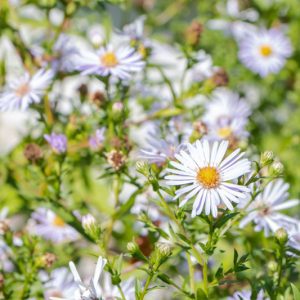
Symphyotrichum lanceolatum (White Panicle Aster)
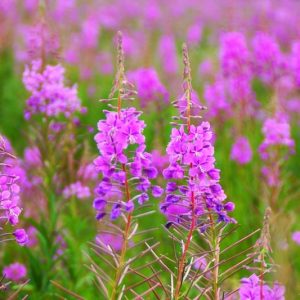
Chamaenerion angustifolium (Fireweed)
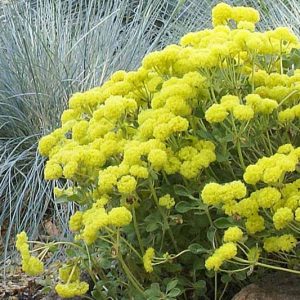
Eriogonum umbellatum (Sulphur Buckwheat)
Solidago canadensis (Canada Goldenrod)
Sphaeralcea ambigua (Desert Mallow)

Woody Anchors That Stack Nectar and Shelter

Prunus virginiana (Chokecherry)
Ribes aureum (Clove Currant)
Salvia dorrii (Desert Sage)
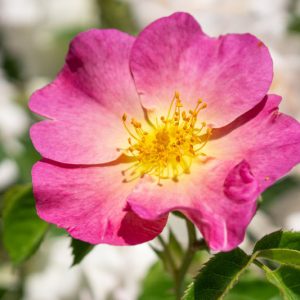
Rosa woodsii (Western Wild Rose)
Ericameria nauseosa (Rubber Rabbitbrush)
Chrysothamnus viscidiflorus (Yellow Rabbitbrush)
Salix lasiolepis (Arroyo Willow)

This mix keeps nectar flowing April into October while tying working lands and neighborhood landscapes into a continuous monarch friendly corridor.

Sierra Nevada, Modoc, and Great Basin Edge – High Sun, Cool Nights

In northeastern California and the east side of the Sierra, conditions feel more Great Basin than coastal. 
Erysimum capitatum (Coastal Wallflower)
Cleome lutea (Yellow Beeplant)
Heliotropium curassavicum (Salt Heliotrope)
Asclepias speciosa (Showy Milkweed)
Monardella odoratissima (Mountain Monardella)
Agastache urticifolia (Nettleleaf Giant Hyssop)
Helianthus annuus (Common Sunflower)
Chamaenerion angustifolium (Fireweed)
Cleome serrulata (Rocky Mountain Beeplant)
Helianthus nuttallii (Nuttall’s Sunflower)
Eriogonum umbellatum (Sulphur Buckwheat)
Solidago canadensis (Canada Goldenrod)
Sphaeralcea ambigua (Desert Mallow)

Shrubs, Treees and Vines

Prunus virginiana (Chokecherry)
Ribes aureum (Clove Currant)
Salvia dorrii (Desert Sage)
Rosa woodsii (Western Wild Rose)
Ericameria nauseosa (Rubber Rabbitbrush)
Chrysothamnus viscidiflorus (Yellow Rabbitbrush)
Salix lasiolepis (Arroyo Willow)

Deserts and the Southwest Corner – Tough Plants for Tough Places

In the Mojave and lower Colorado River region, monarchs survive on plants that handle heat, wind, and almost no rain: deep rooted shrubs, long blooming perennials, and seasonal wildflowers that turn even harsh sites into critical monarch fuel stops.
Sphaeralcea ambigua (Desert Mallow)
Asclepias asperula (Antelope-Horns Milkweed)
Berlandiera lyrata (Chocolate Daisy)
Helianthus annuus (Common Sunflower)
Verbesina encelioides (Golden Crownbeard)
Conoclinium greggii (Palm-leaf Mistflower)
Bidens laevis (Smooth Beggartick)
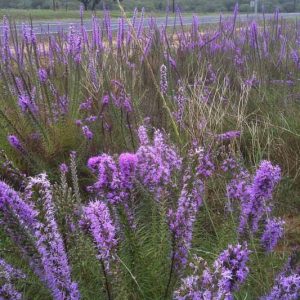
Liatris punctata var. mucronata (Texas Blazing Star)
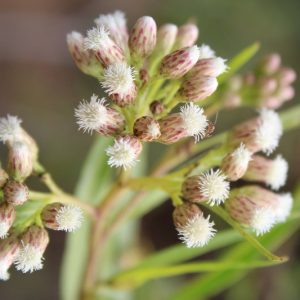
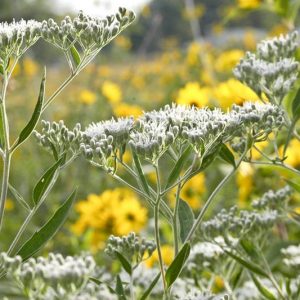
Eupatorium serotinum (Late Boneset)

Shrubs and Trees

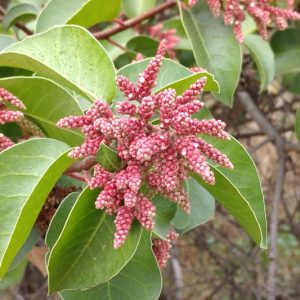
Rhus ovata (Sugar Sumac)
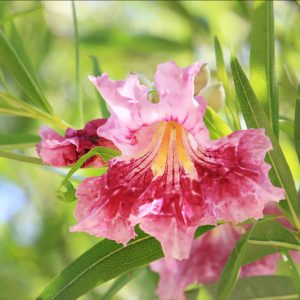
Chilopsis linearis (Desert Willow)
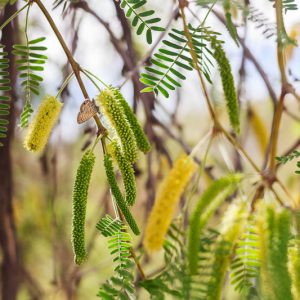
Prosopis velutina (Velvet Mesquite)
Baccharis salicifolia (Mule Fat)
Cephalanthus occidentalis (Buttonbush)
Ericameria nauseosa (Rubber Rabbitbrush)
Baccharis sarothroides (Desert Broom)

Design Tips: Turning Lists Into Real Monarch Habitat

  • Sun first: Most nectar plants above want at least 6 hours of direct sun. Reserve shadier pockets for shrubs like some Ribes, mock orange, or clematis.
  • Moisture zones: Put Bidens laevis, buttonbush, willows, and mule fat in wetter spots. Keep buckwheats, rabbitbrush, globemallow, and crownbeard in lean, dry soils.
  • Bloom relay: Early: bluedicks, willows, buckeye, wallflower. Summer: milkweeds, monardellas, sunflowers, verbena. Late: goldenrods, rabbitbrush, Pacific and white panicle asters, late thoroughwort, toothleaf goldeneye.
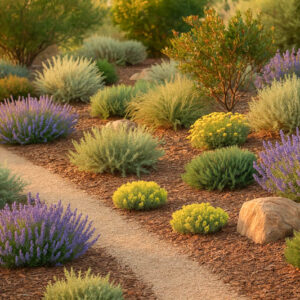
  • Plant in drifts: Repeating sweeps of 1 to 3 key species per bed help monarchs feed efficiently and look great from the street.
  • Avoid tropical milkweed: Skip Asclepias curassavica. Choose native milkweeds in their historic ranges and avoid planting milkweed within about a mile of known overwintering groves unless guidance changes.
  • No pesticides: Especially avoid systemic insecticides like neonicotinoids that can contaminate nectar and foliage.

Milkweed + Nectar = California Monarch Stronghold

When you combine regionally appropriate native milkweeds with this full suite of nectar plants from the California, Great Basin, Maritime Northwest, and Southwest Xerces guides, you cover every monarch need: spring breeding, summer fueling, fall migration, and overwintering support. Plant generously, keep things chemical free, let some seed heads stand, and your California garden becomes part of a living safety net for monarchs, stitched together flower by flower.

Discover more beautiful California native plants

Frequently Asked Questions

Why are monarch nectar plants especially important in California?

California is home base for the western monarch population. Monarchs breed here, migrate through the state, and overwinter along the coast. When you plant nectar rich native flowers, you are directly supporting their ability to feed, mate, and complete migration, not just decorating your yard.

Is planting milkweed enough to help monarchs in California?

No. Milkweed is essential for caterpillars, but adult monarchs need abundant nectar from many flower species across the whole growing season. A strong habitat pairs regionally appropriate native milkweeds with diverse native nectar plants that bloom from late winter or early spring into fall.

Which milkweed species are recommended for California gardens?

Good native options, depending on your region, include narrowleaf milkweed (Asclepias fascicularis), showy milkweed (A. speciosa), California milkweed (A. californica), woollypod milkweed (A. eriocarpa), and heartleaf milkweed (A. cordifolia) in suitable areas. Always match species to your local range and conditions.

Should I plant tropical milkweed (Asclepias curassavica) in California?

It is best to avoid tropical milkweed in California. It can encourage monarchs to linger instead of migrating and is associated with higher levels of the OE parasite. Choose native milkweeds that die back seasonally and follow current regional guidance.

How many nectar plants should I grow for monarchs?

Aim for at least 3 to 5 different nectar species blooming in each seasonal window: early season, mid season, and late season. Plant each species in clumps or drifts rather than as single scattered plants so monarchs can find and use them easily.

Are non native ornamentals useful for monarchs?

Some non native flowers provide nectar, but native plants are better aligned with monarch timing, local climates, and other wildlife needs. Use the Xerces regional lists as your starting point and treat non natives as extras, not the foundation.

What about pesticides on plants sold in nurseries?

Systemic insecticides, such as neonicotinoids, can contaminate nectar and leaves and harm monarchs and other pollinators. Ask for plants that are grown without systemic insecticides, and avoid using insecticides or broad spectrum herbicides in your monarch habitat.

Will monarchs find my garden on their own?

If you plant the right species, give them sun, and keep them pesticide free, monarchs and other pollinators are very likely to find them over time. It can take a season or two for wildlife to fully respond, but nectar resources rarely go unnoticed.

Can small spaces like balconies, park strips, or school gardens help?

Yes. Even a few containers or a narrow bed planted with native milkweed (where appropriate) and nectar plants can act as a mini refueling stop, especially in urban and suburban areas where habitat is fragmented.

References

  • Xerces Society – Monarch Nectar Plants: California.
  • Xerces Society – Monarch Nectar Plants: Great Basin.
  • Xerces Society – Monarch Nectar Plants: Maritime Northwest.
  • Xerces Society – Monarch Nectar Plants: Southwest.

Updated: November 2025 • Reviewed by Gardenia Editors

Recommended Guides

Great Pollinator Plants for California Maritime Northwest Region
Great Pollinator Plants for California Deserts
Great Pollinator Plants for California Sierra Foothills
Great Pollinator Plants for California Central Coast
Great Pollinator Plants for California Southern Coast
Great Pollinator Plants for California Central Valley
50 California Wildflowers: From Desert Blooms to Coastal Gems
Shade-Loving Native Perennials for the Northern California Coast Region
Native Groundcovers for the Central California Foothills and Coastal Mountains
Native Groundcovers for the Northern California Coast Region
Recommended Native Annuals for the Northern California Coast Region
Recommended Native Grasses for the Northern California Coast Region
Recommended Native Ferns for the Northern California Coast Region
Sun-Loving Native Trees for Northern California Coast
Shade-Loving Native Trees for the Northern California Coast Region
Sun-Loving Native Shrubs for Northern California Coast
Shade-Loving Native Shrubs for the Northern California Coast Region
Sun-Loving Native Perennials for the Northern California Coast Region
The Ultimate Guide to Native Plants for a Beautiful Garden
The Ultimate Guide to Wildlife-Friendly Plants for a Beautiful Garden
The Ultimate Guide to Drought-Tolerant Plants for a Beautiful Garden
Beautiful Azaleas and Rhododendrons for Northern California
The Ultimate Guide to Deer-Resistant Plants for a Beautiful Garden
While every effort has been made to describe these plants accurately, please keep in mind that height, bloom time, and color may differ in various climates. The description of these plants has been written based on numerous outside resources.

Guide Information

Genus Asclepias
Native Plants California, United States
Attracts Birds, Butterflies, Hummingbirds
Compare All Asclepias (Milkweed)
Compare Now
Explore Great Plant Combination Ideas
Asclepias (Milkweed)

Related Items

Please Login to Proceed

You Have Reached The Free Limit, Please Subscribe to Proceed

Subscribe to Gardenia

To create additional collections, you must be a paid member of Gardenia
  • Add as many plants as you wish
  • Create and save up to 25 garden collections
Become a Member

Plant Added Successfully

Your garden is taking shape. Unlock full planning.

You’ve reached the free limit. Upgrade for $25/year to add as many plants as you wish and save up to 25 garden collections. Unlock Annual Membership

Update Your Credit
Card Information

Cancel

Create a New Collection

Sign Up to Our Newsletter

    You have been subscribed successfully

    Join Gardenia.net

    Create a membership account to save your garden designs and to view them on any device.

    Becoming a contributing member of Gardenia is easy and can be done in just a few minutes. If you provide us with your name, email address and the payment of a modest $25 annual membership fee, you will become a full member, enabling you to design and save up to 25 of your garden design ideas.

    Join now and start creating your dream garden!

    Join Gardenia.net

    Create a membership account to save your garden designs and to view them on any device.

    Becoming a contributing member of Gardenia is easy and can be done in just a few minutes. If you provide us with your name, email address and the payment of a modest $25 annual membership fee, you will become a full member, enabling you to design and save up to 25 of your garden design ideas.

    Join now and start creating your dream garden!
    Find your Hardiness Zone

    Find your Heat Zone

    Find your Climate Zone