Create Your Garden

Great Pollinator Plants for California Central Valley

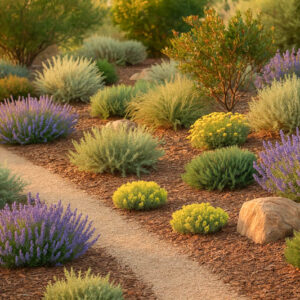
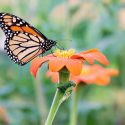
Turn hot, dry summers and cool winters into an advantage with Central Valley natives that love sun and lean soils. Milkweeds, penstemons, and buckwheats provide nonstop color and nectar, supporting native bees and monarchs while staying water wise
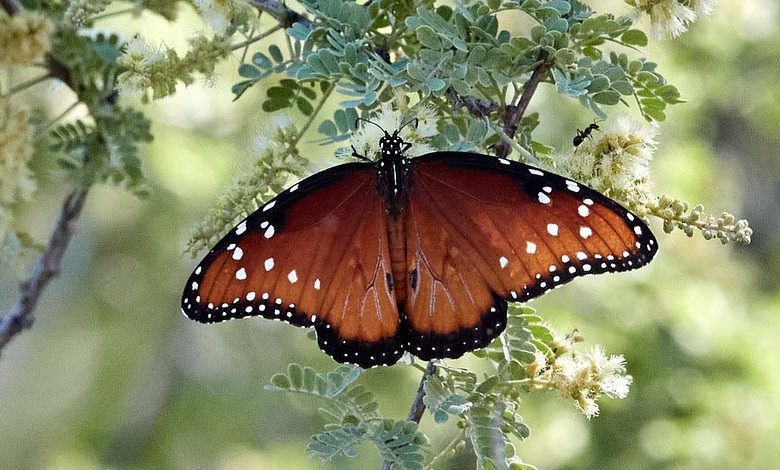
Pollinator Plants, Butterfly Plants, Hummingbird Plants, Bee Plants, Western US Plants, California Native Plants, Native Plants

Great Pollinator Plants for California Central Valley: Working With Your Heat, Sun, and Wind

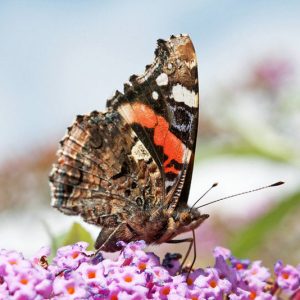
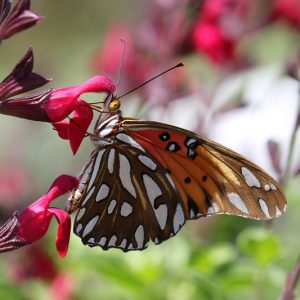
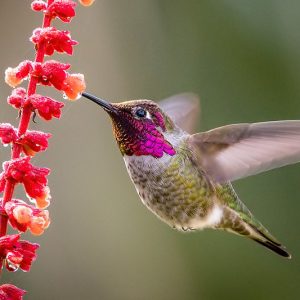
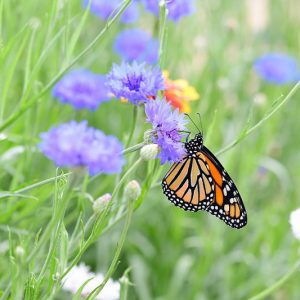
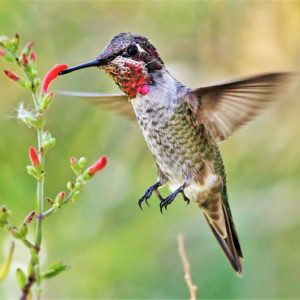
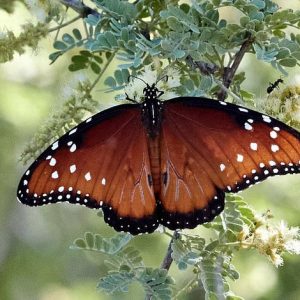
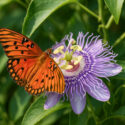
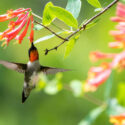
The California Central Valley is pollinator country in a big way. Long hot summers, mild winters, and wide open skies can offer an incredible nectar corridor for bees, butterflies, moths, hummingbirds, and beneficial insects. The key is planting tough, regionally adapted natives that actually like your conditions instead of constantly begging for extra water and fertilizer.

This guide follows the Xerces Society list Recommended Plants for Pollinators & Beneficial Insects: California Central Valley Region and turns it into a practical, easy to use planting menu for home gardens, farms, schools, and community spaces. Most plants on that Xerces list are included here, with simple notes on how to use it so you can boost habitat confidently and beautifully.

Quick Start – Central Valley Pollinator Wins

  • Lean toward natives: These plants evolved with Valley heat and soils, support local bees and butterflies, and handle drought once established.
  • Cover the whole season: Choose at least three species that bloom early, three mid season, and three late so nectar and pollen never run out.
  • Plant in drifts: Clumps or hedgerows of one species make it easier for pollinators to forage and make your planting look intentional.
  • Match plant to place: Use full sun species in open beds and borders, shrubs in hedgerows and along fences, and water lovers along canals, swales, and low spots.
  • Layer habitat: Mix flowers, grasses, and shrubs; leave some stems, brushy corners, and bare soil for nesting and overwintering.
  • No systemic insecticides: Ask for plants grown without neonicotinoids and skip broad spectrum sprays that contaminate nectar and pollen.

Sunny Beds, Field Borders, and Meadow Style Plantings

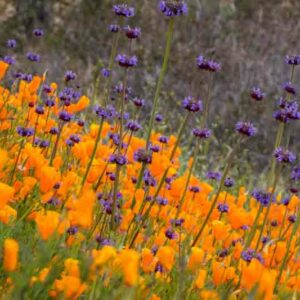
Most Central Valley gardens are full sun, which is perfect because many of the best nectar plants absolutely love it. Blend long blooming perennials with colorful annuals to build a resilient, buzzing meadow strip along driveways, fences, orchard rows, and veggie beds.

Guide Information

Native Plants California, United States
Attracts Birds, Butterflies, Hummingbirds, Bees
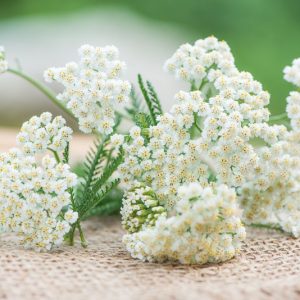
Achillea millefolium (White Yarrow)
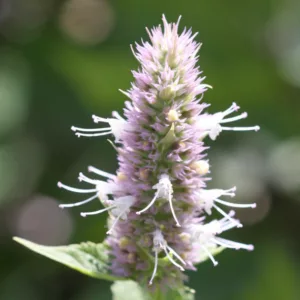
Agastache urticifolia (Nettleleaf Giant Hyssop)
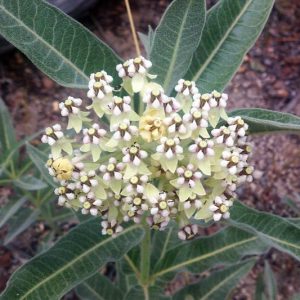
Asclepias eriocarpa (Woollypod Milkweed)
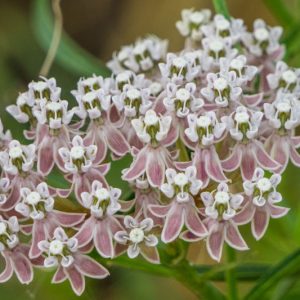
Asclepias fascicularis (Narrowleaf Milkweed)
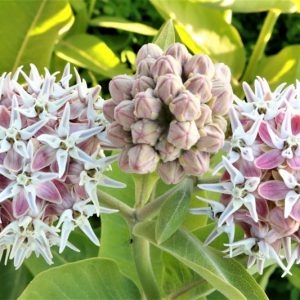
Asclepias speciosa (Showy Milkweed)
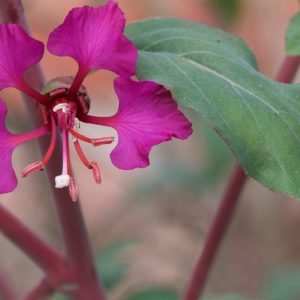
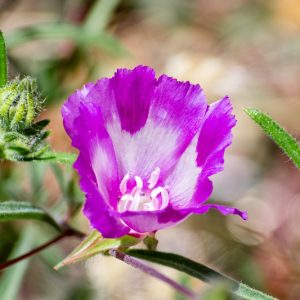
Clarkia unguiculata (Elegant Clarkia)
Clarkia williamsonii (Fort Miller Clarkia)
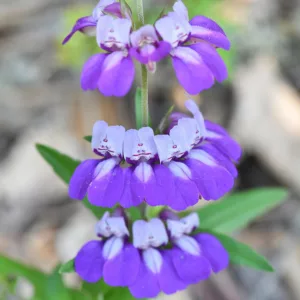
Collinsia heterophylla (Purple Chinese Houses)
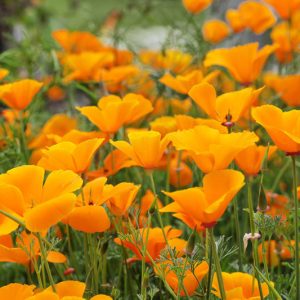
Eschscholzia californica (California Poppy)
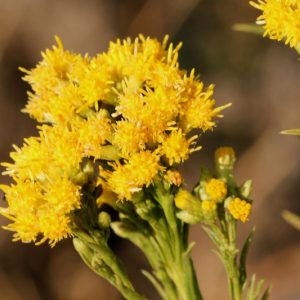
Euthamia occidentalis (Western Goldentop)
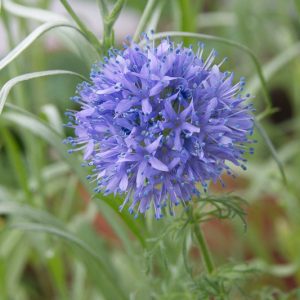
Gilia capitata (Blue Gilia)
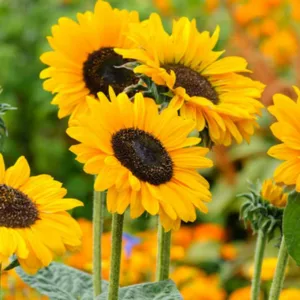
Helianthus annuus (Common Sunflower)
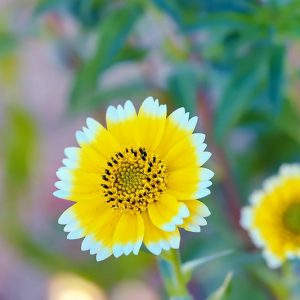
Layia platyglossa (Coastal Tidytips)
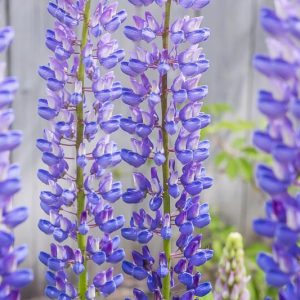
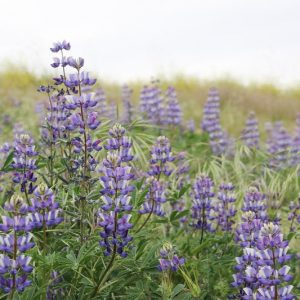
Lupinus albifrons (Silver Lupine)
Lupinus succulentus (Arroyo Lupine)
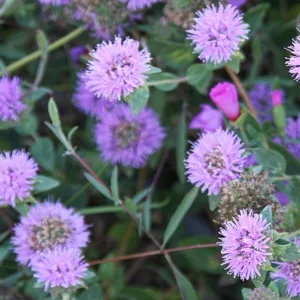
Monardella villosa (Coyote Mint)
Muhlenbergia rigens (Deer Grass)
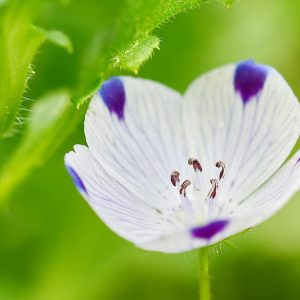
Nemophila maculata (Five Spot)
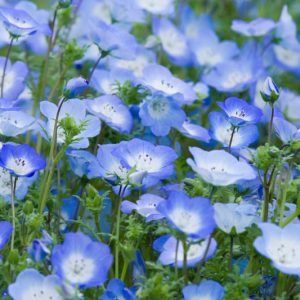
Nemophila menziesii (Baby Blue Eyes)
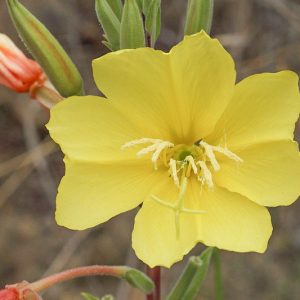
Oenothera elata (Hooker’s Evening Primrose)
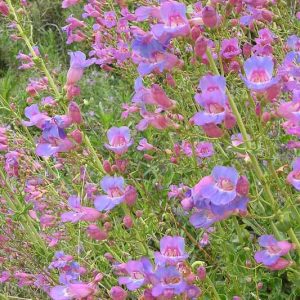
Penstemon spectabilis (Showy Beardtongue)
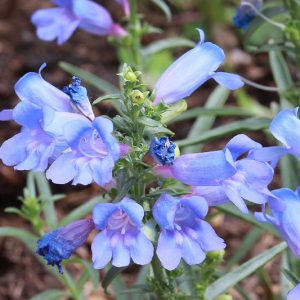
Penstemon heterophyllus (Foothill Beardtongue)
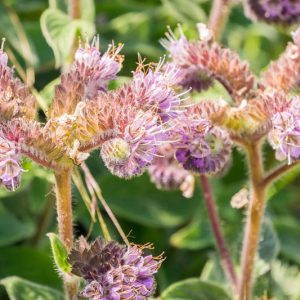
Phacelia californica (California Phacelia)
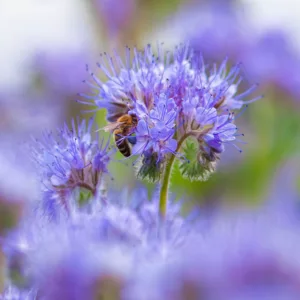
Phacelia tanacetifolia (Fiddleneck)
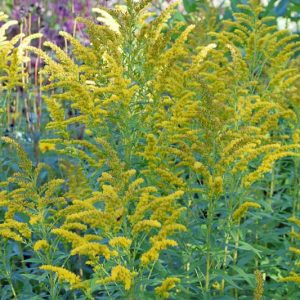
Solidago canadensis (Canada Goldenrod)
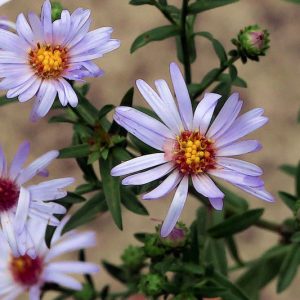
Symphyotrichum chilense (Pacific Aster)
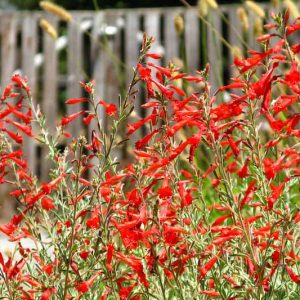
Epilobium canum (California Fuchsia)
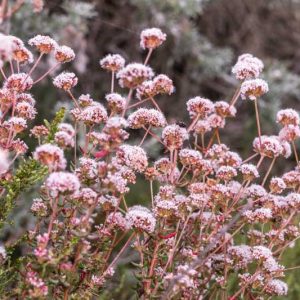
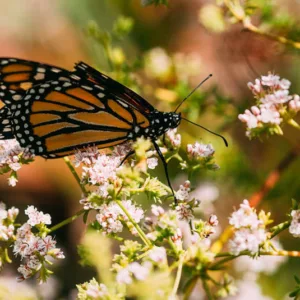
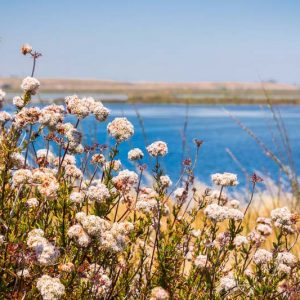
Eriogonum fasciculatum (California Buckwheat)
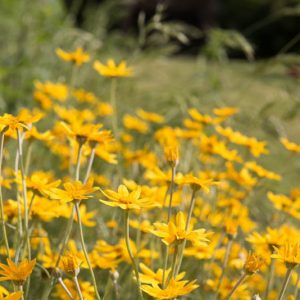
Eriophyllum lanatum (Oregon Sunshine)
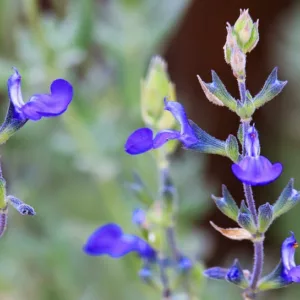
Salvia chamaedryoides (Germander Sage)
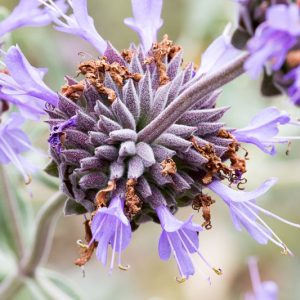
Salvia clevelandii (Cleveland Sage)

Hedgerows, Shrub Borders, and Year Round Structure

Woody plants turn a simple flower strip into true habitat. They offer early bloom, shade, berries, nesting sites, and wind protection for lighter forbs. In the Central Valley, hedgerows along field edges, fences, and canals are one of the most powerful tools you can plant.

Baccharis salicifolia (Mule Fat)
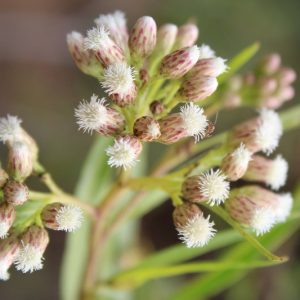
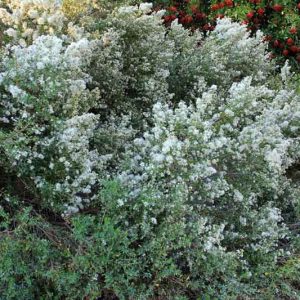
Baccharis pilularis (Coyote Bush)
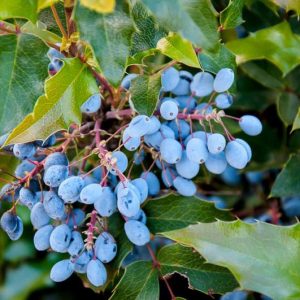
Mahonia aquifolium (Oregon Grape Holly)
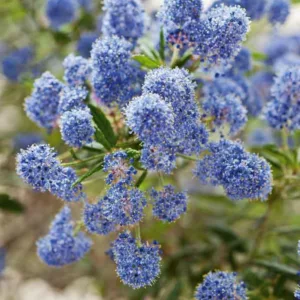
Ceanothus ‘Concha’ (California Lilac)
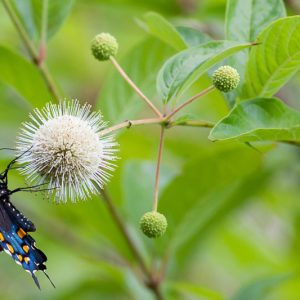
Cephalanthus occidentalis (Buttonbush)
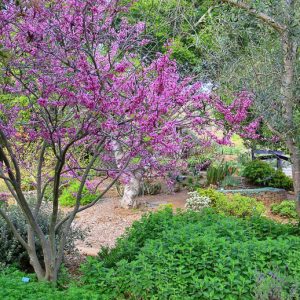
Cercis occidentalis (Western Redbud)
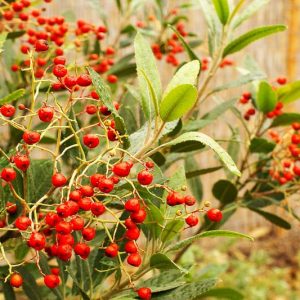
Heteromeles arbutifolia (Toyon)
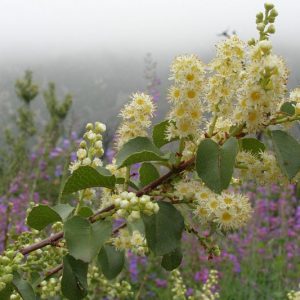
Prunus ilicifolia (Hollyleaf Cherry)
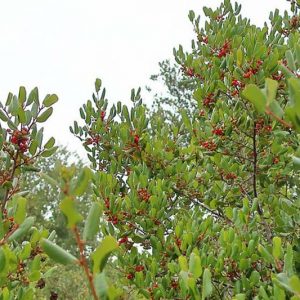
Rhamnus ilicifolia (Hollyleaf Redberry)
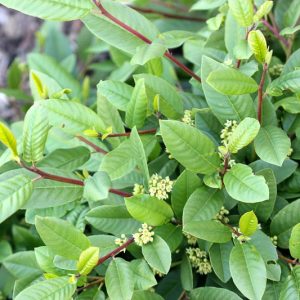
Rhamnus californica (California Coffeeberry)
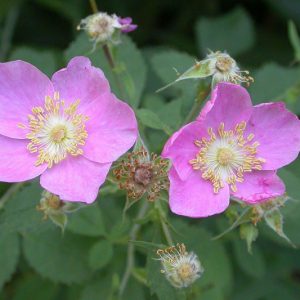
Rosa californica (California Wild Rose)
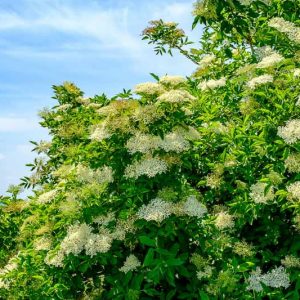
Sambucus nigra subsp. caerulea (Blue Elderberry)

Riparian Strips, Swales, and Moist Corners

If you have irrigation ditches, drainage swales, or naturally wetter pockets, you can turn them into high value pollinator corridors that also filter runoff.

Cephalanthus occidentalis (Buttonbush)
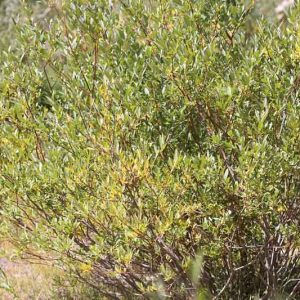
Salix exigua (Coyote Willow)
Oenothera elata (Hooker’s Evening Primrose)

Grasses and Quiet Heroes

Grasses anchor the design, protect soil, and give ground nesting bees stable places to work around. They also help your planting read as intentional rather than weedy.
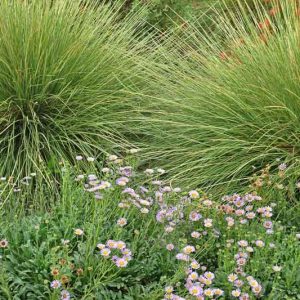
Design Tips – Central Valley Style

  • Think layers: Put shrubs and small trees on the north and west sides as windbreak and backdrop, tall perennials and sunflowers in the middle, and low annuals and groundcovers along paths.
  • Group by water use: Keep drought lovers like California buckwheat, yarrow, and sages together; place buttonbush, willows, and Hooker’s evening primrose where water lingers.
  • Color through the year: Early bloom from redbud, manzanita, lilac, poppies, baby blue eyes, and clarkias; summer from milkweeds, lupines, penstemons, phacelias, buckwheat; late season from goldenrod, California aster, vinegarweed, gumplant, coyote bush, and California fuchsia.
  • Leave some wild edges: Let seed heads stand into winter, keep brushy corners, and avoid over mulching so ground nesting bees can use bare soil.
  • Avoid pesticides: Most pest issues balance out when you stack this much diversity. Spot treat with pruning, hand picking, or targeted soaps if absolutely needed.

Small Yard, Big Central Valley Impact

For a compact 10 by 14 foot bed, try this simple, Xerces aligned palette:

  • Back row: One Ceanothus (‘Concha’ or ‘Frosty blue’) and one Rhamnus californica for evergreen structure.
  • Middle: Clumps of showy or narrowleaf milkweed, silver bush lupine, foothill penstemon, California buckwheat, and coyote mint.
  • Front and infill: Drifts of California poppy, globe gilia, baby blue eyes or fivespot, tidytips, and Great Valley or lacy phacelia for spring; add gumplant, vinegarweed, California aster, and California fuchsia for late color.
  • Matrix: A few deergrass clumps to hold the design together and offer nesting cover.

Plant in repeating blocks, water deeply the first year, then taper off. Within a couple of seasons you will have a living corridor for bees, butterflies, and beneficial insects that fits the Central Valley climate and supports real conservation.

Discover More California Native Plants

Keep Planting, Keep Learning

Updated: November 2025 • Reviewed by Gardenia Editors

Recommended Guides

Monarch Nectar Plants for California
Great Pollinator Plants for California Maritime Northwest Region
Great Pollinator Plants for California Deserts
Great Pollinator Plants for California Sierra Foothills
Great Pollinator Plants for California Central Coast
Great Pollinator Plants for California Southern Coast
Great Pollinator Plants for California Central Valley
50 California Wildflowers: From Desert Blooms to Coastal Gems
Shade-Loving Native Perennials for the Northern California Coast Region
Native Groundcovers for the Central California Foothills and Coastal Mountains
Native Groundcovers for the Northern California Coast Region
Recommended Native Annuals for the Northern California Coast Region
Recommended Native Grasses for the Northern California Coast Region
Recommended Native Ferns for the Northern California Coast Region
Sun-Loving Native Trees for Northern California Coast
Shade-Loving Native Trees for the Northern California Coast Region
Sun-Loving Native Shrubs for Northern California Coast
Shade-Loving Native Shrubs for the Northern California Coast Region
Sun-Loving Native Perennials for the Northern California Coast Region
The Ultimate Guide to Native Plants for a Beautiful Garden
The Ultimate Guide to Wildlife-Friendly Plants for a Beautiful Garden
The Ultimate Guide to Drought-Tolerant Plants for a Beautiful Garden
The Ultimate Guide to Deer-Resistant Plants for a Beautiful Garden
Explore Great Plant Combination Ideas
Central California
While every effort has been made to describe these plants accurately, please keep in mind that height, bloom time, and color may differ in various climates. The description of these plants has been written based on numerous outside resources.

Guide Information

Native Plants California, United States
Attracts Birds, Butterflies, Hummingbirds, Bees
Explore Great Plant Combination Ideas
Central California

Related Items

Please Login to Proceed

You Have Reached The Free Limit, Please Subscribe to Proceed

Subscribe to Gardenia

To create additional collections, you must be a paid member of Gardenia
  • Add as many plants as you wish
  • Create and save up to 25 garden collections
Become a Member

Plant Added Successfully

Your garden is taking shape. Unlock full planning.

You’ve reached the free limit. Upgrade for $25/year to add as many plants as you wish and save up to 25 garden collections. Unlock Annual Membership

Update Your Credit
Card Information

Cancel

Create a New Collection

Sign Up to Our Newsletter

    You have been subscribed successfully

    Join Gardenia.net

    Create a membership account to save your garden designs and to view them on any device.

    Becoming a contributing member of Gardenia is easy and can be done in just a few minutes. If you provide us with your name, email address and the payment of a modest $25 annual membership fee, you will become a full member, enabling you to design and save up to 25 of your garden design ideas.

    Join now and start creating your dream garden!

    Join Gardenia.net

    Create a membership account to save your garden designs and to view them on any device.

    Becoming a contributing member of Gardenia is easy and can be done in just a few minutes. If you provide us with your name, email address and the payment of a modest $25 annual membership fee, you will become a full member, enabling you to design and save up to 25 of your garden design ideas.

    Join now and start creating your dream garden!
    Find your Hardiness Zone

    Find your Heat Zone

    Find your Climate Zone