Create Your Garden

Great Pollinator Plants for California Deserts

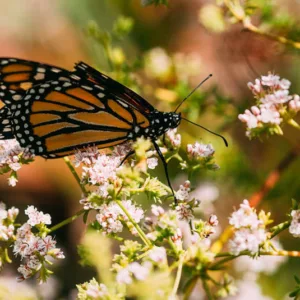
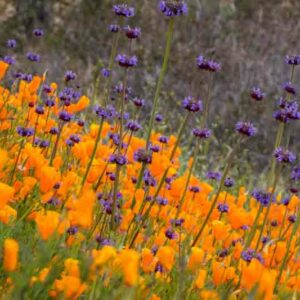
California’s deserts can pulse with life when you plant for pollinators. Desert willow, chuparosa, brittlebush, globe mallow, penstemons, and desert milkweed thrive in scorching sun and lean soil, offering nectar in waves.
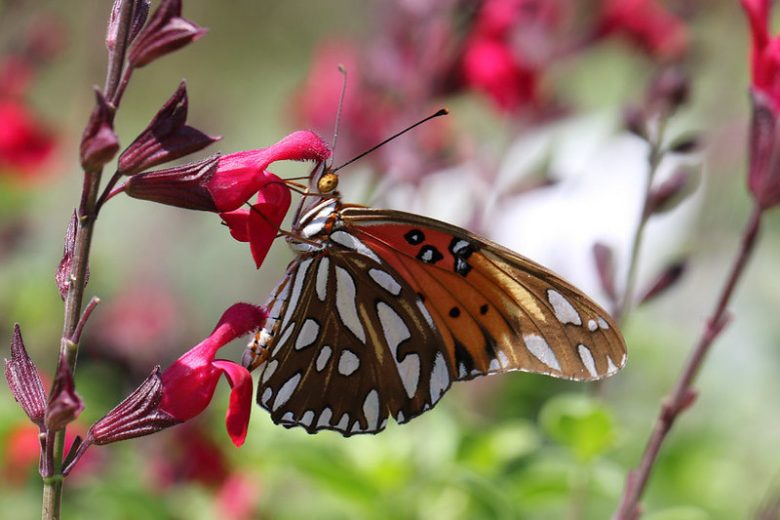
Pollinator Plants, Butterfly Plants, Hummingbird Plants, Bee Plants, Western US Plants, California Native Plants, Native Plants

Great Pollinator Plants for California Deserts: Tough Landscapes, Powerful Habitat

California’s deserts look harsh at first glance, but for pollinators they are a rich, finely tuned world of bloom cycles, night flights, specialist bees, and long lived shrubs that hold whole communities together. From the Mojave to the Colorado Desert and into the Sonoran influenced corners along the lower Colorado River, you can create habitat that fits the climate, saves water, and genuinely helps bees, butterflies, moths, hummingbirds, beetles, and beneficial insects. This guide follows two Xerces Society lists, Recommended Plants for Pollinators & Beneficial Insects: California Deserts & Southern Nevada and Native Plants for Pollinators and Beneficial Insects: Southwest Sonoran Desert Region, and turns most plants on those lists into practical ideas for California desert gardens, ranches, rights of way, and urban yards.

Quick Start – Pollinator Success in California Deserts

  • Use true desert natives: All plants below are drawn from Xerces desert lists for California deserts, Southern Nevada, and the Southwest Sonoran Desert. They are desert tested and pollinator rich.
  • Stack bloom through the heat: Choose at least three species for early season, three for mid season, and three for late season so nectar and pollen never vanish.
  • Prioritize full sun and lean soils: Most of these species want open exposure, rocky or sandy ground, and low to moderate water once established.
  • Plant in patches: Group 3 to 7 of each species. Clumps help bees forage efficiently and make your planting look intentional, not scattered.
  • Mix forms: Combine shrubs, cacti, trees, wildflowers, and grasses to offer nectar, pollen, shelter, and nesting sites at multiple heights.
  • Stay pesticide free: Avoid insecticides, especially systemic products. These plants already invite beneficial insects that help manage pests.

Know Your Place: Mojave, Colorado, and Sonoran Influences

California’s desert region includes the Mojave Desert, the Colorado Desert, and Sonoran influenced lowlands near the Arizona border. Rain is scarce and erratic, summers are blazing hot, nights can be cool, and soils are fast draining and often alkaline. The plants in the Xerces lists are adapted to exactly this pattern. Use them in gardens, along driveways, solar fields, windbreaks, restoration areas, and urban parkways to build habitat that looks natural, respects water limits, and truly works for wildlife.

Wildflower Engine – Forbs and Small Shrubs That Keep Bloom Rolling

These are your color makers and nectar engines. Mix annuals and perennials so something is in bloom in cool spring windows, peak summer heat, and late season drought.

Guide Information

Native Plants California, United States
Attracts Birds, Butterflies, Hummingbirds, Bees
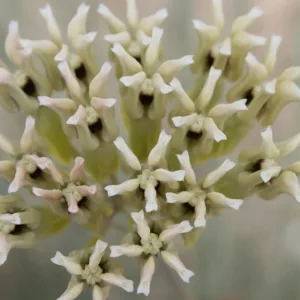
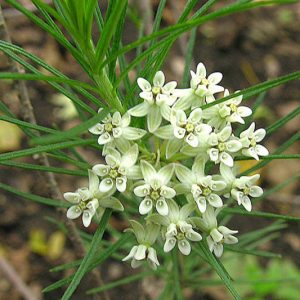
Asclepias fascicularis (Narrowleaf Milkweed)
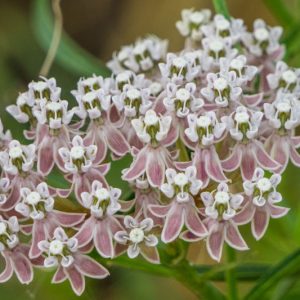
Asclepias subulata (Rush Milkweed)
Asclepias linaria (Pine-Needle Milkweed)
Baileya multiradiata (Desert Marigold)
Encelia actoni (Acton Encelia)
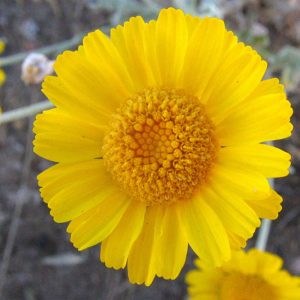
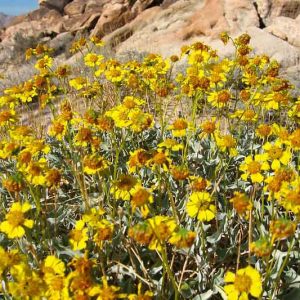
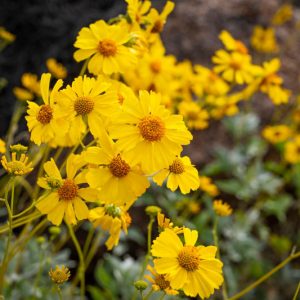
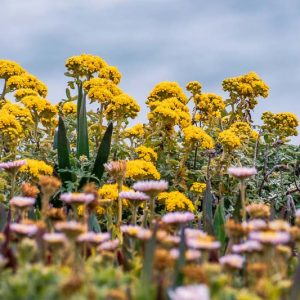
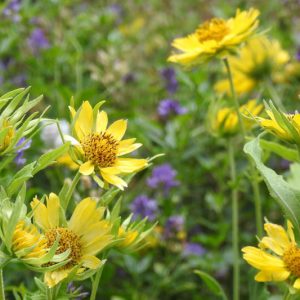
Encelia farinosa (Brittlebush)
Epilobium canum (California Fuchsia)
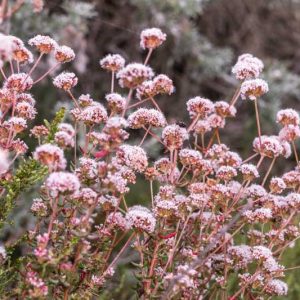
Eriogonum fasciculatum (California Buckwheat)
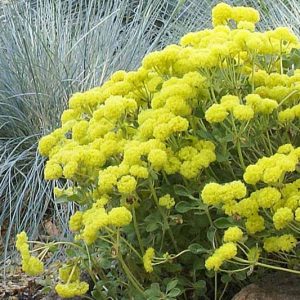
Eriogonum umbellatum (Sulphur Buckwheat)
Eriophyllum confertiflorum (Golden Yarrow)
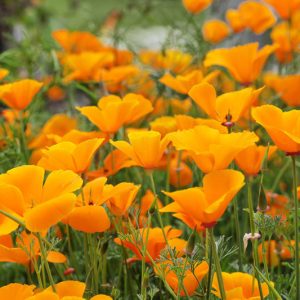
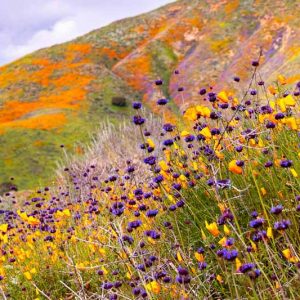
Eschscholzia californica (California Poppy)
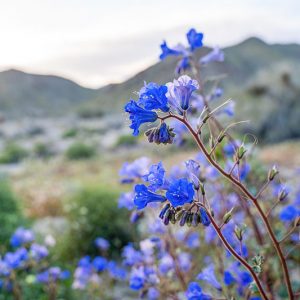
Phacelia campanularia (Desert Bluebell)
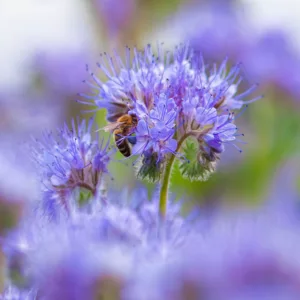
Phacelia tanacetifolia (Fiddleneck)
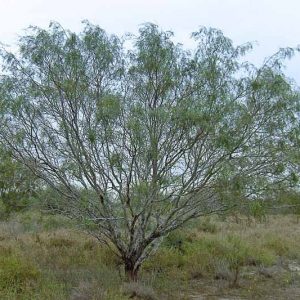
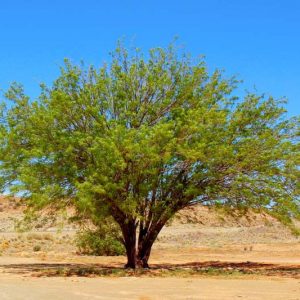
Prosopis glandulosa (Honey Mesquite)
Prosopis pubescens (Screwbean Mesquite)
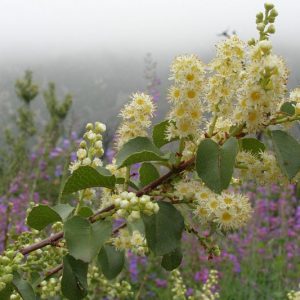
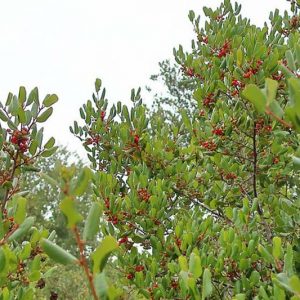
Prunus ilicifolia (Hollyleaf Cherry)
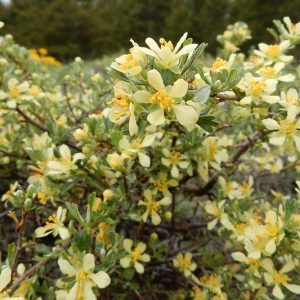
Purshia tridentata (Antelope Bitterbrush)
Rhamnus ilicifolia (Hollyleaf Redberry)
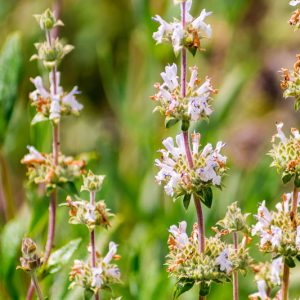
Salvia columbariae (Chia Sage)
Salvia dorrii (Desert Sage)
Salvia mellifera (Black Sage)
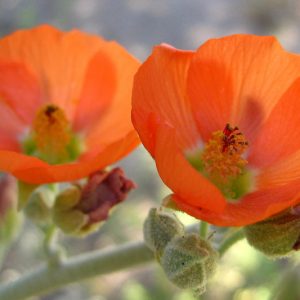
Sphaeralcea ambigua (Desert Mallow)
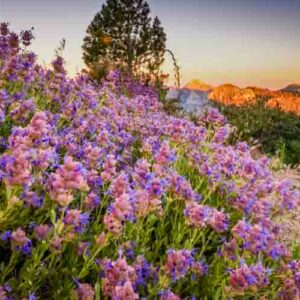
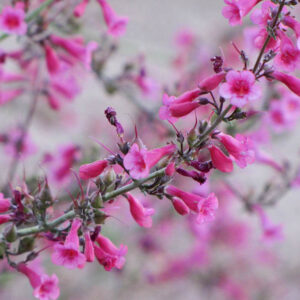
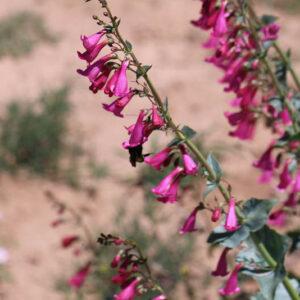
Penstemon parryi (Parry’s Beardtongue)
Penstemon palmeri (Scented Penstemon)
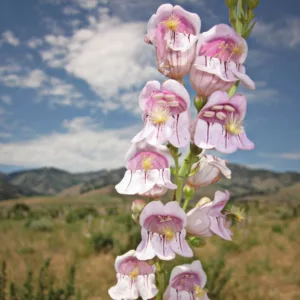
Penstemon pseudospectabilis (Desert Beardtongue)
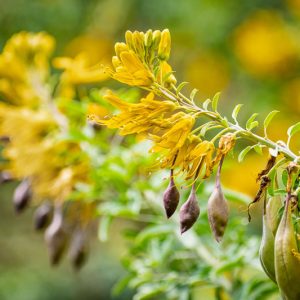
Cleome isomeris (Bladderpod)
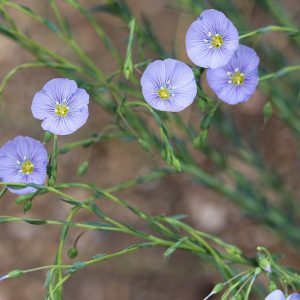
Linum lewisii (Prairie Flax)
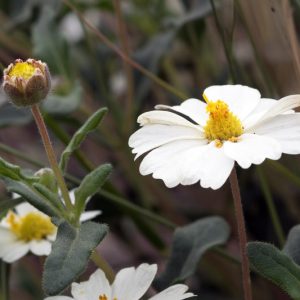
Melampodium leucanthum (Blackfoot Daisy)
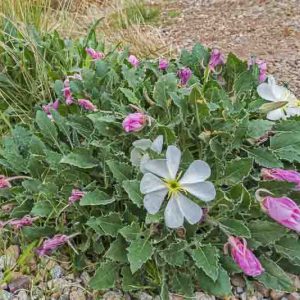
Oenothera caespitosa (Tufted Evening Primrose)
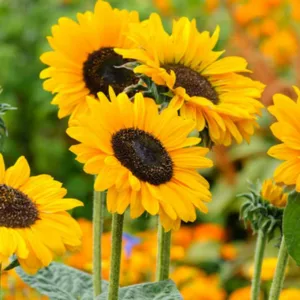
Helianthus annuus (Common Sunflower)
Verbesina encelioides (Golden Crownbeard)

Sprinkle these through open gravel, around boulders, and at the feet of your woody anchors. Think loose drifts and repeating color bands that track the seasons as winter rains, spring flush, and monsoon pulses arrive.

Woody Anchors – Shrubs, Trees, and Cacti That Do the Heavy Lifting

These long lived species shape your desert pollinator garden. They hold soil, cast dappled shade, feed insects for months, and support birds and other wildlife.
Atriplex canescens (Four-Wing Saltbush)
Baccharis salicifolia (Mule Fat)
Baccharis sarothroides (Desert Broom)
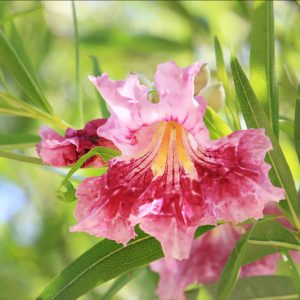
Chilopsis linearis (Desert Willow)
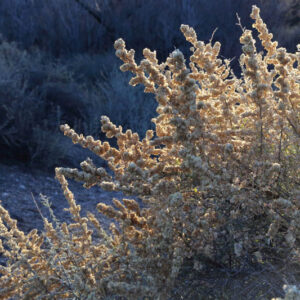
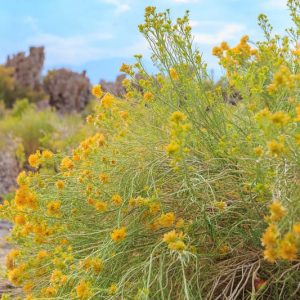
Ericameria nauseosa (Rubber Rabbitbrush)
Larrea tridentata (Creosote Bush)
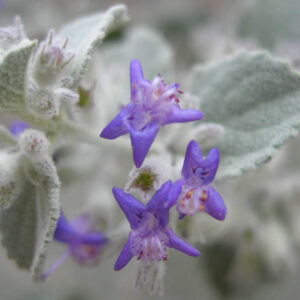
Condea emoryi (Desert Lavender)
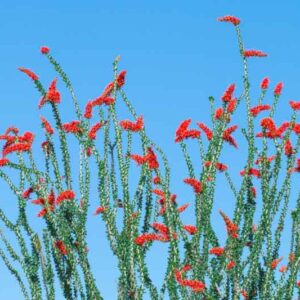
Fouquieria splendens (Ocotillo)
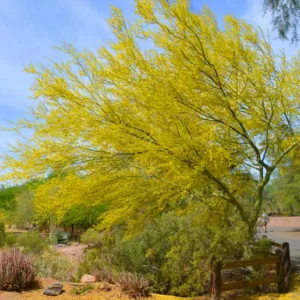
Parkinsonia florida (Blue Paloverde)
Prosopis pubescens (Screwbean Mesquite)
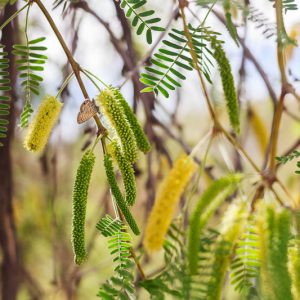
Prosopis velutina (Velvet Mesquite)
Prosopis glandulosa (Honey Mesquite)
Prunus ilicifolia (Hollyleaf Cherry)
Purshia tridentata (Antelope Bitterbrush)
Rhamnus ilicifolia (Hollyleaf Redberry)
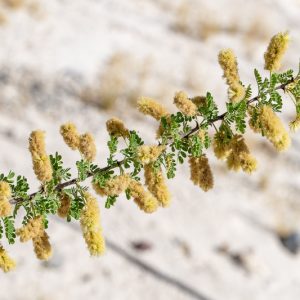
Senegalia greggii (Catclaw Acacia)
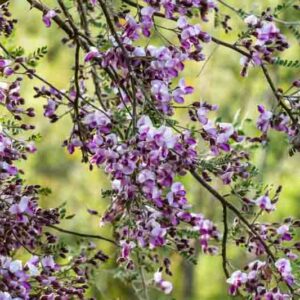
Olneya tesota (Desert Ironwood)
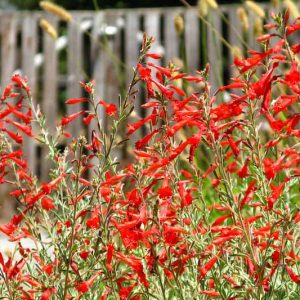
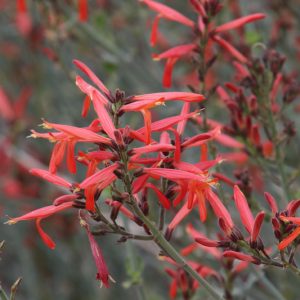
Justicia californica (Chuparosa)
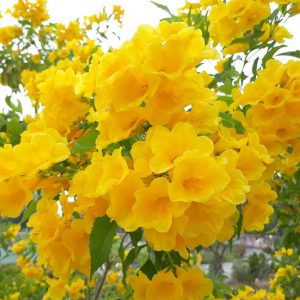
Tecoma stans (Yellow Bells)
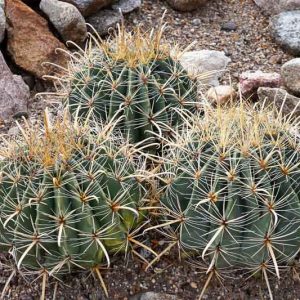
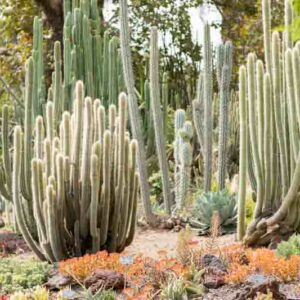
Ferocactus wislizenii (Fishhook Barrel Cactus)
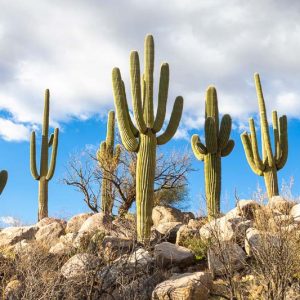
Carnegiea gigantea (Saguaro Cactus)
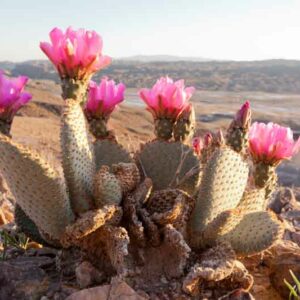
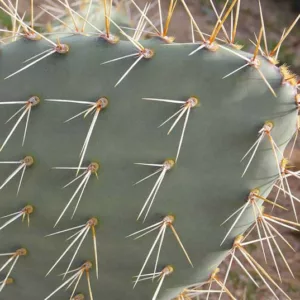
Opuntia basilaris (Beavertail Cactus)
Opuntia engelmannii (Engelmann Prickly Pear)

Cluster these along property edges, in windbreaks, and along natural drainages. Their flowers fuel bees, hummingbirds, and bats; their structure offers perches, nesting sites, and shade for more delicate wildflowers tucked at their feet.

Grasses and Groundwork – The Quiet Support Crew

Native grasses and sedges do subtle but essential work in desert plantings. They stabilize soil, create nesting thatch, and frame your showier flowers.
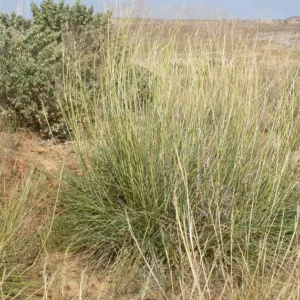
Bouteloua curtipendula (Side-Oats Grama)
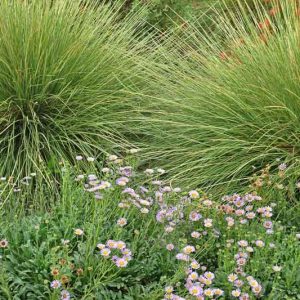
Muhlenbergia rigens (Deer Grass)
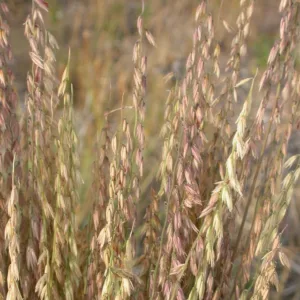
Sporobolus airoides (Alkali Sacaton)

Designing With California Desert Natives

  • Match plant to microhabitat: Use creosote bush, brittlebush, desert marigold, crownbeard, and desert zinnia on hot, open slopes. Tuck mulefat, Goodding’s willow, bladderpod, desert willow, monkeyflower like species you may pair, and alkali sacaton near washes, bioswales, or greywater outlets.
  • Build desert hedgerows: Along fence lines, combine mesquites, catclaw acacia, blue palo verde, hollyleaf cherry, wolfberry, fairy duster, apricot mallow, California buckwheat, and rubber rabbitbrush to create a living corridor for pollinators and beneficial insects.
  • Play with height: Tall trees and cacti (ironwood, palo verde, mesquite, saguaro or columnar cactus where native) form the canopy; mid shrubs like creosote bush, turpentine bush, desert lavender, desert broom, ocotillo, and brittlebush make the middle; low wildflowers, chia, flax, phacelias, and buckwheats edge paths and open spaces.
  • Seasonal relay: Early season from chuparosa, fairy duster, pine needle and rush milkweeds, larkspur, spectaclepod, desert globemallow, desert lavender. Mid season from brittlebush, golden yarrow, California buckwheat, showy and Palmer’s penstemon, blue palo verde, feather dalea, sunflowers. Late season from rubber rabbitbrush, alkali sacaton, desert zinnia, crownbeard, California fuchsia, and lingering buckwheat bloom.
  • Use repetition: Pick 8 to 15 key species that fit your site and repeat them. This makes foraging efficient and the design calm, even with wild species.
  • Respect regional limits: Confirm each species is native or appropriate to your exact corner of the California desert, especially near wildlands.

Small Space Recipe – A Simple California Desert Pollinator Pocket

For a front yard strip or courtyard bed in full sun, try this mix using only plants from the Xerces desert lists:

  • Back layer: One blue palo verde, one velvet mesquite, and one creosote bush for structure, light shade, and spring bloom.
  • Middle layer: Clumps of brittlebush, desert lavender, fairy duster, apricot mallow, California buckwheat, and desert marigold.
  • Front edge: Drifts of desert bells, tansy phacelia, chia sage, Lewis flax, desert zinnia, and crownbeard to keep color low and busy with insects.
  • Framework: One or two deer grass or alkali sacaton clumps to hold the corners and offer nesting cover.

Water deeply but infrequently in the first year, then cut back. You get a resilient planting that fits the climate and feeds pollinators most of the year with very modest care.

Care That Protects Desert Pollinators

  • Soil: Keep it simple. Use existing sandy or gravelly soils. Avoid heavy amendments that trap moisture around desert roots.
  • Water: In year one, slow deep soaks every couple of weeks are better than frequent sprinkles. In later years, water only during extended drought or establishment of new plants.
  • Mulch: Skip thick bark. Use a light layer of gravel or natural rock with open soil gaps so annuals can reseed and ground nesting bees can dig.
  • No broad spectrum insecticides: Let predatory wasps, lacewings, lady beetles, and spiders recruited by this plant list handle most pest issues.
  • Gentle cleanup: Leave seed heads, stems, and leaf litter through winter where possible. Tidy along paths and patios, leave the wildness in the back.

Discover More California Native Plants

Keep Planting, Keep Learning

Frequently Asked Questions

What types of plants attract pollinators in California’s deserts?

Choose tough, drought-adapted natives that thrive in full sun and sandy or rocky soils. Look for species with bright blooms and rich nectar like desert willow, chuparosa, brittlebush, desert marigold, globe mallow, penstemon, and milkweed. These support bees, butterflies, hummingbirds, and night pollinators like moths.

When should I plant desert pollinator species?

Fall and early winter are best. That’s when temperatures cool and natural rainfall helps roots establish before summer heat. Avoid planting during hot, dry months—young plants struggle in extreme conditions.

What are the best native pollinator plants for the California desert regions?

Desert marigold (Baileya multiradiata)
Brittlebush (Encelia farinosa)
Chuparosa (Justicia californica)
Desert willow (Chilopsis linearis)
Desert milkweed (Asclepias erosa)
Palmer’s penstemon (Penstemon palmeri)
Beavertail prickly pear (Opuntia basilaris)
California barrel cactus (Ferocactus cylindraceus)
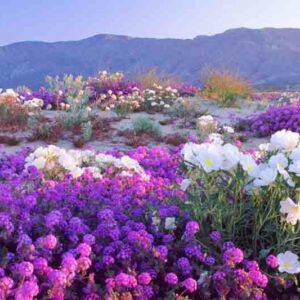
Sand verbena (Abronia villosa)
Evening primrose (Oenothera deltoides)
These species thrive in desert conditions and keep pollinators active nearly year-round.

Do desert plants really help pollinators?

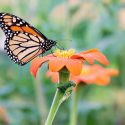
Absolutely. Many desert bees, butterflies, and hummingbirds depend on native desert flora. For instance, chuparosa and desert willow provide early nectar when little else blooms, while milkweeds support monarchs migrating through the region.

How often should I water pollinator plants in the desert?

Water regularly the first year to help roots establish. Once mature, many desert natives need only deep, occasional watering—about once every two to four weeks in summer if there’s no rain. Over-watering often harms more than it helps.

Can I mix native and non-native flowers?

Yes, as long as non-natives are non-invasive and drought tolerant. Use natives for the backbone of your garden—add gentle extras like lantana or desert zinnia for color variety without disrupting native ecosystems.

How can I design a desert pollinator garden?

Group plants with similar water needs.
Combine low growers (verbena, marigold) with medium shrubs (brittlebush, chuparosa) and small trees (desert willow, mesquite).
Provide open soil patches for ground-nesting bees.
Include rocks and logs for shade and shelter.
Add a shallow water dish with pebbles for pollinators to sip safely.

Which pollinators visit desert plants most often?

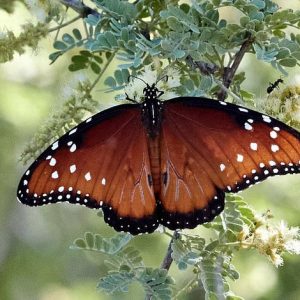
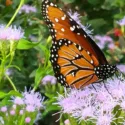
Native solitary bees (especially leafcutter and digger bees), hummingbirds, butterflies like queen and monarch, hawk moths, and nectar-feeding bats all visit desert blooms depending on the time of day and season.

How can I keep blooms going through the seasons?

Mix early, mid, and late bloomers. Early: chuparosa and desert marigold. Midseason: penstemon, brittlebush, and desert willow. Late: desert senna, sand verbena, and cactus flowers. A layered schedule ensures steady nectar from spring through fall.

Do desert plants need fertilizer?

No. Native desert species evolved in lean soils. Fertilizers can cause weak, leggy growth and fewer blooms. Stick to natural compost or nothing at all.

Can pollinator gardens help with dust and erosion?

Yes. Deep-rooted native perennials stabilize sandy soils, reduce runoff, and add beauty to otherwise barren areas. Brittlebush, desert senna, and buckwheat are especially good for this.

Is it possible to have a night-blooming pollinator garden?

Definitely. Many desert plants open at dusk, feeding moths and bats. Try evening primrose, datura, and yucca for beautiful night fragrance and nocturnal pollinator action.

Updated: November 2025 • Reviewed by Gardenia Editors

Recommended Guides

Monarch Nectar Plants for California
Desert Trees: Stunning and Resilient Trees for Your Garden
Desert Shrubs: Essential Plants for Dry Gardens
Desert Flowers: Bringing Color to Dry Gardens
50 California Wildflowers: From Desert Blooms to Coastal Gems
Desert Plants: Discover 50 Stunning Varieties to Grow
Hedgehog Cactus: A Desert Survivor with Spectacular Blooms
How to Grow and Care for Desert Rose for Beautiful Flowers
Barrel Cactus: An Iconic Desert Plant for Water-Wise Gardens
Cholla Cactus: Iconic Desert Plants
The Ultimate Guide to Drought-Tolerant Plants for a Beautiful Garden
The Ultimate Guide to Native Plants for a Beautiful Garden
The Ultimate Guide to Wildlife-Friendly Plants for a Beautiful Garden
Great Pollinator Plants for California Central Valley
Best David Austin Roses for Southern California
Explore Great Plant Combination Ideas
Southern California Desert
While every effort has been made to describe these plants accurately, please keep in mind that height, bloom time, and color may differ in various climates. The description of these plants has been written based on numerous outside resources.

Guide Information

Native Plants California, United States
Attracts Birds, Butterflies, Hummingbirds, Bees
Explore Great Plant Combination Ideas
Southern California Desert

Related Items

Please Login to Proceed

You Have Reached The Free Limit, Please Subscribe to Proceed

Subscribe to Gardenia

To create additional collections, you must be a paid member of Gardenia
  • Add as many plants as you wish
  • Create and save up to 25 garden collections
Become a Member

Plant Added Successfully

Your garden is taking shape. Unlock full planning.

You’ve reached the free limit. Upgrade for $25/year to add as many plants as you wish and save up to 25 garden collections. Unlock Annual Membership

Update Your Credit
Card Information

Cancel

Create a New Collection

Sign Up to Our Newsletter

    You have been subscribed successfully

    Join Gardenia.net

    Create a membership account to save your garden designs and to view them on any device.

    Becoming a contributing member of Gardenia is easy and can be done in just a few minutes. If you provide us with your name, email address and the payment of a modest $25 annual membership fee, you will become a full member, enabling you to design and save up to 25 of your garden design ideas.

    Join now and start creating your dream garden!

    Join Gardenia.net

    Create a membership account to save your garden designs and to view them on any device.

    Becoming a contributing member of Gardenia is easy and can be done in just a few minutes. If you provide us with your name, email address and the payment of a modest $25 annual membership fee, you will become a full member, enabling you to design and save up to 25 of your garden design ideas.

    Join now and start creating your dream garden!
    Find your Hardiness Zone

    Find your Heat Zone

    Find your Climate Zone