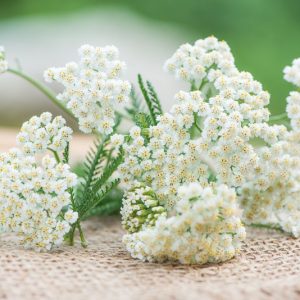
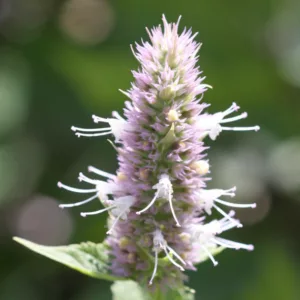
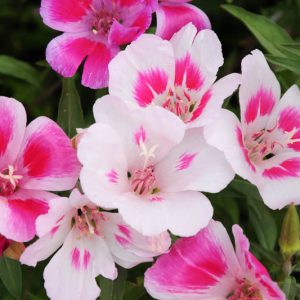
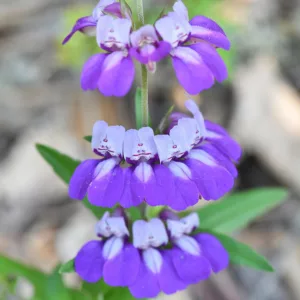
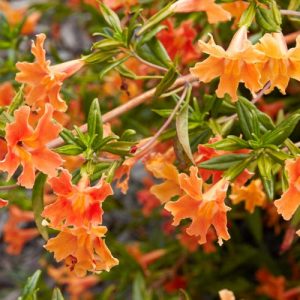
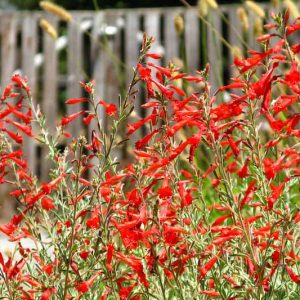
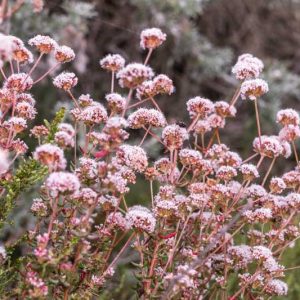
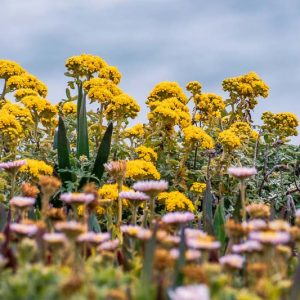
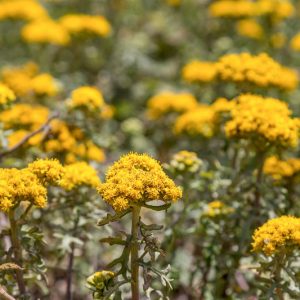
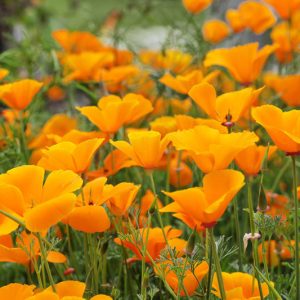
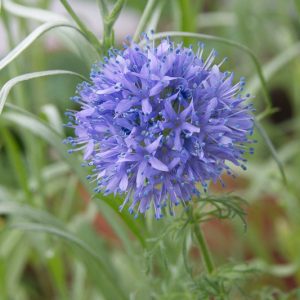
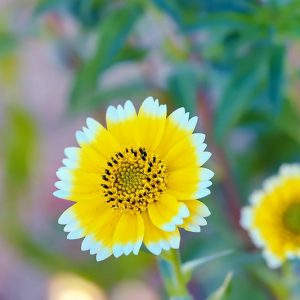
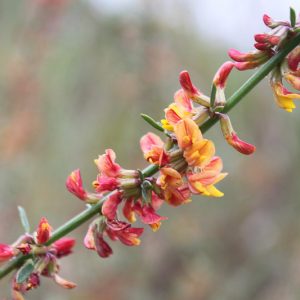
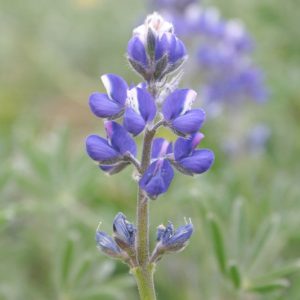
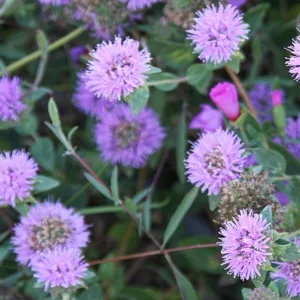
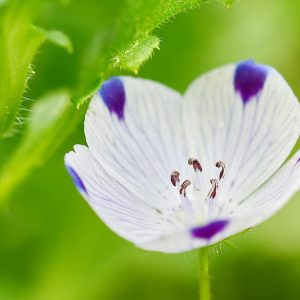
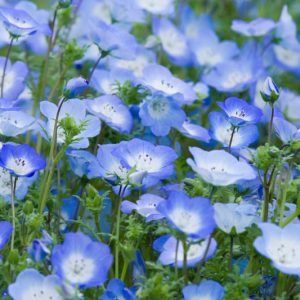
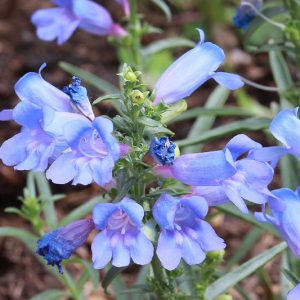
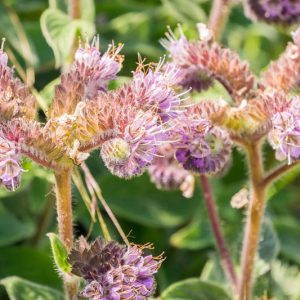
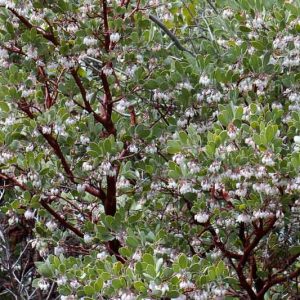
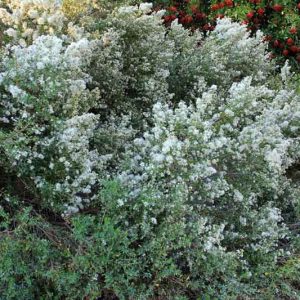
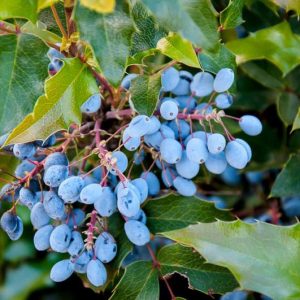
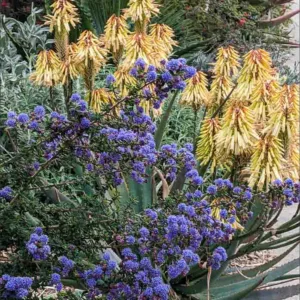
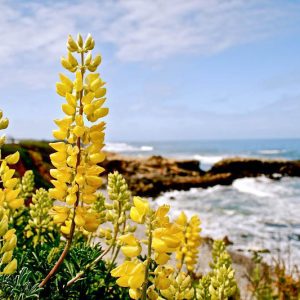
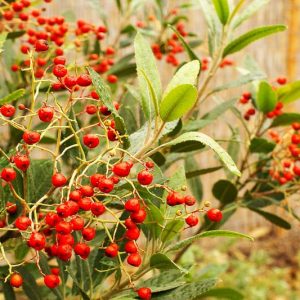
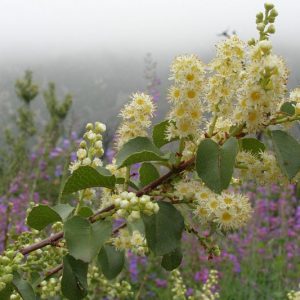
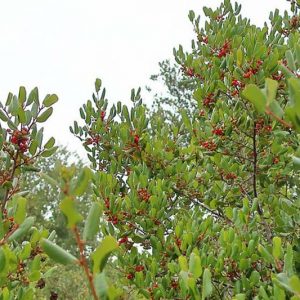
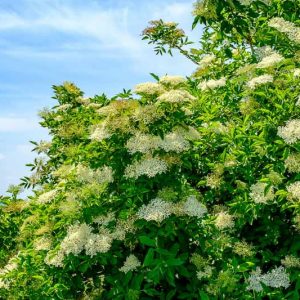
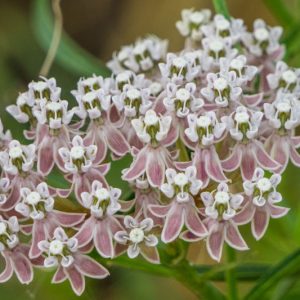
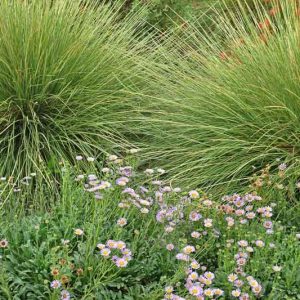
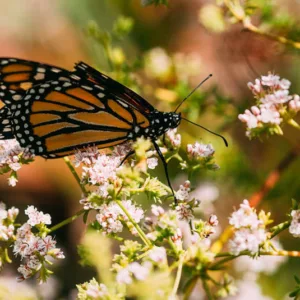
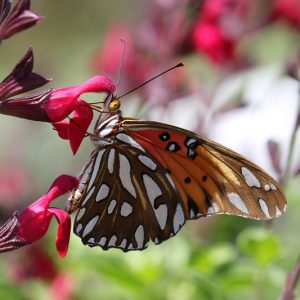
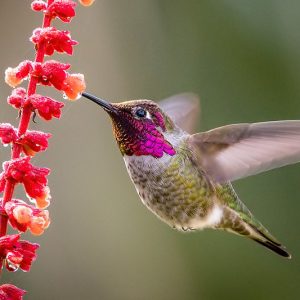
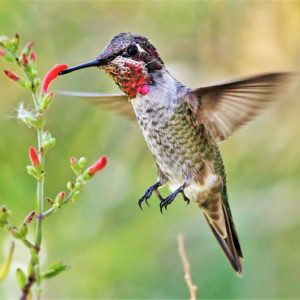
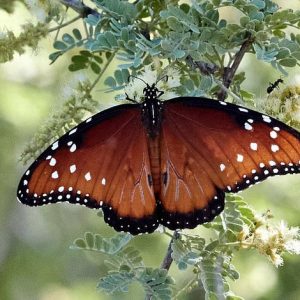
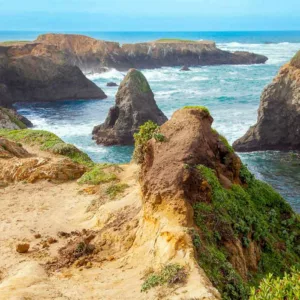
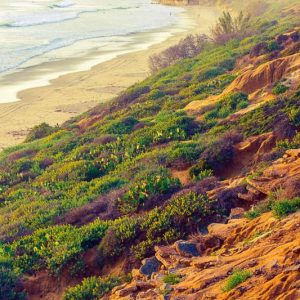
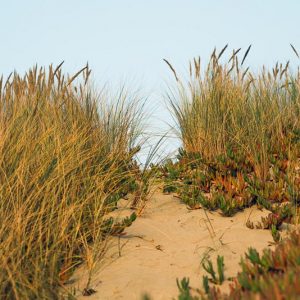
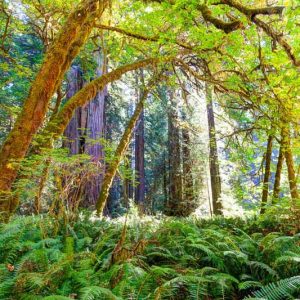
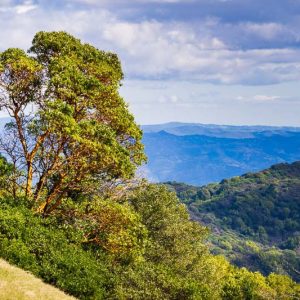
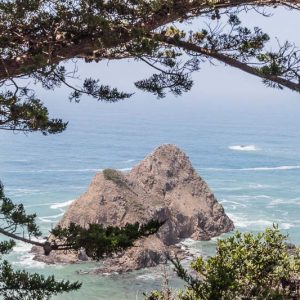
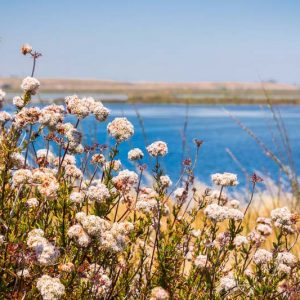
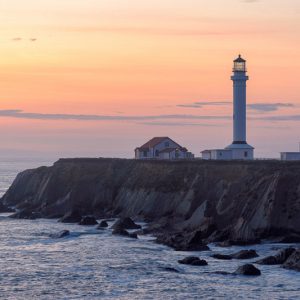
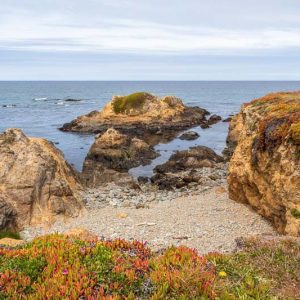
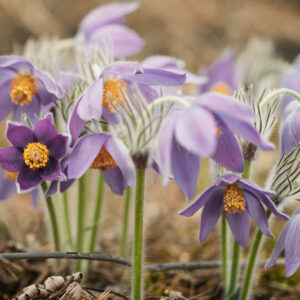
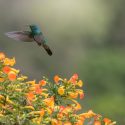
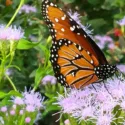
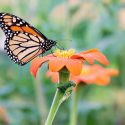
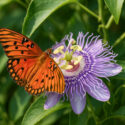
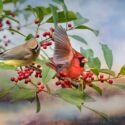
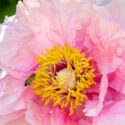
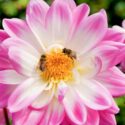
Discover native plants that turn California’s Central Coast gardens, farms, vineyards, and balconies into nonstop pollinator habitat. Layer blooms, feed bees and butterflies, shelter beneficial insects, and grow a resilient, climate smart, low water landscape that buzzes with color, movement, life, connection, abundance, hope, wonder, and real ecological impact all year long.
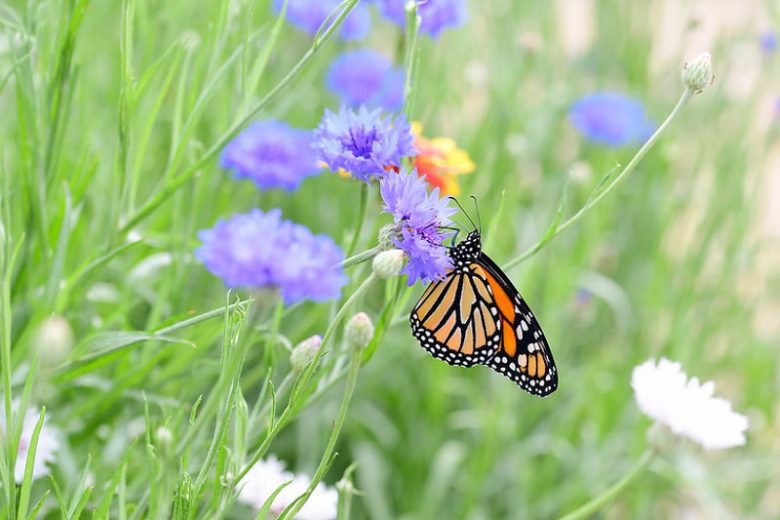


The California Central Coast is pollinator paradise in the making. From coastal bluffs and dunes to inland valleys, vineyards, ranches, orchards, and city yards, you have the perfect climate to support native bees, butterflies, moths, beneficial wasps, flies, beetles, hummingbirds, and more. This guide follows the Xerces Society resource Recommended Plants for Pollinators & Beneficial Insects: California Central Coast Region and translates every plant on that list into practical, real world ideas so you can plant with total confidence.
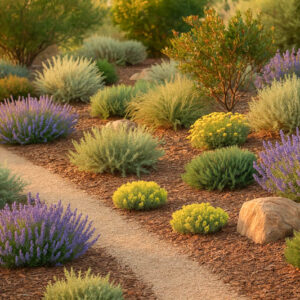
Whether you tend a small coastal garden, a rural homestead, vineyard margins, ranch roads, or urban containers, the formula is simple: combine native shrubs, perennials, annuals, and one great native bunchgrass into layered plantings that flower from late winter through fall. Below you will find every plant from the Xerces Central Coast list, grouped into friendly categories so you can design habitat that is beautiful, tough, and wildly alive.
| Native Plants | California, United States |
|---|---|
| Attracts | Birds, Butterflies, Hummingbirds, Bees |
| Toxic to Humans | No known toxicity |
| Toxic to Cats | No known toxicity |
| Toxic to Dogs | No known toxicity |
| Toxic to Horses | No known toxicity |
What are the best native pollinator plants for California?
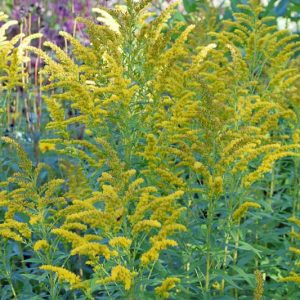
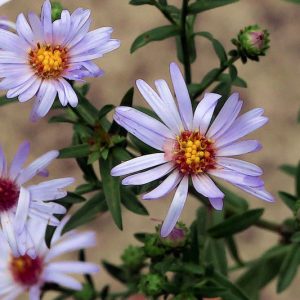
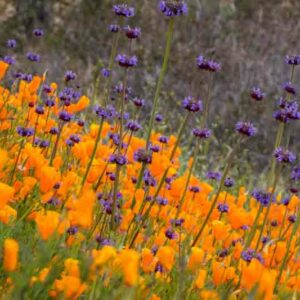
Some top performers include milkweeds (showy, narrowleaf), California buckwheat, Cleveland sage, black sage, California lilac (Ceanothus), manzanita, yarrow, lupines, California poppy, Douglas aster, and goldenrod. Mix shrubs, perennials, and annuals to keep bloom running from early spring into fall.
Why choose native plants instead of ornamentals?
Native plants match local climate, soils, and wildlife. They provide higher quality nectar and pollen, support specialist bees and butterflies, need less water and fertilizer once established, and are more resilient to California’s heat, drought, and variable rainfall.
How many species should I plant for good pollinator support?
Aim for at least 9 to 15 different native species with overlapping bloom times: three blooming in spring, three in summer, and three in late summer to fall. More diversity means food for more pollinator species across their full active season.
Do I need milkweed to help monarch butterflies in California?
Yes, but choose regionally appropriate native milkweeds such as narrowleaf milkweed and showy milkweed. Avoid tropical milkweed, and do not plant milkweed right on cool coastal bluffs where it historically did not occur. Pair milkweed with nectar plants that bloom through fall.
How much sun do native pollinator plants need?
Most California pollinator favorites prefer full sun, at least six hours of direct light. Some species, like Oregon grape, red flowering currant, and certain lupines, tolerate part shade. Always match the plant’s native habitat: coastal scrub, chaparral, woodland edge, or meadow.
Can I have a native pollinator garden in a small yard or on a balcony?
Absolutely. Use large containers or a small bed with 5 to 8 key natives: one or two structural shrubs, several long-blooming perennials, and a couple of annuals. Group each species in small clumps so pollinators can forage efficiently.
Do these plants need a lot of water or fertilizer?
Most California natives used for pollinators prefer low to moderate water once established and do not need regular fertilizer. Overwatering or heavy feeding can stress them, increase pests, and reduce nectar quality. Water deeply the first year, then taper.
Are herbs and non-native flowers still useful for pollinators?
Yes, many non-native herbs and cottage plants feed bees and butterflies, but they should supplement, not replace, natives. Natives are critical for specialist pollinators and for creating regionally resilient habitat. Use non-natives carefully and avoid invasive species.
Are pesticides safe to use in a pollinator garden?
Avoid insecticides, especially systemic products labeled for long-lasting control, as they can contaminate nectar and pollen. Manage pests with hand removal, pruning, water sprays, and by encouraging natural enemies through plant diversity instead.
How do I keep a native pollinator garden looking tidy for neighbors?
Use clear edges, paths, and repeating plant groupings. Keep tall or wild species away from sidewalks, stake or prune as needed, and leave most stems and seed heads in the back. The structure says “intentional garden” while still providing real habitat.
Updated: November 2025 • Reviewed by Gardenia Editors
Tdlucas5000, Flickr
| Native Plants | California, United States |
|---|---|
| Attracts | Birds, Butterflies, Hummingbirds, Bees |
| Toxic to Humans | No known toxicity |
| Toxic to Cats | No known toxicity |
| Toxic to Dogs | No known toxicity |
| Toxic to Horses | No known toxicity |
Create a membership account to save your garden designs and to view them on any device.
Becoming a contributing member of Gardenia is easy and can be done in just a few minutes. If you provide us with your name, email address and the payment of a modest $25 annual membership fee, you will become a full member, enabling you to design and save up to 25 of your garden design ideas.
Join now and start creating your dream garden!
Create a membership account to save your garden designs and to view them on any device.
Becoming a contributing member of Gardenia is easy and can be done in just a few minutes. If you provide us with your name, email address and the payment of a modest $25 annual membership fee, you will become a full member, enabling you to design and save up to 25 of your garden design ideas.
Join now and start creating your dream garden!