Create Your Garden

Great Pollinator Plants for California Sierra Foothills

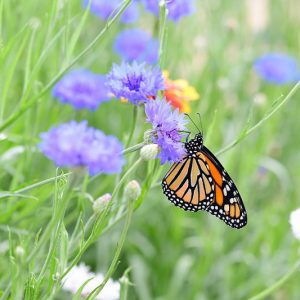
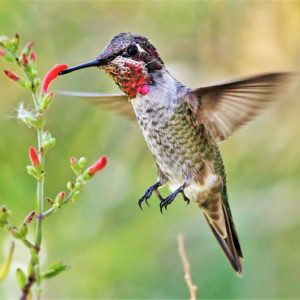
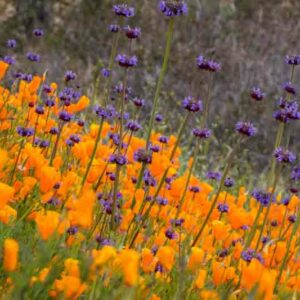
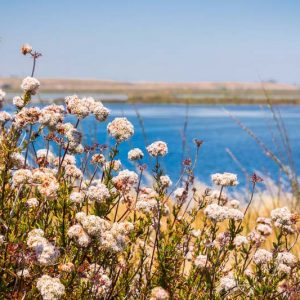
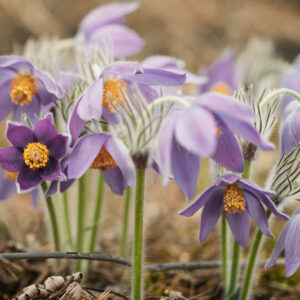
The California Sierra Foothills burst with color and life when planted for pollinators. Native blooms like manzanita, ceanothus, lupine, penstemon, buckwheat, and California poppy thrive in sun and rocky soil, feeding bees, butterflies, and hummingbirds while conserving water.
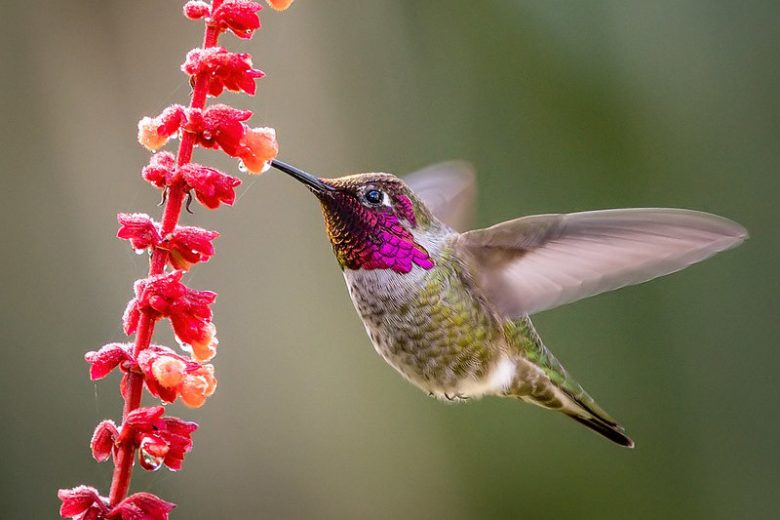
Pollinator Plants, Butterfly Plants, Hummingbird Plants, Bee Plants, Western US Plants, California Native Plants, Native Plants

Great Pollinator Plants for California Sierra Foothills: Wild Beauty With a Job

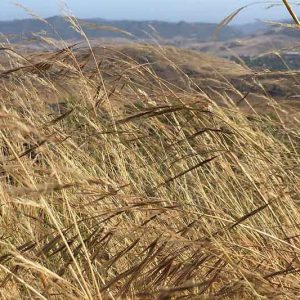
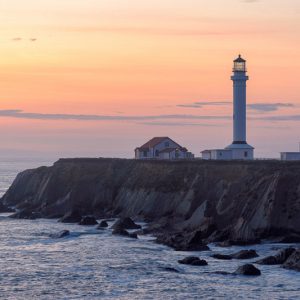
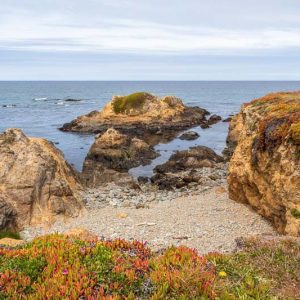
The California Sierra Foothills are made for pollinator friendly gardening. Oak woodlands, chaparral, rocky ridges, creeks, canyons, ranchlands, and rural neighborhoods all stitch together into a huge opportunity for bees, butterflies, moths, hummingbirds, beetles, and beneficial insects. When you plant smart, your yard, fenceline, or field edge becomes part of a living corridor.

This guide follows the Xerces Society list Recommended Plants for Pollinators and Beneficial Insects: California Sierra Foothills Region and turns plants from that list into practical ideas, so you can plant with confidence and impact.

Quick Start – Pollinator Success in the Sierra Foothills

  • Trust the list: Every plant in this guide is drawn directly from the Xerces Sierra Foothills list, chosen for nectar, pollen, larval host value, and beneficial insects.
  • Cover early, mid, and late: Aim for at least three species blooming in each window so there is always something in flower from early spring into fall.
  • Full sun wins: Most species thrive in open sun with well drained soils and low to moderate water once established.
  • Plant in clumps: Group 3 to 7 of a kind so bees can forage efficiently and your beds look intentional, not spotty.
  • Layer the habitat: Combine shrubs, wildflowers, grasses, and willows to provide nectar, nesting, shade, and shelter.
  • Stay pesticide free: Avoid insecticides, especially systemic products, so your flowers remain safe feeding stations.

Know Your Place: Sierra Foothills Conditions

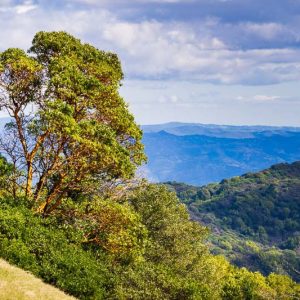
The Sierra Foothills run on cool wet winters, hot dry summers, steep slopes, thin rocky soils, and pockets of richer alluvium along creeks and irrigated lands. The Xerces plants here are built for that: drought tolerant once established, tough enough for heat, and generous with bloom. Think in three main layers when you design:

  • Wildflower engine for color and continuous nectar and pollen.
  • Woody anchors for structure, shade, and long lived habitat.
  • Grasses and willows to knit the soil, frame beds, and support specialist insects.

Wildflower Engine – Forbs That Keep the Show Going

Layer these annuals and perennials around your woody anchors to deliver waves of nectar and pollen from early spring through fall. They are the color and detail that turn structure into habitat.

Guide Information

Native Plants California, United States
Attracts Birds, Butterflies, Hummingbirds, Bees
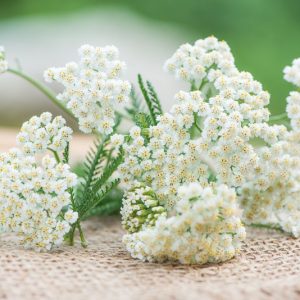
Achillea millefolium (White Yarrow)
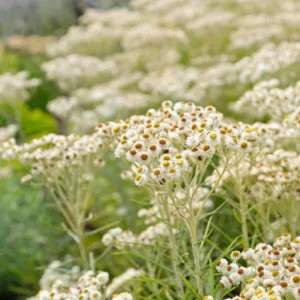
Anaphalis margaritacea (Pearly Everlasting)
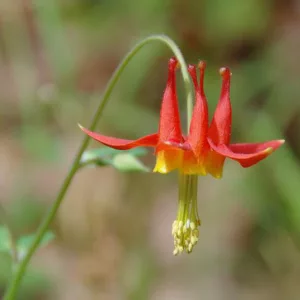
Aquilegia formosa (Western Columbine)
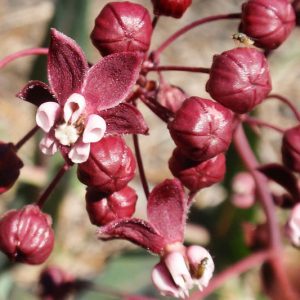
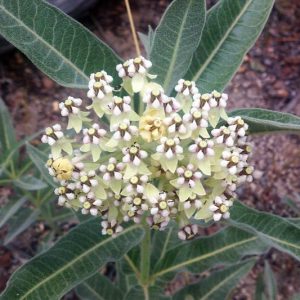
Asclepias cordifolia (Heartleaf Milkweed)
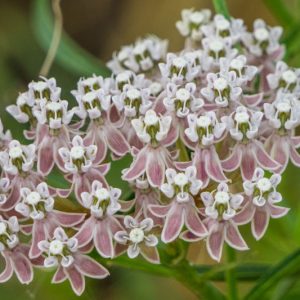
Asclepias fascicularis (Narrowleaf Milkweed)
Asclepias eriocarpa (Woollypod Milkweed)
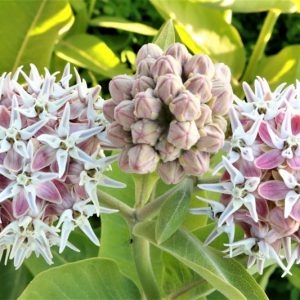
Asclepias speciosa (Showy Milkweed)
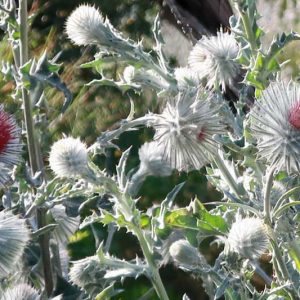
Cirsium occidentale (Cobwebby Thistle)
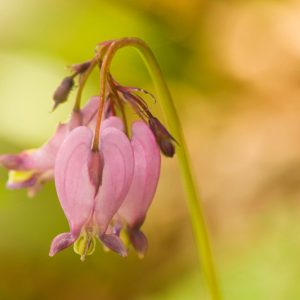
Dicentra formosa (Pacific Bleeding Heart)
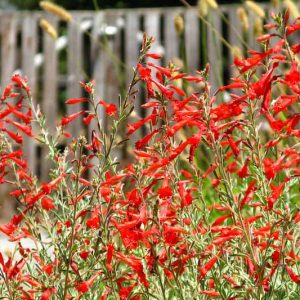
Epilobium canum (California Fuchsia)
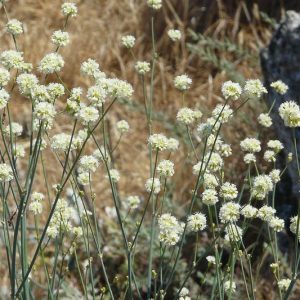
Eriogonum nudum (Naked Buckwheat)
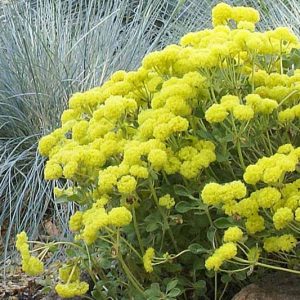
Eriogonum umbellatum (Sulphur Buckwheat)
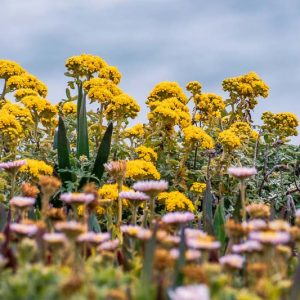
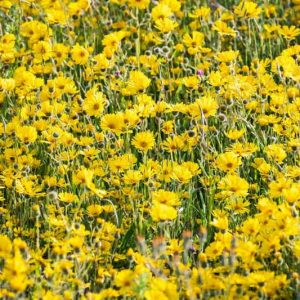
Eriophyllum confertiflorum (Golden Yarrow)
Eriophyllum lanatum (Oregon Sunshine)
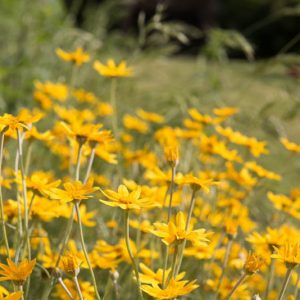
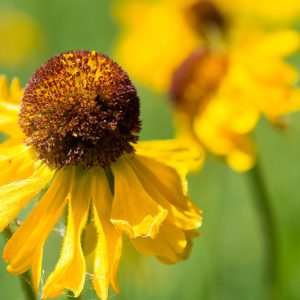
Helenium bigelovii (Bigelow’s Sneezeweed)
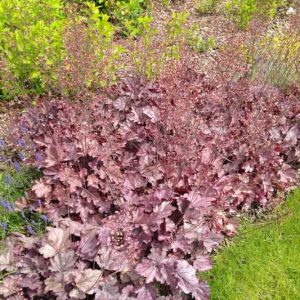
Heuchera micrantha (Crevice Alumroot)
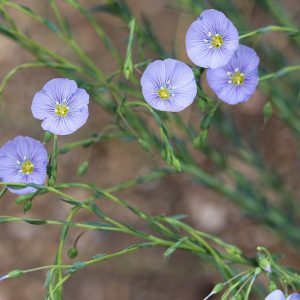
Linum lewisii (Prairie Flax)
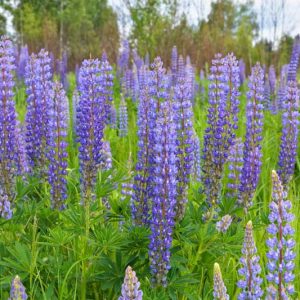
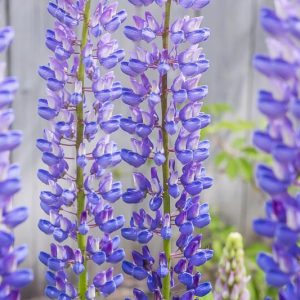
Lupinus polyphyllus (Bigleaf Lupine)
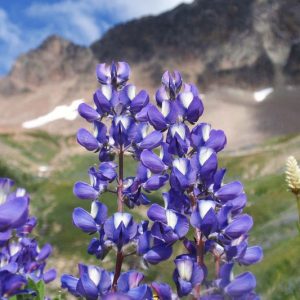
Lupinus latifolius (Broadleaf Lupine)
Madia elegans (Common Madia)
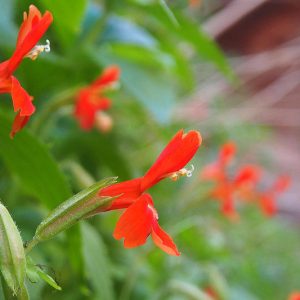
Mimulus cardinalis (Scarlet Monkey Flower)
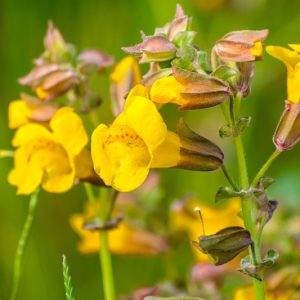
Mimulus guttatus (Yellow Monkey Flower)
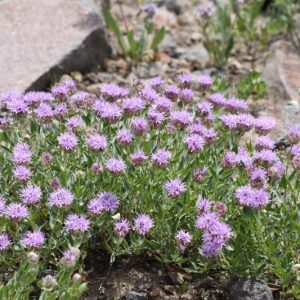
Monardella odoratissima (Mountain Monardella)
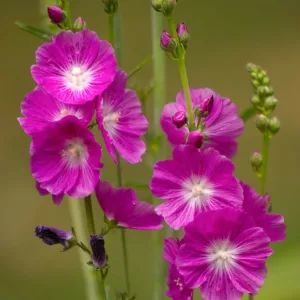
Sidalcea malviflora (Checker Bloom)
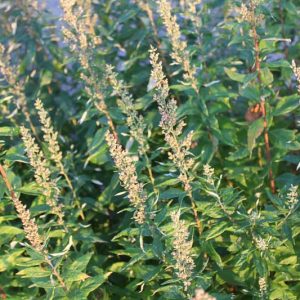
Artemisia douglasiana (Douglas Mugwort)
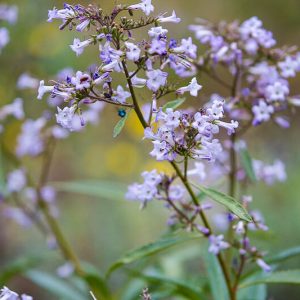
Eriodictyon californicum (California Yerba Santa)
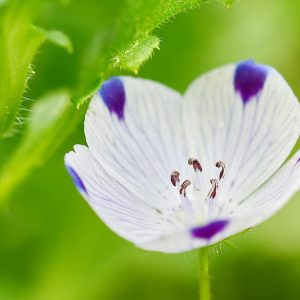
Nemophila maculata (Five Spot)
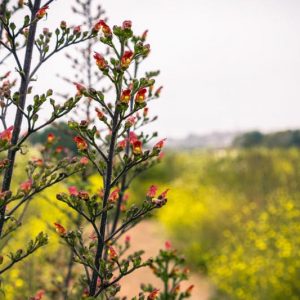
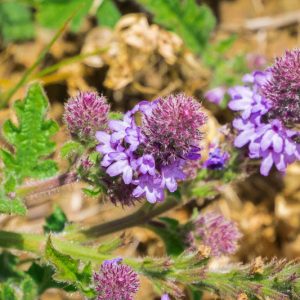
Scrophularia californica (California Figwort)
Verbena lasiostachys (Western Vervain)

Woody Anchors – Shrubs and Trees That Hold the Hillside

These are your backbone plants for foothill gardens, fencelines, hedgerows, and restoration strips. They feed pollinators, shelter birds, and make everything look intentional.
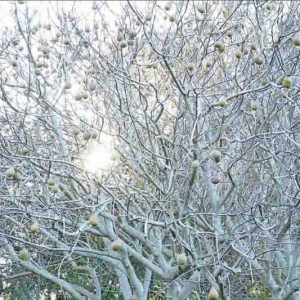
Aesculus californica (California Buckeye)
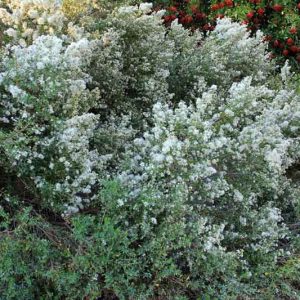
Baccharis pilularis (Coyote Bush)
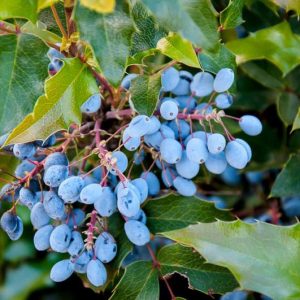
Mahonia aquifolium (Oregon Grape Holly)
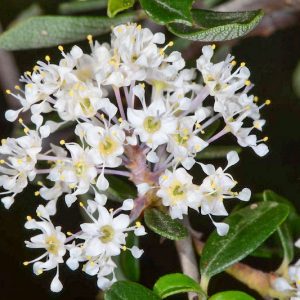
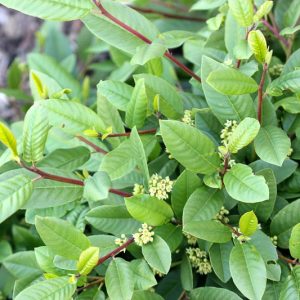
Ceanothus cuneatus (Buckbrush)
Ceanothus integerrimus (Deerbrush)
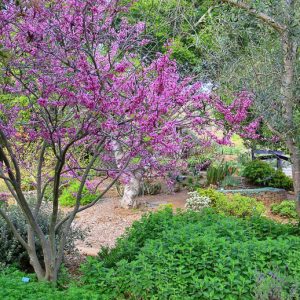
Cercis occidentalis (Western Redbud)
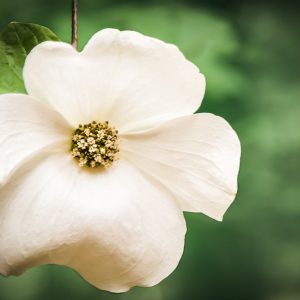
Cornus nuttallii (Pacific Dogwood)
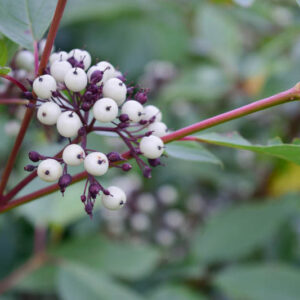
Cornus sericea (Red Osier Dogwood)
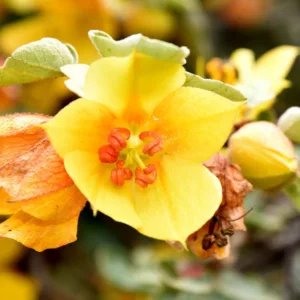
Fremontodendron californicum (California Flannelbush)
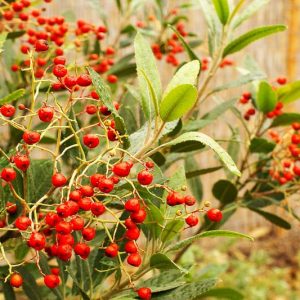
Heteromeles arbutifolia (Toyon)
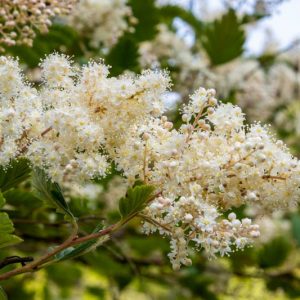
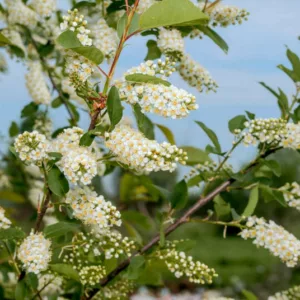
Holodiscus discolor (Ocean Spray)
Lupinus albifrons (Silver Lupine)
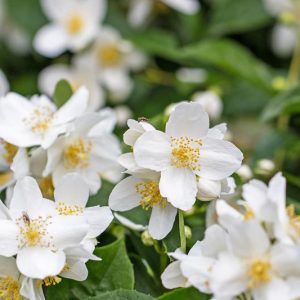
Philadelphus lewisii (Wild Mock Orange)
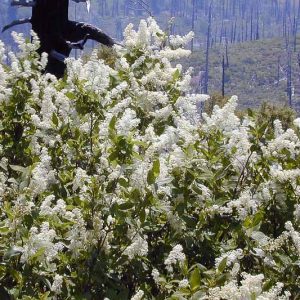
Prunus virginiana (Chokecherry)
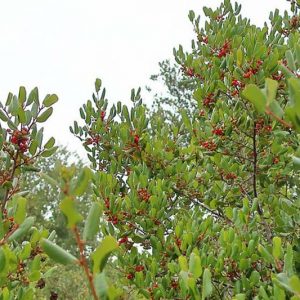
Rhamnus ilicifolia (Hollyleaf Redberry)
Rhamnus californica (California Coffeeberry)
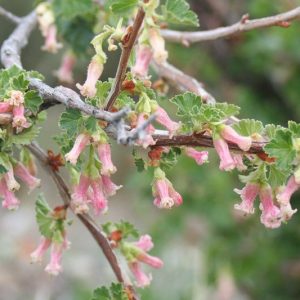
Ribes cereum (Wax Currant)
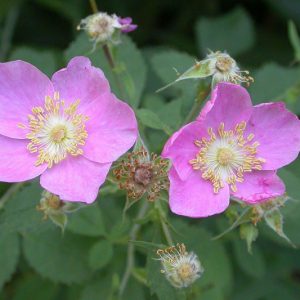
Rosa californica (California Wild Rose)
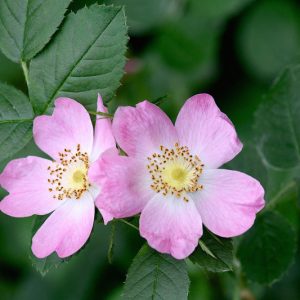
Rosa gymnocarpa (Dwarf Rose)
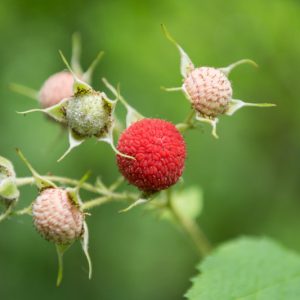
Rubus parviflorus (Thimbleberry)
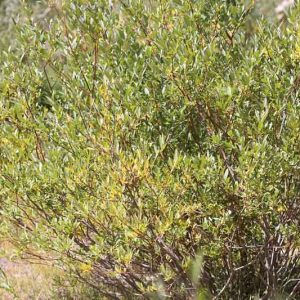
Salix exigua (Coyote Willow)
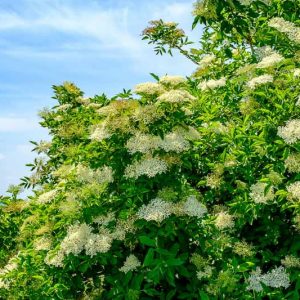
Sambucus nigra subsp. caerulea (Blue Elderberry)

Grasses and Quiet Framework

Native grasses hold soil, provide nesting and overwintering habitat, and make your wildflowers look designed rather than random.
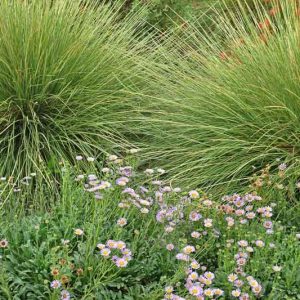
Muhlenbergia rigens (Deer Grass)
Nassella pulchra (Purple Needle Grass)

Designing With Sierra Foothills Natives

  • Think in zones: Dry slopes get manzanita, buckwheats, woolly sunflower, Sonoma sage, deergrass, and sulphur buckwheat. Cooler swales and creek edges host willows, dogwoods, checkerblooms, cow clover, monkeyflowers, and sneezeweed.
  • Seasonal relay: Early season from redbud, manzanitas, Oregon grape, columbine, fivespot, bleeding heart, dogwoods, currants, and willows. Mid season from lupines, buckwheats, yarrow, flax, penstemon, madia, woolly sunflower, oceanspray. Late season from California fuchsia, goldenrod, rabbitbrush, coyotebrush, sneezeweed, and bee plant.
  • Layer height: Tall shrubs and trees (buckeye, flannelbush, elderberry, toyon, redbud) in the back; mid shrubs and perennials (Ceanothus, wildrose, lupines, buckwheats, sages) in the middle; low wildflowers (poppies if you add them, fivespot, yarrow, vervain) and grasses at the front.
  • Group for impact: Repeat pockets of 5 to 8 key species across your site so pollinators can move from patch to patch without interruption.
  • Milkweed placement: Plant native milkweeds in sunny, low water spots. Avoid constant irrigation around them so they follow natural growth cycles.
  • Leave some wild: Keep seed heads, hollow stems, leaf litter, and some bare soil through winter at the back of beds for nesting and overwintering insects.

Care That Protects Pollinators

  • Soil prep: Remove invasive weeds and lightly loosen compacted soil, but skip heavy fertilizers and rich amendments. These plants evolved for lean foothill conditions.
  • Watering: First year, water deeply and infrequently to train deep roots. After establishment, most species only need occasional deep watering in extreme drought.
  • Mulch smart: Use light organic mulch or gravel between plants, but leave some open ground for ground nesting bees.
  • No broad spectrum insecticides: Manage pests with hand picking, pruning, spot sprays of water, and by letting beneficial insects from these plants do their work.
  • Gentle cleanup: Delay major cutbacks until late winter, and focus tidying at the front edges so the garden reads as intentional while still functioning as habitat.

Discover More California Native Plants

Keep Planting, Keep Learning

Frequently Asked Questions

What kinds of pollinator plants work well in the Sierra Foothills?

Plants that tolerate dry, rocky soils and full sun (or part-sun) are best. Look for native forbs, shrubs and trees with long bloom periods that offer nectar and pollen to bees, butterflies and hummingbirds. Think plants like California poppy, manzanita, ceanothus, penstemon, buckwheat, lupine, and flowering shrubs.

When should I plant for pollinators in the Sierra Foothills?

The ideal planting time is fall (after the first rains) so roots can establish before summer heat sets in. Late winter/early spring also works. Ensure plants have time to settle before the dry season begins.

How many different species should I include?

Aim for at least 8-10 species, covering early spring through late season bloom. More is better. Try to have some plants blooming in spring (Feb-April), summer (May-Aug) and fall (Sept-Oct) so pollinators always have resources.

What are some top native plants for this region?

Popular and effective ones include:
Manzanita (e.g., Arctostaphylos spp.)
Ceanothus (California lilac)
Penstemon species (e.g., foothill penstemon)
California buckwheat (Eriogonum fasciculatum)
Lupines (Lupinus spp.)
California poppy (Eschscholzia californica)
Sage species (Salvia clevelandii, Salvia chamaedryoides)
Olive-leaf iris (not necessarily pollinator exclusive, but useful habitat)
Cephalanthus occidentalis (buttonbush) in wetter spots
Sunflower species (Helianthus) in open meadows

How much water do pollinator plants need here?

After establishment (one growing season), most native species need little to no supplemental irrigation if planted in well-draining soil. During the first year, water regularly to help roots develop, then transition to deeper, less frequent watering.

Can non-native flowering plants help pollinators too?

Yes, some non-native species can provide nectar and pollen, but natives are generally preferred because they support local specialist bees and butterflies, adapt better to local soils and climate, and often require less input (water/fertilizer). If you include non-natives, choose ones that are non-invasive and beneficial.

What about pesticides or insecticides?

Avoid using systemic insecticides (those taken up into the plant) and broad-spectrum sprays. These can contaminate nectar and pollen and harm bees. If you must treat pests, use targeted methods, timing sprays for dusk or dawn when pollinators are less active, and choose products that are less harmful to beneficial insects.

How do I maintain a pollinator-friendly planting year after year?

Leave some seed heads and stems in winter for nesting and insect habitat.
Cut back dead stems in late winter or early spring just before new growth.
Re-plant or fill gaps if plants die off.
Monitor water needs; reduce irrigation over time.
Avoid heavy fertilizing – too much fertilizer often produces lots of leaves but fewer blooms (and less nectar).
Rotate or replace plants that fail in your soil/conditions to better adapted ones.

How do I design the space to attract more pollinators?

Plant in groups (clumps of 3-5 or more of the same species) so pollinators can forage efficiently.
Provide a range of heights: tall shrubs or trees at the back or edge, mid-height forbs in the middle, and low groundcovers/annuals up front.
Include some continuous bloom from early season to late season.
Consider adding a shallow water source (dish or small pond) and shelter or nesting areas (bare ground patches, brush piles, hollow stems).
Avoid large expanses of lawn – convert into flower zones or meadow strips.

Do I need to worry about wildfire or hillside erosion when planting for pollinators?

Yes – in the foothills you’re likely on slopes and near wildland. Use fire-wise plant choices (less highly resinous where required), design defensible space zones, and build plantings that help with erosion (deep-rooted natives, groundcovers). Many pollinator-friendly natives are also good for slope stabilization.

Are there particular pollinators that these plantings support in the region?

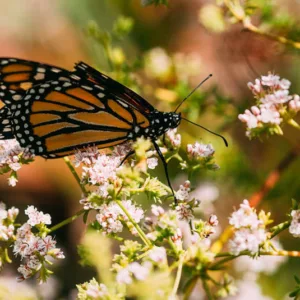
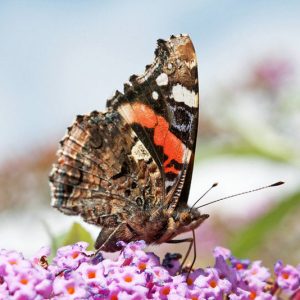
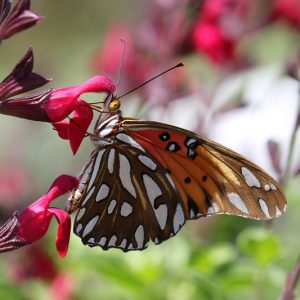
Yes you’ll support a wide mix of native bees (including ground-nesting and cavity-nesting species), butterflies (including native ones and sometimes monarchs), hummingbirds, and beneficial insects (predators/parasitoids) that help reduce pests naturally. The richer the plant diversity and bloom season, the more kinds of pollinators you will attract.

Updated: November 2025 • Reviewed by Gardenia Editors

Recommended Guides

Monarch Nectar Plants for California
Great Pollinator Plants for California Maritime Northwest Region
Great Pollinator Plants for California Deserts
Great Pollinator Plants for California Central Coast
Great Pollinator Plants for California Southern Coast
Great Pollinator Plants for California Central Valley
50 California Wildflowers: From Desert Blooms to Coastal Gems
Shade-Loving Native Perennials for the Northern California Coast Region
Native Groundcovers for the Central California Foothills and Coastal Mountains
Native Groundcovers for the Northern California Coast Region
Recommended Native Annuals for the Northern California Coast Region
Recommended Native Grasses for the Northern California Coast Region
Recommended Native Ferns for the Northern California Coast Region
Sun-Loving Native Trees for Northern California Coast
Shade-Loving Native Trees for the Northern California Coast Region
Sun-Loving Native Shrubs for Northern California Coast
Shade-Loving Native Shrubs for the Northern California Coast Region
Sun-Loving Native Perennials for the Northern California Coast Region
The Ultimate Guide to Native Plants for a Beautiful Garden
The Ultimate Guide to Wildlife-Friendly Plants for a Beautiful Garden
While every effort has been made to describe these plants accurately, please keep in mind that height, bloom time, and color may differ in various climates. The description of these plants has been written based on numerous outside resources.

Guide Information

Native Plants California, United States
Attracts Birds, Butterflies, Hummingbirds, Bees
Explore Great Plant Combination Ideas
Central California Northern California

Related Items

Please Login to Proceed

You Have Reached The Free Limit, Please Subscribe to Proceed

Subscribe to Gardenia

To create additional collections, you must be a paid member of Gardenia
  • Add as many plants as you wish
  • Create and save up to 25 garden collections
Become a Member

Plant Added Successfully

Your garden is taking shape. Unlock full planning.

You’ve reached the free limit. Upgrade for $25/year to add as many plants as you wish and save up to 25 garden collections. Unlock Annual Membership

Update Your Credit
Card Information

Cancel

Create a New Collection

Sign Up to Our Newsletter

    You have been subscribed successfully

    Join Gardenia.net

    Create a membership account to save your garden designs and to view them on any device.

    Becoming a contributing member of Gardenia is easy and can be done in just a few minutes. If you provide us with your name, email address and the payment of a modest $25 annual membership fee, you will become a full member, enabling you to design and save up to 25 of your garden design ideas.

    Join now and start creating your dream garden!

    Join Gardenia.net

    Create a membership account to save your garden designs and to view them on any device.

    Becoming a contributing member of Gardenia is easy and can be done in just a few minutes. If you provide us with your name, email address and the payment of a modest $25 annual membership fee, you will become a full member, enabling you to design and save up to 25 of your garden design ideas.

    Join now and start creating your dream garden!
    Find your Hardiness Zone

    Find your Heat Zone

    Find your Climate Zone