Create Your Garden

Great Pollinator Plants for California Southern Coast

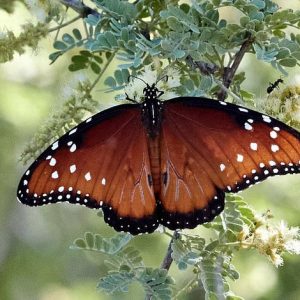
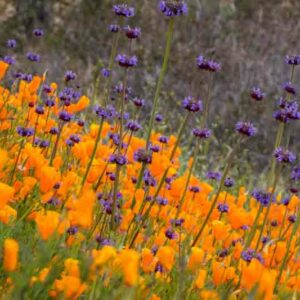
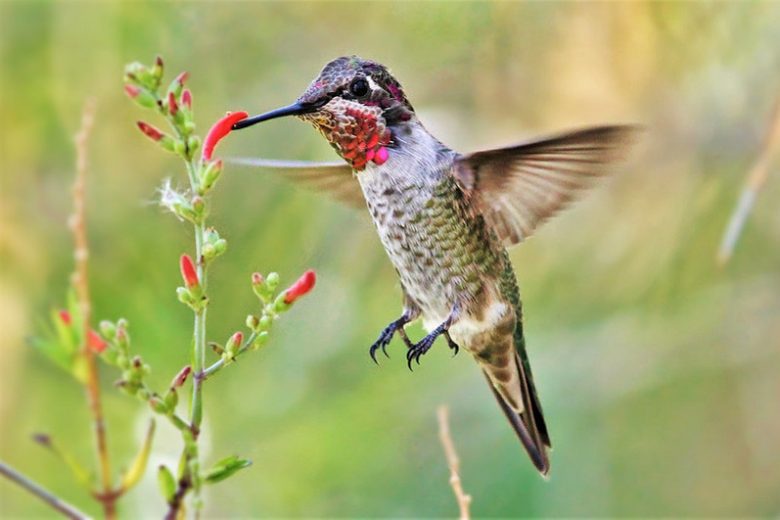
Bring your garden to life with natives made for the Southern Coast’s sunshine and sea air. From golden brittlebush and California buckwheat to fiery fuchsia and fragrant sages, these plants bloom across seasons, feeding bees, butterflies, and hummingbirds while thriving effortlessly in coastal heat, wind, and salt spray.
Pollinator Plants, Butterfly Plants, Hummingbird Plants, Bee Plants, Western US Plants, California Native Plants, Native Plants

Great Pollinator Plants for California Southern Coast: Native Color With a Job to Do

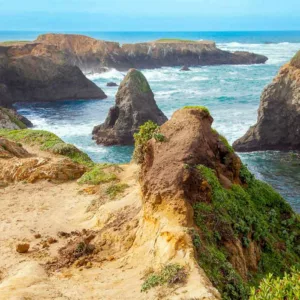
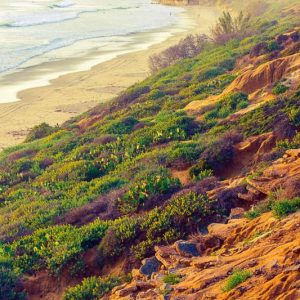
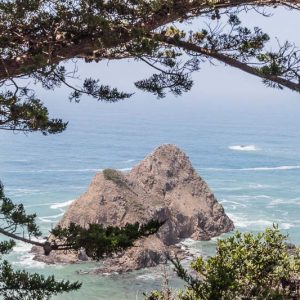
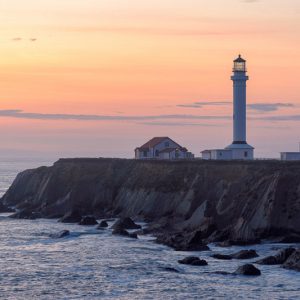
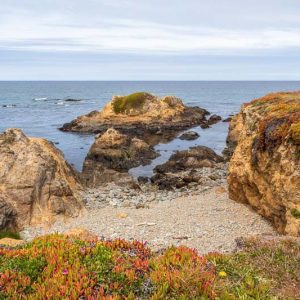
From fog kissed bluffs and chaparral hillsides to urban patios and farm edges, the California Southern Coast is built for pollinator gardening. Mild winters, bright light, and dry summers mean you can create long blooming habitat almost year round when you lean on local natives. This guide follows the Xerces Society list Recommended Plants for Pollinators and Beneficial Insects: California Southern Coast and turns it into practical recipes so you can plant with confidence, knowing every species here pulls real weight for bees, butterflies, hummingbirds, and beneficial insects.

Quick Start – Pollinator Success on the Southern Coast

  • Go coastal native: Every plant below comes directly from the Xerces Southern Coast list, chosen for nectar, pollen, and beneficial insect value.
  • Cover all seasons: Aim for at least three species blooming in early, mid, and late season so something good is open from spring through fall.
  • Prioritize full sun: Most of these thrive in open, bright sites with lean, well drained soils and low to moderate water once established.
  • Plant in clumps: Group 3 to 7 of the same flower together so bees can forage efficiently and your planting reads as intentional.
  • Mix forms: Use shrubs, wildflowers, grasses, and groundcovers to stack shelter, nesting, and bloom at different heights.
  • Stay pesticide free: Avoid insecticides, especially systemic products, so your flowers remain safe refueling stations.

Know Your Place: California Southern Coast Conditions

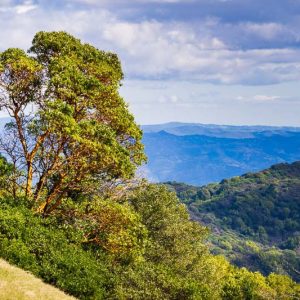
This region runs on cool wet winters and long, dry summers. Native plants from the Xerces list evolved with exactly that pattern. Many prefer full sun and low water after establishment; several are excellent on slopes, along drives, coastal edges, or as hedgerows on farms. Think in three layers: woody backbone for structure, wildflowers and small shrubs for color and nectar, and a grass or two to tie it all together.

Woody Anchors – Shrubs and Small Trees That Work Overtime

These species build the bones of your pollinator garden, feeding insects while offering cover, berries, and nesting structure.

Guide Information

Native Plants California, United States
Attracts Birds, Butterflies, Hummingbirds, Bees
Arctostaphylos glauca (Big Berry Manzanita)
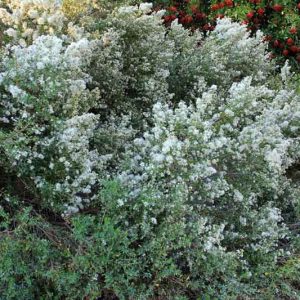
Baccharis pilularis (Coyote Bush)
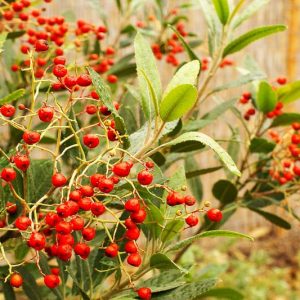
Heteromeles arbutifolia (Toyon)
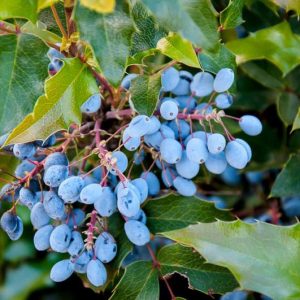
Mahonia aquifolium (Oregon Grape Holly)
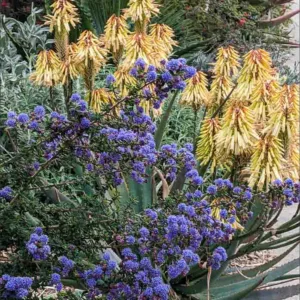
Ceanothus ‘Julia Phelps’ (Small Leaf Mountain Lilac)
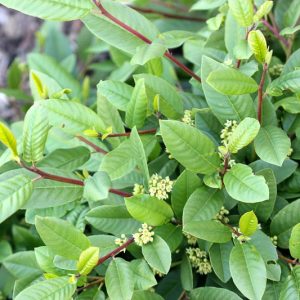
Rhamnus californica (California Coffeeberry)
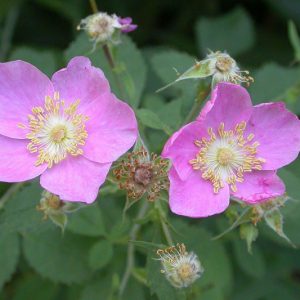
Rosa californica (California Wild Rose)
Salvia clevelandii (Cleveland Sage)
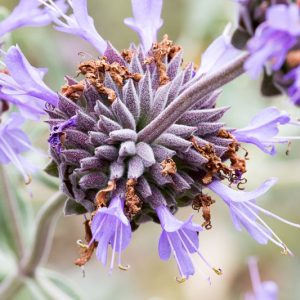
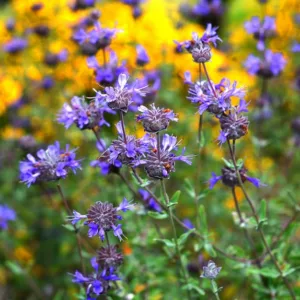
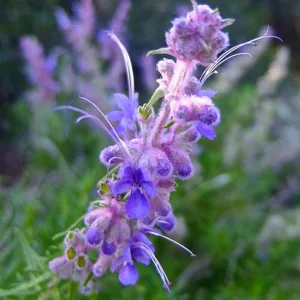
Salvia leucophylla (Purple Sage)
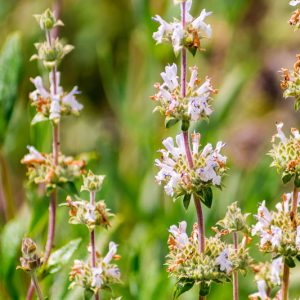
Salvia mellifera (Black Sage)
Trichostema lanatum (Woolly Bluecurls)

Wildflower Engine – Forbs That Keep Bloom Rolling

Layer in these annuals and perennials for waves of color and nectar from early spring through late fall. They are the detail that turns structure plantings into real habitat.

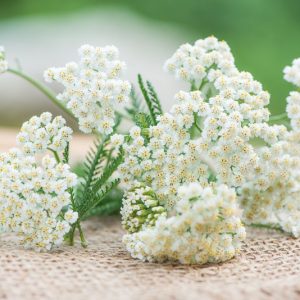
Achillea millefolium (White Yarrow)
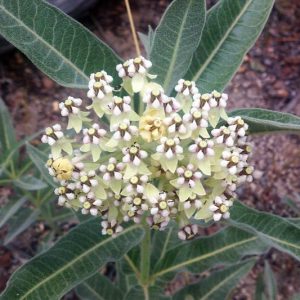
Asclepias eriocarpa (Woollypod Milkweed)
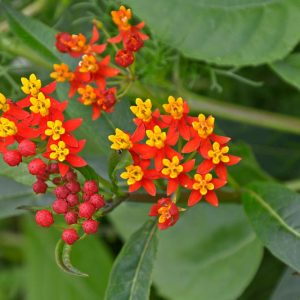
Asclepias curassavica ‘Silky Deep Red’ (Tropical Milkweed)
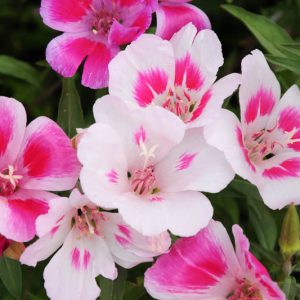
Clarkia amoena (Satin Flower)
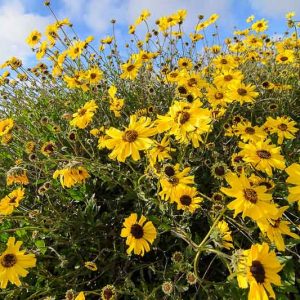
Encelia californica (California Brittlebush)
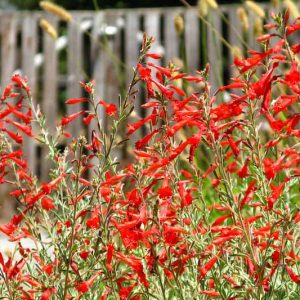
Epilobium canum (California Fuchsia)
Eriogonum arborescens (Santa Cruz Island Buckwheat)
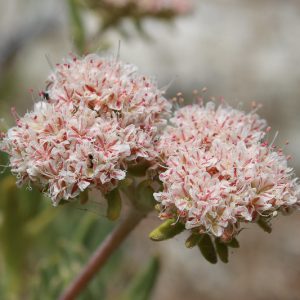
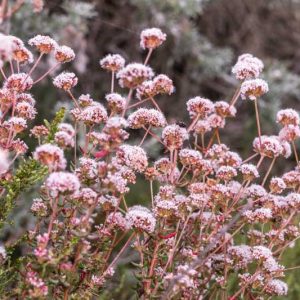
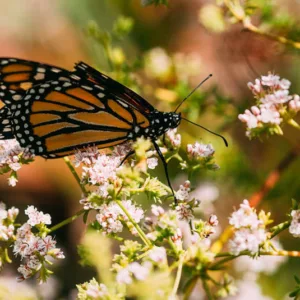
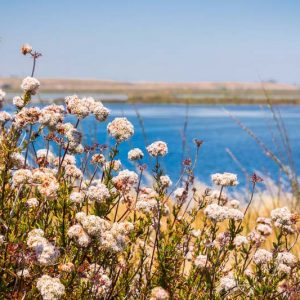
Eriogonum fasciculatum (California Buckwheat)
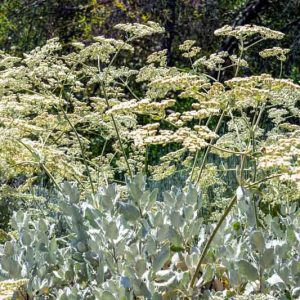
Eriogonum giganteum (St. Catherine’s Lace)
Eriophyllum confertiflorum (Golden Yarrow)
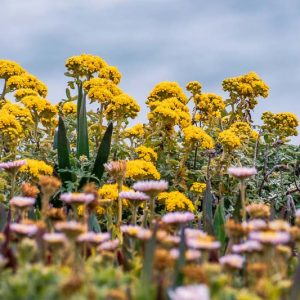
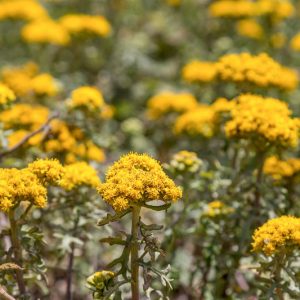
Eriophyllum staechadifolium (Seaside Woolly Sunflower)
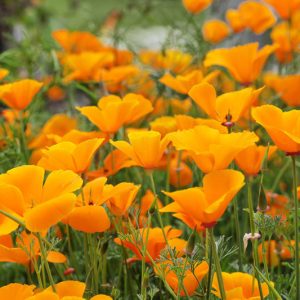
Eschscholzia californica (California Poppy)
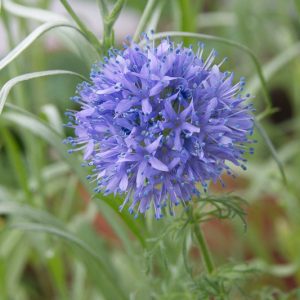
Gilia capitata (Blue Gilia)
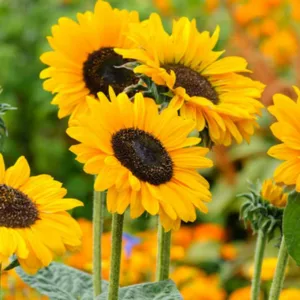
Helianthus annuus (Common Sunflower)
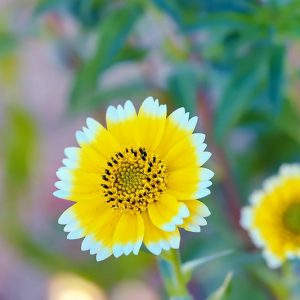
Layia platyglossa (Coastal Tidytips)
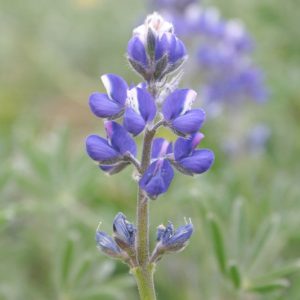
Lupinus bicolor (Miniature Lupine)
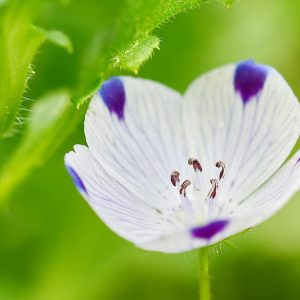
Nemophila maculata (Five Spot)
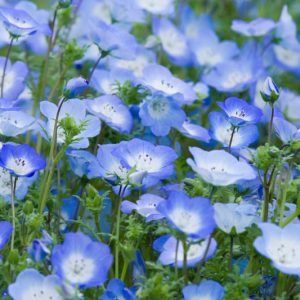
Nemophila menziesii (Baby Blue Eyes)
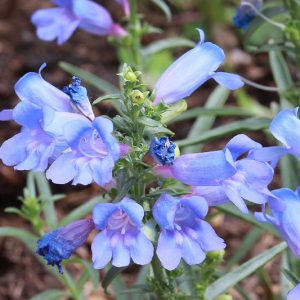
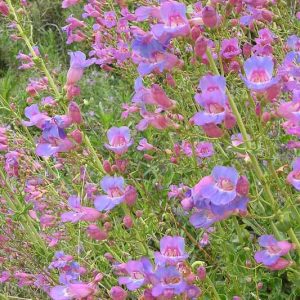
Penstemon heterophyllus (Foothill Beardtongue)
Penstemon spectabilis (Showy Beardtongue)
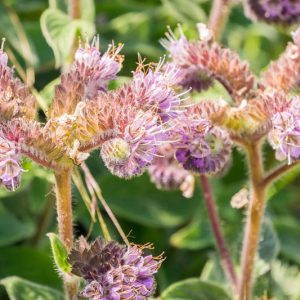
Phacelia californica (California Phacelia)
Trichostema lanatum (Woolly Bluecurls)

Grasses and Structure – The Quiet Support Crew

Native grasses frame flowers, protect soil, and provide nesting and overwintering structure.
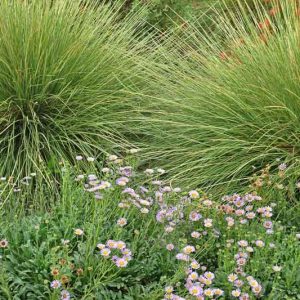
 

Designing With Southern Coast Natives

  • Think in seasons: Combine early bloomers like common tidytips, baby blue eyes, and golden lupine with mid season workhorses such as California buckwheat, foothill penstemon, and yarrow, then finish strong with California fuchsia, gumplant, goldenrod, and coyotebrush.
  • Work with water: Most listed plants are low water once established. Group them away from high irrigation turf and use deep, infrequent watering in year one.
  • Layer height and texture: Use deergrass, sages, buckwheats, manzanita, toyon, and wildrose at the back; mid height brittlebush, phacelia, and lupines in the middle; and poppies, tidytips, and Nemophila at the front.
  • Use repetition: Repeat the same 5 to 8 species across beds to create a cohesive look that also provides reliable foraging patches.
  • Leave room for life: Allow some stems, leaf litter, and bare soil to remain so native bees and beneficial insects can nest and overwinter.

Small Space Recipe – A Simple Southern Coast Pollinator Strip

For a modest sunny bed or curb strip, try this mix built entirely from the Xerces list:

  • Back row: One Cleveland sage and one California buckwheat for evergreen form and mid season bloom.
  • Middle: Clumps of California poppy, foothill penstemon, and gumplant to carry color from spring through late summer.
  • Front edge: A ribbon of baby blue eyes and fivespot for early charm, followed by tidytips and low growing yarrow.
  • Accent: One deergrass at the corner to anchor the design and shelter ground nesting bees.

Water regularly the first season, then taper. You get a tough, coastal appropriate planting that feeds pollinators for much of the year with almost no fuss.

Care That Protects Pollinators

  • Soil: Do not over amend. Most of these natives prefer the existing mineral soils of the Southern Coast, as long as drainage is reasonable.
  • Mulch: Use a light, open mulch or gravel around drought lovers; keep a few bare patches between plants for nesting bees.
  • Water: First year, water slowly and deeply, then let the top few inches dry. Later, irrigate only during extended drought or extreme heat.
  • No broad spectrum insecticides: Spot prune, hand pick pests, and rely on the beneficial insects your planting supports.
  • Gentle cleanup: Delay major cutting back until late winter so overwintering insects can complete their life cycle.

Discover More California Native Plants

Keep Planting, Keep Learning

Frequently Asked Questions

What are the best native pollinator plants for California?

Some top performers include milkweeds (showy, narrowleaf), California buckwheat, Cleveland sage, black sage, California lilac (Ceanothus), manzanita, yarrow, lupines, California poppy, Douglas aster, and goldenrod. Mix shrubs, perennials, and annuals to keep bloom running from early spring into fall.

Why choose native plants instead of ornamentals?

Native plants match local climate, soils, and wildlife. They provide higher quality nectar and pollen, support specialist bees and butterflies, need less water and fertilizer once established, and are more resilient to California’s heat, drought, and variable rainfall.

How many species should I plant for good pollinator support?

Aim for at least 9 to 15 different native species with overlapping bloom times: three blooming in spring, three in summer, and three in late summer to fall. More diversity means food for more pollinator species across their full active season.

Do I need milkweed to help monarch butterflies in California?

Yes, but choose regionally appropriate native milkweeds such as narrowleaf milkweed and showy milkweed. Avoid tropical milkweed, and do not plant milkweed right on cool coastal bluffs where it historically did not occur. Pair milkweed with nectar plants that bloom through fall.

How much sun do native pollinator plants need?

Most California pollinator favorites prefer full sun, at least six hours of direct light. Some species, like Oregon grape, red flowering currant, and certain lupines, tolerate part shade. Always match the plant’s native habitat: coastal scrub, chaparral, woodland edge, or meadow.

Can I have a native pollinator garden in a small yard or on a balcony?

Absolutely. Use large containers or a small bed with 5 to 8 key natives: one or two structural shrubs, several long-blooming perennials, and a couple of annuals. Group each species in small clumps so pollinators can forage efficiently.

Do these plants need a lot of water or fertilizer?

Most California natives used for pollinators prefer low to moderate water once established and do not need regular fertilizer. Overwatering or heavy feeding can stress them, increase pests, and reduce nectar quality. Water deeply the first year, then taper.

Are herbs and non-native flowers still useful for pollinators?

Yes, many non-native herbs and cottage plants feed bees and butterflies, but they should supplement, not replace, natives. Natives are critical for specialist pollinators and for creating regionally resilient habitat. Use non-natives carefully and avoid invasive species.

Are pesticides safe to use in a pollinator garden?

Avoid insecticides, especially systemic products labeled for long-lasting control, as they can contaminate nectar and pollen. Manage pests with hand removal, pruning, water sprays, and by encouraging natural enemies through plant diversity instead.

How do I keep a native pollinator garden looking tidy for neighbors?

Use clear edges, paths, and repeating plant groupings. Keep tall or wild species away from sidewalks, stake or prune as needed, and leave most stems and seed heads in the back. The structure says “intentional garden” while still providing real habitat.

Updated: November 2025 • Reviewed by Gardenia Editors

Recommended Guides

Monarch Nectar Plants for California
Great Pollinator Plants for California Maritime Northwest Region
Great Pollinator Plants for California Deserts
Great Pollinator Plants for California Sierra Foothills
Great Pollinator Plants for California Southern Coast
Great Pollinator Plants for California Central Valley
50 California Wildflowers: From Desert Blooms to Coastal Gems
Shade-Loving Native Perennials for the Northern California Coast Region
Native Groundcovers for the Central California Foothills and Coastal Mountains
Native Groundcovers for the Northern California Coast Region
Recommended Native Annuals for the Northern California Coast Region
Recommended Native Grasses for the Northern California Coast Region
Recommended Native Ferns for the Northern California Coast Region
Sun-Loving Native Trees for Northern California Coast
Shade-Loving Native Trees for the Northern California Coast Region
Sun-Loving Native Shrubs for Northern California Coast
Shade-Loving Native Shrubs for the Northern California Coast Region
Sun-Loving Native Perennials for the Northern California Coast Region
The Ultimate Guide to Native Plants for a Beautiful Garden
The Ultimate Guide to Wildlife-Friendly Plants for a Beautiful Garden
Explore Great Plant Combination Ideas
Los Angeles Region San Diego Region
While every effort has been made to describe these plants accurately, please keep in mind that height, bloom time, and color may differ in various climates. The description of these plants has been written based on numerous outside resources.

Guide Information

Native Plants California, United States
Attracts Birds, Butterflies, Hummingbirds, Bees
Explore Great Plant Combination Ideas
Los Angeles Region San Diego Region

Related Items

Please Login to Proceed

You Have Reached The Free Limit, Please Subscribe to Proceed

Subscribe to Gardenia

To create additional collections, you must be a paid member of Gardenia
  • Add as many plants as you wish
  • Create and save up to 25 garden collections
Become a Member

Plant Added Successfully

Your garden is taking shape. Unlock full planning.

You’ve reached the free limit. Upgrade for $25/year to add as many plants as you wish and save up to 25 garden collections. Unlock Annual Membership

Update Your Credit
Card Information

Cancel

Create a New Collection

Sign Up to Our Newsletter

    You have been subscribed successfully

    Join Gardenia.net

    Create a membership account to save your garden designs and to view them on any device.

    Becoming a contributing member of Gardenia is easy and can be done in just a few minutes. If you provide us with your name, email address and the payment of a modest $25 annual membership fee, you will become a full member, enabling you to design and save up to 25 of your garden design ideas.

    Join now and start creating your dream garden!

    Join Gardenia.net

    Create a membership account to save your garden designs and to view them on any device.

    Becoming a contributing member of Gardenia is easy and can be done in just a few minutes. If you provide us with your name, email address and the payment of a modest $25 annual membership fee, you will become a full member, enabling you to design and save up to 25 of your garden design ideas.

    Join now and start creating your dream garden!
    Find your Hardiness Zone

    Find your Heat Zone

    Find your Climate Zone