Blue Elderberry, Blueberry Elder, Elder, Blue Elder, Arizona Elderberry, American Elder, Sweet Elder, Wild Elder, Flor Sauco, Tree Of Music, Danewort, Walewort, New Mexican Elderberry, Velvet-leaf Elder, Hairy Blue Elderberry, Dwarf Elder, Sambucus caerulea, Sambucus cerulea, Sambucus mexicana.
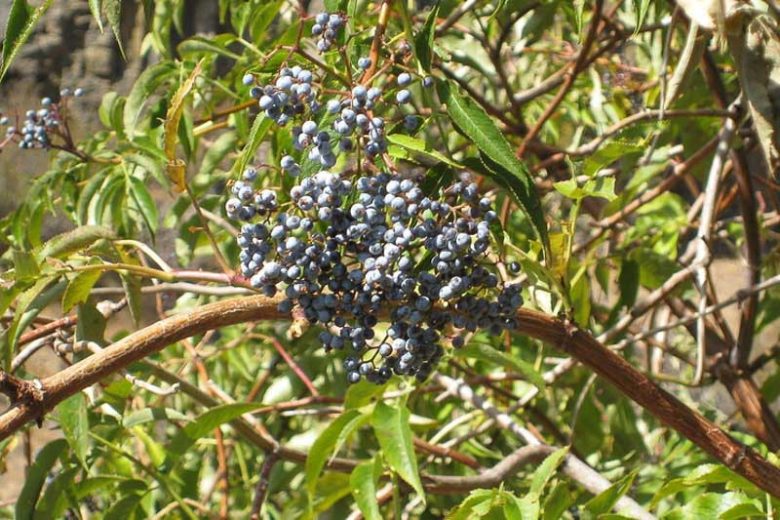


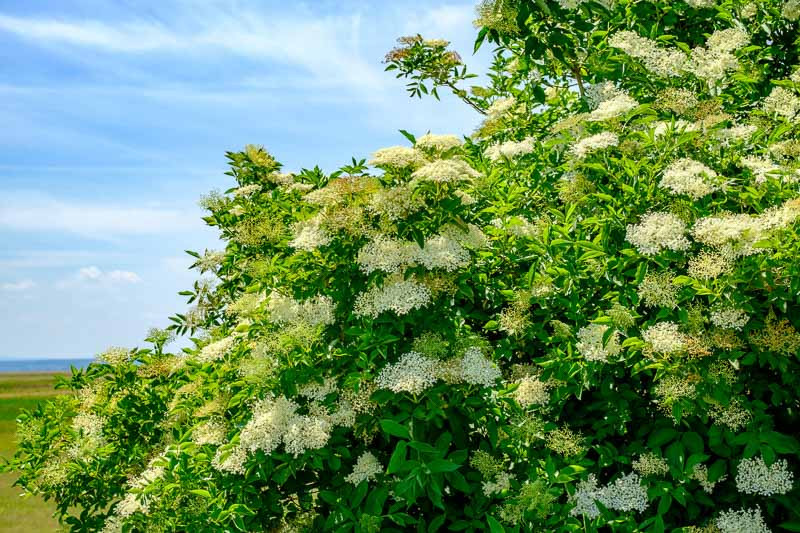
Summary: A western native elderberry shrub with creamy flowers and glaucous fruit that cooks into rich preserves. This elderberry plant handles heat and dry summers better than many cousins and serves both kitchen and wildlife.
Taste: Tart and wine like when cooked, with plum and blackberry notes.
Use: Elderberry syrup, elderberry juice, jam, wine, gummies, and elderberry tea.
Safety: Cook ripe berries before use. Discard stems, leaves, and seeds.
| Botanical Name | Sambucus nigra subsp. caerulea Synonyms: Sambucus cerulea, Sambucus mexicana |
|---|---|
| Family | Adoxaceae |
| Common Names | Blue elderberry, blue elder, Mexican elder, Pacific elder |
| Native Range | Western North America from British Columbia to Baja California and east into the Great Basin and Rocky Mountain foothills |
| Plant Type & Habit | Deciduous elderberry shrub or small multi stem elderberry tree with upright canes and a broad canopy |
| Hardiness (USDA) | Zones 4 to 9 |
| Size | 15-30 feet (4.5-9 m) tall and wide in good soil and with water |
| Sun & Exposure | Full sun near the coast or at elevation; light afternoon shade in hot inland gardens |
| Soil | Well drained loam or rocky soil with organic matter; tolerates slightly alkaline conditions |
| Bloom & Fruit | Creamy flower plates in late spring; purple fruit coated with a blue waxy bloom in late summer |
| Wildlife | Flowers feed pollinators; fruit feeds many western songbirds and mammals; branching offers cover |
| Toxicity | Raw berries and other parts may cause stomach upset; cook fruit and remove stems and seeds |
| Primary Uses | Elderberry syrup, elderberry juice, jelly, wine, wildlife hedges, restoration, rain gardens |
If you garden in the West and want a fruiting elderberry shrub that thrives through summer heat, blue elderberry is your new ally. Its flowers perfume late spring, then bunches of fruit ripen under a natural blue wax that rubs away to reveal deep purple. In the kitchen those elderberries cook into velvety sauces, elderberry syrup, elderberry juice, jelly, and wine. In the landscape the elderberry bush or small elderberry tree doubles as a habitat anchor, feeding birds and sheltering pollinators while looking quietly elegant through the seasons.
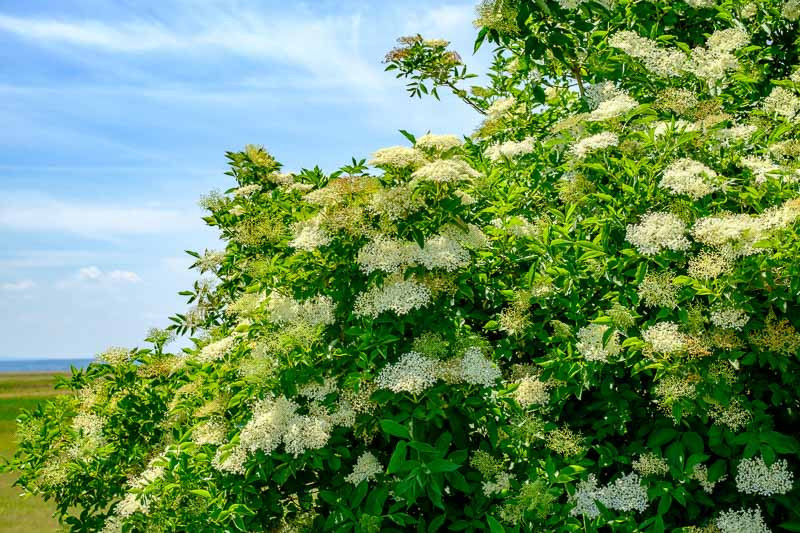
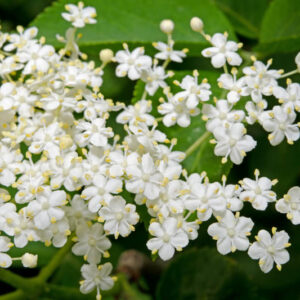
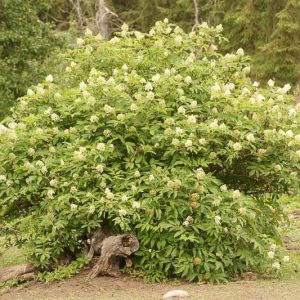
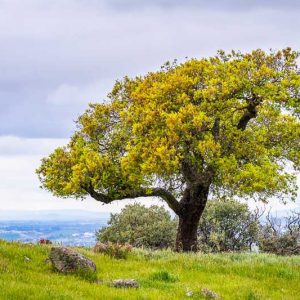
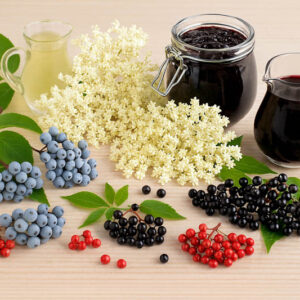
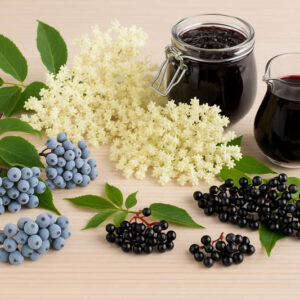
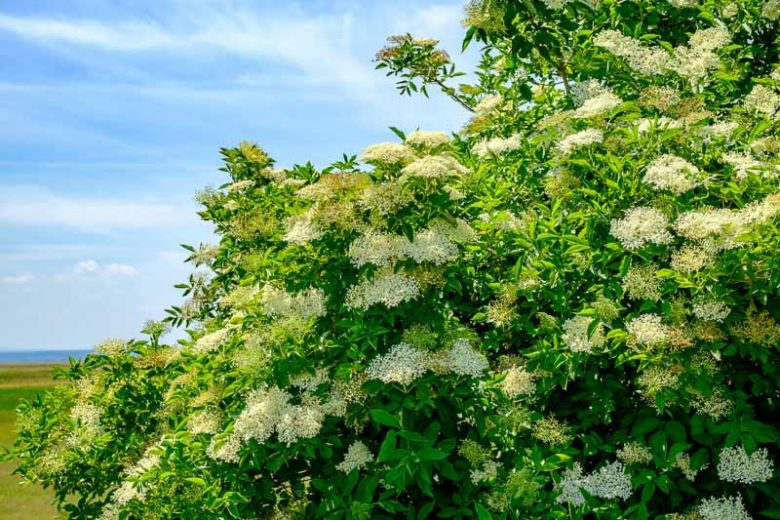
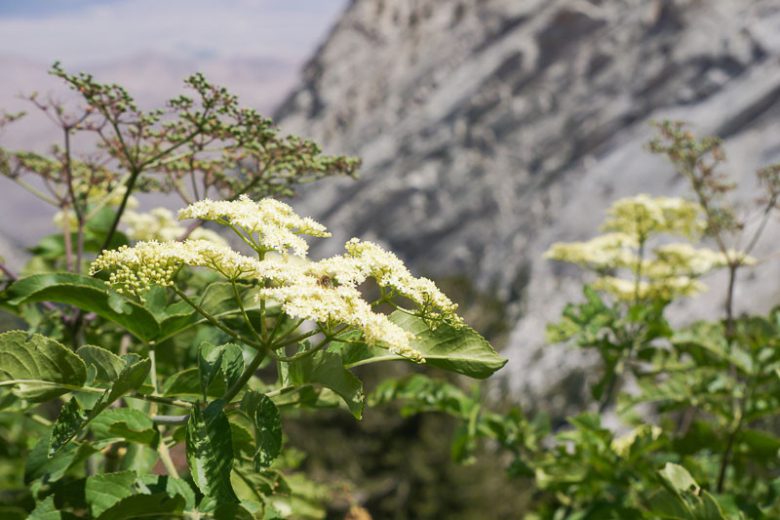
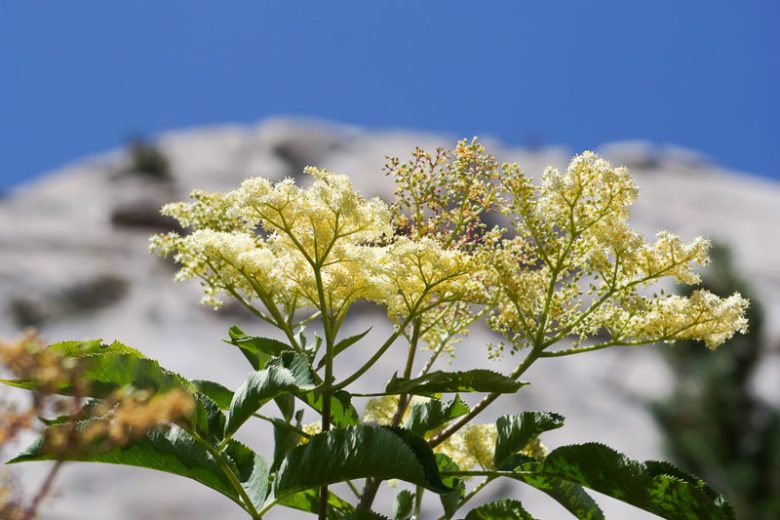
Blue elderberry grows as a large, fast moving shrub or a small tree with layered branches and opposite leaves. The canopy feels open and architectural, with cane like shoots that rise and then arch. Late spring brings foam clouds of creamy flowers that read as flat to gently domed plates. By late summer those plates hang heavy with fruit. Each berry is purple at the core and covered in a natural wax that makes the clusters appear sky blue at a glance. That is the signature look that gives blue elderberry its name.
This subspecies is native across much of the western United States and adjacent Canada and Mexico. You will meet it in California foothills, canyon bottoms of the Southwest, sage steppe draws of the Great Basin, and on open slopes in the Cascades and Rockies. It is a plant made for bright light, well drained soils, and a rhythm of winter rain or snow followed by dry summers. If that sounds like your climate, blue elderberry will feel right at home.
Expect a mature clump from 15 to 30 feet (4.5-9 m) tall with a similar spread, larger where water and soil are generous. New shoots push hard in spring and early summer, then slow as the dry season matures. Like other elderberries, the heaviest crops arrive on shoots that grow from canes during the previous season. Keep that in mind as you plan pruning so you always carry a mix of one year and two year wood.
Individual canes have a short working life, yet the root crown can persist and pump out new shoots for many seasons. A simple renewal routine removes a portion of the oldest canes each year. That keeps the elderberry plant youthful, balanced, and productive.
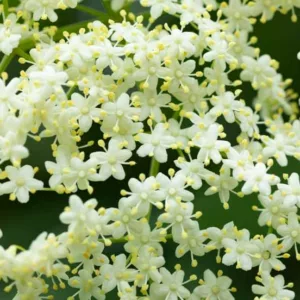
Clusters of tiny, five petaled blossoms open in late spring just as pollinator activity ramps up. The scent is light and sweet. Once pollinated, fruit sets and begins to color. The thin wax on the outside gives berries a dusty look you can wipe away with a thumb. Inside, the juice is richly pigmented and perfect for preserves and drinks. Raw fruit tastes a bit sharp and tannic, so the classic uses involve heat. That is where elderberry benefits shine for home cooks and gardeners who love pantry projects.
Pollination: A single plant can set fruit, yet yields and even ripening usually improve when you plant two different blue elderberry selections or mix regional seed grown shrubs within bee flight distance. Avoid pairing strictly with american elderberry or red elderberry if heavy kitchen harvests are the goal. Same species or same subspecies pairings tend to fruit more reliably.
Elderflowers vs Elderberries: Uses, Safety & When to Harvest
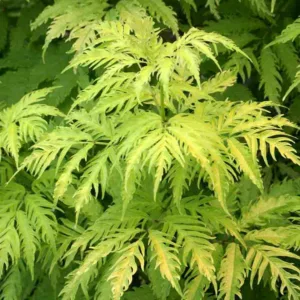
Leaves are opposite and pinnate with serrated leaflets that lend a light texture. The color reads as clean green through the growing season and turns mellow in late heat. Crush a leaflet and you will notice the classic elder scent. That is part of the plant’s identity and an easy way to tell you are handling an elderberry shrub.
Cold hardy from zones 4 to 9, blue elderberry laughs at mountain winters and also tolerates hot inland summers once roots are deep. It appreciates moisture during bloom and fruit sizing but does not want waterlogged soil. In mild winter coastal zones it grows with gusto and fruits well so long as flowering occurs after spring chill and pollinators are active.
This is a true multipurpose native for western gardens and small orchards. It feeds people and wildlife, anchors slopes, and threads a design together from spring through fall.
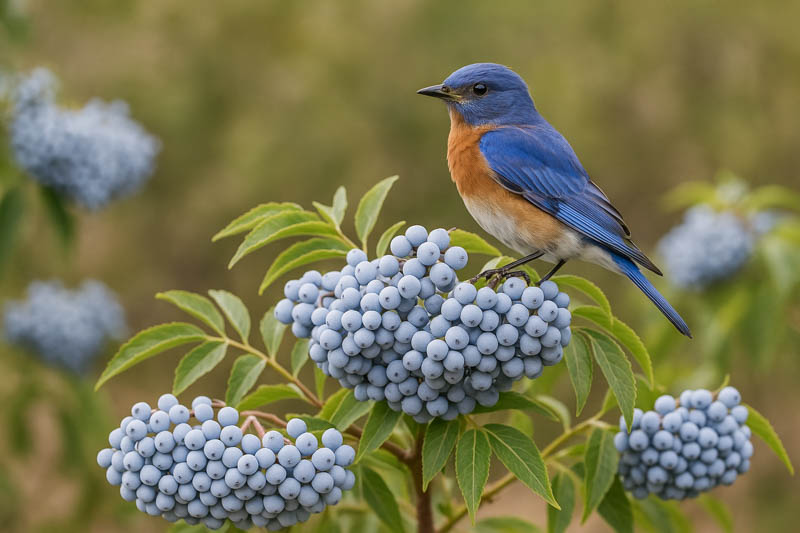
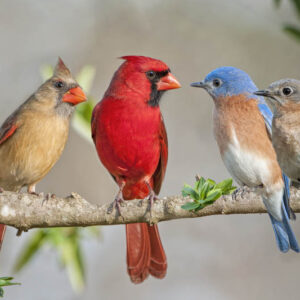
Pollinators visit the flowers early in the season. Ripe elderberries feed a wide cast of wildlife: game birds, squirrels and other rodents, and even bears, while deer, elk, and moose browse stems and foliage. For songbirds, the crop is prime summer fuel—western bluebird, indigo bunting, house finch, red-shafted flicker, ash-throated flycatcher, black-headed grosbeak, scrub jay, Steller’s jay, ruby-crowned kinglet, mockingbird, red-breasted nuthatch, Bullock’s oriole, hooded oriole, song sparrow, white-crowned sparrow, western tanager, California thrasher, russet-backed thrush, brown towhee, Audubon’s warbler, cedar waxwing, Lewis’s and Nuttall’s woodpeckers, wrentit, grouse, pheasant, and even pigeons. The branching matrix shelters nests and provides quick cover near open foraging areas. If you have a small yard and still want to share the bounty, net a portion of clusters as color deepens and leave the rest for your visitors.
Use the same kitchen sense here that you would with other elderberries. Cook ripe fruit and discard stems, seeds, and leaves. Raw or undercooked parts can upset the stomach. Label jars clearly for the household and follow reliable canning guidance if you want shelf stable preserves.
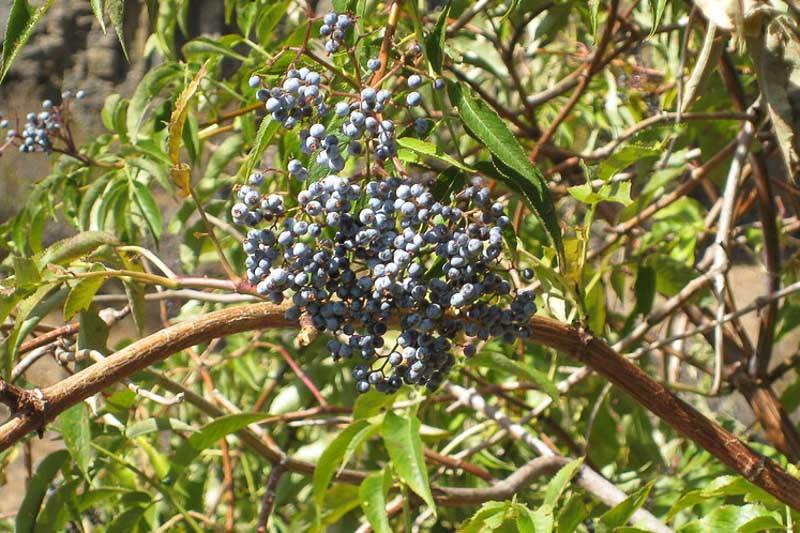
Cooked elderberries bring a bold, inky color and a complex tart sweet flavor that shines in preserves and drinks. While research continues and any health claims belong in a conversation with a professional, the culinary side is well known. Elderberry benefits include reliable gelling from natural pectin partners, a deep color that makes jars gleam on the shelf, and a flavor that marries well with citrus and warm spices.
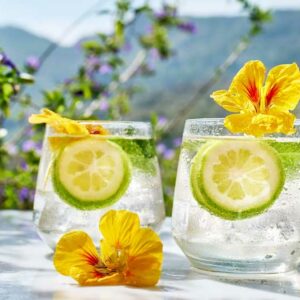
Keep a bottle of elderberry syrup in the fridge for sparkling water, waffles, and quick glazes. Elderberry juice becomes jelly with a little pectin or reduces into a drizzle for cheesecakes and ice cream. A cup of elderberry tea is a cozy, caffeine free option for evenings and good company for a book.
Cook fruit before serving. Discard stems, leaves, and seeds. Avoid unripe fruit. Keep products chilled unless you use a tested canning recipe that specifies shelf safety.
The elderberry clan includes several familiar species. Knowing the differences helps you choose the right mix for your goals.
Match the plant to a sunny site with soil that drains between rains and you will be rewarded for years. Blue elderberry is forgiving, vigorous, and easy to maintain once established.
Best fruit arrives on shoots that grew the prior season. Shape the clump with that in mind.
Blue elderberry prefers open ground, yet compact seed grown forms can live in very large tubs of twenty to twenty five gallons. Choose a pot with many drain holes, use a rich well draining potting mix, water often in summer, and refresh the top layer of mix each spring.
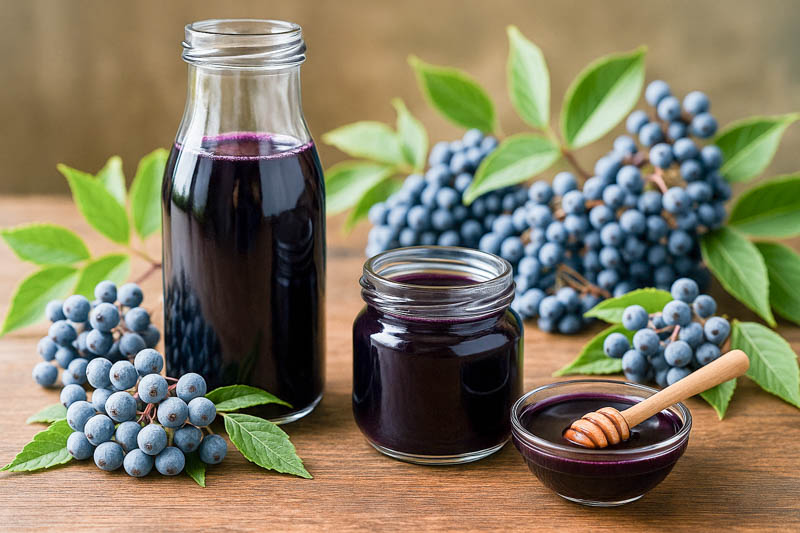
Plant blue elderberry once and you connect your garden to a larger western story. The shrub gathers spring light into flower plates, turns summer sun into elderberries for elderberry syrup and elderberry juice, and fills your yard with birdsong. It forgives busy weeks, appreciates a yearly mulch and a few smart cuts, and rises to the role of friendly neighbor that always brings something to share. Brew elderberry tea on a cool evening, spoon jam over toast, pour a spritz sweetened with your own syrup, and enjoy how this native elderberry shrub makes the whole place feel at home.
Yes, blue elderberries are edible but should be cooked before eating. Raw berries, leaves, and stems contain compounds that can cause nausea or mild toxicity; cooking or processing removes most risks.
Pick only when all berries on a cluster are dark blue to dusky gray—never harvest green or unripe fruit.
Cooked berries are used in jam, jelly, pie, syrup, wine, and pancakes; flowers can be used in teas or fritters. The wood is used for crafts, musical instruments, and basketry
Yes, red elderberry (Sambucus racemosa) bears bright red berries considered toxic and not for culinary use; blue elderberry is preferred for cooking, with edible fruit after processing.
Yes, hydrocyanic acid and sambucine are present in plant tissues; berries must be fully ripe and cooked to avoid nausea or minor toxicity in humans.
Updated September 2025 • Reviewed by Gardenia Editors
| Hardiness |
4 - 9 |
|---|---|
| Heat Zones |
6 - 8 |
| Climate Zones | 2, 2A, 2B, 3, 3A, 3B, 4, 5, 6, 7, 14, 15, 16, 17 |
| Plant Type | Shrubs, Trees |
| Plant Family | Adoxaceae |
| Genus | Sambucus |
| Common names | Elderberry |
| Exposure | Full Sun, Partial Sun |
| Season of Interest | Spring (Early, Mid, Late), Summer (Early, Mid, Late), Fall |
| Height | 15' - 30' (4.6m - 9.1m) |
| Spread | 15' - 30' (4.6m - 9.1m) |
| Spacing | 240" - 360" (6.1m - 9.1m) |
| Maintenance | High |
| Water Needs | Low, Average, High |
| Soil Type | Chalk, Clay, Loam, Sand |
| Soil pH | Acid, Alkaline, Neutral |
| Soil Drainage | Moist but Well-Drained, Well-Drained |
| Characteristics | Showy, Fruit & Berries |
| Native Plants | California, United States, Idaho, Oregon, Pacific Northwest, Washington, Southwest, Texas, Arizona, Nevada, New Mexico, Colorado, Montana, Rocky Mountains, Utah, Wyoming |
| Tolerances | Drought, Deer, Clay Soil, Wet Soil, Heat, Fire |
| Attracts | Bees, Birds, Butterflies |
| Garden Uses | Beds And Borders, Hedges And Screens, Ponds And Streams |
| Garden Styles | Coastal Garden, Informal and Cottage |
| Toxic to Humans | Medium severity |
| Toxic to Cats | No known toxicity |
| Toxic to Dogs | No known toxicity |
| Toxic to Horses | No known toxicity |


| Hardiness |
4 - 9 |
|---|---|
| Heat Zones |
6 - 8 |
| Climate Zones | 2, 2A, 2B, 3, 3A, 3B, 4, 5, 6, 7, 14, 15, 16, 17 |
| Plant Type | Shrubs, Trees |
| Plant Family | Adoxaceae |
| Genus | Sambucus |
| Common names | Elderberry |
| Exposure | Full Sun, Partial Sun |
| Season of Interest | Spring (Early, Mid, Late), Summer (Early, Mid, Late), Fall |
| Height | 15' - 30' (4.6m - 9.1m) |
| Spread | 15' - 30' (4.6m - 9.1m) |
| Spacing | 240" - 360" (6.1m - 9.1m) |
| Maintenance | High |
| Water Needs | Low, Average, High |
| Soil Type | Chalk, Clay, Loam, Sand |
| Soil pH | Acid, Alkaline, Neutral |
| Soil Drainage | Moist but Well-Drained, Well-Drained |
| Characteristics | Showy, Fruit & Berries |
| Native Plants | California, United States, Idaho, Oregon, Pacific Northwest, Washington, Southwest, Texas, Arizona, Nevada, New Mexico, Colorado, Montana, Rocky Mountains, Utah, Wyoming |
| Tolerances | Drought, Deer, Clay Soil, Wet Soil, Heat, Fire |
| Attracts | Bees, Birds, Butterflies |
| Garden Uses | Beds And Borders, Hedges And Screens, Ponds And Streams |
| Garden Styles | Coastal Garden, Informal and Cottage |
| Toxic to Humans | Medium severity |
| Toxic to Cats | No known toxicity |
| Toxic to Dogs | No known toxicity |
| Toxic to Horses | No known toxicity |
How many Sambucus nigra subsp. caerulea (Blue Elderberry) do I need for my garden?
| Plant | Quantity | |
|---|---|---|
| Sambucus nigra subsp. caerulea (Blue Elderberry) | N/A | Buy Plants |
Create a membership account to save your garden designs and to view them on any device.
Becoming a contributing member of Gardenia is easy and can be done in just a few minutes. If you provide us with your name, email address and the payment of a modest $25 annual membership fee, you will become a full member, enabling you to design and save up to 25 of your garden design ideas.
Join now and start creating your dream garden!
Create a membership account to save your garden designs and to view them on any device.
Becoming a contributing member of Gardenia is easy and can be done in just a few minutes. If you provide us with your name, email address and the payment of a modest $25 annual membership fee, you will become a full member, enabling you to design and save up to 25 of your garden design ideas.
Join now and start creating your dream garden!