Almond, Sweet Almond, Common Almond, Bitter Almond, Prunus amygdalus


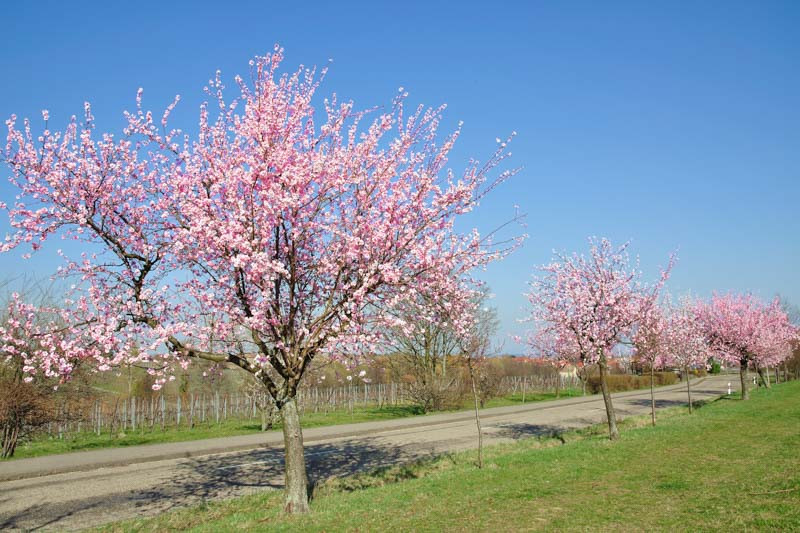
Cultivated for at least 3000 years, the almond tree, Prunus dulcis, is a valuable and beautiful addition to the landscape, offering both aesthetic beauty with its spring blossoms and practical benefits through its nutritious seeds. Its cultivation requires specific climatic conditions but rewards with a bounty of uses from culinary to cosmetic.
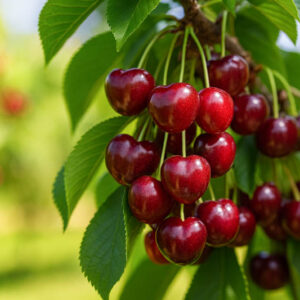
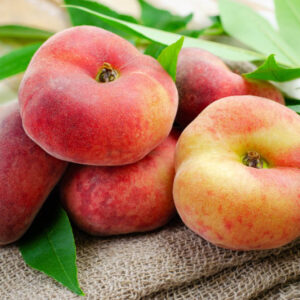
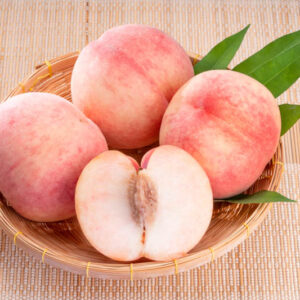
The almond tree, Prunus dulcis, is a deciduous tree known for its valuable nuts and beautiful spring blossoms. It features a rounded canopy with long, serrated leaves and is revered for its aesthetic appeal and nutritious nuts. It belongs to the rose family, Rosaceae, which includes roses, peaches, cherries, apricots or strawberries.
Native: Originally native to the Middle East and South Asia, the almond tree has been cultivated since ancient times and is now grown in suitable climates worldwide, particularly in the Mediterranean, California, and Australia. California is the largest producer of almonds in the world due to its ideal climate.
There are two types of almond trees: sweet (Prunus dulcis var. dulcis) for almond production and bitter (Prunus dulcis var. amara) used for almond oil and flavorings, after processing to remove toxins.
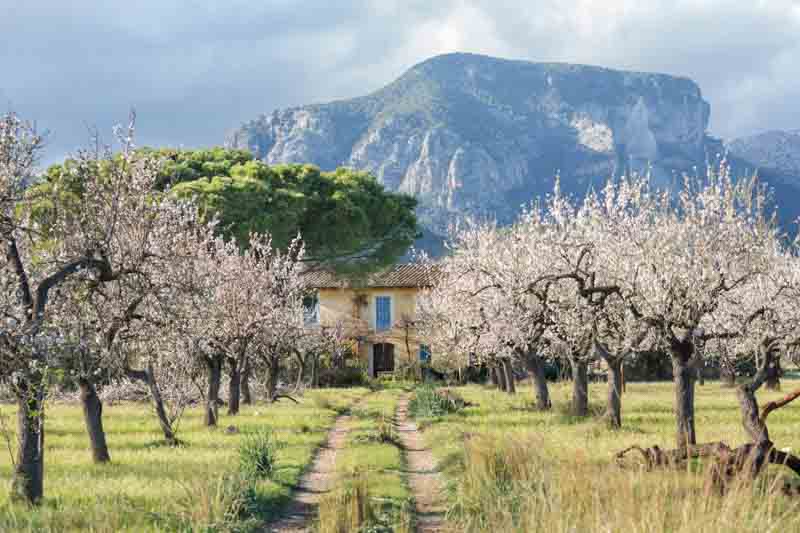
Plant Type and Habit: The almond tree is a large, multi-stemmed, deciduous shrub or small tree, usually with a twisted, fissured trunk and a spreading dome-shaped canopy. Its lifespan typically ranges between 20 to 25 years for trees in commercial production, as their nut-producing capacity diminishes over time and they become less economically viable. However, almond trees can live longer, up to 50 years or more, under optimal conditions and with proper care, especially those grown for ornamental purposes. Best Mediterranean Trees for Drought-Smart Gardens
Size: Depending on the variety and growing conditions, an adult almond tree can grow 10-15 feet tall (3-4.5 meters) with a similar spread.
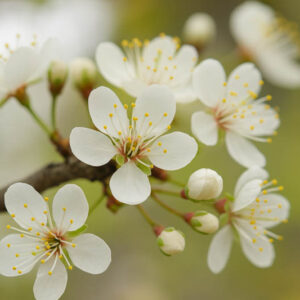
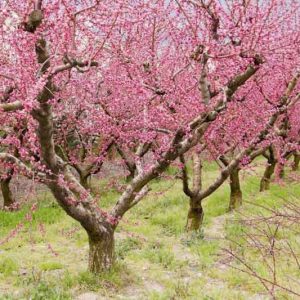
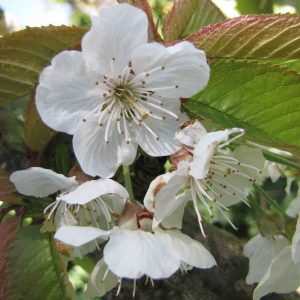
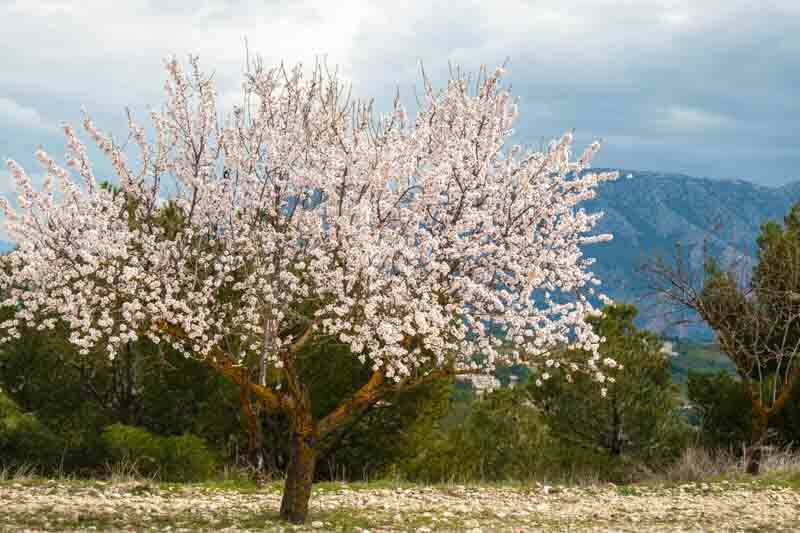
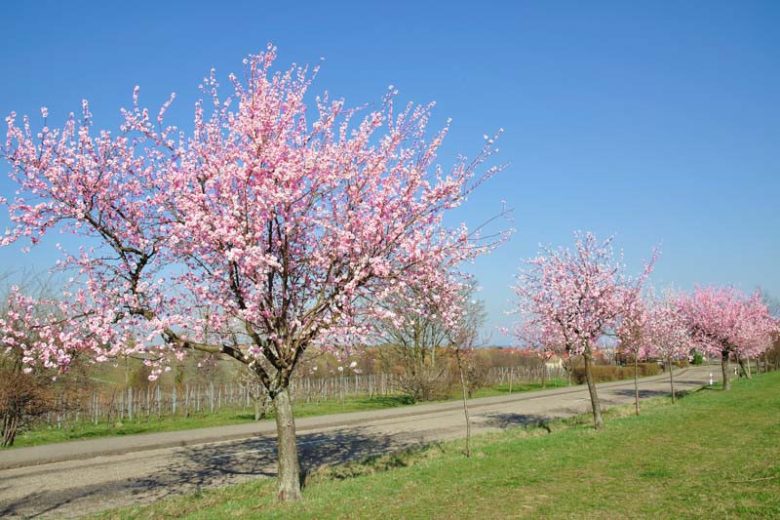
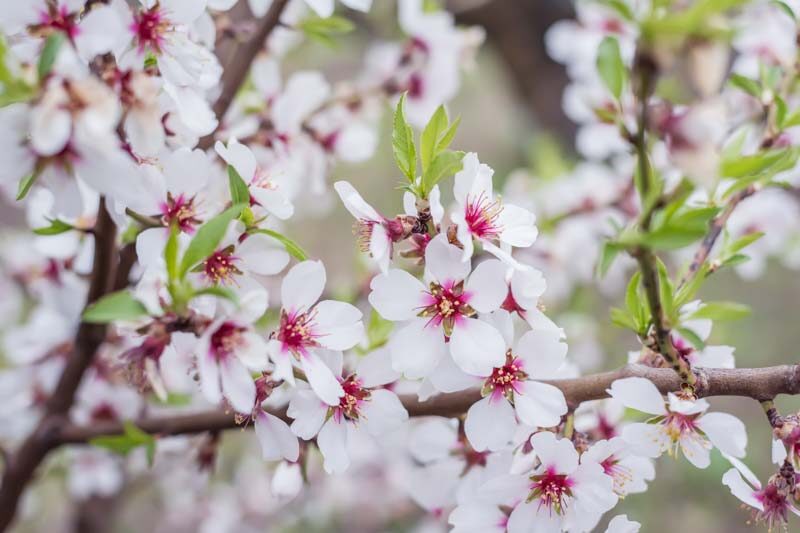
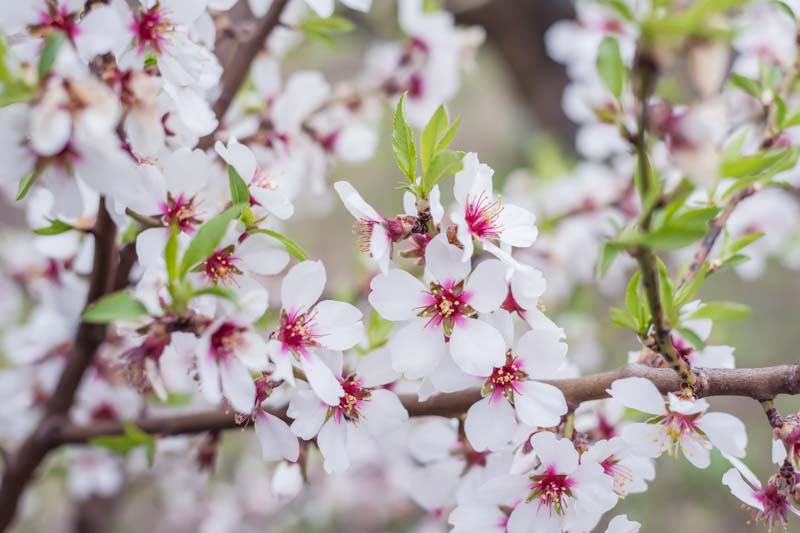
Flowers: The almond tree produces fragrant, bowl-shaped, palest pink or white flowers in early spring, often before the leaves emerge, providing a spectacular display. Borne laterally on spurs or short lateral branches, they are very attractive to pollinators.
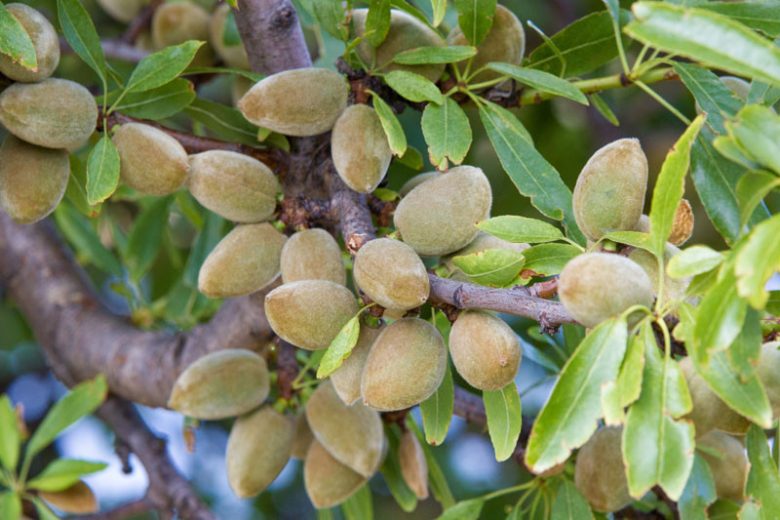
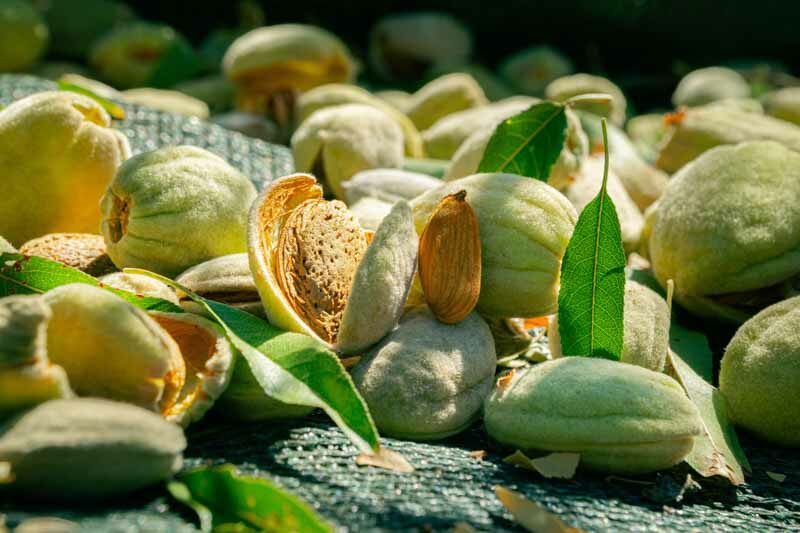
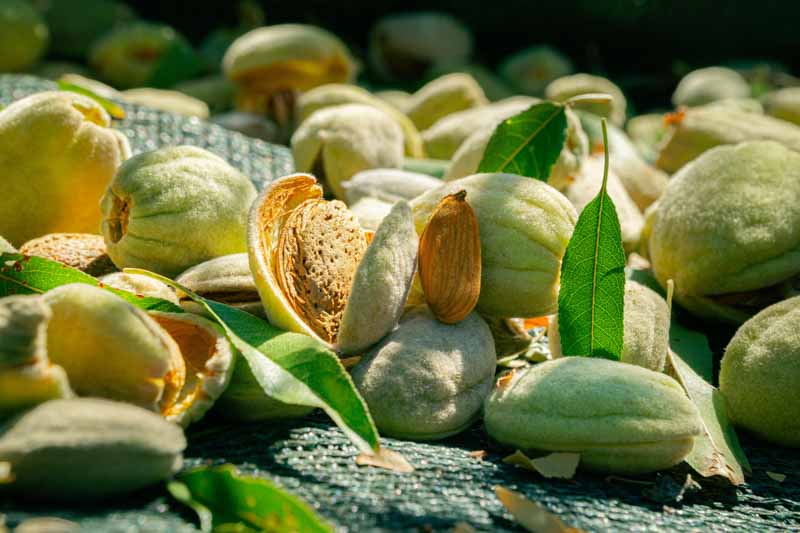
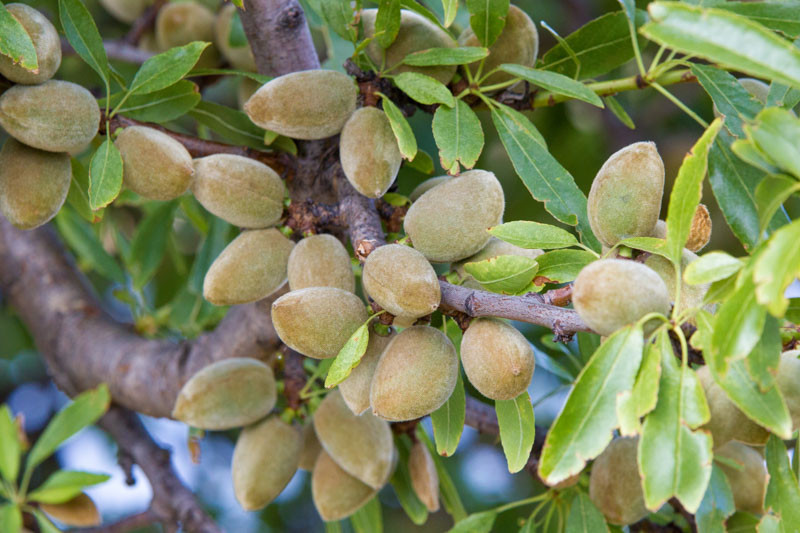
Fruits: The blossoms are followed by velvety, pale green fruits (drupe) consisting of an outer hull and a hard shell with the edible seed inside. They mature in late summer or fall, their hull splitting open to reveal the nut inside.
Foliage: The pale green leaves, up to 5 inches long (12 cm), are simple, alternate, and lanceolate with serrated margins. They provide a lush green canopy through the growing season and exhibit a yellow-orange fall color.
Bark: The bark of young trees is smooth and gray, becoming darker and more fissured with age.
Hardiness: Almond trees are hardy in USDA zones 7-9, requiring hot summers and mild winters for optimal growth and nut production.
Wildlife: The flowers provide an early nectar source for bees and butterflies.
Deer and Rabbits: Young trees can be susceptible to damage from deer and rabbits, which may browse on the bark and foliage.
Drought / Salt Tolerance: Mature almond trees are moderately drought-tolerant but require regular, deep watering during the nut development stage for a good yield.
Toxicity: Sweet almonds are the type commonly consumed and sold commercially. They are not toxic to humans and pets and are safe to eat. Bitter almonds, however, contain glycoside amygdalin, which can convert into toxic cyanide when ingested. Raw bitter almonds can be lethal in high quantities and are not sold raw in many countries for this reason. Bitter almonds must be processed to remove the toxins before they are safe for consumption.
Invasiveness: The almond tree is not considered invasive in the regions it is commonly cultivated.
Almonds are one of the most versatile nuts around—not just a healthy snack, but a pantry essential, skincare favorite, and more. Here’s how almonds shine in everyday life:
From your kitchen to your skincare routine, almonds are the ultimate multitaskers—nutritious, tasty, and endlessly useful.
Almonds may be small, but they pack a serious nutritional punch. A handful delivers plant-based protein, fiber, heart-healthy fats, and a boost of key minerals.
Here’s a typical nutritional breakdown for 1 ounce (28g) of raw almonds:
| Nutrient | Amount (per 28g / 1 oz) |
|---|---|
| Calories | 164 kcal |
| Protein | 6 g |
| Fat | 14 g (mostly monounsaturated fats) |
| Carbohydrates | 6.1 g |
| Fiber | 3.5 g |
| Magnesium | 76 mg (19% DV) |
| Potassium | 208 mg (4% DV) |
| Calcium | 76 mg (6% DV) |
| Iron | 1.0 mg (6% DV) |
| Phosphorus | 136 mg (11% DV) |
| Vitamin E | 7.3 mg (49% DV) |
*DV = Daily Value, based on a 2,000 calorie diet.
Almonds are naturally cholesterol-free, low in sugar, and rich in antioxidants—especially vitamin E. They’re a smart snack for heart health, blood sugar control, and long-lasting energy.
Almonds and their derived products—like almond milk, almond butter, and almond flour—offer a range of health benefits:
| Benefit | Description |
|---|---|
| Nutrient-Rich | Rich in vitamin E, magnesium, fiber, protein, and healthy fats. Antioxidants in almonds help fight oxidative stress. |
| Heart Health | Monounsaturated fats can help lower LDL cholesterol. Magnesium supports circulation and cardiovascular function. |
| Weight Management | High fiber and protein content increase satiety. Almond products are nutrient-dense and low in carbs. |
| Blood Sugar Control | Low glycemic index and high magnesium help regulate blood sugar and improve insulin sensitivity. |
| Bone Health | Contains magnesium, phosphorus, and calcium—key minerals for strong bones and osteoporosis prevention. |
| Skin Health | Vitamin E supports skin repair and hydration. Almond oil is often used for moisturizing and anti-aging. |
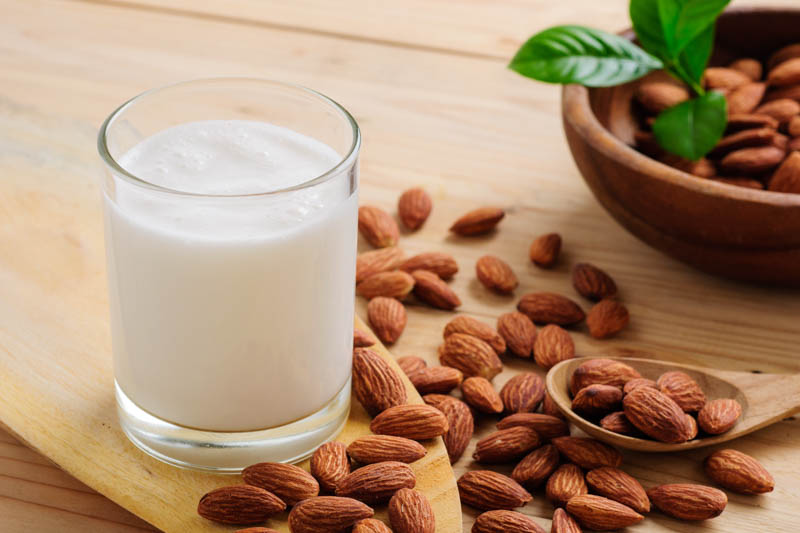
| Almond Milk | Dairy-free and low-calorie milk alternative. Often fortified with calcium and vitamin D for added nutrition. |
| Almond Butter | Nutrient-rich spread with healthy fats, protein, and fiber. Great in smoothies, recipes, or on toast. |
| Almond Flour | Gluten-free and low-carb baking substitute. Packed with protein, vitamin E, and dietary fiber. |
Almonds are packed with nutrients and generally safe for most people—but like anything, moderation matters. Here are a few things to keep in mind:
| Potential Side Effect | Explanation |
|---|---|
| Allergies | Tree nut allergies are common and can cause severe reactions in some people. Avoid almonds if you’re allergic or unsure. |
| Digestive Issues | Eating too many almonds may cause bloating, gas, or constipation due to their high fiber content—especially without enough water. |
| Kidney Concerns | Almonds are high in oxalates, which can contribute to kidney stones in sensitive individuals when eaten in large amounts. |
| Caloric Density | They’re nutrient-rich but also calorie-dense. Eating large quantities can contribute to weight gain if not balanced in your diet. |
| Medication Interaction | Almonds are high in manganese, which may interact with certain medications in large doses—such as antipsychotics or blood pressure drugs. |
Almonds are a healthy snack, but it’s best to enjoy them in moderation—and check with your doctor if you have health conditions or food sensitivities.
Curious about which nuts are topping snack bowls and culinary charts around the world? Here’s a flavorful lineup of the most popular edible nuts—some true nuts, some not technically nuts (we’re looking at you, peanuts!), but all commonly enjoyed and commercially important. Meet the nutty all-stars:
Almond (Prunus dulcis), Cashew (Anacardium occidentale), Walnut (Juglans regia), Pecan (Carya illinoinensis), Hazelnut (Corylus avellana), Macadamia (Macadamia integrifolia, Macadamia tetraphylla), Pistachio (Pistacia vera), Brazil nut (Bertholletia excelsa), Pine nut (Pinus pinea, Pinus koraiensis, and other Pinus species), Peanut (Arachis hypogaea), Chestnut (Castanea sativa, Castanea dentata), Hickory nut (Carya species), Pili nut (Canarium ovatum), Ginkgo nut (Ginkgo biloba), Baru nut (Dipteryx alata), and Ogbono nut (Irvingia gabonensis).
From creamy macadamias and rich pecans to protein-packed peanuts and wild acorns, this diverse bunch has something for everyone—whether you’re baking, snacking, or just cracking open something new!
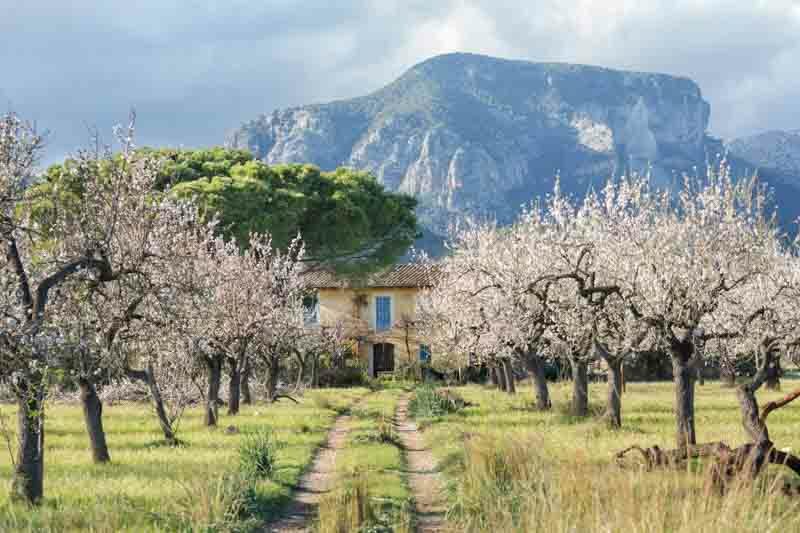
Climate Consideration: Almond trees thrive in Mediterranean climates with warm, dry summers and mild, wet winters. They are best suited to regions where summer temperatures typically range between 75°F to 95°F (24°C to 35°C), providing the heat required for nut development and ripening. Almond trees need a specific amount of cold to end their dormancy and start flowering, requiring between 300 to 600 hours of chill time at temperatures below 45°F (7°C). However, they are vulnerable to severe cold. Extended exposure to temperatures below 45°F (7°C) is necessary, but if temperatures fall below 25°F (-4°C), it can harm or destroy the blossoms and developing nuts.
Sunlight: Choose a sunny location that receives at least 6 to 8 hours of direct sunlight daily.
Soil: Plant in deep, moderately fertile, well-draining soil. The trees tolerate a wide range of soils except for heavy, slow-draining soils. Amend poor soil with compost to improve fertility and drainage.
Harvesting almonds involves several steps to ensure the nuts are collected at the right time and in a way that preserves their quality:
Know When to Harvest: Almonds are typically ready for harvest from late August to early October, depending on the variety and local climate. The main readiness indicator is when the hulls split open, exposing the shell inside. This split can occur while the nuts are still on the tree or after falling to the ground.
Shaking the Trees: Commercial growers use mechanical shakers to detach the almonds from the trees. Home growers can do this manually by gently shaking the branches or using a pole to tap the branches, causing the ripe almonds to fall.
Collecting the Almond Nuts: Once on the ground, the nuts, still in their hulls, are swept into rows and allowed to dry for several days, depending on weather conditions. This drying process is crucial for loosening the hulls and preventing mold growth.
Hulling: After drying, the outer hulls are removed, revealing the hard shell that encases the almond nut. This can be done by hand or with simple tools for small-scale or home harvesting.
Drying: The shelled almonds need further drying to reduce their moisture content to below 6% for safe storage. This can be achieved by spreading the nuts in a single layer in a warm, dry, well-ventilated area for several days to a few weeks. Sun drying is an effective method if conditions allow.
Storage: Almonds can be stored in a cool, dry place once properly dried. Shell-on almonds store longer than shelled nuts. Keeping them in an airtight container in the refrigerator or freezer for extended storage will help preserve their quality.
Quality Check: It’s essential to inspect the almonds during processing, discarding any that show signs of mold or damage.
Propagating almonds (Prunus dulcis) is primarily done through grafting to ensure the resulting trees inherit the desired characteristics of the parent plant, such as nut quality, disease resistance, and climate adaptability.
Grafting is the most reliable method for propagating almond trees to ensure that the desirable traits of the almond variety are preserved. It requires some practice and patience but can be highly rewarding as a way to expand your orchard with new, productive trees.
Aphids: Small insects sucking sap from plants, causing yellowing and distortion of leaves, and producing sticky honeydew.
Scale Insects: Hard or soft-bodied insects feeding on sap, weakening plants, and excreting honeydew, encouraging sooty mold growth.
Caterpillars: Larvae feeding on foliage, leading to significant leaf loss, and potentially defoliating and weakening plants.
Tent Caterpillars: Social caterpillars construct silk tents in trees, heavily feeding on leaves and causing defoliation.
Japanese Beetles: Destructive pests feeding on a wide range of plants, skeletonizing leaves, and damaging flowers and fruits.
Navel Orangeworm: A significant pest, it burrows into the nut, affecting quality and yield. Proper sanitation and timely harvest are crucial for control.
Peach Twig Borer: Larvae bore into twigs and shoots, causing damage. Monitoring and targeted insecticide applications can manage their populations.
Mites: Various mite species can infest leaves, leading to discoloration and leaf drop. Miticides and natural predators can help control mite numbers.
Brown Rot: This fungal disease affects the fruit, causing rot and reducing yield. Fungicide treatments and removing infected material can limit its spread.
Shot Hole Disease: Characterized by holes in the leaves, it’s caused by a fungus that can also affect fruit and twigs. Fungicide applications and good orchard hygiene are effective management strategies.
Anthracnose: This fungal infection targets leaves, blossoms, and fruits, creating lesions and causing “mummy nuts.” It can also produce toxins that kill twigs and branches. Management includes removing affected nuts and wood, using low-angle irrigation, and applying fungicides bi-weekly in wet conditions.
Phytophthora Crown Rot and Root Rot: This disease thrives in cool, wet conditions, attacking trees even without visible wounds. It leads to root decomposition and eventual tree death. Effective water management is crucial for prevention.
Almond Scab: Almond scab is favored by rain and high-angle sprinkler irrigation. It overwinters in twig lesions, causing defoliation, weakening the tree, and reducing yield.
Leaf Spot: Fungal or bacterial infections causing spots on leaves, leading to yellowing, browning, and potentially premature leaf drop.
Dieback: Progressive death of twigs and branches from the tip inward, often due to environmental stress or pathogens.
Powdery Mildew: Fungal disease manifesting as white, powdery coating on leaves and stems, stunting growth and distorting foliage.
Canker: Sunken, dead areas on branches or stems, resulting from fungal or bacterial infections, disrupting nutrient flow.
Black Knot: Fungal disease producing dark, swollen growths on branches, severely affecting tree health and aesthetics.
Verticillium Wilt: Soil-borne fungal disease causing wilting, yellowing, and death of leaves, often leading to plant demise.
Water Stress: Both overwatering and underwatering can stress almond trees, leading to poor nut development or disease. Implementing a consistent, appropriate irrigation schedule is vital.
Nutrient Deficiencies: Almond trees showing signs of nutrient deficiencies (e.g., yellowing leaves for nitrogen deficiency) require soil testing and appropriate fertilization to address imbalances.
Bacterial and Fungal Gummosis: Causing oozing of sap from the bark, it can be managed by improving tree vigor and removing infected parts.
No, dogs should not eat almonds. While not toxic, almonds can be hard to digest for dogs and may cause gastrointestinal upset or obstruction. Additionally, flavored or salted almonds pose further risks of pancreatitis or salt toxicity.
Yes, almonds are highly nutritious. They are a great source of vitamin E, magnesium, healthy fats, protein, and fiber, contributing to heart health, weight management, and blood sugar control.
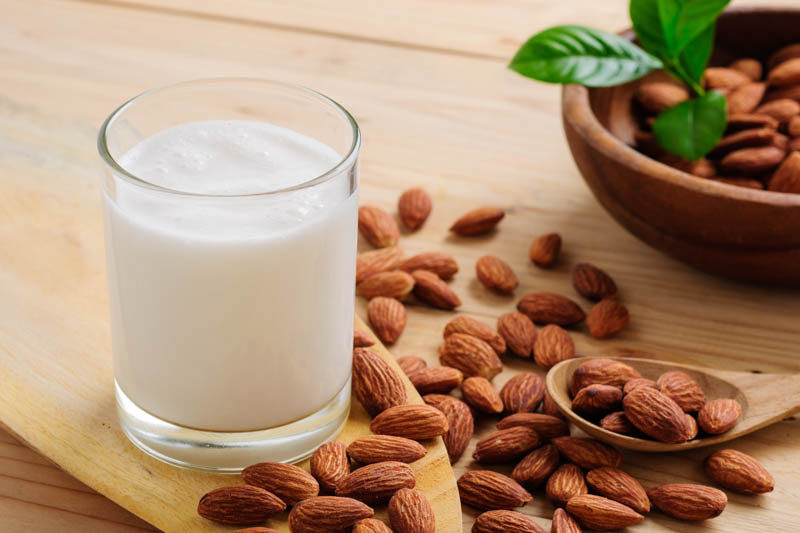
Yes, almond milk is a low-calorie, dairy-free alternative rich in vitamin E and often fortified with calcium and vitamin D. However, it’s lower in protein than cow’s milk or soy milk.
In small amounts, plain almond butter can be safe for dogs, but it’s not recommended due to its high fat content, which can lead to pancreatitis. Ensure it’s free from xylitol, a sweetener toxic to dogs.
Yes, almond milk can go bad. Once opened, it should be refrigerated and typically lasts 7-10 days. Signs of spoilage include a sour taste, off-smell, and changes in texture or color.
Yes, almond flour is naturally gluten-free and a popular alternative for baking and cooking among those avoiding gluten.
Yes, almonds are considered tree nuts, and they are part of the Prunus genus, which also includes peaches, cherries, and apricots. People with tree nut allergies should avoid almonds.
| Hardiness |
7 - 9 |
|---|---|
| Heat Zones |
5 - 8 |
| Climate Zones | 2B, 3B, 8, 9, 10, 12, 13, 14, 15, 16, 19, 20, 21 |
| Plant Type | Fruits, Shrubs, Trees |
| Plant Family | Rosaceae |
| Genus | Prunus - Fruit Tree |
| Common names | Almond |
| Exposure | Full Sun |
| Season of Interest | Spring (Early, Mid, Late), Summer (Early, Mid, Late), Fall |
| Height | 10' - 15' (3m - 4.6m) |
| Spread | 10' - 15' (3m - 4.6m) |
| Spacing | 240" - 360" (6.1m - 9.1m) |
| Maintenance | Low |
| Water Needs | Low, Average |
| Soil Type | Chalk, Loam, Sand |
| Soil pH | Acid, Alkaline, Neutral |
| Soil Drainage | Well-Drained |
| Characteristics | Fragrant, Showy, Fruit & Berries |
| Tolerances | Drought, Heat |
| Attracts | Bees, Butterflies |
| Garden Styles | Informal and Cottage, Prairie and Meadow |
| Toxic to Humans | No known toxicity |
| Toxic to Cats | No known toxicity |
| Toxic to Dogs | No known toxicity |
| Toxic to Horses | No known toxicity |


| Hardiness |
7 - 9 |
|---|---|
| Heat Zones |
5 - 8 |
| Climate Zones | 2B, 3B, 8, 9, 10, 12, 13, 14, 15, 16, 19, 20, 21 |
| Plant Type | Fruits, Shrubs, Trees |
| Plant Family | Rosaceae |
| Genus | Prunus - Fruit Tree |
| Common names | Almond |
| Exposure | Full Sun |
| Season of Interest | Spring (Early, Mid, Late), Summer (Early, Mid, Late), Fall |
| Height | 10' - 15' (3m - 4.6m) |
| Spread | 10' - 15' (3m - 4.6m) |
| Spacing | 240" - 360" (6.1m - 9.1m) |
| Maintenance | Low |
| Water Needs | Low, Average |
| Soil Type | Chalk, Loam, Sand |
| Soil pH | Acid, Alkaline, Neutral |
| Soil Drainage | Well-Drained |
| Characteristics | Fragrant, Showy, Fruit & Berries |
| Tolerances | Drought, Heat |
| Attracts | Bees, Butterflies |
| Garden Styles | Informal and Cottage, Prairie and Meadow |
| Toxic to Humans | No known toxicity |
| Toxic to Cats | No known toxicity |
| Toxic to Dogs | No known toxicity |
| Toxic to Horses | No known toxicity |
How many Prunus dulcis (Almond Tree) do I need for my garden?
| Plant | Quantity | |
|---|---|---|
| Prunus dulcis (Almond Tree) | N/A | Buy Plants |
Create a membership account to save your garden designs and to view them on any device.
Becoming a contributing member of Gardenia is easy and can be done in just a few minutes. If you provide us with your name, email address and the payment of a modest $25 annual membership fee, you will become a full member, enabling you to design and save up to 25 of your garden design ideas.
Join now and start creating your dream garden!
Create a membership account to save your garden designs and to view them on any device.
Becoming a contributing member of Gardenia is easy and can be done in just a few minutes. If you provide us with your name, email address and the payment of a modest $25 annual membership fee, you will become a full member, enabling you to design and save up to 25 of your garden design ideas.
Join now and start creating your dream garden!