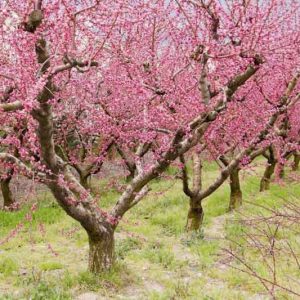
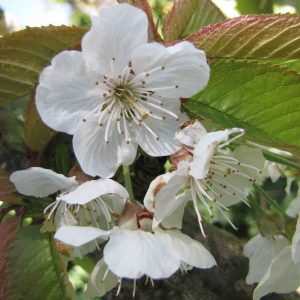
Moorpark Apricot, Apricot 'Moorpark', Moorpark, Common Apricot, Armenian Plum, Armeniaca vulgaris var. ansu, Armeniaca vulgaris var. vulgaris, Prunus armeniaca var. ansu
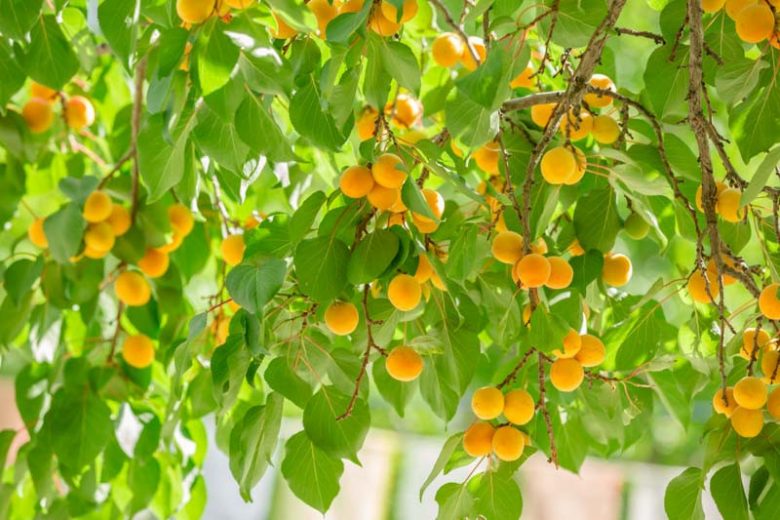
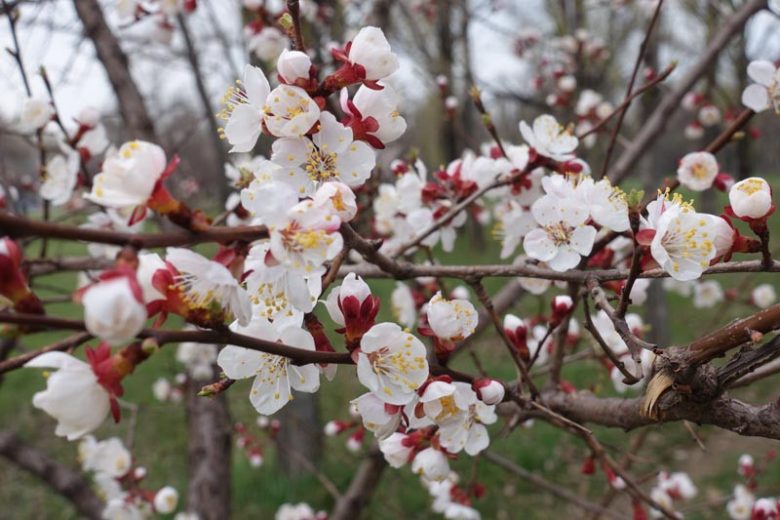


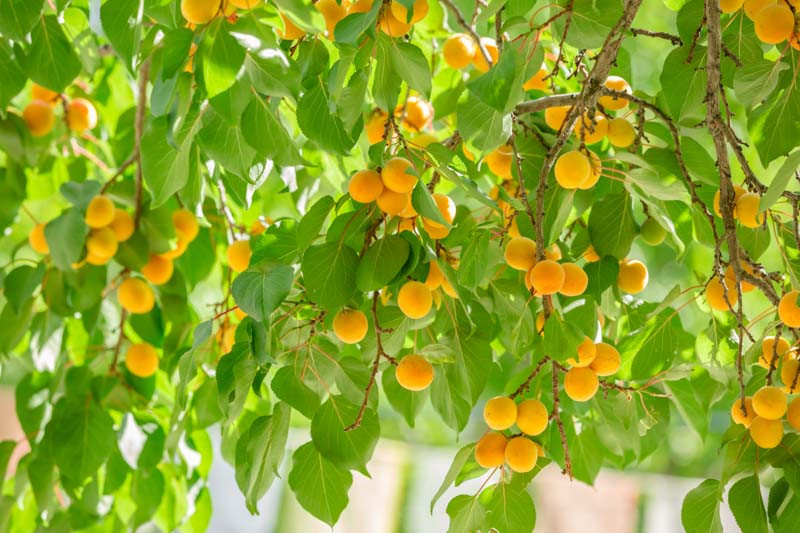
Summary: Meet ‘Moorpark’, the storied English heirloom many cooks and orchardists consider the gold standard for apricot flavor. The fruit is large and glowing deep orange with a rosy blush, the aroma is heady, and the taste hits that sweet spot of honeyed richness and bright apricot tang. ‘Moorpark’ blooms very early, so protect it from late frosts, and provide full sun, good air movement, and well-drained soil. Train to an open center, thin generously, and harvest when color and perfume peak. For jam, tarts, and fresh, just-warm-from-the-tree snacking, ‘Moorpark’ is a classic for a reason.
| Botanical Name | Prunus armeniaca ‘Moorpark’ |
|---|---|
| Family | Rosaceae (Rose family) |
| Common Names | Moorpark apricot |
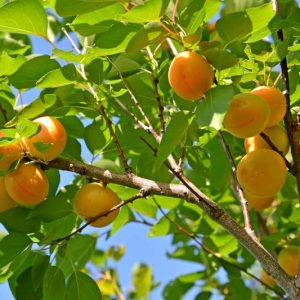
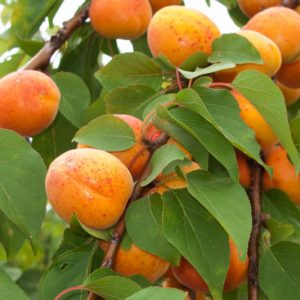
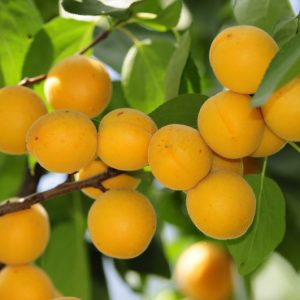
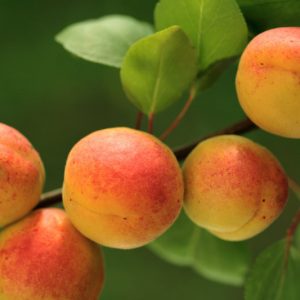
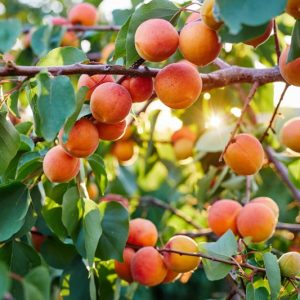
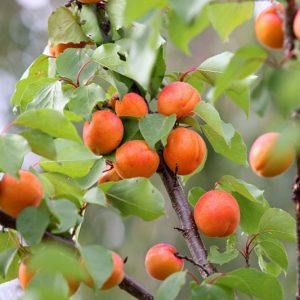
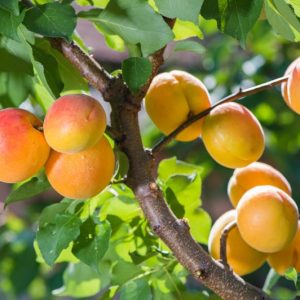
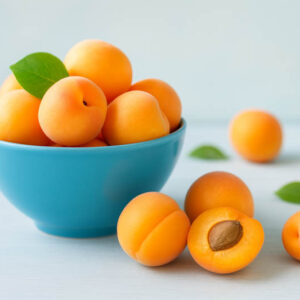
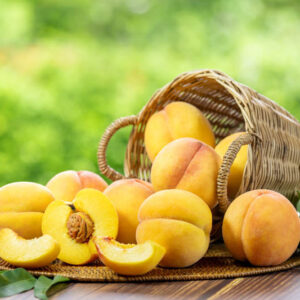
| Fruit & Flavor | Large, round to slightly oval fruit that colors deep orange with a rosy blush. Skin is smooth and lightly fuzzy. Flesh is juicy, melting, and aromatic, usually freestone at full maturity. Flavor is rich, complex, and tangy sweet. A favorite for fresh eating, artisanal preserves, tarts, and drying. |
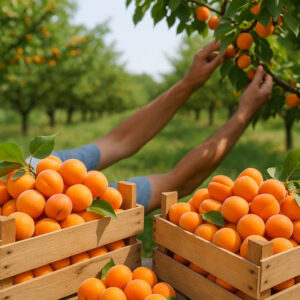
| Ripening (typical) | Midseason to mid-late summer depending on climate. Pick by full color and fragrance with a slight give near the stem. |
| Season/Availability | Short harvest window in summer. Fruit quality peaks right at tree ripeness, so check daily once color develops. |
| Chill Requirement | ~600–700 hours < 45°F (7°C); prefers regions with reliable winter chill. |
| Hardiness (USDA) | 5–8. It blooms early, so protect blossoms from late frosts in zones 5–6. |
| Tree Size | About 15–20 ft tall and wide. Easy to maintain smaller with summer pruning and open-vase training. |
| Pollination | Self-fruitful. Any apricot that overlaps bloom (e.g., ‘Goldcot’, ‘Harcot’) can increase set. |
| Sun & Exposure | Full sun 6–8+ hours. Choose a site with good air drainage and shelter from cold spring winds. |
| Soil | Fertile, well-drained loam or sandy loam; pH ~6.0–7.5. Avoid waterlogging. Mound or raised bed in heavy clay. |
| Status | Historic English heirloom associated with Moor Park estate. Revered for dessert quality and preserves. |
| Toxicity | Pits, kernels, and foliage contain amygdalin. Keep pits and prunings away from kids, pets, and livestock. |
‘Moorpark’ is the apricot people reminisce about. The one that made a perfect glaze on a tart, perfumed a kitchen during a jam session, or tasted like summer sunshine on a warm afternoon. It is not the easiest apricot, but in a suitable climate, it is one of the most rewarding. Below you will find how to site, plant, prune, thin, and harvest ‘Moorpark’ so you get that full, old-fashioned apricot experience. Mature trees often produce 50-100+ lb in good years, but late frosts can reduce crops.
The Prunus clan delivers a who’s who of fruit bowl favorites, from plums and cherries to peaches, nectarines, apricots, and almonds – one family, endless recipes.
Choosing an apricot is about matching chill hours, bloom timing, and your favorite uses in the kitchen. ‘Moorpark’ is a classic for flavor and dessert use, but it blooms very early and appreciates a site with good air drainage. If your springs are reliably cold, later blooming cultivars can be a safer bet. If you have a warm summer and at least moderate winter chill, ‘Moorpark’ can be your showstopper.
| Cultivar | Chill (approx.) | USDA Zones* | Highlights & Uses |
|---|---|---|---|
| ‘Moorpark’ | 600-700 | 5-8 | Classic flavor; large fruit; very early bloom – protect blossoms. |
| ‘Blenheim (Royal)’ | 400-500 | 7-8 | Beloved heirloom; perfumed; great fresh, dried, and canned. |
| ‘Goldcot’ | 800+ | 5-8 | Cold-hardy, later-blooming; firm fruit for freezing, pies, jam. |
| ‘Harcot’ | 700-800 | 5-9 | Canadian-bred for colder springs; firm, aromatic; good crack resistance. |
| ‘Tomcot’ | 500-600 | 5-8 | Large, early; heavy crops; great fresh and dehydrated. |
| ‘Tilton’ | 600-700 | 5-8 | Canning classic; bright, tangy halves and superb jam. |
| ‘Katy’ | 250-400 | 7-9 | Low-chill, very early; generous crops; terrific fresh. |
| ‘Chinese (Mormon)’ | 500-600 | 5-9 | Tough, later bloom; sets where springs are cold and high. |
| ‘Early Golden’ | ~400-500 | 5-8 | Early, richly flavored; reliable in moderate winters. |
USDA zones and chill hours vary by rootstock and microclimate; confirm with local extension or nursery
Apricot pits, seeds, leaves, and young stems contain the cyanogenic glycoside amygdalin. Toxicity is medium for humans and a problem for cats, dogs, and horses. Risk rises if pits are crushed or kernels are chewed; never blend unpitted fruit. Swallowing one or two whole pits is unlikely to poison, but processed amounts can cause gasping, weakness, spasms or convulsions, and severe respiratory failure. Fruit flesh is safe; avoid kernels, and keep prunings and pits away from children, pets, and livestock.
Yes, with the right setup. Choose a dwarf or semi-dwarf tree on a compact rootstock and use a 20–30 gallon container with excellent drainage. Container trees warm early, which can be helpful for flavor but also increases frost risk at bloom. Water attentively in summer and roll under cover if frost threatens during flowering.
Home growers typically buy grafted ‘Moorpark’ on apricot, plum, or peach rootstocks to balance vigor, soil tolerance, and ultimate size. Budding and grafting keep the fruit true to type. Seedlings will not reliably match ‘Moorpark’ and often take longer to bear.
Underplant with shallow-rooted allies that support beneficial insects and soil life without competing heavily. Chives, thyme, and borage draw pollinators and hoverflies. A living mulch of white clover can enrich soil biology, but keep a weed-free ring near the trunk. Garlic and marigolds are classic orchard floor companions. Apricot Companion Plants That Boost Harvests
| Season | Tasks |
|---|---|
| Late winter to early spring | Plant bareroot; establish the open center framework; prepare frost covers; begin aphid scouting as buds swell. |
| Spring | Keep moisture even. Light feeding only if growth is weak. Thin fruit at marble size. |
| Early to mid summer | Harvest by color and aroma with slight give. Net against birds. Summer prune to maintain light. |
| Late summer | Taper irrigation. Watch for canker and twig borer flagging. Remove any mummified fruit. |
| Fall | Refresh mulch. Whitewash trunks where sunscald is a risk. Clean up dropped fruit. |
| Winter | Light structural pruning during a dry window. Protect young bark from rodents. |
| Symptom | Likely Cause | Fix |
|---|---|---|
| Heavy bloom, little fruit | Frost at bloom, poor pollination, chill mismatch | Protect blossoms, add a pollination partner, match cultivar to local chill hours |
| Cracking or rot | Irregular watering, tight clusters, brown rot | Keep moisture even, thin clusters, prune for airflow, remove mummies |
| Gumming and dieback | Canker, sunscald, borers | Prune to healthy wood, whitewash trunks, reduce stress |
| Curled, sticky leaves | Aphids or sooty mold | Rinse undersides, support beneficials, apply dormant oil in winter |
| Small fruit and limb breakage | Overcropping and lack of thinning | Thin to 4–6 in spacing and prop heavy limbs |
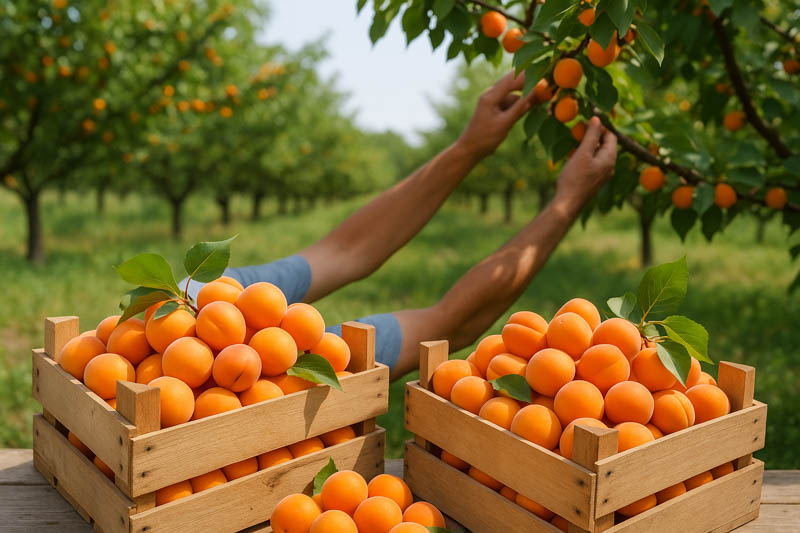
Fresh apricots provide vitamin C, carotenoids with vitamin A activity, vitamin E, fiber, and potassium at roughly 40–50 kcal per 100 g. Drying concentrates nutrients and sugars to about 240 kcal per 100 g. Dried apricots are excellent trail fuel. For daily snacking, a small handful is plenty.
| Nutrient (typical) | Fresh (per 100 g) | Dried (per 100 g) |
|---|---|---|
| Calories | ~48 kcal | ~240 kcal |
| Carbohydrate | ~11 g | ~63 g |
| Dietary fiber | ~2 g | ~7 g |
| Potassium | ~260 mg | ~1100 mg |
| Vitamin A activity | Present via carotenoids | Higher |
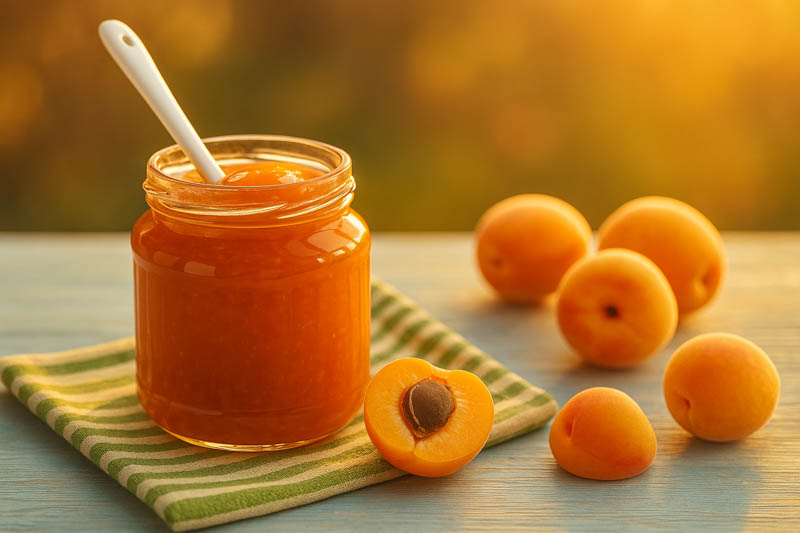
The hard pit holds a single kernel. In some cuisines, sweet kernels are used sparingly and are also pressed for a light oil. Always distinguish product grades. Cosmetic grade is for skin and hair. Culinary grade is for food. For risks to people and pets, review the Toxicity & Safety box above.
Yes. ‘Moorpark’ is self-fruitful, so you do not need another apricot for it to set fruit. That said, a second apricot that overlaps bloom can boost yields and fruit size.
Very early. It often flowers ahead of the leaves, which makes it vulnerable to late frosts. Site selection and frost covers are important in zones 5–6.
Grafted trees usually bear in 3 to 4 years after planting. Seedlings can take 5 to 8 years and may not be true to type.
Plan for roughly 15–20 ft tall and wide on standard vigor rootstocks. With summer pruning and an open center, many gardeners keep it comfortably smaller.
Well-drained loam or sandy loam with pH around 6.0–7.5. If clay is unavoidable, plant on a mound or raised bed and water conservatively.
Full sun. Give it at least 6–8 hours daily for flavor and fruiting.
The usual culprit is frost damage at bloom. Other causes include poor pollination in cold, wet weather or heavy nitrogen that pushes leaves at the expense of fruit.
Yes, if you choose a dwarf or semi-dwarf tree and a 20–30 gallon container with excellent drainage. Water consistently and protect bloom from frost.
Go by color and perfume first, then a gentle springiness near the stem. Apricots ripen from the inside out, so color and aroma are better guides than softness alone.
es! ‘Moorpark’ is one of the best apricots for both canning and drying. Its rich, honeyed flavor and balanced acidity hold up beautifully when cooked, and the flesh melts into silky jam or glaze. When dried, the fruit concentrates into intensely sweet, aromatic halves with deep orange color and great texture. This is one of the reasons Moorpark has been prized for centuries in preserves and artisanal dried fruit.
lant spacing depends on the rootstock and how aggressively you prune:
Standard rootstock: 15–20 ft (4.5–6 m) apart
Semi-dwarf rootstock: 12–15 ft (3.5–4.5 m)
Dwarf/compact rootstock: 8–10 ft (2.5–3 m)
Even on vigorous roots, you can keep Moorpark smaller (10–12 ft) with regular summer pruning and an open-center structure. Always give it room for sunlight and airflow—dense canopies = rot and small fruit.
For containers, choose a dwarf or naturally compact rootstock that controls size and tolerates limited soil volume.
Best options include:
Krymsk 1 – Excellent dwarfing, good root system, adaptable to containers
St. Julien A – Semi-dwarf, widely used in the UK and Europe, well-behaved in large pots
Citation – Semi-dwarf, slightly more vigorous but container-friendly with pruning
Myrobalan 29C – Tolerates heavier soils, but needs regular pruning in pots
Use a 20–30 gallon (75–115 L) container with excellent drainage, full sun, and consistent water. Containers warm early (good for flavor) but bloom sooner—so be ready to protect blossoms from late frost.
Updated: October 2025 • Reviewed by Gardenia Editors.
| Hardiness |
5 - 8 |
|---|---|
| Heat Zones |
2 - 8 |
| Plant Type | Fruits, Trees |
| Plant Family | Rosaceae |
| Genus | Apricots, Prunus - Fruit Tree |
| Common names | Apricot |
| Exposure | Full Sun |
| Season of Interest | Spring (Mid), Summer (Mid, Late) |
| Height | 15' - 20' (4.6m - 6.1m) |
| Spread | 15' - 20' (4.6m - 6.1m) |
| Maintenance | High |
| Water Needs | Average |
| Soil Type | Chalk, Loam, Sand |
| Soil pH | Acid, Alkaline, Neutral |
| Soil Drainage | Moist but Well-Drained |
| Characteristics | Showy, Fruit & Berries |
| Tolerances | Heat |
| Attracts | Bees, Birds |
| Toxic to Humans | Medium severity |
| Toxic to Cats | Toxic |
| Toxic to Dogs | Toxic |
| Toxic to Horses | Toxic |


| Hardiness |
5 - 8 |
|---|---|
| Heat Zones |
2 - 8 |
| Plant Type | Fruits, Trees |
| Plant Family | Rosaceae |
| Genus | Apricots, Prunus - Fruit Tree |
| Common names | Apricot |
| Exposure | Full Sun |
| Season of Interest | Spring (Mid), Summer (Mid, Late) |
| Height | 15' - 20' (4.6m - 6.1m) |
| Spread | 15' - 20' (4.6m - 6.1m) |
| Maintenance | High |
| Water Needs | Average |
| Soil Type | Chalk, Loam, Sand |
| Soil pH | Acid, Alkaline, Neutral |
| Soil Drainage | Moist but Well-Drained |
| Characteristics | Showy, Fruit & Berries |
| Tolerances | Heat |
| Attracts | Bees, Birds |
| Toxic to Humans | Medium severity |
| Toxic to Cats | Toxic |
| Toxic to Dogs | Toxic |
| Toxic to Horses | Toxic |
How many Prunus armeniaca ‘Moorpark’ (Apricot) do I need for my garden?
| Plant | Quantity | |
|---|---|---|
| Prunus armeniaca ‘Moorpark’ (Apricot) | N/A | Buy Plants |
Create a membership account to save your garden designs and to view them on any device.
Becoming a contributing member of Gardenia is easy and can be done in just a few minutes. If you provide us with your name, email address and the payment of a modest $25 annual membership fee, you will become a full member, enabling you to design and save up to 25 of your garden design ideas.
Join now and start creating your dream garden!
Create a membership account to save your garden designs and to view them on any device.
Becoming a contributing member of Gardenia is easy and can be done in just a few minutes. If you provide us with your name, email address and the payment of a modest $25 annual membership fee, you will become a full member, enabling you to design and save up to 25 of your garden design ideas.
Join now and start creating your dream garden!