Goldcot Apricot, Apricot, Common Apricot, Armenian Plum, Golden Apricot
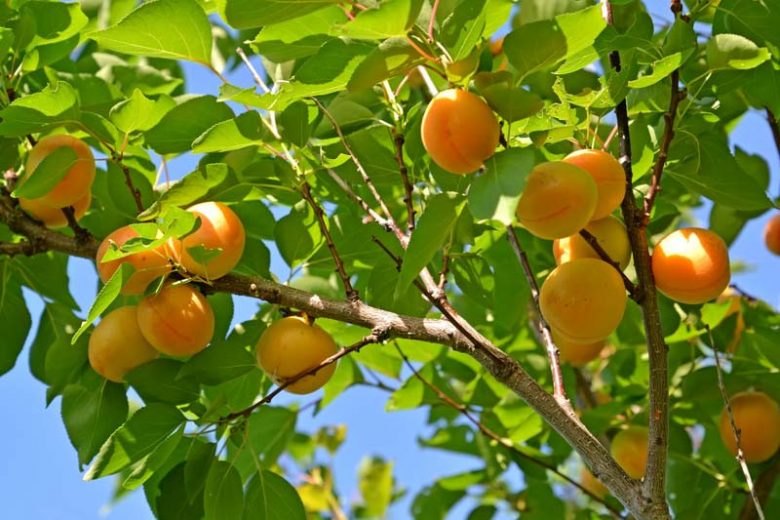


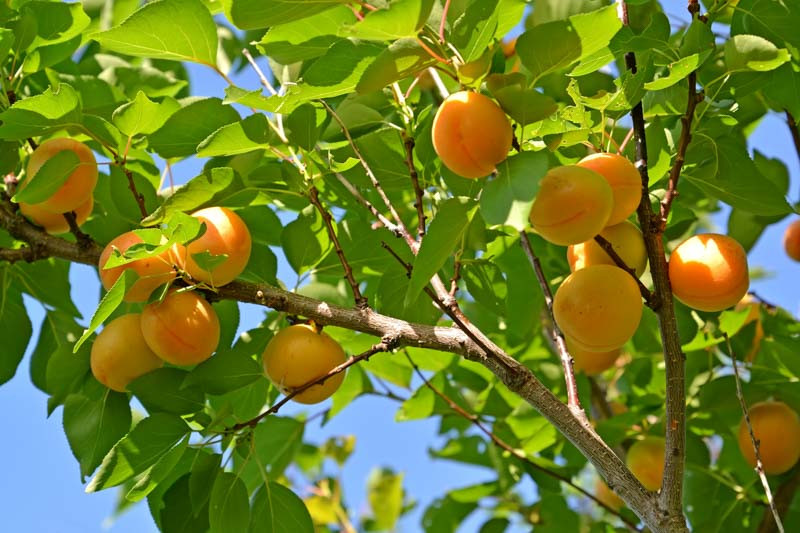
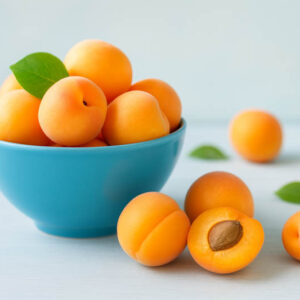
Summary: If ‘Blenheim’ is the heirloom heart-throb of apricots, ‘Goldcot’ is the dependable Midwestern hero. Bred for colder, trickier springs, ‘Goldcot’ blooms a touch later, shrugs off chill, and sets handsome golden fruit with a lively sweet-tart snap. The flesh is firm and meaty—ideal for pies, jam, freezing, and dehydrating—yet still juicy enough for fresh snacking. Give it full sun, excellent drainage, and an open-center training, and it rewards you with consistent crops even where other apricots sulk.
| Botanical Name | Prunus armeniaca ‘Goldcot’ |
|---|---|
| Family | Rosaceae (Rose family) |
| Common Names | Goldcot apricot |
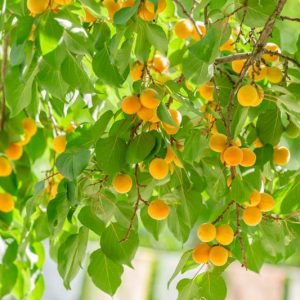
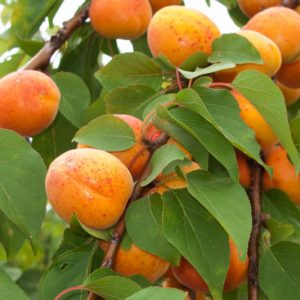
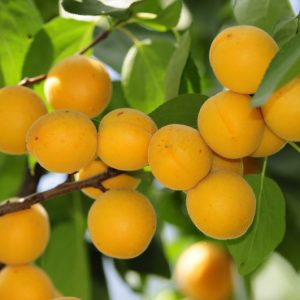
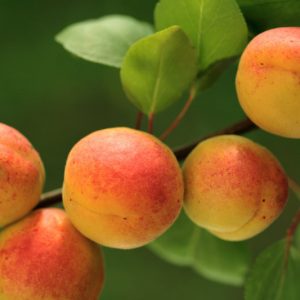
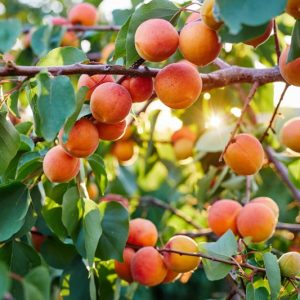
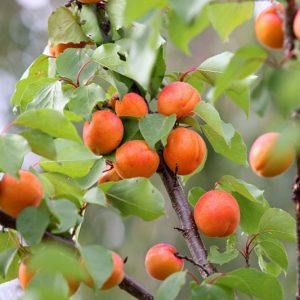
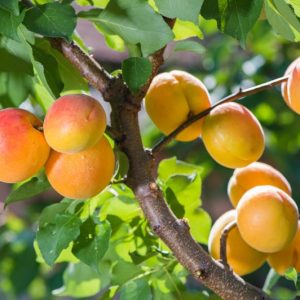
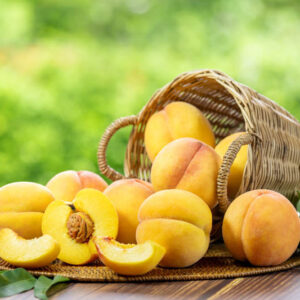
| Fruit & Flavor | Medium, round-oval fruit with smooth, lightly fuzzy skin. Glowing deep yellow to orange-gold—sometimes a faint blush on the sunny cheek. Firm, fine-textured flesh, semi-freestone to freestone at full maturity. Flavor is bright and balanced: apricot-forward sweetness with a refreshing tang that holds up in baking and preserves. |
| Ripening (typical) | Mid to mid-late season; depending on climate, usually a little later than ‘Blenheim’. Judge by full color and aroma as the fruit softens slightly. |
| Season/Availability | Mid-summer harvest with a generous picking window compared to ultra-early types. |
| Chill Requirement | ≈800+ hours < 45°F (7°C); happiest where winters are cool enough to satisfy high chill. |
| Hardiness (USDA) | 5–8 (occasionally 4 in very favorable sites with frost protection) |
| Tree Size | 15–20 ft tall and wide; easy to keep smaller with summer pruning. |
| Pollination | Generally self-fertile; a second apricot in bloom can boost set and size. |
| Sun & Exposure | Full sun (6–8+ hrs); shelter from harsh spring winds; avoid low frost pockets. |
| Soil | Deep, well-drained loam/sandy loam; pH 6.0–7.5. Waterlogging invites trouble—mound or raise beds in heavy ground. |
| Status | Cold-hardy, mid-20th-century selection widely adopted across the Upper Midwest and Northeast for reliability and processing quality. |
| Toxicity | Pits/kernels/leaves contain amygdalin (cyanogenic). Keep pits and prunings away from kids, pets, and livestock. |
‘Goldcot’ is the apricot many northern gardeners hoped for: tough against late chills, generous on flavor, and wonderfully cooperative in the kitchen. Below you’ll find how to site, plant, prune, thin, and harvest this dependable cultivar so it shines in pies, preserves, and straight-off-the-branch snacking.
The genus Prunus really is nature’s dessert buffet—delivering plums, cherries, peaches, nectarines, apricots, and even almonds. ‘Goldcot’ sits comfortably among these favorites as a flavor-packed, hardy option.
Apricots are delightfully diverse. Match the cultivar to your climate’s chill hours, frost risk, and how you love to eat your fruit. Where late frosts bite, ‘Goldcot’, ‘Harcot’, and ‘Chinese (Mormon)’ are safer bets than super-early bloomers.
| Cultivar | Chill (approx.) | USDA Zones* | Highlights & Uses |
|---|---|---|---|
| ‘Moorpark’ | 600-700 | 5-8 | Rich, classic flavor; superb for fresh eating and baking; early bloom – protect blossoms. |
| ‘Blenheim (Royal)’ | 400-500 | 7-8 | Beloved in warm-summer areas; aromatic; great for fresh, dried apricot, and canning. |
| ‘Goldcot’ | 800+ | 5-8 | Cold-hardy, later bloom; firm fruit for freezing, pies, and apricot jam. |
| ‘Harcot’ | 700-800 | 5-9 | Canadian-bred for cold; good crack resistance; balanced sweet-tart. |
| ‘Tomcot’ | 500-600 | 5-8 | Large, early; heavy producer; excellent for fresh use and dehydrating. |
| ‘Tilton’ | 600-700 | 5-8 | Classic for canning and halves; tangy flavor that shines in syrup and jam. |
| ‘Katy’ | 250-400 | 7-9 | Low-chill, very early; generous crops in mild winters; great for fresh eating. |
| ‘Chinese (Mormon)’ | 500-600 | 5-9 | Tough, later bloom; often sets in colder, higher-elevation gardens. |
| ‘Early Golden’ | ~400-500 | 5-8 | Early, richly flavored freestone; reliable in moderate winters; self-fruitful (≈300-450+ chill hrs reported). |
USDA zones and chill hours vary by rootstock and microclimate; confirm with local extension or nursery
Apricot pits, seeds, leaves, and young stems contain the cyanogenic glycoside amygdalin. Toxicity is medium for humans and a problem for cats, dogs, and horses. Risk rises if pits are crushed or kernels are chewed; never blend unpitted fruit. Swallowing one or two whole pits is unlikely to poison, but processed amounts can cause gasping, weakness, spasms or convulsions, and severe respiratory failure. Fruit flesh is safe; avoid kernels, and keep prunings and pits away from children, pets, and livestock.
Yes—on a dwarfing rootstock in a 20–30 gallon (75–115 L) container with excellent drainage. Pots warm early (great for flavor) but dry fast in summer, so water attentively and roll under cover if bloom coincides with a frost warning.
Home growers typically buy grafted trees. Rootstock choice affects vigor, soil tolerance, and size. Plum or peach rootstocks are common; consult local nurseries for combinations that thrive in your soil and winters.
Keep the root zone weed-free but lively with shallow companions. Chives, thyme, and borage attract pollinators and beneficial insects. A ring of white clover as living mulch can feed soil life—just keep a clear collar around the trunk. Garlic and marigolds are classic orchard allies. Apricot Companion Plants That Boost Harvests
| Season | Tasks |
|---|---|
| Late winter–early spring | Plant bareroot; establish the open-center structure; prep frost covers; start aphid scouting as buds swell. |
| Spring | Maintain even moisture; a light feed only if growth is sluggish; thin fruit at marble size. |
| Mid-summer | Harvest at peak color and aroma; net against birds; summer-prune for airflow and sun. |
| Late summer | Reduce water gradually; inspect for cankers or twig-borer “flagging.” |
| Fall | Remove mummified fruit; refresh mulch; whitewash trunks where sunscald is a risk. |
| Winter | Light structural pruning in a dry window; protect young bark from rodents. |
| Symptom | Likely Cause | Fix |
|---|---|---|
| Heavy bloom, little fruit | Frost at bloom; poor pollination; chill mismatch | Protect blossoms; add a pollination partner; choose cultivars with chill suited to your climate. |
| Cracking or rot | Irregular watering; clusters too tight; brown rot | Keep moisture even; thin fruit; prune for airflow; remove mummies. |
| Gumming & dieback | Canker; sunscald; borers | Prune to healthy wood; whitewash trunks; reduce stress. |
| Curled, sticky leaves | Aphids; sooty mold | Rinse undersides; encourage beneficials; dormant oil in winter. |
| Small fruit & limb breakage | Overcropping; lack of thinning | Thin to 4–6 in spacing; prop heavy limbs temporarily. |
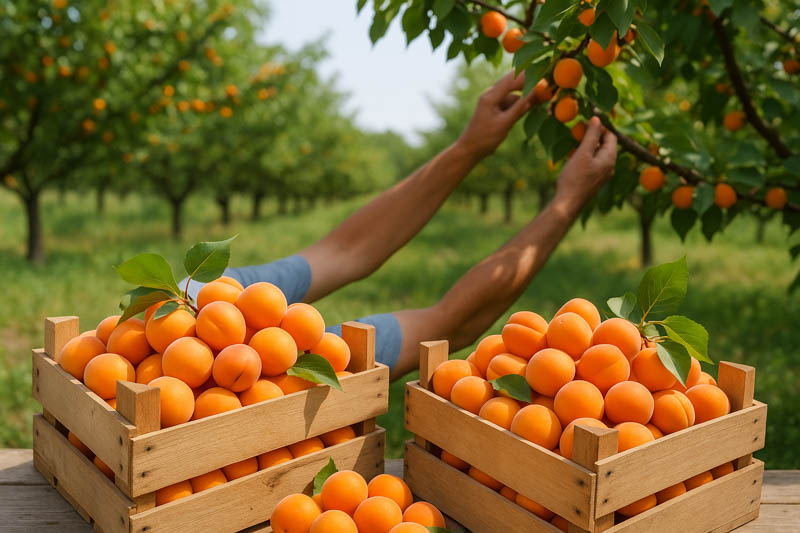
Fresh apricots bring vitamin C, carotenoids (vitamin A activity), vitamin E, fiber, and potassium at ~40–50 kcal per 100 g. Drying concentrates everything—including sugars—to ~240 kcal per 100 g. For hiking and quick energy, dried apricots are tiny power packs; for everyday snacking, keep portions modest.
| Nutrient (typical) | Fresh (per 100 g) | Dried (per 100 g) |
|---|---|---|
| Calories | ~48 kcal | ~240 kcal |
| Carbohydrate | ~11 g (≈9 g sugars) | ~63 g |
| Dietary fiber | ~2 g | ~7 g |
| Potassium | ~260 mg | ~1100 mg |
| Vitamin A (RAE, carotenoids) | Present | Higher |
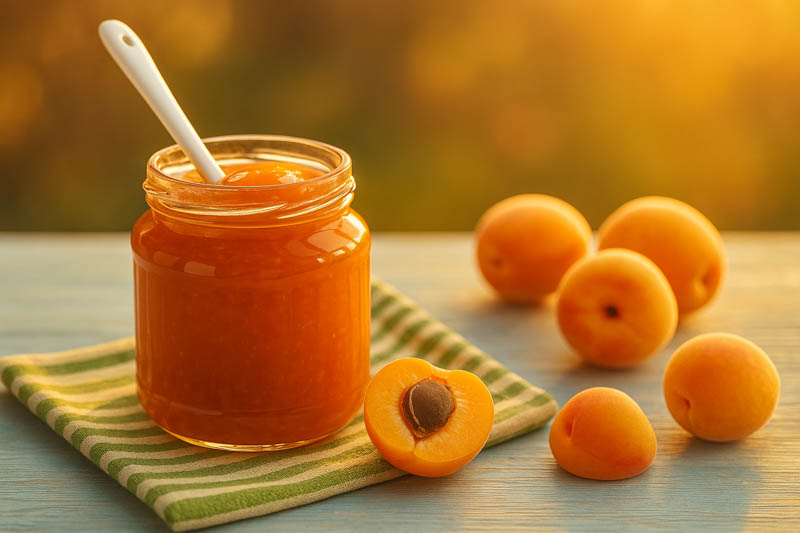
The hard pit houses a single “kernel.” Sweet kernels are used in some cuisines and pressed for a mild oil used in cosmetics and certain culinary traditions. Always distinguish grades—cosmetic oil for skin/hair; culinary-grade for food—and review the Toxicity & Safety guidance before experimenting.
Most modern apricot cultivars (like ‘Blenheim’, ‘Moorpark’, and ‘Tilton’) are self-fruitful, meaning they don’t need another tree to set fruit. However, cross-pollination with a compatible variety can improve yield and fruit size.
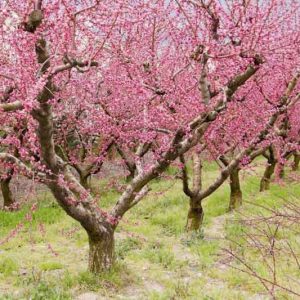
Apricots bloom very early in spring, often before leaves appear (late February to April in most temperate regions). This makes them vulnerable to late frosts, so site selection and protection matter.
Grafted trees usually bear in 3 to 4 years after planting. Seedlings can take 5 to 8 years and may not produce true-to-type fruit.
A healthy apricot tree lives 20 to 40 years, depending on variety, climate, and care. Productivity often declines after 25 years.
They thrive in well-drained loam or sandy loam with a pH of 6.0–7.5. Apricots dislike “wet feet” — avoid heavy clay or compacted soils.
Apricots need full sun (6–8+ hours per day) for good fruit set and flavor.
Likely frost damage to blossoms, poor pollination, or excessive nitrogen (too much vegetative growth). Protect flowers and ensure bee activity during bloom.
Yes. Use a dwarf or semi-dwarf rootstock in a 20–30 gallon (75–115 L) container with excellent drainage. Prune and water regularly.
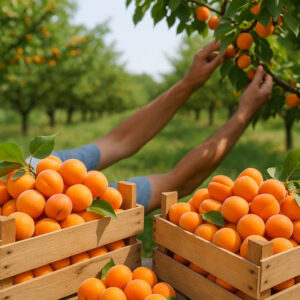
Pick when the fruit is fully colored, slightly soft, and fragrant. Apricots ripen from the inside out, so color and aroma are more reliable than feel.
Updated: October 2025 • Reviewed by Gardenia Editors.
| Hardiness |
5 - 8 |
|---|---|
| Heat Zones |
2 - 8 |
| Plant Type | Fruits, Trees |
| Plant Family | Rosaceae |
| Genus | Apricots, Prunus - Fruit Tree |
| Common names | Apricot |
| Exposure | Full Sun |
| Season of Interest | Spring (Mid), Summer (Mid) |
| Height | 15' - 20' (4.6m - 6.1m) |
| Spread | 15' - 20' (4.6m - 6.1m) |
| Maintenance | High |
| Water Needs | Average |
| Soil Type | Clay, Loam, Sand |
| Soil pH | Acid, Alkaline, Neutral |
| Soil Drainage | Moist but Well-Drained |
| Characteristics | Showy, Fruit & Berries |
| Tolerances | Heat |
| Attracts | Bees, Birds |
| Garden Uses | Beds And Borders, Wall-Side Borders |
| Garden Styles | City and Courtyard, Informal and Cottage |
| Toxic to Humans | Medium severity |
| Toxic to Cats | Toxic |
| Toxic to Dogs | Toxic |
| Toxic to Horses | Toxic |


| Hardiness |
5 - 8 |
|---|---|
| Heat Zones |
2 - 8 |
| Plant Type | Fruits, Trees |
| Plant Family | Rosaceae |
| Genus | Apricots, Prunus - Fruit Tree |
| Common names | Apricot |
| Exposure | Full Sun |
| Season of Interest | Spring (Mid), Summer (Mid) |
| Height | 15' - 20' (4.6m - 6.1m) |
| Spread | 15' - 20' (4.6m - 6.1m) |
| Maintenance | High |
| Water Needs | Average |
| Soil Type | Clay, Loam, Sand |
| Soil pH | Acid, Alkaline, Neutral |
| Soil Drainage | Moist but Well-Drained |
| Characteristics | Showy, Fruit & Berries |
| Tolerances | Heat |
| Attracts | Bees, Birds |
| Garden Uses | Beds And Borders, Wall-Side Borders |
| Garden Styles | City and Courtyard, Informal and Cottage |
| Toxic to Humans | Medium severity |
| Toxic to Cats | Toxic |
| Toxic to Dogs | Toxic |
| Toxic to Horses | Toxic |
How many Prunus armeniaca ‘Goldcot’ (Apricot) do I need for my garden?
| Plant | Quantity | |
|---|---|---|
| Prunus armeniaca ‘Goldcot’ (Apricot) | N/A | Buy Plants |
Create a membership account to save your garden designs and to view them on any device.
Becoming a contributing member of Gardenia is easy and can be done in just a few minutes. If you provide us with your name, email address and the payment of a modest $25 annual membership fee, you will become a full member, enabling you to design and save up to 25 of your garden design ideas.
Join now and start creating your dream garden!
Create a membership account to save your garden designs and to view them on any device.
Becoming a contributing member of Gardenia is easy and can be done in just a few minutes. If you provide us with your name, email address and the payment of a modest $25 annual membership fee, you will become a full member, enabling you to design and save up to 25 of your garden design ideas.
Join now and start creating your dream garden!