Apricots - Guides
Craving sun-kissed fruit you can eat straight from the branch? Apricots are wonderfully doable when you match the tree to your weather and follow a simple rhythm of care. Start smart by picking a variety that suits your winter chill and late-frost pattern. This guide makes the choice easy: best varieties by chill hours and frost risk. For the big picture on benefits, uses, and year-round care, skim this friendly overview: Prunus armeniaca explained.
Planting made simple: Choose full sun and well-drained soil. Set the graft union just above soil level, water in deeply, then add a wide mulch ring to lock in moisture and cool roots. In late winter, shape an open center so light and air can move through. In early summer, thin crowded fruit so the rest size up sweet and juicy.
Pollination and companions: Many apricots are self-fertile, but a buddy tree can boost yields. Surround yours with helpful allies and skip the troublemakers using this guide: apricot companion plants.
Tasty cultivars to try: Blenheim, classic aroma and great fresh or dried. Moorpark, rich, old-world flavor for jam lovers. Tilton, reliable crops and canning favorite. Harcot, cold-hardy with juicy flesh. Goldcot, later bloom that helps dodge frost. Chinese, fragrant blossoms and sweet fruit.
Care through the seasons: Spring – cover blossoms on frosty nights and remove covers in the morning. Summer – water is used deeply but not often. Keep mulch topped up, and watch for borers or leaf curls. Fall – clear fallen fruit and leaves to reduce pests. Winter – prune lightly and feed with a balanced slow-release fertilizer.
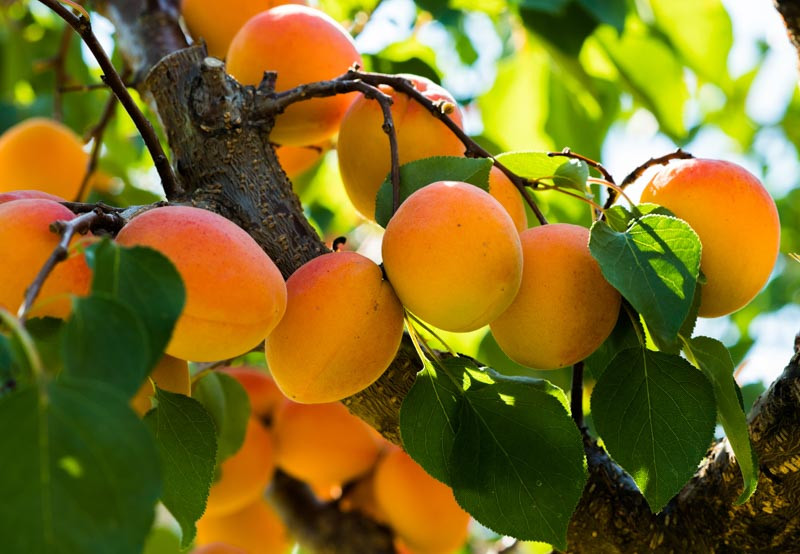
Harvest like a pro: Pick when the skin glows and the fruit yields to a gentle squeeze. Bite in right away, dry slices for bright snacks, or simmer into golden jam. With the right variety, wise companions, and a little seasonal love, your tree will shower you with sweet rewards for years.