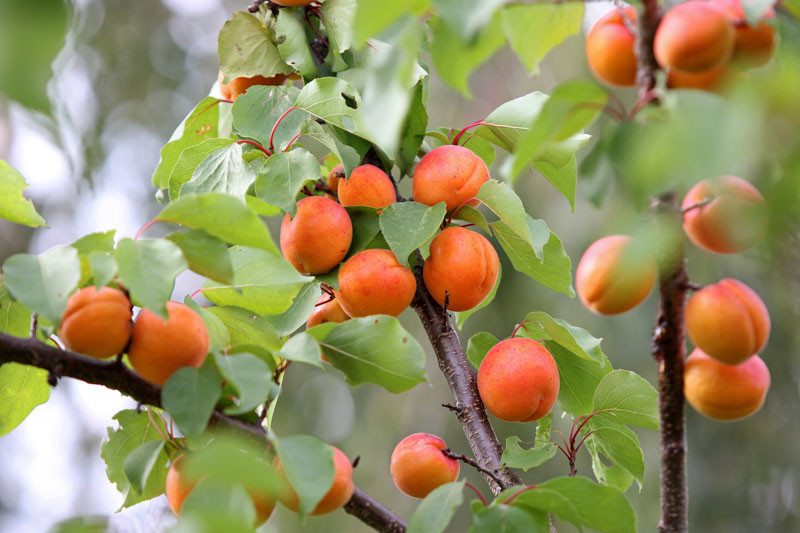
Apricot
Small fruit, big personality. Apricots are sweet, tangy, and surprisingly historic. Ready for a bite sized tour of delights and curiosities? Let us go.
Ancient travelers’ snack: Apricots have journeyed for centuries across Central Asia and the Silk Road. Curious about the species itself and how it is used today? Dive in here: Prunus armeniaca: benefits, uses, care.
Chill thrill: Most apricots need a dose of winter chill to set fruit. Late frosts can be party crashers. Match your tree to your climate using this handy guide: best varieties by chill hours and frost risk.
Flower fireworks: Apricot blossoms burst early, painting branches with pale pink and white when most trees still snooze.
Nutrition nugget: One cup of fresh slices brings fiber, potassium, and vitamin A. That sunny color is a beta carotene giveaway.
Self-starter… usually: Many varieties are self-fertile, yet a second tree often boosts yields. Team yours with good neighbors: apricot companion plants.
Cultivar celebrities: Blenheim has classic aroma and balanced sweetness. Moorpark shines in jam with rich, old style flavor. Tilton is a canning champ and a steady producer. Harcot is known for cold tolerance and juicy flesh. Goldcot blooms later to dodge frost. Chinese enchants with fragrant blossoms and sweet fruit.
Fresh vs dried: Drying concentrates the sugars, so dried apricots taste sweeter and pack more fiber per bite than fresh.
Quick ripeness test: Ripe apricots glow and give slightly to a gentle squeeze. If they feel rock hard, let them soften on the counter.
Kitchen chameleon: Grill halves for salads, roast with chicken, churn into sorbet, or spoon into overnight oats. Apricots love both sweet and savory.
Backyard bragging rights: With the right match of variety and climate, a single tree can gift you baskets of fruit and a spring show of blooms. That is a win win.