Create Your Garden

36 North Carolina Wildflowers for Sunny Gardens

North Carolina's sun-loving wildflowers, such as Rudbeckia hirta (Black-Eyed Susan), Echinacea purpurea (Purple Coneflower), and Coreopsis lanceolata (Lanceleaf Coreopsis), thrive in sunny gardens.
Native Plants, Native Perennials, Native Annuals, North Carolina Native Plant, North Carolina Native Perennials, North Carolina Native Annuals, Fun Perennials, Sun Annuals

36 North Carolina Wildflowers for Sunny Gardens

Want a pollinator packed, color splashed garden that thrives in hot Carolina sunshine? Native North Carolina wildflowers are made for blazing summers, sandy or clay soils, and hungry butterflies and bees. Mix these sun loving perennials and annuals and your yard will buzz, flutter, and bloom from spring through frost.

Quick Start – Designing a Sunny North Carolina Wildflower Garden

  • Pick a sunny spot – most of these native wildflowers need at least 6 hours of direct sun for strong stems and abundant blooms.
  • Skip the fertilizer – North Carolina natives are adapted to lean soils. Too much fertilizer means floppy plants and fewer flowers.
  • Group in drifts – plant 3 to 7 of each wildflower together so pollinators can easily find them and your planting looks intentional, not random.
  • Mix bloom times – combine early, mid season, and late flowering species so bees, butterflies, and birds always have something to eat.
  • Leave the stems for winter – seed heads of coneflowers, goldenrods, and sunflowers feed finches and add structure until spring cleanup.

Sun Loving Pollinator Magnets

These native North Carolina wildflowers love full sun and are butterfly and bee factories. Use them in borders, meadows, and along fences where you want nonstop color.

Guide Information

Plant Type Annuals, Perennials
Exposure Full Sun
Native Plants North Carolina, Southeast, United States
Asclepias incarnata (Swamp Milkweed)
Asclepias tuberosa (Butterfly Milkweed)
Aster novae-angliae (New England Aster)
Coreopsis auriculata (Lobed Tickseed)
Coreopsis lanceolata (Lanceleaf Tickseed)
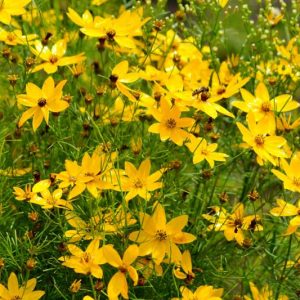
Coreopsis verticillata (Threadleaf Coreopsis)
Rudbeckia hirta (Black-Eyed Susan)
Rudbeckia triloba (Brown-Eyed Susan)
Helianthus angustifolius (Swamp Sunflower)
Heliopsis helianthoides (False Sunflower)
Helianthus tuberosus (Jerusalem Artichoke)
Achillea millefolium (White Yarrow)
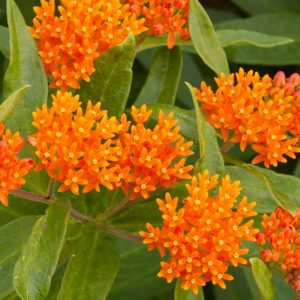
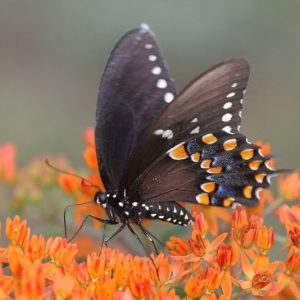
  • Asclepias tuberosa (Butterfly Milkweed) – brilliant orange flower clusters, drought tolerant, and a vital host plant for monarch butterfly caterpillars. Perfect for dry, sandy slopes and mixed borders.
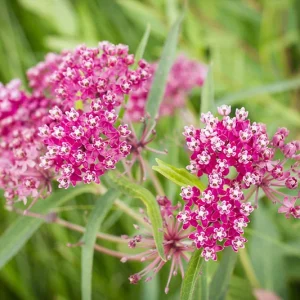
  • Asclepias incarnata (Swamp Milkweed) – rosy pink blossoms on tall stems that thrive in rain gardens, ditches, and pond edges. Monarchs, swallowtails, and bees flock to its nectar.
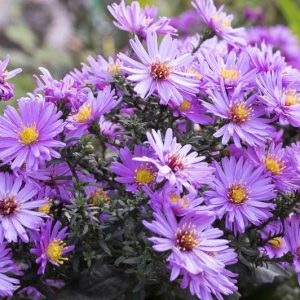
  • Aster novae-angliae (New England Aster) – late season purple daisies that light up the garden in September and October. Essential fall nectar for migrating monarchs and native bees.
  • Coreopsis auriculata (Lobed Tickseed) – cheerful yellow daisies in spring and early summer. Spreads gently to form a sunny groundcover for slopes and front of borders.
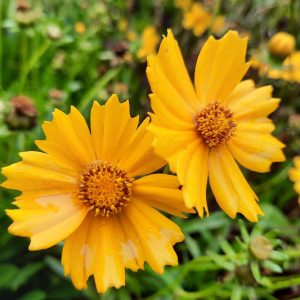
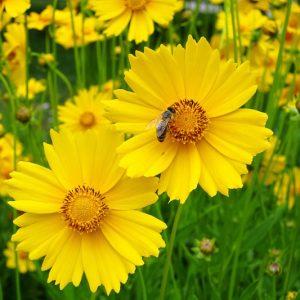
  • Coreopsis lanceolata (Lanceleaf Tickseed) – golden flowers over grassy foliage, excellent for meadows and roadside style plantings. Tolerates poor, dry soils once established.
  • Coreopsis verticillata (Threadleaf Coreopsis) – fine textured foliage topped with masses of yellow blooms. Great filler between taller perennials and along paths.
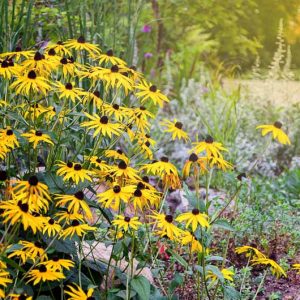
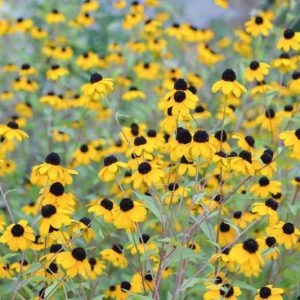
  • Rudbeckia hirta (Black-Eyed Susan) – iconic black centered daisies that reseed politely. Goldfinches love the seed heads, and the flowers glow in summer sunlight.
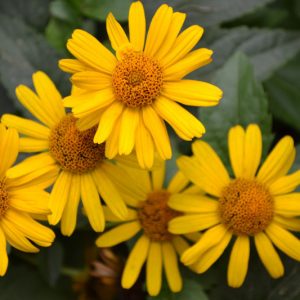
  • Rudbeckia triloba (Brown-Eyed Susan) – clouds of smaller daisies on branching stems. A powerhouse for naturalistic borders and cottage gardens.
  • Helianthus angustifolius (Swamp Sunflower) – tall, narrow leaved sunflower that erupts in golden blooms in fall. Dramatic in the back of a sunny border or near a fence.
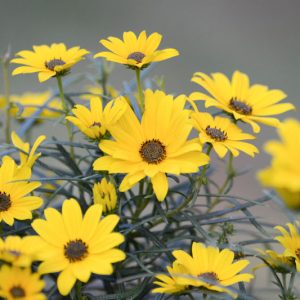
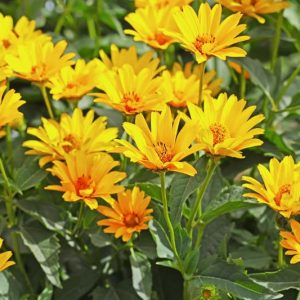
  • Heliopsis helianthoides (False Sunflower) – sturdy stems and long blooming yellow daisies. Ideal for low maintenance pollinator beds and cut flower gardens.
  • Helianthus tuberosus (Jerusalem Artichoke) – towering sunflower with edible tubers. Best for large spaces, naturalized areas, and sunny screens.
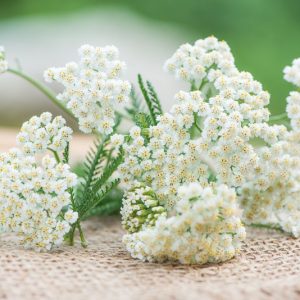
  • Achillea millefolium (White Yarrow) – flat white flower clusters over feathery foliage. Handles heat, drought, and poor soil while attracting butterflies and beneficial insects.

Meadow Style Wildflowers for Dry or Average Soil

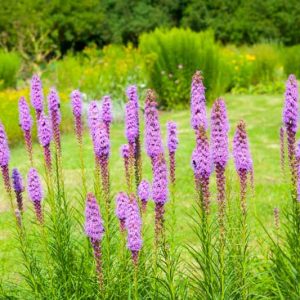
Liatris spicata (Blazing Star)
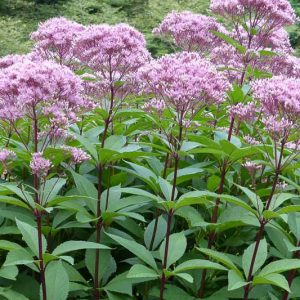
Eutrochium fistulosum (Joe-Pye Weed)
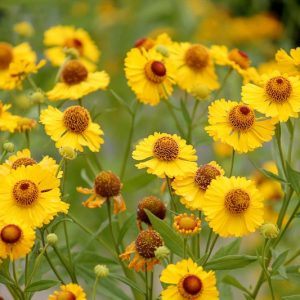
Helenium autumnale (Sneezeweed)
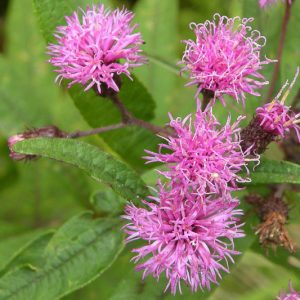
Vernonia noveboracensis (New York Ironweed)
Oligoneuron rigidum (Stiff Goldenrod)
Solidago nemoralis (Gray Goldenrod)
Solidago odora (Sweet Goldenrod)
Solidago rugosa (Rough Goldenrod)
Parthenium integrifolium (Wild Quinine)
Erigeron pulchellus (Robin’s Plantain)
Eryngium yuccifolium (Rattlesnake Master)

Create a sunny North Carolina prairie look with these tough, upright wildflowers. They pair beautifully with native grasses.

  • Liatris spicata (Blazing Star) – purple flower spikes that bloom from the top down. A magnet for butterflies, especially swallowtails and skippers.
  • Eutrochium fistulosum (Joe-Pye Weed) – tall, statuesque stems crowned with mauve flower heads. Loves moist soil but tolerates average garden conditions with regular watering.
  • Helenium autumnale (Sneezeweed) – late summer and fall daisies in shades of yellow and orange. Great for bridging the gap between summer and fall blooming perennials.
  • Vernonia noveboracensis (New York Ironweed) – rich purple flower clusters held high on strong stems. Excellent for back of the border drama and monarch nectar.
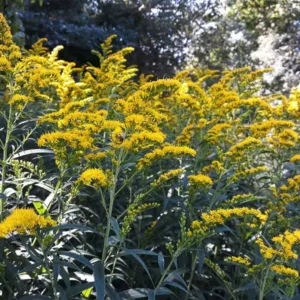
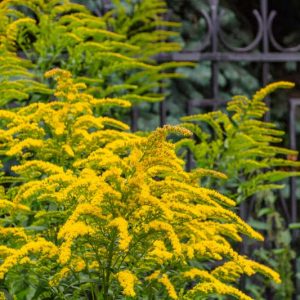
  • Oligoneuron rigidum (Stiff Goldenrod) – upright clumps with flat topped golden flower clusters. Resists flopping in windy sites and shines in late summer.
  • Solidago nemoralis (Gray Goldenrod) – compact goldenrod with arching sprays of yellow blooms. Perfect for smaller gardens and dry slopes.
  • Solidago odora (Sweet Goldenrod) – fragrant foliage and airy golden flowers. Leaves make a pleasant herbal tea and the plant is beloved by native pollinators.
  • Solidago rugosa (Rough Goldenrod) – vigorous goldenrod for rain gardens, wet meadows, and naturalized areas. Produces clouds of late season nectar.
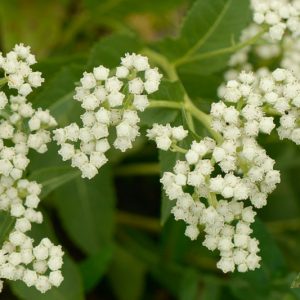
  • Parthenium integrifolium (Wild Quinine) – sturdy stems topped with white, fuzzy looking flower clusters. Adds texture and supports many tiny native wasps and bees.
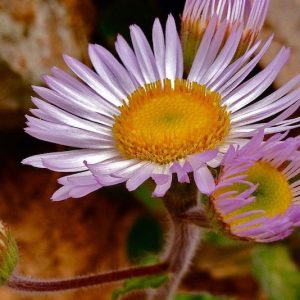
  • Erigeron pulchellus (Robin’s Plantain) – low rosettes with lavender daisy flowers in spring. Ideal as a native, semi evergreen groundcover in sunny or lightly shaded spots.
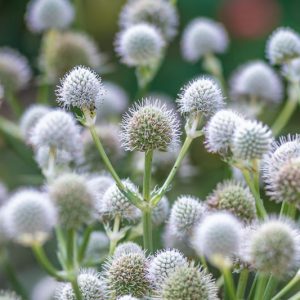
  • Eryngium yuccifolium (Rattlesnake Master) – spiky, grasslike foliage and spherical white flower heads loved by pollinators. A stunning architectural plant in modern or prairie style designs.

Wildflowers for Wet or Boggy Sunny Spots

Kosteletzkya virginica (Seashore Mallow)
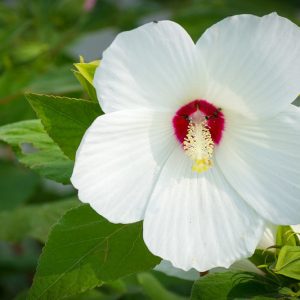
Hibiscus moscheutos (Hardy Hibiscus)
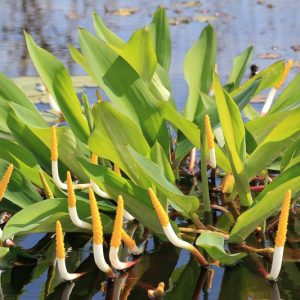
Orontium aquaticum (Golden Club)
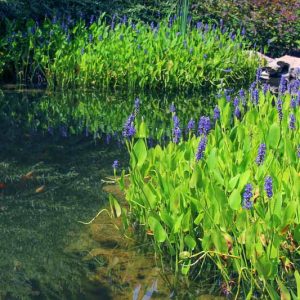
Pontederia cordata (Pickerel Weed)
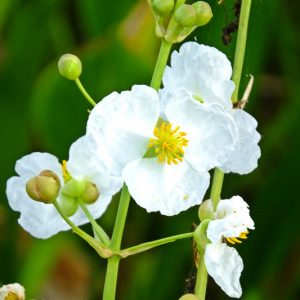
Sagittaria latifolia (American Arrowhead)
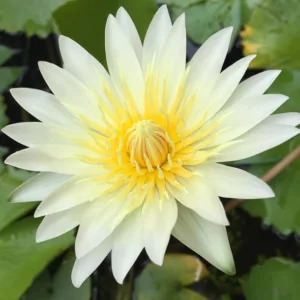
Nymphaea odorata (Fragrant Water Lily)
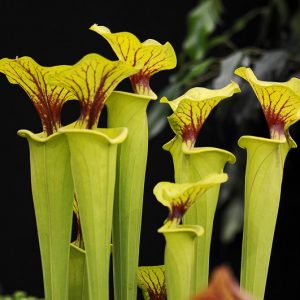
Sarracenia flava (Yellow Pitcher Plant)
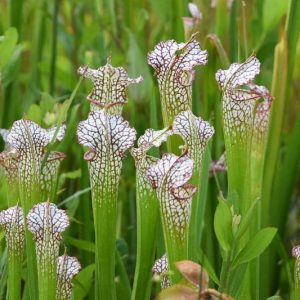
Sarracenia leucophylla (White-Topped Pitcher Plant)

If you have a rain garden, ditch, or low area that stays damp, these native wildflowers and bog plants will turn it into a wildlife hotspot.

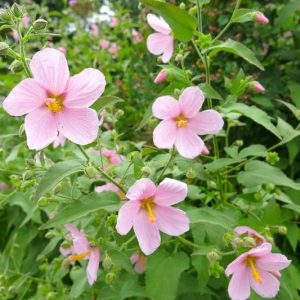
  • Kosteletzkya virginica (Seashore Mallow) – hibiscus relative with pink saucer flowers and strong salt tolerance. Excellent for coastal gardens and brackish edges.
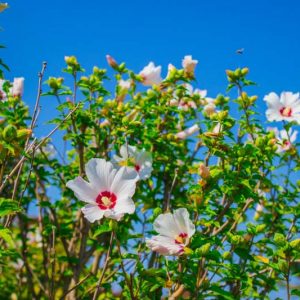
  • Hibiscus moscheutos (Hardy Hibiscus) – huge dinner plate blooms in shades of white, pink, and red. Thrives in wet soil along ponds or in large sunny beds.
  • Orontium aquaticum (Golden Club) – unique aquatic plant with golden tipped flower spikes and blue green leaves. Suited to shallow ponds and water gardens.
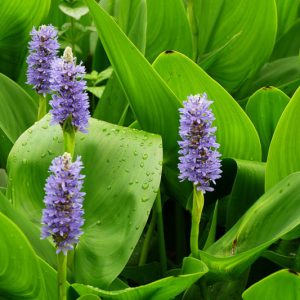
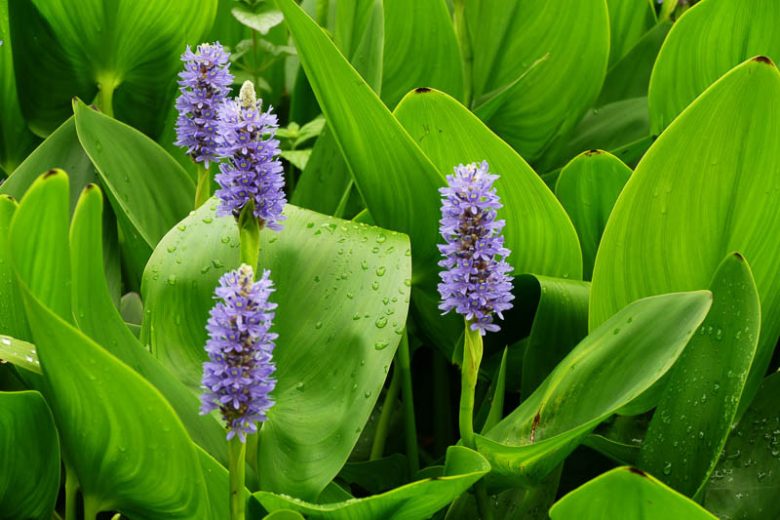
  • Pontederia cordata (Pickerel Weed) – bold heart shaped leaves and violet flower spikes that rise from shallow water. Attracts bees, dragonflies, and frogs.
  • Sagittaria latifolia (American Arrowhead) – arrow shaped foliage and white flowers over mud or shallow water. A great native replacement for non native water garden plants.
  • Nymphaea odorata (Fragrant Water Lily) – floating leaves and fragrant white water lily flowers. Ideal for calm ponds where you want native aquatic interest.
  • Sarracenia flava (Yellow Pitcher Plant) – carnivorous bog plant with tall yellow pitchers and spring flowers. Needs consistently moist, acidic, nutrient poor soil.
  • Sarracenia leucophylla (White-Topped Pitcher Plant) – dramatic white and red pitchers that glow backlit by the sun. Best in containers or bog gardens with rainwater or distilled water.

Accent and Edging Wildflowers for Sunny Borders

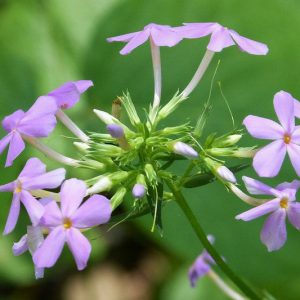
Phlox carolina (Carolina Phlox)
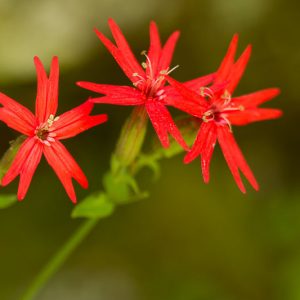
Silene virginica (Fire Pink)
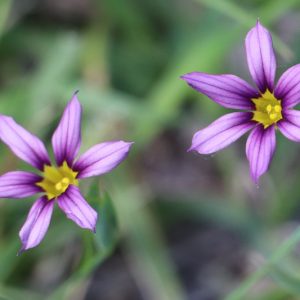
Sisyrinchium mucronatum (Needletip Blue-Eyed Grass)
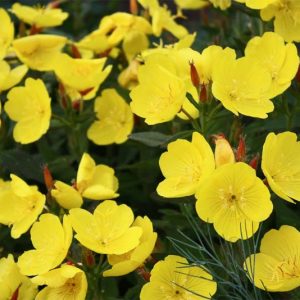
Oenothera fruticosa (Sundrops)
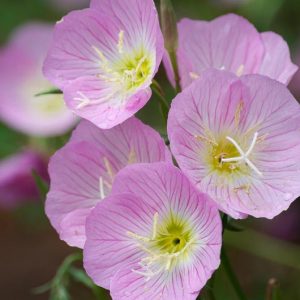
Oenothera speciosa (Evening Primrose)
Viola pedata (Bird’s Foot Violet)
Amsonia tabernaemontana (Blue Star)
Lobelia cardinalis (Cardinal Flower)

Use these smaller scale wildflowers to edge paths, fill gaps between shrubs, and add bursts of color near seating areas.

  • Phlox carolina (Carolina Phlox) – clusters of pink or lavender blooms on compact plants. Great for the front of the border and early summer color.
  • Silene virginica (Fire Pink) – brilliant red starry flowers that hummingbirds adore. Wants sharp drainage and at least half a day of sun.
  • Sisyrinchium mucronatum (Needletip Blue-Eyed Grass) – iris relative with grassy leaves and tiny blue flowers. Ideal for weaving through rock gardens or sunny lawns that are not mowed too short.
  • Oenothera fruticosa (Sundrops) – low mounds covered with bright yellow flowers in early summer. Excellent spilling over walls or edging gravel paths.
  • Oenothera speciosa (Evening Primrose) – pale pink cups that open in the evening and attract night flying moths. Spreads, so give it room or use in a wildflower meadow.
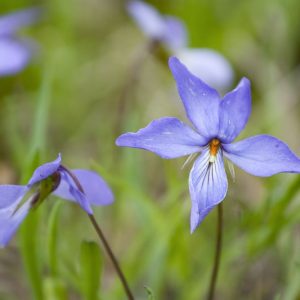
  • Viola pedata (Bird’s Foot Violet) – finely divided leaves and bicolored violet flowers in spring. Prefers lean, sandy soils and full sun to light shade.
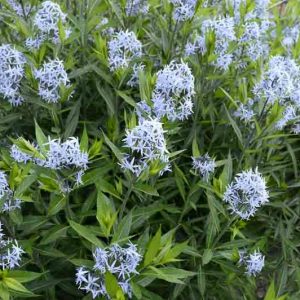
  • Amsonia tabernaemontana (Blue Star) – steel blue spring flowers and glowing golden fall foliage. A refined, long lived perennial for sunny borders.
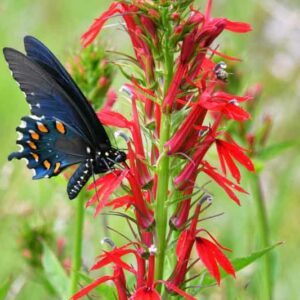
  • Lobelia cardinalis (Cardinal Flower) – intense red flower spikes that hummingbirds cannot resist. Likes consistently moist soil and full sun to part shade.

Design Tips for Sunny North Carolina Wildflower Gardens

To make these wildflowers shine, think like a landscape designer and like a pollinator.

  • Layer heights – place tall plants like Joe-Pye weed, ironweed, and swamp sunflower in the back, mid sized tickseeds and coneflowers in the middle, and ground hugging yarrow and sundrops up front.
  • Repeat key species – echo patches of butterfly milkweed, blazing star, or black eyed Susan throughout the bed for a cohesive, natural look.
  • Add native grasses – little bluestem, switchgrass, and broomsedge weave everything together, support tall stems, and glow in low evening light.
  • Water to establish – even drought tolerant wildflowers need regular moisture during their first season. After that, most will cruise through summer with minimal fuss.
  • Let a little wildness stay – allow some volunteers and reseeding. The slight shuffle from year to year keeps a native wildflower garden dynamic and wildlife friendly.


Explore More North Carolina Native Plants


Use the Plant Finder to Match Wildflowers to Your Site

Frequently Asked Questions

What makes a wildflower “native” to North Carolina?

A native wildflower is a species that evolved naturally in North Carolina without human introduction. These plants are adapted to local soils, climate, and wildlife, making them more resilient, lower maintenance, and ecologically valuable than many non native ornamentals.

Which native wildflowers grow best in full sun in North Carolina?

Many dependable sun loving natives thrive in North Carolina, including butterfly milkweed, swamp milkweed, black eyed Susan, New England aster, blazing star, Joe Pye weed, rattlesnake master, sundrops, seashore mallow, swamp sunflower, ironweed, stiff goldenrod, and Carolina phlox. Most bloom for long periods and support pollinators.

Are North Carolina wildflowers drought tolerant?

Many species, especially those from the Piedmont and Sandhills, are naturally drought tolerant. Examples include butterfly milkweed, lanceleaf coreopsis, threadleaf coreopsis, gray goldenrod, rattlesnake master, and white yarrow. Once established, these plants survive hot summers with minimal supplemental watering.

Which wildflowers attract the most butterflies and pollinators?

Milkweeds are essential for monarchs, while blazing star, Joe Pye weed, ironweed, swamp sunflower, black eyed Susan, goldenrods, and asters support a wide range of butterflies, bees, and beneficial insects. Planting multiple species that bloom from spring to fall provides a continuous nectar supply.

Do native wildflowers help birds and other wildlife?

Yes. Seed heads from coneflowers, sunflowers, and goldenrods feed goldfinches and other songbirds. Dense foliage shelters small wildlife, and many wildflowers host native caterpillars that birds rely on when raising young. Native plants create healthier, more diverse backyard ecosystems.

Do North Carolina wildflowers require special soil or fertilizer?

Most native wildflowers prefer well drained soils and perform best in lean, unimproved ground. Over fertilizing can cause tall species to flop or bloom less. Amending soil is usually unnecessary; simply loosen the planting area, mulch lightly, and water during establishment.

How long do native wildflowers bloom in North Carolina?

Bloom times vary widely, but many species offer long seasons of color. Rudbeckias, goldenrods, blazing stars, and Joe Pye weed provide weeks to months of flowers. By mixing early, mid season, and fall bloomers, you can maintain color from April through October.

Are North Carolina wildflowers good for rain gardens?

Several thrive in moist or periodically wet soil, including swamp milkweed, Joe Pye weed, seashore mallow, pickerel weed, hardy hibiscus, and swamp sunflower. These species tolerate fluctuating moisture while stabilizing soil and filtering runoff.

How do I keep wildflower gardens looking tidy?

Cut back spent stems in early spring, remove overly aggressive reseeders if needed, and group plants in drifts for a deliberate design. Leaving seed heads through winter provides wildlife food and adds visual interest, then tidy the garden during seasonal cleanup.

References

Updated: November 2025 • Reviewed by Gardenia Editors

Recommended Guides

Great Pollinator Plants for North Carolina
Monarch Nectar Plants for North Carolina
North Carolina Native Shrubs that Attract Wildlife
Shade-Loving Native Shrubs for North Carolina
Native Vines for North Carolina
Native Ferns for North Carolina
Native Grasses for North Carolina
50 Native Wildflowers for North Carolina
Native Groundcovers for North Carolina
36 North Carolina Wildflowers for Sunny Gardens
33 North Carolina Wildflowers for the Shade Garden
North Carolina Native Trees with Showy Flowers or Fruits
North Carolina Native Shrubs with Showy Flowers or Fruits
North Carolina Native Trees for Dry Sites
North Carolina Native Shrubs for Dry Sites
North Carolina Native Trees that Attract Wildlife
Native Evergreen Trees for North Carolina
Native Deciduous Trees for North Carolina
Sun-Loving Native Shrubs for North Carolina
Invasive Plant Species in North Carolina
Native Annuals and Perennials for North Carolina Mountain Region
Native Shrubs for North Carolina Mountain Region
Native Trees for North Carolina Mountain Region
Explore Great Plant Combination Ideas
Middle South Lower South
While every effort has been made to describe these plants accurately, please keep in mind that height, bloom time, and color may differ in various climates. The description of these plants has been written based on numerous outside resources.

Guide Information

Plant Type Annuals, Perennials
Exposure Full Sun
Native Plants North Carolina, Southeast, United States
Explore Great Plant Combination Ideas
Middle South Lower South

Related Items

Please Login to Proceed

You Have Reached The Free Limit, Please Subscribe to Proceed

Subscribe to Gardenia

To create additional collections, you must be a paid member of Gardenia
  • Add as many plants as you wish
  • Create and save up to 25 garden collections
Become a Member

Plant Added Successfully

Your garden is taking shape. Unlock full planning.

You’ve reached the free limit. Upgrade for $25/year to add as many plants as you wish and save up to 25 garden collections. Unlock Annual Membership

Update Your Credit
Card Information

Cancel

Create a New Collection

Sign Up to Our Newsletter

    You have been subscribed successfully

    Join Gardenia.net

    Create a membership account to save your garden designs and to view them on any device.

    Becoming a contributing member of Gardenia is easy and can be done in just a few minutes. If you provide us with your name, email address and the payment of a modest $25 annual membership fee, you will become a full member, enabling you to design and save up to 25 of your garden design ideas.

    Join now and start creating your dream garden!

    Join Gardenia.net

    Create a membership account to save your garden designs and to view them on any device.

    Becoming a contributing member of Gardenia is easy and can be done in just a few minutes. If you provide us with your name, email address and the payment of a modest $25 annual membership fee, you will become a full member, enabling you to design and save up to 25 of your garden design ideas.

    Join now and start creating your dream garden!
    Find your Hardiness Zone

    Find your Heat Zone

    Find your Climate Zone