Create Your Garden

Native Evergreen Trees for North Carolina

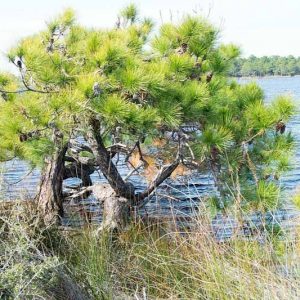
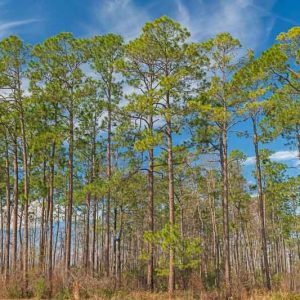
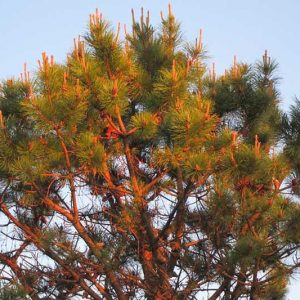
North Carolina's native evergreen trees provide year-round greenery and habitat for wildlife. Key species include the towering Eastern White Pine, known for its straight trunk; the resilient Eastern Red Cedar, valued for its aromatic wood; and the stately Southern Pine, offering a classic southern landscape appeal and excellent wildlife cover.
Native Plants, Native Evergreen Trees, North Carolina Native Evergreen Trees, North Carolina Native Trees

Native Evergreen Trees for North Carolina – Year Round Green For Wildlife Friendly Yards

Dreaming of a landscape that still looks alive in January, a driveway framed by glossy foliage, or a living screen that hides the neighbor’s shed all year long? Native evergreen trees for North Carolina deliver four season structure, deep green color, and excellent wildlife habitat. From coastal live oaks and hollies to mountain white pines and red cedars, these trees are built for local soils, storms, and summers.

North Carolina Evergreen Tree Quick Start

  • Decide what you need most – privacy screen, shade tree, wildlife magnet, or a specimen tree near the front door. Loblolly pine and live oak make big shade, while American holly and Eastern red cedar shine in tighter spaces.
  • Match evergreen to region and soil – Check whether your site is dry upland, average clay, or seasonally soggy before planting.
  • Plan for mature size – many native evergreens get tall. Give pines and live oaks plenty of room away from roofs, wires, and septic fields, and reserve compact hollies or red cedars for foundation and corner plantings.
  • Plant small, water deeply – younger container trees suffer less transplant shock than huge field dug specimens. Water slowly and deeply for the first one to two growing seasons so roots explore native soil.
  • Mulch wide, not deep – a 2 to 3 inch ring of pine needles, shredded leaves, or wood chips keeps soil cooler and moister. Keep mulch a few inches back from the trunk to avoid rot and pests.

North Carolina Regions At A Glance For Native Evergreen Trees

From spruce fir ridges and cove forests to longleaf pine savannas and maritime live oak groves, evergreen trees are part of every North Carolina region. Choosing species that naturally occur in or near your part of the state makes success much easier.

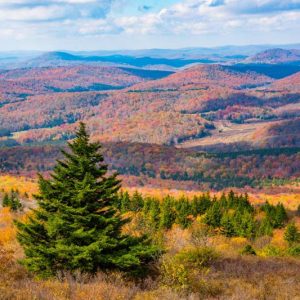
  • Mountains and high valleys – cooler nights, sloping land, and generally acidic forest soils. Good evergreen choices include Pinus strobus (Eastern White Pine), Picea rubens in higher elevations where appropriate, Tsuga canadensis (Eastern Hemlock, in areas not heavily impacted by hemlock woolly adelgid), and broadleaf evergreens like Ilex opaca (American Holly) in sheltered coves.
  • Piedmont hills and urban lots – heavy red clay, hot summers, and plenty of full sun sites. Workhorse natives include Pinus taeda (Loblolly Pine), Pinus echinata (Shortleaf Pine), Juniperus virginiana (Eastern Red Cedar), and American Holly. In larger spaces, consider groupings of pines backed by red cedar and hollies for year round screens.
  • Sandhills and dry uplands – deep, fast draining sands that heat up quickly. Signature evergreens include Pinus palustris (Longleaf Pine), Pinus virginiana (Virginia Pine), Eastern Red Cedar on old fields, and scattered American Hollies in mixed pine oak woods.
  • Coastal plain, wetlands, and maritime forests – high humidity, wind, and sometimes salt exposure. Choose Quercus virginiana (Live Oak), semi evergreen Quercus hemisphaerica (Darlington Oak), Juniperus virginiana, and American Holly for sheltered or inland sites.

Walk your property in winter when deciduous trees are bare. Where do you want privacy, wind protection, or a green view from kitchen windows? Those are prime spots for native evergreen trees that fit your region and soil.

Best Native Evergreen Trees For North Carolina Landscapes

Use this list as a menu of dependable native evergreen trees that hold their foliage, stabilize soil, and feed wildlife across North Carolina. Mix conifers such as pines and cedars with broadleaf evergreens like holly and live oak for varied texture and habitat.

Guide Information

Plant Type Trees
Characteristics Evergreen
Native Plants North Carolina, Southeast, United States
Abies fraseri (Fraser Fir)
Chamaecyparis thyoides (Atlantic White Cedar)
Cyrilla racemiflora (Titi)
Gordonia lasianthus (Loblolly Bay)
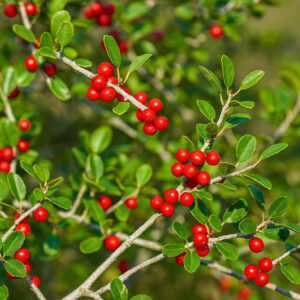
Ilex cassine (Dahoon)
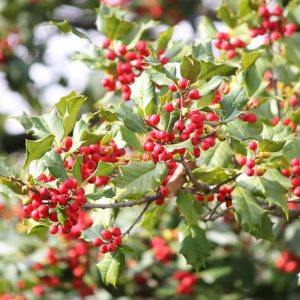
Ilex opaca (American Holly)
Ilex vomitoria (Yaupon Holly)
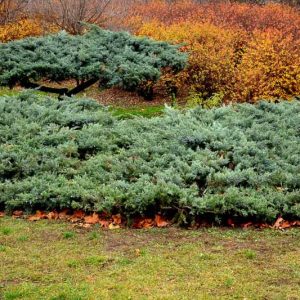
Juniperus communis (Common Juniper)
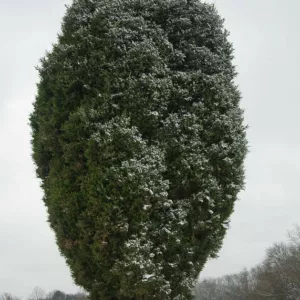
Juniperus virginiana (Eastern Red Cedar)
Magnolia grandiflora (Southern Magnolia)
Magnolia virginiana (Sweet Bay Magnolia)
Picea rubens (Red Spruce)
Pinus echinata (Shortleaf Pine)
Pinus elliottii (Slash Pine)
Pinus palustris (Longleaf Pine)
Pinus pungens (Table Mountain Pine)
Pinus rigida (Pitch Pine)
Pinus strobus (Eastern White Pine)
Pinus taeda (Loblolly Pine)
Pinus virginiana (Virginia Pine)
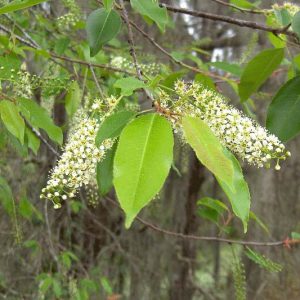
Prunus caroliniana (Carolina Cherry Laurel)
Quercus virginiana (Live Oak)
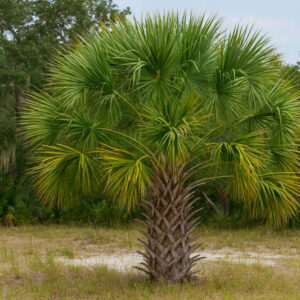
Sabal palmetto (Cabbage Palm)
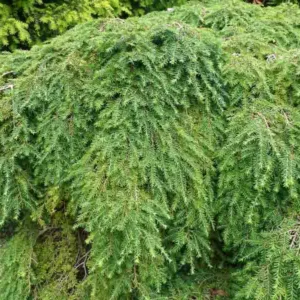
Tsuga canadensis (Eastern Hemlock)

Easy Pattern Recipes For Evergreen Native Tree Plantings

Wind Blocking Pine And Cedar Screen: Along a property line exposed to winter winds, alternate rows of Pinus taeda (Loblolly Pine) or Pinus echinata (Shortleaf Pine) with clumps of Juniperus virginiana (Eastern Red Cedar). Pines provide fast height and shade, while red cedar thickens the lower screen and offers berries for birds.

Classic Longleaf Pine Savanna Look: On sandy soils in the Sandhills or coastal plain, group widely spaced Pinus palustris (Longleaf Pine) over a ground layer of wiregrass and native wildflowers. Add occasional Quercus laevis (Turkey Oak) or Quercus hemisphaerica (Darlington Oak) for added structure and fall color.

Evergreen Wildlife Corner: In a back corner that borders woods or fields, combine Ilex opaca (American Holly), Eastern Red Cedar, and a few loblolly or shortleaf pines. Hollies and cedars supply berries and dense cover, while pines provide nesting sites and winter roosting spots for songbirds.

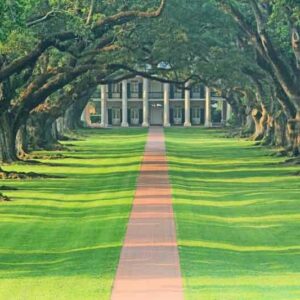
Coastal Live Oak And Holly Grove: Near the coast on better drained sites, plant a loose grove of Quercus virginiana (Live Oak) underplanted with American Holly and wax myrtle or other native shrubs. You get sculptural evergreen branches, deep shade, and excellent wind resistance in storms.

Why Choose Native Evergreen Trees In North Carolina?

Imported evergreen trees such as Leyland cypress, some arborvitae, and exotic hollies may grow quickly but often struggle with disease, storm damage, or poor wildlife value in North Carolina. Native evergreen trees evolved with our soils, rainfall patterns, and wildlife, so they tend to be sturdier, longer lived, and more ecologically useful.

  • Climate adapted – native pines, live oaks, hollies, and red cedars handle humid summers, variable rainfall, and occasional ice or wind storms in USDA zones 6 to 9.
  • Wildlife habitat – evergreen trees provide winter cover, nesting sites, and food. Hollies and red cedars produce berries, pines supply seeds and roosting spots, and live oaks host hundreds of native caterpillar species.
  • Year round structure – evergreens anchor foundation beds and property edges when deciduous trees are bare. They frame views, screen utilities, and give your landscape bones in every season.
  • Lower maintenance – properly sited native evergreen trees generally need only occasional structural pruning and no routine fertilizing. They coexist better with local insects and fungi than many exotic evergreens.
  • Sense of place – longleaf pine silhouettes, live oak canopies, and American holly berries instantly connect your landscape to the forests, farms, and coastal hammocks of North Carolina.

Tip: Avoid planting fast growing non native evergreens shoulder to shoulder for instant privacy. A staggered mix of native pines, cedars, and hollies may take a little longer to fill in but usually lasts decades longer with fewer disease problems.

Native Evergreen Trees For North Carolina To Know

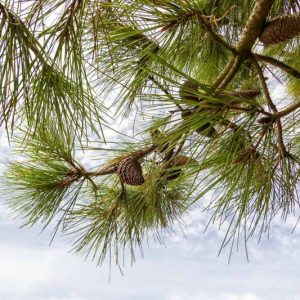
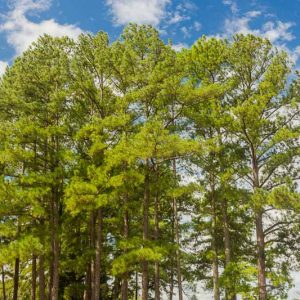
  • Pinus taeda (Loblolly Pine) – fast growing conifer common across the Piedmont and coastal plain, with long needles and an upright form. Useful for screens, windbreaks, and reforestation on a wide range of soils.
  • Pinus echinata (Shortleaf Pine) – medium sized pine with shorter needles and smaller cones than loblolly. More tolerant of rocky or thin upland soils and a good choice where you want a slightly smaller native pine.
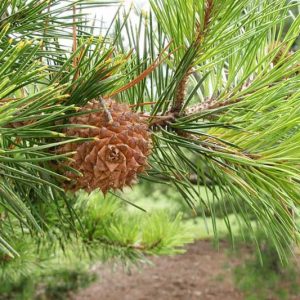
  • Pinus palustris (Longleaf Pine) – iconic Sandhills and coastal plain tree with long needles and large cones. Extremely fire adapted and best on well drained sandy soils in full sun.
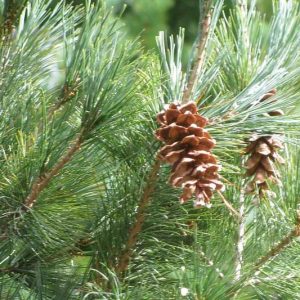
  • Pinus strobus (Eastern White Pine) – soft needled pine suited to cooler mountain and upper Piedmont sites. Grows quickly into a tall, graceful tree that prefers well drained, slightly acidic soils.
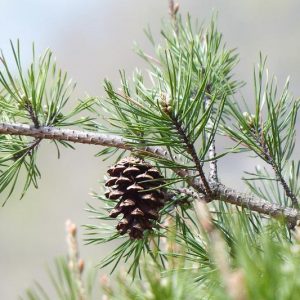
  • Pinus virginiana (Virginia Pine) – smaller, rugged pine often found on old fields and dry slopes. Useful for reclamation projects and naturalistic plantings where a tough, scrappy evergreen is needed.
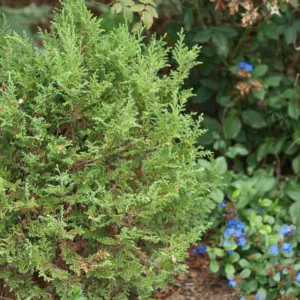
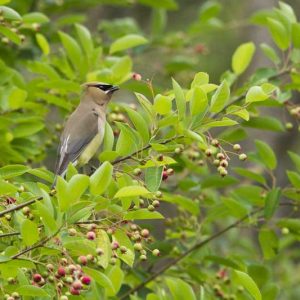
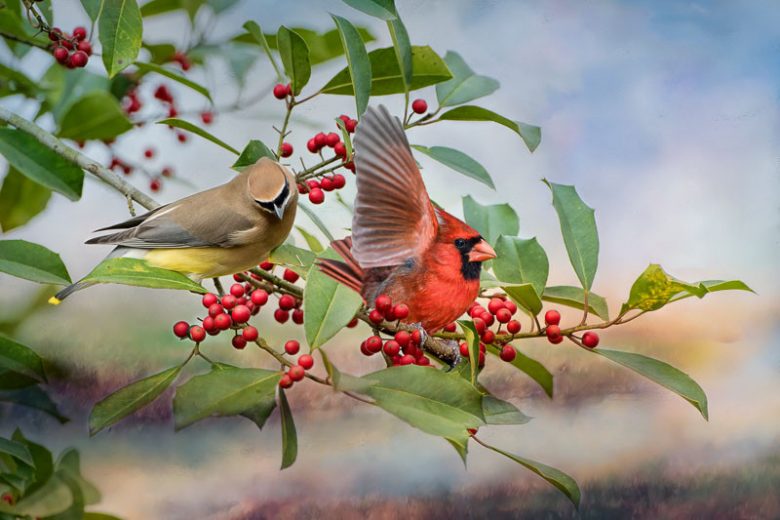
  • Juniperus virginiana (Eastern Red Cedar) – dense, aromatic evergreen with blue berry like cones beloved by cedar waxwings. Excellent for windbreaks, wildlife cover, and natural screens on dry or average soils.
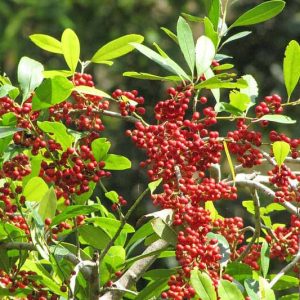
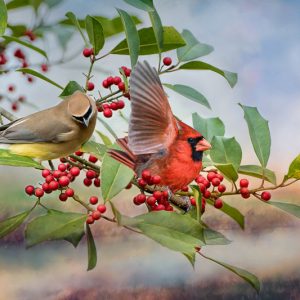
  • Ilex opaca (American Holly) – broadleaf evergreen tree with glossy spined leaves and bright red berries on female plants. Ideal as a specimen tree, tall hedge, or woodland evergreen in part shade to sun.
  • Quercus virginiana (Live Oak) – majestic coastal plain oak that keeps most of its leathery leaves through winter. Wide spreading limbs, high wind resistance, and tremendous wildlife value make it a signature tree in eastern North Carolina.
  • Quercus hemisphaerica (Darlington Oak) – semi evergreen oak native to the coastal plain, often holding leaves well into winter. Faster growing than live oak and adaptable to many sandy or loamy soils.
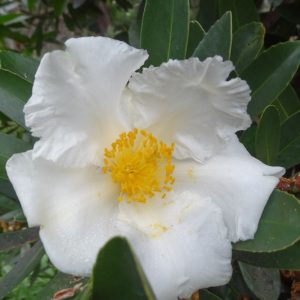
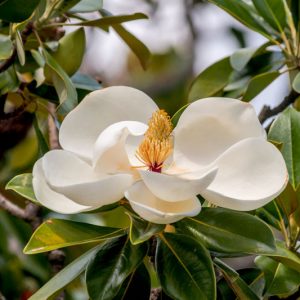
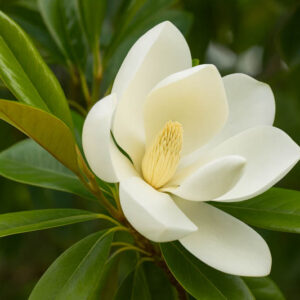
  • Magnolia grandiflora (Southern Magnolia) – large broadleaf evergreen with huge white summer flowers and glossy leaves. Native to the Southeast and naturally occurring in parts of eastern North Carolina, best in rich, well drained, slightly acidic soils.

Bringing Native Evergreen Trees Into Your North Carolina Design

Start by sketching your lot and marking key views – the patio, driveway, property lines, and windows where you want a green backdrop. Place large evergreen shade trees like loblolly pine, longleaf pine, live oak, or white pine where they can grow safely away from structures but still cast cooling shade.

Closer to the house, use American hollies, Eastern red cedars, devilwood, and smaller pines as vertical accents and privacy screens. Combine broadleaf evergreens with deciduous flowering trees and native shrubs so your landscape never looks flat or stiff. Underplant with shade tolerant natives such as doghobble, inkberry holly, or ferns in woodland zones, and with grasses or wildflowers in sunny areas. Within a decade, your yard can mature into a layered, wildlife rich North Carolina landscape that stays green and inviting all year.

Discover More North Carolina Native Plants

Plant Finder

Frequently Asked Questions

What are some common native evergreen trees for North Carolina home landscapes?

Widely used native evergreens include Pinus taeda (loblolly pine), Pinus echinata (shortleaf pine), Pinus palustris (longleaf pine) on sandy soils, Pinus strobus (eastern white pine) in cooler mountain and upper Piedmont areas, Pinus virginiana (Virginia pine) on dry uplands, Juniperus virginiana (eastern red cedar), Ilex opaca (American holly), Quercus virginiana (live oak) on the coastal plain, Quercus hemisphaerica (Darlington oak), and Magnolia grandiflora (southern magnolia) in the southeast. All are native somewhere in North Carolina and provide reliable year round foliage.

Which native evergreen trees are best for privacy screens and windbreaks?

For tall screens in full sun, loblolly pine, shortleaf pine, and Virginia pine can be planted in staggered rows and mixed with clumps of eastern red cedar to fill in the lower part of the screen. Eastern red cedar alone makes an excellent dense windbreak on dry or average soils. In smaller yards, American holly rows or mixed plantings of hollies and cedars create long lived, wildlife friendly privacy hedges that usually outlast fast growing non native conifers such as Leyland cypress.

Are there native evergreen trees small enough for urban or suburban yards?

Yes. American holly can be maintained as a medium sized specimen or tall hedge with selective pruning, and many cultivars stay relatively narrow. Eastern red cedar naturally ranges from medium to large but can be used as a single accent or in small groups. Devilwood (Osmanthus americanus) is a native broadleaf evergreen tree or large shrub that stays modest in size. Virginia pine and some longleaf pines fit on moderate lots if planted well away from roofs and pavements and allowed to develop their natural form.

Which native evergreens tolerate sandy, droughty soils, and which prefer moist sites?

Longleaf pine, Virginia pine, shortleaf pine, loblolly pine, and eastern red cedar all handle relatively dry or sandy soils once established, making them good choices for Sandhills and upland sites. Live oak and Darlington oak prefer better drained coastal plain soils and tolerate periodic drought. In contrast, swamp bay, and redbay favor moist to wet, acidic soils along streams, in swales, or near ponds, and American holly performs best in soils that hold some moisture but still drain between rains.

How fast do native evergreen trees grow, and how long do they live?

Growth rates vary by species and site. Loblolly pine, shortleaf pine, and Virginia pine are relatively fast, often adding 1 to 2 feet of height per year in good conditions and reaching useful screening height within a decade. Longleaf pine grows slowly in its early “grass stage” but becomes long lived and storm resistant. American holly, live oak, and southern magnolia grow more slowly but can live for many decades or even centuries, especially in undisturbed sites with room for their full crowns.

Which native evergreen trees are especially valuable for wildlife in North Carolina?

Eastern red cedar and American holly produce berry like fruits that feed many songbirds and small mammals through fall and winter while also providing dense cover for nesting and roosting. Pines supply seeds for birds and small mammals and support numerous insects that in turn feed wildlife. Live oaks host a particularly high diversity of native caterpillars, which are critical food for nesting birds. Mixed plantings of pines, red cedars, hollies, and live oaks create excellent year round habitat.

Are native evergreen trees a better choice than non native evergreens such as Leyland cypress?

In most North Carolina landscapes, native evergreens are a more sustainable long term choice. Species like loblolly pine, longleaf pine, eastern red cedar, American holly, and live oak are adapted to local pests, diseases, and weather patterns and typically live longer with fewer problems. Leyland cypress and some non native spruces often grow quickly at first but can suffer from canker diseases, root problems, and breakage, especially when planted too close together in narrow screens.

References

Updated: November 2025 • Reviewed by Gardenia Editors

Recommended Guides

Great Pollinator Plants for North Carolina
Monarch Nectar Plants for North Carolina
North Carolina Native Shrubs that Attract Wildlife
Shade-Loving Native Shrubs for North Carolina
Native Vines for North Carolina
Native Ferns for North Carolina
Native Grasses for North Carolina
50 Native Wildflowers for North Carolina
Native Groundcovers for North Carolina
36 North Carolina Wildflowers for Sunny Gardens
33 North Carolina Wildflowers for the Shade Garden
North Carolina Native Trees with Showy Flowers or Fruits
North Carolina Native Shrubs with Showy Flowers or Fruits
North Carolina Native Trees for Dry Sites
North Carolina Native Shrubs for Dry Sites
North Carolina Native Trees that Attract Wildlife
Native Evergreen Trees for North Carolina
Native Deciduous Trees for North Carolina
Invasive Plant Species in North Carolina
Sun-Loving Native Shrubs for North Carolina
Native Annuals and Perennials for North Carolina Mountain Region
Native Shrubs for North Carolina Mountain Region
Native Trees for North Carolina Mountain Region
Explore Great Plant Combination Ideas
Middle South Lower South
While every effort has been made to describe these plants accurately, please keep in mind that height, bloom time, and color may differ in various climates. The description of these plants has been written based on numerous outside resources.

Guide Information

Plant Type Trees
Characteristics Evergreen
Native Plants North Carolina, Southeast, United States
Explore Great Plant Combination Ideas
Middle South Lower South

Related Items

Please Login to Proceed

You Have Reached The Free Limit, Please Subscribe to Proceed

Subscribe to Gardenia

To create additional collections, you must be a paid member of Gardenia
  • Add as many plants as you wish
  • Create and save up to 25 garden collections
Become a Member

Plant Added Successfully

Your garden is taking shape. Unlock full planning.

You’ve reached the free limit. Upgrade for $25/year to add as many plants as you wish and save up to 25 garden collections. Unlock Annual Membership

Update Your Credit
Card Information

Cancel

Create a New Collection

Sign Up to Our Newsletter

    You have been subscribed successfully

    Join Gardenia.net

    Create a membership account to save your garden designs and to view them on any device.

    Becoming a contributing member of Gardenia is easy and can be done in just a few minutes. If you provide us with your name, email address and the payment of a modest $25 annual membership fee, you will become a full member, enabling you to design and save up to 25 of your garden design ideas.

    Join now and start creating your dream garden!

    Join Gardenia.net

    Create a membership account to save your garden designs and to view them on any device.

    Becoming a contributing member of Gardenia is easy and can be done in just a few minutes. If you provide us with your name, email address and the payment of a modest $25 annual membership fee, you will become a full member, enabling you to design and save up to 25 of your garden design ideas.

    Join now and start creating your dream garden!
    Find your Hardiness Zone

    Find your Heat Zone

    Find your Climate Zone