Create Your Garden

Monarch Nectar Plants for North Carolina

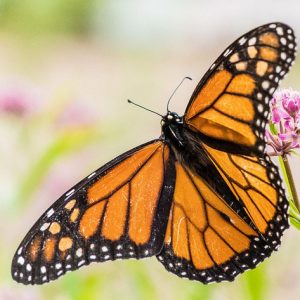
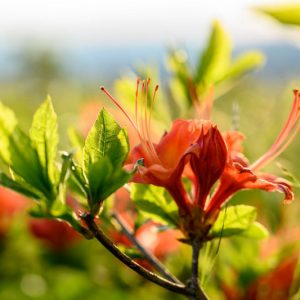
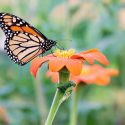
Fill your North Carolina garden with movement and color by planting native monarch flowers. Mix milkweeds for hungry caterpillars with blazing star, mountainmints, asters and goldenrods for nonstop nectar. From coastal sand to mountain clay, these tough natives turn ordinary beds into migration waystations buzzing with life.
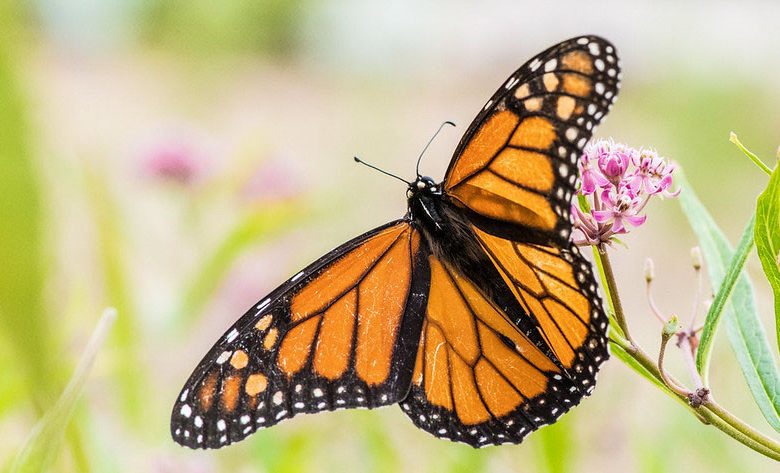
Monarch Butterflies, Monarch Plants, Pollinator Plants, Butterfly Plants, Hummingbird Plants, Bee Plants, Southeast Plants, North Carolina Native Plants, Native Plants

Monarch Nectar Plants for North Carolina – A Bloom by Bloom Game Plan

From windswept Outer Banks dunes and longleaf pine savannas to Piedmont farms and cool mountain valleys, North Carolina sits right on the monarch superhighway. If you want more monarch butterflies floating through your yard, the recipe is simple and fun: plant native milkweeds for hungry caterpillars, then keep a parade of nectar rich wildflowers blooming from spring through fall. The plants below follow the Xerces Mid Atlantic Monarch Nectar Plants guide and are all native to North Carolina.

North Carolina Monarch Garden at a Glance

  • Right state, right list – these nectar plants come from the Mid Atlantic Xerces list and perform from the coastal plain to the Blue Ridge.
  • Start with native milkweed – mix Asclepias syriaca in rough sunny spots, swamp milkweed for moist soil, and butterfly milkweed for hot, well drained beds.
  • Layer bloom across seasons – combine early, mid, and late flowers so monarchs find fuel from April through November.
  • Plant in generous clumps – groups of three to seven of the same plant are easier for butterflies to spot and look great along fences and paths.
  • Go pesticide free – skip systemic insecticides and ask nurseries how plants are treated before you buy.

Milkweed First

Milkweed is the nursery for monarch caterpillars and still a good nectar source for adults. In North Carolina, these species form the backbone of any monarch habitat planting:

  • Common milkweed (Asclepias syriaca) – tall, tough, and fragrant, perfect for sunny meadows, old fields, and the back of mixed borders.
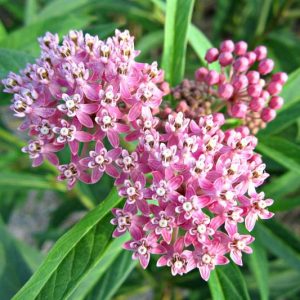
  • Swamp milkweed (A. incarnata) – thrives in rain gardens, pond edges, and any soil that stays evenly moist. Team it with Joe Pye weed for a high rise monarch buffet.
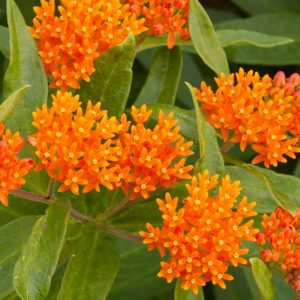
  • Butterfly milkweed (A. tuberosa) – blazing orange clusters on drought tolerant plants that love roadside style heat and poor soil.
A quick caution about tropical milkweed (Asclepias curassavica) – it is not native to North Carolina and can disrupt migration while increasing parasite problems. Stick with native milkweeds for healthier monarchs.

Nectar All Season

Adult monarchs need nectar every time they pass through North Carolina, whether they are breeding in summer or migrating in fall. Use the plants below to keep the buffet open without gaps.

Summer kickoff – first waves of monarchs and lots of other pollinators arrive as weather warms:

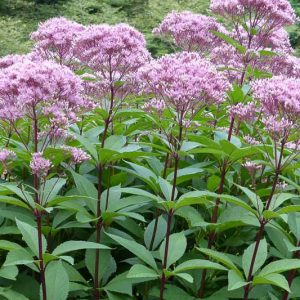
  • Joe Pye weed (Eutrochium fistulosum) – towering pink panicles that love moist soil and attract butterflies from across the yard.
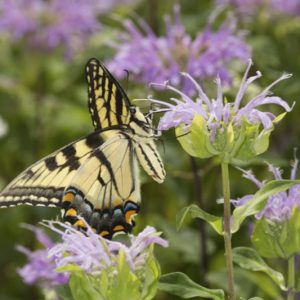
  • Wild bergamot (Monarda fistulosa) – bee balm cousin with lavender pink flowers that pull in bees, hummingbirds, and monarchs.
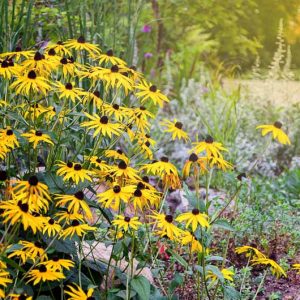
  • Black eyed Susan (Rudbeckia hirta) – sunny yellow daisies that may behave as annuals or biennials and happily reseed in open soil.

Summer through fall workhorses – plants that bridge the long growing season in most of North Carolina:

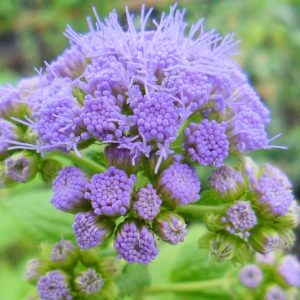
  • Blue mistflower (Conoclinium coelestinum) – clouds of soft blue that glow in afternoon light. Great in rain gardens and along creek banks.
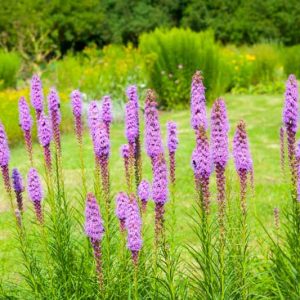
  • Dense blazing star (Liatris spicata) – vertical purple wands that butterflies swarm. Perfect with grasses and coneflowers.
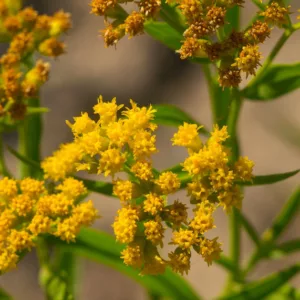
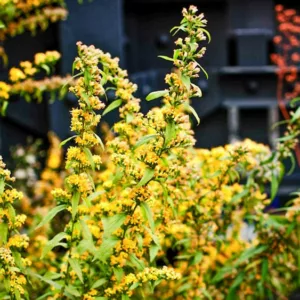
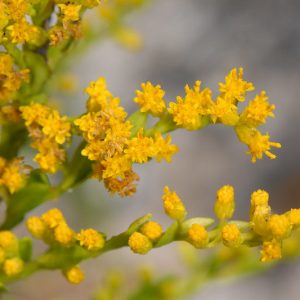
  • Flat top goldentop (Euthamia graminifolia) – airy sprays of yellow that buzz with native bees and small wasps.
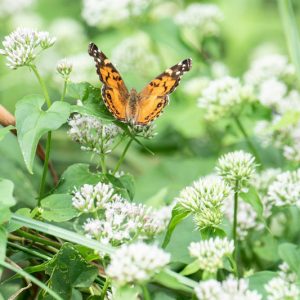
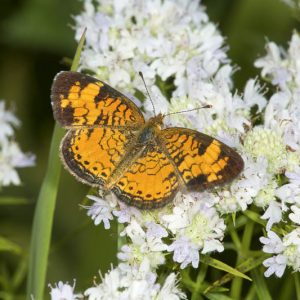
  • Narrowleaf mountainmint (Pycnanthemum tenuifolium) – mint scented foliage and white tufted blooms that draw an incredible variety of pollinators.
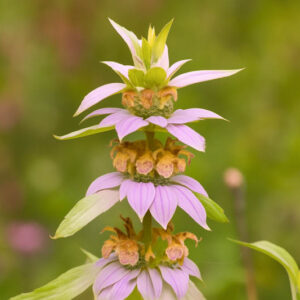
  • Spotted beebalm (Monarda punctata) – funky layered bracts in cream, pink, and yellow on a drought tolerant wildflower for sandy beds.
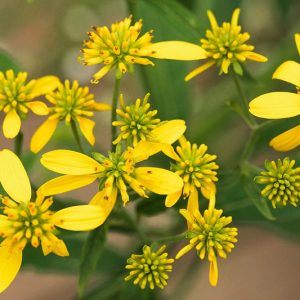
  • Wingstem (Verbesina alternifolia) – tall yellow daisies that buzz with insects and keep nectar flowing through late summer.

Fall top ups – key plants for southbound migrants that pour through North Carolina from August into November:

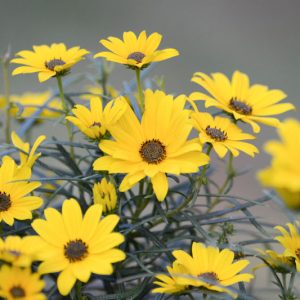
  • Narrowleaf sunflower (Helianthus angustifolius) – one of the last native sunflowers to bloom, excellent in wet ditches, pond margins, and rain gardens.
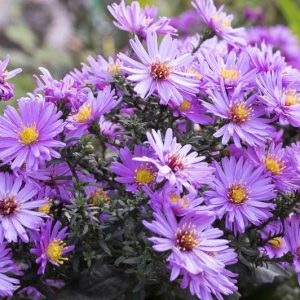
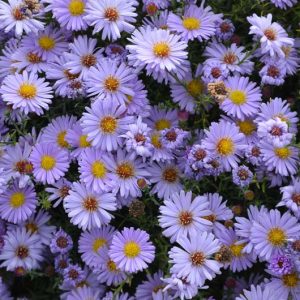
  • New England aster (Symphyotrichum novae angliae) – tall, purple flowered aster that explodes with color as nights cool.
  • Smooth blue aster (Symphyotrichum laeve) – sky blue petals and yellow centers that make a beautiful partner to goldenrods.
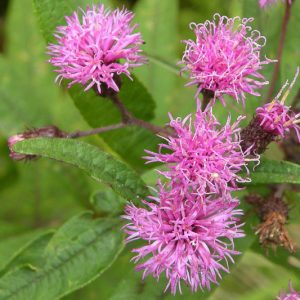
  • New York ironweed (Vernonia noveboracensis) – deep purple flower clusters on tall stems that love rich, moist soil.
  • Seaside goldenrod (Solidago sempervirens) – coastal champion that shrugs off salt and sand while feeding monarchs passing along the shore.
  • Wreath goldenrod (Solidago caesia) – elegant goldenrod for woodland edges and bright shade, with flowers tucked along arching stems.

Shrubs, Vines, and Trees for Structure

These native shrubs and vines keep your planting from looking like a random wildflower patch and deliver nectar and shelter on a larger scale.

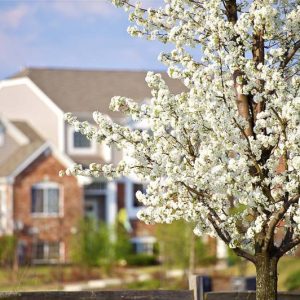
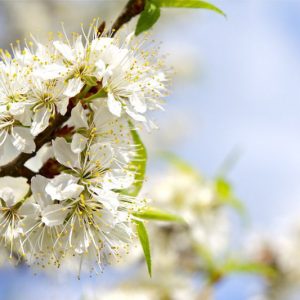
  • Wild plum (Prunus americana) – white spring blossoms for early pollinators and tasty fruit for wildlife and people.
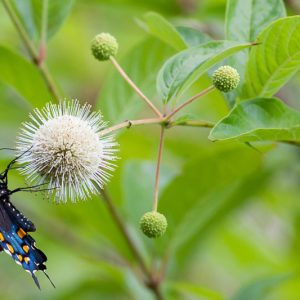
  • Buttonbush (Cephalanthus occidentalis) – spherical flower balls that butterflies absolutely mob. Ideal for ponds, swales, and low spots.
  • Climbing hempvine (Mikania scandens) – a gentle native vine for fences and shrub edges that provides abundant late season nectar.
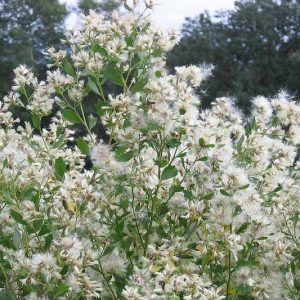
  • Eastern baccharis (Baccharis halimifolia) – salt tolerant shrub for coastal sites, with fluffy white seed heads that follow late nectar rich blooms.

Guide Information

Genus Asclepias
Native Plants North Carolina, Southeast, United States
Attracts Birds, Butterflies, Hummingbirds

Monarch Nectar Plants for North Carolina

Asclepias incarnata (Swamp Milkweed)
Asclepias syriaca (Common Milkweed)
Asclepias tuberosa (Butterfly Milkweed)
Aster novae-angliae (New England Aster)
Baccharis halimifolia (Eastern Baccharis)
Cephalanthus occidentalis (Buttonbush)
Conoclinium coelestinum (Blue Mistflower)
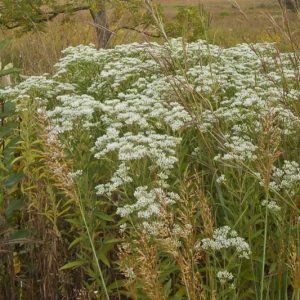
Eupatorium perfoliatum (Common Boneset)
Euthamia graminifolia (Grass-Leaved Goldenrod)
Eutrochium fistulosum (Joe-Pye Weed)
Helianthus angustifolius (Swamp Sunflower)
Liatris spicata (Blazing Star)
Mikania scandens (Climbing Hempvine)
Monarda fistulosa (Wild Bergamot)
Monarda punctata (Spotted Bee Balm)
Prunus americana (American Plum)
Pycnanthemum tenuifolium (Narrowleaf Mountain Mint)
Rudbeckia hirta (Black-Eyed Susan)
Solidago caesia (Wreath Goldenrod)
Solidago sempervirens (Seaside Goldenrod)
Symphyotrichum laeve (Smooth Aster)
Verbesina alternifolia (Wingstem)
Vernonia noveboracensis (New York Ironweed)

Design Tips that Help Monarchs

  • Group by species – large patches of one flower are easier for monarchs to find and make your planting look intentional.
  • Stagger heights – tall nectar towers like New York ironweed, Joe Pye weed, and wild plum in the back, mid height blazing stars and asters in the middle, low mountainmint and butterfly milkweed at the front.
  • Match plants to moisture – put swamp milkweed, buttonbush, Joe Pye weed, and narrowleaf sunflower where soils stay moist, and keep butterfly milkweed, spotted beebalm, and wreath goldenrod in drier ground.
  • Leave seed heads – birds relish coneflower, goldenrod, and aster seeds, and hollow stems shelter beneficial insects through winter.
  • Source clean plants – ask nurseries to confirm that plants have not been treated with systemic insecticides such as neonicotinoids.

Small Space Monarch Recipes

Care notes for easy success ▾
  • Water deeply for the first couple of weeks after planting, then taper off so roots dive down and plants toughen up.
  • Mulch two to three inches with shredded leaves or pine straw to keep soil cool and moist, but keep mulch pulled back from plant crowns and milkweed stems.
  • Deadhead blazing stars and asters if you want a tidy look, or leave seed heads for finches and winter interest.
  • Allow a small open patch for self sowers such as black eyed Susan and wild bergamot so a new generation can appear without becoming weedy.

Discover More Beautiful North Carolina Native Plants

Plant Finder

Frequently Asked Questions

What milkweed should I plant in North Carolina

Choose native species. The easy trio is common milkweed Asclepias syriaca for rough sunny ground, butterfly milkweed A. tuberosa for dry to average soil, and swamp milkweed A. incarnata for rain gardens, ponds, and wetter spots.

Should I avoid tropical milkweed in North Carolina

Yes. Tropical milkweed Asclepias curassavica is not native and can encourage monarchs to linger instead of migrating while increasing parasite problems. Plant native milkweeds instead.

What are the best nectar plants for monarchs in North Carolina

Strong nectar plants from the Xerces Mid Atlantic list include Joe Pye weed Eutrochium fistulosum, dense blazing star Liatris spicata, blue mistflower Conoclinium coelestinum, narrowleaf mountainmint Pycnanthemum tenuifolium, black eyed Susan Rudbeckia hirta, New England aster Symphyotrichum novae angliae, smooth blue aster Symphyotrichum laeve, New York ironweed Vernonia noveboracensis, wingstem Verbesina alternifolia, wreath goldenrod Solidago caesia, seaside goldenrod Solidago sempervirens on the coast, and narrowleaf sunflower Helianthus angustifolius in moist sites.

When should I plant monarch nectar plants in North Carolina

Plant most perennials in fall or early spring so roots establish before summer heat. Container grown natives can be planted any time the ground is workable if you water them well for the first few weeks.

I garden on the North Carolina coast. Anything special I should know

Lean into salt and sand tolerant species. Seaside goldenrod Solidago sempervirens, eastern baccharis Baccharis halimifolia, spotted beebalm Monarda punctata, butterfly milkweed Asclepias tuberosa, and narrowleaf sunflower Helianthus angustifolius all thrive in coastal conditions. Swamp milkweed Asclepias incarnata is excellent for ditches and low swales.

I live in the Piedmont or mountains. What should I focus on

Prioritize common milkweed Asclepias syriaca, butterfly milkweed A. tuberosa, Joe Pye weed Eutrochium fistulosum, dense blazing star Liatris spicata, wild bergamot Monarda fistulosa, narrowleaf mountainmint Pycnanthemum tenuifolium, black eyed Susan Rudbeckia hirta, New England aster Symphyotrichum novae angliae, smooth blue aster Symphyotrichum laeve, wingstem Verbesina alternifolia, wreath goldenrod Solidago caesia, and New York ironweed Vernonia noveboracensis where soils stay moist.

Primary source: Xerces Society. Monarch Nectar Plants – Mid Atlantic (2025).

Prepared for North Carolina gardeners who want to turn yards, school grounds, and community spaces into safe refueling stations for monarch butterflies.

Recommended Guides

Great Pollinator Plants for North Carolina
Monarch Nectar Plants for North Carolina
North Carolina Native Shrubs that Attract Wildlife
Shade-Loving Native Shrubs for North Carolina
Native Vines for North Carolina
Native Ferns for North Carolina
Native Grasses for North Carolina
50 Native Wildflowers for North Carolina
Native Groundcovers for North Carolina
36 North Carolina Wildflowers for Sunny Gardens
33 North Carolina Wildflowers for the Shade Garden
North Carolina Native Trees with Showy Flowers or Fruits
North Carolina Native Shrubs with Showy Flowers or Fruits
North Carolina Native Trees for Dry Sites
North Carolina Native Shrubs for Dry Sites
North Carolina Native Trees that Attract Wildlife
Native Evergreen Trees for North Carolina
Native Deciduous Trees for North Carolina
Invasive Plant Species in North Carolina
Sun-Loving Native Shrubs for North Carolina
Native Annuals and Perennials for North Carolina Mountain Region
Native Shrubs for North Carolina Mountain Region
Native Trees for North Carolina Mountain Region
Compare All Asclepias (Milkweed)
Compare Now
Explore Great Plant Combination Ideas
Asclepias (Milkweed)
Explore Great Plant Combination Ideas
Middle South Lower South
While every effort has been made to describe these plants accurately, please keep in mind that height, bloom time, and color may differ in various climates. The description of these plants has been written based on numerous outside resources.

Guide Information

Genus Asclepias
Native Plants North Carolina, Southeast, United States
Attracts Birds, Butterflies, Hummingbirds
Compare All Asclepias (Milkweed)
Compare Now
Explore Great Plant Combination Ideas
Asclepias (Milkweed)
Explore Great Plant Combination Ideas
Middle South Lower South

Related Items

Please Login to Proceed

You Have Reached The Free Limit, Please Subscribe to Proceed

Subscribe to Gardenia

To create additional collections, you must be a paid member of Gardenia
  • Add as many plants as you wish
  • Create and save up to 25 garden collections
Become a Member

Plant Added Successfully

Your garden is taking shape. Unlock full planning.

You’ve reached the free limit. Upgrade for $25/year to add as many plants as you wish and save up to 25 garden collections. Unlock Annual Membership

Update Your Credit
Card Information

Cancel

Create a New Collection

Sign Up to Our Newsletter

    You have been subscribed successfully

    Join Gardenia.net

    Create a membership account to save your garden designs and to view them on any device.

    Becoming a contributing member of Gardenia is easy and can be done in just a few minutes. If you provide us with your name, email address and the payment of a modest $25 annual membership fee, you will become a full member, enabling you to design and save up to 25 of your garden design ideas.

    Join now and start creating your dream garden!

    Join Gardenia.net

    Create a membership account to save your garden designs and to view them on any device.

    Becoming a contributing member of Gardenia is easy and can be done in just a few minutes. If you provide us with your name, email address and the payment of a modest $25 annual membership fee, you will become a full member, enabling you to design and save up to 25 of your garden design ideas.

    Join now and start creating your dream garden!
    Find your Hardiness Zone

    Find your Heat Zone

    Find your Climate Zone