Create Your Garden

North Carolina Native Trees for Dry Sites

North Carolina is home to several native trees well-suited for dry sites, including the resilient Eastern Red Cedar, the hardy American Persimmon, and the stately Oak species such as Live Oak.
Native Plants, Native Deciduous Trees, North Carolina Native Trees, Dry Sites, Dry Gardens

North Carolina Native Trees for Dry Sites – Deep Roots For Tough Southern Hillsides

Have a high, windy slope where turf grass gives up by July, a thin-soiled bank above your driveway, or a sandy side yard that always feels thirsty? North Carolina native trees for dry sites are built for lean soil, summer drought, and full sun. These tough, beautiful trees anchor hillsides, cast cooling shade, and feed wildlife while asking for far less water and fertilizer than many imported ornamentals.

North Carolina Dry Site Tree Quick Start

  • Define “dry” honestly – dry sites are upper slopes, shallow or rocky soils, south and west facing yards, and places that dry out quickly after rain. If you can dig only a few inches before hitting rock or hard clay, you likely have a dry site.
  • Match tree to stress level – rugged upland oaks like Quercus stellata (Post Oak) and Quercus velutina (Black Oak) tolerate severe drought, while species such as Nyssa sylvatica (Black Gum) and Fraxinus pennsylvanica (Green Ash) prefer dry to mesic conditions with a little more moisture.
  • Plant small, water deeply – smaller container trees establish faster in dry soil than oversized balled and burlapped specimens. Water slowly and deeply so roots grow down instead of staying near the surface.
  • Mulch wide, not deep – a 2 to 3 inch blanket of shredded leaves, pine needles, or wood chips over a wide ring keeps roots cool and soil moist. Keep mulch a few inches away from the trunk flare.
  • Expect slower growth but longer life – on dry sites, native trees grow more slowly than in rich bottomland, but they usually live longer and handle drought, storms, and heat far better than fast growing non natives.

North Carolina Dry Site Regions At A Glance

Dry soil looks different across the state. A rocky mountain ridge, a Piedmont red clay hill, and a sandy coastal knoll all count as “dry” once summer heat hits. Matching native trees from your plant list to each region makes success much easier.

  • Mountains and high ridges – thin, rocky soils and strong wind. Good dry site choices include Carya ovata (Shagbark Hickory), Quercus rubra (Red Oak) on upper slopes, Robinia pseudoacacia (Black Locust), Nyssa sylvatica (Black Gum) on well drained banks, and Juniperus communis (Common Juniper) in open, sunny spots.
  • Piedmont uplands – rolling red clay hills, compacted urban soils, and sunny home sites with runoff. Try Quercus stellata (Post Oak), Quercus velutina (Black Oak), Quercus alba (White Oak), Celtis occidentalis (Common Hackberry), Diospyros virginiana (American Persimmon), Sassafras albidum (Sassafras), and Juniperus virginiana (Eastern Red Cedar).
  • Sandhills – deep, fast draining sand that can be blazing hot by afternoon. Native all stars from your list include Quercus hemisphaerica (Darlington Oak), Quercus stellata (Post Oak), Quercus shumardii (Shumard Oak) on slightly richer sites, Yucca aloifolia (Spanish Bayonet) as an architectural accent, and scattered Cercis canadensis (Eastern Redbud) in high light edges.
  • Coastal plain and barrier islands – sandy rises, maritime forests, and dune back sides shaped by wind and salt. Choose Quercus virginiana (Live Oak), Quercus hemisphaerica (Darlington Oak), Juniperus virginiana (Eastern Red Cedar), Diospyros virginiana (American Persimmon), and small fruits such as Prunus americana (American Plum).

Walk your property in late summer after a dry spell. Notice which areas stay cracked and dusty, which slopes shed water quickly, and where grass thins out first. Those are prime locations for drought tolerant North Carolina native trees from this list.

Best North Carolina Native Trees For Dry Sites

Use this list as a menu of durable, deep rooted trees that can handle dry, sunny North Carolina sites. Combine long lived canopy oaks with smaller flowering and fruiting trees so you get shade, blossoms, fall color, and wildlife value for decades.

Guide Information

Plant Type Trees
Water Needs Low
Native Plants North Carolina, Southeast, United States
Carya ovata (Shagbark Hickory)
Celtis occidentalis (Common Hackberry)
Cercis canadensis (Eastern Redbud)
Cotinus obovatus (American Smoke Tree)
Crataegus crus-galli (Cockspur Hawthorn)
Crataegus phaenopyrum (Washington Hawthorn)
Diospyros virginiana (American Persimmon)
Fraxinus pennsylvanica (Green Ash)
Juniperus communis (Common Juniper)
Juniperus virginiana (Eastern Red Cedar)
Nyssa sylvatica (Black Gum)
Oxydendrum arboreum (Sourwood)
Prunus americana (American Plum)
Ptelea trifoliata (Hop Tree)
Quercus alba (White Oak)
Quercus hemisphaerica (Darlington Oak)
Quercus rubra (Red Oak)
Quercus shumardii (Shumard Oak)
Quercus stellata (Post Oak)
Quercus velutina (Black Oak)
Quercus virginiana (Live Oak)
Robinia pseudoacacia (Black Locust)
Sassafras albidum (Sassafras)
Yucca aloifolia (Spanish Bayonet)

Easy Pattern Recipes For Native Dry Site Tree Plantings

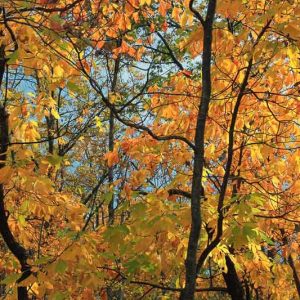
Upland Oak And Hickory Grove: On a high, rocky or clay ridge, plant a loose cluster of Quercus stellata (Post Oak), Quercus velutina (Black Oak), and Quercus alba (White Oak) mixed with Carya ovata (Shagbark Hickory). Underplant with drought tolerant shrubs and grasses. This classic upland grove provides deep shade, acorns for wildlife, and rich yellow and russet fall color.

Edible Dry Yard Orchard: For a dry but sunny backyard, mix Diospyros virginiana (American Persimmon), Prunus americana (American Plum), and a few Crataegus crus-galli (Cockspur Hawthorn) or Crataegus phaenopyrum (Washington Hawthorn). Add Cercis canadensis (Eastern Redbud) for early flowers. You get nectar for pollinators, fruit for people and wildlife, and a sequence of blooms from spring through fall.

Coastal Wind And Drought Tolerant Screen: In salty, sandy, wind exposed sites, rely on Quercus virginiana (Live Oak), Quercus hemisphaerica (Darlington Oak), and clumps of Juniperus virginiana (Eastern Red Cedar). Tuck in Yucca aloifolia (Spanish Bayonet) near the sunny edges for evergreen structure and showy flower spikes.

Pollinator And Songbird Slope: On a sunny bank or road edge, combine Oxydendrum arboreum (Sourwood), Nyssa sylvatica (Black Gum), Celtis occidentalis (Common Hackberry), and Ptelea trifoliata (Hop Tree). Sourwood and hop tree are excellent nectar sources, black gum brings brilliant fall color, and hackberry berries feed many bird species.

Why Choose Dry Site Native Trees In North Carolina?

Fast growing non native trees often struggle on dry soils. Species like Bradford pear, some hybrid maples, or exotic ornamentals may leaf scorch, drop branches, or require constant watering. In contrast, dry site native trees from this list evolved on North Carolina ridges, sandhills, and uplands, so they are naturally adapted to long summer dry spells and lean soils.

  • Climate adapted – upland oaks, hickories, junipers, and persimmons are used to humid heat, erratic rainfall, and occasional ice storms in USDA zones 6 to 9 across the state.
  • Deep roots stabilize slopes – trees such as Post Oak, Shagbark Hickory, and Black Locust are excellent choices for erosion control on banks and hillsides where shallow rooted ornamental trees may fail.
  • High wildlife value – acorns, hickory nuts, hawthorn haws, persimmons, plums, sassafras berries, and juniper cones feed birds, squirrels, deer, and many other species. Flowering trees like Eastern Redbud, Sourwood, and Washington Hawthorn support native pollinators.
  • Lower maintenance – once established, most trees on this list need only occasional supplemental water in extreme drought and light structural pruning. They are less prone to breakage and decline than many fast growing exotics.
  • Sense of place – planting native oaks, gums, hickories, and redcedars ties your yard to nearby ridges, state parks, and longleaf pine savannas so the landscape looks like it truly belongs in North Carolina.

Tip: When planting in very dry soil, water the planting hole thoroughly the day before, then again after planting. A slow trickle from a hose or a 5 gallon bucket with holes in the bottom works better than frequent light sprinkling.

North Carolina Native Trees For Dry Sites To Know

  • Carya ovata (Shagbark Hickory) – long lived upland hickory with peeling bark plates, compound leaves, and nuts valued by wildlife. Prefers deep, well drained soils and tolerates summer drought once established.
  • Celtis occidentalis (Common Hackberry) – tough shade tree that handles wind, drought, and urban conditions. Small purple berries feed many bird species.
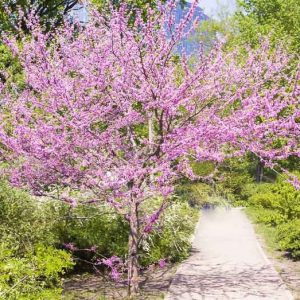
  • Cercis canadensis (Eastern Redbud) – small flowering tree with pink spring blossoms, heart shaped leaves, and good drought tolerance on well drained sites.
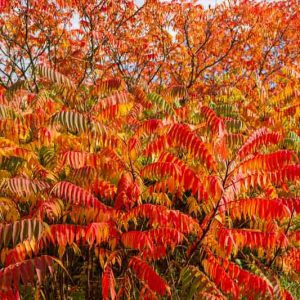
  • Cotinus obovatus (American Smoke Tree) – ornamental small tree with airy, smoke like summer flower clusters and outstanding orange to purple fall color on hot, dry slopes.
  • Crataegus crus-galli (Cockspur Hawthorn) – small tree with glossy leaves, white spring flowers, strong thorns, and red fall fruit for birds. Prefers sunny, well drained sites.
  • Crataegus phaenopyrum (Washington Hawthorn) – similar in size but with showy white flowers, persistent red berries, and good heat and drought tolerance once established.
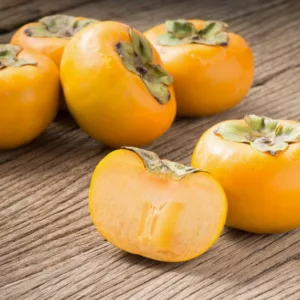
  • Diospyros virginiana (American Persimmon) – medium tree with fragrant white flowers, orange fruit, and deep taproot suited to dry uplands and old fields.
  • Fraxinus pennsylvanica (Green Ash) – adaptable shade tree for dry to moist soils. In areas with emerald ash borer, check current recommendations before planting.
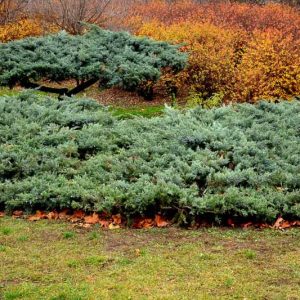
  • Juniperus communis (Common Juniper) – low spreading or shrubby conifer for sunny, rocky slopes and thin soils, with blue berries used by birds.
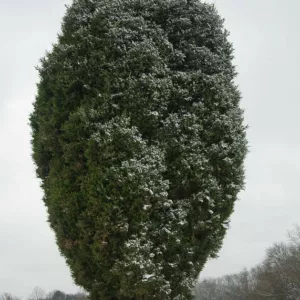
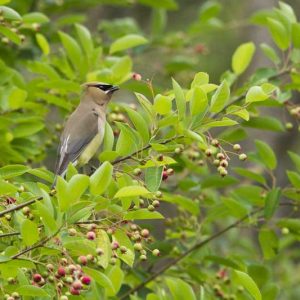
  • Juniperus virginiana (Eastern Red Cedar) – evergreen conifer excellent for windbreaks and screens on very dry or thin soils, producing blue cones relished by cedar waxwings.
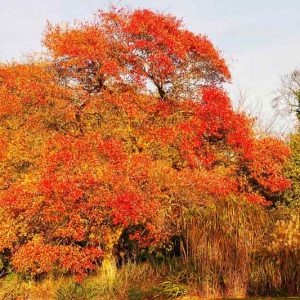
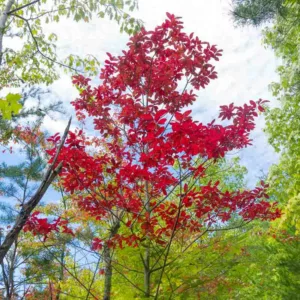
  • Nyssa sylvatica (Black Gum) – medium tree with glossy leaves, subtle spring flowers, and brilliant scarlet fall color. Handles many dry upland sites once rooted in.
  • Oxydendrum arboreum (Sourwood) – graceful tree with white summer flower clusters loved by bees and deep red fall color. Prefers acidic, well drained soils on slopes.
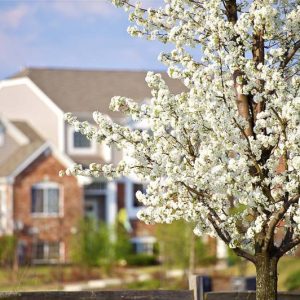
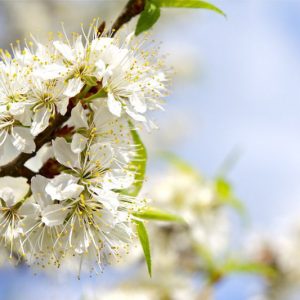
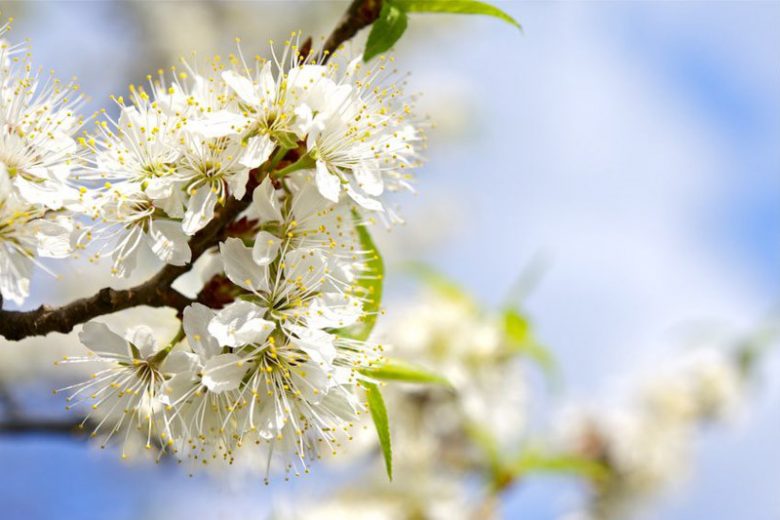
  • Prunus americana (American Plum) – small tree or large shrub forming thickets on dry edges, with fragrant white flowers and yellow to red fruit for wildlife.
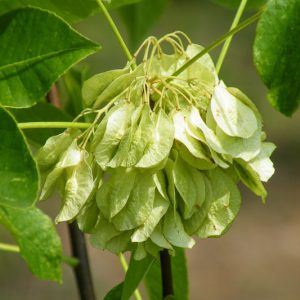
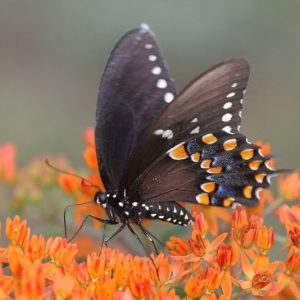
  • Ptelea trifoliata (Hop Tree) – small, drought tolerant tree with trifoliate leaves and flat, hop like seed clusters. Larval host for several swallowtail butterflies.
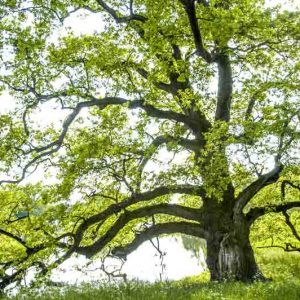
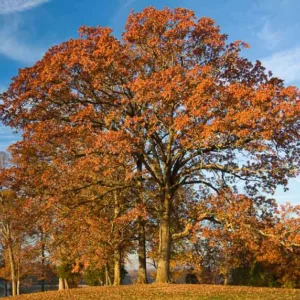
  • Quercus alba (White Oak) – majestic canopy oak with pale bark, rounded lobes, and high wildlife value. Performs well on many dry to mesic upland soils.
  • Quercus hemisphaerica (Darlington Oak) – coastal plain oak tolerant of heat, wind, and sandy soils, often semi evergreen in milder climates.
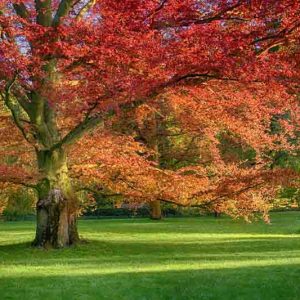
  • Quercus rubra (Red Oak) – strong shade tree with fast growth on well drained slopes, red to brown fall color, and acorns for wildlife.
  • Quercus shumardii (Shumard Oak) – large oak for deep soils that tolerate periodic drought, with showy red fall foliage.
  • Quercus stellata (Post Oak) – classic dry ridge oak with thick, cross shaped leaves and excellent drought tolerance on poor clay or sandy soils.
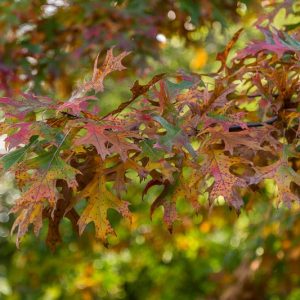
  • Quercus velutina (Black Oak) – upland oak with dark bark and deep taproot, common on dry slopes and ridges, providing acorns for many species.
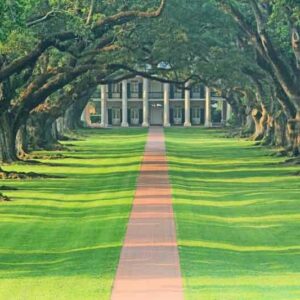
  • Quercus virginiana (Live Oak) – iconic coastal oak with evergreen foliage, wide spreading limbs, and strong wind and drought tolerance in sandy soils.
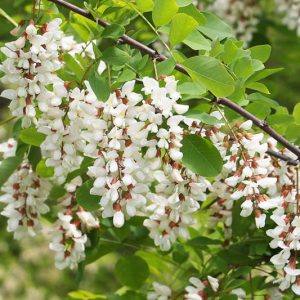
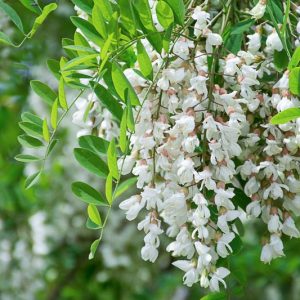
  • Robinia pseudoacacia (Black Locust) – fast growing nitrogen fixing tree for very poor or disturbed sites, with fragrant white spring flowers that attract pollinators. Native in the mountains and naturalized elsewhere.
  • Sassafras albidum (Sassafras) – small to medium tree with mitten shaped leaves, spicy fragrance, and orange fall color, often forming groves on dry, acidic soils.
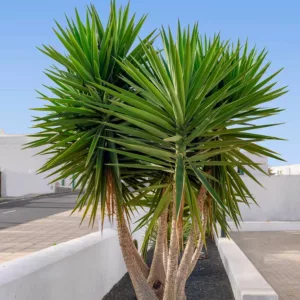
  • Yucca aloifolia (Spanish Bayonet) – arborescent yucca used as an architectural accent on hot, sandy slopes, producing tall stalks of white bell flowers and requiring almost no irrigation once established.

Note: Not every species is native to every county, but all are native somewhere within North Carolina or the broader Southeast and are frequently recommended for dry or upland sites.

Bringing North Carolina Dry Site Native Trees Into Your Design

Start by sketching your property and marking the driest zones: south facing slopes, hilltops, compacted side yards, and sandy corners. Place long lived canopy trees like White Oak, Post Oak, Shumard Oak, and Live Oak where you eventually want shade over patios, driveways, or roofs. Give them room to grow by keeping trunks well away from buildings and overhead wires.

Add medium and small trees such as Sourwood, Black Gum, American Persimmon, Eastern Redbud, American Plum, and Hop Tree closer to paths, decks, and seating areas where you can enjoy flowers, fall color, fruit, and birds. Underplant with dry tolerant native shrubs and grasses rather than thirsty lawn. Within a decade, your once harsh, dusty ground can become a resilient, shady North Carolina native woodland adapted to dry sites, buzzing with pollinators and alive with birdsong.

Discover More North Carolina Native Plants

Plant Finder

Frequently Asked Questions

What counts as a “dry site” for native trees in North Carolina?

A dry site is any place where soil drains quickly, holds little moisture, or becomes hard and dusty between rains. Typical dry sites include upper slopes, west or south facing banks, shallow or rocky soils, compacted red clay that sheds water, and sandy soils in the Sandhills or coastal plain. These areas warm faster in spring and lose moisture faster in summer, so trees must be adapted to heat, wind, and periodic drought.

Which native trees are the most drought-tolerant for North Carolina landscapes?

Some of the toughest drought-adapted native trees include Quercus stellata (Post Oak), Quercus velutina (Black Oak), Quercus alba (White Oak), Quercus hemisphaerica (Darlington Oak), Quercus virginiana (Live Oak), Robinia pseudoacacia (Black Locust), Juniperus virginiana (Eastern Red Cedar), Juniperus communis (Common Juniper), Carya ovata (Shagbark Hickory), and Sassafras albidum (Sassafras). These species evolved on ridges, rocky uplands, sandhills, and dry forest edges where long dry periods are normal.

Which native trees on this list provide the best wildlife value on dry sites?

Many dry-site natives are exceptional wildlife trees. White Oak, Post Oak, Shumard Oak, Black Oak, and Darlington Oak produce acorns eaten by birds and mammals. Shagbark Hickory and Black Locust support numerous caterpillars and pollinators. American Persimmon and American Plum provide important fruit for birds, foxes, opossums, and raccoons. Hackberry berries feed winter birds, while Eastern Red Cedar cones are essential for cedar waxwings. Black Gum produces small fruits and offers excellent fall nectar for pollinators.

Which native trees can tolerate sandy, extremely fast-draining soils?

Trees best suited to deep sand and droughty soils include Quercus hemisphaerica (Darlington Oak), Quercus stellata (Post Oak), Quercus virginiana (Live Oak), Quercus shumardii (Shumard Oak) on slightly richer sands, Juniperus virginiana (Eastern Red Cedar), Yucca aloifolia (Spanish Bayonet) as an architectural companion plant, and American Plum on sandy edges. These species naturally occur in the Sandhills, coastal plain uplands, or dune woodlands.

Which native trees can handle rocky or shallow mountain soils?

For mountain ridges or rocky upland banks, choose Carya ovata (Shagbark Hickory), Robinia pseudoacacia (Black Locust), Quercus rubra (Red Oak) on well drained slopes, Nyssa sylvatica (Black Gum), Common Juniper, and Eastern Red Cedar. These trees thrive where soil depth is limited, winds are stronger, and summer moisture is inconsistent.

Are any small or medium native trees suitable for dry, sunny home landscapes?

Yes. Several smaller species thrive in dry soils: Cercis canadensis (Eastern Redbud), Ptelea trifoliata (Hop Tree), Oxydendrum arboreum (Sourwood), Prunus americana (American Plum), Sassafras albidum, Washington Hawthorn, and Cockspur Hawthorn. These trees offer flowers, fall color, and fruit without the size of large oaks and hickories.

Are native trees slower growing on dry sites?

Yes. Even fast growers like black locust or persimmon grow slower in very dry soil. However, slower growth usually means stronger wood, deeper roots, and longer life. Many dry-site oaks and hickories grow modestly at first but reward you with exceptional longevity, storm resistance, and wildlife benefits.

Can I mix native trees with non-native ornamentals in a dry landscape?

You can, but native trees generally outperform non natives on dry ground and provide substantially more ecological value. Native oaks, hickories, persimmons, hawthorns, and redcedars support hundreds of insect species and feed local wildlife, while many non natives offer very little habitat value. For the healthiest, most resilient landscape, use native trees as the structural foundation and add non invasive non natives only for accent.

Which native trees are best for creating shade on a dry property?

The best shade-producing trees for dry soils include Quercus alba (White Oak), Quercus shumardii (Shumard Oak), Quercus rubra (Red Oak), Quercus stellata (Post Oak), and Quercus velutina (Black Oak). These species have strong roots, broad crowns, and excellent drought tolerance once mature. Live Oak is the best choice in the eastern and coastal regions where winters are mild.

Do I need to water native trees after they are established?

After the first 1–2 years, most dry-site natives need supplemental water only during extreme drought. Mature oaks, hickories, junipers, sassafras, and black locust can survive weeks of high heat without irrigation. Fruiting species like persimmon or plum benefit from occasional deep watering in very dry summers if you want larger, higher quality fruit, but they will survive without it.

References

Updated: November 2025 • Reviewed by Gardenia Editors

Recommended Guides

Great Pollinator Plants for North Carolina
Monarch Nectar Plants for North Carolina
North Carolina Native Shrubs that Attract Wildlife
Shade-Loving Native Shrubs for North Carolina
Native Vines for North Carolina
Native Ferns for North Carolina
Native Grasses for North Carolina
50 Native Wildflowers for North Carolina
Native Groundcovers for North Carolina
36 North Carolina Wildflowers for Sunny Gardens
33 North Carolina Wildflowers for the Shade Garden
North Carolina Native Trees with Showy Flowers or Fruits
North Carolina Native Shrubs with Showy Flowers or Fruits
North Carolina Native Trees for Dry Sites
North Carolina Native Shrubs for Dry Sites
North Carolina Native Trees that Attract Wildlife
Native Deciduous Trees for North Carolina
Native Evergreen Trees for North Carolina
Invasive Plant Species in North Carolina
Sun-Loving Native Shrubs for North Carolina
Native Annuals and Perennials for North Carolina Mountain Region
Native Shrubs for North Carolina Mountain Region
Native Trees for North Carolina Mountain Region
Explore Great Plant Combination Ideas
Middle South Lower South
While every effort has been made to describe these plants accurately, please keep in mind that height, bloom time, and color may differ in various climates. The description of these plants has been written based on numerous outside resources.

Guide Information

Plant Type Trees
Water Needs Low
Native Plants North Carolina, Southeast, United States
Explore Great Plant Combination Ideas
Middle South Lower South

Related Items

Please Login to Proceed

You Have Reached The Free Limit, Please Subscribe to Proceed

Subscribe to Gardenia

To create additional collections, you must be a paid member of Gardenia
  • Add as many plants as you wish
  • Create and save up to 25 garden collections
Become a Member

Plant Added Successfully

Your garden is taking shape. Unlock full planning.

You’ve reached the free limit. Upgrade for $25/year to add as many plants as you wish and save up to 25 garden collections. Unlock Annual Membership

Update Your Credit
Card Information

Cancel

Create a New Collection

Sign Up to Our Newsletter

    You have been subscribed successfully

    Join Gardenia.net

    Create a membership account to save your garden designs and to view them on any device.

    Becoming a contributing member of Gardenia is easy and can be done in just a few minutes. If you provide us with your name, email address and the payment of a modest $25 annual membership fee, you will become a full member, enabling you to design and save up to 25 of your garden design ideas.

    Join now and start creating your dream garden!

    Join Gardenia.net

    Create a membership account to save your garden designs and to view them on any device.

    Becoming a contributing member of Gardenia is easy and can be done in just a few minutes. If you provide us with your name, email address and the payment of a modest $25 annual membership fee, you will become a full member, enabling you to design and save up to 25 of your garden design ideas.

    Join now and start creating your dream garden!
    Find your Hardiness Zone

    Find your Heat Zone

    Find your Climate Zone