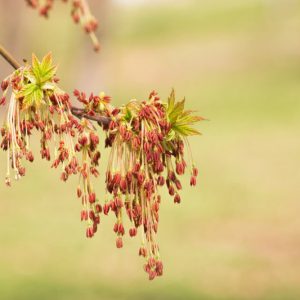
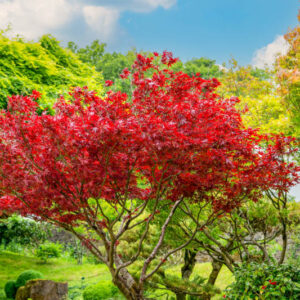
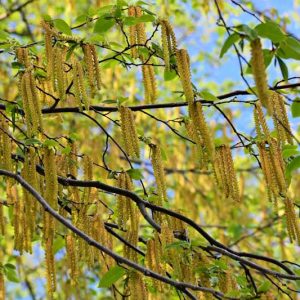
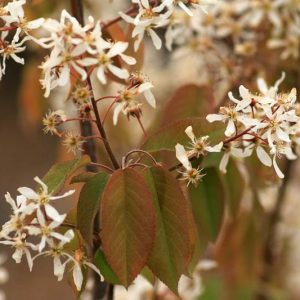
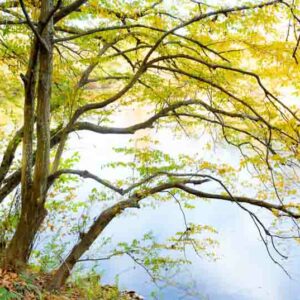
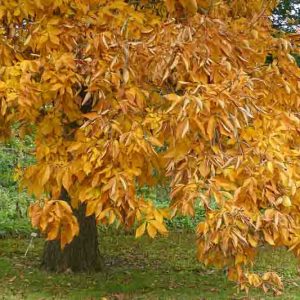
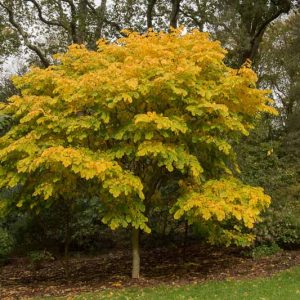
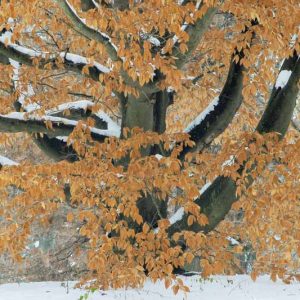
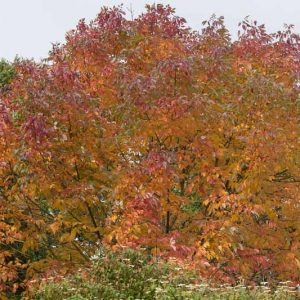
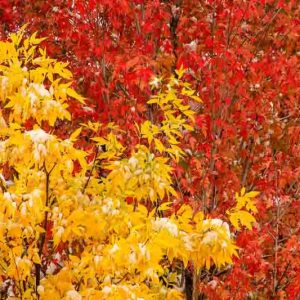
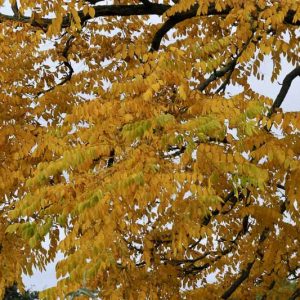
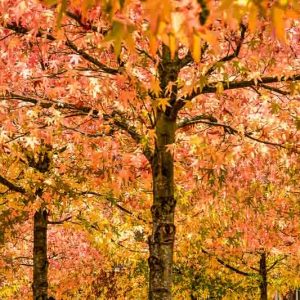
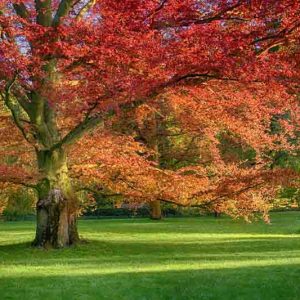
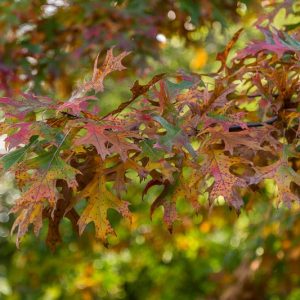
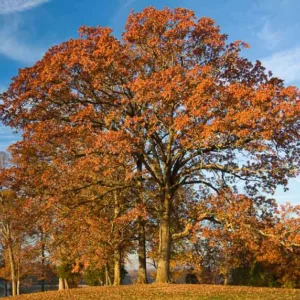
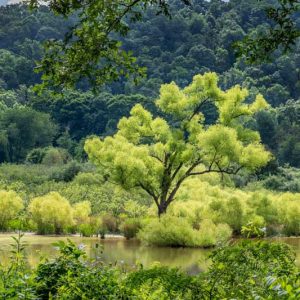
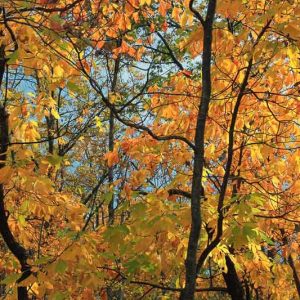
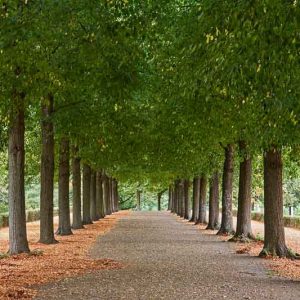
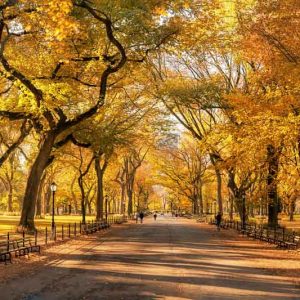
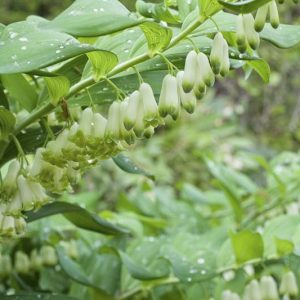
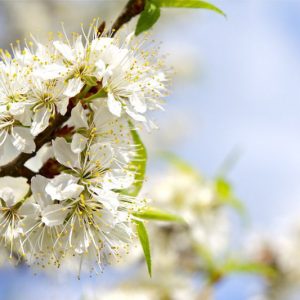
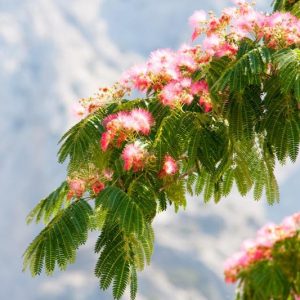
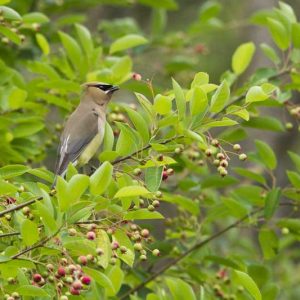
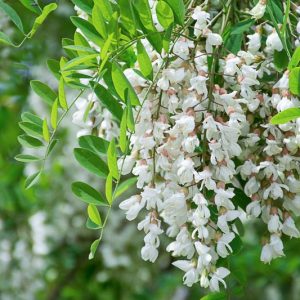
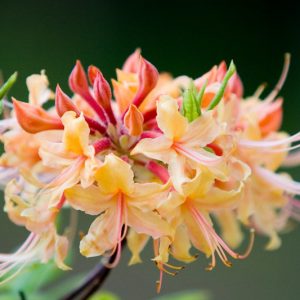
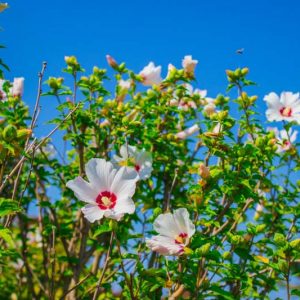
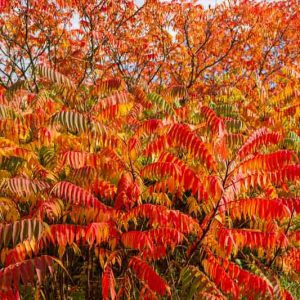
North Carolina's native deciduous trees, such as the majestic Red Maple, the stately Sweetgum, and the vibrant Tulip Poplar, provide stunning seasonal color and essential habitat for wildlife.
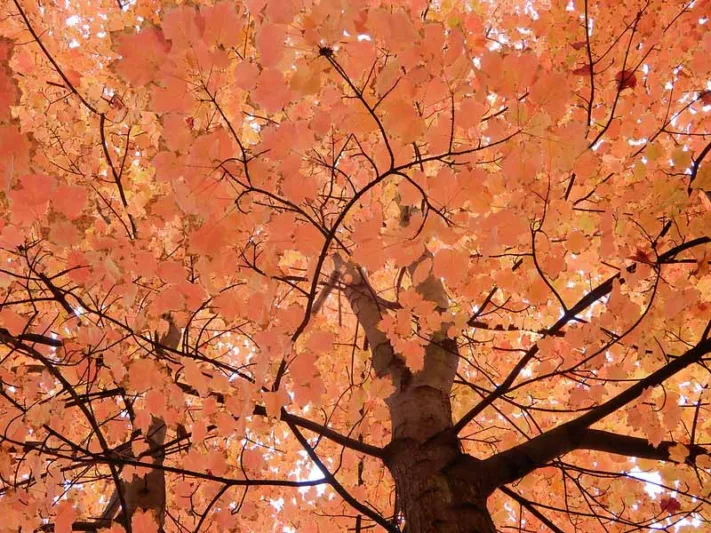


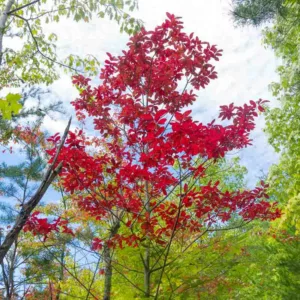
Dreaming of a backyard shaded by big native oaks, spring flowers outside the kitchen window, or fiery fall color that lights up the whole street? Native deciduous trees for North Carolina deliver cooling shade in summer, brilliant foliage in autumn, and bare winter branches that let in welcome light. From river birch and red maple to flowering dogwood, tulip tree, black gum, and scarlet oak, these trees are made for our climate and wildlife.
From cool cove forests in the mountains to swampy bottomlands and sandy coastal rivers, North Carolina offers natural homes for a huge range of native deciduous trees. Pick species that match your region and site conditions for the best long term results.
Walk your property after heavy rain and again in midsummer. Notice where water lingers, which areas stay dry, and how much sun or shade each planting spot gets. Matching your native deciduous trees to these microclimates is the secret to strong growth and long lived shade.
Use this list as a menu of dependable native deciduous trees that thrive in North Carolina home landscapes. Mix fast growing shade trees, flowering small trees, and long lived canopy oaks so your yard offers beauty and habitat in every season.
| Plant Type | Trees |
|---|---|
| Native Plants | North Carolina, Southeast, United States |
| Toxic to Humans | No known toxicity |
| Toxic to Cats | No known toxicity |
| Toxic to Dogs | No known toxicity |
| Toxic to Horses | No known toxicity |
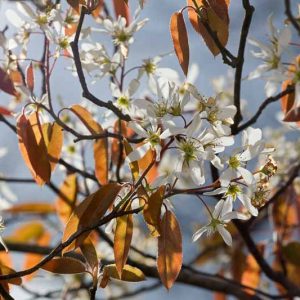
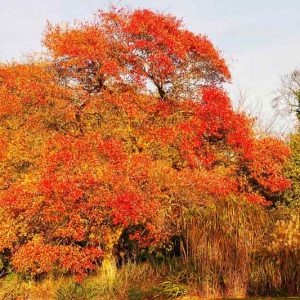
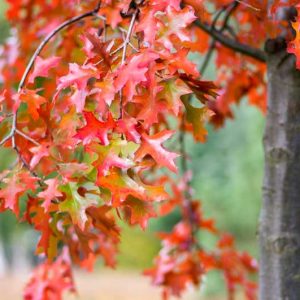
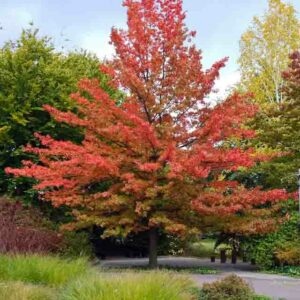
Front Yard Four Season Showpiece: Near the street, plant a medium sized Acer rubrum (Red Maple) or Nyssa sylvatica (Black Gum) for blazing fall color. Underplant with Cornus florida (Flowering Dogwood) or Amelanchier arborea (Downy Serviceberry) for spring flowers and bird friendly berries.
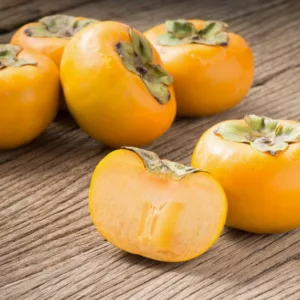
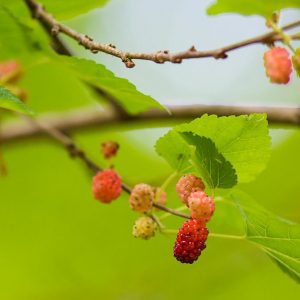
Backyard Shade and Wildlife Grove: In a larger back yard, combine Quercus alba (White Oak) or Quercus rubra (Red Oak) with tulip tree and sweet gum for rapid shade. Add Diospyros virginiana (American Persimmon) and Morus rubra (Red Mulberry) to supply fruit for birds and other wildlife.
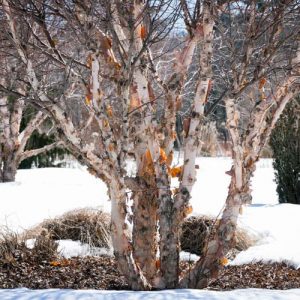
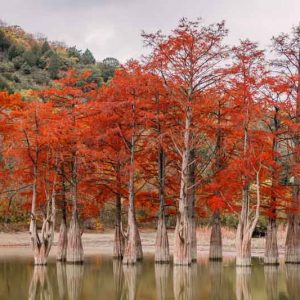
Rain Garden or Low Spot Planting: In a swale or low area that stays moist, group river birch, bald cypress, black willow, smooth alder, and water tupelo. Their roots handle fluctuating water levels while their trunks and fall color turn a problem area into a focal point.
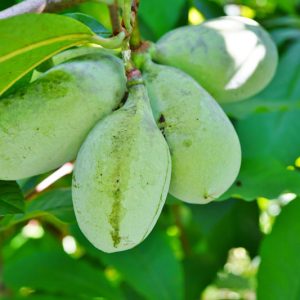
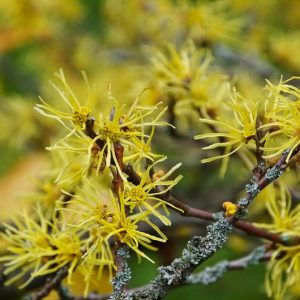
Small Yard Flowering Tree Mix: For modest lots, choose a mix of serviceberries, Malus coronaria (American Crabapple), fringe tree, Hamamelis virginiana (Virginia Witch Hazel), and Asimina triloba (Pawpaw). You get fragrant flowers, edible or wildlife friendly fruit, and good fall color without overwhelming the space.
Imported trees like Bradford pear, Norway maple, and some exotic willows may look attractive at first but often break in storms, offer limited wildlife value, or spread aggressively into natural areas. Native deciduous trees evolved with North Carolina soils, rainfall patterns, and wildlife, so they usually perform better for the long haul.
Tip: Avoid planting a single species down the entire street. A mix of different native trees reduces the risk that one pest or disease will damage the whole neighborhood canopy.
Sketch your property and mark key spots – the front walk, driveway, back patio, play areas, and the views from favorite windows. Place large canopy trees like oaks, tulip tree, and sweet gum where they can cast shade without crowding roofs or lines. Use smaller trees such as serviceberry, fringe tree, dogwood, pawpaw, and witch hazel closer to patios and paths for human scale interest.
Mix early blooming species with later flowering trees and strong fall color specialists so something is happening in every season. Underplant with native shrubs, ferns, and warm season grasses rather than solid lawn. In a few years, your yard can mature into a layered, wildlife friendly North Carolina landscape filled with native deciduous trees.
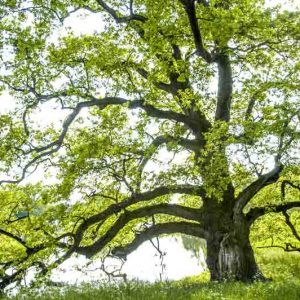
For broad, cooling shade, native oaks such as Quercus alba (white oak), Quercus rubra (red oak), Quercus phellos (willow oak), and Quercus shumardii (Shumard oak) are excellent long lived choices. Liriodendron tulipifera (tulip tree), Liquidambar styraciflua (sweet gum), Nyssa sylvatica (black gum), and Acer rubrum (red maple) also grow into tall shade trees that handle many residential sites.
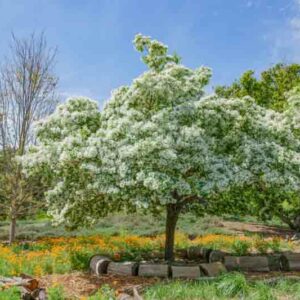
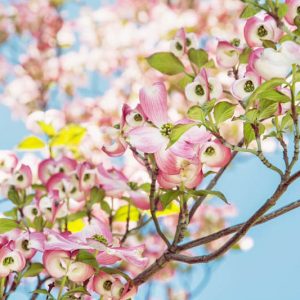
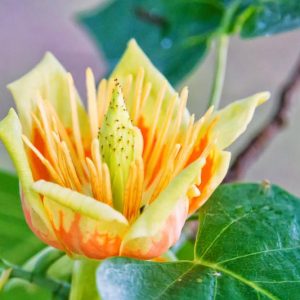
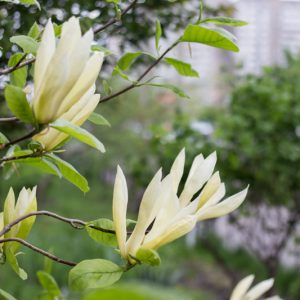
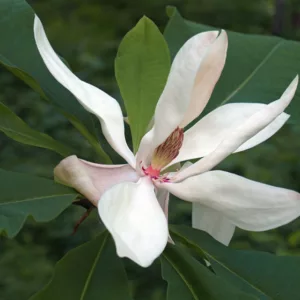
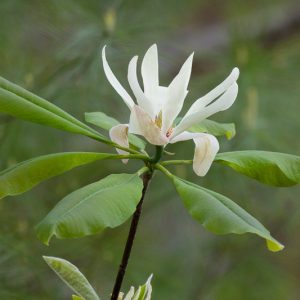
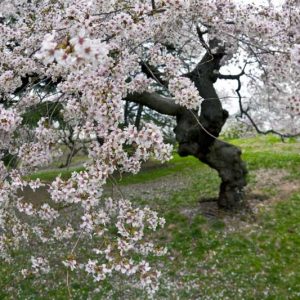
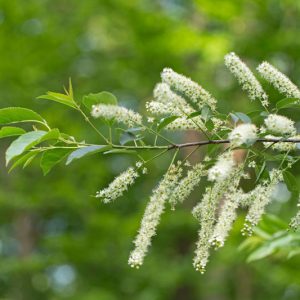
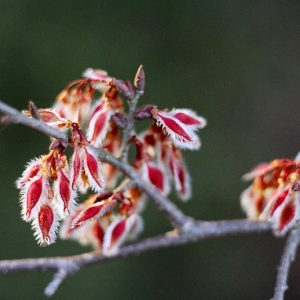
For flowers, Cornus florida (flowering dogwood), Chionanthus virginicus (fringe tree), Magnolia acuminata and Magnolia macrophylla, Malus coronaria (American crabapple), and serviceberries (Amelanchier arborea and A. laevis) are standouts. For fruit and wildlife value, Diospyros virginiana (American persimmon), Asimina triloba (pawpaw), Morus rubra (red mulberry), Nyssa sylvatica (black gum), and various native cherries and crabapples provide abundant food for birds and other animals.
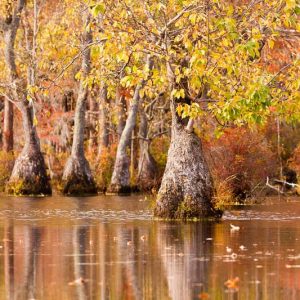
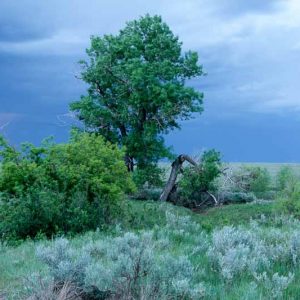
Several native trees excel in moist or periodically flooded sites. Betula nigra (river birch), Taxodium distichum (bald cypress), Nyssa aquatica (water tupelo), Salix nigra (black willow), Alnus serrulata (smooth alder), and Populus deltoides (eastern cottonwood) all handle wet ground. Pin oak (Quercus palustris) and some other bottomland oaks also tolerate seasonal flooding better than many upland trees.
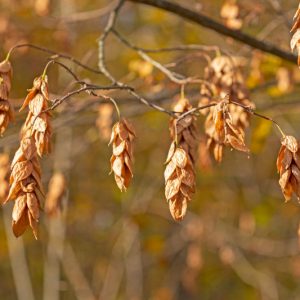
For limited spaces, choose trees that stay modest in size or can be pruned carefully. Serviceberries, Malus coronaria (American crabapple), Cornus florida (flowering dogwood), Chionanthus virginicus (fringe tree), Hamamelis virginiana (witch hazel), Asimina triloba (pawpaw), Carpinus caroliniana (American hornbeam), and Ostrya virginiana (American hop hornbeam) all fit comfortably in many small yards compared to large oaks and tulip trees.
Growth rates depend on species and site. Fast growers such as Liriodendron tulipifera (tulip tree), Populus deltoides (eastern cottonwood), Betula nigra (river birch), and some maples can add 2 feet or more of height per year in good conditions. Oaks, hickories, beech, and many magnolias grow more slowly but become longer lived, stronger shade trees. Providing good soil preparation, mulch, and regular watering during the first few years speeds establishment for all species.
In most North Carolina landscapes, native deciduous trees are a more sustainable long term choice. Species such as oaks, maples, gums, dogwoods, and serviceberries are adapted to local pests, diseases, and weather patterns and provide much higher wildlife value than many imported trees. Non native species like Bradford pear often have weak branch structure and invasive tendencies, while Norway maple and some other exotics can outcompete understory plants and support fewer insects and birds.
Updated: November 2025 • Reviewed by Gardenia Editors
mirabelka szuszu, Flickr
| Plant Type | Trees |
|---|---|
| Native Plants | North Carolina, Southeast, United States |
| Toxic to Humans | No known toxicity |
| Toxic to Cats | No known toxicity |
| Toxic to Dogs | No known toxicity |
| Toxic to Horses | No known toxicity |
Create a membership account to save your garden designs and to view them on any device.
Becoming a contributing member of Gardenia is easy and can be done in just a few minutes. If you provide us with your name, email address and the payment of a modest $25 annual membership fee, you will become a full member, enabling you to design and save up to 25 of your garden design ideas.
Join now and start creating your dream garden!
Create a membership account to save your garden designs and to view them on any device.
Becoming a contributing member of Gardenia is easy and can be done in just a few minutes. If you provide us with your name, email address and the payment of a modest $25 annual membership fee, you will become a full member, enabling you to design and save up to 25 of your garden design ideas.
Join now and start creating your dream garden!