Create Your Garden

Invasive Plant Species in North Carolina

Invasive plants creep quietly into North Carolina yards, then explode into nearby woods and wetlands. By learning a few key troublemakers and replacing them with tough native shrubs, vines, and groundcovers, you can protect songbirds, pollinators, and streams while still enjoying a lush, easy care landscape all year round home.
Native Plants, Invasive Plants, North Carolina Invasive Plants, North Carolina Invasive Shrubs, North Carolina Invasive Perennials, North Carolina Invasive Trees

Invasive Plant Species in North Carolina – What Every Gardener Should Know

Walk through a North Carolina greenway, farm edge, or old home site and you will see it: vines swallowing pines, shrubs filling every gap, glossy groundcovers creeping right out of flowerbeds. Many of our prettiest landscape plants have jumped the fence and become invasive plant species in North Carolina. They spread into forests, wetlands, and roadsides, outcompeting the native plants that wildlife depends on.

This guide gives you a friendly, straight talking tour of some of the worst invasive plants in North Carolina and what to plant instead. If you recognize any of these in your yard, you are not alone – and you absolutely can start turning the tide.

Quick Facts – Invasive Plants in North Carolina Gardens

  • Most arrived as ornamentals – shrubs, vines, trees, and groundcovers promoted as “tough” or “fast growing,” then discovered in forests and wetlands years later.
  • Birds and people help spread them – fruits of species like Nandina domestica, Lonicera japonica, Rosa multiflora, and Ligustrum are eaten and dropped far from the original planting, while yard waste spreads pieces of stem and root.
  • They change ecosystems – dense mats of English ivy, thickets of privet, and walls of wisteria block light, reduce native wildflowers, and even alter soil conditions.
  • Control is possible – repeated cutting, careful herbicide use where appropriate, and replanting with natives gradually restore balance.
  • Choosing better plants today is the easiest way to protect North Carolina forests, wetlands, and wildlife tomorrow.

Smothering Vines – Beautiful But Destructive

Vines feel classic and romantic, so many invasive species were planted to soften porches and fences. Unfortunately, several now blanket trees and woodland edges across North Carolina from the mountains to the coast.

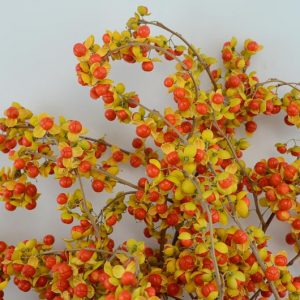
Celastrus orbiculatus (Oriental Bittersweet)
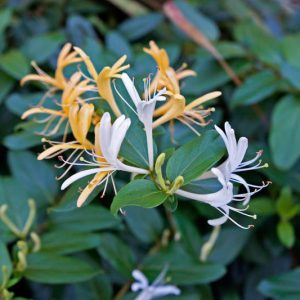
Lonicera japonica (Japanese Honeysuckle)
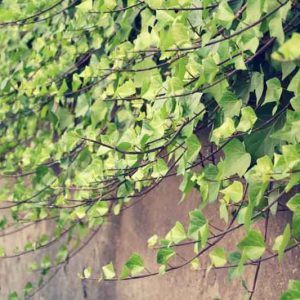
Hedera helix (English Ivy)
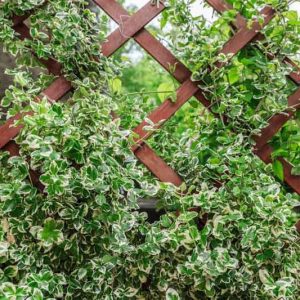
Euonymus fortunei (Wintercreeper)
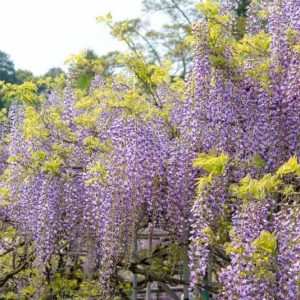
Wisteria floribunda (Japanese Wisteria)
Wisteria sinensis (Chinese Wisteria)
Clematis paniculata (Sweet Autumn Clematis)
Ipomoea quamoclit (Cardinal Climber)
  • Celastrus orbiculatus (Oriental Bittersweet) – A classic “pretty but deadly” vine. Yellow capsules and red berries are eye catching in fall, but the vine twines around trunks, girdles trees, and pulls down canopies.
  • Lonicera japonica (Japanese Honeysuckle) – Fragrant white and yellow flowers make it tempting, yet it carpets roadsides, field edges, and forests, crowding out native vines and spring wildflowers.
  • Hedera helix (English Ivy) and Euonymus fortunei (Wintercreeper) – Both start as innocent evergreen groundcovers, then climb up tree trunks and brick walls. Once vertical, they produce berries that birds spread widely through North Carolina neighborhoods and woodlands.
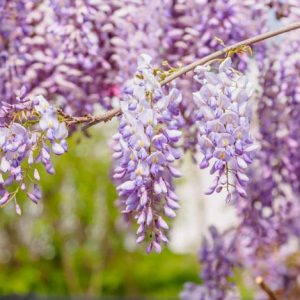
  • Wisteria floribunda (Japanese Wisteria) and Wisteria sinensis (Chinese Wisteria) – Long, fragrant flower clusters are stunning, but the vines wrap tightly around trees, topple fences, and travel far underground via runners.
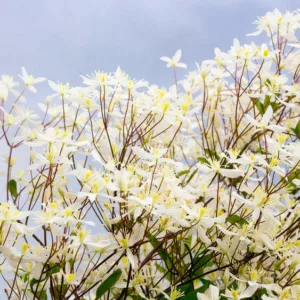
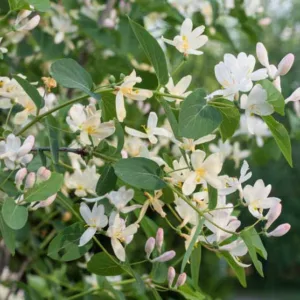
  • Clematis paniculata / Clematis terniflora (Sweet Autumn Clematis) – Clouds of white fall flowers hide an aggressive seeder that scrambles over shrubs and young trees.
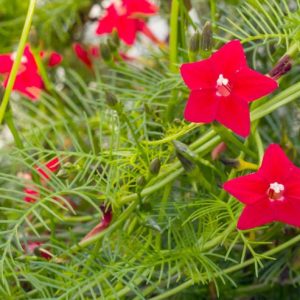
  • Ipomoea quamoclit (Cardinal Climber) – A delicate looking annual vine with red tubular flowers adored by hummingbirds. Unfortunately it reseeds freely and can escape into natural areas.

What to do: Cut and carefully peel vines from tree trunks, then dig or repeatedly cut sprouts. For large infestations, many landowners combine cutting with targeted herbicide on fresh stumps or regrowth. Replant with native climbers such as crossvine, Carolina jessamine, trumpet honeysuckle, and American wisteria, which provide nectar for pollinators without swallowing your woods.

Invasive Shrubs and Small Trees – The Hedge That Ate the Forest

Ligustrum japonicum (Japanese Privet)
Ligustrum vulgare (Common Privet)
Pyrus calleryana ‘Bradford’ (Callery Pear)
Nandina domestica (Heavenly Bamboo)
Mahonia bealei (Leatherleaf Mahonia)
Lonicera fragrantissima (Winter Honeysuckle)
Elaeagnus umbellata (Autumn Olive)
Broussonetia papyrifera (Paper Mulberry)
Morus alba (White Mulberry)
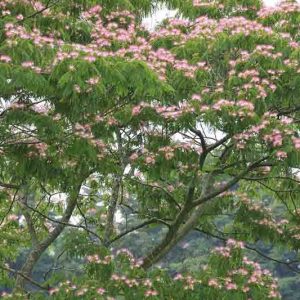
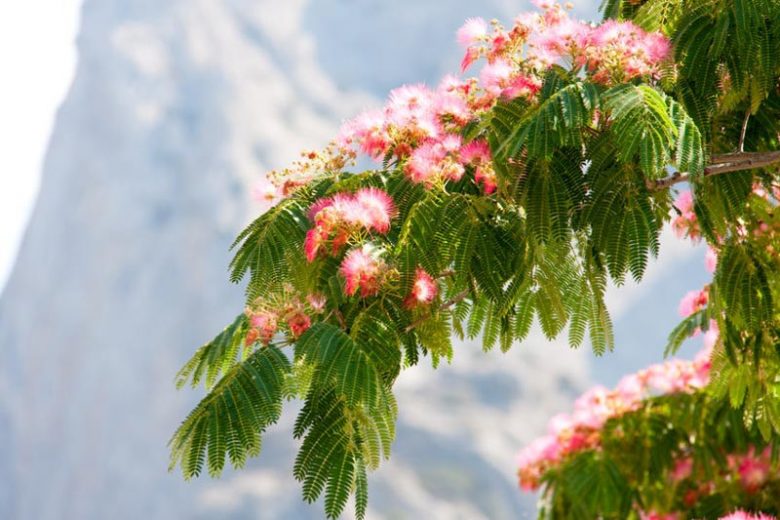
Albizia julibrissin (Mimosa Tree)
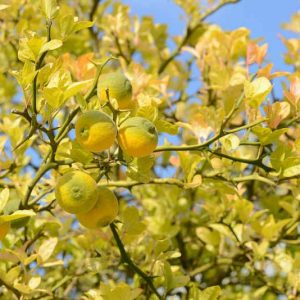
Poncirus trifoliata (Hardy Orange)
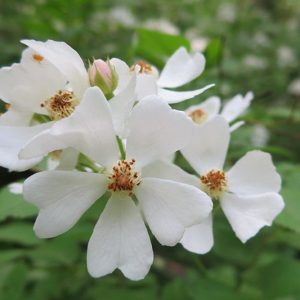
Rosa multiflora (Multiflora Rose)
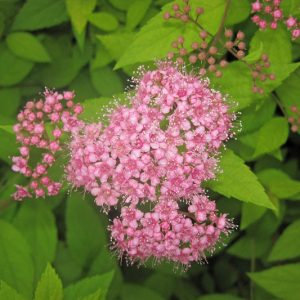
Spiraea japonica (Japanese Spirea)
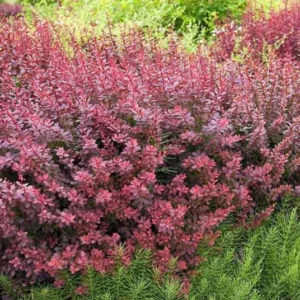
Berberis thunbergii (Japanese Barberry)

Fast growing hedges and “bulletproof” shrubs are often exactly the ones that invade natural areas. Birds perch in them, eat the fruit, and plant new thickets everywhere they go.

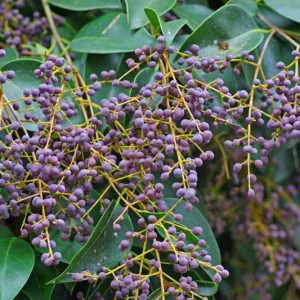
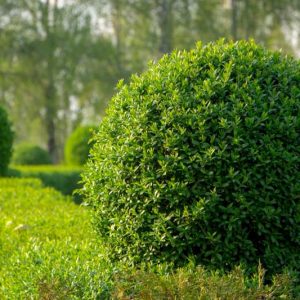
  • Ligustrum japonicum (Japanese Privet) and Ligustrum vulgare (Common Privet) – Popular screening shrubs that now dominate many North Carolina stream corridors and understories. Their dense evergreen foliage shades out seedlings of native trees and wildflowers.
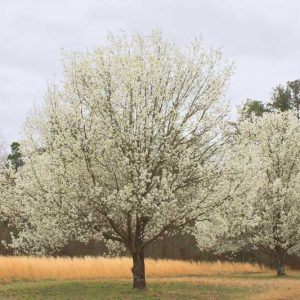
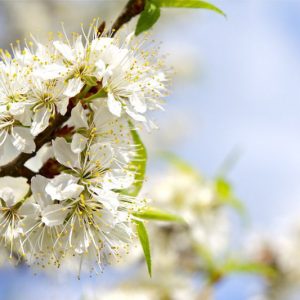
  • Pyrus calleryana ‘Bradford’ and other Callery Pears – Once beloved for white spring flowers and “perfect” lollipop crowns, these trees cross pollinate, reseed, and form thorny thickets with poor wildlife value.
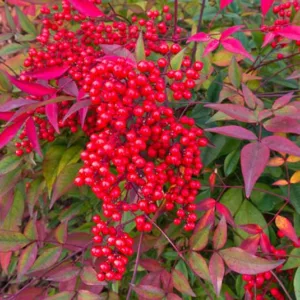
  • Nandina domestica (Heavenly Bamboo) – Evergreen with red winter berries used in countless foundation plantings. It seeds into woods and can be toxic to some birds when large quantities of fruit are eaten.
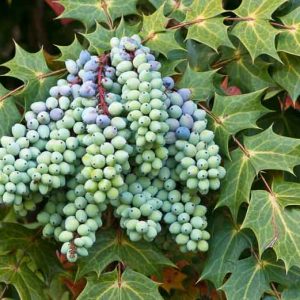
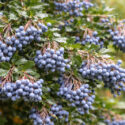
  • Mahonia bealei (Leatherleaf Mahonia) – Spiny leaves and yellow winter flowers make it distinctive. Birds spread the grape like fruits into shaded woods and urban forests.
  • Lonicera fragrantissima (Winter Honeysuckle) – Wonderfully fragrant late winter blooms, but seedlings appear in hedgerows and woodland edges, displacing native shrubs.
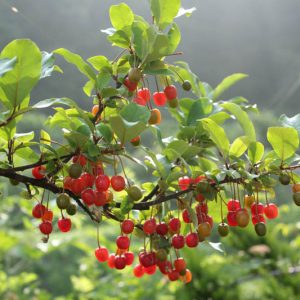
  • Elaeagnus umbellata (Autumn Olive) – Nitrogen fixing shrub originally planted for wildlife and erosion control. It quickly outgrows natives on poor soils and can dominate fields and rights of way.
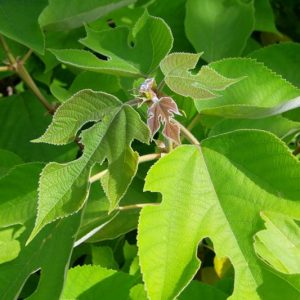
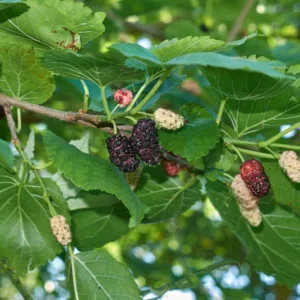
  • Broussonetia papyrifera (Paper Mulberry) and Morus alba (White Mulberry) – Both spread by seed and root suckers, competing with native mulberries and altering forest edges.
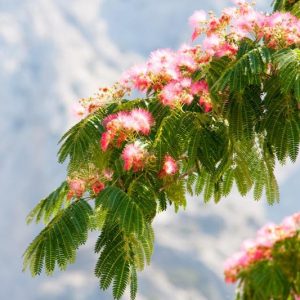
  • Albizia julibrissin (Mimosa Tree) and Poncirus trifoliata (Hardy Orange) – Escaped from old home sites, these trees seed into roadsides and old fields, where they outcompete young native oaks, pines, and hardwoods.
  • Rosa multiflora (Multiflora Rose) – A thorny rose that forms impenetrable walls across pastures and woodland edges; birds love the hips and spread them widely.
  • Spiraea japonica (Japanese Spirea) – A common small shrub along highways and in older landscapes that reseeds into riverbanks and disturbed forests.
  • Berberis thunbergii (Japanese Barberry) – Sometimes used as a low hedge, this thorny shrub groundcover alters soil chemistry and fosters dense tick friendly thickets.

What to do: Where possible, remove seed producing shrubs and trees, especially near creeks and woods. Cut large plants and treat stumps, then dig or mow sprouts. Replace with native alternatives like inkberry holly, Virginia sweetspire, oakleaf hydrangea, serviceberry, eastern redbud, yaupon holly, and sweetbay magnolia.

Groundcovers That Get Out of Control

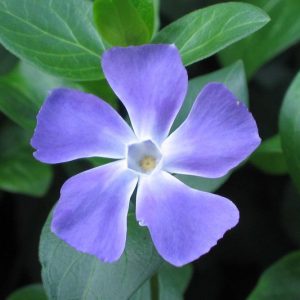
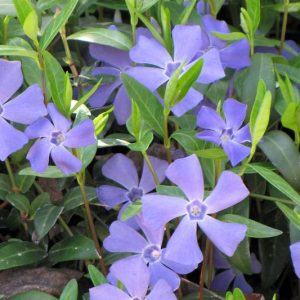
Vinca major (Big Periwinkle)
Vinca minor (Lesser Periwinkle)
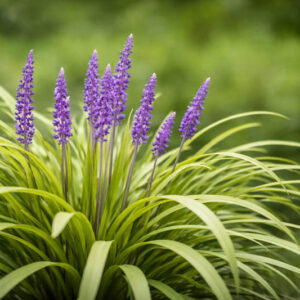
Liriope muscari (Blue Lily Turf)
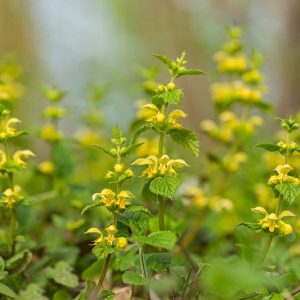
Lamium galeobdolon (Yellow Archangel)
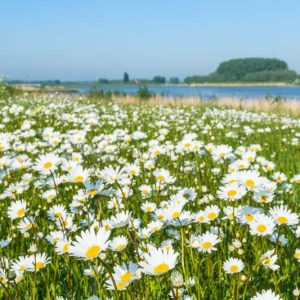
Leucanthemum vulgare (Ox-Eye Daisy)
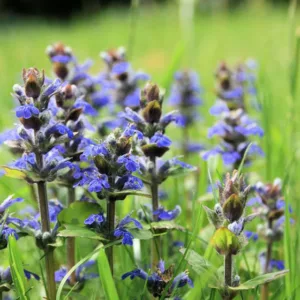
Ajuga reptans (Bugleweed)

“Low maintenance” groundcovers are often marketed as cure all plants for shady corners. Some, however, refuse to stay put and become serious invasive plants in North Carolina landscapes.

  • Vinca major (Big Periwinkle) and Vinca minor (Lesser Periwinkle) – Glossy evergreen leaves and blue flowers hide the fact that both root at every node, carpeting creekbanks and forest edges.
  • Liriope muscari (Blue Lily Turf) – Neatly edges paths today, surprise seedlings tomorrow. While not as aggressive as some species, clumps expand and seeds disperse into natural areas.
  • Lamium galeobdolon (Yellow Archangel) – A variegated charmer that quickly becomes a silver and green carpet in moist shade, smothering native wildflowers.
  • Leucanthemum vulgare (Ox Eye Daisy) – Often sold in wildflower mixes, this daisy reseeds heavily in meadows and roadsides, pushing out more diverse native communities.
  • Ajuga reptans (Bugleweed) – A purple leaf favorite that creeps beyond beds and can dominate moist lawns and woodland edges.

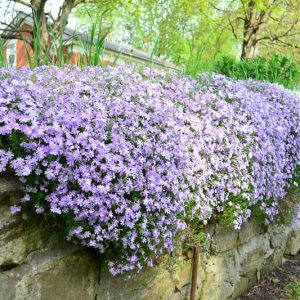
What to do: Dig or slice out expanding mats, being sure to remove stolons and pieces of stem. Never dump yard waste with these species into woods or vacant lots. For durable, wildlife friendly groundcovers in North Carolina, try Green and Gold, foamflower, woodland phlox, native ferns, golden ragwort, or Pennsylvania sedge.

Wetland and Grassland Invaders

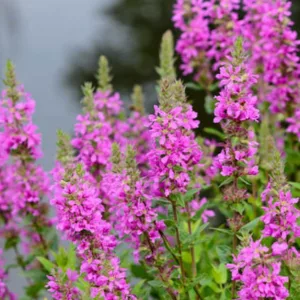
Lythrum salicaria (Purple Loosestrife)
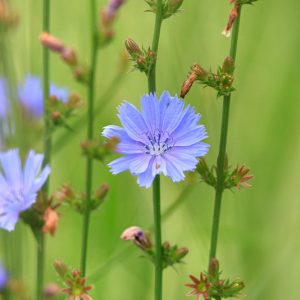
Cichorium intybus (Chicory)
Populus alba (White Poplar)

Some invasive plants are herbaceous perennials that transform entire wetlands and fields, especially in the North Carolina coastal plain.

  • Lythrum salicaria (Purple Loosestrife) – Showy spikes of magenta flowers look stunning in catalogs but form dense stands in wetlands, crowding out native sedges, rushes, and wildflowers.
  • Cichorium intybus (Chicory) – Those cheerful blue flowers along summer roadsides belong to a tough Eurasian plant that can take over thin pastures and disturbed soils.
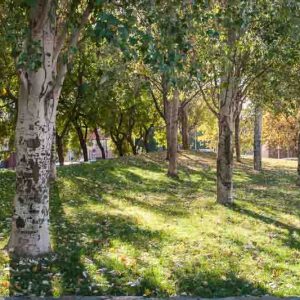
  • Populus alba (White Poplar) – A fast growing tree with white backed leaves that spreads by root suckers and seed, especially along streams.

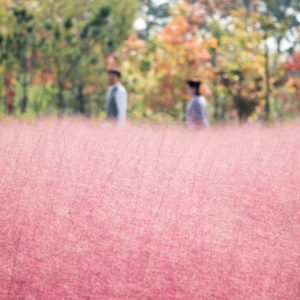
What to do: Avoid planting any ornamental known to escape into wetlands or shorelines. For existing stands, removal usually requires a combination of digging, repeated mowing or cutting, and, on large infestations, professional herbicide treatment. Replant with native grasses and wetland plants such as switchgrass, muhly grass, soft rush, and native sedges.

Why Invasive Plants Are a Big Deal in North Carolina

It is tempting to think, “It is just one vine in my backyard, how much harm can it do?” In reality, each landscape planting can become a seed source for miles of forest and wetland when birds, wind, and water spread seeds downstream and downwind.

  • Loss of native biodiversity – When privet thickets take over a floodplain or wisteria blankets a woodland edge, native shrubs, wildflowers, and tree seedlings simply cannot compete for light and space.
  • Reduced food for wildlife – Many invasive shrubs and vines provide little nutritional value compared to native species. Their leaves do not support the same caterpillars and insects that birds and bats depend on.
  • Changes to fire and water cycles – Dense stands of invasive plants can alter how often areas burn or how much water is available for other plants and animals.
  • Higher management costs – Cities, parks, and private landowners spend significant money and time trying to control these plants along greenways, roadsides, and restoration sites.

Practical Steps for North Carolina Gardeners

You do not have to clear your entire property in a weekend. Start small and make steady progress on the invasive plants you already have.

  • Learn to identify the worst offenders. Use this list, local extension publications, and reputable online resources to match names with leaves, berries, and growth patterns.
  • Stop the spread first. Remove flowers and fruit from invasive shrubs and vines so they can not reseed. Do not dump yard waste in nearby woods or ditches.
  • Tackle manageable patches. Begin with smaller infestations you can fully remove, then expand to larger areas.
  • Replant with natives and non invasive alternatives. Every time you remove an invasive plant, put something better in its place so bare soil does not invite more weeds.
  • Share what you learn. Talk with neighbors, HOAs, and gardening friends about the problems caused by plants such as English ivy, privet, Bradford pear, nandina, and Japanese honeysuckle.

Ready to trade invasives for true North Carolina natives? Explore our Native Plants Finder.

Frequently Asked Questions About Invasive Plants in North Carolina

What is an invasive plant in North Carolina?

An invasive plant in North Carolina is a non native species that spreads on its own into forests, wetlands, fields, or roadsides and causes ecological or economic harm. These plants outcompete native vegetation, reduce wildlife habitat, and can change soil, water, or fire patterns.

Are all non native plants in North Carolina invasive?

No. Many non native ornamentals stay where they are planted and do not cause measurable harm. A plant is considered invasive only when it escapes cultivation, reproduces without help, spreads widely, and displaces native plant communities or disrupts ecosystem processes.

Which invasive plants are most common in North Carolina yards and woods?

Frequently reported invasive plants include Japanese honeysuckle (Lonicera japonica), English ivy (Hedera helix), Chinese and Japanese wisteria, Japanese and common privet (Ligustrum species), Bradford or Callery pear, Nandina domestica, multiflora rose, Japanese spirea, Vinca species, autumn olive, and purple loosestrife. Local priority lists vary by region.

Why are invasive plants a serious problem for North Carolina wildlife?

Most invasive plants support far fewer insects than native species, so birds and bats have less food. Dense thickets or mats also block sunlight from reaching native wildflowers and tree seedlings. As invasive plants spread, they reduce the diversity of plants and animals that can live in an area.

How do invasive plants typically spread across North Carolina?

Birds and mammals eat colorful berries and drop seeds far from the original planting. Wind and water move lightweight seeds along roadsides and streams. Gardeners can unintentionally spread invasives by sharing plants, dumping yard waste in woods, or moving contaminated soil or mulch.

What are the best methods to remove invasive plants on my property?

Effective control usually combines several tactics: hand pulling young plants, digging out roots, cutting stems repeatedly to exhaust reserves, and, where appropriate, applying targeted herbicide to cut stumps or regrowth. Follow up for several years, because many invasive plants resprout and have long lived seed banks.

Should I try to remove every invasive plant at once?

It is better to prioritize. Start with species that produce abundant berries or wind blown seed, and with plants that are already climbing into tree canopies. Removing these first reduces future spread while you gradually tackle larger or older patches that require more effort.

What native alternatives can I plant instead of invasive shrubs and vines?

For hedges and screens, use yaupon holly, inkberry, wax myrtle, American holly, or Virginia sweetspire. For vines, choose trumpet honeysuckle, Carolina jessamine, crossvine, or American wisteria. For groundcovers, try Green and Gold, foamflower, woodland phlox, native ferns, and shade tolerant sedges or grasses.

How should I dispose of invasive plant debris after removal?

Do not dump invasive plant material in woods, vacant lots, or near streams. Bag fruits and seeds and place them in household trash. Woody stems can be chipped or burned if allowed locally. Roots, rhizomes, and easily rerooting vines should be dried thoroughly or securely landfilled.

How can I keep invasive plants from returning?

After removal, immediately replant the site with native or non invasive species to shade soil and compete with seedlings. Maintain a mulch layer, inspect the area several times a year, and pull or spot treat any new sprouts before they flower or fruit. Consistent follow up is essential.

Updated: November 2025 • Reviewed by Gardenia Editors

Recommended Guides

Great Pollinator Plants for North Carolina
Monarch Nectar Plants for North Carolina
North Carolina Native Shrubs that Attract Wildlife
Shade-Loving Native Shrubs for North Carolina
Native Vines for North Carolina
Native Ferns for North Carolina
Native Grasses for North Carolina
50 Native Wildflowers for North Carolina
Native Groundcovers for North Carolina
36 North Carolina Wildflowers for Sunny Gardens
33 North Carolina Wildflowers for the Shade Garden
North Carolina Native Trees with Showy Flowers or Fruits
North Carolina Native Shrubs with Showy Flowers or Fruits
North Carolina Native Trees for Dry Sites
North Carolina Native Shrubs for Dry Sites
North Carolina Native Trees that Attract Wildlife
Native Evergreen Trees for North Carolina
Native Deciduous Trees for North Carolina
Invasive Plant Species in North Carolina
Sun-Loving Native Shrubs for North Carolina
Native Annuals and Perennials for North Carolina Mountain Region
Native Shrubs for North Carolina Mountain Region
Native Trees for North Carolina Mountain Region
Explore Great Plant Combination Ideas
Middle South Lower South
While every effort has been made to describe these plants accurately, please keep in mind that height, bloom time, and color may differ in various climates. The description of these plants has been written based on numerous outside resources.
Explore Great Plant Combination Ideas
Middle South Lower South

Related Items

Please Login to Proceed

You Have Reached The Free Limit, Please Subscribe to Proceed

Subscribe to Gardenia

To create additional collections, you must be a paid member of Gardenia
  • Add as many plants as you wish
  • Create and save up to 25 garden collections
Become a Member

Plant Added Successfully

Your garden is taking shape. Unlock full planning.

You’ve reached the free limit. Upgrade for $25/year to add as many plants as you wish and save up to 25 garden collections. Unlock Annual Membership

Update Your Credit
Card Information

Cancel

Create a New Collection

Sign Up to Our Newsletter

    You have been subscribed successfully

    Join Gardenia.net

    Create a membership account to save your garden designs and to view them on any device.

    Becoming a contributing member of Gardenia is easy and can be done in just a few minutes. If you provide us with your name, email address and the payment of a modest $25 annual membership fee, you will become a full member, enabling you to design and save up to 25 of your garden design ideas.

    Join now and start creating your dream garden!

    Join Gardenia.net

    Create a membership account to save your garden designs and to view them on any device.

    Becoming a contributing member of Gardenia is easy and can be done in just a few minutes. If you provide us with your name, email address and the payment of a modest $25 annual membership fee, you will become a full member, enabling you to design and save up to 25 of your garden design ideas.

    Join now and start creating your dream garden!
    Find your Hardiness Zone

    Find your Heat Zone

    Find your Climate Zone