Create Your Garden

45 Drought-Tolerant Flower Bulbs for Effortless, Low-Water Color

From alliums to nerines, these bulbs that love sun and sharp drainage. Drought-tolerant color with almost no babysitting required
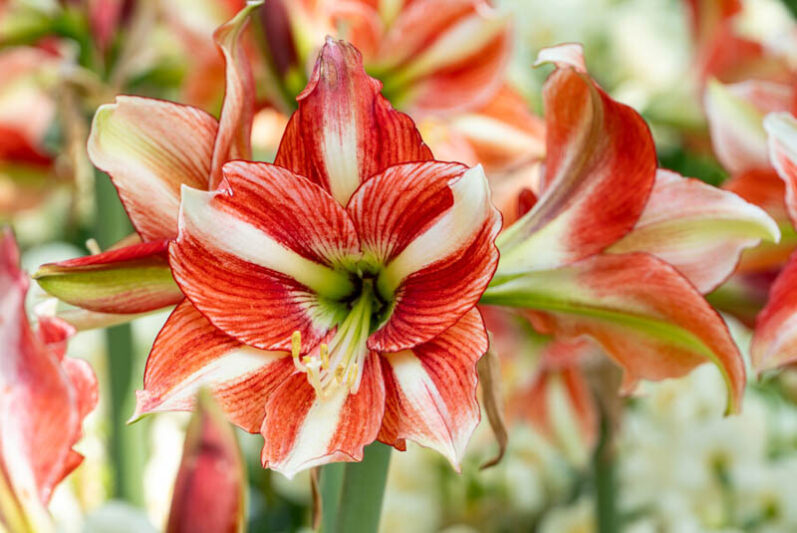
Amaryllis, Drought tolerant bulbs, Drought tolerant plants

45 Drought-Tolerant Flower Bulbs For Big Color On Little Water

Water-wise does not mean color-shy. Many flower bulbs actually prefer a dry summer rest. Plant them once, water deeply while they settle in, then let their built-in survival smarts carry the show. This guide rounds up 45 drought-tolerant bulbs that thrive with sharp drainage, plus real-world tips to help you design boldly and irrigate less.

Why Choose Drought-Tolerant Bulbs

Perennials and shrubs bring backbone, but bulbs fire off unforgettable moments. They pop early, glow in summer, or surprise in fall, then tuck underground to wait out tough weather. Drought-tolerant bulbs are made for lean conditions. They bank energy in fleshy storage organs, slide into dormancy when heat bites, and rebound fast when rain returns.

  • Low water use – underground storage lets bulbs ride out dry spells once established.
  • Seasonal drama – spring flares, summer fireworks, and autumn finales on cue.
  • Easy layering – tuck them between shrubs and grasses without crowding roots.
  • Great in gravel – most perform best in sunny, well-drained gravel or sandy soils.
Good to know
Even tough bulbs need steady moisture their first season. Once their roots dive, you can cut the irrigation sharply.

What Makes A Bulb Drought Tolerant

Bulbs survive by storing resources and timing growth when conditions are kind. Spot these traits, and you will pick winners for dry gardens without overthinking it.

  • Summer dormancy – foliage vanishes in heat and drought to conserve energy.
  • Skinny or waxy leaves – reduce water loss and reflect hard sun.
  • Native to Mediterranean or steppe climates – evolved for wet winters and dry summers.
  • Bulb offsets or corm clumps – multiply without constant pampering.
  • Fast post-rain response – some leap into growth after a single soaking.
Quick cue
If a bulb is recommended for rock gardens, gravel beds, or Mediterranean borders, you are already on the right track for drought tolerance.

Before You Choose: Three Water-Behavior Groups

Not all “drought bulbs” behave the same. Grouping them by growth rhythm keeps expectations (and watering) right.

1) Truly Drought-Tolerant / Xeric Bulbs

How they behave: need little water while growing, demand sharp drainage, and love a dry summer rest.

These often come from Mediterranean or semi-desert climates and store water in fleshy bulbs/corms. Many go fully dormant for the summer.

  • Suited to dry-summer regions; thrive in sandy or gravelly soil.
  • Grow in cool/wet seasons, then go fully dormant in summer.
  • Rarely need extra water once established (a spring soak helps in very dry years).
  • Far less prone to rot in heat if soils stay dry and free-draining.

Quick examples: Allium, Sternbergia, Colchicum, Crocus sativus, Nerine, Tulbaghia

2) Drought-Aware / Summer-Dry Friendly Bulbs

How they behave: want regular moisture while growing (late winter–spring), then prefer a bone-dry summer dormancy.

  • Happy in no-irrigation summers if spring is moist (rain/snowmelt).
  • In dry-spring climates, give occasional deep water to ensure good bloom.
  • Stop watering once foliage yellows for dormancy.

Watering rule: keep evenly moist through bloom; stop when leaves yellow.

Quick examples: Iris reticulata, Muscari (established clumps), CrocosmiaNarcissus, Freesia

3) Moisture-Dependent Bulbs (Not Truly Drought-Tolerant)

How they behave: need steady moisture in spring growth and resent drying out; many are woodland/meadow species.

  • Decline or skip flowers if spring soils dry quickly.
  • Often prefer richer soil and regular irrigation.
  • Some may rot in hot-humid, summer-wet conditions.

Where to use: irrigated beds, rain-garden shoulders—not true xeric spots.

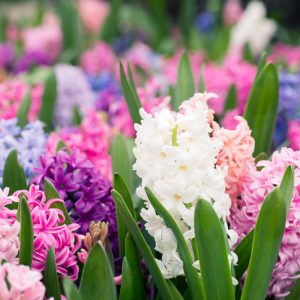
Quick examples: Hyacinthus orientalis, Galanthus, Convallaria, Erythronium, Anemone nemorosa.

Mediterranean vs. summer-rain climates:
In Mediterranean climates (winter-wet, summer-dry) these rhythms are easy to match. In summer-rain regions, grow xeric and summer-dry bulbs in raised, gravelly beds, under wide eaves, or in containers so dormancy stays dry.

Guide Information

Plant Type Bulbs
Tolerance Drought

Truly Drought-Tolerant Bulbs

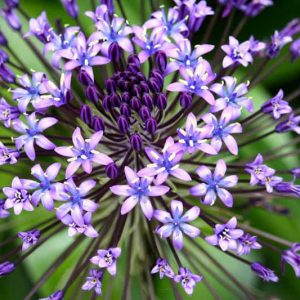
Allium cristophii (Star of Persia)
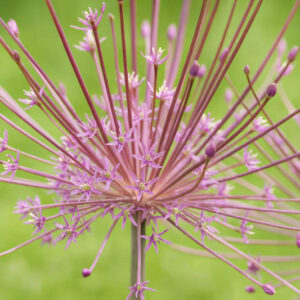
Allium schubertii (Ornamental Onion)
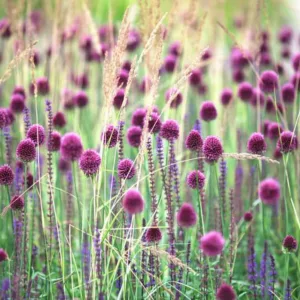
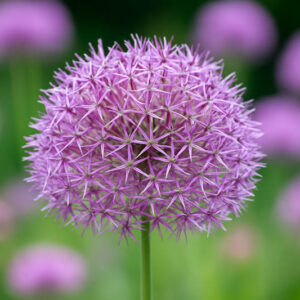
Allium sphaerocephalon (Drumstick Allium)
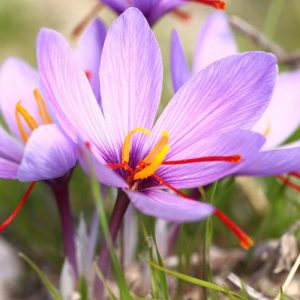
Crocus sativus (Saffron Crocus)
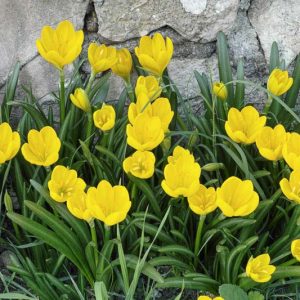
Sternbergia lutea (Winter Daffodil)
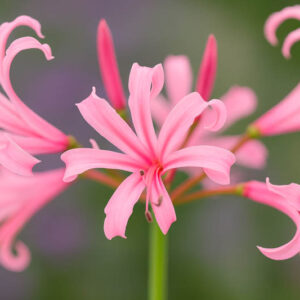
Nerine bowdenii (Guernsey Lily)
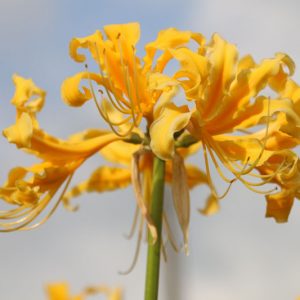
Lycoris aurea (Golden Spider Lily)
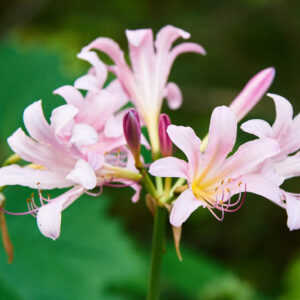
Lycoris squamigera (Resurrection Lily)
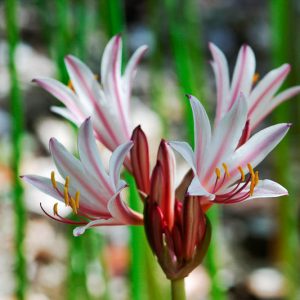
Lycoris incarnata (Peppermint Spider Lily)
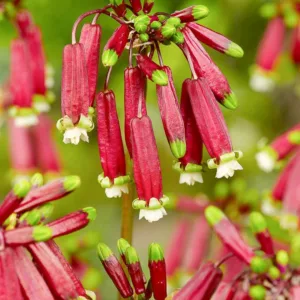
Dichelostemma ida-maia (Firecracker Flower)
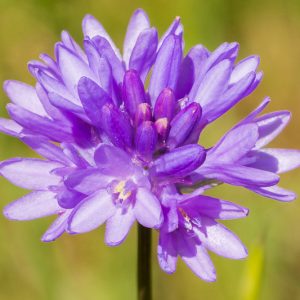
Dichelostemma congestum (Ookow)
Ixia ‘Yellow Emperor’ (Corn Lily)
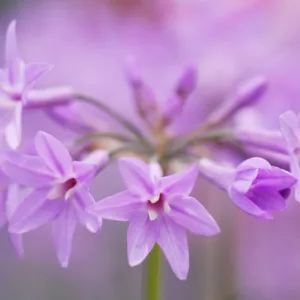
Tulbaghia violacea (Society Garlic)
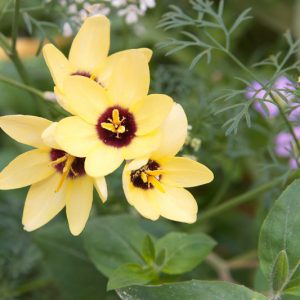
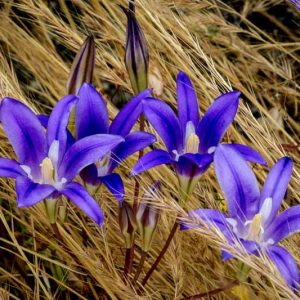
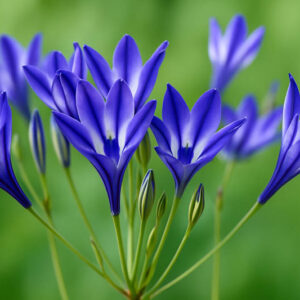
Brodiaea elegans (Elegant Cluster-Lily)
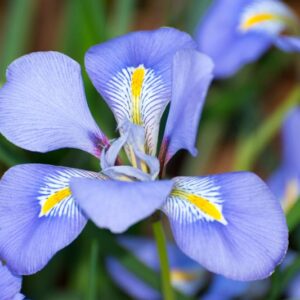
Iris unguicularis (Algerian Iris)
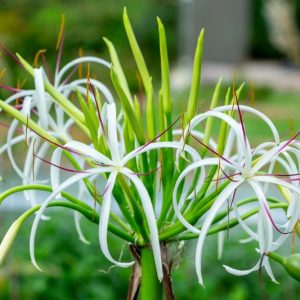
Crinum asiaticum (Giant Lily)
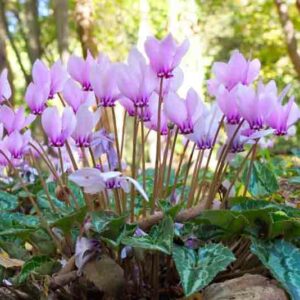
Cyclamen hederifolium (Ivy-Leaved Cyclamen)
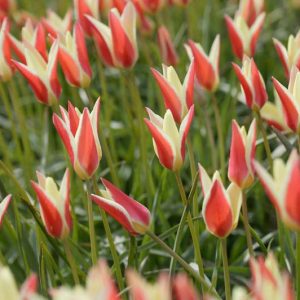
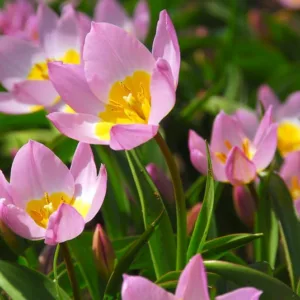
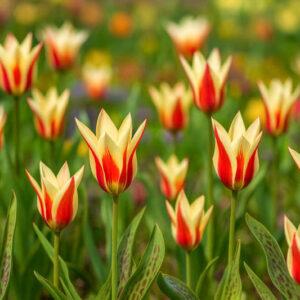
Tulipa clusiana ‘Cynthia’ (Botanical Tulip)
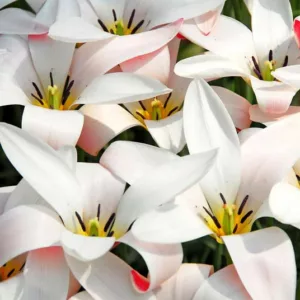
Tulipa Clusiana ‘Lady Jane’ (Botanical Tulip)
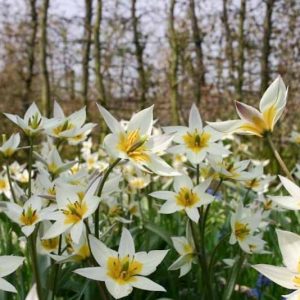
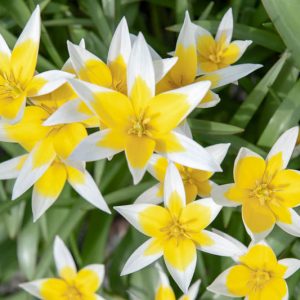
Tulipa turkestanica (Botanical Tulip)
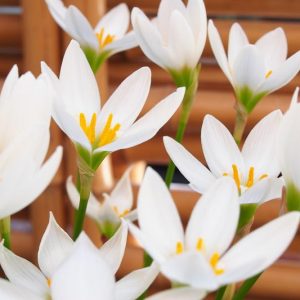
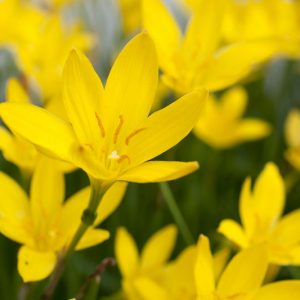
Zephyranthes candida (Rain Lily)
Tulipa saxatilis ‘Lilac Wonder’ (Botanical Tulip)
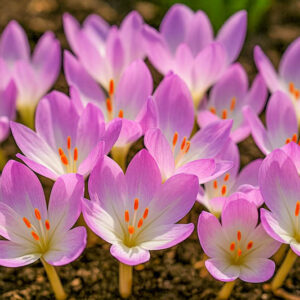
Colchicum (Autumn Crocus)
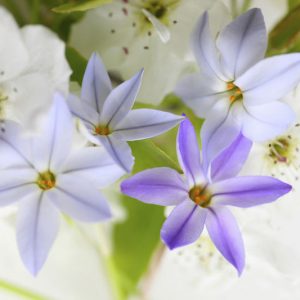
Ipheion (Spring Starflower)
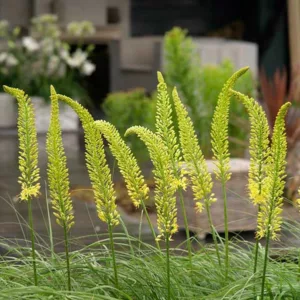
Eremurus (Foxtail Lily)
Triteleia laxa (Ithuriel’s Spears)
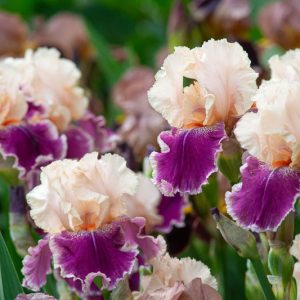
Iris germanica (Bearded Iris)

Drought-Aware / Summer-Dry Friendly Bulbs

Freesia
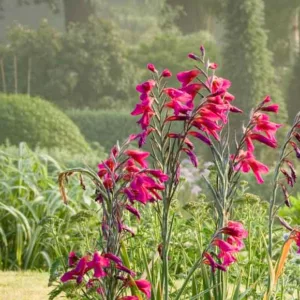
Gladiolus communis subsp. byzantinus (Byzantine Gladiolus)
Scilla peruviana (Portuguese Squill)
Zephyranthes citrina (Rain Lily)
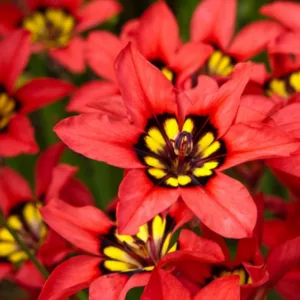
Sparaxis tricolor (Harlequin Flower)
Tulipa tarda (Botanical Tulip)
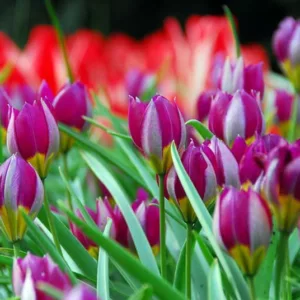
Tulipa pulchella ‘Persian Pearl’ (Botanical Tulip)
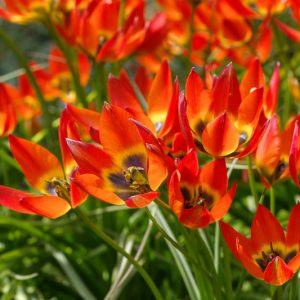
Tulipa ‘Little Princess’ (Botanical Tulip)
Tulipa sylvestris (Botanical Tulip)
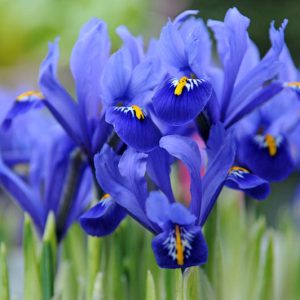
Iris reticulata (Dwarf Iris)
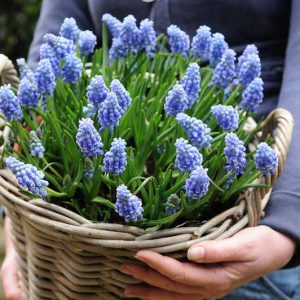
Muscari (Grape Hyacinth)
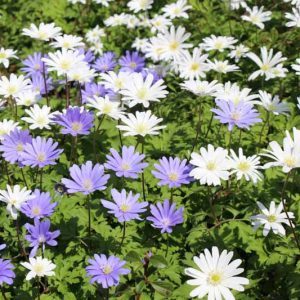
Anemone blanda (Grecian Windflower)
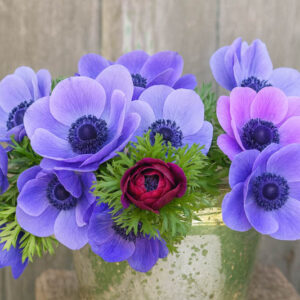
Anemone coronaria (Poppy Anemone)
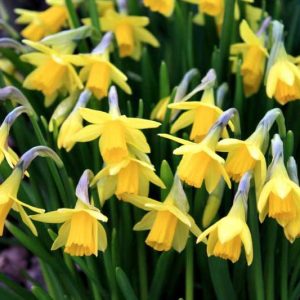
Narcissi (Daffodils)
Greigii Tulips
Fosteriana Tulips
Kaufmanniana Tulips
Crocus chrysanthus (Snow Crocus)

Moisture-Dependent Bulbs (Not Truly Drought Tolerant)

Convallaria majalis (Lily of the Valley)
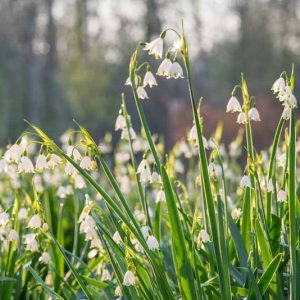
Leucojum aestivum (Summer Snowflake)
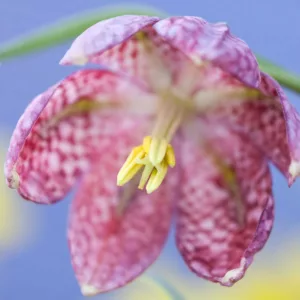
Fritillaria meleagris (Checkered Lily)
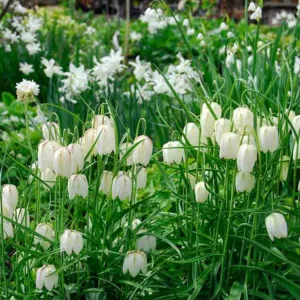
Fritillaria meleagris var. unicolor subvar. alba (Checkered Lily)
Anemone nemorosa (Wood Anemone)
Hyacinthus orientalis (Dutch Hyacinth)
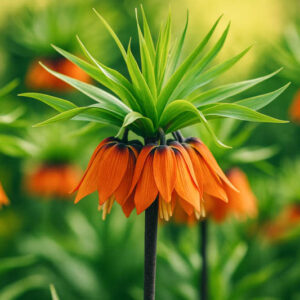
Fritillaria imperialis (Crown Imperial)
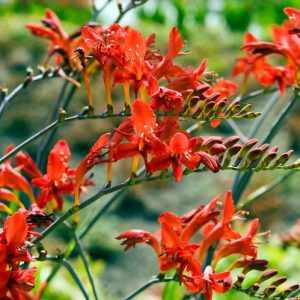
Crocosmia (Montbretia)
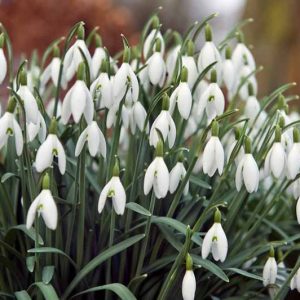
Galanthus (Snowdrop)
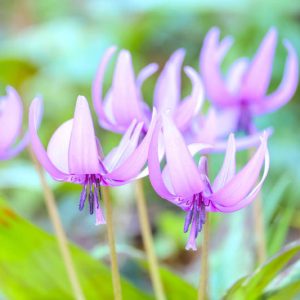
Erythronium (Trout Lily)
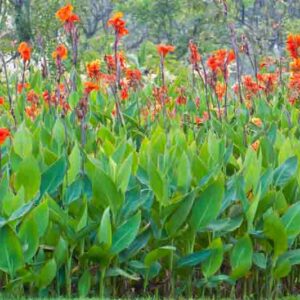
Cannas (Canna Lilies)
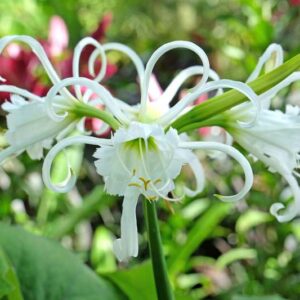
Hymenocallis (Spider Lily)
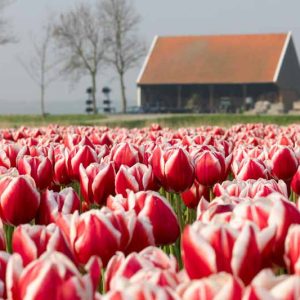
Triumph Tulips
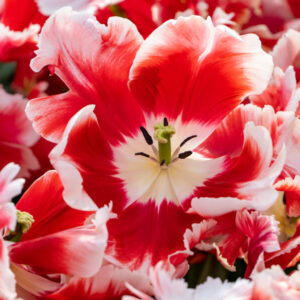
Parrot Tulips
Double Early Tulips
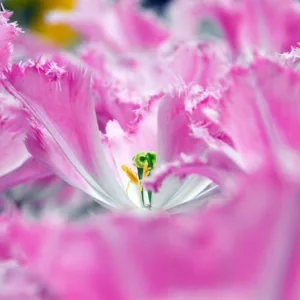
Fringed Tulips
Single Late Tulips
Double Late Tulips

Quick Compare: Drought-Tolerant Bulbs By Need

Need Great Bulbs Notes
Hot full sun Alliums, species Tulips, Nerine, Ixia Sharp drainage is nonnegotiable. Gravel mulch helps.
Summer dry borders Crocosmia, Gladiolus byzantinus, Triteleia Tolerant once established. Do not overwater in dormancy.
Deer-resistant color Alliums, Daffodils, Saffron Crocus Scent or mild toxicity keeps browsing low.
Containers and courtyards Nerine, Freesia, Rain Lilies Gritty potting mix, bright sun, and light feeding.
Fall bloom finale Colchicum, Saffron Crocus, Nerine, Sternbergia Great with grasses and seedheads for late garden glow.
Rock gardens and gravel Ipheion, Muscari (once established), Ornithogalum* *Check regional advisories. Some species spread by seed or bulbils.

Regionality matters: Drought in the Southwest is not the same as drought in the Northeast. Match bulbs to your USDA zone, soil, and rainfall pattern, and always verify regional restrictions.

Site, Soil, And Planting For Success

Drought-tolerant does not mean drought-indifferent. A bit of prep gives you years of easy color.

  • Sun – most drought-savvy bulbs want full sun for best bloom and sturdy stems.
  • Drainage – the nonnegotiable. Use raised beds, gravelly amendments, or berms where water lingers.
  • Planting depth – follow each bulb’s recommendation. As a rule, plant 2 to 3 times the bulb’s height deep.
  • Spacing – natural drifts read best. Plant in groups of 5 to 15 rather than single dots.
  • Water in – drench after planting to settle soil around the bulb plate and roots.
Establishment rule of thumb

Year 1 – deep, infrequent soaks. Year 2 – halve the frequency. Year 3 – water only during extended droughts in active growth.

Watering And Mulch Strategies

Bulbs evolved to feast when moisture arrives, then rest through the lean times. Your job is to mimic that rhythm.

  • Soak early growth – water when foliage emerges and during bud set.
  • Ease off after bloom – allow foliage to yellow naturally to recharge the bulb.
  • Mulch smart – gravel or crushed rock keeps crowns dry and heat reflecting. Avoid soggy bark against stems.
  • No summer sprinklers – most Mediterranean bulbs prefer a dry summer nap.

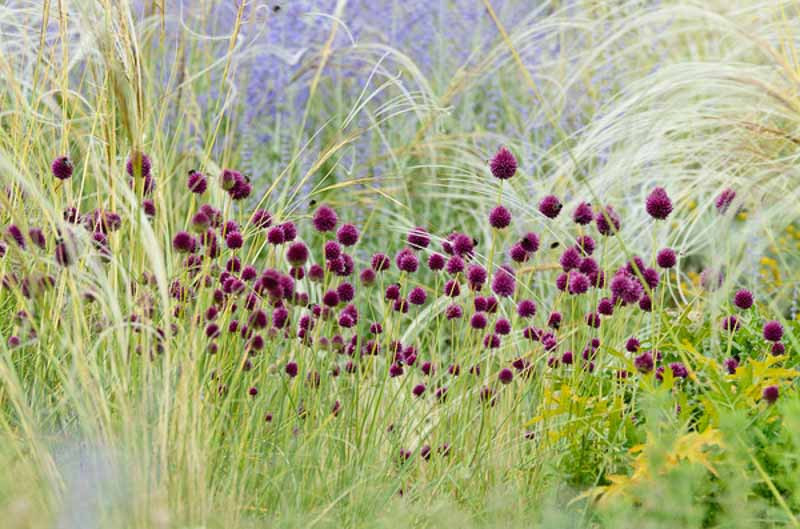
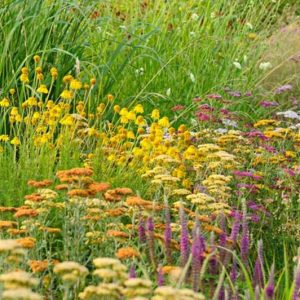
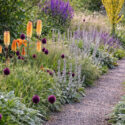
Garden Ideas, Border ideas, Perennial Planting, Perennial combination, Summer Borders, Allium sphaerocephalon,  Perovskia, Russian Sage, Drumstick Allium, Stipa barbata, Feather grassAllium and Stipa

Designing With Drought-Tolerant Bulbs

Lean conditions are a design advantage. Bulbs deliver sparks of color over a backbone of shrubs and grasses.

  • Layer the calendar – early bulbs like Iris reticulata and Crocus, late spring Alliums, summer Crocosmia, fall Nerine and Sternbergia.
  • Go in drifts – 7 to 15 bulbs create impact and look natural.
  • Pair with texture – let bulb blooms float above grasses and low perennials for contrast.
  • Repeat for rhythm – echo the same bulb groups every few feet to pull the eye through the space.
Pollinator bonus

Alliums, species Tulips, Crocus, and late summer Crocosmia feed bees, butterflies, and hummingbirds when many gardens run dry.

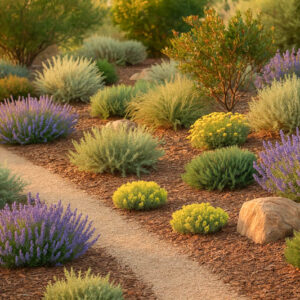
Find Drought-Tolerant Garden Design Ideas

Smart Combos That Thrive On Less Water

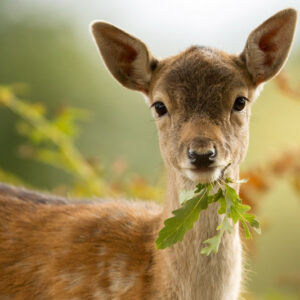
Discover Flower Bulbs That Deer Will Avoid

Regional Notes And Cautions

  • Hardiness first – check USDA zones before planting. A bulb that thrives in zone 9 may need lifting in zone 5.
  • Winter wet vs summer dry – Mediterranean bulbs expect damp winters, dry summers. In summer rainfall regions, prioritize drainage and covered beds.
  • Invasiveness – some Ornithogalum and Crocosmia spread by seed or offsets. Choose named, well-behaved cultivars where needed.
  • Wildlife – drought-tolerant does not automatically mean deer safe. For lower browsing, favor Alliums and Narcissus.
Native-forward swap
In North American dry gardens, consider natives like Calochortus tolmiei, Calochortus nuttallii, and Triteleia for habitat value and regional resilience.

Care And Maintenance Calendar

  • Late fall to winter – plant hardy spring bloomers. In cold zones, add a gravel or grit topdress for winter wet protection.
  • Late winter to early spring – water as foliage emerges, then stop fertilizing once flowers fade.
  • Late spring – allow leaves to yellow naturally. Do not braid or cut early or you will shrink next year’s show.
  • Summer – keep bulbs dry unless they are active summer bloomers like Crocosmia or Crinum. Avoid overhead irrigation.
  • Early fall – enjoy autumn bulbs like Colchicum, Nerine, and Sternbergia. Divide congested clumps only when dormant.
Lift or leave

Tender bulbs in cool zones can be lifted after frost blackens foliage. Cure in a dry, airy place and store cool until spring. Many hardy bulbs resent disturbance and prefer to stay put.

Troubleshooting Dry-Garden Bulbs

  • No flowers – too much shade or foliage was cut too soon last season. Increase the sun and let the leaves ripen fully.
  • Bulbs rotting – poor drainage is the culprit. Raise the planting area and add grit. Avoid watering in dormancy.
  • Weak clumps – overcrowded bulbs need dividing in dormancy. Replant with fresh grit and space for air flow.
  • Floppy stems – overrich soil or low light. Go lean, sunny, and skip high nitrogen.
  • Critter damage – squirrels and voles can raid some bulbs. Use gravel in the hole, plant deeper, or choose less tasty bulbs like Alliums and Narcissus.
Plant once, edit later

Bulbs often take a season to reveal their preferred spots. Move underperformers during dormancy rather than forcing them to fit.

Simple Steps To Start Today

  1. Walk your site and mark the sunniest, fastest draining spots.
  2. Pick a spring set and a fall set so you have bookends of color.
  3. Plant in generous drifts, then topdress with gravel for drainage and a finished look.
  4. Water deeply during active growth and stop once foliage fades.
  5. Relax. Your bulbs are built for the dry season.

Frequently Asked Questions

What are the best drought-tolerant bulbs?

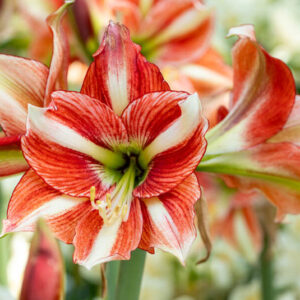
Great options include alliums, daffodils, crocosmia, freesia, amaryllis belladonna, bearded iris, colchicum, crocus, triteleia, and nerine. These bulbs store water and can handle dry periods once established.

Do drought-tolerant bulbs still need watering?

Yes. Water them regularly during their first growing season and while they are actively rooting. Once established or dormant, most only need water during long dry spells.

When should I plant drought-tolerant bulbs?

Spring- and early-summer bloomers that are hardy (daffodils, most Alliums, species tulips, muscari) are planted in fall. Tender or summer bloomers (gladiolus, freesias in cold zones) are planted in spring. Autumn bloomers (colchicum, saffron crocus) go in late summer to early fall.

Can drought-tolerant bulbs grow in full sun?

Most of them actually prefer full sun. At least 6 hours of direct sunlight helps them bloom well and prevents rot by drying out the soil faster.

Can drought-tolerant bulbs grow in clay soil?

Some can if drainage is improved. Plant slightly high, amend with grit or sand, and avoid spots that stay soggy. Bearded iris and alliums handle clay better than most bulbs.

Will they come back every year?

Yes. Many drought-tolerant bulbs are perennial and even naturalize (multiply over time), especially daffodils, alliums, crocus, and triteleia.

Do drought-tolerant bulbs bloom even in hot, dry summers?

Yes, many bloom before or after extreme heat. Some go dormant during peak summer and return when conditions improve. Others, like crocosmia or gladiolus, bloom during heat but need occasional deep watering.

How much water do drought-tolerant bulbs need?

Water deeply during active growth, then let the soil dry slightly. During dormancy, keep soil on the dry side. Overwatering in dormancy causes rot.

Are any drought-tolerant bulbs evergreen?

Most go dormant, but some like certain species of Amaryllis or Nerine may hold foliage in mild climates. Generally, expect a dormant period with no leaves.

Are drought-tolerant bulbs deer or rodent-resistant?

Alliums, daffodils, fritillaria, and colchicum are usually avoided due to taste or toxicity. Others may need protection if wildlife is heavy in your area.

Wrap Up

Drought-tolerant bulbs are the secret spark in low water landscapes. Give them sun, ruthless drainage, and a dry rest, then enjoy waves of color through the year. Choose varieties that match your USDA zone and rainfall pattern, plant in drifts, and let gravel be your mulch. When heat rises and rain takes a holiday, your borders will still look alive, textured, and full of surprise.

Updated: October 2025 • Reviewed by Gardenia Editors

Recommended Guides

36 Drought Tolerant Grasses to Grow. Save Water, Add Wow
48 Perennials That Survive Drought (and Still Look Amazing)
42 Shrubs That Survive Drought (and Still Look Amazing)
Drought-Tolerant Roses: The Best Low-Water Rose Bushes for Your Garden
How Drought-Tolerant is Hydrangea?
Drought Tolerant Palm Trees and Cycads
Highly Drought Tolerant plants for your Florida Native Garden
Desert Shrubs: Essential Plants for Dry Gardens
Desert Flowers: Bringing Color to Dry Gardens
North Carolina Native Trees for Dry Sites
North Carolina Native Shrubs for Dry Sites
Mid-Atlantic Gardening: Great Perennials for Dry Soil
Great North American Plants for Dry Soils in New England
Great Shrubs for Dry Soils in New England
The Ultimate Guide to Deer-Resistant Plants for a Beautiful Garden
The Ultimate Guide to Drought-Tolerant Plants for a Beautiful Garden
Drought-Tolerant Trees That Thrive On Little Water
66 Drought-Tolerant Ground Covers for Low-Water Landscapes
42 Low-Water Annuals That Bloom for Months
45 Drought-Tolerant Flower Bulbs for Effortless, Low-Water Color
27 Beautiful Flower Bulbs Deer Don’t Like to Eat
While every effort has been made to describe these plants accurately, please keep in mind that height, bloom time, and color may differ in various climates. The description of these plants has been written based on numerous outside resources.

Guide Information

Plant Type Bulbs
Tolerance Drought

Related Items

Please Login to Proceed

You Have Reached The Free Limit, Please Subscribe to Proceed

Subscribe to Gardenia

To create additional collections, you must be a paid member of Gardenia
  • Add as many plants as you wish
  • Create and save up to 25 garden collections
Become a Member

Plant Added Successfully

Your garden is taking shape. Unlock full planning.

You’ve reached the free limit. Upgrade for $25/year to add as many plants as you wish and save up to 25 garden collections. Unlock Annual Membership

Update Your Credit
Card Information

Cancel

Create a New Collection

Sign Up to Our Newsletter

    You have been subscribed successfully

    Join Gardenia.net

    Create a membership account to save your garden designs and to view them on any device.

    Becoming a contributing member of Gardenia is easy and can be done in just a few minutes. If you provide us with your name, email address and the payment of a modest $25 annual membership fee, you will become a full member, enabling you to design and save up to 25 of your garden design ideas.

    Join now and start creating your dream garden!

    Join Gardenia.net

    Create a membership account to save your garden designs and to view them on any device.

    Becoming a contributing member of Gardenia is easy and can be done in just a few minutes. If you provide us with your name, email address and the payment of a modest $25 annual membership fee, you will become a full member, enabling you to design and save up to 25 of your garden design ideas.

    Join now and start creating your dream garden!
    Find your Hardiness Zone

    Find your Heat Zone

    Find your Climate Zone