Create Your Garden

48 Perennials That Survive Drought (and Still Look Amazing)

Transform dry beds with these drought tolerant perennials. Color, texture, pollinators, less water. Plant smarter and thrive all season.
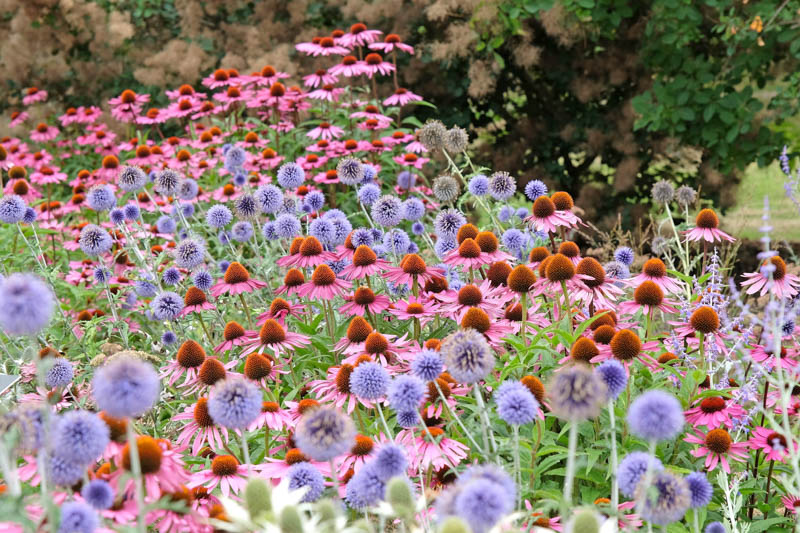
Drought, Drought tolerant plants, Drought tolerant flowers, Drought tolerant perennias, Echinacea, Globe Thistle

48 Drought-Tolerant Perennials For Color, Texture, And Low-Water Confidence

Water wise does not mean boring. With the right perennials, you plant once, water deeply while they establish, then enjoy waves of blooms, fragrance, and pollinator traffic with very little fuss. This guide gathers standout drought-tolerant perennials plus practical, real-world tips that keep them happy in lean conditions.

Why Choose Drought-Tolerant Perennials

Perennials are the backbone of low-water borders. They return every year, knit spaces together, and deliver seasonal color without constant watering. Compared with thirsty bedding plants, drought-tolerant perennials are already built for heat, wind, and dry spells.

  • Lower water bills – deep roots and efficient foliage reduce irrigation needs after the first season.
  • Less maintenance – slower, steadier growth means fewer rescues in hot weather.
  • Design flexibility – mix heights, textures, and bloom windows for a layered, four-season look.
  • Wildlife value – nectar for pollinators, seeds for birds, habitat for beneficial insects.
Good to know
Even the toughest perennial needs consistent moisture during its first season. Once roots dive, you can cut the irrigation back significantly.

What Makes A Perennial Drought Tolerant

Plants resist drought with clever adaptations. When you can spot these traits, you start picking winners automatically.

  • Leaf adaptations – silver or gray foliage reflects sun, narrow or small leaves reduce water loss, and fuzzy leaves trap humidity.
  • Aromatic oils – scented foliage often has thicker cuticles that slow transpiration.
  • Roots that hunt – deep taproots or wide fibrous systems find pockets of moisture others miss.
  • Seasonal savvy – bloom early or late to dodge peak heat. Some rest in midsummer and rebound after rain.
  • Succulent storage – fleshy leaves and stems stash water for dry stretches.
Quick cue
Silvery, aromatic, or succulent foliage is often drought smart. Rub a leaf and sniff. That scent is a hint the plant keeps moisture close.

Guide Information

Plant Type Perennials
Tolerance Drought

48 Drought-Tolerant Perennials To Plant Now

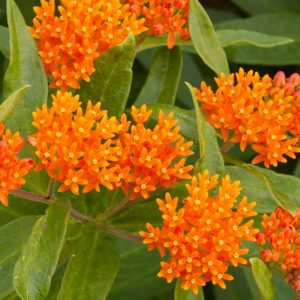
Asclepias tuberosa (Butterfly Milkweed)
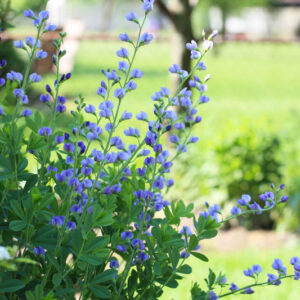
Baptisia australis (False Indigo)
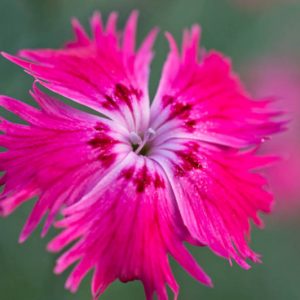
Dianthus gratianopolitanus (Cheddar Pink)
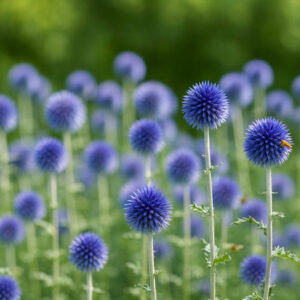
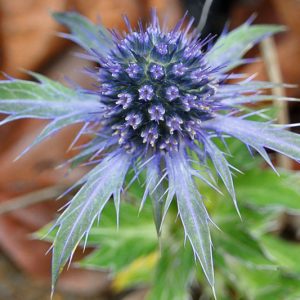
Echinops ritro ‘Veitch’s Blue’ (Globe Thistle)
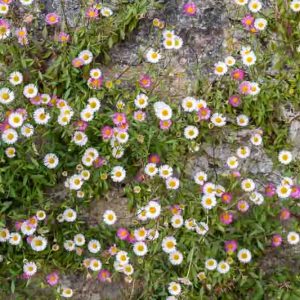
Erigeron karvinskianus (Mexican Daisy)
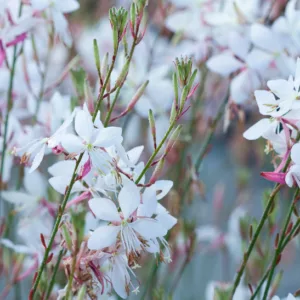
Gaura lindheimeri (White Gaura)
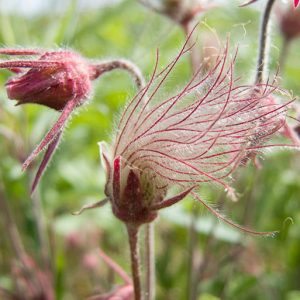
Geum triflorum (Prairie Smoke)
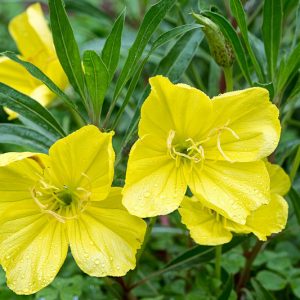
Oenothera macrocarpa (Ozark Sundrops)
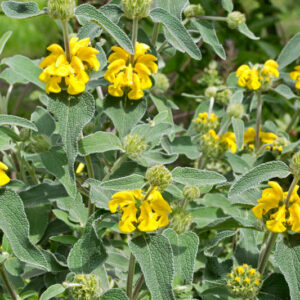
Phlomis fruticosa (Jerusalem Sage)
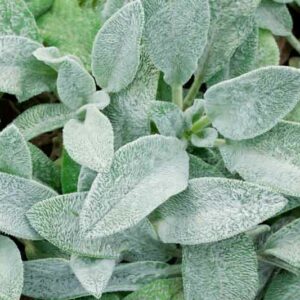
Stachys byzantina (Lamb’s Ear)
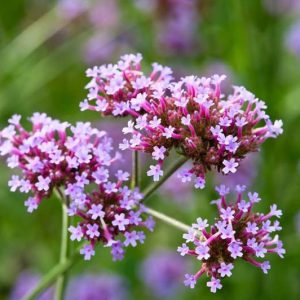
Verbena bonariensis (Purpletop Vervain)
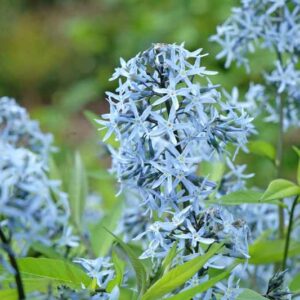
Amsonia tabernaemontana var. salicifolia (Eastern Blue Star)
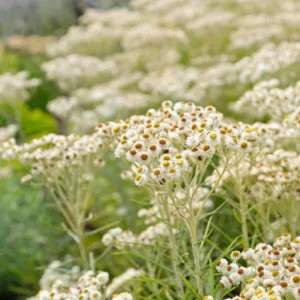
Anaphalis margaritacea (Pearly Everlasting)
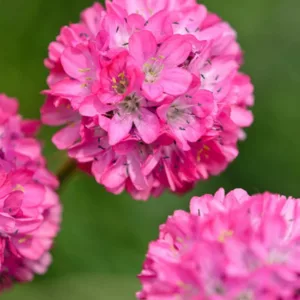
Armeria maritima (Sea Thrift)
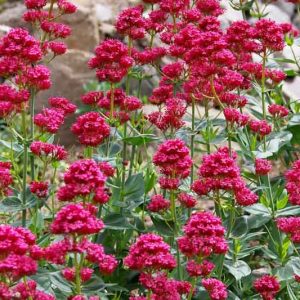
Centranthus ruber (Red Valerian)
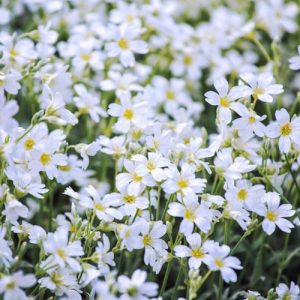
Cerastium tomentosum (Snow in Summer)
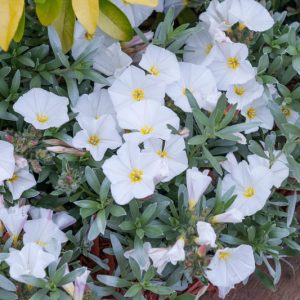
Convolvulus cneorum (Shrubby Bindweed)
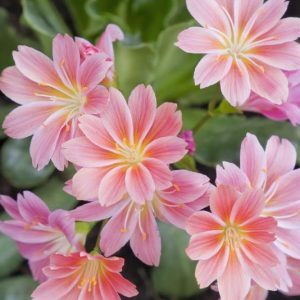
Lewisia cotyledon (Siskiyou Lewisia)
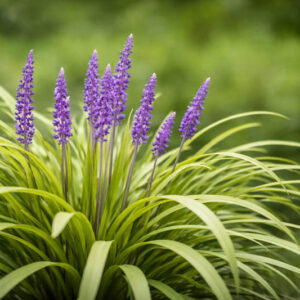
Liriope muscari (Blue Lily Turf)
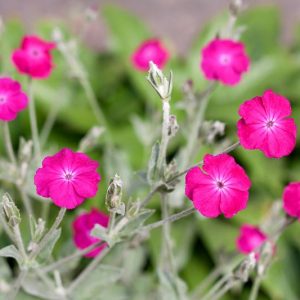
Lychnis coronaria (Rose Campion)
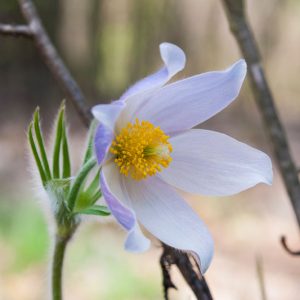
Pulsatilla patens (Eastern Pasque Flower)
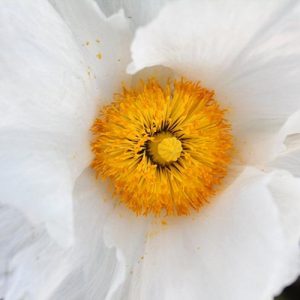
Romneya coulteri (Matilija Poppy)
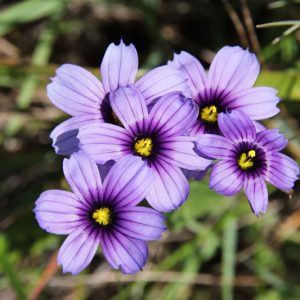
Sisyrinchium bellum (Blue-Eyed Grass)
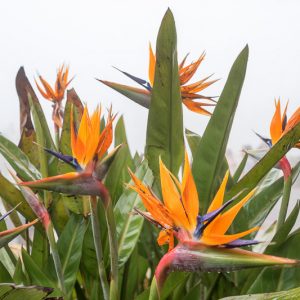
Strelitzia reginae (Bird of Paradise)
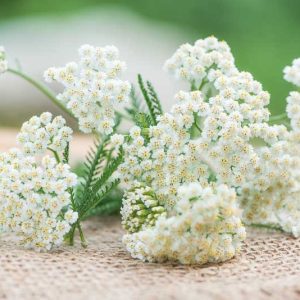
Achillea (Yarrow)
Aster novae-angliae (New England Aster)
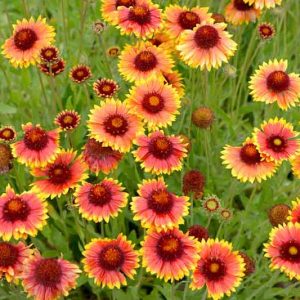
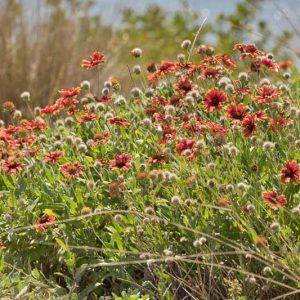
Gaillardia (Blanket Flower)
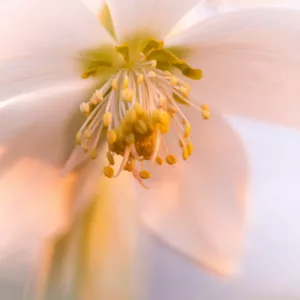
Helleborus (Hellebore)
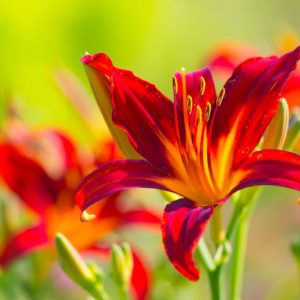
Hemerocallis (Daylilies)
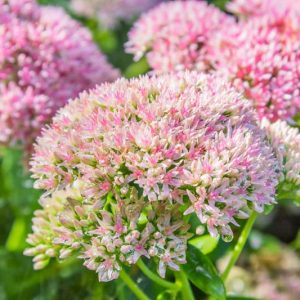
Sedum (Stonecrop)
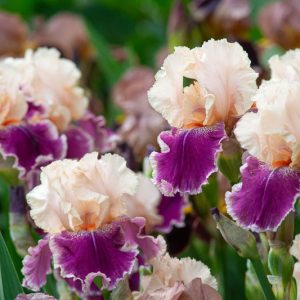
Iris germanica (Bearded Iris)
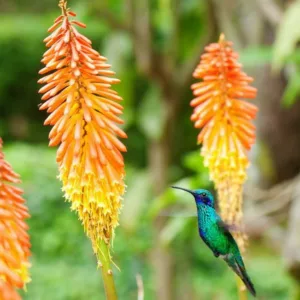
Kniphofia (Red Hot Poker)
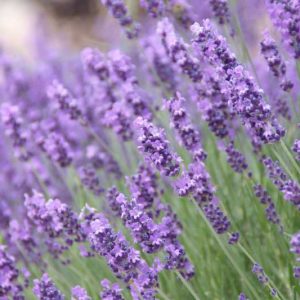
Lavandula angustifolia (English Lavender)
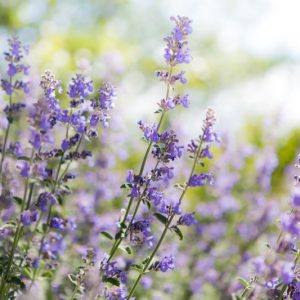
Nepeta (Catmint)
Penstemon (Beardtongue)
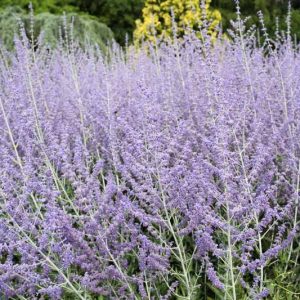
Salvia yangii (Russian Sage)
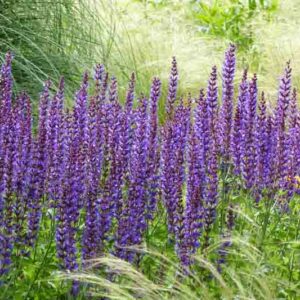
Salvia nemorosa (Woodland Sage)
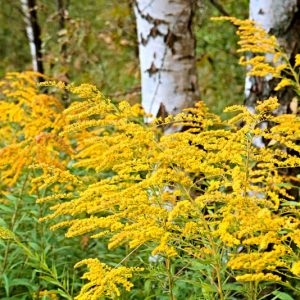
Solidago (Goldenrod)
Agastache (Hyssop)
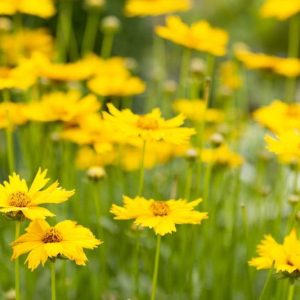
Coreopsis (Tickseed)
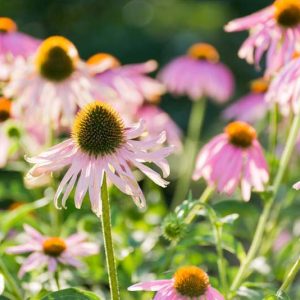
Echinacea (Coneflower)
Eryngium (Sea Holly)
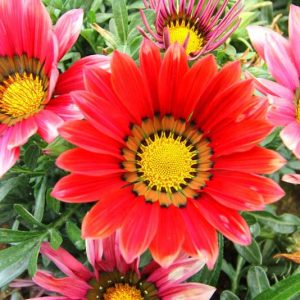
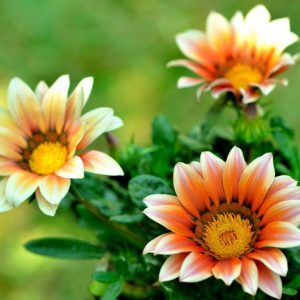
Gazania (Treasure Flower)
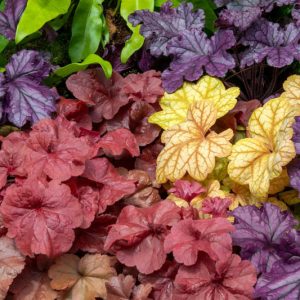
Heuchera (Coral Bells)
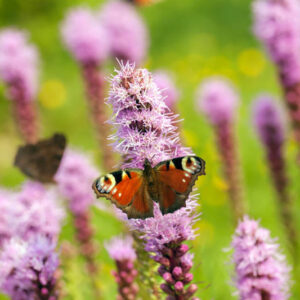
Liatris (Blazing Star)
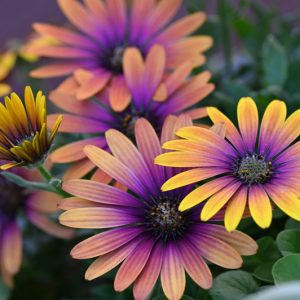
Osteospermum (African Daisy)
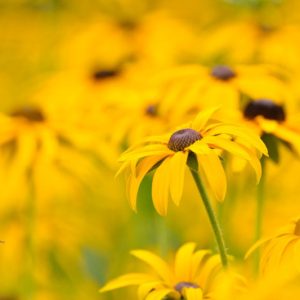
Rudbeckia fulgida (Black-Eyed Susan)
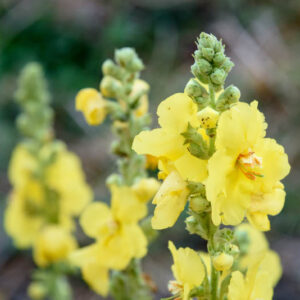
Verbascum (Mullein)

Quick Compare: Drought-Tolerant Perennials By Need

Need Great Picks Notes
Hot full sun Echinacea, Blanket Flower, Woodland Sage, Yarrow, Stonecrop Lean soil and drainage keep stems upright and blooms prolific.
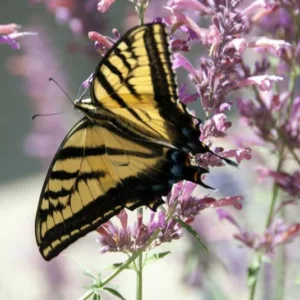
Pollinator magnet Agastache, Eastern Bee Balm, Catmint, Coreopsis, Tall Verbena Stagger bloom times for nectar from spring to frost.
Deer-leaning resistance* Lamb’s Ear, Russian Sage, Wormwood, Sage Aromatic or fuzzy foliage helps reduce browsing.
Coastal wind and sun Thrift, Red Hot Poker, Mexican Daisy Salt tolerant choices with tough foliage handle exposure.
Shade or dappled sun Hellebore, Barrenwort, Bloody Cranesbill, Siberian Bugloss Choose shade-tolerant drought survivors for dry shade under trees.
Clay tolerant with prep Rudbeckia, Aster, Hemerocallis, Goldenrod Plant slightly high and add grit to improve aeration.
Containers and courtyards Lavender, Catmint, Stonecrop, Ice Plant, Thymus Use gritty mix and excellent drainage. Water deeply, then let dry.

Regionality matters: Drought in the Southwest is not the same as drought in the Northeast. Match choices to your USDA zone, soil, and local guidance, and always verify any regional restrictions.

Discover more drought-tolerant plants with our Plant Finder

Site, Soil, And Planting For Success

Drought tolerant does not mean drought indifferent. A little prep up front buys a lot of forgiveness later.

  • Sun – most drought-hardy perennials want at least 6 hours of direct light.
  • Drainage – free-draining soil is nonnegotiable. Raise beds or add grit where water lingers.
  • Soil prep – loosen wide, plant slightly high, and amend only if soil is truly poor. Avoid creating a bathtub.
  • Planting depth – set crowns level with the nursery soil line. Burying crowns invites rot.
  • Water in – drench thoroughly at planting to settle soil around roots.

Establishment rule of thumb

Year 1 – deep, infrequent watering. Year 2 – cut frequency in half. Year 3 – water only during extended droughts.

Watering And Mulch Strategies

Your goal is deep roots, not pampered surface growth. That means long, infrequent soakings and mulch that moderates heat without smothering stems.

  • Deep soaks – apply water slowly at the dripline so moisture penetrates 8 to 12 inches.
  • Spacing – give roots room to expand. Crowded plantings bake and dry faster.
  • Mulch smart – gravel, crushed rock, or a thin layer of coarse organic mulch. Keep 3 to 4 inches away from crowns.
  • Timing – water early morning to reduce loss to evaporation.
  • Check by hand – dig a small test hole to confirm moisture depth rather than guessing.

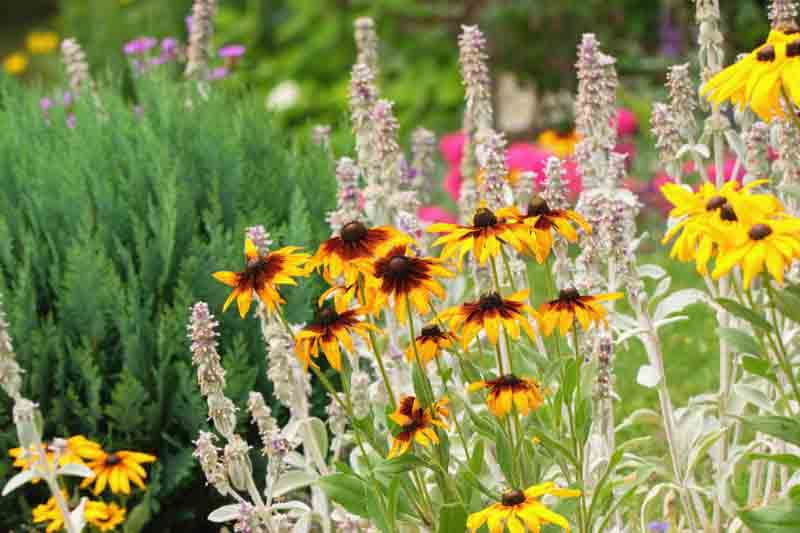
Black-eyed susan, Lamb's ear, Rudbeckia, Stachys, garden design,cottage gardenLamb’s ear, Black-Eyed Susan

Designing With Drought-Tolerant Perennials

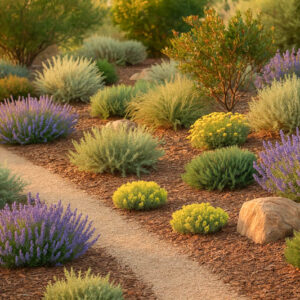
Lean conditions are a design opportunity. Texture, silhouette, seedheads, and shadow lines take the stage when lawns fade.

  • Layer heights – low mounds up front, mid-height color in the middle, tall accents in back.
  • Palette – silvers and blue greens pair beautifully with honey, terracotta, and burgundy tones.
  • Contrast – mix fine blades and airy wands with bold leaves and umbels.
  • Rhythm – repeat your best doers every 3 to 5 feet to guide the eye.
  • Companions – weave in ornamental grasses for movement and long season structure.

Pollinator bonus

Many drought-wise perennials bloom when little else does. Stagger early, mid, and late bloomers to feed bees and butterflies all season.

Smart Combinations That Thrive On Less Water

  • Silver and violet – Nepeta + Salvia nemorosa + Hylotelephium with a ribbon of Festuca glauca.
  • Meadow glow – Echinacea + Rudbeckia + Gaura with airy Panicum virgatum.
  • Heat lovers – Agastache + Penstemon + Gaillardia with architectural Kniphofia.
  • Dry shade relief – Helleborus + Epimedium + Geranium macrorrhizum under open canopies.
  • Succulent edge – Delosperma + Hylotelephium + Sempervivum along gravel paths.

Regional Notes And Cautions

  • Hardiness – confirm USDA zone before planting. What thrives in Zone 9 may sulk in Zone 5.
  • Invasiveness – some species spread too well in certain regions. Always check local guidance.
  • Salt and wind – choose leathery or wiry foliage near coasts and open exposures.
  • Wildfire zones – maintain defensible space and follow regional lists.
  • Wildlife – drought tolerant does not equal deer resistant. Combine with deterrent design where deer are active.

Care And Maintenance Calendar

  • Early spring – cut back old stems, divide clumps that are congested, top up gravel or coarse mulch.
  • Late spring – deep soak if the season is unusually dry. Stake tall wands early if needed.
  • Summer – water deeply during extended droughts. Deadhead for tidiness or to extend bloom where appropriate.
  • Fall – leave attractive seedheads for birds and winter interest. Plant new perennials 6 to 8 weeks before first frost.
  • Winter – observe wind and drainage patterns. Plan adjustments while stems reveal structure.

Pruning tip

Go easy. Many dry-garden perennials resent hard cuts midseason. Shape lightly after bloom or in late winter before growth resumes.

Troubleshooting Dry-Garden Perennials

  • Wilting despite watering – water may not be reaching root depth. Slow the flow and soak longer.
  • Yellowing leaves – overwatering or poor drainage is likely. Improve aeration and reduce frequency.
  • Flopping stems – too much fertility or shade. Reduce nitrogen and increase sun exposure.
  • No flowers – plants may be too young or overfed. Many bloom best in lean soil by year two.
  • Winter heave – frost can lift crowns in wet soils. Refirm in early spring and improve drainage.

Plant once, edit later

Even with careful planning, a plant may reveal new preferences after a season. Shift underperformers in early fall or early spring rather than fighting the site.

Simple Steps To Start Today

  • Map full sun, hottest reflected heat, and dry shade zones.
  • Choose three reliable perennials and repeat them in a simple rhythm.
  • Prepare wide planting holes, set crowns high, and water in thoroughly.
  • Mulch with gravel or coarse chips and set a deep soak schedule.
  • Relax. You built a border that keeps its cool when the weather does not.

Frequently Asked Questions

What makes a perennial drought-tolerant?

Drought-tolerant perennials have traits that help them conserve water or access deep moisture – like long taproots, narrow or silver leaves, thick cuticles, or aromatic foliage. They naturally bounce back after dry spells without constant watering.

Do drought-tolerant perennials still need watering?

Yes, but only during the first growing season while they establish roots. After that, most only need deep watering during extreme heat or prolonged drought. “Drought-tolerant” means “low-water,” not “no-water.”

What are some easy drought-tolerant perennials for beginners?

Great starter plants include lavender, yarrow, sedum, Russian sage, salvia, coneflower, black-eyed Susan, gaillardia, and catmint. They’re tough, colorful, and very forgiving.

Can drought-tolerant perennials grow in clay soil?

Some can, but drainage is key. Improve clay soil by raising the bed, adding grit or compost, and planting slightly high. Plants like daylilies, sedums, and ornamental grasses can handle clay better than most.

Do drought-tolerant perennials need full sun?

Most do thrive in full sun, but there are options for light shade such as hellebores, epimedium, hardy geraniums, and hosta alternatives like bergenia or lamb’s ear.

Can drought-tolerant perennials survive cold winters?

Absolutely. Many drought-tolerant perennials are also cold-hardy – like sedum, echinacea, salvia, and ornamental grasses. Just match the plant’s USDA zone to your climate.

Will drought-tolerant perennials still bloom without much water?

Yes! Some even bloom better in lean, dry soil. However, a deep soak during bud formation can boost flower production and keep plants looking fresh.

Should I mulch drought-tolerant perennials?

Yes, but choose smart mulch. Gravel or crushed stone is best for airflow and heat control. Avoid thick, soggy wood mulch that holds too much moisture around the crown.

Why are my drought-tolerant perennials struggling?

The most common reasons: poor drainage, too much shade, overwatering, or crowding. Even drought-tolerant plants need time to establish before they can handle tough conditions.

Can I mix drought-tolerant and regular perennials together?

It’s better to group plants by water needs. If you mix high- and low-water plants, someone will suffer. Create water zones to keep care simple and consistent.

When is the best time to plant drought-tolerant perennials?

Early fall or early spring is ideal. Fall planting gives roots time to grow in cool soil, making plants more drought-resilient the following summer.

Wrap Up

Drought-tolerant perennials deliver style without stress. Choose plants with the right leaf and root adaptations, set them up with drainage and deep watering in year one, and then let their natural strengths carry the show. When heat rises and rain takes a vacation, your border will still look composed, colorful, and alive.

Updated: October 2025 • For gardeners who love beauty and hate babysitting

Drought-Tolerant Roses: The Best Low-Water Rose Bushes for Your Garden
How Drought-Tolerant is Hydrangea?
Drought Tolerant Palm Trees and Cycads
Highly Drought Tolerant plants for your Florida Native Garden
Desert Shrubs: Essential Plants for Dry Gardens
Desert Flowers: Bringing Color to Dry Gardens
North Carolina Native Trees for Dry Sites
North Carolina Native Shrubs for Dry Sites
Mid-Atlantic Gardening: Great Perennials for Dry Soil
Great North American Plants for Dry Soils in New England
Great Shrubs for Dry Soils in New England
Great Perennials as Companion Plants for Your Succulents
The Ultimate Guide to Drought-Tolerant Plants for a Beautiful Garden
66 Drought-Tolerant Ground Covers for Low-Water Landscapes
42 Low-Water Annuals That Bloom for Months
45 Drought-Tolerant Flower Bulbs for Effortless, Low-Water Color
36 Drought Tolerant Grasses to Grow. Save Water, Add Wow
48 Perennials That Survive Drought (and Still Look Amazing)
42 Shrubs That Survive Drought (and Still Look Amazing)
Drought-Tolerant Trees That Thrive On Little Water
The Ultimate Guide to Deer-Resistant Plants for a Beautiful Garden
While every effort has been made to describe these plants accurately, please keep in mind that height, bloom time, and color may differ in various climates. The description of these plants has been written based on numerous outside resources.

Guide Information

Plant Type Perennials
Tolerance Drought

Related Items

Please Login to Proceed

You Have Reached The Free Limit, Please Subscribe to Proceed

Subscribe to Gardenia

To create additional collections, you must be a paid member of Gardenia
  • Add as many plants as you wish
  • Create and save up to 25 garden collections
Become a Member

Plant Added Successfully

Your garden is taking shape. Unlock full planning.

You’ve reached the free limit. Upgrade for $25/year to add as many plants as you wish and save up to 25 garden collections. Unlock Annual Membership

Update Your Credit
Card Information

Cancel

Create a New Collection

Sign Up to Our Newsletter

    You have been subscribed successfully

    Join Gardenia.net

    Create a membership account to save your garden designs and to view them on any device.

    Becoming a contributing member of Gardenia is easy and can be done in just a few minutes. If you provide us with your name, email address and the payment of a modest $25 annual membership fee, you will become a full member, enabling you to design and save up to 25 of your garden design ideas.

    Join now and start creating your dream garden!

    Join Gardenia.net

    Create a membership account to save your garden designs and to view them on any device.

    Becoming a contributing member of Gardenia is easy and can be done in just a few minutes. If you provide us with your name, email address and the payment of a modest $25 annual membership fee, you will become a full member, enabling you to design and save up to 25 of your garden design ideas.

    Join now and start creating your dream garden!
    Find your Hardiness Zone

    Find your Heat Zone

    Find your Climate Zone