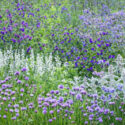
From portulaca to zinnias, meet tough annuals that thrive in heat and neglect. Plant lists, design moves, and easy watering.
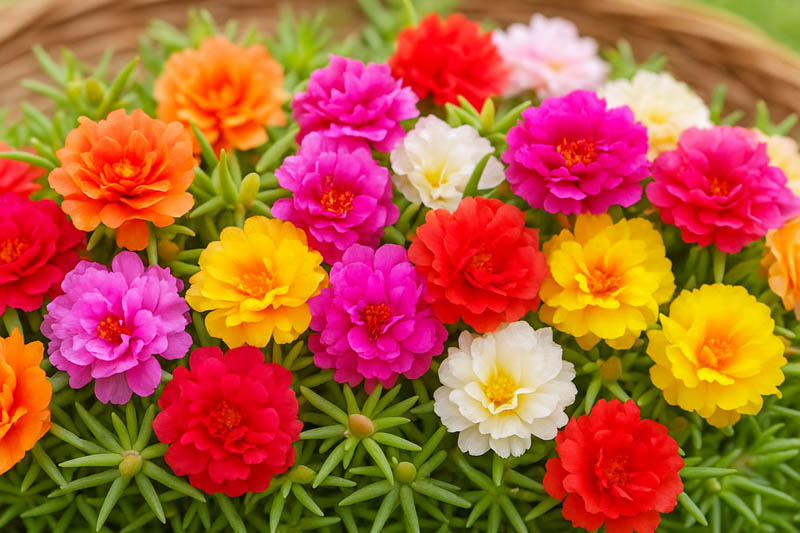


Low water does not have to mean low wow. A smart mix of drought-tolerant annuals can keep beds, pots, and parking-strip planters lively through heat and dry spells. Plant once for the season, water deeply to get them going, then let their built-in toughness carry the show.
What counts as an annual? In gardening, an annual is any plant you grow for one season, then remove when frost or heat ends its show. Some are true annuals that sprout, bloom, set seed, and die in a single year. Others are tender perennials or small sub-shrubs that live for years in warm zones but are treated as annuals in temperate climates.
This guide rounds up dependable annuals that shine with minimal irrigation, plus practical design and care tips that work in real gardens.
Perennials and shrubs bring the bones, but annuals turn up the volume. They fill gaps fast, color-block whole borders, and carry pollinators when little else is flowering. Drought-tolerant annuals are the workhorses for lean conditions. Many evolved in sandy, windswept, or seasonally dry places, where quick root systems and efficient leaves are the difference between flourishing and folding.
Plants survive dry spells with a few repeatable tricks. When you can spot these traits at the garden center, you pick winners without guessing.
Not all drought annuals behave the same. Grouping them by water rhythm keeps expectations realistic and watering simple.
How they behave: happiest with infrequent deep soaks and lots of drainage. They shrug off heat and live on the dry side once roots are out of the nursery pot.
How they behave: appreciate regular moisture while establishing and through early bloom, then carry on with reduced irrigation once days turn hot.
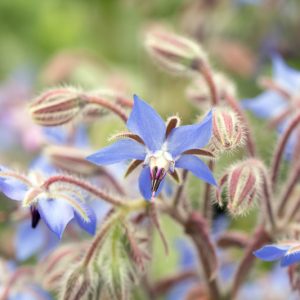
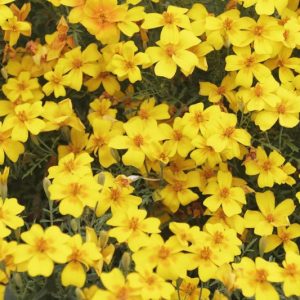
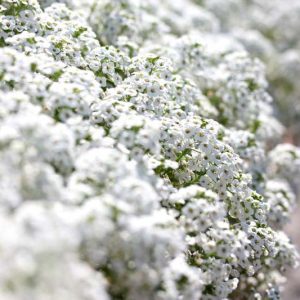
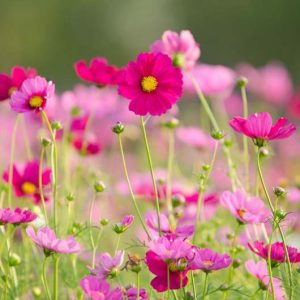
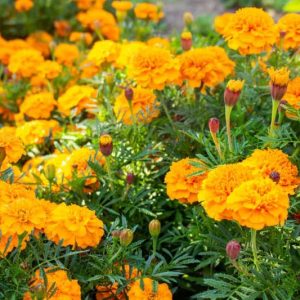
Quick examples: cosmos, borage, marigold, and sweet alyssum
| Plant Type | Annuals |
|---|---|
| Tolerances | Drought |
| Toxic to Humans | No known toxicity |
| Toxic to Cats | No known toxicity |
| Toxic to Dogs | No known toxicity |
| Toxic to Horses | No known toxicity |
| Need | Great Annuals | Notes |
|---|---|---|
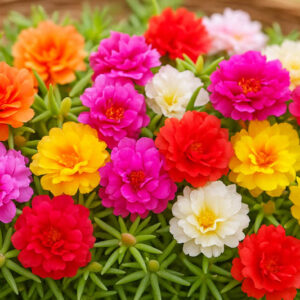
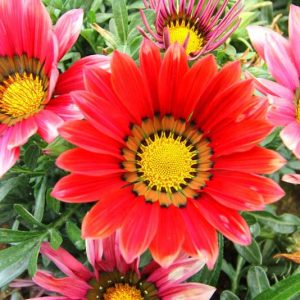
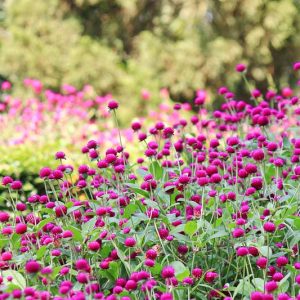
| Hell-strip and hot pavement | Portulaca, Gomphrena, Gazania, Catharanthus | Choose light colored or reflective mulch to reduce heat stress. |
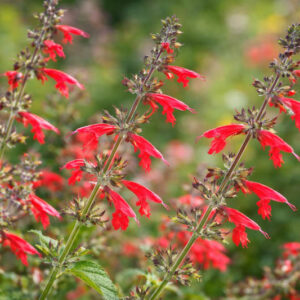
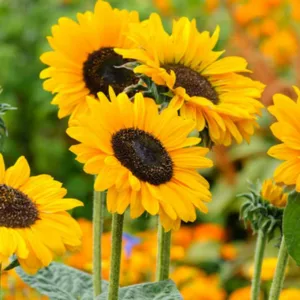
| Pollinator highway | Cosmos, Zinnia, Sunflower, Salvia | Stagger heights so flowers are visible from spring to frost. |
| Containers you do not baby | Gomphrena, Portulaca, Zinnia, Dusty miller | Use a gritty mix and pots with big drainage holes. |
| Cut-flower patch | Zinnia, Cosmos, Sunflower, Gomphrena | Deep water weekly to keep stems long and straight. |
Regionality matters: drought in the Southwest differs from drought in the Northeast. Match choices to your USDA zone, rainfall pattern, and humidity. In humid regions, emphasize airflow and disease-resistant series.
Drought-tolerant does not mean drought-indifferent. A little prep sets your display on cruise control.
Think like rain. Fewer, deeper drinks build resilience and reduce disease.
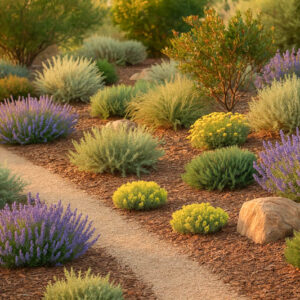
Lean conditions are a design advantage. When fertilizer and water are not doing the heavy lifting, texture and shape take center stage.
Find Drought-Tolerant Garden Design Ideas
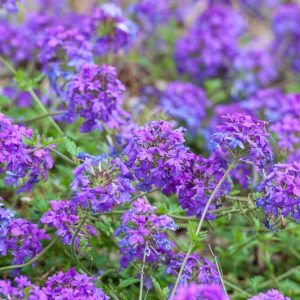
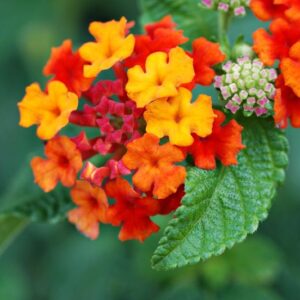
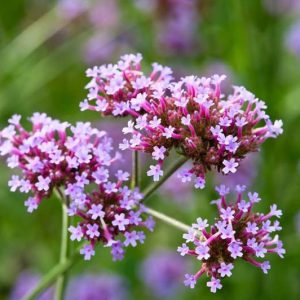
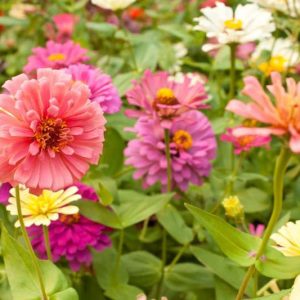
Zinnias, lantana, portulaca, marigolds, cosmos, and verbena perform well in hot, dry, sunny conditions once established.
Yes. They need regular water while getting established. After that, they tolerate dry spells but still benefit from deep, occasional watering.
Most are. They need less water and fewer fertilizers than thirsty annuals. Some still benefit from deadheading to keep blooming longer.
Yes. Zinnias, cosmos, verbena, and sunflowers are bee and butterfly favorites.
Many thrive in lean, sandy, or rocky soil. Too much fertilizer can actually reduce blooms and make them floppy.
Quite a few do, especially if deadheaded. Zinnias, verbena, and marigolds bloom nonstop through heat and drought.
Lantana, marigolds, and dusty miller are often avoided due to their scent or texture. Always check what is resistant in your region.
Drought-tolerant annuals let you save water without settling for a faded garden. Choose plants bred for heat and lean soil, give them a strong start, and switch to deep, infrequent watering. Mix silvers with brights, layer heights, and let pollinators do the rest. When summer turns stingy with rain, your beds can still look generous.
Updated: October 2025
| Plant Type | Annuals |
|---|---|
| Tolerances | Drought |
| Toxic to Humans | No known toxicity |
| Toxic to Cats | No known toxicity |
| Toxic to Dogs | No known toxicity |
| Toxic to Horses | No known toxicity |
Create a membership account to save your garden designs and to view them on any device.
Becoming a contributing member of Gardenia is easy and can be done in just a few minutes. If you provide us with your name, email address and the payment of a modest $25 annual membership fee, you will become a full member, enabling you to design and save up to 25 of your garden design ideas.
Join now and start creating your dream garden!
Create a membership account to save your garden designs and to view them on any device.
Becoming a contributing member of Gardenia is easy and can be done in just a few minutes. If you provide us with your name, email address and the payment of a modest $25 annual membership fee, you will become a full member, enabling you to design and save up to 25 of your garden design ideas.
Join now and start creating your dream garden!

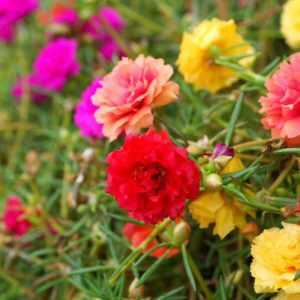
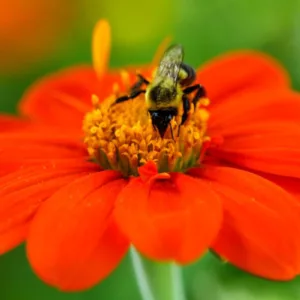
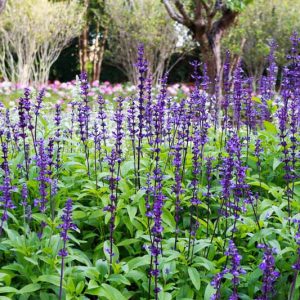
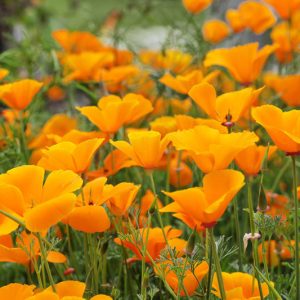
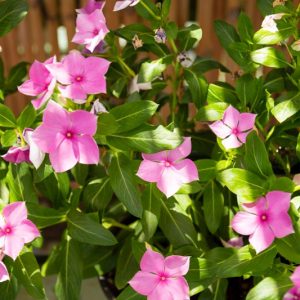
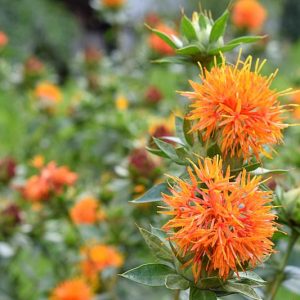
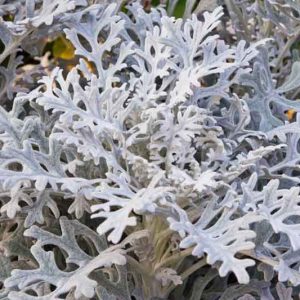
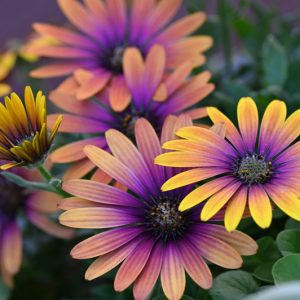
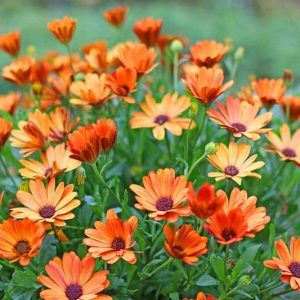
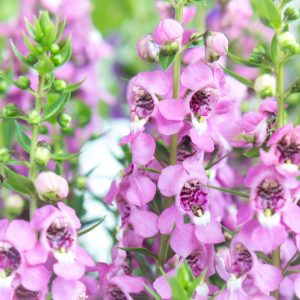
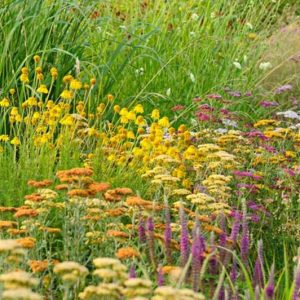
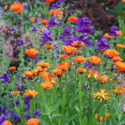
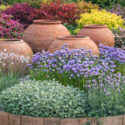
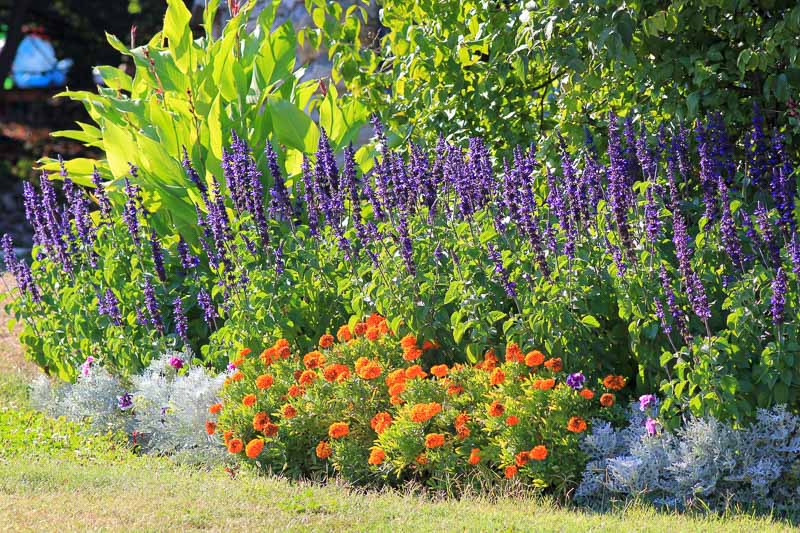 Sage, Marigold, Dusty Miller