Create Your Garden

42 Shrubs That Survive Drought (and Still Look Amazing)

Want a beautiful garden that thrives even when rainfall disappears? These drought-tolerant shrubs deliver long-lasting color, structure, and texture with minimal watering. From fragrant pollinator magnets to bold architectural forms, they make low-water landscapes feel lush, effortless, and stylish. Plant smart and let nature do the work!
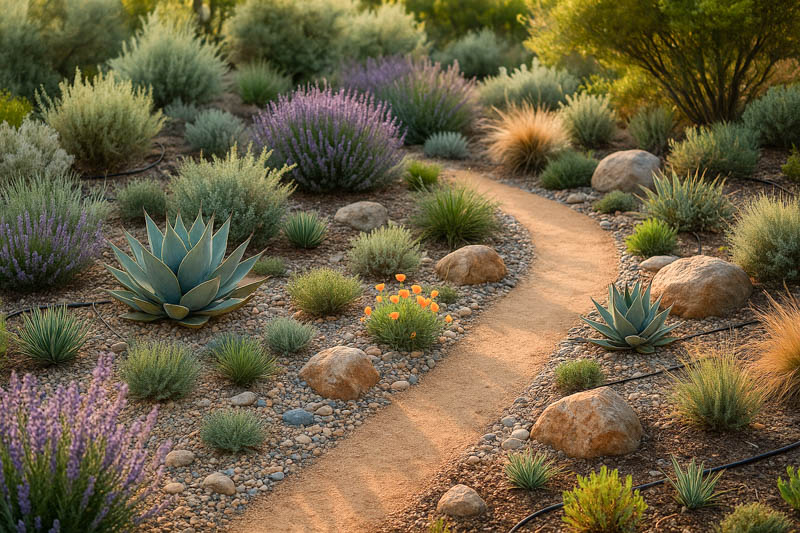
Drought, Drought tolerant shrubs, Drought tolerant flowers, Drought tolerant groundcover

42 Drought-Tolerant Shrubs For Color, Structure, And Sanity-Saving Low Care

Water-wise does not have to mean colorless or sparse. With the right shrubs, you can plant once, water deeply while they establish, then enjoy seasons of flowers, fragrance, berries, and texture with minimal fuss. This guide pulls together standout drought-tolerant shrubs plus the practical tips that keep them thriving in lean conditions.

Why Choose Drought-Tolerant Shrubs

Perennials and annuals bring flash, but shrubs do a different job. They provide backbone, privacy, wildlife habitat, and steady interest through heat, wind, and long dry spells. Drought-tolerant shrubs are bred by climate and evolution to sip water slowly, endure stress, and bounce back quickly after rain returns. Think of these shrubs as the camel of the plant world: tough, dependable, and surprisingly beautiful.

  • Lower water bills – deep roots and efficient foliage reduce irrigation needs once established.
  • Less maintenance – slower, steadier growth means fewer interventions
  • Design impact – year-round structure anchors borders and pathways
  • Wildlife value – flowers for pollinators, berries for birds, cover for beneficials
Good to know
Even the toughest shrub needs consistent moisture for its first season. After the roots dive, you can cut the irrigation dramatically.

What Makes A Shrub Drought Tolerant

Plants resist drought in a handful of clever ways. When you can spot these traits, you automatically choose winners for dry sites.

  • Leaf adaptations – small, narrow, or silver leaves reflect the sun and lose less water.
  • Aromatic oils – foliage rich in scent often has thicker cuticles that slow transpiration.
  • Deep or fibrous roots – tap into stored soil moisture and recover fast after rain.
  • Woody resilience – sturdy stems ride out heat and wind better than soft growth.
  • Seasonal strategy – some shrubs bloom early or late to dodge peak stress.
Quick cue
Silvery, fuzzy, or highly aromatic foliage often signals drought savvy. When in doubt, rub a leaf and sniff.

Guide Information

Plant Type Shrubs
Tolerance Drought

42 Gorgeous Drought-Tolerant Shrubs for Low-Water Gardens

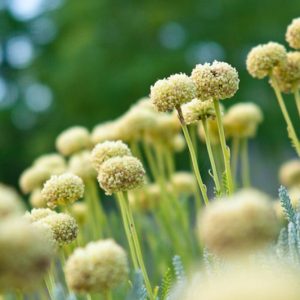
Santolina chamaecyparissus (Lavender Cotton)
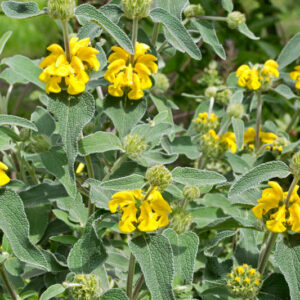
Phlomis fruticosa (Jerusalem Sage)
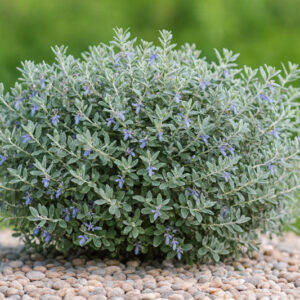
Teucrium fruticans (Tree Germander)
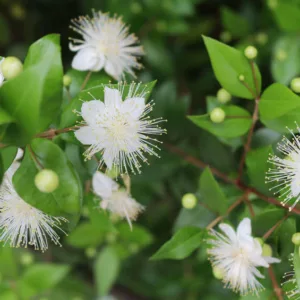
Myrtus communis (Common Myrtle)
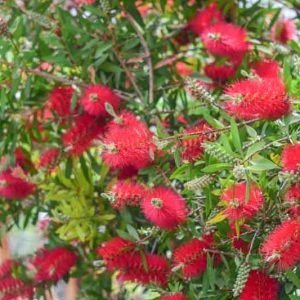
Callistemon citrinus (Crimson Bottlebrush)
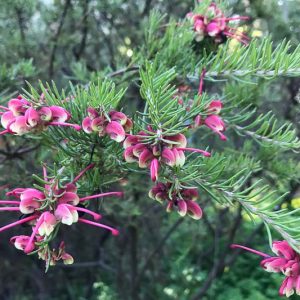
Grevillea rosmarinifolia (Rosemary Grevillea)
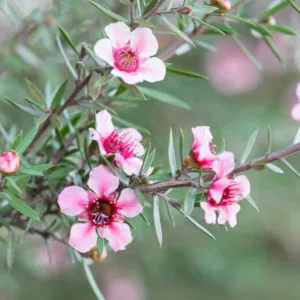
Leptospermum scoparium (Tea Tree)
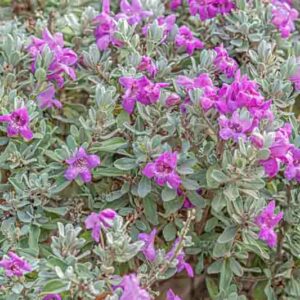
Leucophyllum frutescens (Texas Sage)
Rhus aromatica (Fragrant Sumac)
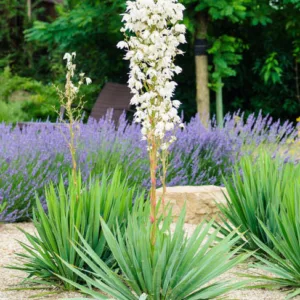
Yucca filamentosa (Adam’s Needle)
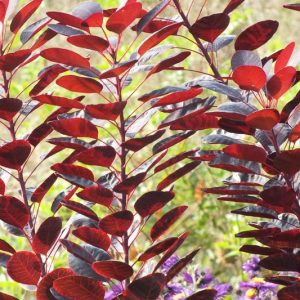
Cotinus coggygria (Smoke Tree)
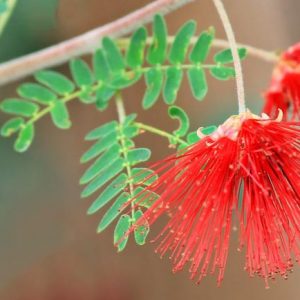
Calliandra californica (Baja Fairy Duster)
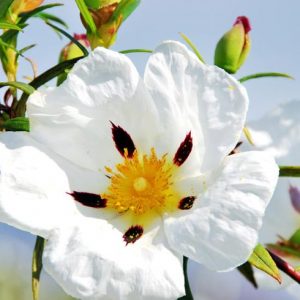
Cistus ladanifer (Crimson-Spot Rockrose)
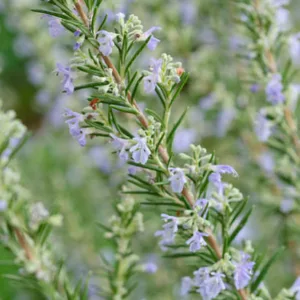
Salvia rosmarinus (Rosemary)
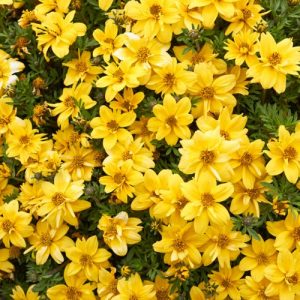
Tagetes lemmonii (Mexican Marigold)
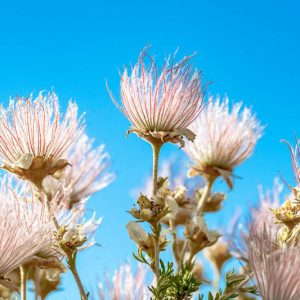
Fallugia paradoxa (Apache Plume)
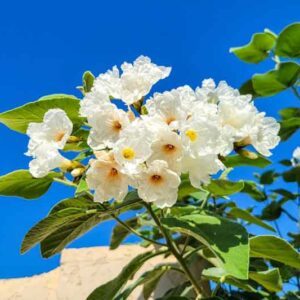
Cordia boissieri (Texas Olive)
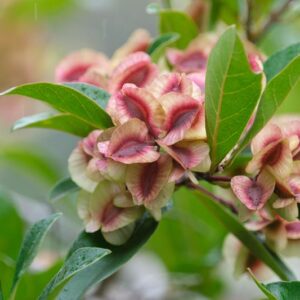
Dodonaea viscosa (Florida Hopbush)
Amelanchier alnifolia (Serviceberry)
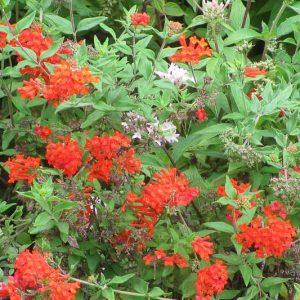
Bouvardia ternifolia (Firecracker Bush)
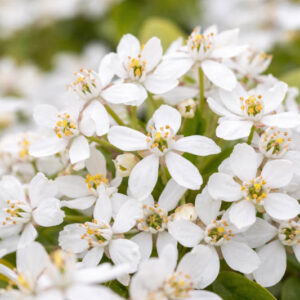
Choisya ternata (Mexican Orange Blossom)
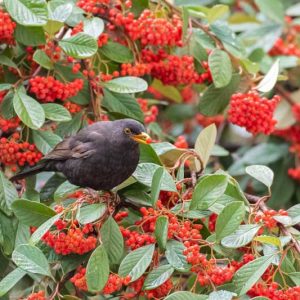
Cotoneaster lacteus (Parney Cotoneaster)
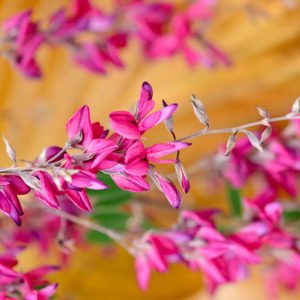
Lespedeza thunbergii (Bush Clover)
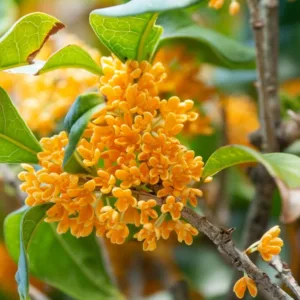
Osmanthus fragrans f. aurantiacus (Fragrant Olive)
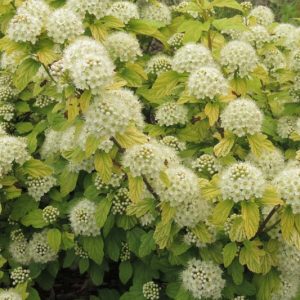
Physocarpus opulifolius (Common Ninebark)
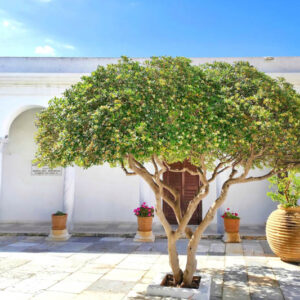
Pittosporum tobira (Mock Orange)
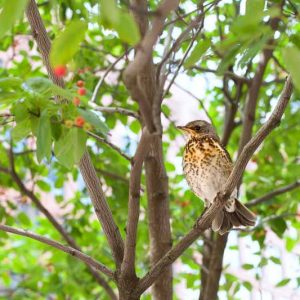
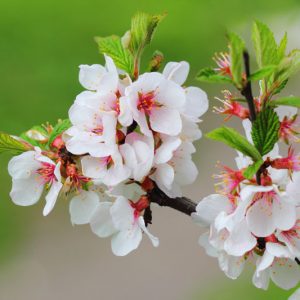
Prunus tomentosa (Nanking Cherry)
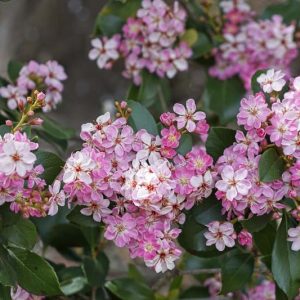
Rhaphiolepis indica (Indian Hawthorn)
Viburnum tinus (Laurustinus)
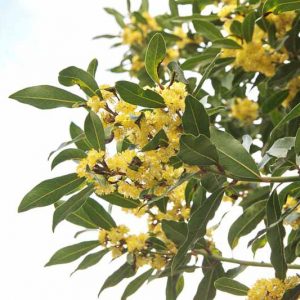
Laurus nobilis (Bay Laurel)
Baccharis pilularis (Coyote Bush)
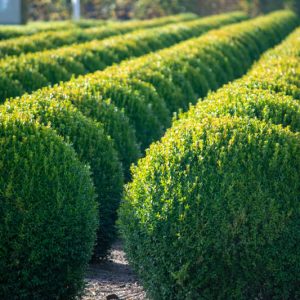
Buxus (Boxwood)
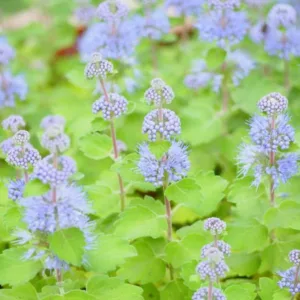
Caryopteris (Bluebeards)
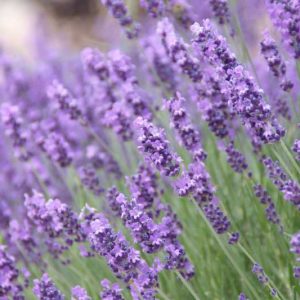
Lavandula angustifolia (English Lavender)
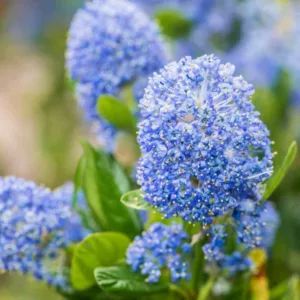
Ceanothus (California Lilac)
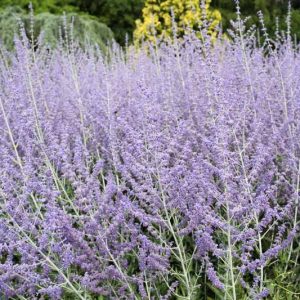
Salvia yangii (Russian Sage)
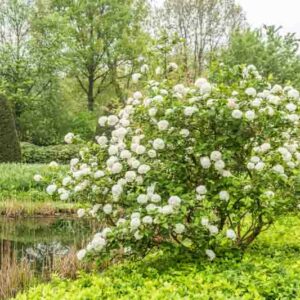
Viburnum
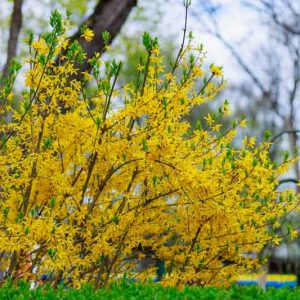
Forsythia
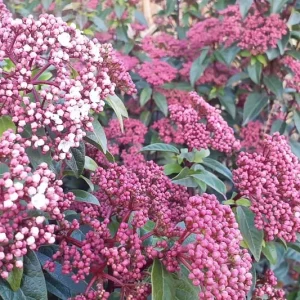
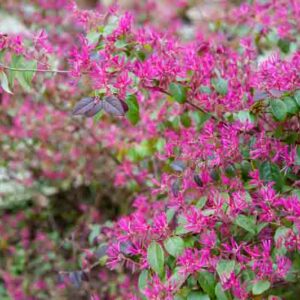
Loropetalum (Chinese Fringe Flower)
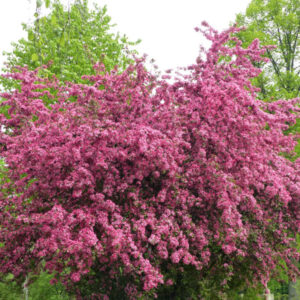
Crataegus (Hawthorn)
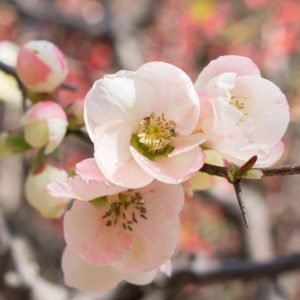
Chaenomeles (Flowering Quince)
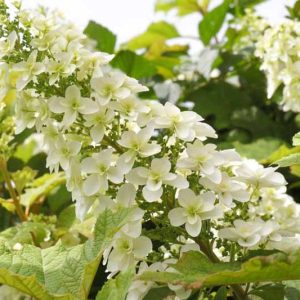
Hydrangea quercifolia (Oak Leaf Hydrangea)

Quick Compare: Drought-Tolerant Shrubs by Need

Need Best Shrubs Notes
Hot full sun Lavender, Rock Rose, Rosemary Thrives in lean, well-drained soils; avoid overwatering.
Privacy hedge / screen California Lilac, Coyote Bush Evergreen structure; prune lightly after bloom to shape.
Pollinator-friendly color Salvia (woody sages), Butterfly Bush, Rosemary Grevillea  Long bloom; deadhead Buddleja where permitted.
Coastal / salt & wind Bayberry, Pittosporum, Tea Tree Tolerates spray & sandy soils; choose non-invasive species for your region.
Clay-tolerant (with prep) Spiraea, Cinquefoil, Juniper (select species) Plant slightly high; improve drainage with grit; avoid waterlogged sites.
Fragrant foundations Rosemary, Mock Orange (region-specific), Myrtus (Myrtle) Great near paths/doors; ensure sun & drainage.
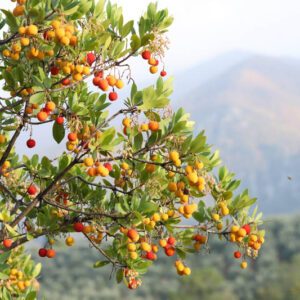
Evergreen bones (year-round) Arbutus unedo, Pittosporum, Tree Germander Reliable structure; minimal water after establishment.
Wildlife / berries Mahonia, Coffeeberry, Hop Bush Fruit/cover for birds; verify local invasiveness before planting.
Deer-leaning resistance* Lavender, Rock Rose, Tree Germander *Not deer-proof; aromatic foliage helps reduce browsing.
Containers & courtyards Rosemary, Spanish Lavender, Oleander (where permitted) Use gritty mix; excellent drainage; check toxicity/pet safety.
Winter interest / bark & form Strawberry Tree, Heavenly Bamboo, Tea Tree Bark, berries, or fine texture carry the offseason.
Fast establishment Butterfly Bush, Rosemary Grevillea  Water deeply first season; light formative pruning.
Light shade / dappled sun Jerusalem Sage, Abelia, Laurustinus Takes morning sun / afternoon shade; still needs drainage.

Regionality matters: “Drought” in the Southwest isn’t the same as “drought” in the Northeast. Match choices to your USDA zone, soil, and local guidance, and always confirm regional restrictions (invasiveness) before planting.

Discover more drought-tolerant plants with our Plant Finder

Site, Soil, And Planting For Success

Drought-tolerant does not mean drought-indifferent. A little prep up front produces a lot of forgiveness later.

  • Sun – most of these shrubs want full sun for the best form and bloom
  • Drainage – free-draining soil is non-negotiable in dry gardens. Raise beds or add grit where water lingers
  • Soil prep – loosen planting holes wider than deep and amend only if the soil is poor. Do not create a bathtub
  • Planting depth – set at the same level as the nursery soil. Burying crowns invites rot
  • Water in – drench thoroughly at planting to settle soil around roots
Establishment rule of thumb

First year in the ground – water deeply and infrequently. Second year – cut frequency in half. Third year – water during extended droughts only.

Watering And Mulch Strategies

Your goal is to encourage deep roots, not pamper the surface. That means long, infrequent soakings and mulch that moderates heat without smothering stems.

  • Deep soaks – apply water slowly at the dripline so moisture penetrates 8 to 12 inches
  • Spacing – give roots room to expand. Crowded plantings dry out faster
  • Mulch smart – use gravel, crushed rock, or a thin layer of coarse organic mulch. Keep 3 to 4 inches away from stems
  • Irrigation timing – water early morning to reduce loss to evaporation
  • Check by hand – dig a small test hole to confirm depth rather than guessing from the surface

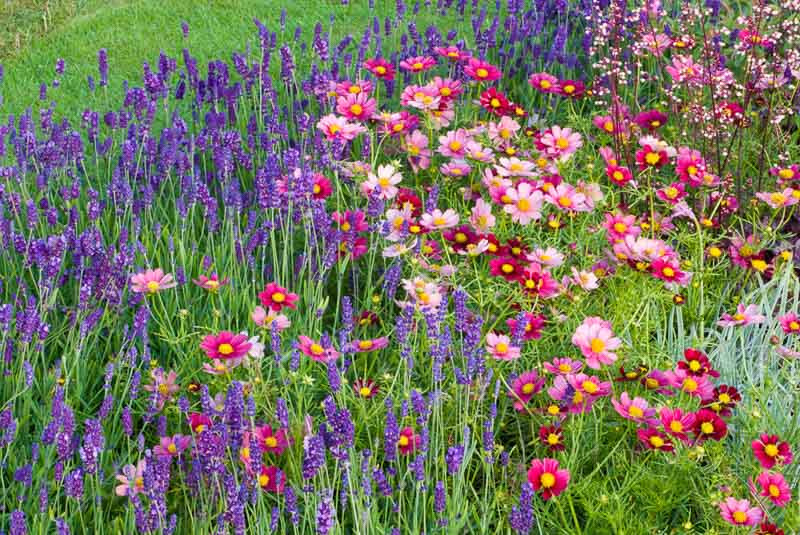
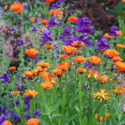
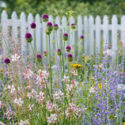
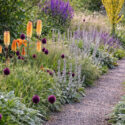
Garden Ideas, Border ideas, Perennial Planting, Perennial combination, Summer Borders, Lavender Hidcote, Hidcote Lavender, Munstead, Cosmos, Cosmos bipinnatus, Cosmos Antiquity, Cosmos Sonata, drought tolerant borderLavender, cosmos

Designing With Drought-Tolerant Shrubs

Lean conditions are a design opportunity. Texture, silhouette, and shadow lines take center stage when lush lawns fade.

  • Layer heights – low mounds in front, medium structure in the middle, tall screens at the back
  • Color palette – silvers and blue greens pair beautifully with golds and burgundies.
  • Contrast – mix fine needle foliage with broad matte leaves for a designer look
  • Rhythm – repeat your best shrubs every 6 to 10 feet to pull the eye through the space
  • Companions – weave in drought-tolerant perennials and grasses for seasonal movement
Pollinator bonus

Many drought-wise shrubs bloom when little else does. Choose staggered bloom times to feed bees and butterflies from spring to fall.

Regional Notes And Cautions

Not every drought-tolerant shrub belongs in every climate. A few quick checks keep your choices responsible and resilient.
  • Hardiness – confirm USDA or local zone before planting
  • Invasiveness – some species are restricted in certain regions. Always verify local guidance
  • Salt and wind – coastal sites may favor tougher, leathery foliage
  • Wildfire zones – maintain defensible space and follow regional planting lists
  • Wildlife – drought-tolerant does not automatically mean deer-resistant. Combine with deterrent design if deer are active

Care And Maintenance Calendar

  • Early spring – light structural pruning, remove winter dieback, top up gravel or coarse mulch.
  • Late spring – deep soak if the season is unusually dry. Monitor for early pests on tender new growth.
  • Summer – water deeply during extended droughts. Deadhead reblooming types if desired
  • Fall – minimal pruning so plants carry winter interest. Plant new shrubs 6 to 8 weeks before the first freeze for root growth.
  • Winter – observe drainage and wind patterns. Plan moves in spring if a site proved harsher than expected.
Pruning tip

Go easy. Drought-adapted shrubs often resent hard cuts. Favor light shaping right after bloom or in late winter before growth resumes.

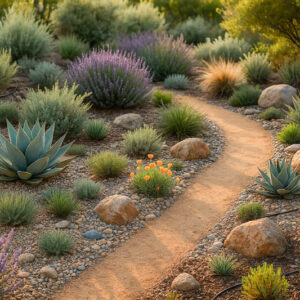
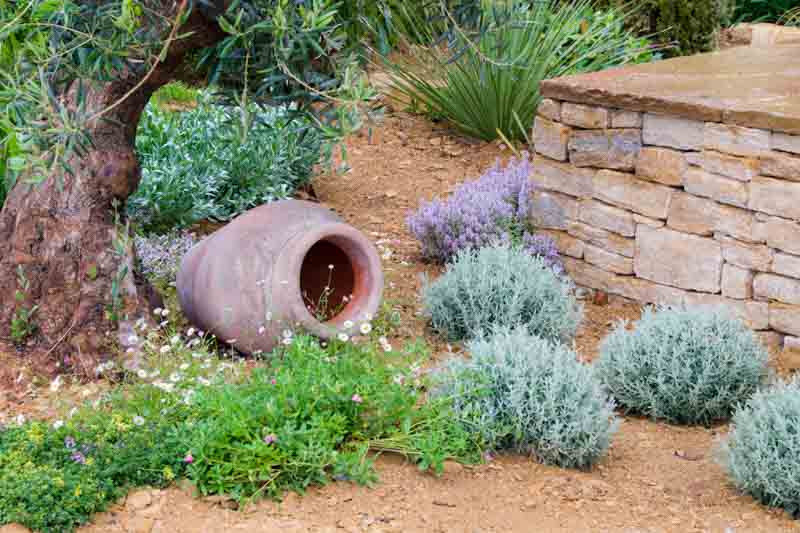
Garden Ideas, Landscaping ideas, Mediterranean Garden, Mediterranean Border Idea, Olive Tree, Erigeron, Santolina, Thymus, Dasylirion, Olea europaeusSantolina, thyme, Mexican daisy

Smart Combinations That Thrive On Less Water

Mix shrub structure with drought-friendly perennials and grasses for a border that looks intentional and stays resilient.

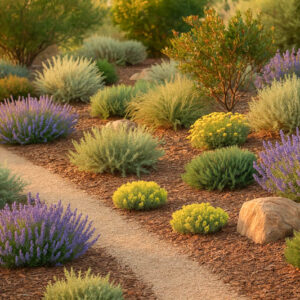
  • Silver and blue green frame – English lavender, bush germander, and lavender cotton with ribbons of blue fescue
  • Coastal lean modern – coastal rosemary, hopbush, and bottlebrush with lomandra or feather reed grass
  • Wildlife boulevard – California lilac, coyote brush, and rosemary grevillea with salvia and gaura for nectar all season
  • Mediterranean courtyard – myrtle, mastic tree, rockrose, and strawberry tree with thyme in the joints
  • Bold silhouette – smoke bush behind Jerusalem sage and red yucca for a high contrast water-wise focal point

Troubleshooting Dry Garden Shrubs

  • Wilting despite watering – water may not be reaching the depth. Slow the flow and soak longer.
  • Yellowing leaves – overwatering or poor drainage is likely. Improve aeration and reduce frequency
  • Leggy growth – too much shade. Move to more sun or thin overhead branches
  • Winter burn – wind and reflected sun dry evergreen foliage. Mulch root zones and consider a wind break
  • No flowers – pruning at the wrong time can remove buds. Learn whether your shrub blooms on old or new wood
Plant once, move if needed

Even with careful planning, a shrub may reveal its true preferences after a year. Transplant in early fall or early spring while small, rather than fighting the site.

Simple Steps To Start Today

  • Walk your site and note full sun zones, hottest walls, and any drainage trouble
  • Choose two structural shrubs and one flowering accent to repeat in a rhythm
  • Prepare wide planting holes and install all at once so irrigation is efficient.
  • Mulch with gravel or coarse chips and set a deep soak schedule
  • Enjoy the quiet confidence of a garden that looks good when the weather is not

Frequently Asked Questions

What are the best drought-tolerant shrubs for full sun?

Great full-sun choices include lavender, rosemary, rock rose (Cistus), Russian sage, and santolina. These shrubs handle heat and poor soil once established.

How long do drought-tolerant shrubs take to establish?

Most drought-tolerant shrubs need one full growing season of regular deep watering to develop strong roots. After that, they can thrive with minimal supplemental water.

What drought-tolerant shrubs stay green all year?

Evergreen options include rosemary, lavender cotton (Santolina), tree germander, juniper, and some hollies. These provide year-round structure and low maintenance.

Can I plant drought-tolerant shrubs next to my house?

Yes, as long as soil drains well and you avoid invasive root systems. Many are perfect foundation plants, such as lavender, rosemary, and dwarf ceanothus.

How often should I water drought-tolerant shrubs?

During the first year: 1–2 deep waterings per week. After establishment: once every 2–4 weeks in hot, dry weather. Always water deeply rather than lightly.

Do I need to fertilize drought-tolerant shrubs?

Usually no. Most prefer lean or average soil and too much fertilizer can cause weak growth. A light compost top-dress in spring is often enough.

Can drought-tolerant shrubs handle frost or cold winters?

Many can. Cold-hardy choices include lavender (some varieties), juniper, potentilla, Russian sage, and spirea. Always check USDA hardiness zones before planting.

Wrap Up

Drought-tolerant shrubs give you the backbone of a resilient garden. Choose wisely, plant well, water deeply at first, and then let their natural strengths shine. When the heat cranks up and the hose stays coiled, your borders will still look composed, textured, and welcoming.

Updated: October 2025 • Reviewed by Gardenia Editors

Drought-Tolerant Roses: The Best Low-Water Rose Bushes for Your Garden
How Drought-Tolerant is Hydrangea?
Drought Tolerant Palm Trees and Cycads
Highly Drought Tolerant plants for your Florida Native Garden
Desert Shrubs: Essential Plants for Dry Gardens
Desert Flowers: Bringing Color to Dry Gardens
North Carolina Native Trees for Dry Sites
North Carolina Native Shrubs for Dry Sites
Mid-Atlantic Gardening: Great Perennials for Dry Soil
Great North American Plants for Dry Soils in New England
Great Shrubs for Dry Soils in New England
Great Perennials as Companion Plants for Your Succulents
The Ultimate Guide to Drought-Tolerant Plants for a Beautiful Garden
Drought-Tolerant Trees That Thrive On Little Water
66 Drought-Tolerant Ground Covers for Low-Water Landscapes
42 Low-Water Annuals That Bloom for Months
45 Drought-Tolerant Flower Bulbs for Effortless, Low-Water Color
36 Drought Tolerant Grasses to Grow. Save Water, Add Wow
48 Perennials That Survive Drought (and Still Look Amazing)
42 Shrubs That Survive Drought (and Still Look Amazing)
The Ultimate Guide to Deer-Resistant Plants for a Beautiful Garden

Recommended Guides

45 Drought-Tolerant Flower Bulbs for Effortless, Low-Water Color
36 Drought Tolerant Grasses to Grow. Save Water, Add Wow
48 Perennials That Survive Drought (and Still Look Amazing)
Drought-Tolerant Roses: The Best Low-Water Rose Bushes for Your Garden
How Drought-Tolerant is Hydrangea?
Drought Tolerant Palm Trees and Cycads
Highly Drought Tolerant plants for your Florida Native Garden
Desert Shrubs: Essential Plants for Dry Gardens
Desert Flowers: Bringing Color to Dry Gardens
North Carolina Native Trees for Dry Sites
North Carolina Native Shrubs for Dry Sites
Mid-Atlantic Gardening: Great Perennials for Dry Soil
Great North American Plants for Dry Soils in New England
Great Shrubs for Dry Soils in New England
The Ultimate Guide to Deer-Resistant Plants for a Beautiful Garden
While every effort has been made to describe these plants accurately, please keep in mind that height, bloom time, and color may differ in various climates. The description of these plants has been written based on numerous outside resources.

Guide Information

Plant Type Shrubs
Tolerance Drought

Related Items

Please Login to Proceed

You Have Reached The Free Limit, Please Subscribe to Proceed

Subscribe to Gardenia

To create additional collections, you must be a paid member of Gardenia
  • Add as many plants as you wish
  • Create and save up to 25 garden collections
Become a Member

Plant Added Successfully

Your garden is taking shape. Unlock full planning.

You’ve reached the free limit. Upgrade for $25/year to add as many plants as you wish and save up to 25 garden collections. Unlock Annual Membership

Update Your Credit
Card Information

Cancel

Create a New Collection

Sign Up to Our Newsletter

    You have been subscribed successfully

    Join Gardenia.net

    Create a membership account to save your garden designs and to view them on any device.

    Becoming a contributing member of Gardenia is easy and can be done in just a few minutes. If you provide us with your name, email address and the payment of a modest $25 annual membership fee, you will become a full member, enabling you to design and save up to 25 of your garden design ideas.

    Join now and start creating your dream garden!

    Join Gardenia.net

    Create a membership account to save your garden designs and to view them on any device.

    Becoming a contributing member of Gardenia is easy and can be done in just a few minutes. If you provide us with your name, email address and the payment of a modest $25 annual membership fee, you will become a full member, enabling you to design and save up to 25 of your garden design ideas.

    Join now and start creating your dream garden!
    Find your Hardiness Zone

    Find your Heat Zone

    Find your Climate Zone