Saffron Crocus, Saffron, Autumn Crocus, True Saffron, Saffron Plant, Saffron Flower
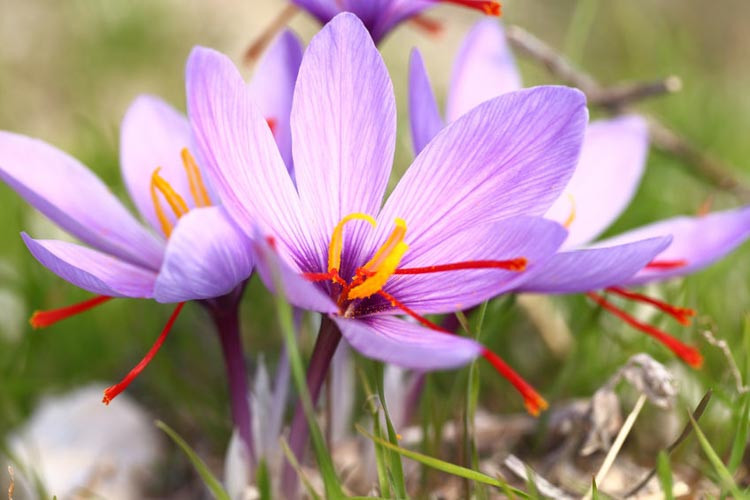
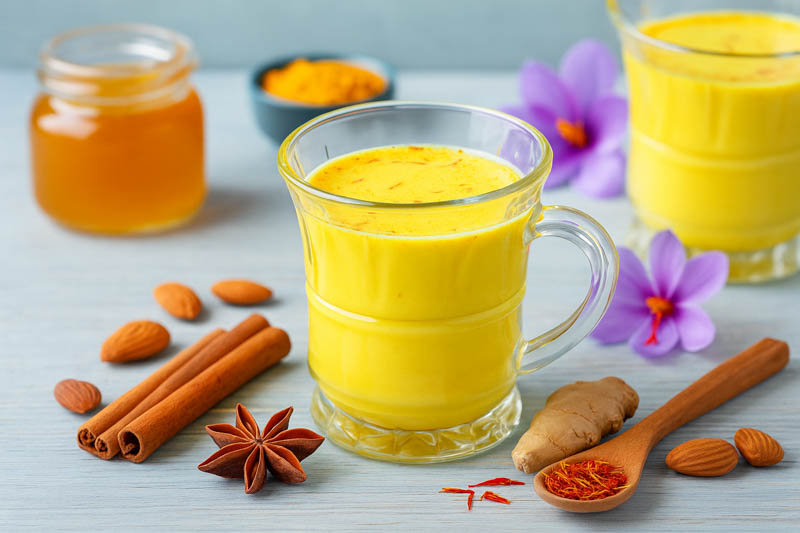
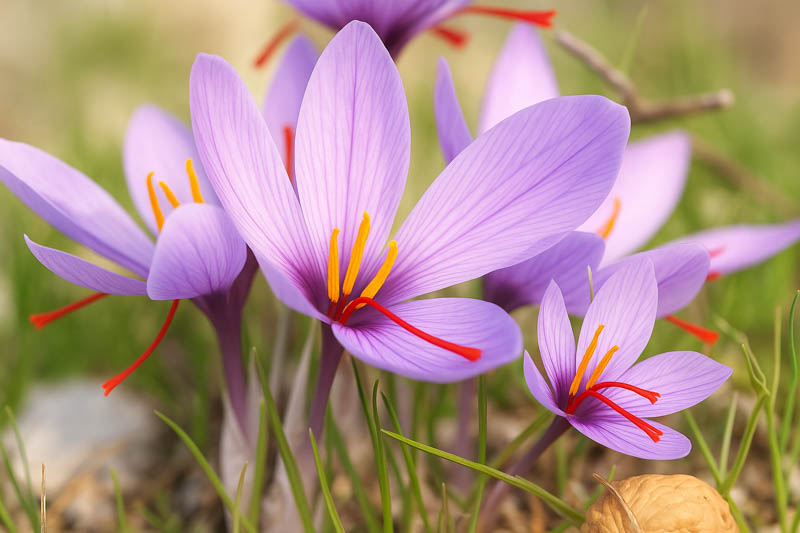


Summary: Fall-blooming crocus producing the world’s most valuable spice from its vivid red stigmas (“threads”). A handful of flowers perfume entire dishes; ~150–170 flowers typically yield about 1 gram of saffron.
Taste: delicate floral–earthy, honeyed and hay-like with a gentle bitterness.
Use: risotto, paella, tahdig, teas, sweets, spice blends, natural dye, fragrance; available as culinary threads or standardized supplements.
Key compounds: crocin (color), picrocrocin (bitterness), safranal (aroma).
| Botanical Name | Crocus sativus |
|---|---|
| Family | Iridaceae (Iris family) |
| Common Names | Saffron crocus; spice: saffron threads |
| Native Range | Likely Eastern Mediterranean & Southwest Asia; now cultivated in Iran, Spain, India (Kashmir), Greece, and parts of the U.S. Note: C. sativus is a sterile, triploid cultigen propagated only by corm division (no viable seed). |
| Plant Type & Habit | Corm-forming perennial; slender, grass-like leaves; autumn bloom |
| Size & Lifespan | 4–12 in (10–30 cm) tall/wide; corms productive ~3–5 years, multiplying into clumps |
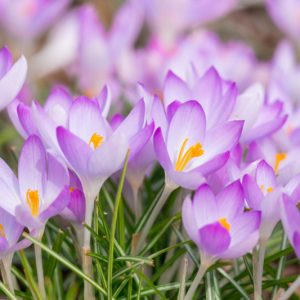
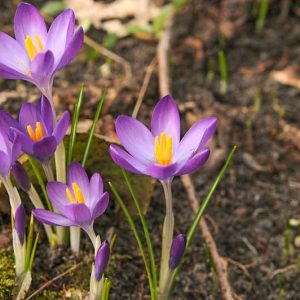
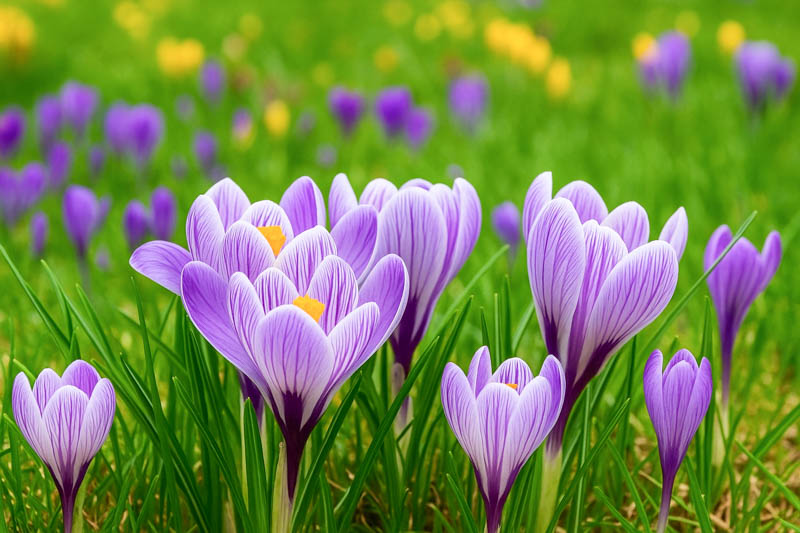
| Flowers & Foliage | Lilac-purple flowers with 3 red stigmas; fine green leaves persist through winter, dormancy in early summer |
| Hardiness (USDA) | 6–9; needs full sun, excellent drainage, and dry summers |
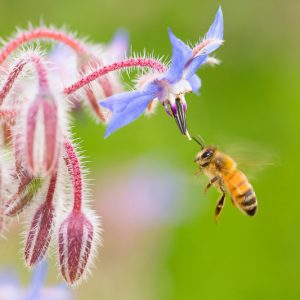
| Wildlife | Late-season nectar for pollinators like bees |
| Deer/Rabbit/Rodents | Not rabbit-resistant; deer may browse in scarcity; corms highly attractive to voles, mice, gophers—use cages/barriers |
| Toxicity | Culinary saffron safe in small amounts; large doses may cause adverse effects; other parts mildly toxic if ingested. Do not confuse edible saffron crocus with toxic “autumn crocus” (Colchicum autumnale). |
| Invasiveness | Not invasive; spreads slowly by corm division |
| Primary Uses | Culinary spice, teas/sweets, dye, fragrance, ornamental autumn blooms |
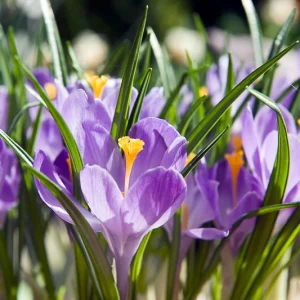
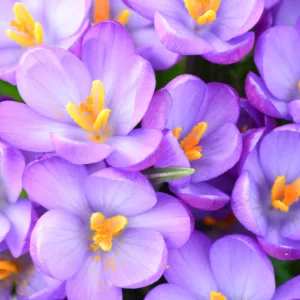
Crocus sativus, commonly known as the saffron crocus, is a fall-blooming flower famous for producing the world’s most valuable spice — saffron. With delicate purple petals and vivid red stigmas, this plant has captivated civilizations for thousands of years. Its striking saffron color, unique flavor, and powerful health benefits have made it a global culinary and medicinal treasure.
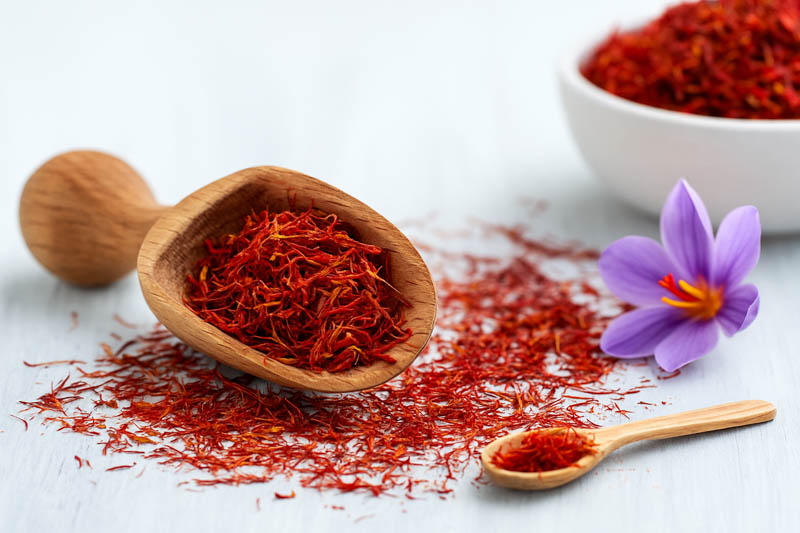
Saffron is a prized spice made from the dried red stigmas of the Crocus sativus flower. Each bloom yields just three fine threads, and it typically takes about 150–170 flowers to produce a single gram of saffron — making it the most expensive spice in the world. Celebrated for its deep golden hue and distinctive, slightly bitter floral flavor, it enhances iconic dishes like saffron rice, risotto, and tea. Beyond culinary use, this spice is studied for mood support, antioxidant and anti-inflammatory activity, and potential neuroprotective and vision benefits (early human trials are promising but larger, longer studies are still needed).
Its unique properties stem from key bioactive compounds: crocin (color), picrocrocin (bitterness), and safranal (aroma).
Crocus sativus belongs to the iris family (Iridaceae), which includes ornamental species like gladiolus, crocosmia, iris, and other
crocus species. Unlike its ornamental cousins, this crocus is cultivated specifically for its edible stigmas—known as saffron threads, the source of this precious spice. Botanical note: C. sativus is a sterile, triploid selection (cultigen) and is propagated by dividing corms, not by seed.
Saffron crocus likely originated in the eastern Mediterranean and Southwest Asia. Today, it is cultivated in Iran (the top producer), Spain, India (notably Kashmir), and even parts of the U.S. It thrives in arid climates with dry summers and well-drained soils.
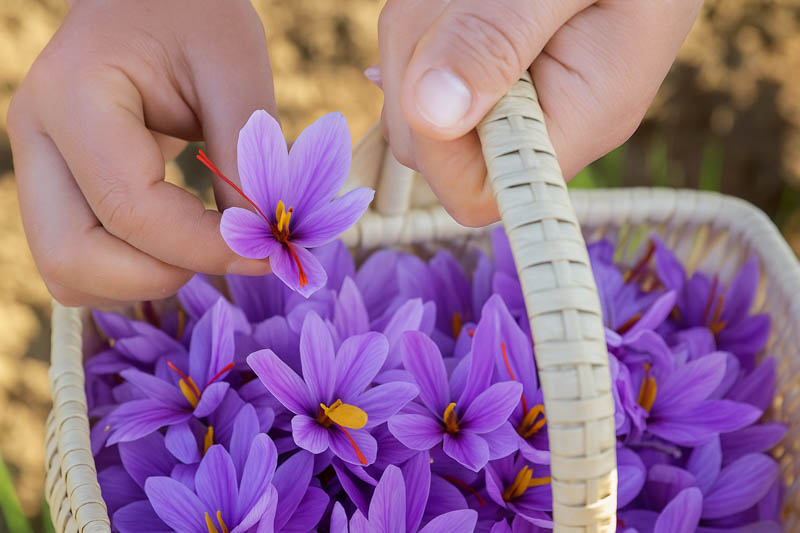
A small, bulb-like perennial, it grows from a corm. Each plant produces slender, grass-like leaves and a few short, elegant flowers in autumn. The bright red stigmas are hand-harvested and dried to become the saffron spice.
Saffron crocus typically reaches 4–12 inches (10–30 cm) tall and wide. While modest in size, its yield is incredibly valuable — tens of thousands of flowers are needed for a single pound of saffron.
Corms remain productive for 3–5 years, multiplying underground to form clumps that bloom annually in fall if well maintained.
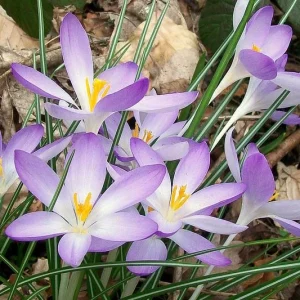
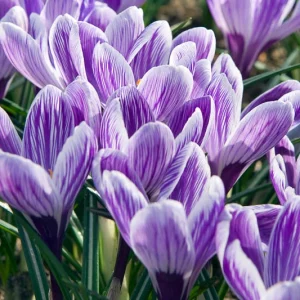
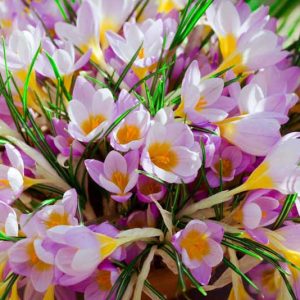
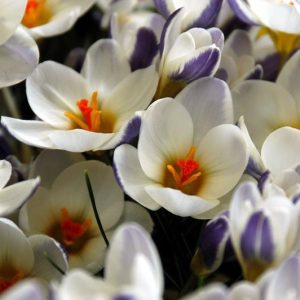
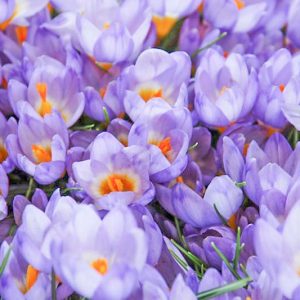
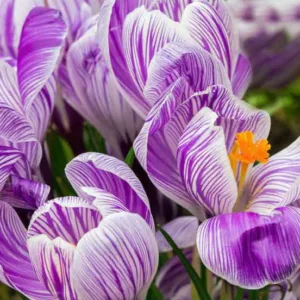
Each flower has six soft lilac-purple petals and three vivid red stigmas. These stigmas are carefully handpicked and dried to become saffron. The intense golden pigment they release colors and flavors dishes worldwide.
Fine, green, grass-like leaves emerge with the blooms and persist through winter, gathering energy before going dormant in late spring or early summer.
Best grown in USDA Zones 6–9. This spice requires full sun, excellent drainage, and dry summer conditions. Overwatering or heavy soils may cause corm rot. Saffron crocus is drought-tolerant.
Flowers bloom when few others do, offering late-season nectar for bees and pollinators.
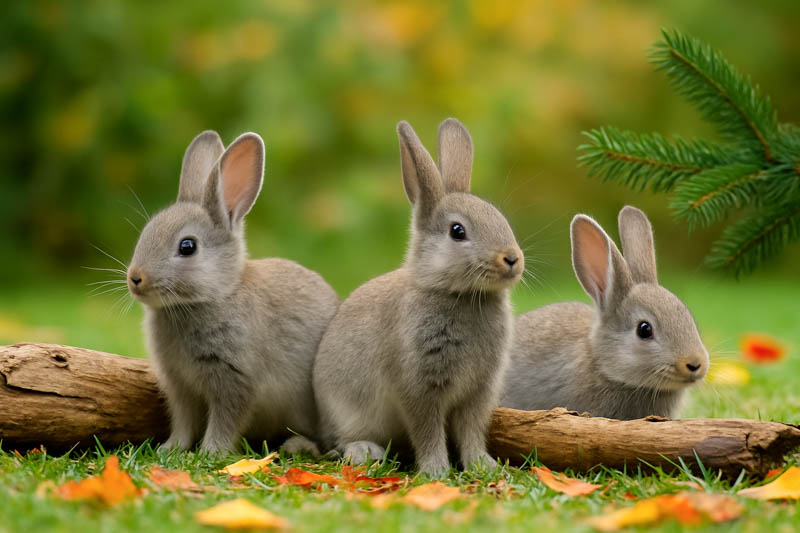
Saffron is not resistant to rabbits, which may feed on its leaves and flowers, especially when other food sources are limited.
Deer resistance is mixed: while its strong aroma and alkaloid content make it less palatable than many plants, deer may still browse on it, particularly in times of scarcity. It is not completely immune to deer damage and may require protection in high-pressure areas.
Corms are also highly attractive to rodents like voles, mice, and gophers, which can hollow them out underground, especially during dormancy. Consider physical barriers or planting in wire cages if rodent activity is present.
While culinary saffron is safe in small amounts, consuming large quantities may cause adverse effects. Other parts of the plant are mildly toxic if ingested. Important safety note: Do not confuse saffron crocus (Crocus sativus) with the toxic “autumn crocus” (Colchicum autumnale), sometimes called meadow saffron.
Not invasive. This crocus spreads slowly by corm division and remains easy to manage in gardens.

Saffron isn’t just a spice — it’s a sensory experience. Known for its deep golden hue, subtle floral-earthy aroma, and luxurious appeal, saffron is used across cuisines, traditions, and wellness routines worldwide.
Need a saffron substitute? Try turmeric for color or a mix of paprika and a hint of vanilla for aroma — but nothing quite replicates saffron’s full depth and elegance.
Saffron has a unique, complex flavor that’s often described as slightly sweet, earthy, floral, and hay-like with hints of honey and bitterness. It’s subtle yet unmistakable — and just a few threads can transform an entire dish.
Whether you’re enjoying a creamy risotto or fragrant tea, this spice delivers elegance and depth like no other. It’s no wonder saffron remains one of the world’s most prized and expensive ingredients.
Saffron may be delicate and precious, but it’s nutritionally impressive, especially in small doses. It’s low in calories, rich in antioxidants, and packed with unique compounds that support mood, memory, and cellular health.
| Nutrient | Amount |
|---|---|
| Calories | 310 kcal |
| Protein | 11.4 g |
| Carbohydrates | 65 g |
| Fiber | 3.9 g |
| Fat | 5.9 g |
| Iron | 11.1 mg (≈62% DV) |
| Potassium | 1,720 mg (≈36% DV) |
| Calcium | 110 mg (≈8% DV) |
| Magnesium | 264 mg (≈63% DV) |
| Vitamin C | 80.8 mg (≈90% DV) |
| Manganese | 28.4 mg (over 1,200% DV) |
Note: Per-100 g values are analytical references. Real-world portions are tiny (often 0.5–1 g per recipe), so actual nutrient intake from saffron itself is small, but its bioactives still contribute aroma, color, and potential wellness benefits.
Saffron’s signature compounds:
Compared to spices like turmeric (anti-inflammatory), cinnamon (glycemic effects), or black pepper (bioavailability booster), saffron offers a uniquely concentrated mix of sensory and studied bioactive effects, making it a small but mighty addition to any diet.
Here’s why this golden spice earns its reputation (evidence is growing, though more large, long-duration trials are needed):
Whether in saffron rice, saffron tea, or as a saffron supplement, this spice offers notable wellness potential in every golden strand.
Saffron is generally safe and well-tolerated when used in culinary amounts. But like any potent spice or supplement, it should be used wisely.
Bottom line: A few saffron threads are magical. A handful? Not recommended. Treat this luxurious spice with respect — it’s potent in every way.
Saffron isn’t just a seasoning — it’s an experience. Whether you’re enhancing a dish or steeping it into a warm drink, a little goes a long way.
Soak a few threads in warm water, milk, or broth for 10–20 minutes before use. This releases their color, aroma, and flavor — perfect for recipes like saffron rice, bouillabaisse, and ice cream.
Crush threads with a pinch of salt or sugar to make a fine powder. Ground saffron blends easily into liquids, ideal for teas, marinades, or baking.
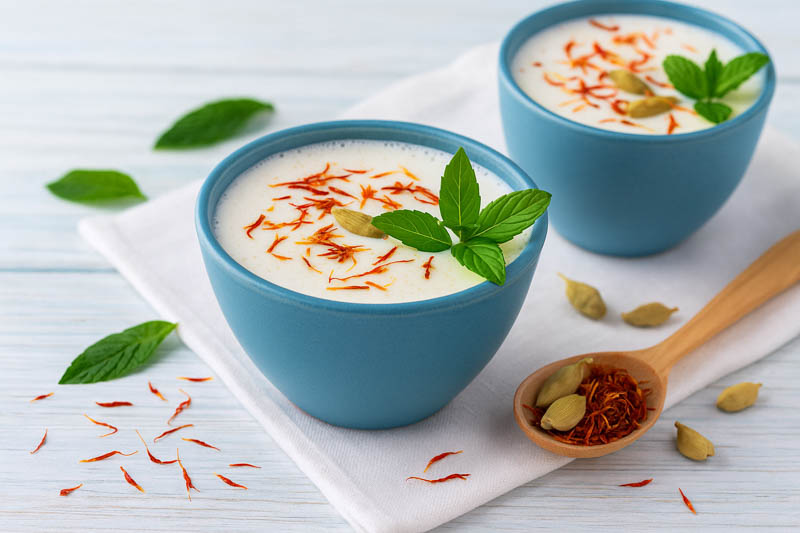
Add a luxurious twist to teas, golden milk, or even cocktails. It pairs beautifully with honey, cardamom, and rose water in hot or chilled beverages.
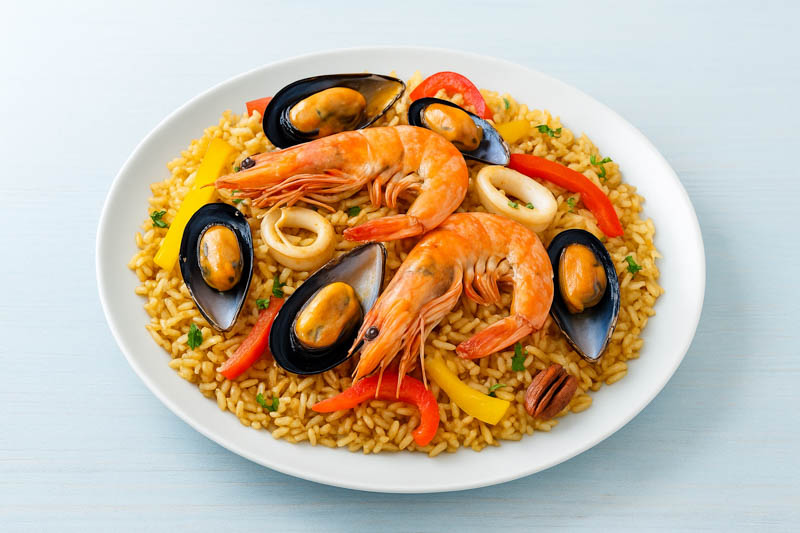
Used in classic recipes like paella, risotto, Persian tahdig, and tagines, it adds depth, aroma, and golden color to broths, grains, and sauces.
Saffron infuses elegance into milk puddings, cakes, and pastries. Try it in kulfi or syrup for baklava and other desserts.
Saffron extract is often taken as a capsule or powder for mood support and vision health. Choose a reputable brand — due to its value, it is one of the most frequently adulterated spices (see quality note).
Not all saffron is the same! While all saffron threads come from the Crocus sativus flower, where and how they’re grown and processed creates differences in color, potency, and price.
One of the most widely recognized types, Spanish saffron is prized for its balance of aroma, flavor, and vibrant color. It’s often used in rice, paella, and risotto. Spanish varieties are typically milder than their Iranian counterparts.
Iran produces over 80% of the world’s saffron — and for good reason. Persian saffron is known for its bold color, strong aroma, and powerful flavor. It’s often considered the gold standard (and priced accordingly).
Grown in India’s Kashmir Valley, this variety features long, deep-red threads with an intense fragrance. It’s rare and expensive, making it especially prized for its quality and rich color in both savory and sweet dishes.
Saffron from Kozani, Greece, is another highly rated variety, known for high levels of crocin (which gives the spice its red hue). It’s a favorite in herbal infusions like tea and traditional Mediterranean dishes.
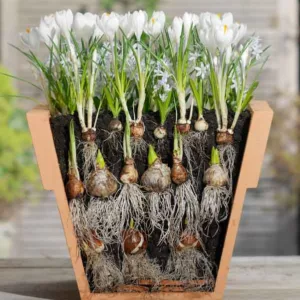
Saffron may be the world’s most luxurious spice, but growing it at home is totally doable, especially if you enjoy sunny spots and well-drained soil. This crocus is surprisingly low-maintenance once established and rewards you with vibrant blooms and aromatic saffron threads.
With just a little effort, your garden, or even a sunny balcony can yield the most coveted spice on earth.
Absolutely! Growing saffron in pots is a great option, especially for gardeners in cooler or wetter regions. It lets you control drainage, soil quality, and sun exposure with ease.
With the right care, even a windowsill this plant can add a pop of color — and the magic of homemade saffron spice to your life.

Harvesting saffron is a delicate and rewarding process — each vibrant red thread is picked by hand! Once your crocus blooms, it’s time to act quickly for peak color and aroma.
Proper storage is key to preserving saffron’s rich aroma, deep flavor, and striking color.
Tip: Never store saffron near spices with strong odors, as it easily absorbs smells and loses potency.
Saffron is propagated by corm division—not seeds—and the process is simple and reliable when done during its dormant phase.
Delicate and complex: lightly sweet, floral, and earthy with hay-like, honeyed notes and a gentle bitterness. A few threads can perfume an entire dish.
Each flower has only three stigmas (threads), and they’re hand-picked at peak bloom. It takes roughly 150 flowers to make 1 gram of saffron, plus careful drying and sorting—high labor, tiny yields.
Yes—if you can offer full sun, sharp drainage, and dry summers (USDA Zones 6–9). Plant corms late summer–early fall, 3–4 in deep and 4–6 in apart. Great in containers with a gritty mix. Blooms in fall; foliage persists through winter.
In culinary amounts, yes. Avoid large doses or high-dose supplements without medical guidance—saffron can interact with antidepressants, blood thinners, and blood-pressure meds. During pregnancy, stick to normal food amounts unless a clinician advises otherwise.
Bloom it: soak threads 10–20 min in warm water, milk, or broth, then add the liquid and threads to your dish.
Grind a pinch with salt/sugar for even dispersion in baking or tea.
Best in risotto, paella, tahdig, broths, custards, ice creams, teas/lattes.
A little goes a long way—start small and build.
Updated: September 19, 2025 • Reviewed by Gardenia Editors
| Hardiness |
6 - 9 |
|---|---|
| Heat Zones |
6 - 9 |
| Climate Zones | 1, 1A, 1B, 2, 2A, 2B, 3, 3A, 3B, 4, 5, 6, 7, 8, 9, 10, 11, 12, 13, 14, 15, 16, 17, 18, 19, 20, 21, 22, 23, 24 |
| Plant Type | Bulbs, Perennials |
| Plant Family | Iridaceae |
| Genus | Crocus |
| Common names | Autumn Crocus, Crocus, Saffron |
| Exposure | Full Sun |
| Season of Interest | Fall |
| Height | 4" - 1' (10cm - 30cm) |
| Spread | 4" (10cm) |
| Spacing | 3" (8cm) |
| Depth | 4" (10cm) |
| Maintenance | Low |
| Water Needs | Low |
| Soil Type | Chalk, Clay, Loam, Sand |
| Soil pH | Acid, Alkaline, Neutral |
| Soil Drainage | Well-Drained |
| Characteristics | Showy |
| Tolerances | Deer, Drought, Heat, Black Walnut |
| Attracts | Bees |
| Garden Uses | Banks And Slopes, Beds And Borders, Edging, Patio And Containers |
| Garden Styles | City and Courtyard, Gravel and Rock Garden, Informal and Cottage, Mediterranean Garden |
| Toxic to Humans | No known toxicity |
| Toxic to Cats | No known toxicity |
| Toxic to Dogs | No known toxicity |
| Toxic to Horses | No known toxicity |


| Hardiness |
6 - 9 |
|---|---|
| Heat Zones |
6 - 9 |
| Climate Zones | 1, 1A, 1B, 2, 2A, 2B, 3, 3A, 3B, 4, 5, 6, 7, 8, 9, 10, 11, 12, 13, 14, 15, 16, 17, 18, 19, 20, 21, 22, 23, 24 |
| Plant Type | Bulbs, Perennials |
| Plant Family | Iridaceae |
| Genus | Crocus |
| Common names | Autumn Crocus, Crocus, Saffron |
| Exposure | Full Sun |
| Season of Interest | Fall |
| Height | 4" - 1' (10cm - 30cm) |
| Spread | 4" (10cm) |
| Spacing | 3" (8cm) |
| Depth | 4" (10cm) |
| Maintenance | Low |
| Water Needs | Low |
| Soil Type | Chalk, Clay, Loam, Sand |
| Soil pH | Acid, Alkaline, Neutral |
| Soil Drainage | Well-Drained |
| Characteristics | Showy |
| Tolerances | Deer, Drought, Heat, Black Walnut |
| Attracts | Bees |
| Garden Uses | Banks And Slopes, Beds And Borders, Edging, Patio And Containers |
| Garden Styles | City and Courtyard, Gravel and Rock Garden, Informal and Cottage, Mediterranean Garden |
| Toxic to Humans | No known toxicity |
| Toxic to Cats | No known toxicity |
| Toxic to Dogs | No known toxicity |
| Toxic to Horses | No known toxicity |
How many Crocus sativus (Saffron Crocus) do I need for my garden?
| Plant | Quantity | |
|---|---|---|
| Crocus sativus (Saffron Crocus) | N/A | Buy Plants |
Create a membership account to save your garden designs and to view them on any device.
Becoming a contributing member of Gardenia is easy and can be done in just a few minutes. If you provide us with your name, email address and the payment of a modest $25 annual membership fee, you will become a full member, enabling you to design and save up to 25 of your garden design ideas.
Join now and start creating your dream garden!
Create a membership account to save your garden designs and to view them on any device.
Becoming a contributing member of Gardenia is easy and can be done in just a few minutes. If you provide us with your name, email address and the payment of a modest $25 annual membership fee, you will become a full member, enabling you to design and save up to 25 of your garden design ideas.
Join now and start creating your dream garden!