Create Your Garden

Tulbaghia violacea (Society Garlic)

Society Garlic, Wild Garlic, Sweet Garlic, Pink Agapanthus, Common Garlic, Lawn Trumpets

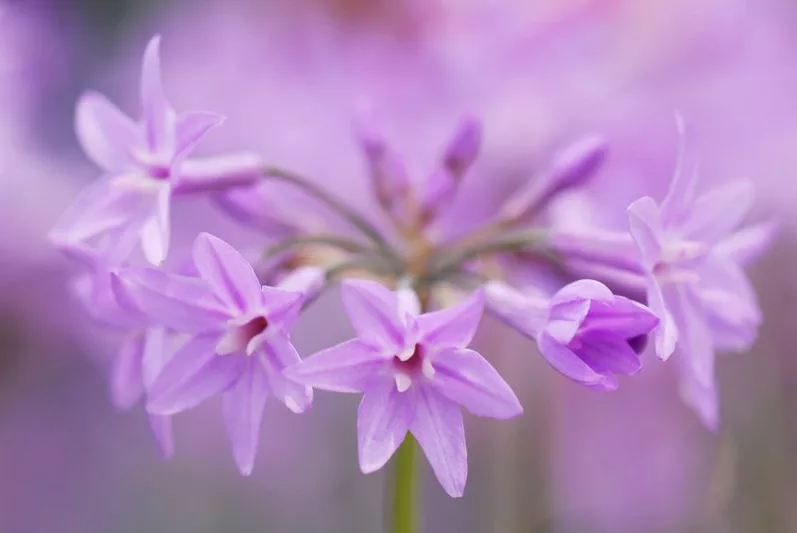
AGM Award
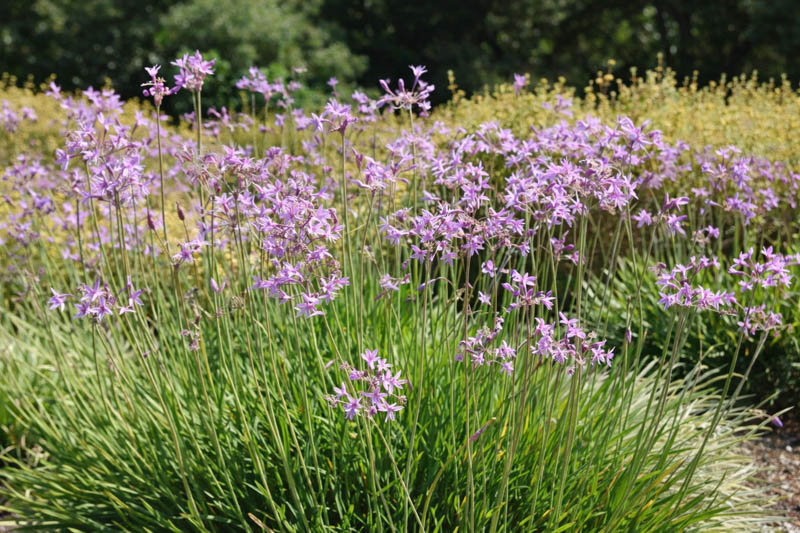
Tulbaghia Violacea, Society Garlic, Pink Agapanthus, Spring Bulbs, Spring Flowers, Spring Bulbs, Spring Flowers, Pink Flowers
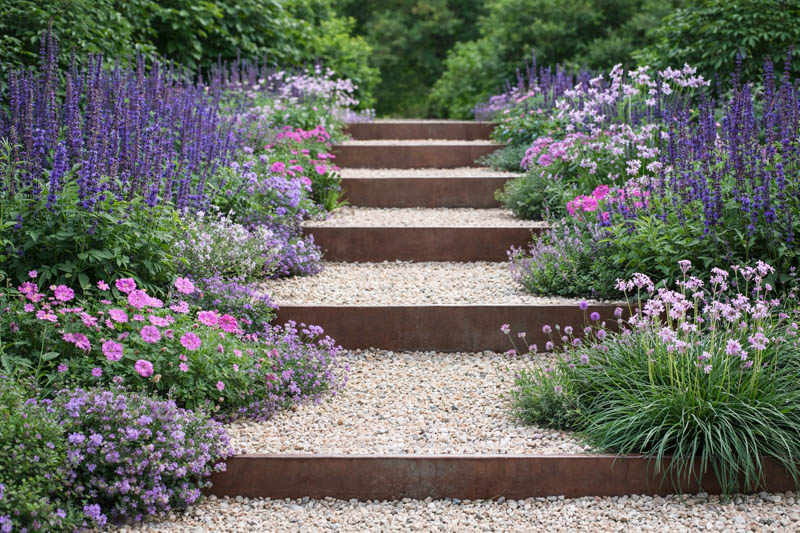
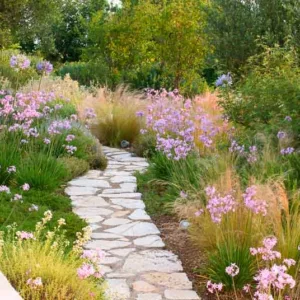
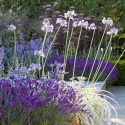
Salvia sylvestris Mainacht, Geranium sanguineum, Thymus, Armeria maritima, Tulbaghia violacea
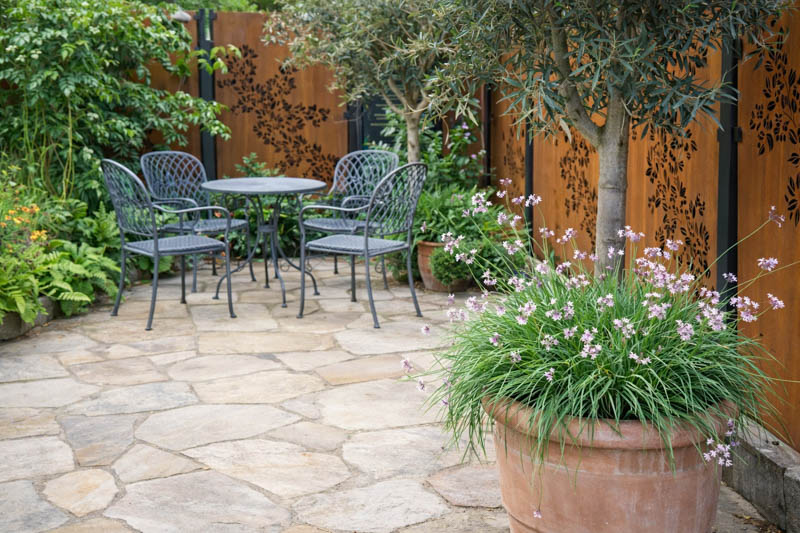
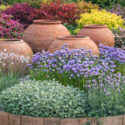
Potted Tulbahia violacea, wild garlic, olive tree
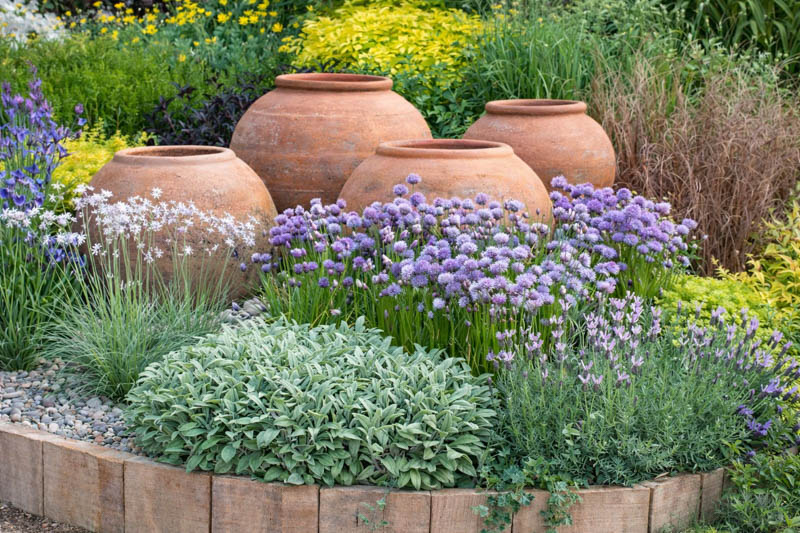
Allium Schoenoprasum, Carex, Herb bed, Lavandula, Salvia, Tulbaghia violacea
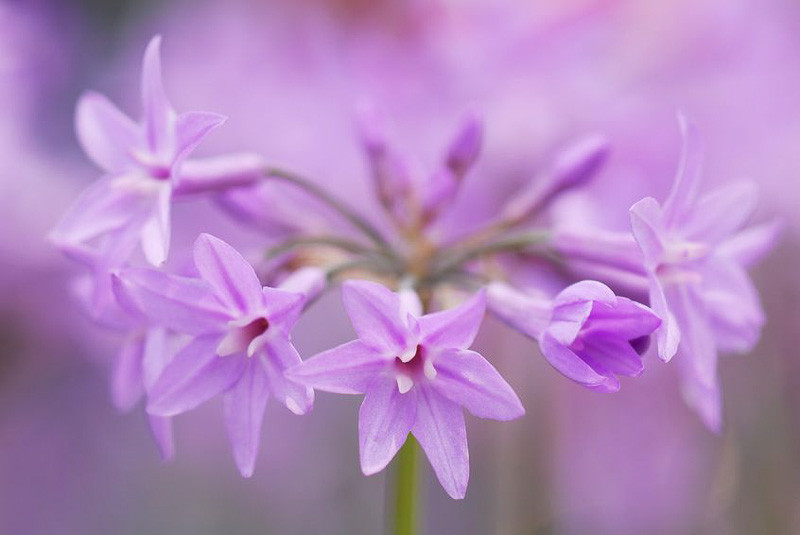
Tulbaghia Violacea, Society Garlic, Pink Agapanthus, Spring Bulbs, Spring Flowers, Spring Bulbs, Spring Flowers, Pink Flowers

Tulbaghia violacea (Society Garlic) – Lilac-Pink Summer Blooms and Garlic-Scented Foliage

Tulbaghia violacea, widely known as Society Garlic, is a charming, heat-loving perennial native to southern Africa. It is celebrated for its long season of lilac-pink flowers, slender gray-green foliage, and its unmistakable garlic aroma when crushed. Blooming from early summer into fall, this tough yet graceful perennial thrives in sunny borders, rock gardens, herb gardens, walkways, and water-wise landscapes. Both flowers and leaves are edible, adding a mild garlic-onion flavor to soups, salads, and garden-to-table dishes.

Despite its soft appearance, Society Garlic is impressively durable – drought tolerant, heat tolerant, moderately salt tolerant, and remarkably resistant to deer. With a compact clumping habit, smooth arching leaves, and umbels of starry flowers held on 12-20 in. stems, Tulbaghia violacea offers months of color with very little maintenance. It’s equally suited to garden beds and patio containers, and in colder climates, can be brought indoors to overwinter.

Society Garlic is the recipient of the prestigious Award of Garden Merit of the Royal Horticultural Society.
Quick Facts – Tulbaghia violacea (Society Garlic)

Tulbaghia violacea Society Garlic

Summary: A clump-forming, heat-loving perennial with lilac-pink starry blooms and garlic-scented foliage.
Use: Sunny borders, rock gardens, herb gardens, edging, xeriscapes, slopes, containers.
Highlight: Long bloom season, edible parts, and foliage that deters deer.
Note: Grows best in full sun with well-drained soils and consistent moisture during active growth.

Botanical Name Tulbaghia violacea
Family Amaryllidaceae
Common Names Society Garlic, Pink Agapanthus, Sweet Garlic
Native Range South Africa – grasslands, rocky slopes, and open woodland edges.
Plant Type and Habit Herbaceous perennial forming clumping, slowly spreading rhizomes with upright flower stalks.
Hardiness (approx. USDA) USDA Zones 7-10. Provide winter mulch in colder regions or overwinter indoors.
Size Typically 12-20 in. tall (30-50 cm) and 9-12 in. wide (22-30 cm).
Sun and Exposure Best in full sun; tolerates light shade but may flower less.
Soil Moderately fertile, sandy or well-drained soils. Good heat and drought tolerance.
Seasonal Interest Early summer to fall florals; attractive gray-green foliage year-round in mild climates (deciduous/tender in colder areas).
Primary Uses Borders, edging, xeriscapes, Mediterranean gardens, herb gardens, containers, and walkways.
Care – Quick
  • Planting: Plant in well-drained soil in full sun. Space 9-12 in. apart.
  • Water: Moderate drought tolerance; water regularly during active growth.
  • Feeding: Light compost in spring promotes strong flowering.
  • Pruning: Remove faded umbels to encourage rebloom.
  • Propagation: Divide rhizomes in spring or sow seeds when ripe.
  • Wildlife: Deer avoid it; flowers attract bees and beneficial insects.
Quick promise
Tulbaghia violacea brings fragrance, color, flavor, and drought tolerance – a long-blooming perennial that thrives in heat, sun, and low-maintenance landscapes.

What Is Tulbaghia violacea (Society Garlic)?

Description

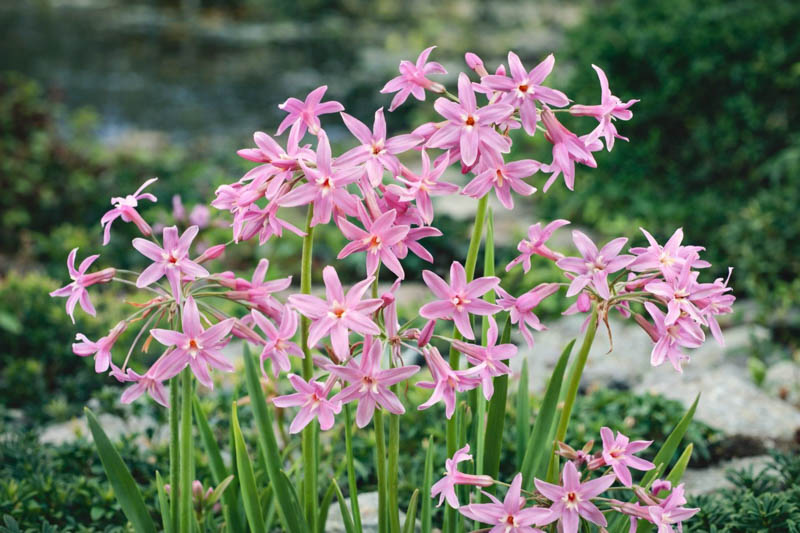
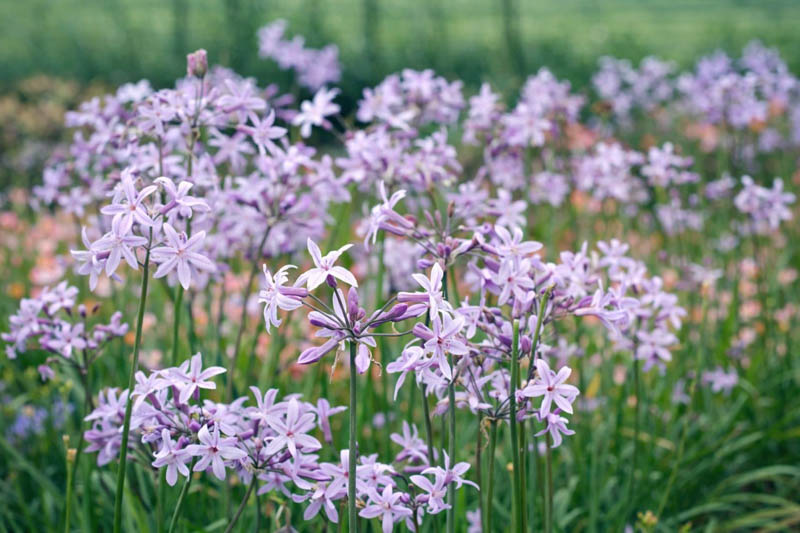
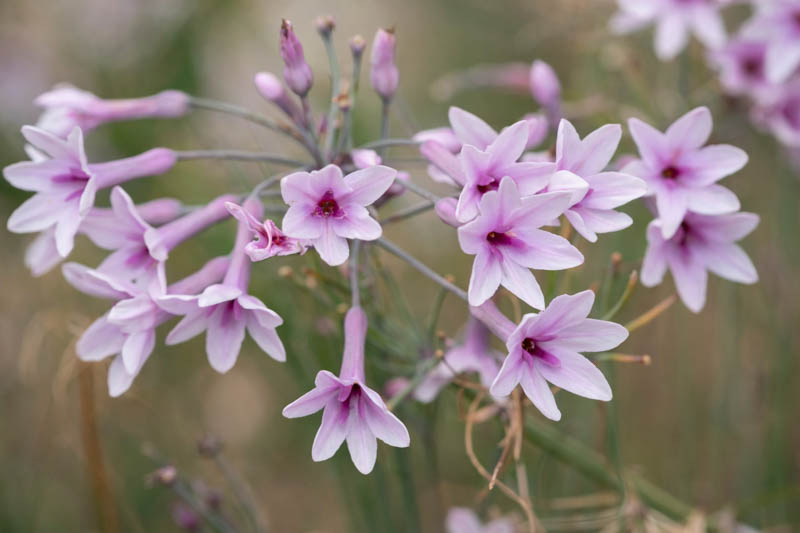
Tulbaghia violacea is a compact, clump-forming perennial featuring slender, gray-green, strap-like leaves that release a strong garlic scent when rubbed or bruised. Rising above the foliage, wiry stems carry open umbels of lilac-pink, star-shaped flowers. Each bloom is tubular at the base and spreads into six pointed tepals, creating an airy, elegant display.

Did you know? The fragrance of the flowers resembles hyacinths, sweet and floral, even though the leaves carry a strong garlic aroma.

Flowering begins in early summer and continues, with brief pauses, through fall. In mild climates, blooms may appear nearly year-round. With its narrow profile and steady bloom performance, Society Garlic is an excellent choice for mass plantings or edging.

Native Range

Originating in South Africa’s grasslands and rocky slopes, Tulbaghia violacea was named after Ryk Tulbagh, a Dutch governor of the Cape of Good Hope. This rugged native habitat explains its resilience: heat, drought, poor soils, and intense sun pose little challenge.

Growth Habit and Vigor

Growing 12-20 in. tall, this perennial forms tidy clumps that slowly spread by rhizomes without becoming invasive. Leaves grow in dense rosettes from the base, while flower stalks rise above the foliage in clean, upright lines.

Its medium growth rate and restrained spread make it ideal for edging walkways, lining garden beds, and creating softly textured low borders.

Flowers and Bloom Time

Each 3/4 in. flower (about 2 cm) features a tubular center surmounted by six pointed tepals that open into a star. When grouped in umbels, they resemble miniature agapanthus. Their light, sweet scent contrasts beautifully with the sharp garlic fragrance of the leaves.

Bloom time extends from early summer into fall, and deadheading often promotes additional flowering flushes.

Foliage and Seasonal Interest

Leaves are narrow, linear, and grass-like, typically 12 in. (30 cm) or more in length. Their smooth, arching form contributes a fine texture that complements bold-leaved companions. When crushed, the leaves release a garlic-like aroma that helps deter browsing animals.

Design tip: Use Society Garlic along paths and patios where its fragrance and delicate blooms can be enjoyed up close but avoid placing it where foliage will be frequently bruised unless you appreciate the garlic scent!

Hardiness

Tulbaghia violacea is hardy in USDA Zones 7–10. In colder climates, apply a deep winter mulch or overwinter containers indoors. Plants grown in protected microclimates may survive brief cold spells, but prolonged freezing will damage or kill the rhizomes.

Landscape Uses

  • Sunny borders: Adds texture and fragrance all season.
  • Edging: Perfect low border for beds, walkways, and herb gardens.
  • Rock gardens: Excellent drought tolerance and fine texture.
  • Mediterranean and xeric landscapes: Heat- and drought-adapted.
  • Containers: Thrives in well-drained potting mixes; great on patios.
  • Herb gardens: Edible leaves and flowers with mild garlic flavor.

Wildlife and Ecological Value

Although deer avoid its pungent leaves, the flowers attract bees and pollinating insects. Its dense base foliage also provides cover for small beneficial invertebrates.

Deer Resistance

Society Garlic is widely regarded as deer resistant thanks to its garlic-scented foliage. While no plant is completely deer-proof, this one is rarely touched.

Drought and Heat Tolerance

Once established, Tulbaghia violacea withstands drought, heat, and poor soils, making it a star player in water-wise gardens. Regular watering during its active growing season enhances bloom production, but excessive irrigation is unnecessary.

Toxicity and Edibility

Leaves and flowers are edible and offer a mild garlic-onion flavor. They can be used fresh in salads, cooked in soups, or used as garnishes. As with all herbs, consume in moderation and avoid encouraging children or pets to eat foliage unintentionally.

Invasiveness

Tulbaghia violacea is not invasive. It spreads slowly via rhizomes and is easily controlled by dividing clumps as needed.
Benefits

  • Long flowering season
  • Heat and drought tolerance
  • Edible flowers and leaves
  • Deer resistance
  • Low maintenance
  • Compact, tidy habit

Tulbaghia Violacea, Society Garlic, Pink Agapanthus, Spring Bulbs, Spring Flowers, Spring Bulbs, Spring Flowers, Pink Flowers

Growing Conditions for Tulbaghia violacea

Light

  • Full sun: Best flowering and compact growth occur in full sun, where plants receive at least 6 hours of direct light each day. In bright, open positions, stems stay sturdy, the clumps remain tight, and Society Garlic produces the heaviest and most continuous flower display.
  • Light shade: Tolerated but may reduce flower output and slightly stretch the foliage. Light afternoon shade can be helpful in very hot climates, but too much shade will lead to fewer blooms and looser, more open clumps.

Soil

  • Sandy or moderately fertile soil: Ideal for drainage and root health, allowing rhizomes to stay firm and disease free. Society Garlic performs particularly well in sandy loams or gravelly beds, where water does not linger around the roots.
  • Avoid soggy soils: Excess moisture can cause root rot and lead to yellowing foliage and decline. If your site tends to stay wet, consider raised beds or containers where you can control drainage more effectively.
  • Clay soils: Acceptable with improved drainage, such as incorporating grit, coarse sand, or organic matter. On heavier soils, planting slightly on a mound and avoiding low spots will help prevent water from pooling around the rhizomes.

Water

  • Establishment: Keep evenly moist for the first growing season to help roots anchor deeply and quickly. Once plants are well rooted, they become far more tolerant of dry spells and require less frequent irrigation.
  • After establishment: Water during extreme heat or prolonged drought, especially in containers or very sandy soils. In most average garden conditions, normal rainfall is often sufficient to sustain the plant without additional watering.

Feeding

Apply a light layer of compost or a balanced, slow release fertilizer in spring to support healthy foliage and generous flowering. Overfeeding, especially with high nitrogen products, may increase leafy growth at the expense of flowers, so aim for modest, not heavy, fertilization.
Mulch

  • Apply a 2 in. organic mulch layer to conserve moisture, moderate soil temperature, and suppress weeds. Materials such as shredded bark, compost, or fine gravel all work well, provided they do not smother the plant crowns.
  • Mulch lightly in winter for protection in cooler climates, concentrating the mulch around but not directly over the rhizomes. This extra insulation helps Society Garlic overwinter more successfully near the colder edge of its hardiness range.

Planting Tips

  • Plant in spring or early summer when soils are warming and the risk of frost has passed. At this time, plants establish faster and respond quickly with new leafy growth.
  • Space 9-12 in. apart to allow individual clumps to fill in without overcrowding. Over a few seasons, the gaps between plants will knit together into a soft, continuous ribbon of foliage and flowers.
  • Set crowns at soil level and water well to settle the soil around the roots, eliminating air pockets. In containers, choose a well-drained mix and ensure pots have drainage holes to prevent waterlogging.

Maintenance and Pruning

  • Deadhead to encourage continuous bloom: Removing faded flower umbels keeps the plant neat and often prompts new flower spikes. Regular deadheading can extend the bloom season well into fall in mild climates.
  • Remove spent leaves to maintain tidy clumps: Trim out yellowed, damaged, or winter burned foliage to keep the clump fresh looking. This simple grooming also improves air circulation around the leaves.
  • Divide clumps every 3-4 years: Lifting and dividing congested clumps renews vigor and provides new plants for other areas. Replant healthy divisions in fresh soil, spacing them to allow room for future spread.

Propagation

  • Division: Most reliable. Separate rhizomes in spring or early summer, ensuring each division has several healthy shoots and roots attached. Replant promptly and water well until new growth resumes.
  • Seed: Sow when ripe in containers or prepared beds; germination may be slow and variable. Seed grown plants may take longer to reach flowering size, but this method is useful if you wish to raise larger numbers.

Tulbaghia Violacea, Society Garlic, Pink Agapanthus, Spring Bulbs, Spring Flowers, Spring Bulbs, Spring Flowers, Pink Flowers

Tulbaghia violacea: Pests, Diseases, and Common Problems

Pests

Generally pest free, Tulbaghia violacea is not a favorite of most chewing insects due to its garlic scented foliage. Occasional slugs and snails may nibble young leaves, particularly in damp, shaded spots, but damage is usually cosmetic and rarely requires more than simple hand picking or basic slug control.
Diseases

  • Root rot: Can occur in poorly drained soils where water lingers around the rhizomes. Symptoms include wilting, yellowing foliage, and a general decline in vigor; improving drainage and avoiding overwatering are key preventative measures.
  • Leaf spot: Rare but sometimes seen in very humid or crowded plantings, causing discolored patches or small lesions on leaves. Thinning neighboring plants, watering at the base, and removing affected foliage usually keep the problem in check.

Common Problems

  • Poor flowering: Usually due to insufficient sun or overly rich, nitrogen heavy feeding that favors leaves over blooms. Moving the plant to a brighter location or adjusting the fertilizer program typically restores good flower production.
  • Yellowing leaves: Often caused by overwatering, heavy soils, or prolonged saturation around the roots. Allow the soil surface to dry between waterings and, if necessary, amend the soil to improve drainage.
  • Winter injury: In cold climates or exposed sites, foliage and rhizomes can be damaged by extended freezes. Applying a protective mulch, choosing a sheltered microclimate, or overwintering container plants indoors will greatly reduce winter losses.

Allium Schoenoprasum, Carex, Herb bed, Lavandula, Salvia, Tulbaghia violacea

Design Ideas With Tulbaghia violacea

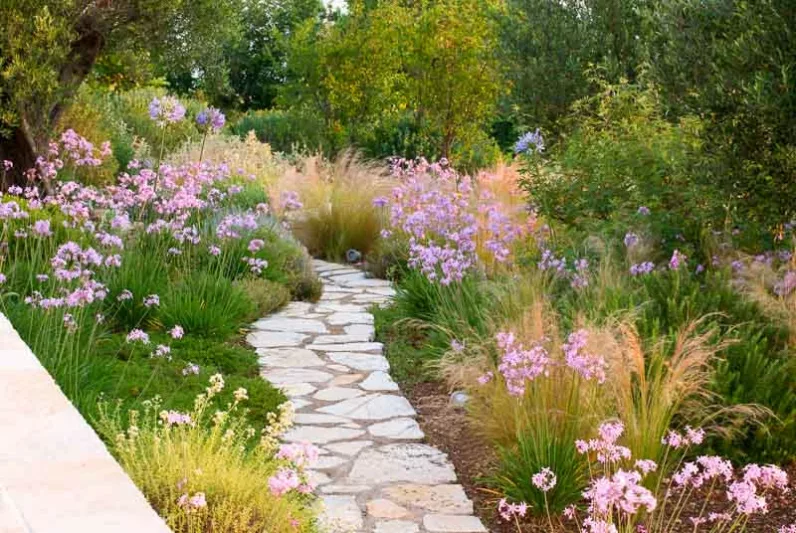
  • Fragrant edging: Line pathways or the front of sunny borders with repeating clumps of Society Garlic for a gentle, waving edge of lilac blooms. Pair it with compact lavender, thyme, or low grasses to create a softly textured ribbon that guides the eye and subtly perfumes the air.
  • Xeric borders: Combine Tulbaghia violacea with drought tolerant companions such as lantana, salvia, and ornamental grasses for a vibrant, water wise border. Use Society Garlic in drifts among bolder shrubs to knit the planting together and provide a unifying color accent.
  • Container star: Plant Society Garlic in terracotta or modern concrete containers where its vertical flower stalks add height and movement. Underplant with trailing herbs or succulents to spill over the rim and create a layered look that works beautifully on patios, balconies, or rooftop gardens.
  • Herb garden accent: Tuck clumps among chives, rosemary, and oregano, where the edible flowers and leaves provide both ornamental value and culinary interest. Use its fine foliage as a contrast to the stronger shapes of sage and rosemary, creating a herb garden that is as decorative as it is productive.
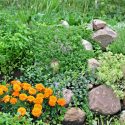
  • Rock garden highlight: Nestle Society Garlic into pockets of gravel or between rocks where its slender leaves and airy flower heads soften hard edges. Combine with sedums, small agapanthus, and low growing ground covers to craft a layered rock garden that offers texture, color, and seasonal bloom.

Popular Cultivars of Tulbaghia violacea

  • Tulbaghia violacea ‘Silver Lace’ – Variegated white-and-green leaves.
  • Tulbaghia violacea ‘Variegata’ – Cream-striped foliage, striking in containers.
  • Tulbaghia violacea ‘Purple Eye’ – Lilac flowers with a darker purple center.

Frequently Asked Questions

Is Tulbaghia violacea edible?

Yes. Both the leaves and flowers of Tulbaghia violacea are edible and have a mild garlic-onion flavor. They can be used raw in salads, cooked in soups, or added as a garnish. Only consume plants grown without pesticides and introduce them gradually if you have sensitive digestion.

Does Society Garlic repel pests or animals?

Society Garlic naturally deters deer and some small mammals because its foliage releases a strong garlic scent when bruised. While it should not be considered a universal repellent, it is widely regarded as reliable for deer-resistant landscape design.

Why is my Society Garlic not flowering?

Insufficient sunlight is the most common reason Society Garlic fails to bloom. The plant requires at least six hours of direct light daily for strong, consistent flowering. Overly rich nitrogen fertilizer, deep shade, or waterlogged soil can also reduce bloom production.

Will Tulbaghia violacea survive frost or winter cold?

Tulbaghia violacea is hardy in USDA Zones 7–10 and can tolerate light frost, but prolonged freezing may damage or kill the rhizomes. In colder climates, gardeners should apply a thick mulch, grow it in containers that can be moved indoors, or treat it as a tender perennial.

Does Society Garlic spread aggressively?

No. Tulbaghia violacea spreads slowly by short rhizomes and forms controlled, manageable clumps. It is not considered invasive, and any unwanted expansion can be easily controlled by lifting and dividing the plant every few years.

How often should Society Garlic be watered?

During establishment, the plant should be kept evenly moist to encourage strong rooting. Once mature, Society Garlic is drought tolerant and generally requires irrigation only during extended heat or dry periods, especially in sandy soils or containers.

Can Society Garlic grow in partial shade?

Yes, it can grow in partial shade, but flower production will be reduced compared to full sun. Light afternoon shade may benefit the plant in extremely hot regions, but deep shade typically results in fewer blooms and a more open, less compact growth habit.

Is Society Garlic safe for pets?

Society Garlic is not commonly listed as highly toxic to pets, but it does contain bioactive compounds and is not intended as a regular pet food. As with most ornamentals, it’s best to prevent unsupervised grazing and consult a veterinarian if ingestion is suspected.

Does Society Garlic attract pollinators?

Yes. Its lilac-pink flowers attract bees and other beneficial pollinators throughout the summer and fall. Because the flowers are lightly fragrant and bloom over a long period, they provide a consistent nectar source in sunny gardens.

References

  • South African National Biodiversity Institute

Updated: December 2025 • Reviewed by Gardenia Editors

Requirements

Hardiness 7 - 10
Heat Zones 7 - 10
Climate Zones 13, 14, 15, 16, 17, 18, 19, 20, 21, 22, 23, 24, H1, H2
Plant Type Herbs, Perennials
Plant Family Amaryllidaceae
Common names Society Garlic, Wild Garlic
Exposure Full Sun
Season of Interest Summer (Early, Mid, Late), Fall
Height 1' - 2' (30cm - 60cm)
Spread 9" - 1' (23cm - 30cm)
Spacing 9" - 12" (23cm - 30cm)
Maintenance Low
Water Needs Average
Soil Type Loam, Sand
Soil pH Acid, Alkaline, Neutral
Soil Drainage Well-Drained
Characteristics Fragrant, Plant of Merit, Showy
Tolerance Drought, Deer, Salt, Rabbit
Garden Uses Beds And Borders, Edging, Patio And Containers
Garden Styles City and Courtyard, Coastal Garden, Gravel and Rock Garden, Informal and Cottage, Mediterranean Garden
How Many Plants
Do I Need?

Recommended Companion Plants

Armeria maritima (Sea Thrift)
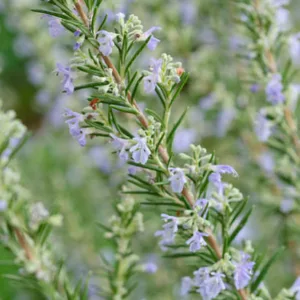
Salvia rosmarinus (Rosemary)
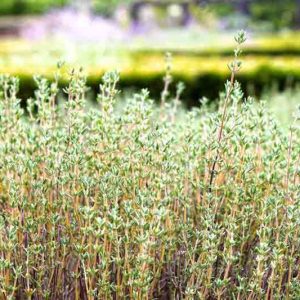
Thymus vulgaris (Common Thyme)
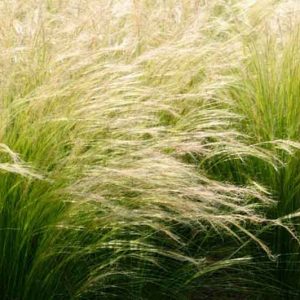
Stipa tenuissima (Mexican Feather Grass)
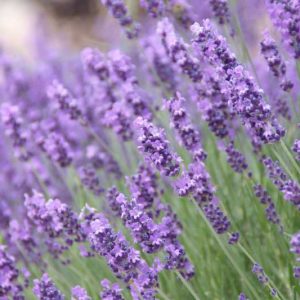
Lavandula angustifolia (English Lavender)
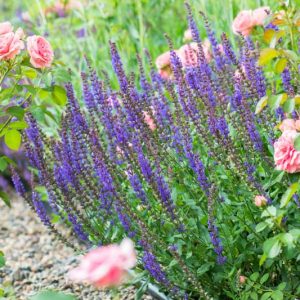
Salvia (Sage)
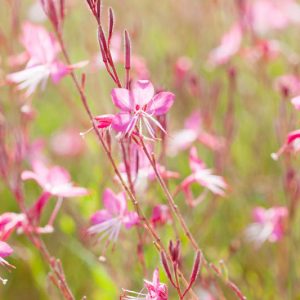
Gaura (Bee Blossom)
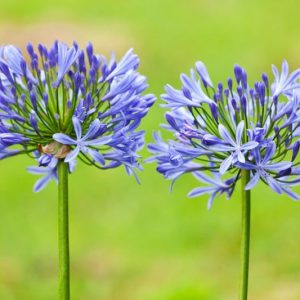
Agapanthus (African Lily)
Allium (Ornamental Onion)

Find In One of Our Guides or Gardens

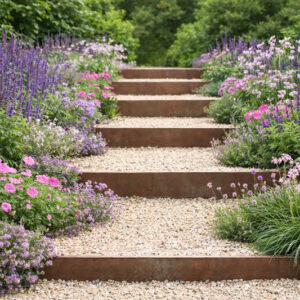
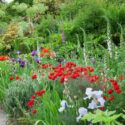
A Gravel Step Garden Border That Feels Like a Meadow
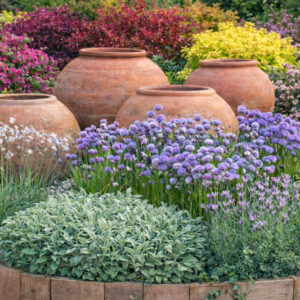
A Sun-Soaked Herb Garden with Chives, Sage, Lavender
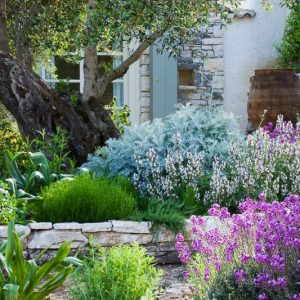
A Lovely Mediterranean Border with Erysimum, Artemisia and Calamintha
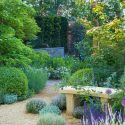
A Charming Mediterranean Stone Path
While every effort has been made to describe these plants accurately, please keep in mind that height, bloom time, and color may differ in various climates. The description of these plants has been written based on numerous outside resources.
Buy Plants

Requirements

Hardiness 7 - 10
Heat Zones 7 - 10
Climate Zones 13, 14, 15, 16, 17, 18, 19, 20, 21, 22, 23, 24, H1, H2
Plant Type Herbs, Perennials
Plant Family Amaryllidaceae
Common names Society Garlic, Wild Garlic
Exposure Full Sun
Season of Interest Summer (Early, Mid, Late), Fall
Height 1' - 2' (30cm - 60cm)
Spread 9" - 1' (23cm - 30cm)
Spacing 9" - 12" (23cm - 30cm)
Maintenance Low
Water Needs Average
Soil Type Loam, Sand
Soil pH Acid, Alkaline, Neutral
Soil Drainage Well-Drained
Characteristics Fragrant, Plant of Merit, Showy
Tolerance Drought, Deer, Salt, Rabbit
Garden Uses Beds And Borders, Edging, Patio And Containers
Garden Styles City and Courtyard, Coastal Garden, Gravel and Rock Garden, Informal and Cottage, Mediterranean Garden
How Many Plants
Do I Need?

Gardening Ideas

Plant Calculator

How many Tulbaghia violacea (Society Garlic) do I need for my garden?

Input your garden space dimensions

Your Shopping List

Plant Quantity
Tulbaghia violacea (Society Garlic) N/A Buy Plants

Please Login to Proceed

You Have Reached The Free Limit, Please Subscribe to Proceed

Subscribe to Gardenia

To create additional collections, you must be a paid member of Gardenia
  • Add as many plants as you wish
  • Create and save up to 25 garden collections
Become a Member

Plant Added Successfully

Your garden is taking shape. Unlock full planning.

You’ve reached the free limit. Upgrade for $25/year to add as many plants as you wish and save up to 25 garden collections. Unlock Annual Membership

Update Your Credit
Card Information

Cancel

Create a New Collection

Sign Up to Our Newsletter

    You have been subscribed successfully

    Join Gardenia.net

    Create a membership account to save your garden designs and to view them on any device.

    Becoming a contributing member of Gardenia is easy and can be done in just a few minutes. If you provide us with your name, email address and the payment of a modest $25 annual membership fee, you will become a full member, enabling you to design and save up to 25 of your garden design ideas.

    Join now and start creating your dream garden!

    Join Gardenia.net

    Create a membership account to save your garden designs and to view them on any device.

    Becoming a contributing member of Gardenia is easy and can be done in just a few minutes. If you provide us with your name, email address and the payment of a modest $25 annual membership fee, you will become a full member, enabling you to design and save up to 25 of your garden design ideas.

    Join now and start creating your dream garden!
    Find your Hardiness Zone

    Find your Heat Zone

    Find your Climate Zone