Create Your Garden

66 Drought-Tolerant Ground Covers for Low-Water Landscapes

Save water with drought-smart ground covers - Creeping Thyme and Sedum lead the pack. Sun to part shade, quick to establish, low upkeep.
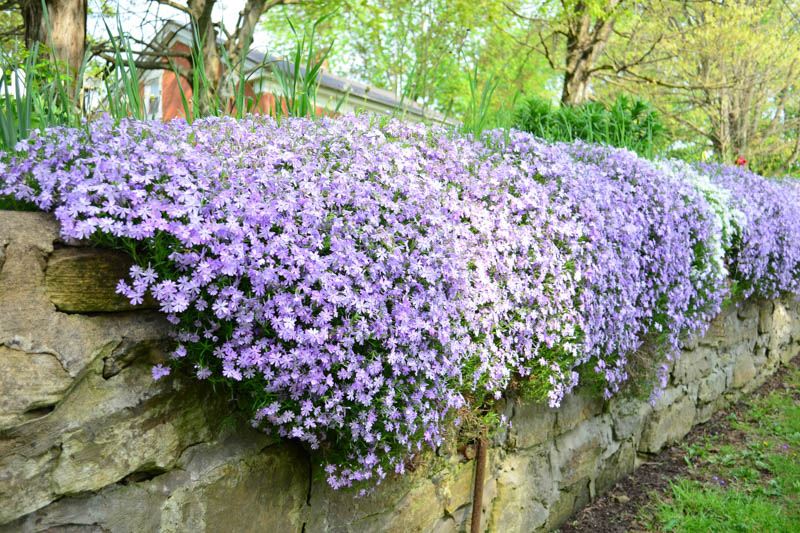
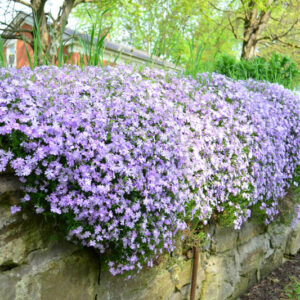
Drought tolerant groundcover, Drought tolerant plants, Creeping Phlox, Phlox subulata

Drought-Tolerant Ground Covers For Living Carpets On Little Water

Low water does not have to mean bare soil. The right ground covers knit beds together, cool the soil, smother weeds, and bring texture while sipping moisture. Plant once, water deeply while they settle in, then let their drought smarts do the work. This guide groups ground covers into two clear categories so you can match plants to your site and watering style.

Why Choose Drought-Tolerant Ground Covers

Perennials and shrubs bring structure, but ground covers handle the everyday chores of a water-wise garden. They shade roots, slow evaporation, and turn awkward gaps into finished spaces.

  • Water savings – living mulch reduces evaporation and keeps soil cooler.
  • Weed suppression – dense mats block light at the soil surface.
  • Erosion control – roots stabilize slopes and hold light soils.
  • Design polish – carpets, ribbons, and mosaics that unify borders.
Good to know
Even the toughest spreaders need steady moisture in their first season. Deep, infrequent soaks train roots to go down, not sideways.

What Makes A Ground Cover Drought Tolerant

Dry-wise ground covers share a few telltales. Learn these traits and you can pick winners at a glance.

  • Small, silver, or succulent leaves – reflect heat and reduce water loss.
  • Woody or semi-woody stems – handle heat and wind better than soft growth.
  • Dense, fibrous roots or rhizomes – mine shallow moisture efficiently.
  • Summer pause – some rest politely in peak heat, then surge after storms.
  • Origin story – Mediterranean coasts, rocky steppes, and alpine screes train drought tolerance.
Quick cue
At the nursery, plants thriving on the sun-baked outer benches are often your most drought-worthy options.

Guide Information

Tolerance Drought
Landscaping Ideas Ground Covers

TRUE drought-tolerant ground covers (sun, heat, lean soil

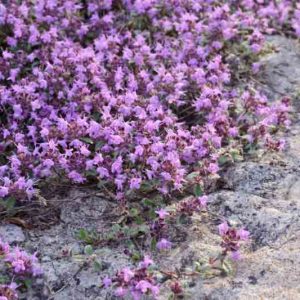
Thymus serpyllum (Creeping Thyme)
Thymus pseudolanuginosus (Woolly Thyme)
Thymus serpyllum ‘Elfin’ (Creeping Thyme)
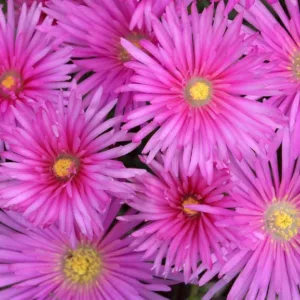
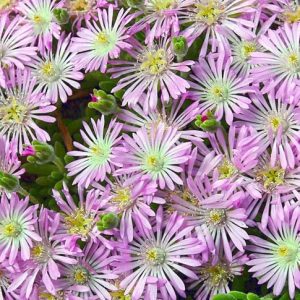
Delosperma cooperi (Ice Plant)
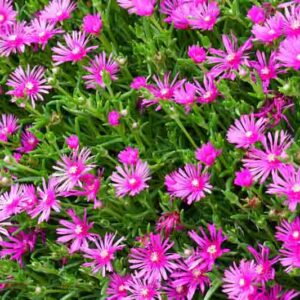
Lampranthus spectabilis (Trailing Ice Plant)
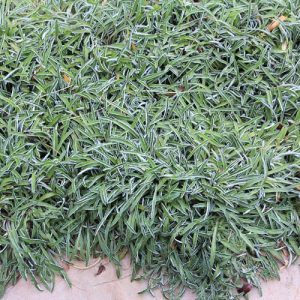
Dymondia margaretae (Silver Carpet)
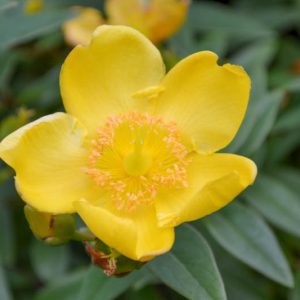
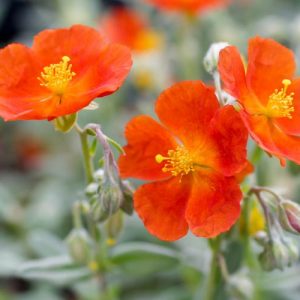
Helianthemum nummularium (Rock Rose)
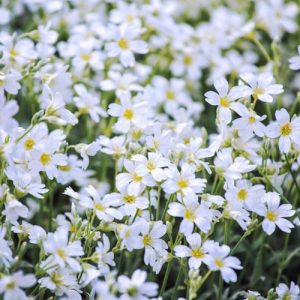
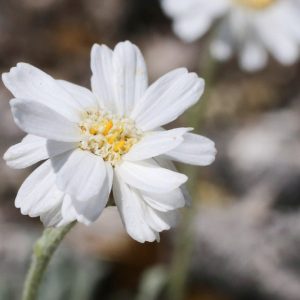
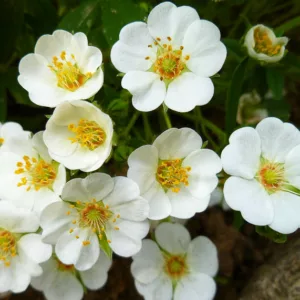
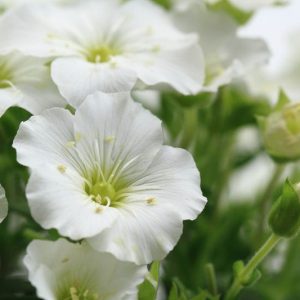
Cerastium tomentosum (Snow in Summer)
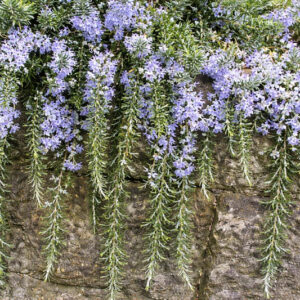
Salvia rosmarinus Prostratus Group (Creeping Rosemary)
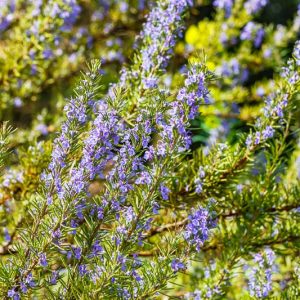
Salvia rosmarinus ‘Benenden Blue’ (Rosemary)
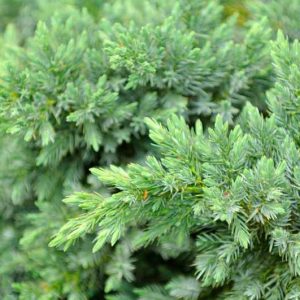
Juniperus rigida subsp. conferta ‘Blue Pacific’ (Shore Juniper)
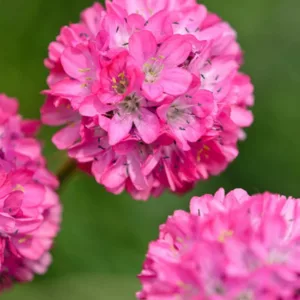
Armeria maritima (Sea Thrift)
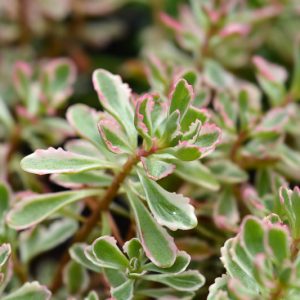
Sedum spurium ‘Tricolor’ (Caucasian Stonecrop)
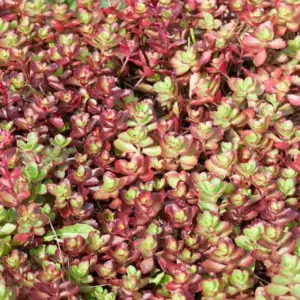
Sedum spurium ‘Dragon’s Blood’ (Caucasian Stonecrop)
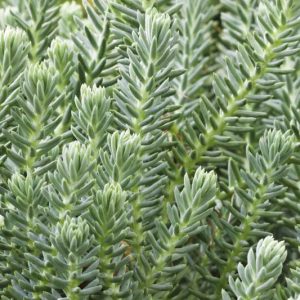
Sedum reflexum (Blue Spruce Stonecrop)
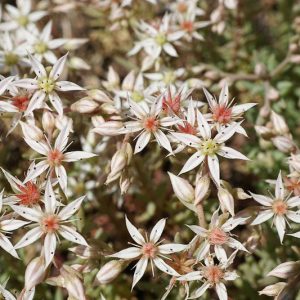
Sedum album (White Stonecrop)
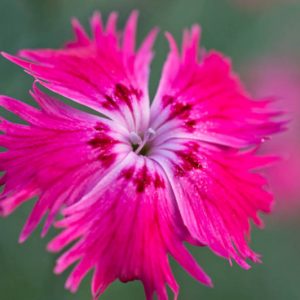
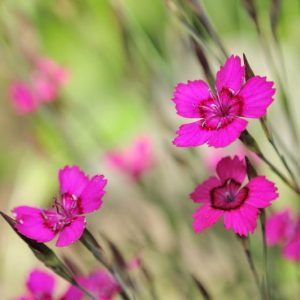
Dianthus gratianopolitanus (Cheddar Pink)
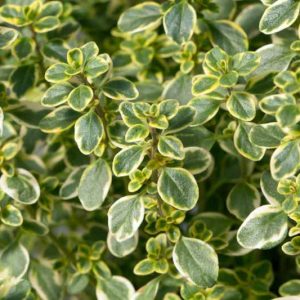
Thymus citriodorus (Lemon Thyme)
Achillea ageratifolia (Greek Yarrow)
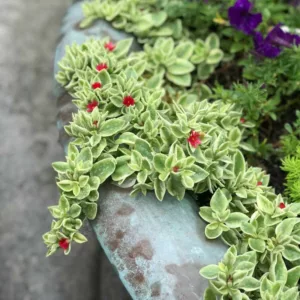
Aptenia cordifolia ‘Variegata’ (Variegated Baby Sun Rose)
Arctotheca calendula (Cape Dandelion)
Aurinia saxatilis (Basket-of-Gold)
Bouteloua dactyloides (Buffalo Grass)
Dianthus deltoides (Maiden Pink)
Drosanthemum floribundum (Ice Plant)
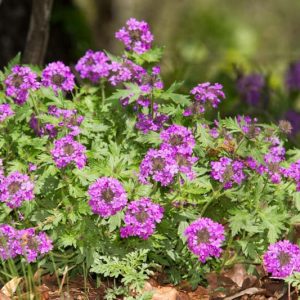
Glandularia bipinnatifida (Prairie Verbena)
Helianthemum ‘Henfield Brilliant’ (Rock Rose)
Herniaria glabra (Rupturewort)
Potentilla alba (White Cinquefoil)
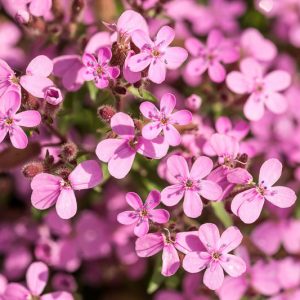
Saponaria ocymoides (Rock Soapwort)
Sedum kamtschaticum var. kamtschaticum ‘Variegatum’ (Orange Stonecrop)
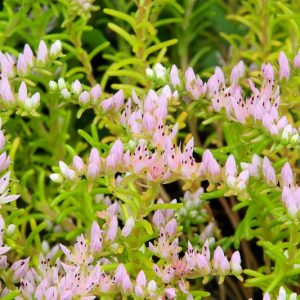
Sedum pulchellum (Sea Star)
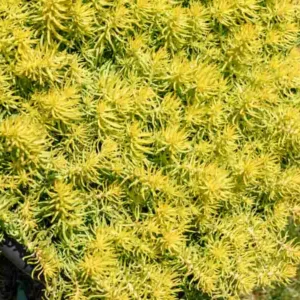
Sedum rupestre ‘Angelina’ (Stonecrop)
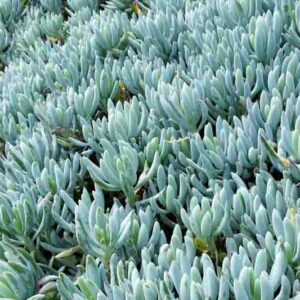
Senecio serpens (Blue Chalksticks)
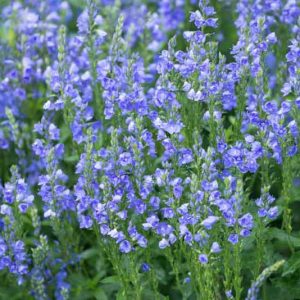
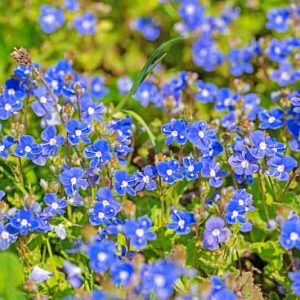
Veronica prostrata (Prostrate Speedwell)
Convolvulus sabatius (Bindweed)
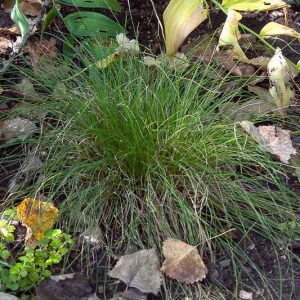
Sesleria ‘Greenlee’ (Greenlee Moor Grass)
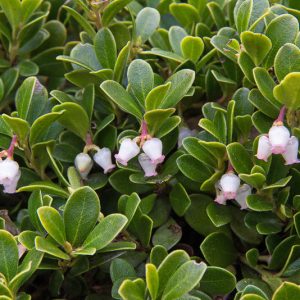
Arctostaphylos uva-ursi (Bearberry)
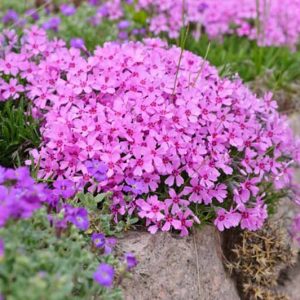
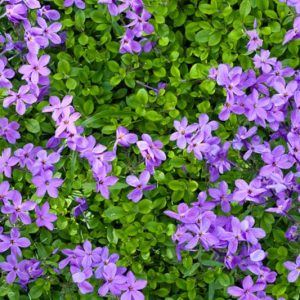
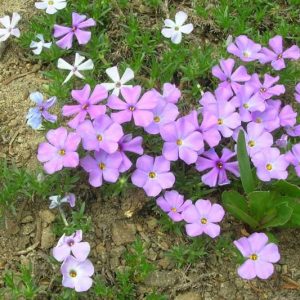
Phlox subulata (Creeping or Moss Phlox)

Moderately drought-tolerant but prefer some moisture or part shade

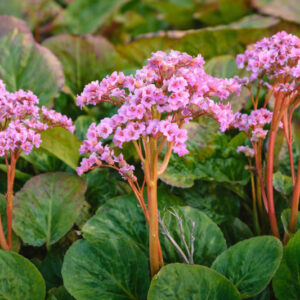
Bergenia cordifolia (Heartleaf Bergenia)
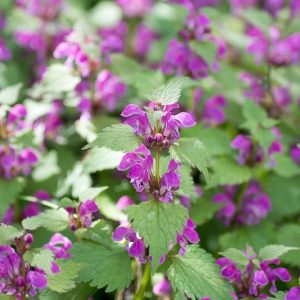
Lamium maculatum (Spotted Dead Nettle)
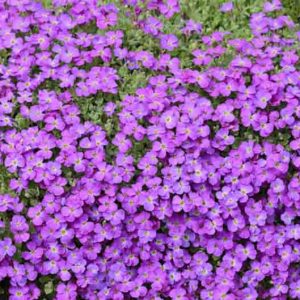
Aubrieta deltoidea (Rock Cress)
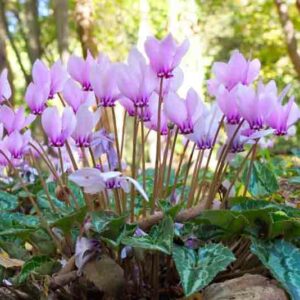
Cyclamen hederifolium (Ivy-Leaved Cyclamen)
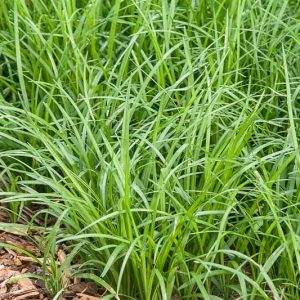
Liriope spicata (Creeping Lily Turf)
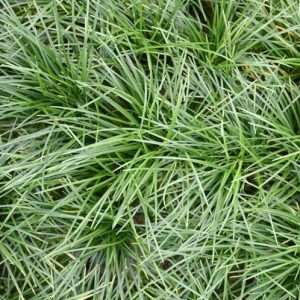
Ophiopogon japonicus ‘Nana’ (Mondo Grass)
Ophiopogon japonicus (Mondo Grass)
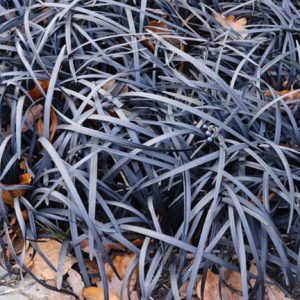
Ophiopogon planiscapus ‘Nigrescens’ (Black Mondo)
Pachysandra procumbens (Allegheny Spurge)
Fragaria chiloensis (Beach Strawberry)
Veronica umbrosa ‘Georgia Blue’ (Speedwell)
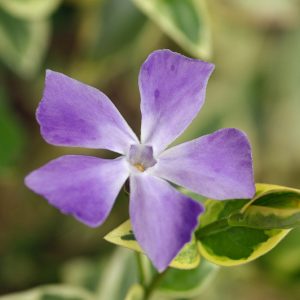
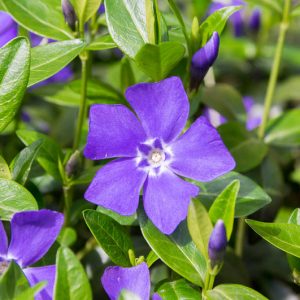
Vinca major ‘Variegata’ (Big Periwinkle)
Vinca minor ‘Bowles’s Variety’ (Lesser Periwinkle)
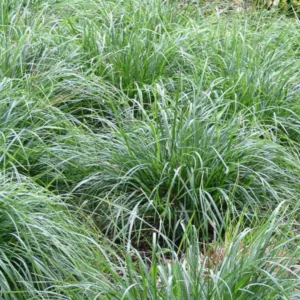
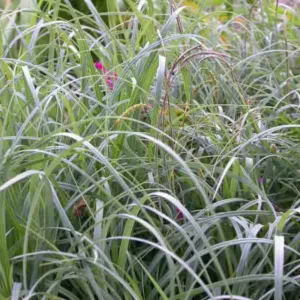
Carex flacca (Blue Sedge)
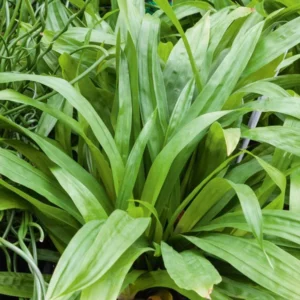
Carex plantaginea (Plantain-Leaf Sedge)
Carex appalachica (Appalachian Sedge)
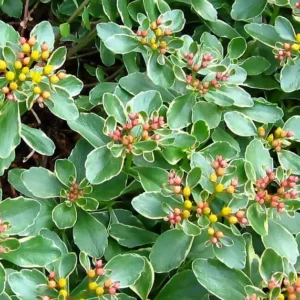
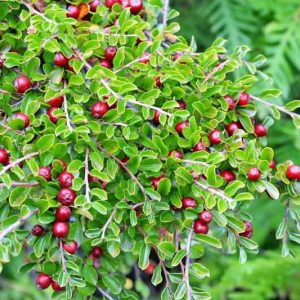
Cotoneaster dammeri (Bearberry Cotoneaster)
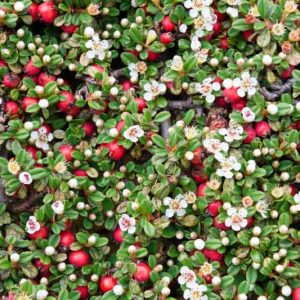
Cotoneaster adpressus (Creeping Cotoneaster)
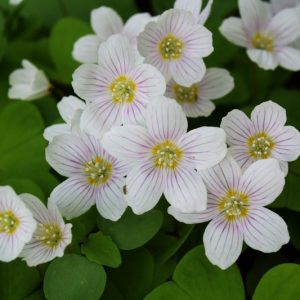
Oxalis oregana (Redwood Sorrel)
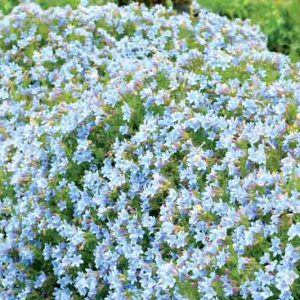
Lithodora ‘Crystal Blue’ (Gromwell)
Phlox stolonifera (Creeping Phlox)
Arenaria montana (Mountain Sandwort)
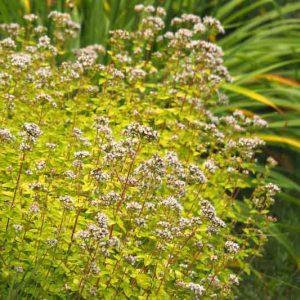
Origanum vulgare ‘Aureum’ (Golden Oregano)
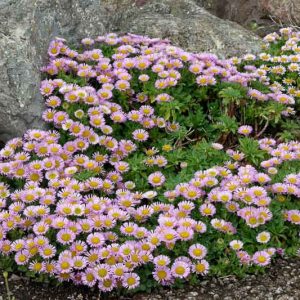
Erigeron glaucus (Seaside Daisy)
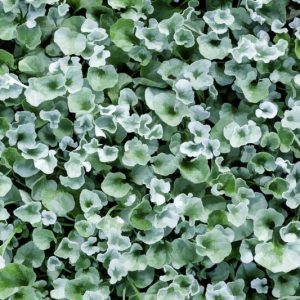
Dichondra argentea ‘Silver Falls’ (Silver Nickel Vine)
Phlox diffusa (Spreading Phlox)
Epimedium (Barrenwort)

Before You Choose: Two Water-Behavior Groups

1) TRUE Drought-Tolerant Ground Covers

How they behave: thrive in full sun, heat, and lean, well-drained soils with very low supplemental water once established.

Great choices: silver carpet, ice plant, creeping thyme, Caucasian stonecrop

Best for hot parking-strip edges, gravel paths, sunny slopes, coastal sites, and anywhere irrigation is minimal.

2) Moderately Drought-Tolerant Ground Covers

How they behave: handle short dry spells but prefer some moisture or part shade, especially in summer or humid climates.

Great choices: dead nettle, barrenwort, mondo grass, bearberry

Best for dry shade at tree edges, north-side strips, and mixed borders that receive occasional irrigation or regular spring rain.

Mediterranean vs summer-rain climates

In winter-wet, summer-dry regions, TRUE drought plants feel effortless. In summer-rain zones, prioritize drainage, plant slightly high, and use gravel mulches so crowns dry fast between storms.

Quick Compare: Ground Covers By Need

Need Great Ground Covers Notes
Full sun, reflected heat silver carpet, ice plant, trailing ice plant, Creeping thyme, snow in summer TRUE drought group. Lean soil and drainage keep mats tight and flowering.
Coastal wind and salt creeping rosemary, shore juniper, beach strawberry Rosemary and juniper are TRUE drought. Fragaria is moderate and appreciates some spring moisture.
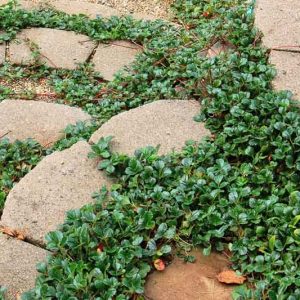
Walkable steppables creeping thyme, silver carpet Best between pavers with excellent drainage. Light foot traffic only.
Dry shade or bright open shade Geranium macrorrhizum, barrenwort, bergenia, dead nettle Moderate drought group. Water to establish and during long spring dry spells.
Slope and erosion control creeping rosemary, shore juniper, rock rose TRUE drought group. Plant densely and water deeply the first 6 weeks.
Deer-resistant carpets Thyme, Rosemary, snow in summer, rock rose Aromatic or silver foliage helps deter browsing. No plant is fully deer-proof.

Regionality matters: drought in the Southwest is not drought in the Northeast. Match choices to USDA zone, humidity, and soil. Always verify invasive status locally.

Site, Soil, And Planting For Success

Drought-tolerant does not mean drought-indifferent. A thoughtful start pays for years.

  • Sun – TRUE drought spreaders love at least 6 hours of direct light.
  • Drainage – nonnegotiable for Mediterranean and succulent mats. Raise grades, loosen subsoil, and blend in grit where water lingers.
  • Soil fertility – aim for lean to moderate. Too rich equals floppy and short-lived.
  • Spacing – plant closer on slopes for coverage. In humid climates, loosen spacing for airflow.
  • Water in well – drench the root zone on planting day and topdress with gravel or coarse chips, keeping crowns clear.
Establishment rule of thumb

Weeks 1 to 3 – soak every 3 to 4 days in heat. Weeks 4 to 6 – every 5 to 7 days. After 6 weeks – deep, occasional watering only during extended drought.

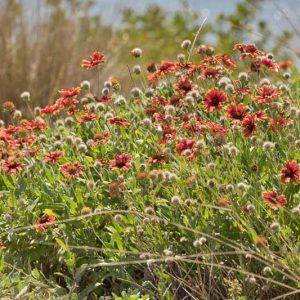
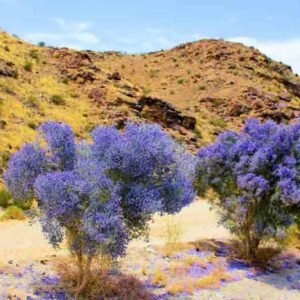
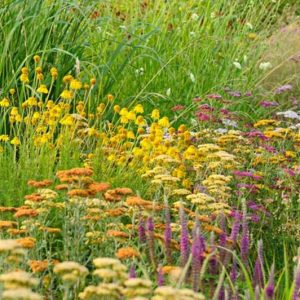
Garden Ideas, Thyme path, Ceanothus, SedumThyme, Iris, Lavender, Blue oat grass, Sedum, Blanket flower, California lilac

Watering And Mulch Strategies

Think like a storm. Fewer, deeper drinks that reach roots.

  • Soak deeply – deliver water at the edge of the mat where new roots are exploring.
  • Gravel topdress – reflects heat, deters slugs, and dries quickly around crowns.
  • Morning irrigation – leaves dry fast and disease pressure drops.
  • Stop sprinkling in dormancy – many mats rest in peak heat. Watering then can rot crowns.

Designing With Ground Covers

Ground covers do more than fill space. They set mood and movement.

  • Layer like a pro – tall shrubs, mid perennials, low ground covers to stitch the edges.
  • Use ribbons – run thyme or dymondia like grout between larger plants or pavers.
  • Color stories – silvers cool hot palettes, chartreuse pops in shade, tiny bloom carpets give seasonal sparkle.
  • Mix textures – pair fine mats with bold leaves or boulders for contrast.
Container edge idea

Large shallow bowl with gritty mix. Anchor with a dwarf shrub, then spill Thymus ‘Elfin’ and Delosperma over the lip. Water to establish, then ease off.

Find Drought-Tolerant Garden Design Ideas

Regional Notes And Cautions

  • Humidity alert – some succulent mats that love arid heat can sulk in humid summers. Increase spacing and airflow, and avoid overhead irrigation.
  • Cold tolerance – check USDA zones. Ice plants vary widely in hardiness by species.
  • Invasiveness – verify status of vigorous spreaders in your area before planting. Periwinkle, creeping lily turf can be aggressive in some regions.
  • Wildfire areas – maintain clean edges and avoid dense carpets right up to structures.

Care And Maintenance Calendar

  • Early spring – rake out winter debris, top up gravel, shear bloomers that flower on new growth.
  • Late spring – spot water during heat spikes while roots expand.
  • Summer – deep, infrequent soaks only if mats wilt and fail to recover by evening.
  • Fall – light feeding if growth lags, divide congested clumps, and reset edging.
  • Winter – in wet regions, keep crowns clear of soggy leaves.
Feeding

Most drought ground covers prefer lean soil. If needed, use a light, balanced fertilizer once in spring. Skip high nitrogen that drives weak growth.

Troubleshooting

  • Open gaps – heat stress or foot traffic. Deep soak, then pin stems to the soil with landscape staples to encourage rooting.
  • Rot at crowns – mulch piled high or summer watering during dormancy. Pull mulch back and switch to deep, rare soaks.
  • Weeds punching through – mats too thin or soil too rich. Tighten spacing and reduce fertility.
  • Leggy growth – too much shade. Move to brighter conditions or select shade-adapted species from the moderate list.
One-minute rescue

Cut a checkerboard of shallow slits, tuck cuttings in each square, and water once. In 6 weeks, gaps vanish.

Frequently Asked Questions

What are the best drought-tolerant ground covers for full sun?

Creeping thyme (Thymus serpyllum), ice plants (Delosperma, Lampranthus), dymondia, prostrate rosemary, Santolina, Helianthemum, Sedum (esp. spurium/album), Phlox subulata, and Veronica prostrata.

Which drought ground covers handle light foot traffic?

Delosperma, Lampranthus, Armeria maritima, Dymondia, prostrate rosemary, and beach strawberry (Fragaria chiloensis).

What works on slopes for erosion control with low water?

Prostrate rosemary, Cotoneaster dammeri (check regional advisories), Juniperus conferta, Thymus serpyllum, and Helianthemum.

Evergreen ground cover choices?

Thymus serpyllum, Santolina (in mild climates), many Delosperma, Veronica prostrata, Juniperus conferta, prostrate rosemary.

Deer-resistant picks?

Aromatic or silver species: thyme, rosemary, Santolina, Helianthemum, many Sedum. No plant is 100% deer-proof.

Can drought-tolerant ground covers grow in poor, sandy soil?

Yes—most “true xeric” species prefer lean, well-drained soil and resent rich, wet conditions.

Do they still need watering?

Yes while establishing. Deeply soak for 4–6 weeks; afterward water only during extended droughts or heat waves.

Do these ground covers flower for pollinators?

Yes—thyme, Helianthemum, Veronica, Delosperma, and Phlox subulata provide nectar and pollen in dry seasons.

What thrives in part shade with some drought?

Bergenia, Lamium maculatum, Epimedium, Veronica ‘Georgia Blue’, Carex flacca, Ophiopogon (moderate drought—needs spring moisture).

Can I mow or shear them?

Shear thyme and Helianthemum lightly after bloom; never scalp ice plants. Junipers/rosemary can be tip-pruned to shape.

How fast will they spread?

Most fill in 1–2 growing seasons if spaced correctly and watered deeply the first month.

My mat has bare patches—what now?

Deep soak, pin stems to soil with garden staples, top-dress with grit, and remove weeds. Many mats re-root quickly.

Can they replace a lawn?

For low-traffic, yes—thyme or dymondia between pavers works well. For play areas, drought-tolerant turf or native meadows are better.

Wrap Up

Drought-tolerant ground covers turn thirsty beds into resilient, low-care landscapes. Choose species that match your sun, soil, and climate, plant high with sharp drainage, and water deeply at first. Then step back. When heat rises and rain steps out, your garden can still look composed and connected.

Updated: October 2025

Recommended Guides

45 Drought-Tolerant Flower Bulbs for Effortless, Low-Water Color
36 Drought Tolerant Grasses to Grow. Save Water, Add Wow
48 Perennials That Survive Drought (and Still Look Amazing)
42 Shrubs That Survive Drought (and Still Look Amazing)
Drought-Tolerant Roses: The Best Low-Water Rose Bushes for Your Garden
How Drought-Tolerant is Hydrangea?
Drought Tolerant Palm Trees and Cycads
Highly Drought Tolerant plants for your Florida Native Garden
Desert Shrubs: Essential Plants for Dry Gardens
Desert Flowers: Bringing Color to Dry Gardens
North Carolina Native Shrubs for Dry Sites
Mid-Atlantic Gardening: Great Perennials for Dry Soil
Great North American Plants for Dry Soils in New England
Great Shrubs for Dry Soils in New England
The Ultimate Guide to Drought-Tolerant Plants for a Beautiful Garden
Drought-Tolerant Trees That Thrive On Little Water
66 Drought-Tolerant Ground Covers for Low-Water Landscapes
42 Low-Water Annuals That Bloom for Months
While every effort has been made to describe these plants accurately, please keep in mind that height, bloom time, and color may differ in various climates. The description of these plants has been written based on numerous outside resources.

Guide Information

Tolerance Drought
Landscaping Ideas Ground Covers

Related Items

Please Login to Proceed

You Have Reached The Free Limit, Please Subscribe to Proceed

Subscribe to Gardenia

To create additional collections, you must be a paid member of Gardenia
  • Add as many plants as you wish
  • Create and save up to 25 garden collections
Become a Member

Plant Added Successfully

Your garden is taking shape. Unlock full planning.

You’ve reached the free limit. Upgrade for $25/year to add as many plants as you wish and save up to 25 garden collections. Unlock Annual Membership

Update Your Credit
Card Information

Cancel

Create a New Collection

Sign Up to Our Newsletter

    You have been subscribed successfully

    Join Gardenia.net

    Create a membership account to save your garden designs and to view them on any device.

    Becoming a contributing member of Gardenia is easy and can be done in just a few minutes. If you provide us with your name, email address and the payment of a modest $25 annual membership fee, you will become a full member, enabling you to design and save up to 25 of your garden design ideas.

    Join now and start creating your dream garden!

    Join Gardenia.net

    Create a membership account to save your garden designs and to view them on any device.

    Becoming a contributing member of Gardenia is easy and can be done in just a few minutes. If you provide us with your name, email address and the payment of a modest $25 annual membership fee, you will become a full member, enabling you to design and save up to 25 of your garden design ideas.

    Join now and start creating your dream garden!
    Find your Hardiness Zone

    Find your Heat Zone

    Find your Climate Zone