Create Your Garden

Drought-Tolerant Trees That Thrive On Little Water

Drought-tolerant trees bring bold form, deep shade and low-maintenance resilience. With thoughtful planting, proper soil prep and smart watering early on, you’ll invest once and reap decades of performance—even when the taps run low.
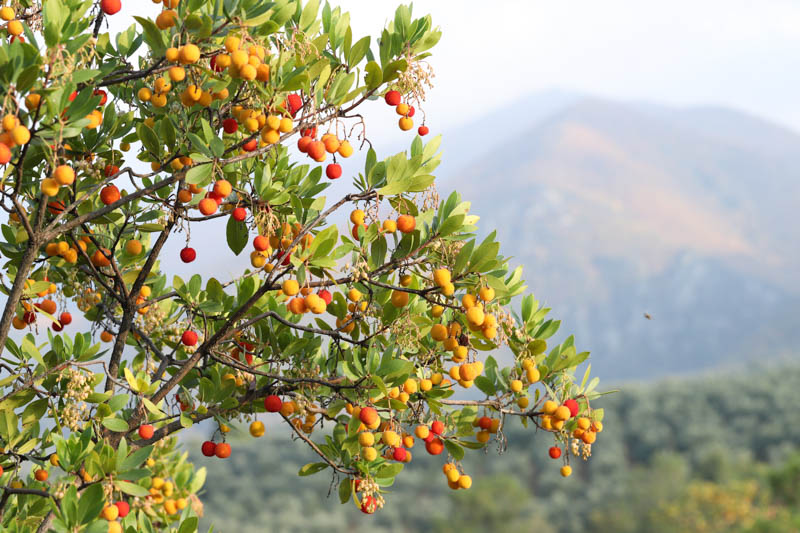
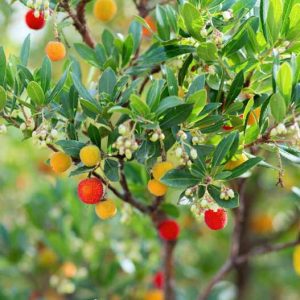
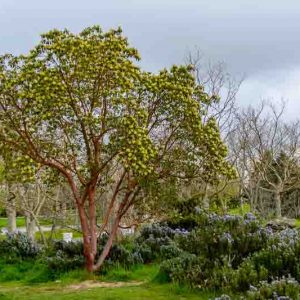
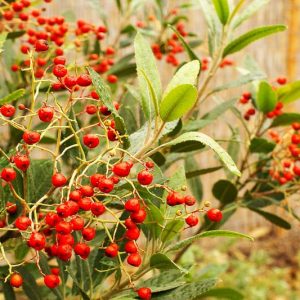
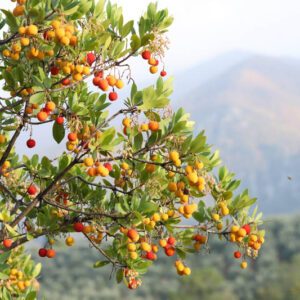
Strawberry Tree, Killarney Strawberry, Evergreen Tree, Strawberry Tree flowers and fruits, Arbutus unedo

Drought-Tolerant Trees – Big Shade, Low Water, Long Payoff

When the forecast leans hot and dry, drought-tolerant trees confidently carry your landscape. They cast deep shade, anchor views, cool patios, and ask for remarkably little once established. This guide shows you how to pick, plant, water, and care for trees that thrive on less. Think practical steps, clear choices, and field-tested tips you can use this weekend.

Quick promise
Pick the right tree, prep the hole well, water deeply in year one, mulch smartly, then relax. These trees are built for dry times.

Drought-Tolerant Trees, Drought-Resistant Trees, and Low-Water Trees: What’s the Difference?

In practice these phrases point to the same idea: trees selected and managed to use less irrigation once established. Drought-tolerant trees and drought-resistant trees handle dry spells with deep roots and conservative foliage. Low-water trees simply highlights the design goal of lowering irrigation demand.

Why Choose Drought-Tolerant Trees

All trees offer shade and structure, but trees resistant to drought bring a toolkit that shines when rain is scarce. They conserve moisture, mine deeper water, and keep foliage looking composed when turf turns crispy. In water-restricted regions, the right tree is not just a plant choice – it is an infrastructure choice that pays back with lower bills, cooler microclimates, and fewer replacements.

  • Lower water use – after establishment, many need only occasional deep soaks during extreme dry spells.
  • Heat and wind stamina – leaf traits and bark textures reduce stress in hot, reflective sites.
  • Soil flexibility – many handle lean, rocky, or sandy soils that would stifle thirstier trees.
  • Urban toughness – several choices tolerate paving, radiated heat, and intermittent care.
Good to know
Even the toughest trees need consistent moisture the first 1 to 3 years. Deep, infrequent watering trains roots to go down, not sideways.

What Makes a Tree Drought Tolerant

Once you see the patterns, you can spot drought winners at a glance. These traits show up again and again in trees that handle dry summers with poise.

  • Small, thick, or silver leaves – reduce transpiration and reflect heat.
  • Glossy or leathery foliage – slows water loss in hot wind.
  • Deciduous strategy – some trees drop leaves early in extreme drought to conserve energy.
  • Deep or wide root systems – tap subsoil moisture and stabilize in wind.
  • Native to summer-dry or steppe regions – Mediterranean, desert, and prairie origins build resilience.
Nursery clue
Look for trees thriving on the sunniest bench with the fewest yellowing leaves. Those quiet standouts are often your drought stars.

Two Water-Behavior Groups To Guide Choices

1) True drought specialists

How they behave: thrive in full sun with minimal irrigation once established. Many are native to arid or summer-dry climates.

Best for hot courtyards, reflective streetscapes, gravel gardens, and xeric borders.

2) Moderately drought-tolerant

How they behave: handle short dry spells and heat, but appreciate occasional deep watering in prolonged droughts or humid summers.

Best for mixed borders, small yards, and regions with periodic summer rain or humidity.

Guide Information

Plant Type Trees
Tolerance Drought

True Drought-Tolerant trees

Olea europaea (Common Olive)
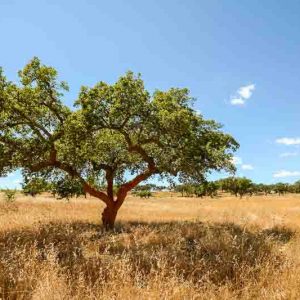
Quercus suber (Cork Oak)
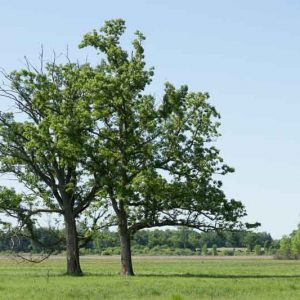
Quercus macrocarpa (Bur Oak)
Gleditsia triacanthos (Honey Locust)
Celtis occidentalis (Common Hackberry)
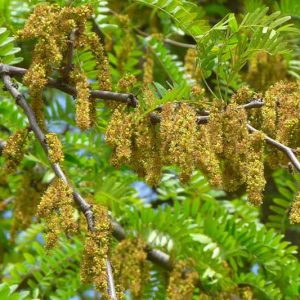
Gymnocladus dioica (Kentucky Coffee Tree)
Platanus x acerifolia (London Plane Tree)
Koelreuteria paniculata (Golden Rain Tree)
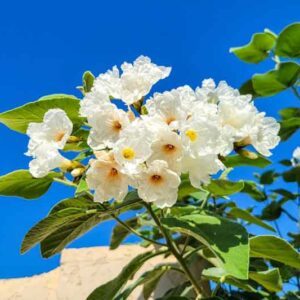
Chilopsis linearis (Desert Willow)
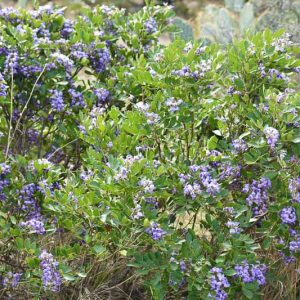
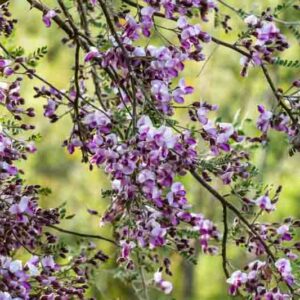
Sophora secundiflora (Texas Mountain Laurel)
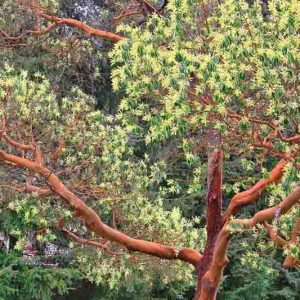
Arbutus unedo (Strawberry Tree)
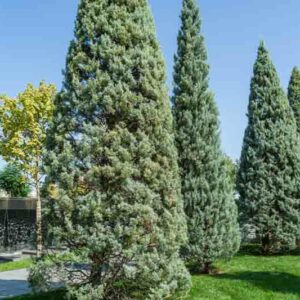
Cupressus arizonica (Arizona Cypress)
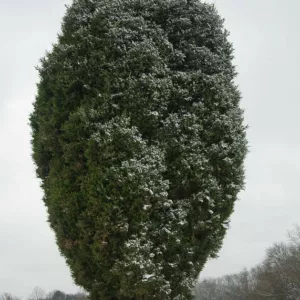
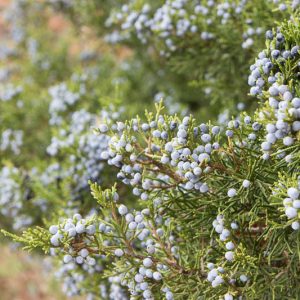
Juniperus virginiana (Eastern Red Cedar)
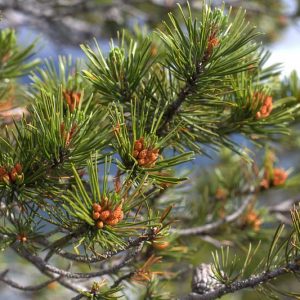
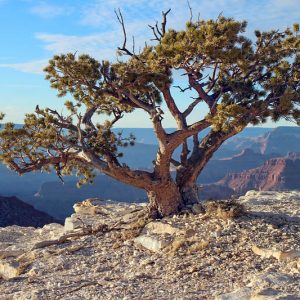
Pinus contorta (Shore Pine)
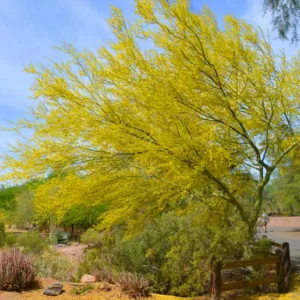
Parkinsonia florida (Blue Paloverde)
Olneya tesota (Desert Ironwood)
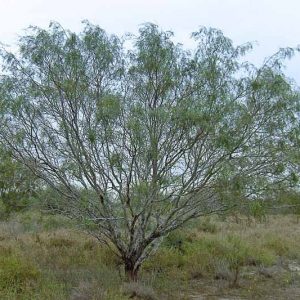
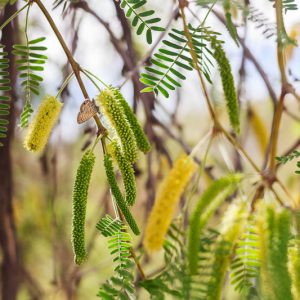
Prosopis glandulosa (Honey Mesquite)
Prosopis velutina (Velvet Mesquite)
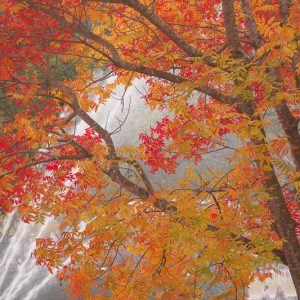
Pistacia chinensis (Chinese Pistachio)
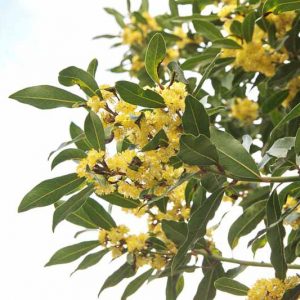
Laurus nobilis (Bay Laurel)
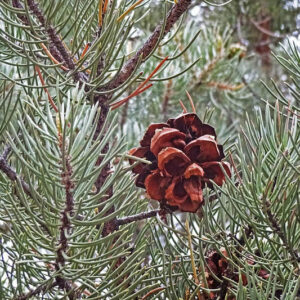
Pinus monophylla (Singleleaf Pinyon)
Pinus edulis (Pinyon Pine)
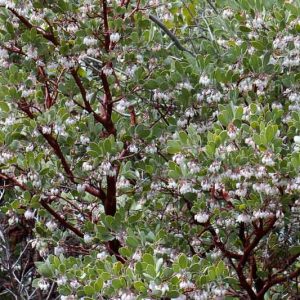
Arctostaphylos manzanita (Common Manzanita)
Arctostaphylos glauca (Big Berry Manzanita)
Arbutus andrachne (Greek Strawberry Tree)
Arbutus menziesii (Madrone)
Cordia boissieri (Texas Olive)
Heteromeles arbutifolia (Toyon)
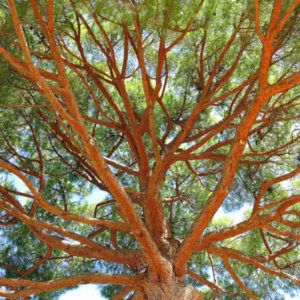
Pinus pinea (Italian Stone Pine)
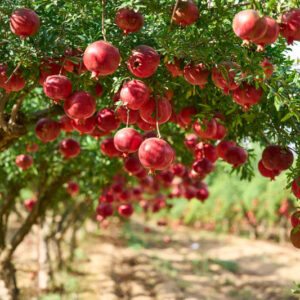
Punica granatum (Pomegranate)

Moderately Drought-Tolerant Trees

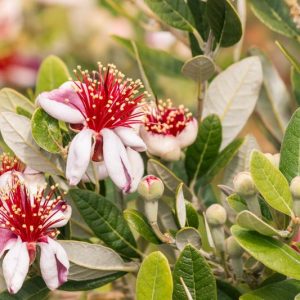
Acca sellowiana (Pineapple Guava)
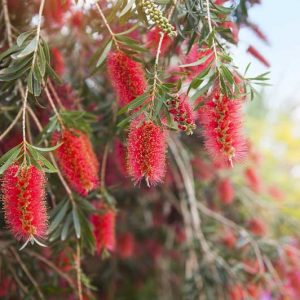
Callistemon viminalis (Weeping Bottlebrush)
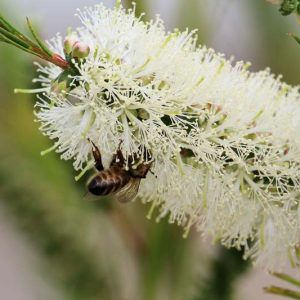
Callistemon salignus (White Bottlebrush)
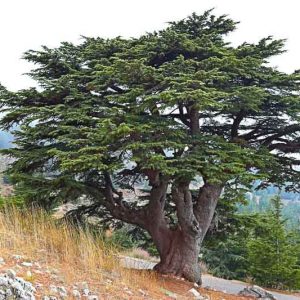
Cedrus libani (Cedar of Lebanon)
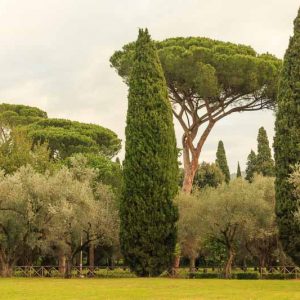
Cupressus sempervirens (Italian Cypress)
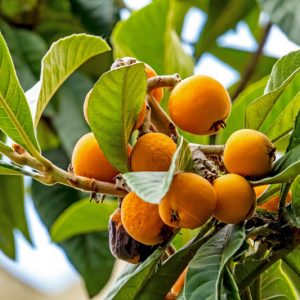
Eriobotrya japonica (Japanese Loquat)
Dracaena draco (Dragon Tree)
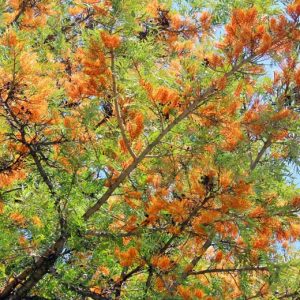
Grevillea robusta (Silky Oak)
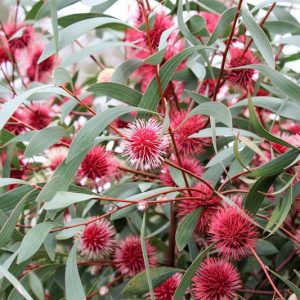
Hakea laurina (Sea Urchin)
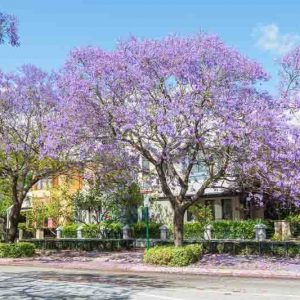
Jacaranda mimosifolia (Jacaranda Tree)
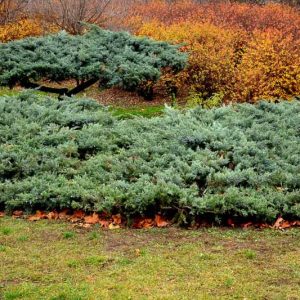
Juniperus communis (Common Juniper)
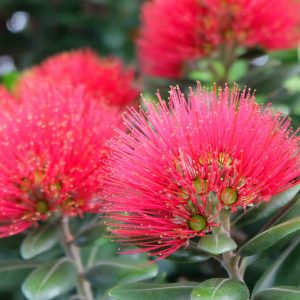
Metrosideros excelsa (New Zealand Christmas Tree)
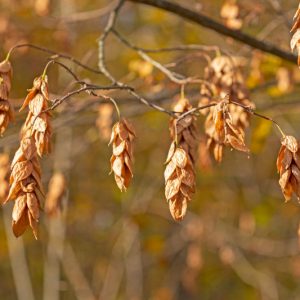
Ostrya virginiana (American Hop Hornbeam)
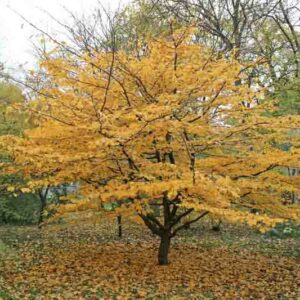
Parrotia persica (Persian Ironwood)
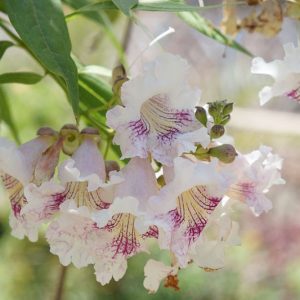
x Chitalpa tashkentensis (Chitalpa)
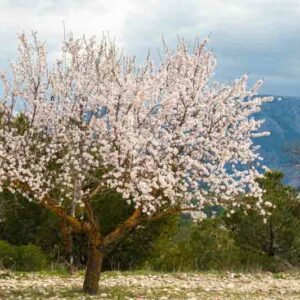
Prunus dulcis (Almond Tree)
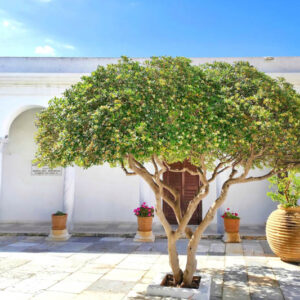
Pittosporum tobira (Mock Orange)
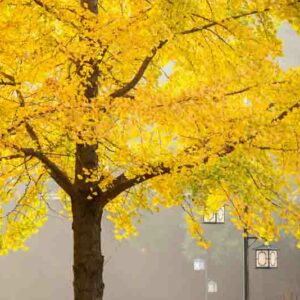
Ginkgo biloba (Maidenhair Tree)

Quick Compare – Trees by Need

Need Great Trees Notes
Large shade for hot yards Bur oak, cork oak, honeylocust, London plane Tolerate heat and urban conditions when established.
Small ornamental accents Desert willow, strawberry tree, Texas mountain laurel Flower or fruit interest with low water needs.
Evergreen structure Olive, Arizona cypress, Eastern redcedar Year-round screening and wind filtering.
Coastal wind and salt Olive, shore pine, strawberry tree Choose selections proven for your local coast.
Street tree resilience Ginkgo, golden raintree, honeylocust, hackberry Tolerate heat islands, compaction, intermittent care.

Regionality matters: drought in the Southwest is not drought in the Northeast. Always match species to climate zone, humidity, and soil. Verify invasive status locally.
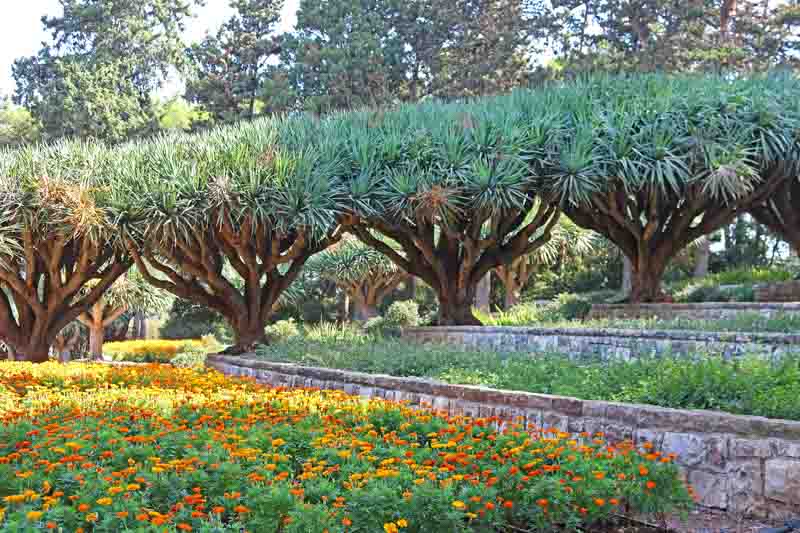
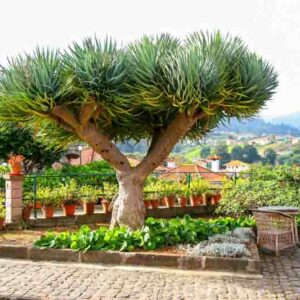
Dracaena draco, Dragon Tree, Dragon Blood tree, Asparagus draco, Drought tolerant shrub, drought tolerant tree

Planting – Step by Step For Dry-Region Success

  • Time it right – plant in fall where possible. Cooler air and warm soil push roots outward with less watering.
  • Dig wide, not deep – a hole 2 to 3 times wider than the root ball encourages lateral roots. Keep depth equal to root ball height so the root flare sits at or slightly above grade.
  • Score the roots – slice circling roots on container trees in 3 to 4 vertical cuts. This prevents future girdling and helps roots run outward for water.
  • Backfill with native soil – avoid rich mixes that create a bathtub effect. Firm gently to remove air pockets.
  • Water in thoroughly – slow soak until water reaches below the root ball. Repeat again after 30 minutes if soil is very dry.
  • Mulch smartly – 2 to 3 inches of wood chips over a 3 to 6 foot diameter ring. Keep mulch 3 inches away from the trunk.
  • Stake only if needed – windy sites or tall container stock may need two stakes for one season. Remove as soon as the tree stands on its own.
  • Set a watering cadence – mark calendar reminders. Deep, infrequent soaks beat frequent light sprinkles every time.
Root flare check

If the trunk looks like a telephone pole going straight into the soil, the flare is buried. Lift or lower the soil so that the flare is visible and proud of grade.

Watering Strategy – Year 1 to Year 3

Think like a storm. Give fewer, deeper drinks that sink past the root ball and create a reason for roots to explore.

  • Weeks 1 to 6 – soak every 5 to 7 days in warm weather, every 7 to 10 days in cool weather. Use 10 to 15 gallons for small trees, 20 to 30 for larger stock.
  • Months 3 to 12 – stretch to every 10 to 14 days, adjusting for heat and soil. If leaves flag at midday but perk by dusk, you are close to perfect.
  • Year 2 – water only during extended dry spells. Monitor the canopy for stress and the soil 6 to 8 inches down for dryness before watering.
  • Year 3 and beyond – irrigation becomes an occasional tool, not a routine. Deep soak during heat waves or if a tree shows real stress.
Pro tip

Place a slow-release watering bag or a simple 5-gallon bucket with two 1/8 in holes near the drip line. Refill as scheduled. Consistency beats volume.

Mulch, Groundcovers, and Lawn – Getting the Root Zone Right

Mulch is your water-saver. Lawn is your water competitor. Groundcovers can be allies if chosen well.

  • Wood-chip mulch – best all-around for moisture retention and soil life. Refresh annually as it breaks down.
  • Gravel mulch – a good match for Mediterranean evergreens and desert species. Reflects heat, so keep depth moderate.
  • Avoid sod directly to trunk – turf steals water from young trees. Maintain a clear mulch ring for at least the first 3 to 5 years.
  • Companion planting – use drought-tolerant perennials and shrubs under high canopies once trees are established. Keep root competition low in year one.

Pruning and Training For Strong, Efficient Canopies

Good structure improves wind stability and reduces stress during drought. A balanced canopy also shades its own roots and nearby plantings, lowering irrigation needs.

  • Timing – prune lightly in late winter or after flowering on spring bloomers.
  • Goals – one dominant leader for most shade trees, wide branch angles, and well-spaced scaffold limbs.
  • What to remove – dead, damaged, diseased, rubbing, or inward-growing branches. Avoid heavy thinning that exposes bark to sunburn.
  • Protect bark – paint exposed limbs in hot climates with 1 to 1 interior white latex paint and water to prevent sunscald on newly exposed wood.

Design Ideas – Shade, Screening, and Seasonal Interest

  • Shade first – place large-canopy trees west or south of patios to block late-day heat. Underplant with drought-tolerant shrubs and grasses for layered cooling.
  • Wind filters – stagger evergreen trees in a loose zigzag to slow, not stop, wind. A slower wind loses drying power.
  • Ornamental punch – mix small flowering drought trees near entries and paths so you can enjoy seasonal color up close.
  • Hardscape synergy – light-colored gravel or pavers under open canopies reflect light into the garden without cooking roots.

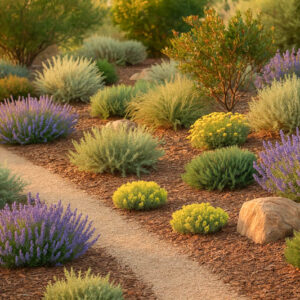
Find Drought-Tolerant Garden Design Ideas

Container cue

Dwarf olives, strawberry tree, and bay can live in large containers in mild climates. Use gritty mix, water deeply to establish, then taper.

Maintenance Calendar

  • Early spring – assess structure, remove weak wood, refresh mulch ring, check irrigation hardware.
  • Late spring – monitor heat spikes. Deep soak if leaves flag and do not recover by evening.
  • Summer – maintain mulch, avoid shallow daily watering. Spot water only when the root zone is dry several inches down.
  • Fall – ideal planting time in summer-dry regions. Light feeding if growth is lagging, but keep nitrogen modest.
  • Winter – protect young trunks from sunscald in bright winter sun. In very wet areas, pull mulch back from the flare to improve air flow.
Firewise note

In wildfire regions, keep a clean mulch ring, prune up lower limbs 6 to 10 ft depending on tree size, and avoid dense resinous hedges next to structures. Maintain spacing so crowns do not touch and clear dry litter before peak fire season.

Troubleshooting

  • Leaf scorch – water deeply, widen the mulch ring, and check for reflected heat from walls or pavement. Consider a temporary shade cloth during extreme heat waves.
  • Early leaf drop – a drought survival tactic. If it happens repeatedly, increase deep-watering frequency during long dry spells and inspect for root constraints.
  • Slow growth – normal for many drought species. Resist heavy fertilizing. Verify that the root flare is not buried and that soil drains freely.
  • Trunk rot or insects at the base – pull back mulch from the trunk, improve air flow, reduce watering near the crown.
One-minute rescue

Set a hose on a pencil-thin trickle at the drip line for 30 to 60 minutes. After soaking, probe the soil. Moisture should reach 8 to 12 inches deep.

Frequently Asked Questions

What are drought-tolerant trees?

Drought-tolerant trees are species that can survive and grow with minimal water once established. They typically have deep root systems, small or waxy leaves, and natural adaptations that help them conserve moisture and handle heat.

Do drought-tolerant trees need watering at all?

Yes, even drought-tolerant trees need regular watering during their first one to three years while roots establish. After that, they usually only need deep, occasional watering during long dry periods.

What are the best drought-tolerant trees for shade?

Excellent shade trees include Chinese Pistache, Cork Oak, Bur Oak, Desert Willow, and Honey Locust. They grow broad canopies and tolerate full sun and heat with little water once mature.

Which trees are good for small yards or patios in dry areas?

Compact and ornamental options include Texas Mountain Laurel, Strawberry Tree (Arbutus unedo), Olive, and Pomegranate. These stay modest in size but bring color, texture, and drought endurance.

Can I plant drought-tolerant trees near lawns or irrigated beds?

It’s best not to. Drought-tolerant species dislike constant moisture and may develop root rot. Group them with other low-water plants and use separate irrigation zones.

What soil is best for drought-tolerant trees?

They prefer well-drained, often lean or rocky soils. Avoid heavy clay or overfertilized soil — too much water or nutrients can make drought-adapted species weak and short-lived.

How long before a drought-tolerant tree becomes self-sufficient?

Most establish in two to three growing seasons. During that time, water deeply but infrequently to encourage deep roots. After establishment, they can often thrive on rainfall alone.

Are drought-tolerant trees also heat-tolerant?

Usually yes. Many evolved in hot, arid regions. Still, newly planted trees can struggle in extreme heat, so mulch well and water deeply during the first few summers.

Do drought-tolerant trees lose leaves in summer to save water?

A few semi-deciduous species may shed some leaves in extreme heat to reduce stress, then flush new growth once rains return. It’s a normal survival response, not a disease.

What’s the best time to plant a drought-tolerant tree?

Plant in fall or early spring. Cooler weather and seasonal rains help roots establish before summer stress arrives.

How can I make my existing trees more drought-resilient?

Mulch 2–3 inches deep (away from the trunk), water deeply but rarely, remove competing turf around the base, and prune lightly to balance canopy and roots.

Wrap Up

Drought-tolerant trees let you design boldly without tethering your garden to the hose. Start with the right species, plant high with the root flare visible, water deeply in year one, and maintain a generous mulch ring. Then let their natural resilience do the heavy lifting. When heat rises and rain takes a break, your landscape can still look cool, shaded, and composed.

Updated: October 2025

Recommended Guides

45 Drought-Tolerant Flower Bulbs for Effortless, Low-Water Color
36 Drought Tolerant Grasses to Grow. Save Water, Add Wow
48 Perennials That Survive Drought (and Still Look Amazing)
42 Shrubs That Survive Drought (and Still Look Amazing)
Drought-Tolerant Roses: The Best Low-Water Rose Bushes for Your Garden
How Drought-Tolerant is Hydrangea?
Drought Tolerant Palm Trees and Cycads
Highly Drought Tolerant plants for your Florida Native Garden
Desert Shrubs: Essential Plants for Dry Gardens
Desert Flowers: Bringing Color to Dry Gardens
North Carolina Native Trees for Dry Sites
Mid-Atlantic Gardening: Great Perennials for Dry Soil
Great North American Plants for Dry Soils in New England
Great Shrubs for Dry Soils in New England
The Ultimate Guide to Drought-Tolerant Plants for a Beautiful Garden
Drought-Tolerant Trees That Thrive On Little Water
66 Drought-Tolerant Ground Covers for Low-Water Landscapes
42 Low-Water Annuals That Bloom for Months
While every effort has been made to describe these plants accurately, please keep in mind that height, bloom time, and color may differ in various climates. The description of these plants has been written based on numerous outside resources.

Guide Information

Plant Type Trees
Tolerance Drought

Related Items

Please Login to Proceed

You Have Reached The Free Limit, Please Subscribe to Proceed

Subscribe to Gardenia

To create additional collections, you must be a paid member of Gardenia
  • Add as many plants as you wish
  • Create and save up to 25 garden collections
Become a Member

Plant Added Successfully

Your garden is taking shape. Unlock full planning.

You’ve reached the free limit. Upgrade for $25/year to add as many plants as you wish and save up to 25 garden collections. Unlock Annual Membership

Update Your Credit
Card Information

Cancel

Create a New Collection

Sign Up to Our Newsletter

    You have been subscribed successfully

    Join Gardenia.net

    Create a membership account to save your garden designs and to view them on any device.

    Becoming a contributing member of Gardenia is easy and can be done in just a few minutes. If you provide us with your name, email address and the payment of a modest $25 annual membership fee, you will become a full member, enabling you to design and save up to 25 of your garden design ideas.

    Join now and start creating your dream garden!

    Join Gardenia.net

    Create a membership account to save your garden designs and to view them on any device.

    Becoming a contributing member of Gardenia is easy and can be done in just a few minutes. If you provide us with your name, email address and the payment of a modest $25 annual membership fee, you will become a full member, enabling you to design and save up to 25 of your garden design ideas.

    Join now and start creating your dream garden!
    Find your Hardiness Zone

    Find your Heat Zone

    Find your Climate Zone