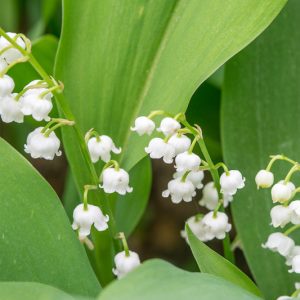
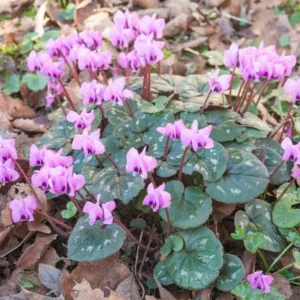
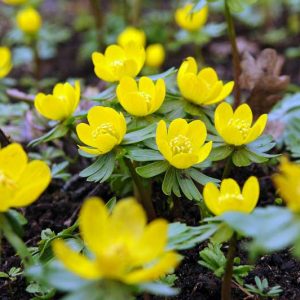
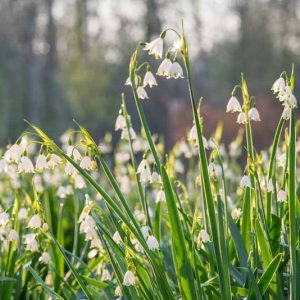
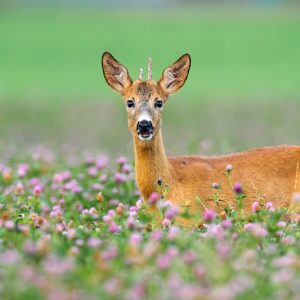
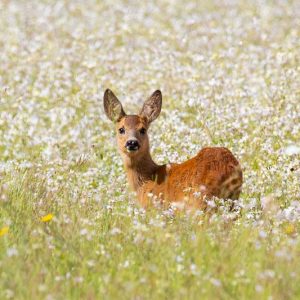
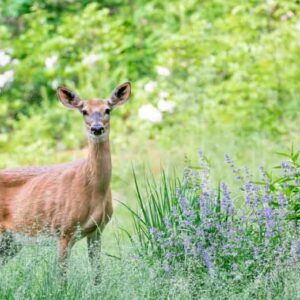
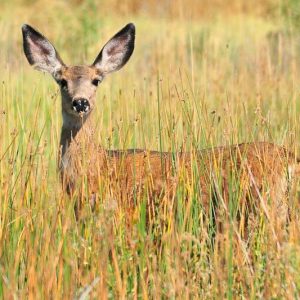
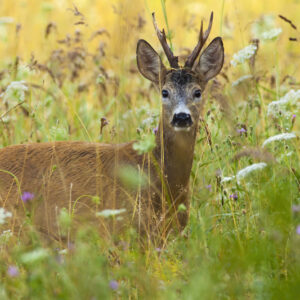
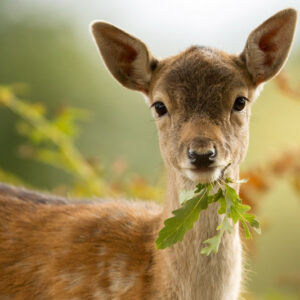
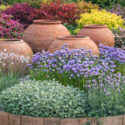
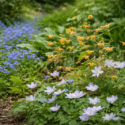
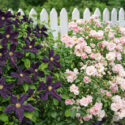
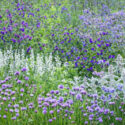
Nothing’s more frustrating than waiting all winter for bulbs to bloom… only for deer to eat them overnight. Good news - some bulbs are naturally unappealing to deer. With the right varieties and a few design tricks, you can enjoy gorgeous blooms without constant protection. Let’s plant smarter and keep the color.



Nothing’s more frustrating than waiting all winter for bulbs to bloom… only for deer to eat them overnight. Good news – some bulbs are naturally unappealing to deer. You can enjoy gorgeous blooms without constant protection with the right varieties and a few design tricks. Let’s plant smarter and keep the color.
To deer, most gardens are an easy buffet – tender shoots, fresh flowers, fertilized foliage, and open spaces make browsing effortless. In spring, especially when wild forage is scarce, deer head straight for the softest new growth.
Tulips, lilies, and early perennials are prime targets. Their buds are juicy and nutrient-rich, making them deer favorites.
So why do some bulbs survive untouched? Unlike soft annuals or herbaceous perennials, many bulbs have built-in defenses that tell deer, “Don’t bother.”
Deer don’t eat by sight – they eat by scent, taste, and texture. If a plant smells strange, tastes bitter, or causes mild irritation, deer quickly learn to skip it.
The most deer-resistant bulbs often have one or more of these traits:
Remember: deer-resistant ≠ deer-proof. Starving deer may still taste almost anything – but resistant bulbs rarely become long-term snacks.
Bulbs do what many plants can’t: they deliver huge color with little upkeep – and many naturally deter deer. They also offer benefits that shrubs and perennials can’t match.
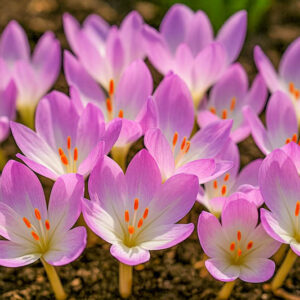
Plus, bulbs let you build color across all seasons – from early spring daffodils to mid-summer alliums to fall-blooming colchicum.
Deer are curious but careful. They sniff everything before eating – and if a plant smells “off,” they move on. They also prefer easy browsing: open beds, straight paths, predictable plantings.
Here’s how bulbs disrupt their habits:
Use this to your advantage – plant bulbs deer hate first, and let them “train” the local herd.
| Plant Type | Bulbs |
|---|---|
| Tolerances | Deer |
| Toxic to Humans | No known toxicity |
| Toxic to Cats | No known toxicity |
| Toxic to Dogs | No known toxicity |
| Toxic to Horses | No known toxicity |
Bulbs face deer pressure differently throughout the year. Understanding this helps you choose the right varieties for each season.
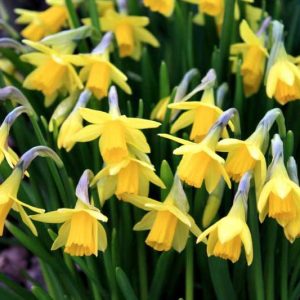
Early Spring: Deer are desperate after winter. They’ll attack tulips, but toxic bulbs like daffodils and snowdrops are usually safe.
Summer: Natural forage can dry up. Deer may explore gardens more, but many summer bulbs (alliums, crinum) have strong defenses.
Fall: Deer bulk up for winter. Fall-blooming bulbs should be protected or planted among resistant partners.
Pressure also varies by region. Suburban deer, used to people, may be bolder. Rural deer may prefer natural forage unless resources are low.
Planting bulbs randomly can leave them vulnerable. Instead, use smart design techniques to protect them – and create gorgeous displays.
Callout – Layering strategy:
More design tips:
Even with the best bulb choices, extra protection can make a big difference, especially the first year.
And most importantly: protect young or emerging bulbs. Once established, many become naturally resistant.
No plant is completely safe when deer are starving or overpopulated. Even the most resistant bulbs may get a test nibble.
But here’s the good news: most deer-resistant bulbs are so bitter, pungent, or toxic that deer almost never go back for seconds.
Your goal isn’t perfection – it’s low damage, quick recovery, and long-lasting beauty. The bulbs you’re about to see deliver exactly that.
Now that you understand how bulbs deter deer – and how to design smart, season-long displays – it’s time to explore the top varieties that deer usually skip. From early spring daffodils to mid-summer alliums to fall-blooming colchicums, these bulbs offer beauty without the bite.
Let’s plant confidently – starting with the 27 best deer-resistant flower bulbs from spring to fall.
Want more deer-smart inspiration?
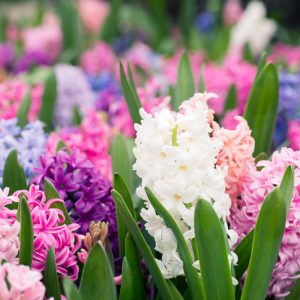
Deer prefer soft, sweet, high-moisture bulbs like tulips and crocus. They avoid bulbs with toxins or strong scents – daffodils, alliums, hyacinths – because they taste bitter or irritate the mouth.
Occasionally, especially shallow bulbs like crocus or tulips. Most deer browse above ground. Plant deeper (6–8 in / 15–20 cm) and add sharp gravel or coarse mulch to discourage digging.
None are 100% deer-proof, but daffodils, snowdrops, alliums, and fritillaria are about as close as it gets. Their toxins or pungent scent make them rarely browsed.
Hide them among or behind resistant bulbs (daffodils, alliums). Use netting or fencing during emergence, rotate repellents, and plant closer to the house where deer feel less safe.
Yes. Intense perfume (hyacinths, alliums, fritillaria) overwhelms their sensitive noses, so they usually skip strongly scented bulbs.
Pressure changes with weather, forage, and herd size. In droughts, long winters, or population spikes, deer become less selective and may sample plants they normally avoid.
Yes. They often take leaves or buds first (especially tulips, lilies). Losing foliage weakens bulbs for future years, so protect vulnerable growth early.
Absolutely. Ring tasty bulbs with resistant ones (daffodils, alliums) or aromatic herbs. A “deer-unfriendly” perimeter often stops browsing before it starts.
Begin with highly resistant bulbs (daffodils, snowdrops, hyacinths, alliums). Plant in clusters, mix with shrubs or grasses for cover, and trial a few new varieties each season to see what thrives locally.
123rf
| Plant Type | Bulbs |
|---|---|
| Tolerances | Deer |
| Toxic to Humans | No known toxicity |
| Toxic to Cats | No known toxicity |
| Toxic to Dogs | No known toxicity |
| Toxic to Horses | No known toxicity |
Create a membership account to save your garden designs and to view them on any device.
Becoming a contributing member of Gardenia is easy and can be done in just a few minutes. If you provide us with your name, email address and the payment of a modest $25 annual membership fee, you will become a full member, enabling you to design and save up to 25 of your garden design ideas.
Join now and start creating your dream garden!
Create a membership account to save your garden designs and to view them on any device.
Becoming a contributing member of Gardenia is easy and can be done in just a few minutes. If you provide us with your name, email address and the payment of a modest $25 annual membership fee, you will become a full member, enabling you to design and save up to 25 of your garden design ideas.
Join now and start creating your dream garden!