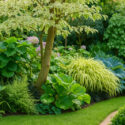
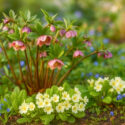
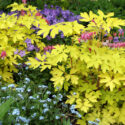
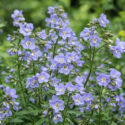
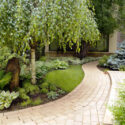
Transform your shade garden with perennials tailored to USDA Zone 7’s unique woodland conditions. Whether you battle dry tree-root shade, moist ravines, or shifting dappled light, these resilient plants deliver color, texture, and long-season beauty - all with minimal care. Build the shade garden you’ve always wanted.
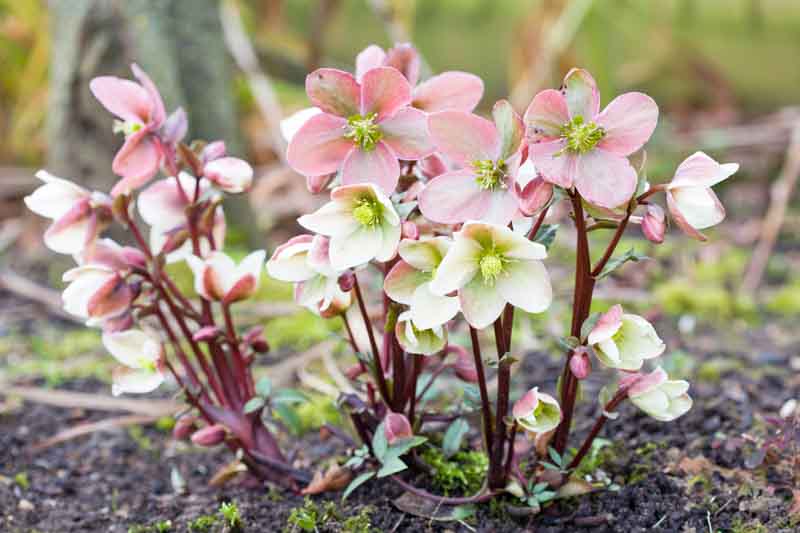


If you garden anywhere in USDA Hardiness Zone 7 – stretching through the Carolinas, Virginia, Tennessee, northern Georgia, Oklahoma, northern Alabama, parts of Arkansas, and the Mid-Atlantic – you already know that “shade” is never one thing. In Zone 7, shade is dynamic: cool morning light, pockets of deep tree-root dryness, mossy woodland edges, damp ravines, and long afternoon shadows.
The key to success? Choose shade-loving perennials that evolved for the forest understory or have proven adaptable to the soft, filtered light patterns that define Zone 7. These perennials thrive where sun-lovers sulk, bringing reliable foliage, seasonal blooms, rich textures, and wildlife value to the shadier corners of your landscape.
Zone 7’s climate – warm summers, mild to cold winters, generous rainfall, and extended growing seasons – creates a sweet spot for many woodland perennials. Once settled, they power through freeze–thaw cycles, late frosts, summertime humidity, and the dry competition created by mature tree roots.
Quick reminder: Always source plants from reputable nurseries and avoid invasive shade fillers such as English ivy or vinca major. Shade gardens rely on balance and biodiversity, and every perennial you choose plays a role in maintaining that ecosystem.
| Hardiness |
7 |
|---|---|
| Plant Type | Perennials |
| Genus | Actaea, Ajuga, Astilbe, Athyrium, Bergenia, Brunnera, Dicentra, Dryopteris, Epimedium, Geranium, Hakonechloa, Helleborus, Heuchera, Hosta, Lamium, Ligularia, Liriope, Maianthemum, Polemonium, Polygonatum, Polystichum, Tiarella, Tricyrtis |
| Exposure | Partial Sun, Shade |
| Toxic to Humans | No known toxicity |
| Toxic to Cats | No known toxicity |
| Toxic to Dogs | No known toxicity |
| Toxic to Horses | No known toxicity |
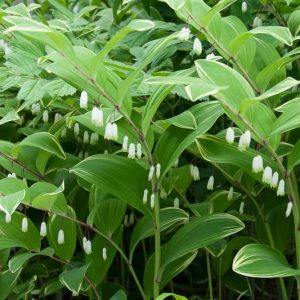

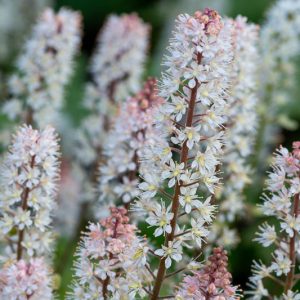
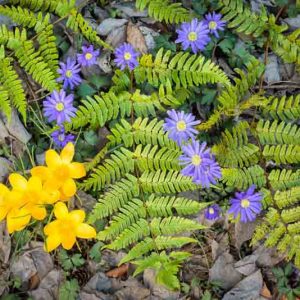
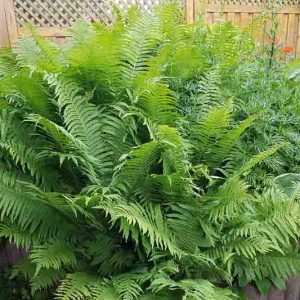
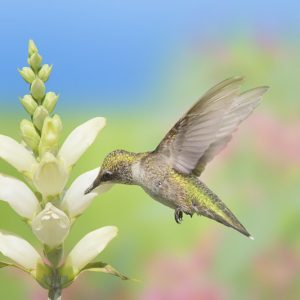
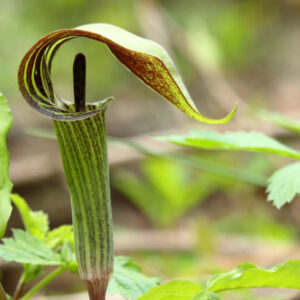
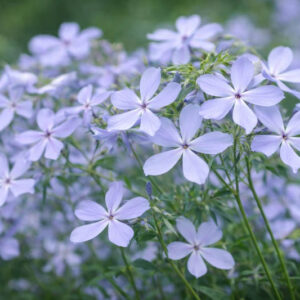
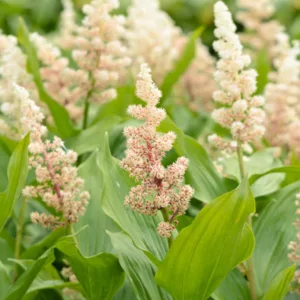
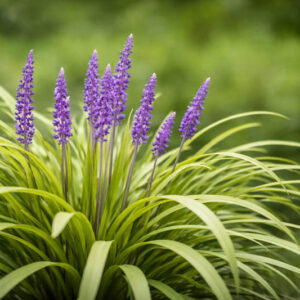
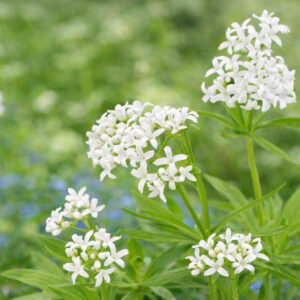
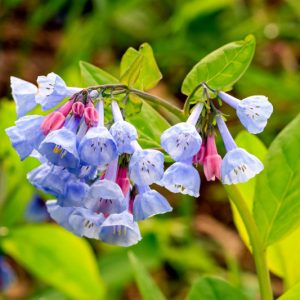
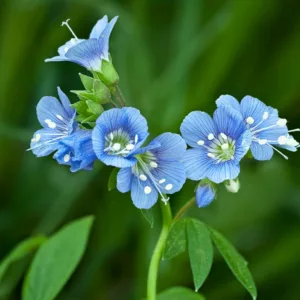
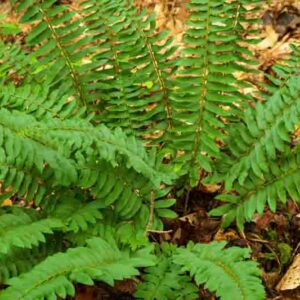
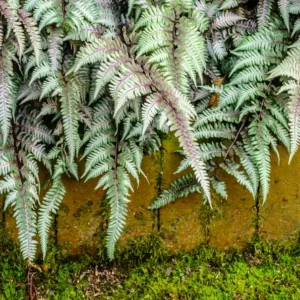
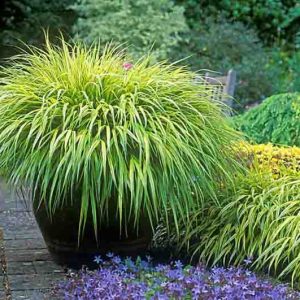
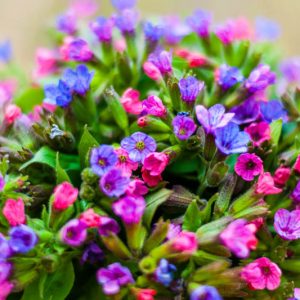
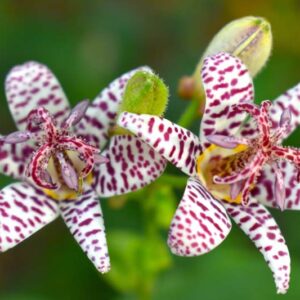
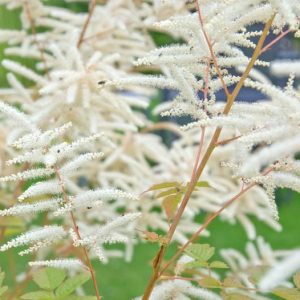
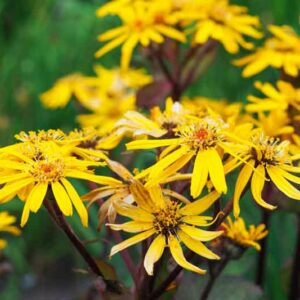
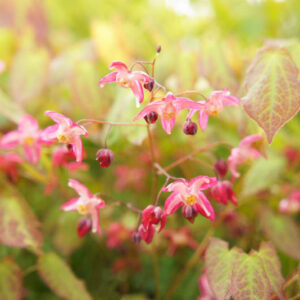
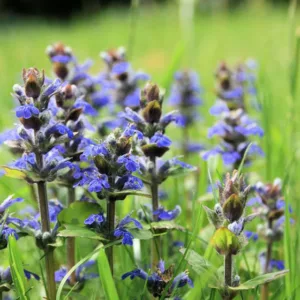
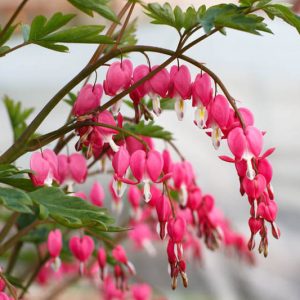
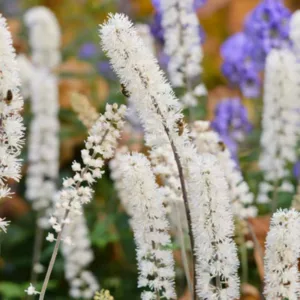
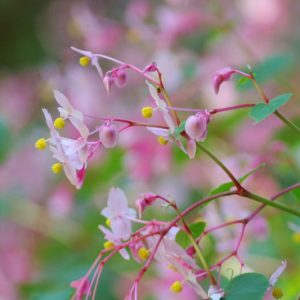
Unlike sun-demanding ornamentals that stretch or refuse to flower, the shade perennials listed below excel in tree-root competition, filtered light, acidic soils, and consistent Zone 7 moisture patterns. They offer:
Blend Solomon’s Seal, Tiarella, Woodland Phlox, and Japanese Forest Grass for a calming, naturalistic understory edge.
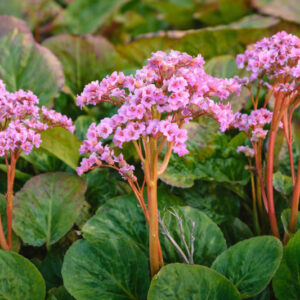
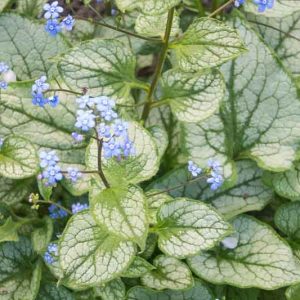
Combine Hostas (giant types), Brunnera, Bergenia, and Ferns for layered, sculpture-like texture.
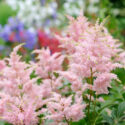
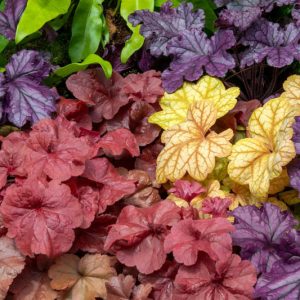
Use Astilbe, Turtlehead, Ligularia, and Heuchera to support bees and butterflies even in cooler shade.
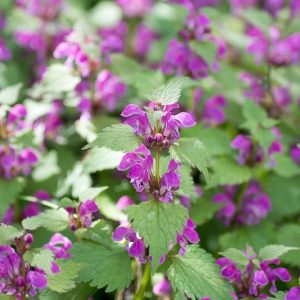
Try Sweet Woodruff, Hellebores, and Toad Lilies near walkways for delicate seasonal scent.
Zone 7’s long growing season makes perennial establishment straightforward – if you mimic natural woodland environments.
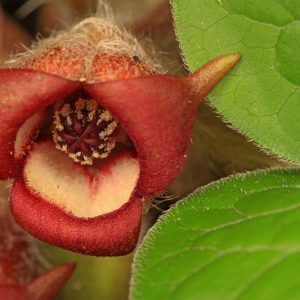
The most reliable deep-shade performers in Zone 7 are hellebores, epimediums, autumn fern, Japanese painted fern, wild ginger, and sweet woodruff. These plants evolved for understory forests and maintain strong foliage even with very limited light.
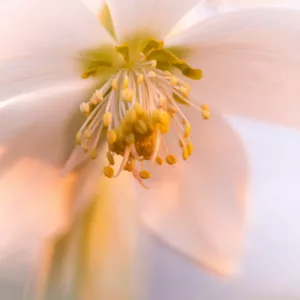
Hellebores are widely considered the easiest shade perennial for Zone 7. They’re evergreen, drought-tolerant once established, deer-resistant, long-lived, and begin blooming when almost nothing else is awake.
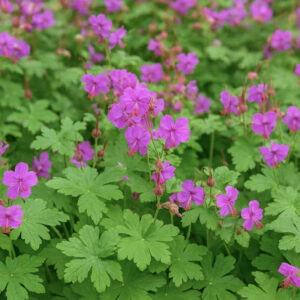
For dry shade, select epimedium, hellebore, hardy geranium, heuchera villosa, and Solomon’s seal. These species handle root competition and lower moisture levels far better than most perennials.
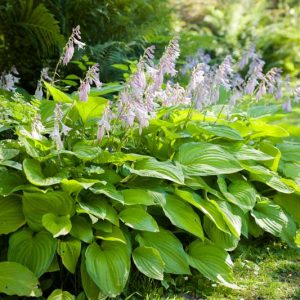
Absolutely. Hostas thrive in Zone 7’s dappled or morning shade. Provide consistent moisture and organic soil, and they reward you with dramatic foliage and dependable growth.
Mimic woodland conditions by incorporating compost or leaf mold, mulching deeply, and avoiding heavy fertilizers. Shade perennials prefer organically rich soils that stay cool and moist without becoming waterlogged.
Updated: December 2025 • Reviewed by Gardenia Editors
| Hardiness |
7 |
|---|---|
| Plant Type | Perennials |
| Genus | Actaea, Ajuga, Astilbe, Athyrium, Bergenia, Brunnera, Dicentra, Dryopteris, Epimedium, Geranium, Hakonechloa, Helleborus, Heuchera, Hosta, Lamium, Ligularia, Liriope, Maianthemum, Polemonium, Polygonatum, Polystichum, Tiarella, Tricyrtis |
| Exposure | Partial Sun, Shade |
| Toxic to Humans | No known toxicity |
| Toxic to Cats | No known toxicity |
| Toxic to Dogs | No known toxicity |
| Toxic to Horses | No known toxicity |
Create a membership account to save your garden designs and to view them on any device.
Becoming a contributing member of Gardenia is easy and can be done in just a few minutes. If you provide us with your name, email address and the payment of a modest $25 annual membership fee, you will become a full member, enabling you to design and save up to 25 of your garden design ideas.
Join now and start creating your dream garden!
Create a membership account to save your garden designs and to view them on any device.
Becoming a contributing member of Gardenia is easy and can be done in just a few minutes. If you provide us with your name, email address and the payment of a modest $25 annual membership fee, you will become a full member, enabling you to design and save up to 25 of your garden design ideas.
Join now and start creating your dream garden!