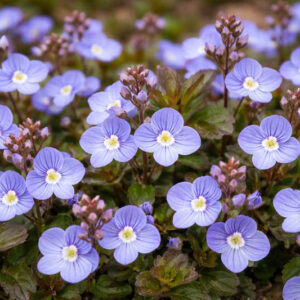
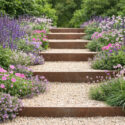
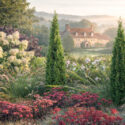
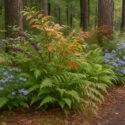
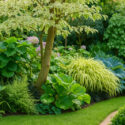
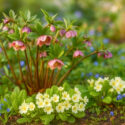
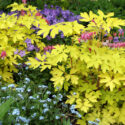
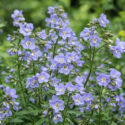
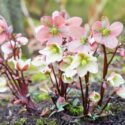
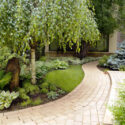
Shade gardening in Zone 6 doesn’t have to be a guessing game. These top-performing perennials bring texture, color, and year-round resilience to woodland edges, foundation beds, and under-tree shade. From hellebores to ferns, explore hardy species that thrive where sunlight barely reaches.
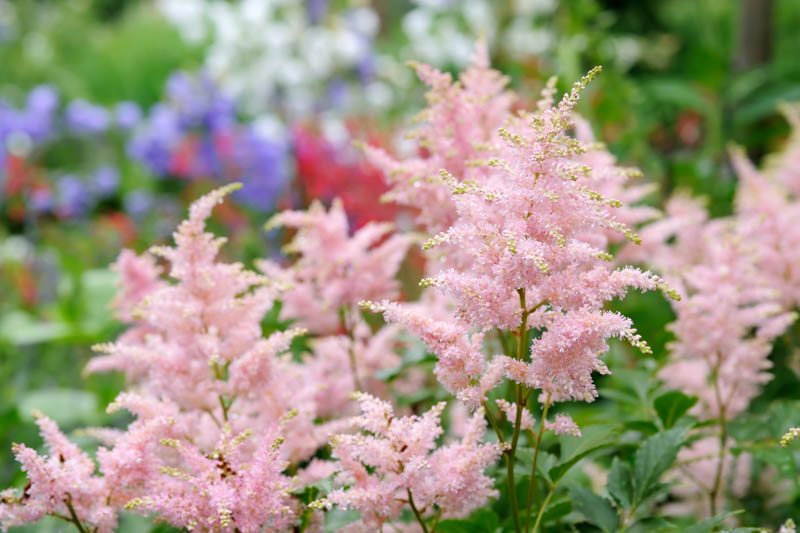


If you garden in USDA Hardiness Zone 6 – stretching across the Midwest, much of the Northeast, parts of the Pacific Northwest, northern Appalachia, and elevated areas of the Mid-Atlantic – you already know that shade can be both a blessing and a puzzle. Zone 6 delivers cold winters, mild to warm summers, generous moisture, and dramatic seasonal shifts. Shade conditions here are shaped by tall deciduous tree canopies, moist spring soils, deep-root competition, and long, dappled summer afternoons.
The key to thriving in these spaces is selecting shade-loving perennials uniquely adapted to the rhythm of Zone 6. These plants embrace cooler soil temperatures, filtered light, spring snowmelt, and autumn leaf-drop, giving you year-round texture and dependable growth even where sun-loving ornamentals fade.
Whether you’re working with deep shade under old maples, bright woodland edges, moisture-rich creek banks, or morning-sun/afternoon-shade foundations, Zone 6 offers an impressive palette of hardy, low-maintenance, wildlife-friendly perennials ready for action.
This Zone 6 shade perennials list highlights 30 of the most reliable plants for low-light gardens.
Note: Always avoid invasive shade fillers like vinca major or English ivy. Sustainable shade gardens depend on biodiversity, layered structure, and intentional plant choices.
| Hardiness |
6 |
|---|---|
| Plant Type | Perennials |
| Genus | Actaea, Ajuga, Astilbe, Athyrium, Bergenia, Brunnera, Corydalis, Dicentra, Epimedium, Geranium, Hakonechloa, Helleborus, Heuchera, Hosta, Lamium, Ligularia, Liriope, Maianthemum, Polygonatum, Polystichum, Tiarella, Tricyrtis |
| Exposure | Partial Sun, Shade |
| Toxic to Humans | No known toxicity |
| Toxic to Cats | No known toxicity |
| Toxic to Dogs | No known toxicity |
| Toxic to Horses | No known toxicity |


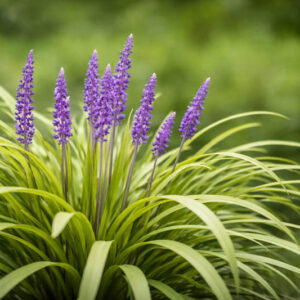
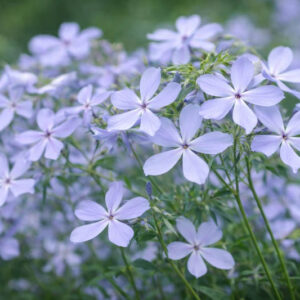
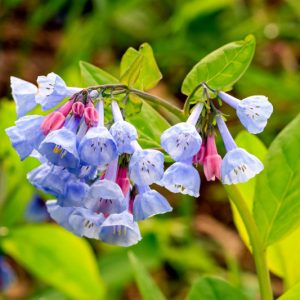
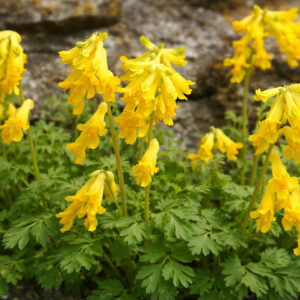
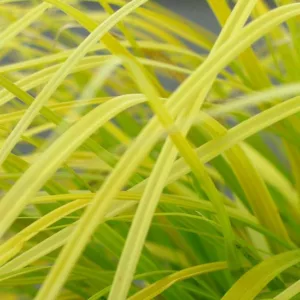
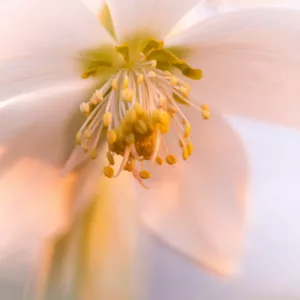
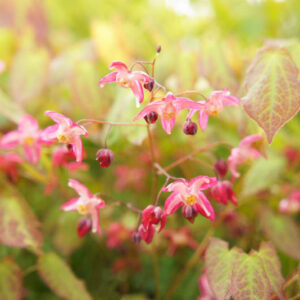
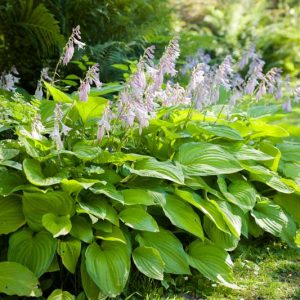
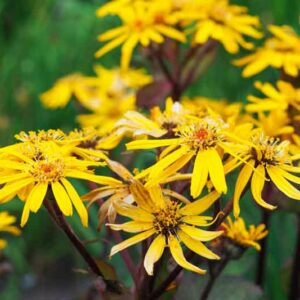
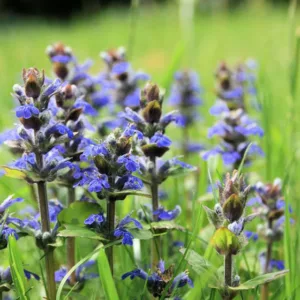
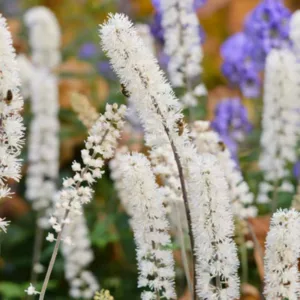
Shade perennials that excel in Zone 6 are equipped for freeze–thaw cycles, spring moisture, cooler nights, rich organic soils, and root competition. They offer:
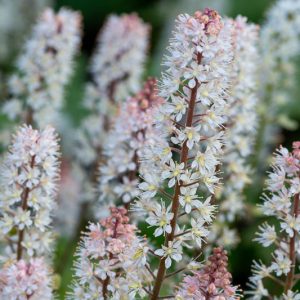
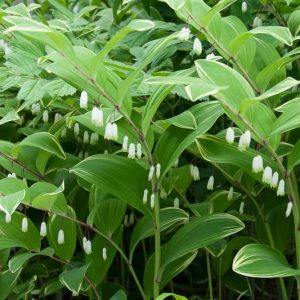
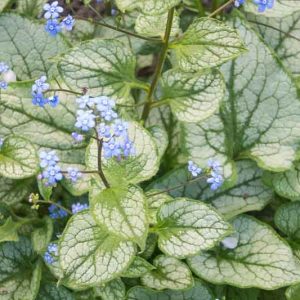
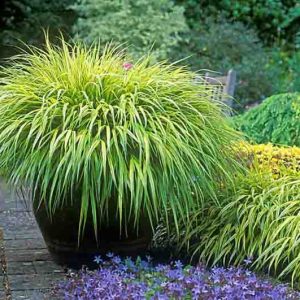
Blend Solomon’s Seal, Tiarella, Brunnera, and Japanese Forest Grass for a tranquil, naturalistic display with long-season texture.
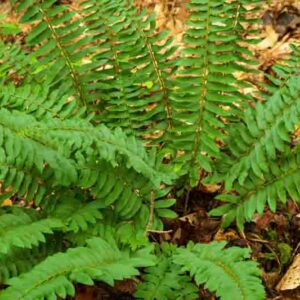
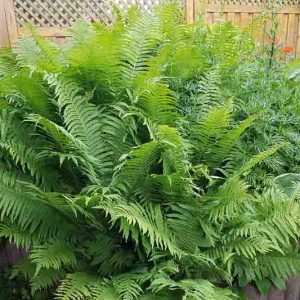
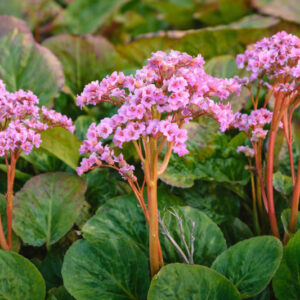
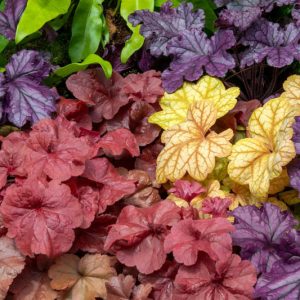
Use Hostas (giant types), Bergenia, Ferns, and Heuchera for sculptural contrast in deep shade.
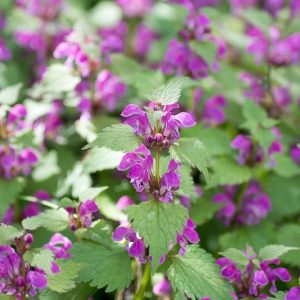
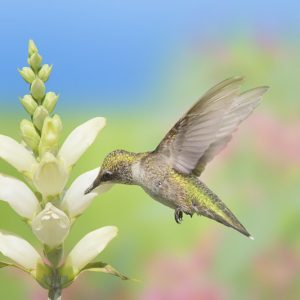
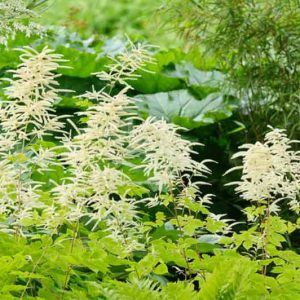
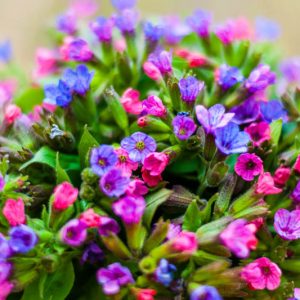
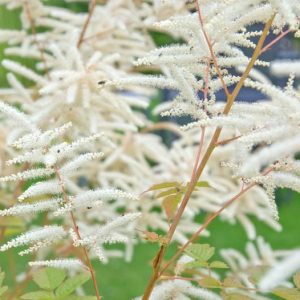
Combine Astilbe, Turtlehead, Ligularia, and Pulmonaria for blooms and nectar in cooler, moisture-rich shade.
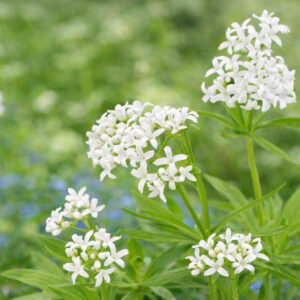
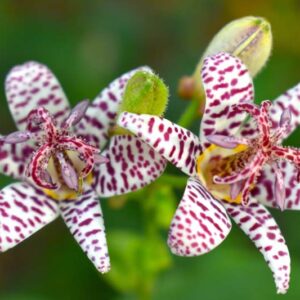
Install Sweet Woodruff, Hellebores, and Toad Lilies for subtle scent and refined details along shaded paths.
Zone 6’s climate makes perennial establishment simple when you mimic forest-floor conditions.
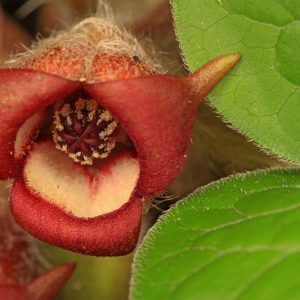
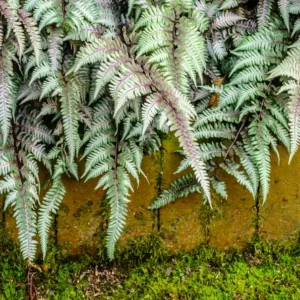
The most dependable deep-shade plants for Zone 6 include hellebores, epimedium, wild ginger, Christmas fern, Japanese painted fern, and sweet woodruff. These species evolved for forest understories and maintain strong foliage with minimal sunlight.
Hostas are considered the easiest and most forgiving shade perennial in Zone 6. They tolerate cold winters, dappled light, and a wide range of soil types, rewarding gardeners with dramatic foliage and reliable growth.
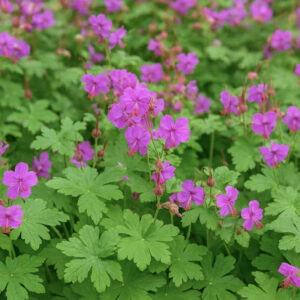
Dry shade specialists include epimedium, geranium macrorrhizum, hellebores, heuchera villosa, and Solomon’s seal. These plants handle intense root competition and reduced moisture better than most perennials.
Yes. Astilbe thrives in moist, organically rich shade in Zone 6. Provide consistent moisture, especially in summer, and it will reward you with vibrant plumes and lush foliage.
Mimic woodland soil by adding compost, leaf mold, and shredded bark mulch. These organic materials increase moisture retention, improve structure, and create the cool, humus-rich environment shade perennials prefer.
Updated: December 2025 • Reviewed by Gardenia Editors
| Hardiness |
6 |
|---|---|
| Plant Type | Perennials |
| Genus | Actaea, Ajuga, Astilbe, Athyrium, Bergenia, Brunnera, Corydalis, Dicentra, Epimedium, Geranium, Hakonechloa, Helleborus, Heuchera, Hosta, Lamium, Ligularia, Liriope, Maianthemum, Polygonatum, Polystichum, Tiarella, Tricyrtis |
| Exposure | Partial Sun, Shade |
| Toxic to Humans | No known toxicity |
| Toxic to Cats | No known toxicity |
| Toxic to Dogs | No known toxicity |
| Toxic to Horses | No known toxicity |
Create a membership account to save your garden designs and to view them on any device.
Becoming a contributing member of Gardenia is easy and can be done in just a few minutes. If you provide us with your name, email address and the payment of a modest $25 annual membership fee, you will become a full member, enabling you to design and save up to 25 of your garden design ideas.
Join now and start creating your dream garden!
Create a membership account to save your garden designs and to view them on any device.
Becoming a contributing member of Gardenia is easy and can be done in just a few minutes. If you provide us with your name, email address and the payment of a modest $25 annual membership fee, you will become a full member, enabling you to design and save up to 25 of your garden design ideas.
Join now and start creating your dream garden!