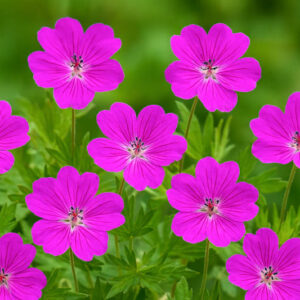
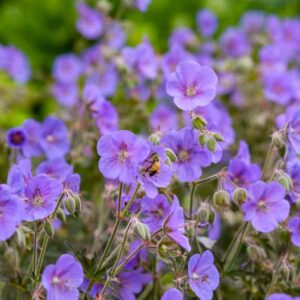
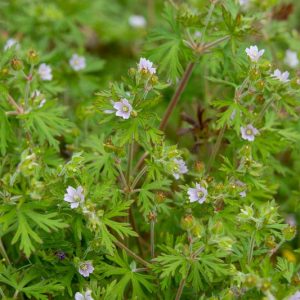
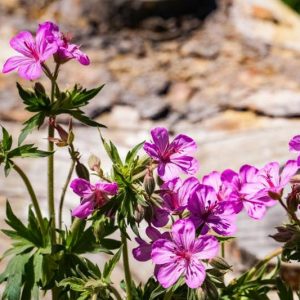
Bigroot Geranium, Bulgarian Geranium, Rock Crane’s-bill, Rock Cranesbill, Big-rooted Geranium, Hardy Geranium, Cranesbill
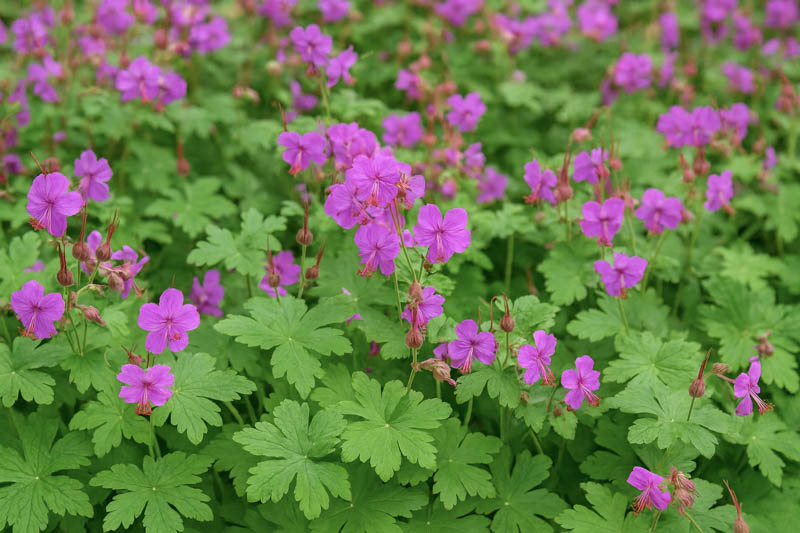


If you have ever walked through a garden and been greeted by a burst of spicy, resinous fragrance after brushing a leaf, you may have met Geranium macrorrhizum, commonly called Bigroot Geranium. This rugged perennial is beloved for its aromatic foliage, long-lasting blooms, and remarkable ability to thrive where many other plants struggle. Whether you’re filling a shady corner, covering a slope, or looking for a drought-tolerant landscape workhorse, Geranium macrorrhizum delivers beauty and performance with minimal fuss.
Geranium macrorrhizum thrives in everything from full sun to part shade, and tolerates a wide range of soils as long as drainage is good. Once established, it is impressively drought tolerant and almost completely ignored by deer and rabbits. Ideal for groundcovers, edging, erosion control, pollinator gardens, rock gardens, and underplanting trees, this plant earns its reputation as one of the easiest, most dependable perennials you can grow.
Summary: A fragrant, semi-evergreen, spreading perennial valued for its aromatic leaves, colorful flowers, and exceptional toughness.
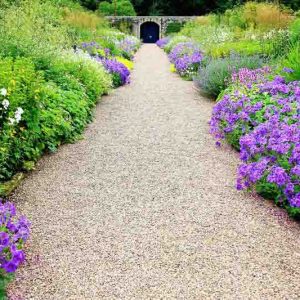
Use: Groundcover, slopes, pathways, woodland edges, underplanting shrubs, pollinator-friendly gardens, rock gardens.
Highlight: Fragrant foliage, long bloom season, semi-evergreen leaves that turn brilliant colors in fall.
Note: Excellent for weed suppression thanks to its dense, rhizomatous growth.
| Botanical Name | Geranium macrorrhizum and cultivars such as ‘Bevan’s Variety’, ‘Spessart’, and ‘Ingwersen’s Variety’ |
|---|---|
| Family | Geraniaceae (Geranium family) |
| Common Names | Bigroot Geranium, Cranesbill, Balkan Geranium |
| Native Range | Mountainous regions of Southeastern Europe |
| Plant Type and Habit | Herbaceous perennial with spreading, rhizomatous habit. |
| Hardiness (approx. USDA) | Zones 4 to 8, exceptionally cold hardy. |
| Size | 12 to 18 in. tall, spreading up to 12 to 24 in. |
| Sun and Exposure | Full sun to part shade. Tolerates dry shade. |
| Soil | Well drained soil; tolerates sandy, rocky, or average soils. |
| Seasonal Interest | Spring to early summer blooms, semi-evergreen foliage, spectacular fall color. |
| Primary Uses | Groundcovers, edging, slopes, wildlife gardens, weed suppression, woodland borders. |
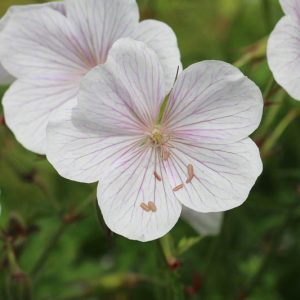
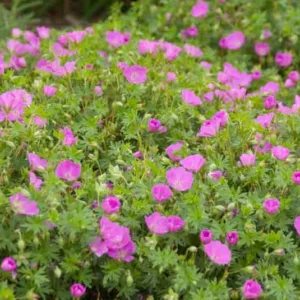
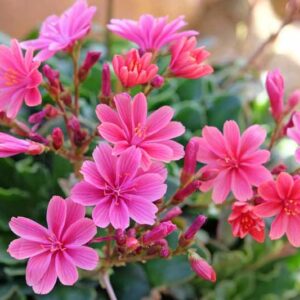
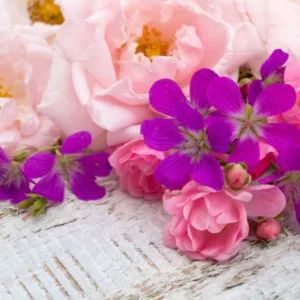
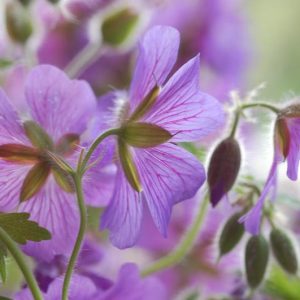
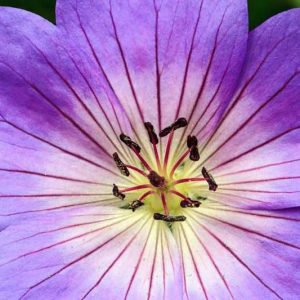
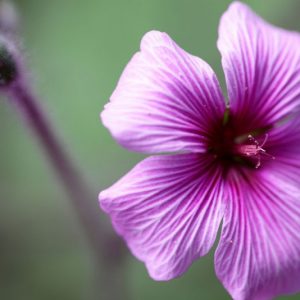
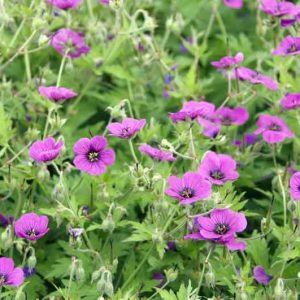
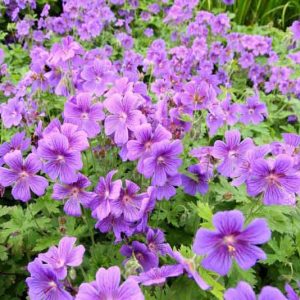
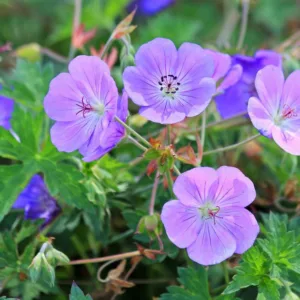
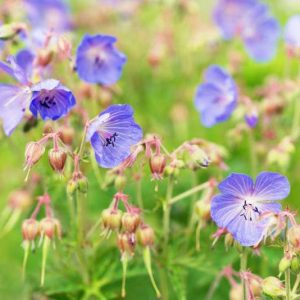
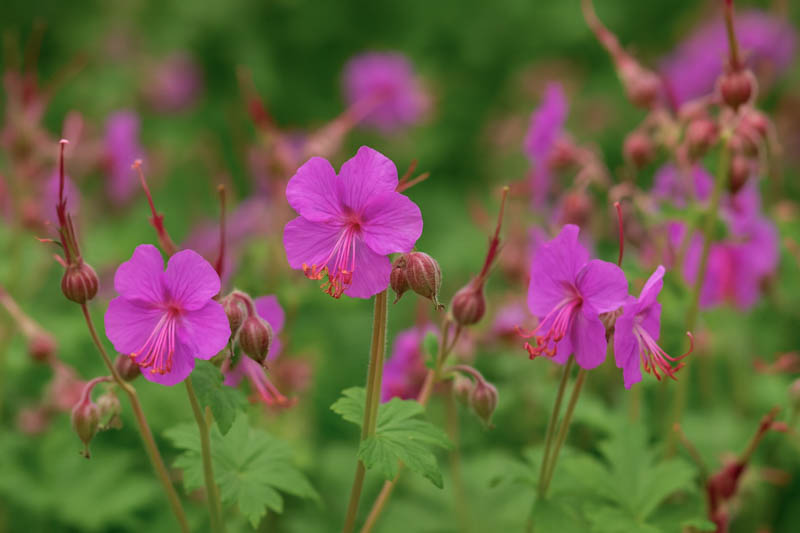
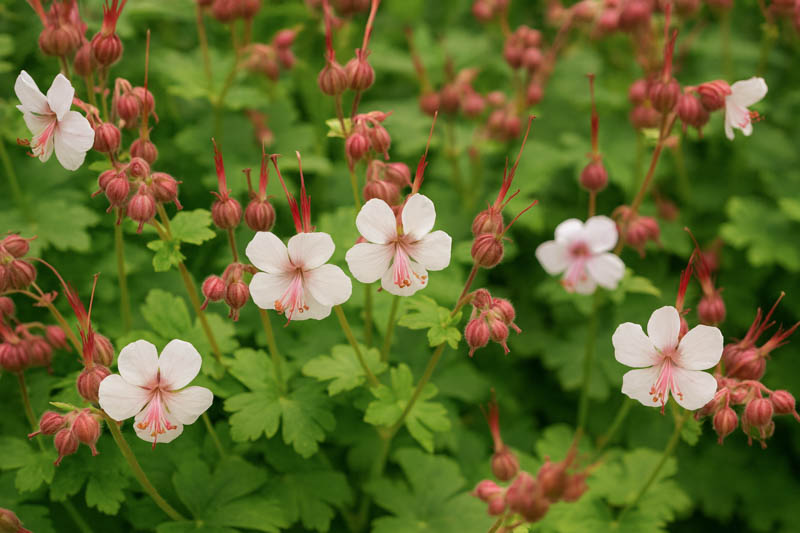
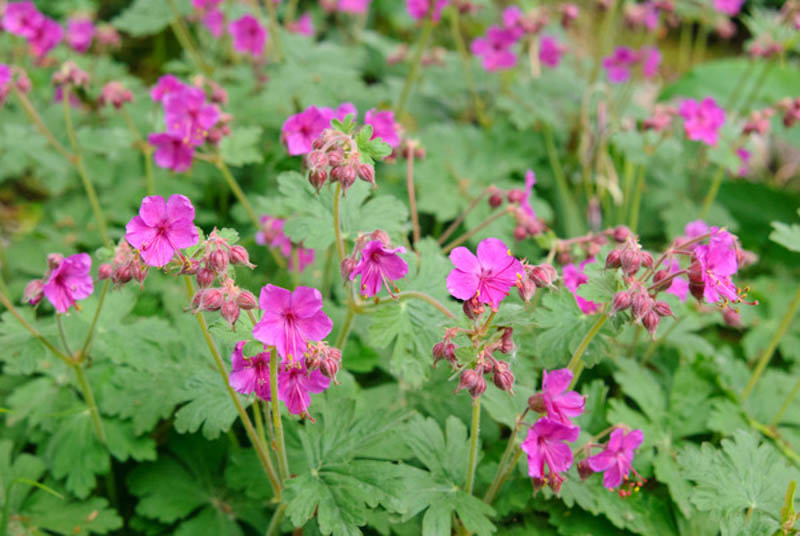
Geranium macrorrhizum is a rugged, semi-evergreen perennial famous for its fragrant foliage, vibrant spring blooms, and sprawling groundcover habit. The leaves are deeply lobed, aromatic when touched, and form a dense mat that smothers weeds and stabilizes soil on slopes. In late spring, clusters of pink, magenta, or white flowers rise above the foliage, attracting bees and adding cheerful color to shady or sunny beds.
One of the plant’s signature features is its aromatic foliage, often described as spicy, citrusy, and resinous. The scent intensifies on warm days or when the leaves are brushed, making it a wonderful sensory plant near paths or seating areas.
This species originates from the Balkan Peninsula of Southeastern Europe, where it naturally grows in rocky, mountainous regions. These origins explain its drought tolerance, love of good drainage, and ability to thrive in both sun and shade.
Geranium macrorrhizum spreads by thick, fleshy rhizomes that create a lush carpet within a season or two. Growth is moderate to fast depending on moisture and light. While it spreads generously, it is not considered invasive and is easily controlled by lifting and dividing sections.
The plant typically reaches 12 to 18 inches in height, forming an attractive, slightly mounded profile that stays tidy year round.
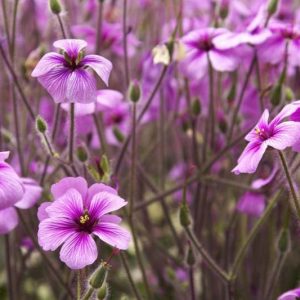
Blooming from late spring to early summer, the flowers appear in clusters above the foliage and are held on slender stems. Colors vary by cultivar but often include vibrant magentas, soft pinks, and pure whites. Pollinators, particularly bees, flock to the blooms, making this groundcover a wildlife-friendly choice.
The foliage is semi-evergreen in many climates, holding leaves well into winter. In fall, the leaves often transform into shades of red, bronze, or orange, providing unexpected off-season color. Few groundcovers offer this blend of fragrance, durability, and multi-season interest.
With a range extending from USDA Zones 4 to 8, Geranium macrorrhizum is exceptionally cold hardy. Its drought tolerance also makes it suitable for gardens in areas with hot, dry summers, provided drainage is adequate.
The nectar-rich flowers attract bees and native pollinators, contributing to local ecosystem health. Dense foliage also offers shelter for insects and small beneficial wildlife.
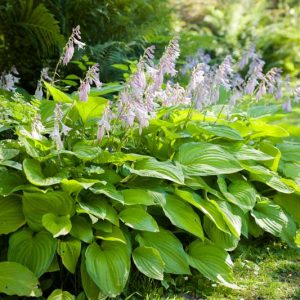
Thanks to its fragrant, resinous leaves, deer and rabbits almost always avoid Bigroot Geranium. This makes it an excellent replacement for hostas or other shade plants commonly browsed.
Once established, the plant is highly drought tolerant and thrives with minimal supplemental watering. It is one of the best perennials for xeric or low-maintenance landscapes.
Generally considered non toxic to humans and pets, though ingestion is not recommended.
Geranium macrorrhizum spreads steadily but is easily controlled. It is not invasive and does not reseed aggressively.
Gardeners love its fragrant foliage, weed-suppressing habit, drought tolerance, deer resistance, colorful blooms, and four-season interest. It is truly one of the lowest-maintenance perennials available.
Rarely troubled by pests. Occasional issues:
No, Geranium macrorrhizum is not considered invasive. It spreads steadily by rhizomes, but its growth is easy to manage through division or simple edging. It does not aggressively reseed and does not displace native plants when used in garden settings.
Yes. This plant is highly deer resistant because its fragrant, resinous foliage is unappealing to deer and rabbits. It is one of the most reliable perennials for areas with heavy browsing pressure.
Yes. It thrives in part shade to full shade and is one of the best perennials for dry shade under trees or near thirsty shrubs. In hot climates, some afternoon shade helps keep foliage fresh.
It spreads at a moderate pace via thick rhizomes, forming a full groundcover within one to two growing seasons. While it expands steadily, it remains easy to control and is not invasive.
After flowering, shear back the plant by about one-third to rejuvenate foliage and encourage fresh growth. Remove old or tattered leaves in early spring. Division every 3–5 years keeps the plant vigorous.
It is semi-evergreen. In mild climates, the foliage persists through winter. In colder regions, leaves may die back but often remain partially intact, turning red, bronze, or purple for added winter interest.
Yes. Once established, it is very drought tolerant and performs well with minimal supplemental water. Its Balkan origins allow it to thrive in rocky, well-drained, or dry soils.
t thrives in well-drained soil and tolerates poor, rocky, or sandy conditions. Rich soil is not necessary. Avoid waterlogged or compacted soil, which may cause root rot.
Yes. Its late spring blooms attract bees and other small pollinators. Though the flowers are not large, they produce reliable nectar early in the season.
The easiest method is division. Lift a section of rhizomes in spring or fall, separate them, and replant. It can also be propagated by softwood cuttings in late spring.
Updated: December 2025 • Reviewed by Gardenia Editors
| Hardiness |
4 - 8 |
|---|---|
| Heat Zones |
1 - 8 |
| Climate Zones | 1, 1A, 1B, 2, 2A, 2B, 3, 3A, 3B, 4, 5, 6, 7, 8, 9, 10, 11, 12, 13, 14, 15, 16, 17, 18, 19, 20, 21, 22, 23, 24 |
| Plant Type | Perennials |
| Plant Family | Geraniaceae |
| Genus | Geranium |
| Common names | Cranesbill |
| Exposure | Full Sun, Partial Sun, Shade |
| Season of Interest | Spring (Late), Summer (Early, Mid, Late), Fall |
| Height | 1' - 2' (30cm - 60cm) |
| Spread | 1' - 2' (30cm - 60cm) |
| Spacing | 18" - 24" (50cm - 60cm) |
| Maintenance | Low |
| Water Needs | Low, Average |
| Soil Type | Chalk, Clay, Loam, Sand |
| Soil pH | Acid, Alkaline, Neutral |
| Soil Drainage | Moist but Well-Drained, Well-Drained |
| Characteristics | Showy |
| Tolerances | Deer, Rabbit, Drought, Dry Soil, Heat, Fire |
| Attracts | Bees, Butterflies |
| Garden Uses | Banks And Slopes, Beds And Borders, Edging, Ground Covers, Underplanting Roses And Shrubs |
| Garden Styles | City and Courtyard, Gravel and Rock Garden, Informal and Cottage |
| Toxic to Humans | No known toxicity |
| Toxic to Cats | No known toxicity |
| Toxic to Dogs | No known toxicity |
| Toxic to Horses | No known toxicity |


| Hardiness |
4 - 8 |
|---|---|
| Heat Zones |
1 - 8 |
| Climate Zones | 1, 1A, 1B, 2, 2A, 2B, 3, 3A, 3B, 4, 5, 6, 7, 8, 9, 10, 11, 12, 13, 14, 15, 16, 17, 18, 19, 20, 21, 22, 23, 24 |
| Plant Type | Perennials |
| Plant Family | Geraniaceae |
| Genus | Geranium |
| Common names | Cranesbill |
| Exposure | Full Sun, Partial Sun, Shade |
| Season of Interest | Spring (Late), Summer (Early, Mid, Late), Fall |
| Height | 1' - 2' (30cm - 60cm) |
| Spread | 1' - 2' (30cm - 60cm) |
| Spacing | 18" - 24" (50cm - 60cm) |
| Maintenance | Low |
| Water Needs | Low, Average |
| Soil Type | Chalk, Clay, Loam, Sand |
| Soil pH | Acid, Alkaline, Neutral |
| Soil Drainage | Moist but Well-Drained, Well-Drained |
| Characteristics | Showy |
| Tolerances | Deer, Rabbit, Drought, Dry Soil, Heat, Fire |
| Attracts | Bees, Butterflies |
| Garden Uses | Banks And Slopes, Beds And Borders, Edging, Ground Covers, Underplanting Roses And Shrubs |
| Garden Styles | City and Courtyard, Gravel and Rock Garden, Informal and Cottage |
| Toxic to Humans | No known toxicity |
| Toxic to Cats | No known toxicity |
| Toxic to Dogs | No known toxicity |
| Toxic to Horses | No known toxicity |
How many Geranium macrorrhizum (Cranesbill) do I need for my garden?
| Plant | Quantity | |
|---|---|---|
| Geranium macrorrhizum (Cranesbill) | N/A | Buy Plants |
Create a membership account to save your garden designs and to view them on any device.
Becoming a contributing member of Gardenia is easy and can be done in just a few minutes. If you provide us with your name, email address and the payment of a modest $25 annual membership fee, you will become a full member, enabling you to design and save up to 25 of your garden design ideas.
Join now and start creating your dream garden!
Create a membership account to save your garden designs and to view them on any device.
Becoming a contributing member of Gardenia is easy and can be done in just a few minutes. If you provide us with your name, email address and the payment of a modest $25 annual membership fee, you will become a full member, enabling you to design and save up to 25 of your garden design ideas.
Join now and start creating your dream garden!