Battling hungry deer in USDA Zone 7? This guide rounds up 30 proven deer-resistant plants, from evergreen shrubs and long-blooming perennials to tough groundcovers. Learn how to design browse-safe beds, protect new plantings, and combine scent, texture, and smart layout so your garden thrives while deer lose interest.
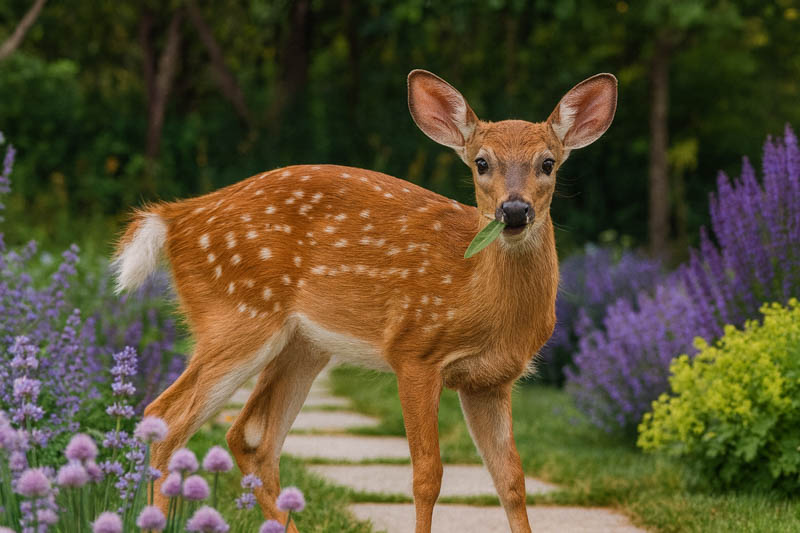


If you garden in USDA Zone 7 – across the Carolinas, Virginia, Tennessee, northern Georgia, Arkansas, Oklahoma, and parts of the Mid-Atlantic – you probably know the heartbreak of waking up to find your hostas and roses munched to sticks. That is why more and more Zone 7 gardeners are turning to deer-resistant shrubs, perennials, and groundcovers that keep their good looks even in high-browse neighborhoods.
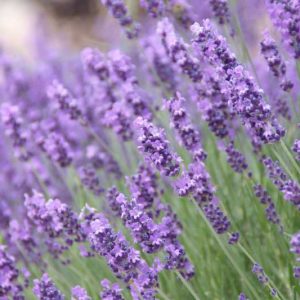
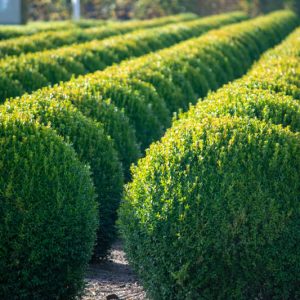
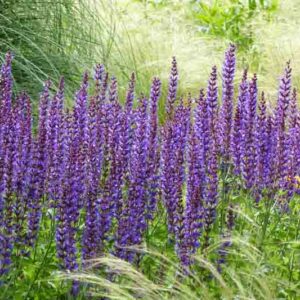
The good news – Zone 7 offers a deep bench of plants that deer usually avoid thanks to tough textures, prickly leaves, or strong fragrance. From boxwood (Buxus), creeping juniper (Juniperus horizontalis), and Oregon grapeholly (Mahonia aquifolium) to lavender (Lavandula angustifolia), Russian sage (Perovskia atriplicifolia or Salvia yangii), and creeping thyme (Thymus serpyllum), you can build beds that look lush to you but unappetizing to deer.
| Hardiness |
7 |
|---|---|
| Plant Type | Perennials, Shrubs |
| Tolerances | Deer |
| Toxic to Humans | No known toxicity |
| Toxic to Cats | No known toxicity |
| Toxic to Dogs | No known toxicity |
| Toxic to Horses | No known toxicity |
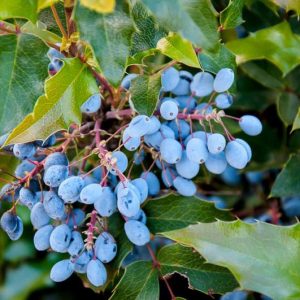
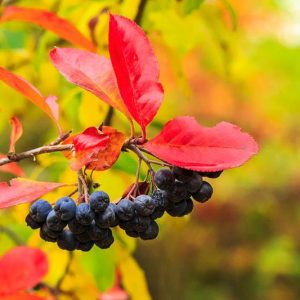

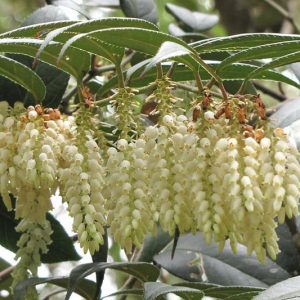
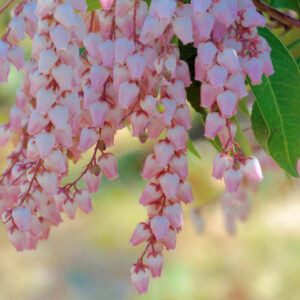

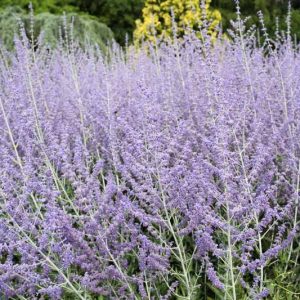
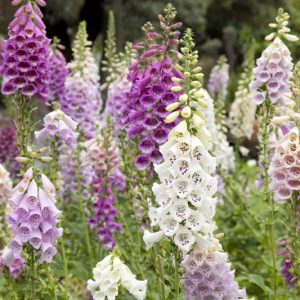
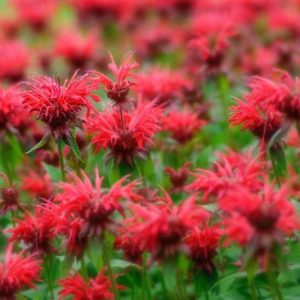
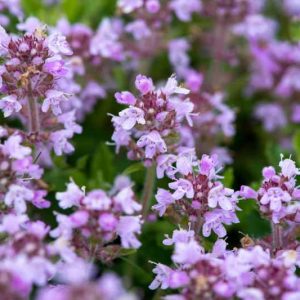
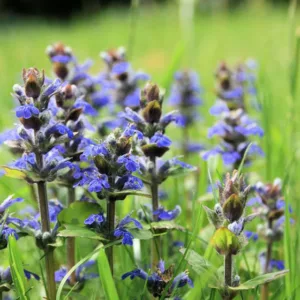
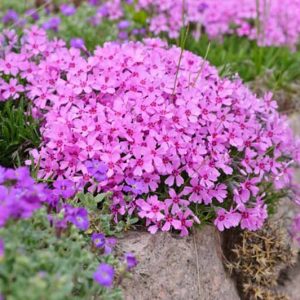
Zone 7 offers mild winters and long growing seasons – great for plants and deer alike. When food is plentiful, deer are picky and ignore plants that are toxic, aromatic, spiny, or tough. Many of the best deer-resistant plants share these traits:
By leaning into these traits, you can create a Zone 7 garden that is colorful for you and boring for deer.
Even with a great plant list, deer pressure can vary block by block. Keep these realities in mind:
Bottom line: Think of these plants as your starting lineup, then refine based on what your local deer actually do.
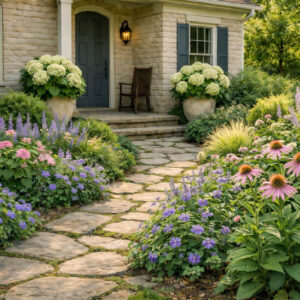
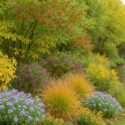
Mix boxwood or inkberry holly alternatives such as Oregon grapeholly and Northern bayberry for evergreen bones. Add American beautyberry and bluebeard for summer and fall color, then finish with catmint and lavender at the front edge. You get layered color with plants deer usually walk right past.
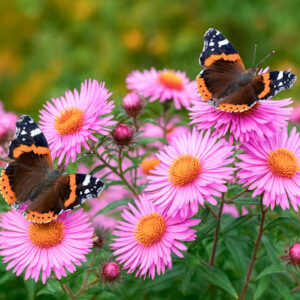
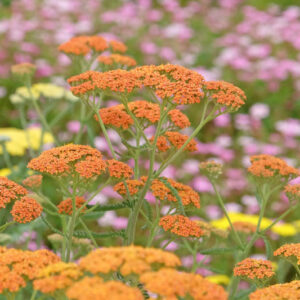
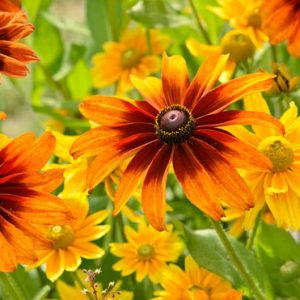
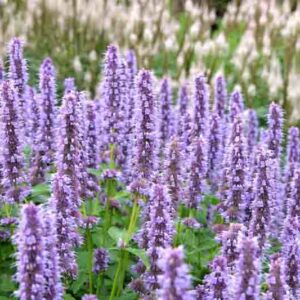
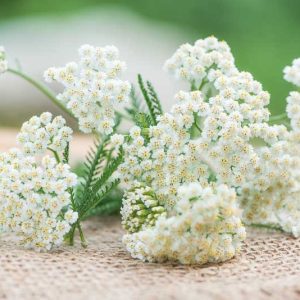
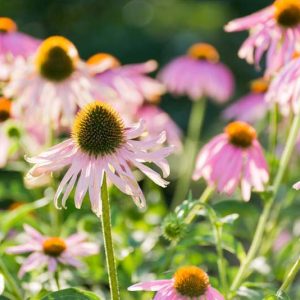
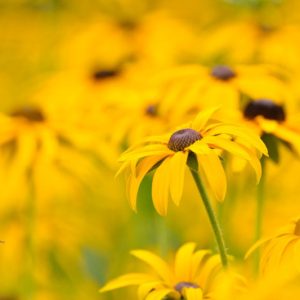
Combine big drifts of Echinacea, yarrow, Russian sage, black-eyed Susan, and anise hyssop. Bees and butterflies flood in, but deer typically leave this aromatic, rough-textured buffet alone.
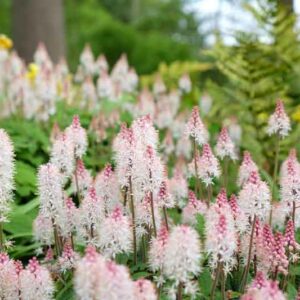
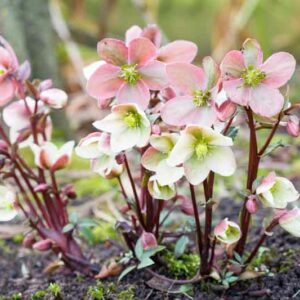
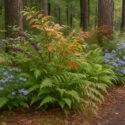
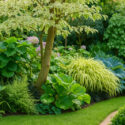
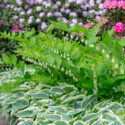
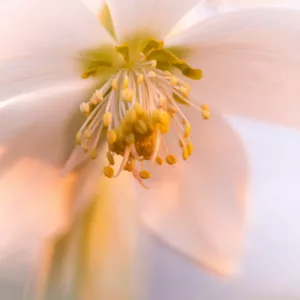
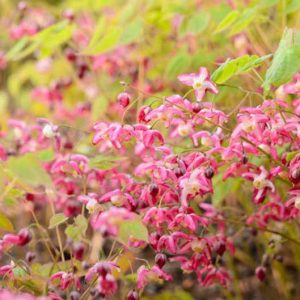
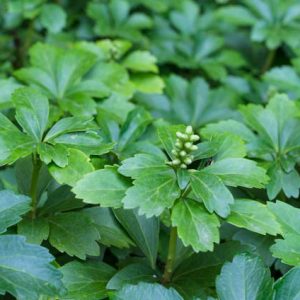
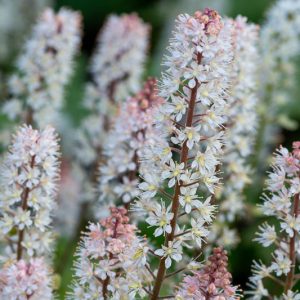
Under light tree shade, carpet the ground with Epimedium, Ajuga, Pachysandra, and foamflower. Drop in clumps of Hellebores near paths where you can enjoy their late winter blooms, and frame the area with Mahonia and plum yew or other shade-tolerant evergreens.
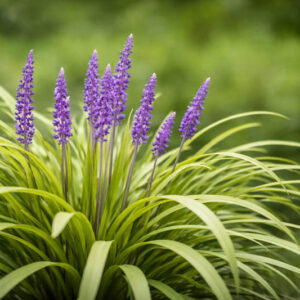
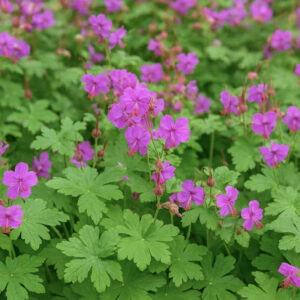
Some of the best deer-resistant plants for USDA Zone 7 include boxwood, creeping juniper, Oregon grapeholly, American beautyberry, Northern bayberry, English lavender, catmint, Russian sage, Lenten roses, creeping thyme, barrenwort, pachysandra, lilyturf, and bigroot geranium. These plants have fragrance, spines, or tough texture that deer usually avoid.
No plant is completely deer proof. Deer-resistant plants are simply less appealing because they are aromatic, prickly, or mildly toxic. When food is scarce or deer populations are high, hungry animals may still sample almost any plant, even those normally listed as deer resistant.
Yes. Newly planted shrubs and perennials are tender and more attractive to browsing. Even deer-resistant plants benefit from temporary cages, netting, or repellents during their first growing season so they can establish strong roots and woody growth before facing full deer pressure.
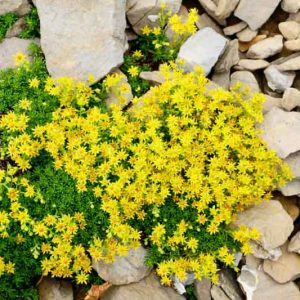
English lavender, catmint, Russian sage, anise hyssop, yarrow, coneflowers, black-eyed Susan, bluebeard, butterfly bush, and many low sedums are both deer resistant and pollinator friendly. They provide nectar and pollen for bees and butterflies while offering foliage and flowers that deer generally ignore.
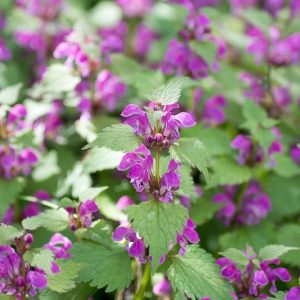
For shady or woodland areas in Zone 7, excellent deer-resistant groundcovers include barrenwort, pachysandra, bigroot geranium, spotted deadnettle, foamflower, and some lilyturf varieties. These plants form dense carpets under trees and shrubs yet are usually unappealing to browsing deer.
A deer-resistant front yard in Zone 7 starts with evergreen structure from boxwood, Oregon grapeholly, bayberry, or creeping juniper, layered with flowering shrubs like American beautyberry and bluebeard. Fill borders with lavender, catmint, Russian sage, coneflowers, and yarrow, then edge beds with creeping thyme or other tough groundcovers and protect all new plantings their first year.
Updated: December 2025 • Reviewed by Gardenia Editors
| Hardiness |
7 |
|---|---|
| Plant Type | Perennials, Shrubs |
| Tolerances | Deer |
| Toxic to Humans | No known toxicity |
| Toxic to Cats | No known toxicity |
| Toxic to Dogs | No known toxicity |
| Toxic to Horses | No known toxicity |
Create a membership account to save your garden designs and to view them on any device.
Becoming a contributing member of Gardenia is easy and can be done in just a few minutes. If you provide us with your name, email address and the payment of a modest $25 annual membership fee, you will become a full member, enabling you to design and save up to 25 of your garden design ideas.
Join now and start creating your dream garden!
Create a membership account to save your garden designs and to view them on any device.
Becoming a contributing member of Gardenia is easy and can be done in just a few minutes. If you provide us with your name, email address and the payment of a modest $25 annual membership fee, you will become a full member, enabling you to design and save up to 25 of your garden design ideas.
Join now and start creating your dream garden!