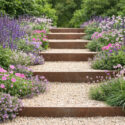
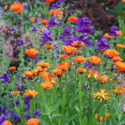
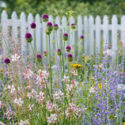
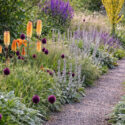
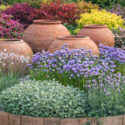
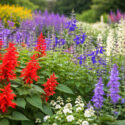
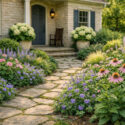
Looking for groundcovers that actually thrive in USDA Zone 7? From shade-loving carpets to drought-tough mats, these perennials deliver weed suppression, soil protection, and year-round beauty. Explore the top 35 groundcovers that perform reliably in real Zone 7 conditions - warm summers, variable winters, and long growing seasons.


If you garden anywhere across USDA Zone 7- stretching through the Carolinas, Virginia, Tennessee, northern Georgia, Oklahoma, northern Arkansas, and parts of the Mid-Atlantic – you know this truth: a truly successful groundcover isn’t just a “filler”… it’s a problem-solver. Zone 7’s warm summers, mild to cold winters, and long growing season create the ideal environment for dense, weed-suppressing, soil-stabilizing plants that thrive with minimal care.
The key? Choose groundcovers adapted to your specific microclimate: sun-baked slopes, shady woodland pockets, moist low-spots, or areas beneath thirsty tree roots. Zone 7 is incredibly diverse, and understanding your light and soil will drive long-term success.
Whether you want evergreen carpets, pollinator-friendly mats, fast spreaders, drought-tolerant classics, or colorful seasonal performers, Zone 7 offers a wealth of dependable options. These groundcovers deliver beauty, biodiversity, erosion control, and year-round structure.
Quick reminder: Buy from reputable nurseries and avoid invasive spreaders such as English ivy and vinca major in naturalized areas. Ecologically balanced groundcovers protect your soil and your ecosystem.
| Hardiness |
7 |
|---|---|
| Landscaping Ideas | Ground Covers |
| Toxic to Humans | No known toxicity |
| Toxic to Cats | No known toxicity |
| Toxic to Dogs | No known toxicity |
| Toxic to Horses | No known toxicity |

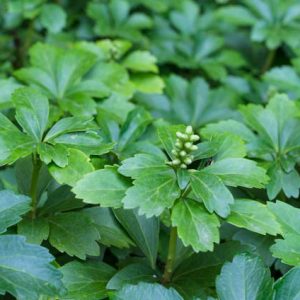
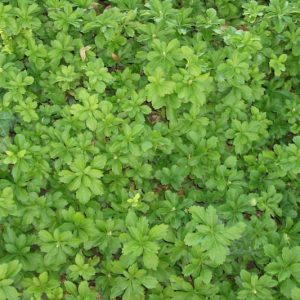
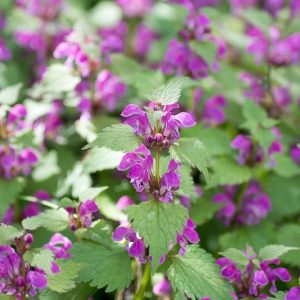
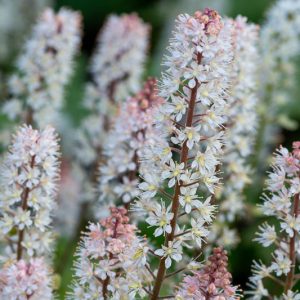
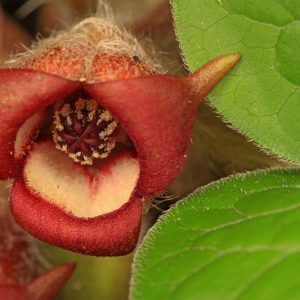
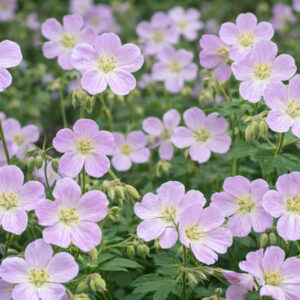
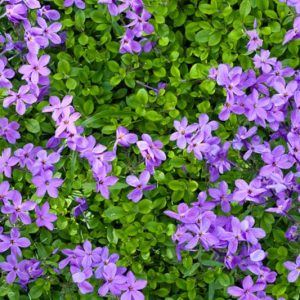
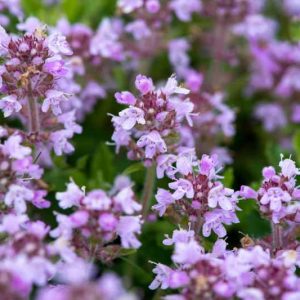
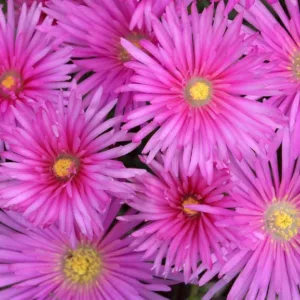
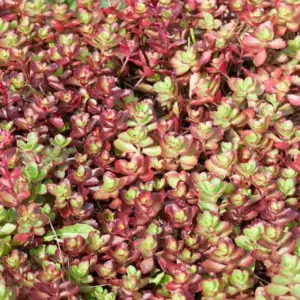
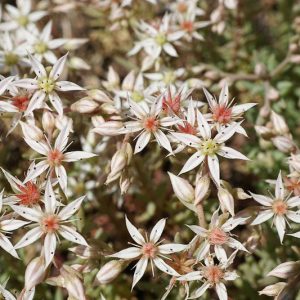
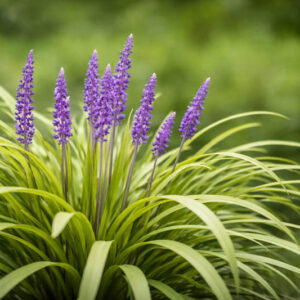
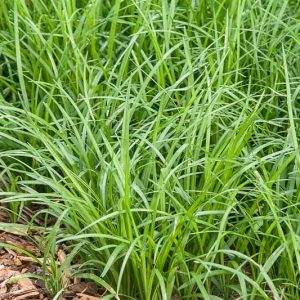
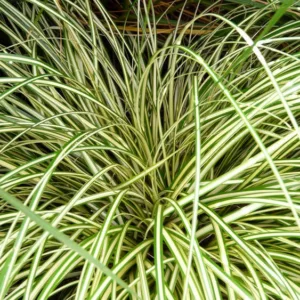
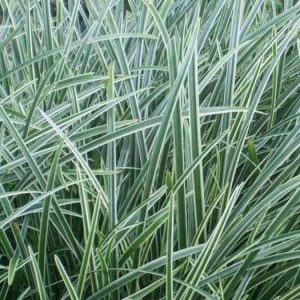
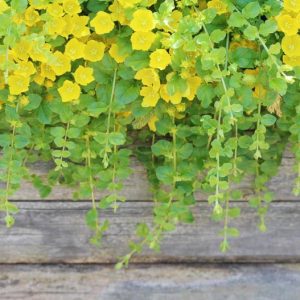
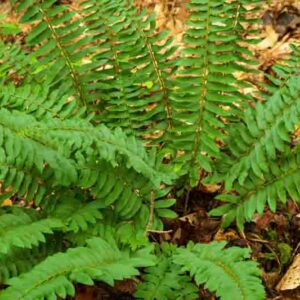
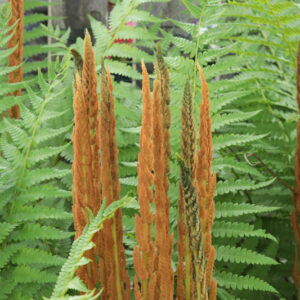
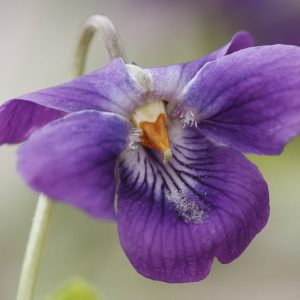
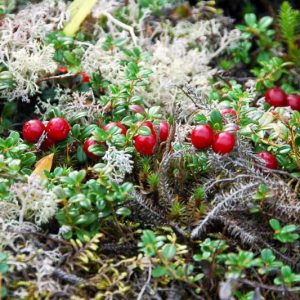
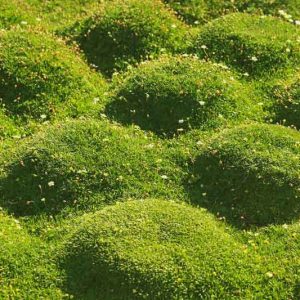

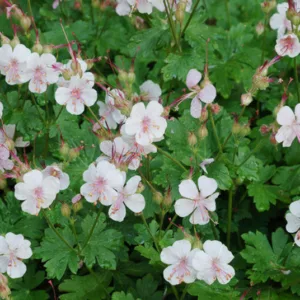

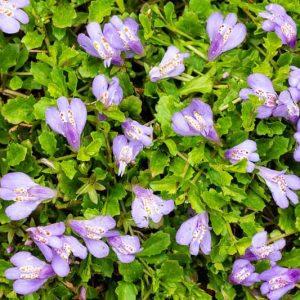
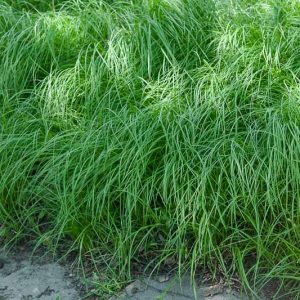
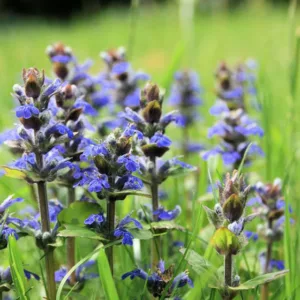
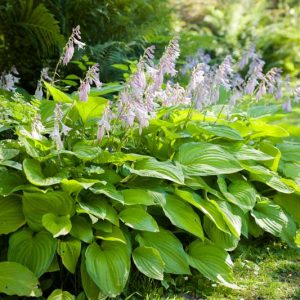
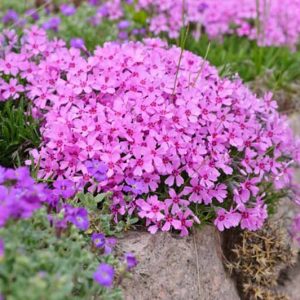
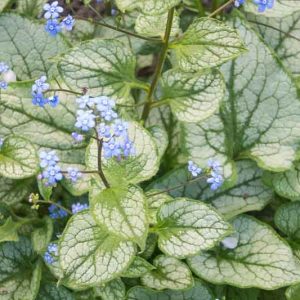
Once you’ve identified your microclimate, use the Zone 7 Groundcover Quick Comparison Table below to match it with the easiest, most reliable groundcovers for that spot.
| Growing Condition | Best Easy Groundcovers | Spread Rate | Notes |
|---|---|---|---|
| Full Sun | Thymus serpyllum, Phlox subulata, Delosperma cooperi, Sedum album, Sedum spurium ‘Dragon’s Blood’ |
Moderate–Fast | Loves heat; needs good drainage; great for slopes and rock gardens. |
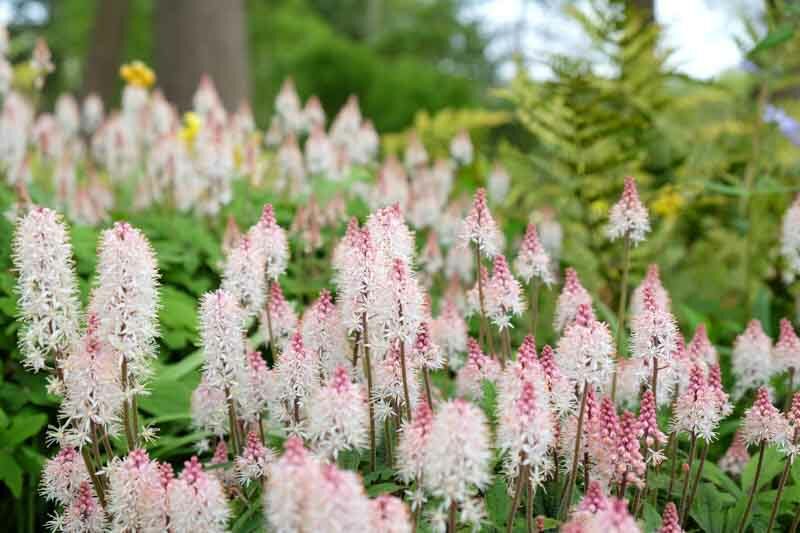
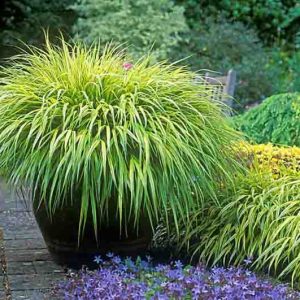
| Part Shade / Dappled Shade | Geranium maculatum, Lamium maculatum, Tiarella cordifolia, Phlox stolonifera, Hakonechloa macra | Moderate | Excellent under open woodlands; provides long bloom seasons. |
| Moist Shade | Lysimachia nummularia ‘Aurea’, Ajuga reptans, Brunnera macrophylla, Hosta groupings, Osmunda ferns | Fast (Ajuga, Lysimachia) / Moderate (Brunnera, Hosta) | Thrives in rich soil; gives vivid foliage contrast and seasonal color. |
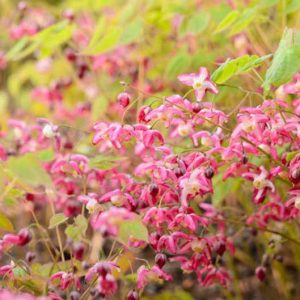
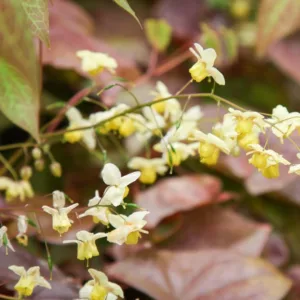
| Dry Shade | Epimedium species, Pachysandra procumbens, Carex pensylvanica, Asarum canadense, Ophiopogon japonicus ‘Nana’ |
Slow–Moderate | Excellent under trees; drought-adapted once established; evergreen structure. |
Unlike turfgrass or mulch-only beds, these groundcovers thrive with minimal input – and often improve soil health over time. They create living carpets that look intentional, reduce erosion, and support wildlife in every corner of a Zone 7 garden.
Zone 7’s long growing season means both slow spreaders and vigorous creepers fill in faster here than in cooler climates. That’s great for coverage but it also means choosing the right plant for the right place is essential. Keep these notes in mind:
Bottom line: Match spread rate, moisture preference, and sunlight needs to your microclimate, and you’ll get groundcovers that thrive, not just survive.
New to groundcovers? These ten plants are fast to establish, forgiving of imperfect soil, and dependable across a wide range of Zone 7 microclimates.
Why these 10? They’re tough, widely adaptable, and remain attractive for most of the year, ideal for gardeners who want instant success and minimal fuss.
Blend Epimedium × rubrum, Asarum canadense, and Pachysandra procumbens, then tuck in clumps of Carex pensylvanica along the edges for a tough yet elegant woodland floor that stays attractive through the seasons.
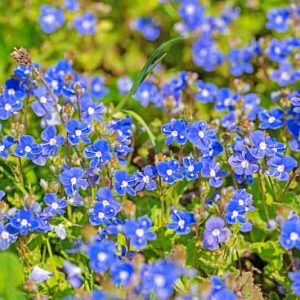
Use Phlox stolonifera, Geranium maculatum, and Tiarella cordifolia, with drifts of Veronica umbrosa ‘Georgia Blue’, for a vibrant spring bloom wave that matures into soft green mounds by summer.
Combine Thymus serpyllum, Liriope muscari, Liriope spicata, and low mats of Sedum spurium ‘Dragon’s Blood’ for year-round coverage that handles heat, drought, and light foot traffic on sunny slopes.
Create a bright woodland look with Lysimachia nummularia ‘Aurea’ threading between clumps of Brunnera macrophylla, small Hosta groupings, and glossy Mitchella repens, with Ajuga reptans adding rich foliage color and bee-friendly blooms.
Zone 7’s long growing window makes groundcover establishment fast and reliable when planted correctly.
The most reliable all-around groundcover for Zone 7 is Liriope muscari. It thrives in sun or shade, handles drought and poor soil, and forms dense, evergreen clumps that suppress weeds with minimal care.
Thymus serpyllum (Creeping Thyme) is the easiest groundcover for beginners because it spreads quickly, tolerates heat and drought, and requires almost no maintenance after establishment.
The fastest-growing groundcovers in Zone 7 are Ajuga reptans, Lysimachia nummularia ‘Aurea’, and Mazus reptans, all of which can cover bare soil within a single growing season under the right conditions.
Pachysandra procumbens, Epimedium species, and Ophiopogon japonicus ‘Nana’ perform exceptionally well in deep shade, even beneath mature trees where light and moisture are limited.
The top drought-tolerant groundcovers for Zone 7 are Sedum spurium, Delosperma cooperi, and Thymus serpyllum. These plants thrive in full sun and poor, dry soils.
Brunnera macrophylla, Ajuga reptans, and Lysimachia nummularia ‘Aurea’ are the best performers in consistently moist, shaded beds, offering bold foliage and spring bloom.
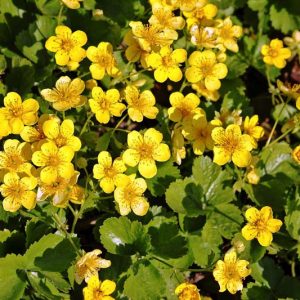
Yes. Excellent native groundcovers include Pachysandra procumbens, Carex pensylvanica, Mitchella repens, Waldsteinia fragarioides, and Viola sororia. These species support local ecosystems and naturalize gracefully.
Yes. English ivy (Hedera helix) and large-leaf vinca (Vinca major) are considered invasive in much of Zone 7 and can escape into woodlands. Choose better alternatives such as pachysandra, epimedium, or native sedges.
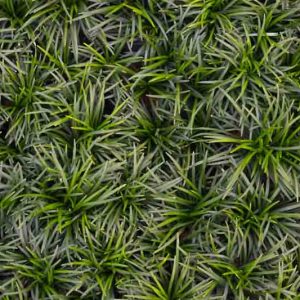
Yes—species such as Thymus serpyllum, Carex pensylvanica, Liriope spicata, and Ophiopogon japonicus ‘Nana’ can form dense, low-maintenance “living lawns” that require little to no mowing.
Most groundcovers take 1–2 growing seasons to fill in. Fast spreaders like Ajuga or Creeping Jenny can cover an area in a single season, while slow spreaders like Epimedium or Dwarf Mondo Grass may require 2–3 years.
Plant fast spreaders 12–18 inches apart and slow or clumping types 8–12 inches apart. Wider spacing allows them to expand naturally while still creating a cohesive carpet.
Yes. Dense mats from groundcovers such as Lamium, Mazus, Ajuga, or Sedum significantly reduce weed germination by shading the soil and outcompeting seedlings.
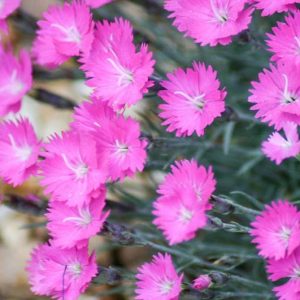
For heavy bloom, choose Phlox stolonifera, Phlox subulata, Geranium maculatum, Dianthus ‘Firewitch’, and Veronica ‘Georgia Blue’. These species offer vibrant spring and summer color.
Updated: December 2025 • Reviewed by Gardenia Editors
| Hardiness |
7 |
|---|---|
| Landscaping Ideas | Ground Covers |
| Toxic to Humans | No known toxicity |
| Toxic to Cats | No known toxicity |
| Toxic to Dogs | No known toxicity |
| Toxic to Horses | No known toxicity |
Create a membership account to save your garden designs and to view them on any device.
Becoming a contributing member of Gardenia is easy and can be done in just a few minutes. If you provide us with your name, email address and the payment of a modest $25 annual membership fee, you will become a full member, enabling you to design and save up to 25 of your garden design ideas.
Join now and start creating your dream garden!
Create a membership account to save your garden designs and to view them on any device.
Becoming a contributing member of Gardenia is easy and can be done in just a few minutes. If you provide us with your name, email address and the payment of a modest $25 annual membership fee, you will become a full member, enabling you to design and save up to 25 of your garden design ideas.
Join now and start creating your dream garden!