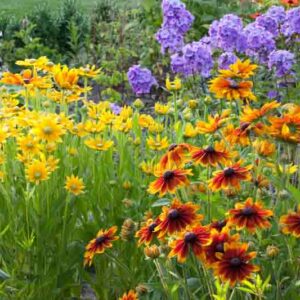
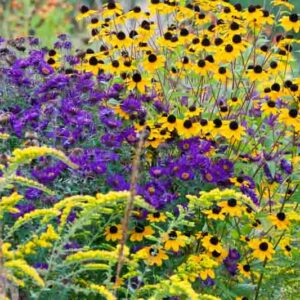
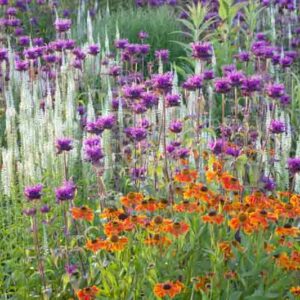
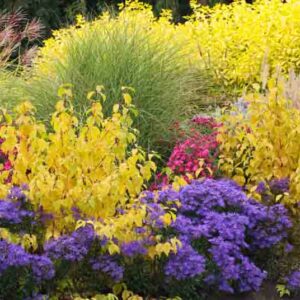
Designing a landscape in USDA Hardiness Zone 7 is packed with possibility. With mild winters, long growing seasons, and versatile plant options, you can create a bold, colorful, low-maintenance garden that thrives all year. This guide walks you through the best plants, layouts, and design strategies for stunning results.


If you garden in USDA Hardiness Zone 7, you are lucky enough to enjoy one of the most flexible climates in North America. With minimum winter temperatures between 0 and 10°F, Zone 7 gives plants enough winter chill while still providing a long growing season and moderate winters. That balance makes it possible to grow a wide variety of plants that gardeners in hotter or colder regions can only dream about. Designing a landscape in this zone means you can build a garden that is visually rich, environmentally resilient, and productive nearly year-round. The key to success is understanding what thrives here and how to create a cohesive, low-maintenance design that elevates your outdoor space.
Zone 7 typically experiences minimum winter temperatures between 0 and 10 degrees Fahrenheit. That moderate chill combined with warm summers opens the door to an enormous range of ornamental trees, shrubs, perennials, and edible garden plants. Spring arrives early, fall lingers long, and frost dates are forgiving. This means your landscape can shine through four distinct seasons if you intentionally layer plants for bloom time, color, shape, and texture.
Every great Zone 7 garden begins with smart planning. Instead of planting impulsively, think about how you want the space to feel and function. Do you want a pollinator sanctuary buzzing with butterflies? A serene shade garden for weekend coffee? A food forest with berries, herbs, and fruit trees? Or a sleek, low-maintenance layout that stays beautiful with minimal upkeep?
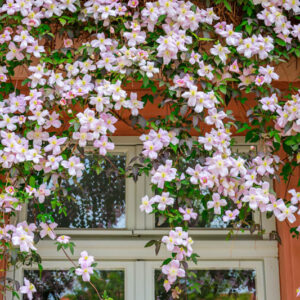
Trees are the backbone of a garden, providing structure, shade, and long-term character. Zone 7 offers enough warmth for flowering ornamentals and enough winter cold for iconic deciduous species.
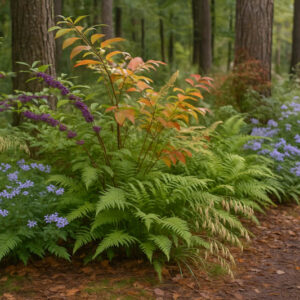
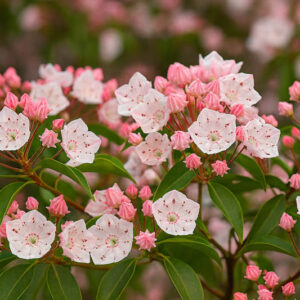
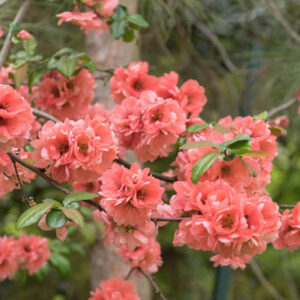
Shrubs bring volume and visual continuity. In Zone 7, you can use a mix of evergreens for winter structure and flowering shrubs for spring and summer impact.
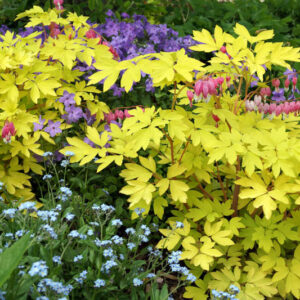
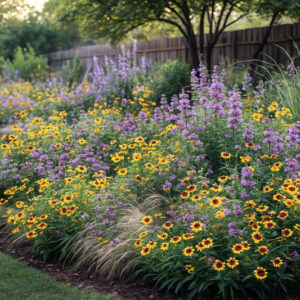
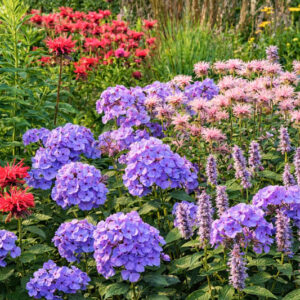
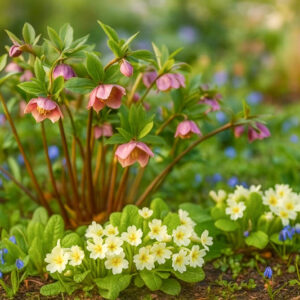
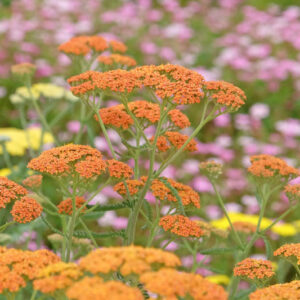
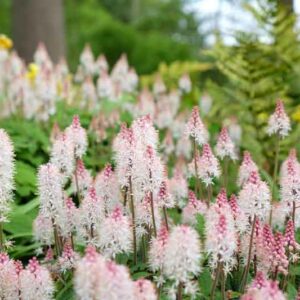
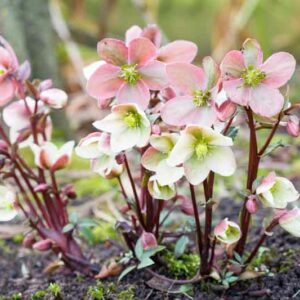
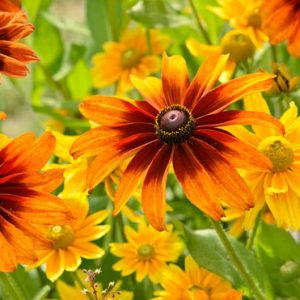
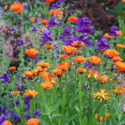
Perennials return every year, making them a smart investment for building a colorful and dynamic landscape. Many Zone 7 perennials bloom from early spring into late fall.
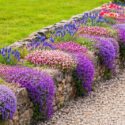
For low-growing groundcovers, consider creeping phlox, ajuga, or mondo grass to create a carpet of color and texture.
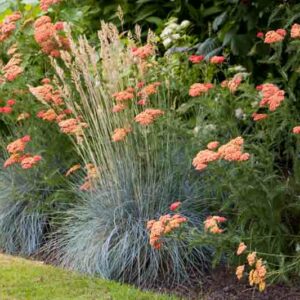
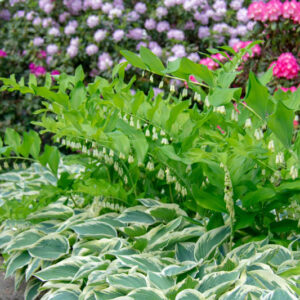
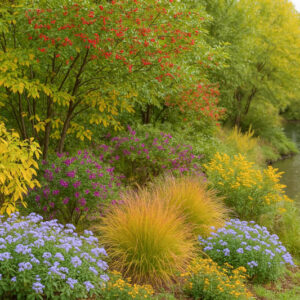
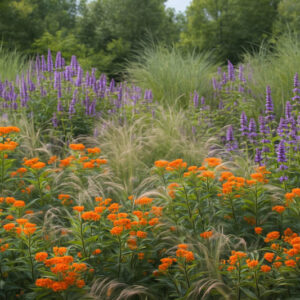
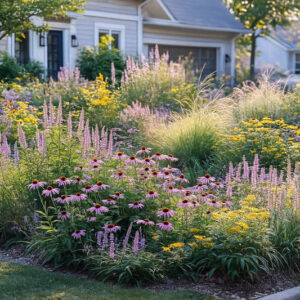
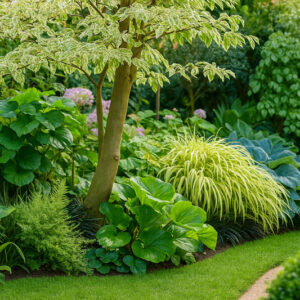
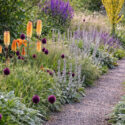
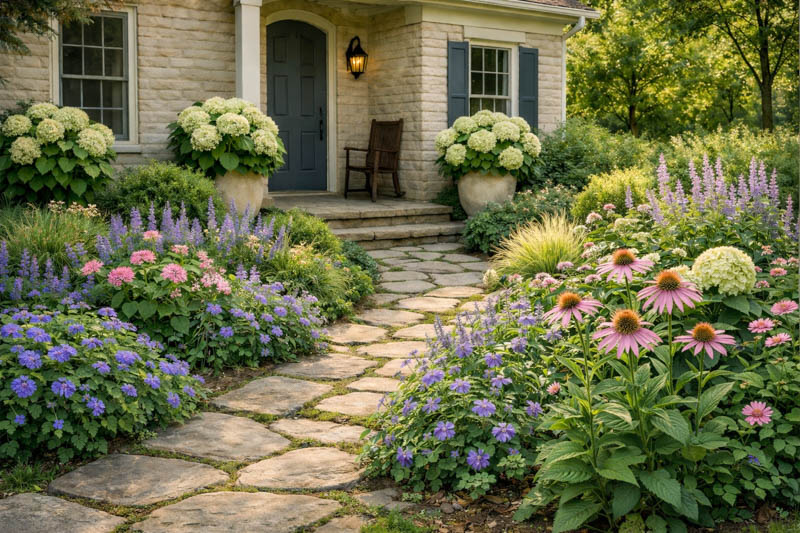
When designing beds in Zone 7, think in terms of layers: tall plants in the back, mid-height plants in the middle, and shorter plants at the front. Use curved bed lines instead of rigid straight edges for a natural flow. Make sure to mix textures like fine grasses with bold-leafed perennials. A high-impact bed may include a small tree or shrub as a focal point, surrounded by flowering perennials that sequence blooms across seasons.
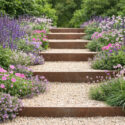
Hardscape elements like patios, stone paths, retaining walls, raised beds, and pergolas help define spaces and increase usability. Stone and wood are excellent natural materials for Zone 7 landscapes because they blend seamlessly with the region’s plant palette. Use gravel paths or stepping stones for charm and drainage, and consider raised beds if your soil needs improvement.
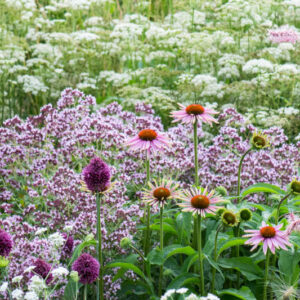
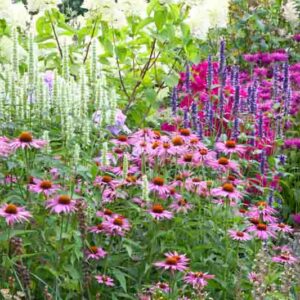
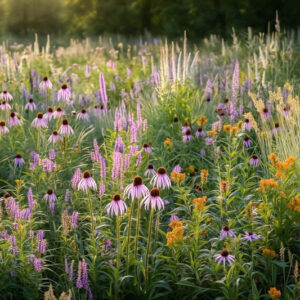
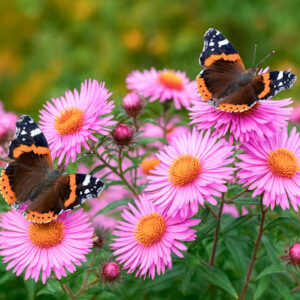
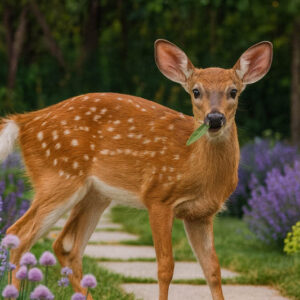
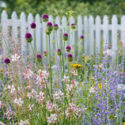
Adding a fountain, pond, or birdbath brings soothing movement and sound to the garden. Zone 7 is perfect for wildlife-friendly landscapes, so consider planting natives like coneflower, coreopsis, and milkweed to attract bees, butterflies, and other beneficial insects. Even a small backyard can become a thriving habitat with layered plantings and a reliable water source.
Zone 7’s long frost-free season is fantastic for growing fruit trees, berries, herbs, and vegetables. Apples, peaches, figs, and pears all thrive here. Blueberries produce well if the soil is kept acidic. Tomatoes, peppers, squash, and cool-season greens like kale, lettuce, spinach, can be grown for many months. Use raised beds or stylish containers to integrate edible plants seamlessly into ornamental landscapes.
You can have a stunning Zone 7 landscape without constant effort if you plan smartly. Choose drought-tolerant plants, use drip irrigation, and mulch beds generously to retain moisture and suppress weeds. Plant in groups instead of isolated specimens for easier care and a more cohesive look.
Spring is the time for pruning, fresh mulch, and fertilizer. Summer demands consistent watering, especially during heat waves. In fall, plant new trees and shrubs when soil temperatures are ideal. Winter is typically mild enough that most perennials survive with minimal protection, though tender plants may benefit from a layer of mulch.
Browse Garden Ideas for Zone 7
| Hardiness |
7 |
|---|---|
| Plant Type | Annuals, Perennials, Shrubs, Trees |
| Toxic to Humans | No known toxicity |
| Toxic to Cats | No known toxicity |
| Toxic to Dogs | No known toxicity |
| Toxic to Horses | No known toxicity |
| Hardiness |
7 |
|---|---|
| Plant Type | Annuals, Perennials, Shrubs, Trees |
| Toxic to Humans | No known toxicity |
| Toxic to Cats | No known toxicity |
| Toxic to Dogs | No known toxicity |
| Toxic to Horses | No known toxicity |
Create a membership account to save your garden designs and to view them on any device.
Becoming a contributing member of Gardenia is easy and can be done in just a few minutes. If you provide us with your name, email address and the payment of a modest $25 annual membership fee, you will become a full member, enabling you to design and save up to 25 of your garden design ideas.
Join now and start creating your dream garden!
Create a membership account to save your garden designs and to view them on any device.
Becoming a contributing member of Gardenia is easy and can be done in just a few minutes. If you provide us with your name, email address and the payment of a modest $25 annual membership fee, you will become a full member, enabling you to design and save up to 25 of your garden design ideas.
Join now and start creating your dream garden!